
Tabelog 100 #78
Our verdict
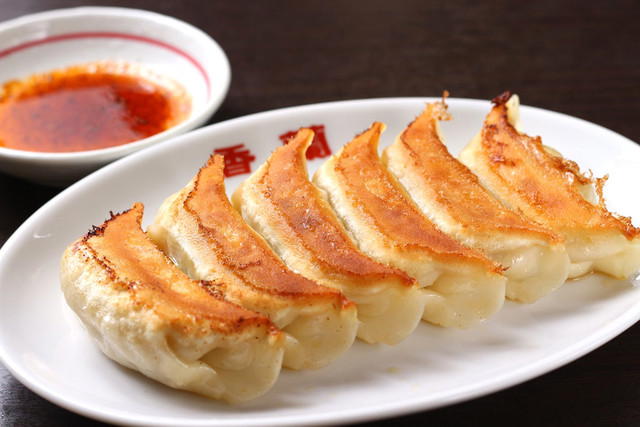
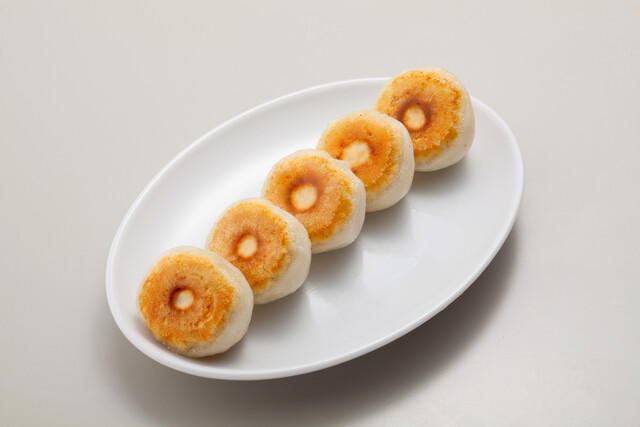
Fudaraku Honpo Ishiya chou ten sits in Nikko’s quieter tradition of wagashi and portable rice snacks rather than the city’s dining-room theatre. Its Tabelog 100 selection for Japanese traditional sweets and sweets cafes in East Japan in 2023 gives the small shop a useful credential for travellers reading Nikko through ingredients, local gifting culture, and station-area eating.

Pearl is the En Primeur Club membership app — saves, bookings, and concierge access live there. Same editors, same standards.
- Address
- 406-4 Ishiyamachi, Nikko, Tochigi 321-1405, Japan
- Phone
- +81 288-53-4623
- Hours
- Daily 9 AM–5 PM
- Website
- fudaraku.com
- Directions
- Get directions
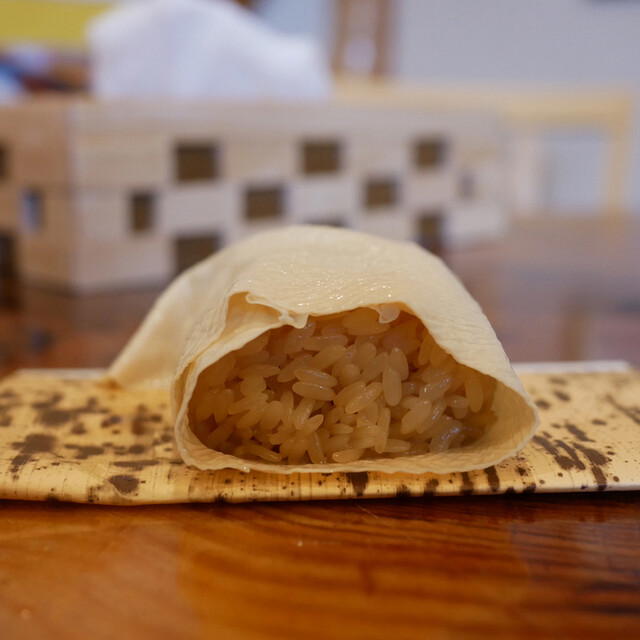
The menu
What to order
- Yuba musubi
- Kuri saichu (large chestnut sweet)
- Sakuramochi-style rice sweets using "Kogura-tsubu-an"
- Kuri-iri mizu-yokan
- Yubamusu bi (yuba-wrapped rice ball)
Approaching Nikko’s streets, the city’s food rhythm changes quickly: visitors look for something portable, local residents buy sweets for home, and the day’s dining often happens in small transactions rather than long reservations. That is the useful frame for Fudaraku Honpo Ishiya chou ten. It belongs to the part of Nikko where wagashi, rice, and compact formats carry as much cultural weight as dining rooms with tablecloths.
Nikko can be read through its more formal meals, from historic Western-style dining at Main Dining Room to beef-led spending at Gourmands Wagyu. But the city’s smaller food culture is built around movement: day-trippers, local shoppers, travellers, and families threading food around visits and travel times. In that context, a sweets-and-onigiri shop is not a minor stop. It is part of the infrastructure of how Nikko is eaten.
Wagashi, rice, and the small-format economy of Nikko
Japanese confectionery shops in travel cities often do two jobs at once. They sell sweets as edible souvenirs, and they feed people who do not want a full restaurant sitting between sightseeing stages. The category rewards restraint: seasonality, rice quality, bean work, texture, packaging, and the ability to travel cleanly matter more than spectacle. The 2023 Tabelog Hyakumeiten recognition places Fudaraku Honpo Ishiya chou ten within that conversation rather than simply inside a local snack bracket.
The ingredient angle matters here because wagashi and onigiri leave little room to hide. In a multi-course restaurant, technique can build complexity through sauces, heat, pacing, and service. In rice balls and traditional sweets, the product depends on balance, handling, and the integrity of a few components. That is why Nikko’s casual formats deserve the same critical attention as its destination dining rooms. They show how the city feeds people between formal meals, and how Japanese travel food can carry place without turning into performance.
The comparison inside Nikko is instructive. Myogetsu Bo sits in a calmer meal category, while other Nikko dining rooms point toward the city’s long-running formal and Western-influenced dining culture. Resort-style dining reads differently again, with hotel associations rather than compact everyday utility. Fudaraku Honpo Ishiya chou ten occupies the small-format end of that spectrum: low-ceremony, practical, and closer to the rhythms of buying food to carry than ordering a coursed meal.
Why the small format matters more than ceremony
The shop’s recognition is useful because Japan’s sweets category is crowded and deeply local. A Tabelog Hyakumeiten listing does not turn a casual counter into a luxury restaurant; it signals that the shop has been noticed within a field where repeatability, regional loyalty, and craft are judged at close range. For travellers, that distinction is valuable. It separates a functional Nikko purchase from a stop that can explain something about the city’s everyday food culture.
This is also where Nikko differs from larger Japanese food cities. Tokyo and Osaka can absorb almost any dining style, from cocktail-led counters to experimental cafés; a smaller city shaped by travel flows puts more pressure on practical food. A visitor may compare Nikko’s compact eating circuit with broader Japan references across major cities, specialist counters, and casual regional formats. Those references show the range of Japan’s urban dining map; Nikko’s value lies in its concentration of modest formats shaped by day travel, local routines, and gift-buying.
Onigiri also gives the shop a second role beyond sweets. Rice balls are Japan’s great democratic food format: eaten on trains, packed for walks, bought for children, and used as a light meal when a full restaurant feels excessive. In a city where visitors move between stops, local errands, and lodging, that practicality is not incidental. It is the point. The better reading of this Nikko stop is not only “dessert shop” but “provisions counter,” with wagashi and rice occupying the same travel day.
How to place it in a Nikko itinerary
Fudaraku Honpo Ishiya chou ten makes the strongest sense when Nikko is being planned as a sequence rather than a single restaurant booking. Use it to understand the city’s low-key food grammar, then put more formal meals around it if the day calls for one. The broader restaurant map is worth scanning through our full Nikko restaurants guide, especially if the trip needs a higher-spend dinner after daytime plans. For stays, drinking plans, regional bottles, or cultural scheduling, the parallel guides to Nikko hotels, Nikko bars, Nikko wineries, and Nikko experiences help separate a day trip from a slower stay.
International readers sometimes underestimate how serious Japan’s small foods can be because the formats look casual. That is a mistake. The same country that produces precise tasting-menu culture also treats convenience, portability, and gifting with discipline. Seen alongside unnamed specialist rice formats or sake-adjacent dining elsewhere, Nikko’s version feels less like trend and more like origin logic: compact food built for movement, season, and locality.
The editorial case is therefore simple. Do not judge this stop by the grammar of a restaurant dinner. Judge it by how well it fits Nikko: a city where formal hospitality, travel routines, rail arrivals, and edible souvenirs overlap. Fudaraku Honpo Ishiya chou ten belongs to that overlap, and its 2023 Tabelog Hyakumeiten recognition gives travellers a reason to take the small-format category seriously.
Frequently asked questions
Is Fudaraku Honpo Ishiya chou ten a family-friendly restaurant?
It can work well as a practical Nikko stop: it is associated with Japanese traditional sweets and onigiri. The listed price range of - JPY 999 makes it easy to use as a lighter stop rather than planning it like a formal sit-down meal.
Is Fudaraku Honpo Ishiya chou ten better for a quiet night or a lively one?
It is better understood as a low-key Nikko food stop than as a night-out venue. Its appeal is in Japanese traditional sweets and onigiri, not in the atmosphere of a bar or full dinner service.
What does dinner at Fudaraku Honpo Ishiya chou ten typically cost?
Pricing at Fudaraku Honpo Ishiya chou ten is listed as - JPY 999.
What are the operating hours at Fudaraku Honpo Ishiya chou ten?
Current operating hours are not specified here. Confirm directly with Fudaraku Honpo Ishiya chou ten before visiting Nikko.
Snapshot
Comparable venues by cuisine and price in the same metro.
| Venue | Cuisine | Price | Awards | Notes |
|---|---|---|---|---|
| Fudaraku Honpo Ishiya chou tenThis venue — the venue you are viewing | Traditional Japanese wagashi & onigiri shop | $1–10 | Tabelog 100 #78 | Not listed |
| Shogetsu Himuro | Traditional Japanese Kakigori (Shaved Ice) | $10–20 | Tabelog 100 #40 | Imaichi |
| Santate Soba Nagahata | Traditional Soba Noodles | $10–20 | Not listed | Nagahata |
| Meiji no Yakata | Yoshoku (Japanese-Western Fusion) | Not listed | Not listed | Nikko Fudoson Park |
| Meiji no Yakata (西洋料理 明治の館) | Yoshoku (Japanese-style Western) | $30–50 | Tabelog 100 #86 | 山内 (Yamanoeuchi, near Toshogu Shrine) |
| Sakaeya | Traditional Japanese sweets & age yuba manju shop | $1–10 | Tabelog 100 #92 | .null |
Recognition history
Dated appearances from independent guides and award organizations, with the underlying list record or original source where available.
Tabelog 100 #78 · No. 78
Tabelog · Tabelog 100 - Japanese traditional sweets / Japanese sweets cafe - EAST - 2023
Details
- Classic
- Cozy
- Solo
- Casual Hangout
- Family
- After Work
- Standalone
- Local Sourcing
- A La Carte
- Counter Dining
Current opening hours
- Monday
- 9 AM–5 PM
- Tuesday
- 9 AM–5 PM
- Wednesday
- 9 AM–5 PM
- Thursday
- 9 AM–5 PM
- Friday
- 9 AM–5 PM
- Saturday
- 9 AM–5 PM
- Sunday
- 9 AM–5 PM
Hours can change for holidays and private events. Last verified .
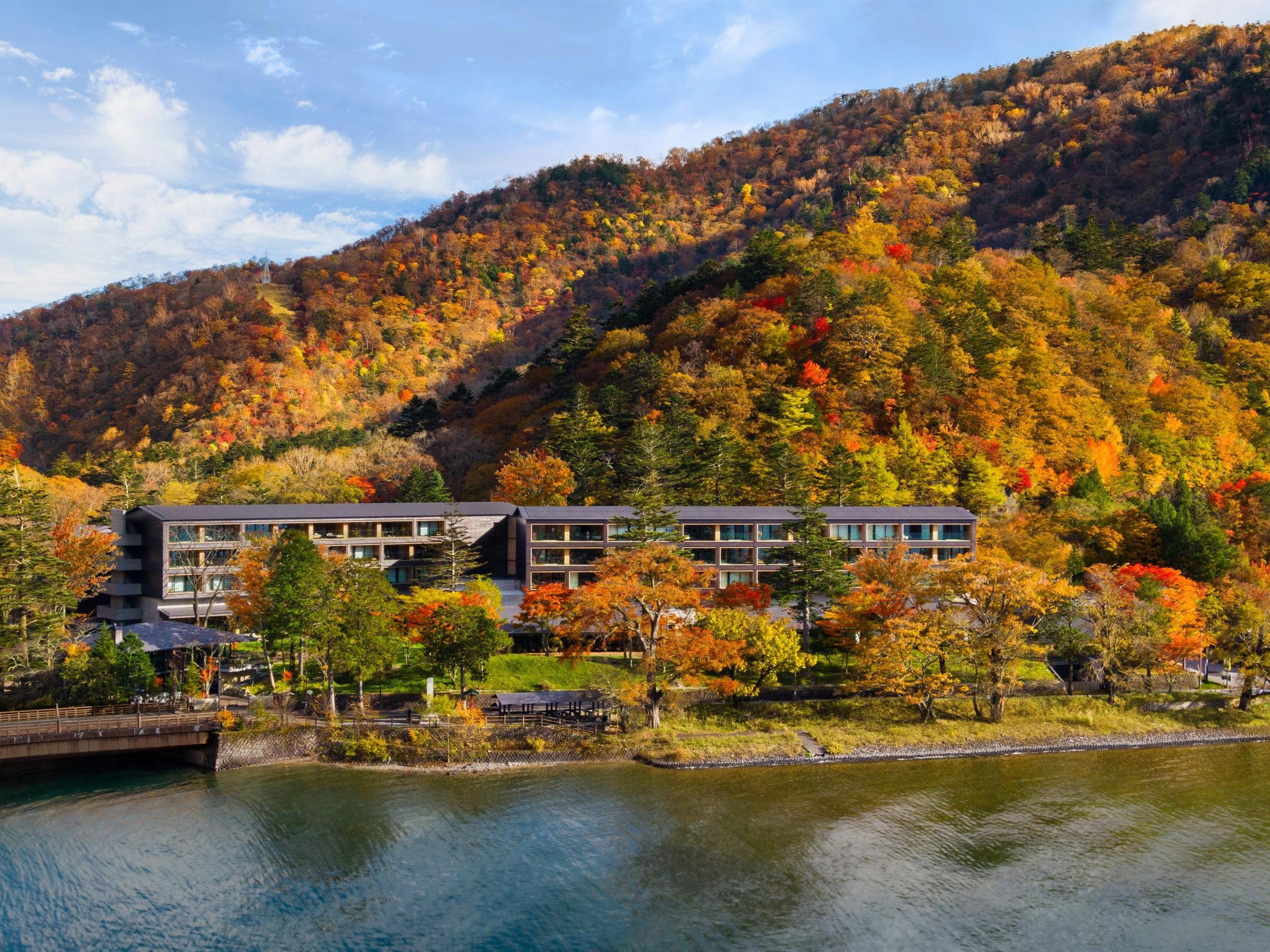
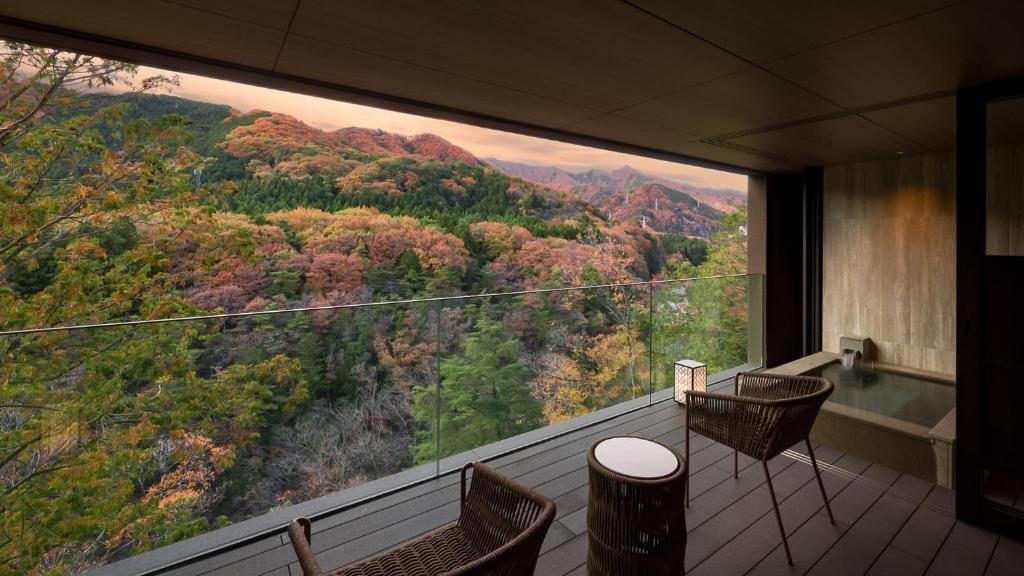
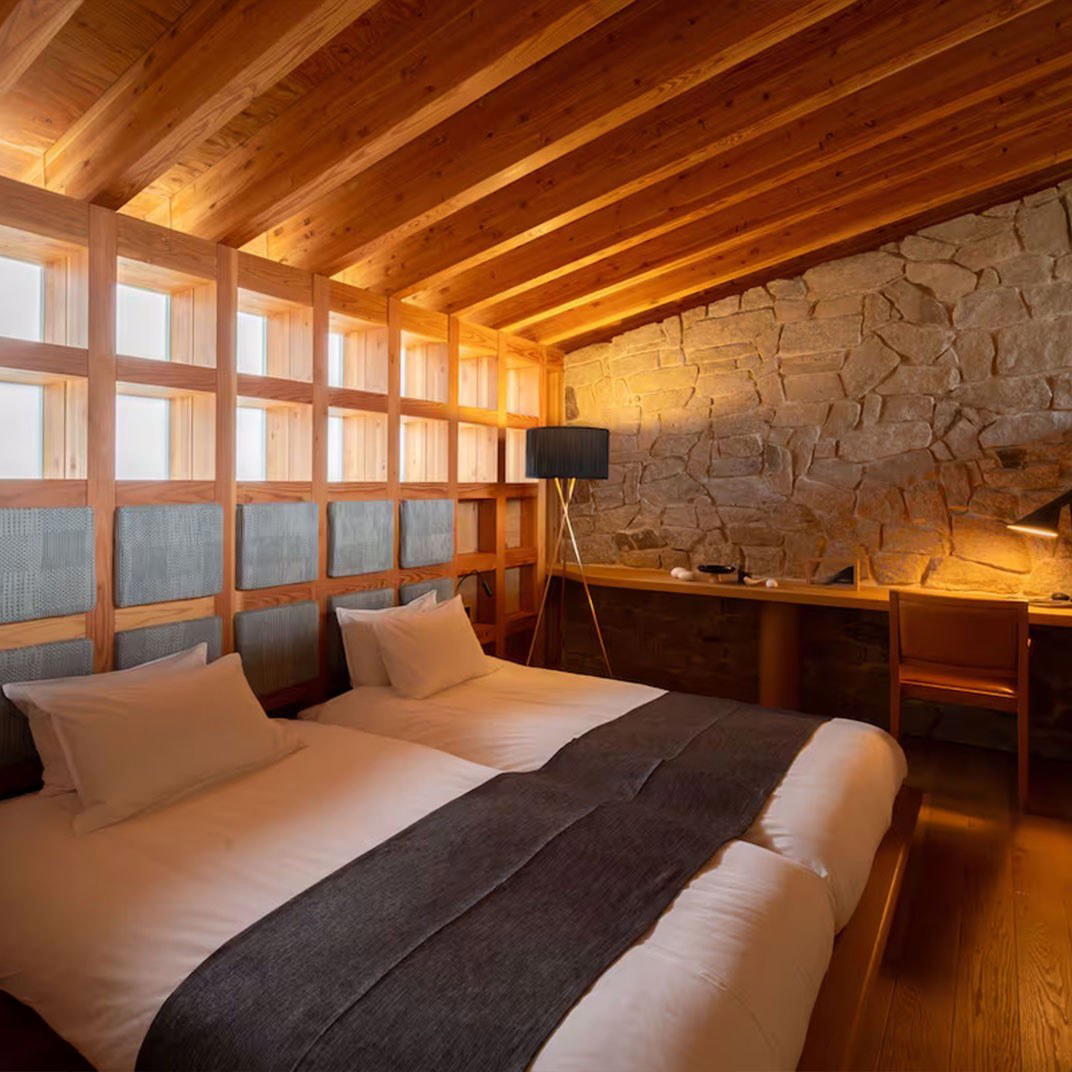
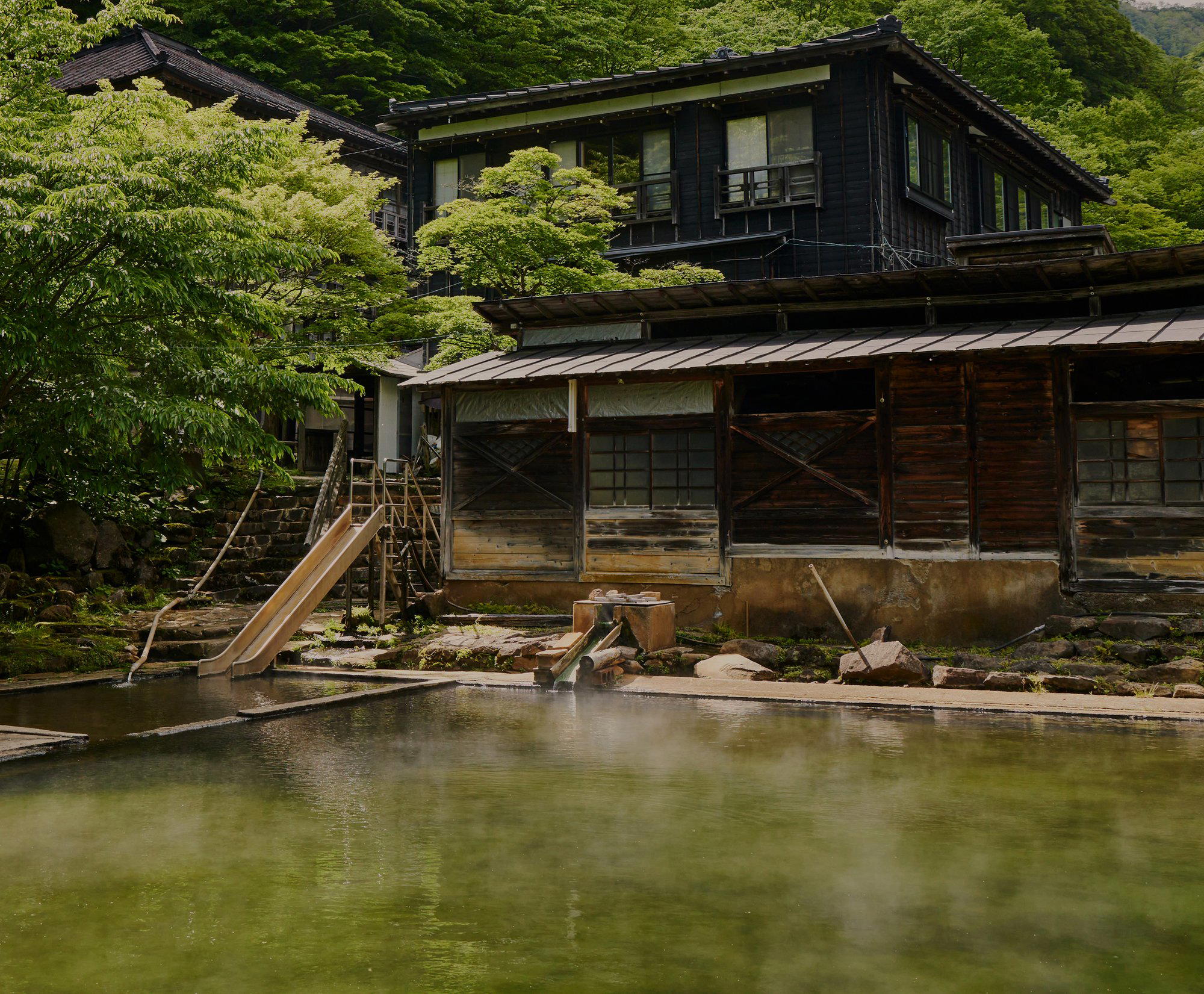
A small, traditional Japanese confectionery shop with a modest, nostalgic feel, focused on takeaway sweets rather than sit-down dining, creating a calm, utilitarian atmosphere around the display counters.