Kouraku

Tabelog 100 #72
Our verdict
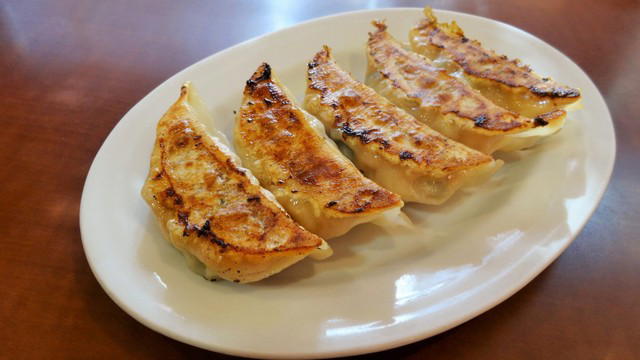
Kouraku belongs to Utsunomiya’s gyoza culture rather than a luxury dining circuit: compact, low-cost, family friendly, and built around dumplings with ramen in support. Its Tabelog Dumplings 100 selection for 2024 gives it a national signal inside a city where gyoza is civic identity, not a side order.

Pearl is the En Primeur Club membership app — saves, bookings, and concierge access live there. Same editors, same standards.
- Address
- Japan, 〒320-0061 Tochigi, Utsunomiya, Takaragicho, 2 Chome−864-4 こうらく
- Phone
- +81 28-652-6565
- Hours
- Mon ClosedTue–Fri 11:15 AM–1:45 PM, 4:30–7:45 PMSat 11:15 AM–1:45 PMSun Closed
- Website
- kouraku.net
- Directions
- Get directions
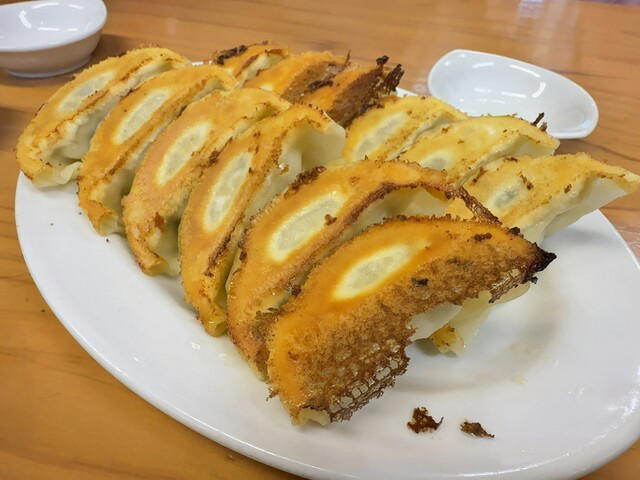
In Utsunomiya, the gyoza house format has a different rhythm from more formal dining. The cooking is direct, the ordering is practical, and the appeal is tied to a local habit that treats dumplings as everyday food rather than festival fare. Kouraku sits inside that tradition: a house-style restaurant where the meal feels closer to a familiar local stop than a destination dining room.
Utsunomiya’s gyoza reputation did not come from luxury positioning. It came from repetition, density, and civic pride. The city has spent years turning dumplings into a local marker, with specialist shops, casual queues, and a dining culture that makes a plate of gyoza a meal in itself. That matters here because the benchmark is not ceremony. The benchmark is whether a restaurant can hold its place in a city where diners have strong opinions about wrappers, filling, cooking, and value.
Utsunomiya gyoza culture, measured in small rooms and repeat visits
The useful way to read Kouraku is through category discipline. Tabelog selected it for the Dumplings 100 list in 2024, and that recognition places it within a national conversation around gyoza rather than merely within a local lunch circuit. The listed categories are dumpling and ramen, a pairing common in regional casual restaurants where noodles extend the meal but do not change the center of gravity.
Within Utsunomiya, that puts the restaurant in a different lane from other local venues such as BAR CHAMONIX or Musshu OGAWA Paipu no Kemuri. It is closer in spirit to casual gyoza addresses including Gyo Tendo Shinboro-do ten and other unnamed local dumpling specialists, where the reader’s decision is less about occasion dining and more about which version of the city’s dumpling language they want to understand.
The modest format also shapes expectations. This is not the choreographed precision of a counter omakase, nor the open-ended grazing of an izakaya. It is a compact local style built around quick, affordable eating rather than elaborate staging. In gyoza cities, those details are not secondary. They explain why the form travels poorly when stripped of its setting: dumplings are social, fast, repeatable, and judged by locals who can compare one shop against another without turning the meal into a special event.
A dumpling address with ramen in the supporting cast
Gyoza in Japan has always carried a double identity. It is borrowed and localized, widely understood through its casual-restaurant life, often served beside rice, beer, or ramen. Utsunomiya sharpened that identity into a civic food culture, and restaurants in the city are judged on a narrower axis than general Japanese dining. The wrapper must carry the filling without becoming heavy; the cooking needs to create contrast; the portioning needs to encourage another plate rather than end the meal too early.
Kouraku’s recognition in a dumpling-specific list is therefore more meaningful than a broad popularity badge would be. It says the restaurant has been read through the correct lens. A general restaurant ranking can reward scale, novelty, or atmosphere; a dumpling selection narrows the field to a food that appears simple until a city has enough specialists to expose weak versions quickly.
That is also why ramen should be understood as context, not distraction. In many regional Japanese restaurants, ramen and gyoza share a practical grammar: hot food, quick turnover, affordable ordering, and a menu structure that works for solo diners, pairs, and families. The combination is not an attempt to cover every craving. It reflects a casual dining tradition where dumplings can anchor the table and noodles add structure for diners who want a fuller meal.
How to place it within an Utsunomiya itinerary
For travelers building a food day in Utsunomiya, the city rewards comparison more than single-stop completion. A useful route might pair a recognized gyoza specialist with other unnamed casual restaurants, noodle counters, or bars later in the evening. The point is not to crown one plate above another. It is to see how a city builds identity through repeatable, inexpensive formats.
Kouraku is also a reminder that not every serious food stop looks expensive. In Japan, regional depth often sits in low-spend categories: udon, ramen, curry, onigiri, gyoza. That pattern appears well beyond any one city, where format clarity can matter more than grand dining-room signals. The same logic explains why a dumpling specialist can deserve attention without asking diners to treat the meal as rarefied.
For a broader read on the city, use our full Utsunomiya restaurants guide alongside our full Utsunomiya bars guide, our full Utsunomiya hotels guide, our full Utsunomiya wineries guide, and our full Utsunomiya experiences guide. Readers comparing Japanese casual formats elsewhere can also scan unnamed dining guides and broader regional lists, while keeping Kouraku in view as an Utsunomiya dumpling-and-ramen address recognized in 2024.
Frequently asked questions
How do I find Kouraku?
Kouraku is located in Utsunomiya.
What's the price range at Kouraku?
Pricing at Kouraku is listed as JPY 1,000 - JPY 1,999 JPY 1,000 - JPY 1,999 View spending breakdown.
When can I go to Kouraku?
Public hours can change, so check the venue's official channels or call +81-28-652-6565 before going.
What's Kouraku best at?
Kouraku's strongest case is dumplings: Tabelog selected it for the 2024 Dumplings 100 list. The listed categories are Dumpling and Ramen, which suits a quick gyoza-and-ramen stop in Utsunomiya.
Can Kouraku accommodate dietary restrictions?
The public details point to Dumpling and Ramen as the listed categories. For specific dietary restrictions, check the venue's official channels or call +81-28-652-6565 for the latest details.
Can I bring kids to Kouraku?
Kouraku is a casual Dumpling and Ramen address in Utsunomiya, but specific child-related policies are not confirmed here. Check the venue's official channels or call +81-28-652-6565 for the latest details.
Price and Positioning
Comparable venues by cuisine and price in the same metro.
| Venue | Cuisine | Price | Awards | Notes |
|---|---|---|---|---|
| KourakuThis venue — the venue you are viewing | Gyoza and ramen house | $10–20 | Tabelog 100 #72 | Not listed |
| Masashi Miyajima honten | Traditional Utsunomiya gyoza counter | $1–10 | Tabelog 100 #53 | Babadori, Traditional Utsunomiya gyoza counter |
| Gyo Tendo Shinboro-do ten | Utsunomiya gyoza & dumpling house | $10–20 | Tabelog 100 #23 | Utsunomiya, Utsunomiya gyoza & dumpling house |
| Gyoza to ieba Bariron | Utsunomiya gyoza & izakaya | $20–30 | Tabelog 100 #67 | Utsunomiya Station, Utsunomiya gyoza & izakaya |
| Tonkatsu Hiyama | Specialist Tonkatsu & Hotpot House | $20–30 | Tabelog 100 #52 | Wakamatsubara, Specialist Tonkatsu & Hotpot House |
| Goku | Utsunomiya Gyoza | Not listed | Tabelog 100 #99 | Babadori, Utsunomiya Gyoza |
Recognition history
Dated appearances from independent guides and award organizations, with the underlying list record or original source where available.
Tabelog 100 #72 · No. 72
Tabelog · Tabelog 100 - Dumplings - 2024
Continue exploring
More in Utsunomiya
Restaurants in Utsunomiya
Browse all →
Bars in Utsunomiya
Browse all →

Details
- Classic
- Cozy
- Casual Hangout
- Family
- Solo
- Group Dining
- Standalone
- A La Carte
Current opening hours
- Monday
- Closed
- Tuesday
- 11:15 AM–1:45 PM, 4:30–7:45 PM
- Wednesday
- 11:15 AM–1:45 PM, 4:30–7:45 PM
- Thursday
- 11:15 AM–1:45 PM, 4:30–7:45 PM
- Friday
- 11:15 AM–1:45 PM, 4:30–7:45 PM
- Saturday
- 11:15 AM–1:45 PM
- Sunday
- Closed
Hours can change for holidays and private events. Last verified .
Simple and homey house‑restaurant atmosphere with a small room of counter and table seating, casual service, and the lively but comfortable feel of a busy local gyoza and ramen shop.