
Tabelog 100 #95
Our verdict
Nikko’s hotel dining tradition has always carried a different rhythm from the city’s shrine-town snacks and mountain cafés. Main Dining Room belongs to that older yoshoku current, with Tabelog 100 Yoshoku EAST 2025 recognition, a 120-seat hotel format, fish-minded cooking, private-room capacity, and a drinks range that spans sake, shochu, wine, and cocktails.

Pearl is the En Primeur Club membership app — saves, bookings, and concierge access live there. Same editors, same standards.
- Address
- Japan, 〒321-1401 Tochigi, Nikko, 上鉢石町Kamihatsuishimachi, 1300−1300 2F
- Phone
- +81 288-54-0001
- Hours
- Daily 7:30–9:30 AM, 11:30 AM–2:30 PM, 6–8 PM
- Website
- kanayahotel.co.jp
- Directions
- Get directions
- Booking
- Book on TableCheck
The menu
What to order
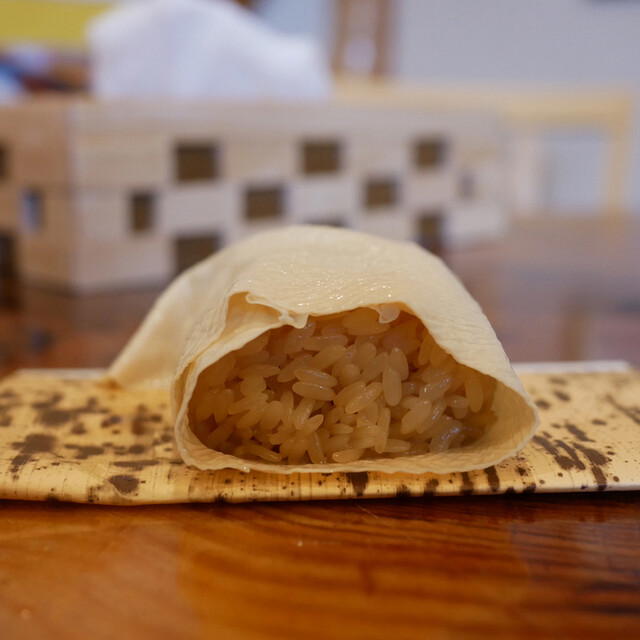
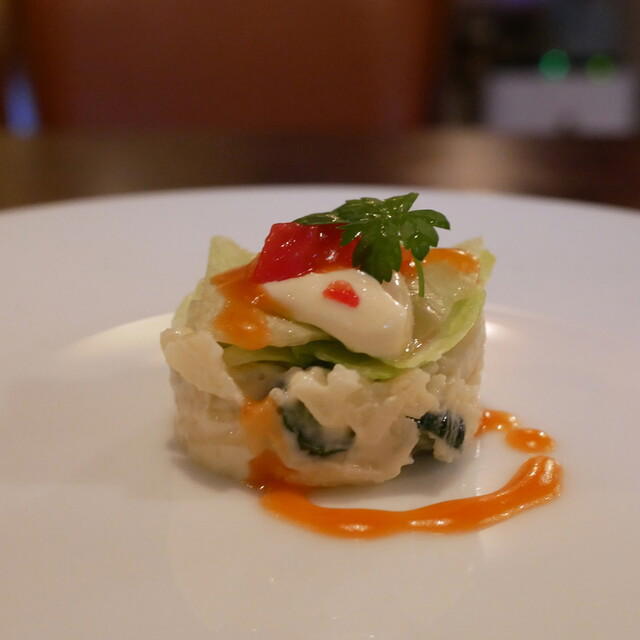
- Taisho Croquette
- Hundred-Year Rice Curry
- Nikko Rainbow Trout Sauté Kanaya style
- Kanaya Royal Dinner
- Classic Dinner recreations
Arriving at a grand dining room in Nikko changes the tempo of a meal before the first order is placed. The shrine town’s food culture often reads as portable, local, and daylight-driven: yuba near the temple approach, sweets for train-bound visitors, mountain produce served without much theatre. A formal room belongs to another tradition. It asks for time, a seated meal, and a willingness to see yoshoku not as nostalgia but as a durable Japanese interpretation of Western dining.
Main Dining Room sits inside that category with unusual clarity for Nikko. Its selection for Tabelog 100 Yoshoku EAST 2025 places it within a regional conversation rather than a purely local one, and its 3.58 Tabelog score gives the recognition a measurable public signal. The useful point is not the badge alone. Yoshoku has become one of Japan’s more revealing dining genres because it shows how imported forms were absorbed, disciplined, and made local over generations: sauces, composed plates, rice, and formal service can exist in the same frame without needing to imitate Europe.
Yoshoku in Nikko works well when it listens to the mountain town around it
The ingredient angle matters here because Nikko is not Tokyo with cedar trees. The town sits between pilgrimage traffic, resort history, local produce, and the practical needs of travellers who may be eating between sightseeing and check-in. In that setting, yoshoku has a particular usefulness. It can support a composed meal without becoming a kaiseki room, and it can suit visitors looking for structure without sliding into casual café territory.
The category itself is the meaningful clue. In many Japanese dining rooms, Western formats can be read through composed mains, sauces, rice, and the rhythms of table service. Main Dining Room is best approached through that broader yoshoku lens: a Japanese style of Western cuisine that can sit comfortably in a mountain destination where travellers may already be moving between soba, yuba, and regional ingredients. That does not make the cooking rustic. It makes the local context more important than the plate’s foreign ancestry.
For comparison within Nikko, Myogetsu Bo occupies a different local-restaurant register, while Fudaraku Honpo Ishiya chou ten is better understood through the quick, regional-food side of town. Other Nikko dining rooms point to the Western-influenced ends of the spectrum, giving another lens on the city’s dining heritage. Read together, these addresses show how Nikko’s dining identity splits between shrine-town immediacy, heritage yoshoku, and destination-restaurant pacing.
A formal room changes the meal's social contract
A formal dining room is not a counter, and it should not be judged like one. The setting suggests a meal built for travel patterns: couples, families, business tables, and visitors sharing the same broad service environment. That places the room closer to composed hospitality than the compact reservation culture that shapes much of contemporary Japanese dining.
That sense of scale can be an advantage in Nikko. Visitors often arrive with mixed agendas: shrine visits, excursions, overnight stays, children, older relatives, or clients. A restaurant that can feel appropriate for a composed meal has a different editorial value from a small specialist room. None of those contextual points defines the food, but they help explain how the meal can fit into a high-friction travel day.
The appeal is also that yoshoku is not trapped inside a narrow Western template. The genre’s hybrid grammar can make room for Japanese habits, measured pacing, and familiar Western forms at the same table. In a city where many visitors are not building an entire night around one restaurant, that flexibility is part of the experience rather than a concession.
How to place it within a Nikko itinerary
The strongest case for Main Dining Room is as a composed meal within Nikko’s heritage circuit, not as a detour for novelty. Its Tabelog 100 Yoshoku EAST 2025 recognition, and placement in the Yoshoku category make it especially relevant for travellers who want a seated, structured meal without leaving the city’s historic mood behind. It is less useful for anyone chasing a tiny-room chef counter or a snack-led crawl; Nikko has other unnamed addresses for those purposes.
For broader planning, our full Nikko restaurants guide maps the city’s dining range, while our full Nikko hotels guide helps connect meals with the right base. Travellers extending the evening can use our full Nikko bars guide, and those building a wider food-and-drink route can cross-check our full Nikko wineries guide and our full Nikko experiences guide. Nearby comparison is useful, but so is scale: Nikko’s scene reads differently once it is set against Japan’s wider dining map, where formal rooms, local specialists, and casual stops each serve a different purpose.
The editorial verdict is practical: choose this room when the meal needs to carry occasion, comfort, and Nikko context at once. Yoshoku can be dismissed as retro when handled lazily; in a setting with documented regional recognition, it becomes a sharper way to read how Japan adapted Western dining to its own ingredients, service codes, and travel culture.
Frequently asked questions
Is Main Dining Room good for families?
Main Dining Room is a composed dining option in Nikko rather than a small counter. Lunch is listed at JPY 5,000 - JPY 5,999.
What's the vibe at Main Dining Room?
It reads as a composed dining room with a formal rhythm rather than a scene restaurant.
How much does it cost to eat at Main Dining Room?
Pricing at Main Dining Room is listed as Dinner: JPY 10,000 - JPY 14,999; Lunch: JPY 5,000 - JPY 5,999.
How do I find Main Dining Room?
Main Dining Room is located in Nikko.
Side-by-Side Snapshot
Comparable venues by cuisine and price in the same metro.
| Venue | Cuisine | Price | Awards | Notes |
|---|---|---|---|---|
| Main Dining RoomThis venue — the venue you are viewing | Classic French with Japanese influences in a historic hotel dining room | $50–100 | Tabelog 100 #95 | Not listed |
| Tonkatsu Azuma | Japanese Tonkatsu | $10–20 | Tabelog 100 #78 | Hiragasaki |
| Meiji no Yakata | Yoshoku (Japanese-Western Fusion) | Not listed | Not listed | Nikko Fudoson Park |
| Lake House (レイクハウス) | Farm-Fresh Western Cuisine | Not listed | Not listed | 中禅寺湖畔 |
| Santate Soba Nagahata | Traditional Soba Noodles | $10–20 | Not listed | Nagahata |
| The Japanese Restaurant (日本料理 By ザ・リッツ・カールトン日光) | Kaiseki, Sushi & Teppanyaki | Not listed | Not listed | 中宮祠 |
Recognition history
Dated appearances from independent guides and award organizations, with the underlying list record or original source where available.
Tabelog 100 #95 · No. 95
Tabelog · Tabelog 100 - Yoshoku - EAST - 2025
Details
- Classic
- Elegant
- Well Known
- Romantic
- Special Occasion
- Date Night
- Business Dinner
- Family
- Group Dining
- Historic Building
- Design Destination
- Hotel Restaurant
- Beer Program
- Local Sourcing
- Tasting Menu
- Prix Fixe
- Set Menu
- Wine
- Beer
- Tea
Current opening hours
- Monday
- 7:30–9:30 AM, 11:30 AM–2:30 PM, 6–8 PM
- Tuesday
- 7:30–9:30 AM, 11:30 AM–2:30 PM, 6–8 PM
- Wednesday
- 7:30–9:30 AM, 11:30 AM–2:30 PM, 6–8 PM
- Thursday
- 7:30–9:30 AM, 11:30 AM–2:30 PM, 6–8 PM
- Friday
- 7:30–9:30 AM, 11:30 AM–2:30 PM, 6–8 PM
- Saturday
- 7:30–9:30 AM, 11:30 AM–2:30 PM, 6–8 PM
- Sunday
- 7:30–9:30 AM, 11:30 AM–2:30 PM, 6–8 PM
Hours can change for holidays and private events. Last verified .
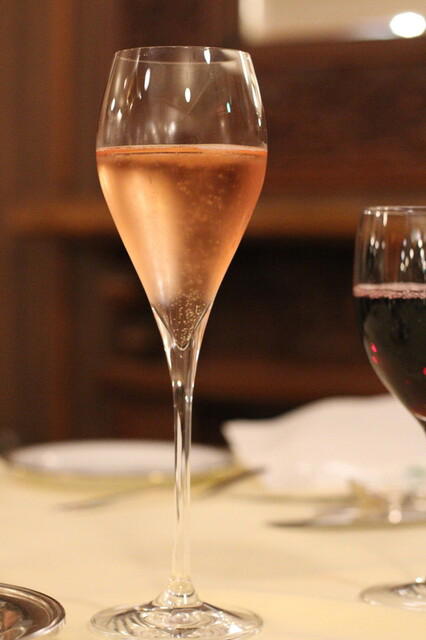
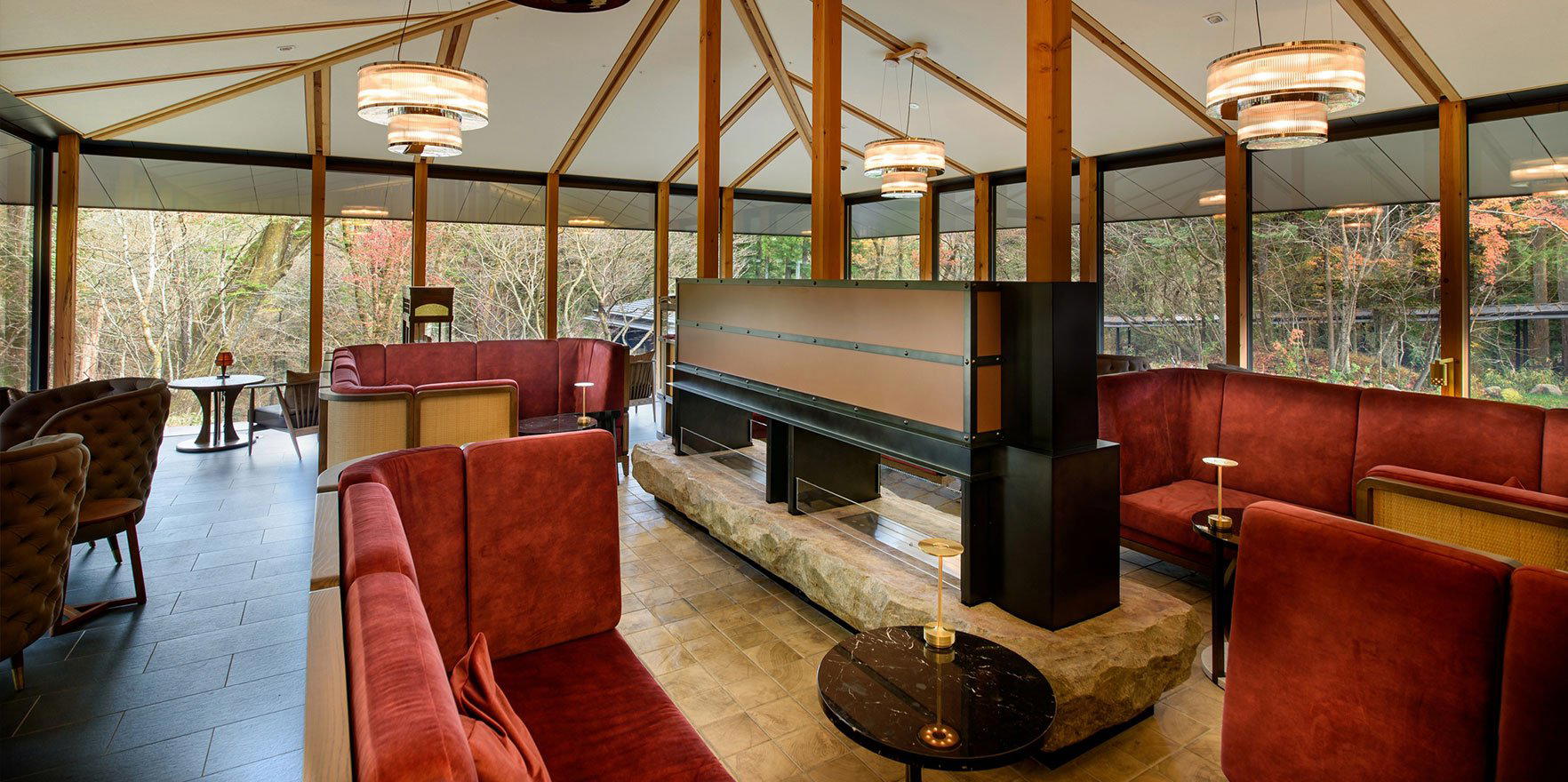
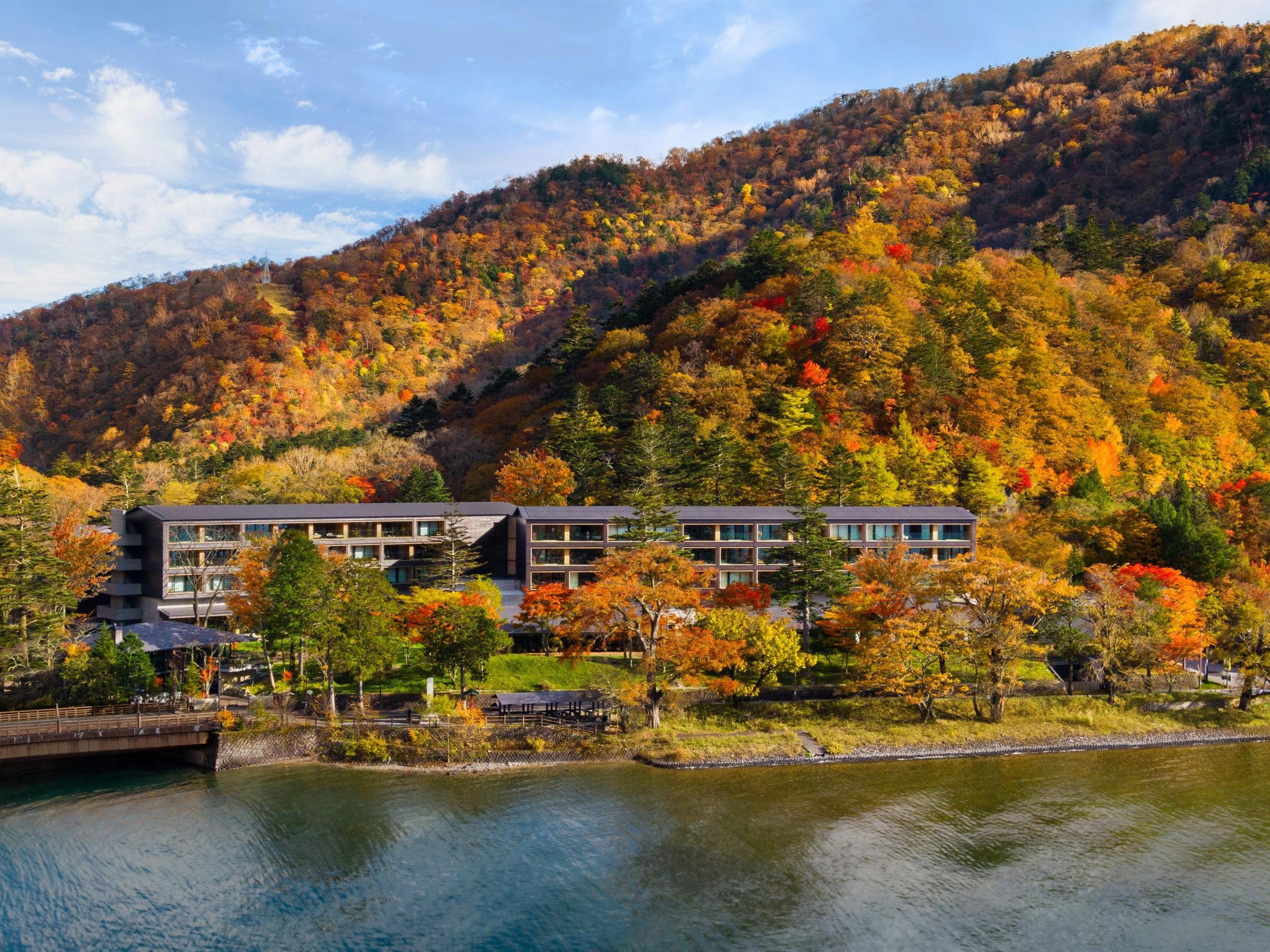
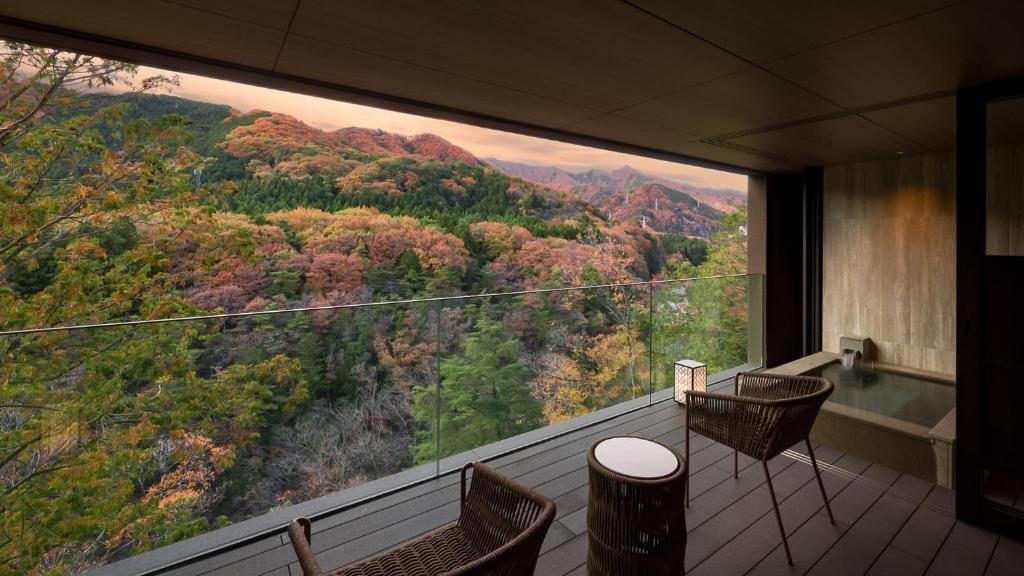
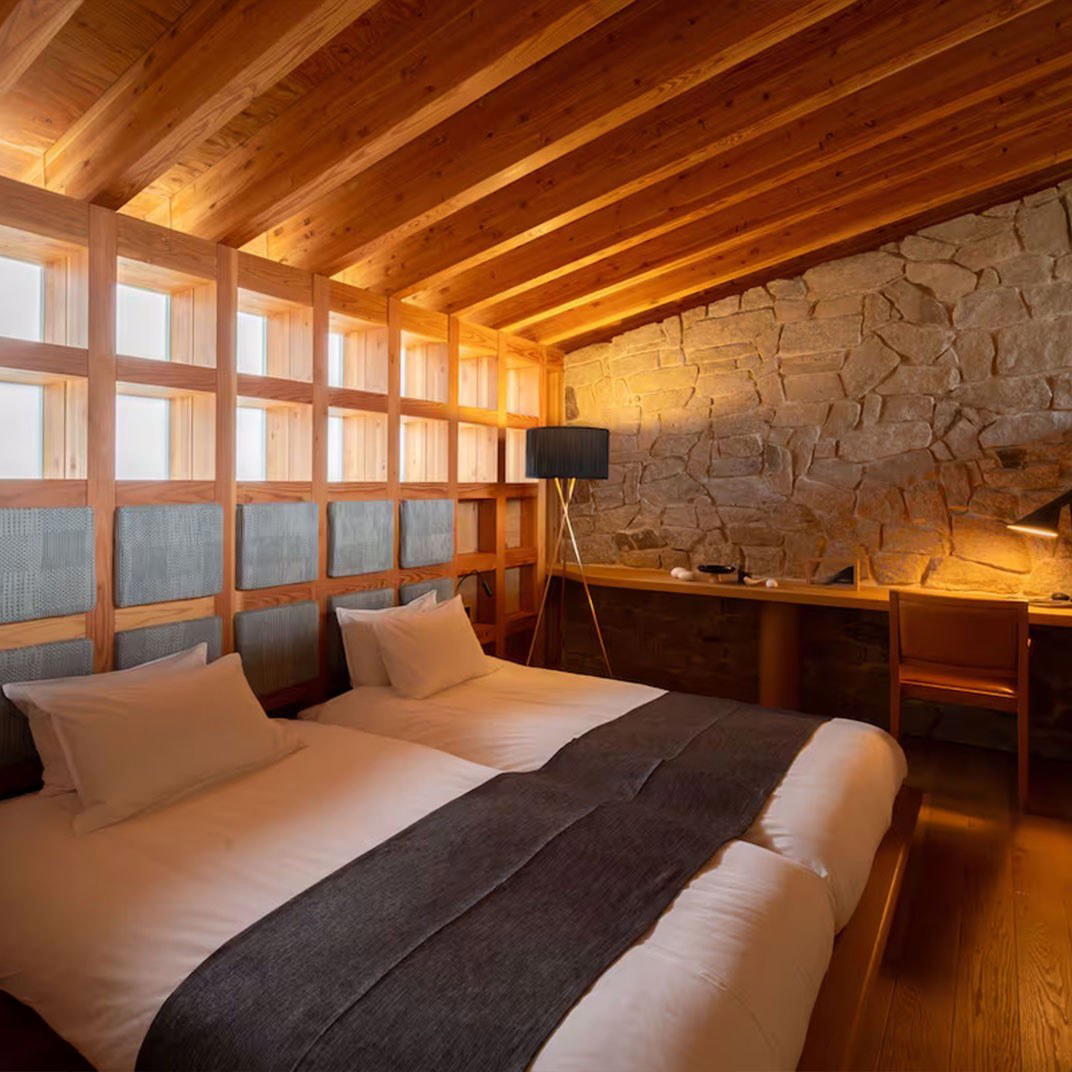
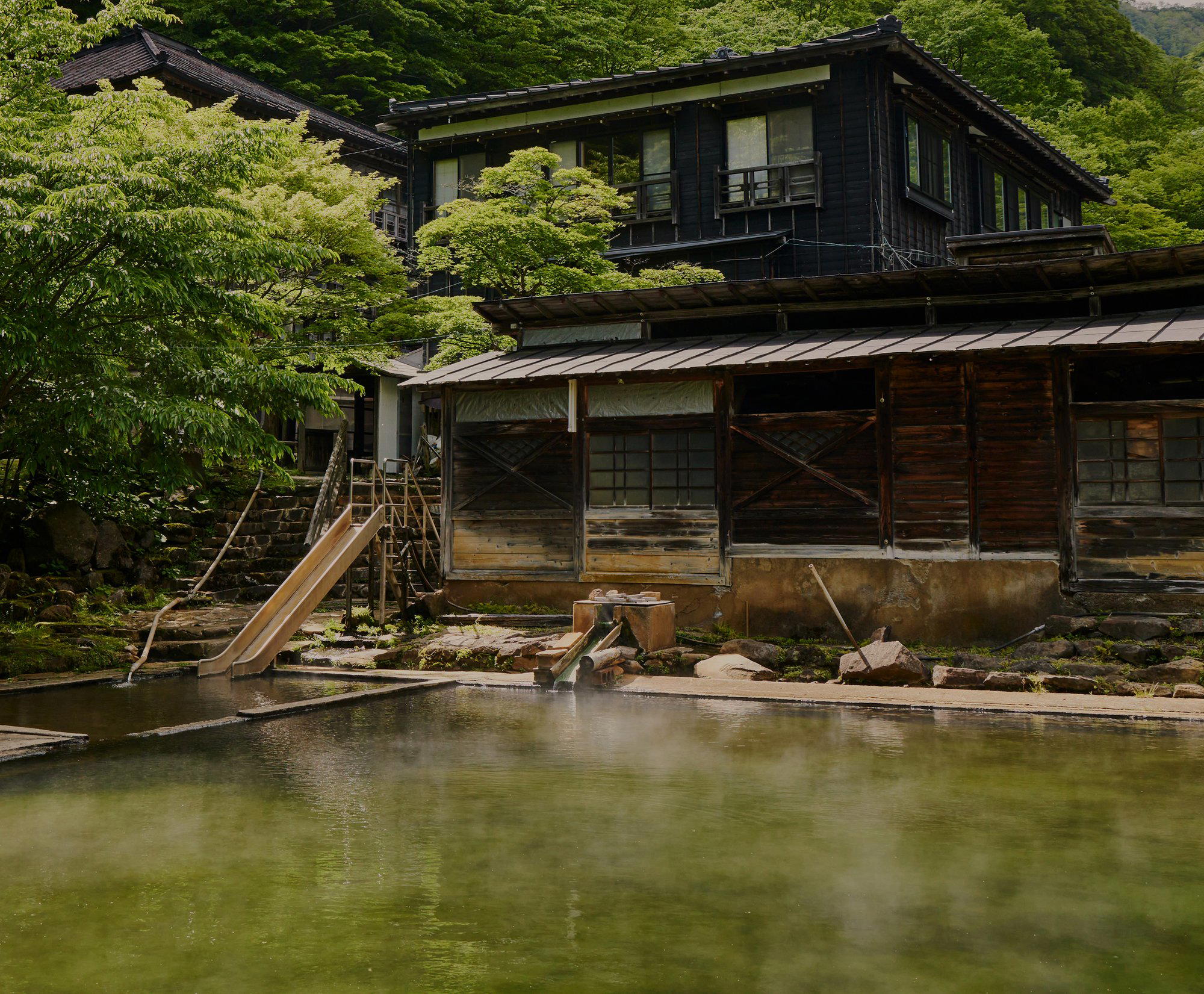
Refined and nostalgic hotel dining room atmosphere in a historic building, with classic décor from the early 20th century and formal yet welcoming service suited to leisurely multi-course meals.