
Tabelog 100 #44
Our verdict
Fu-n@ brings Osaka’s cafeteria tradition into a small counter-led format in Naniwacho, with Tabelog 100 Diner selection in 2024 and 2026 giving it weight beyond its modest price tier. The appeal is structural rather than theatrical: a compact room, low-spend lunch and dinner range, and a menu format that sits closer to everyday shokudo culture than destination tasting-menu dining.

Pearl is the En Primeur Club membership app, where members save venues, book tables and use the concierge.
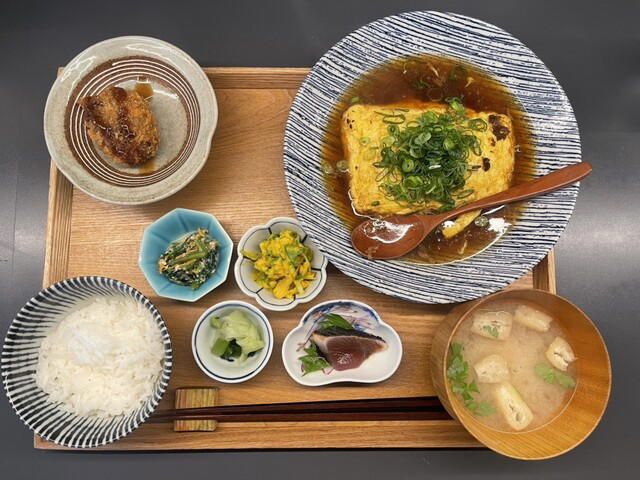
Approaching Fu-n@ in Osaka, the signal is not luxury theatre but scale: a compact restaurant in the city’s everyday dining register, where value, rhythm, and repeatability matter as much as novelty. Fu-n@ belongs in that conversation because it carries the cafeteria idea with enough focus to stand out, with Tabelog Hyakumeiten recognition in 2026 confirming that the category is being judged with the same seriousness usually reserved for higher-spend formats.
Osaka's shokudo grammar, tightened into a small-room format
Japanese cafeteria dining can be misunderstood by visitors who read low prices as a lack of ambition. In Osaka, the opposite is often true. The shokudo tradition is built around practical menu architecture: dishes that can work for lunch, repeat customers, solo diners, and short evening meals without the ceremony of a long course. Fu-n@ operates in that zone, with the category listed as cafeteria rather than a more formal restaurant label. That positioning places it closer to an everyday dining room than to a destination built around ceremony.
The competitive signal is the price band. At JPY 1,000 to JPY 1,999 for both lunch and dinner, it sits far below many of Osaka’s small-format restaurants with destination followings. In the same city comparison set, venues such as Yama Hashiru, Shokudo Kuro Usagi, Anello Stand, CHIKICHIKI Tenma ten, and Raku Nijin show how varied Osaka’s casual and small-room dining landscape can be. Fu-n@ is therefore not competing on spectacle or course length; it competes on how much structure and care can be delivered inside an everyday spend.
That is why the Tabelog Hyakumeiten listing matters. The 2026 selection places it inside a current filter for restaurants that make the cafeteria format worth seeking out. A Tabelog score of 3.65 adds another public benchmark, though the more useful reading is qualitative: this is a low-price, cafeteria-format restaurant that has crossed from ordinary utility into specialist attention.
Menu architecture over chef mythology
The absence of a chef-led public narrative is not a weakness here. Osaka has a long habit of rewarding restaurants where the menu does the talking and the room stays modest. In this case, the useful lens is not personality but structure: a cafeteria listing, a lunch and dinner budget in the same JPY 1,000 to JPY 1,999 range, and a public score strong enough to support return interest. That combination says a great deal about the restaurant’s role. It appears calibrated for accessible meals rather than high-ceremony dining.
For travellers used to tasting-menu cities, the format asks for a different kind of attention. The point is not a grand progression from amuse-bouche to dessert. It is the discipline of a restaurant working within cafeteria expectations while still earning notice. In Japan, everyday formats often heighten craft without making a luxury claim; here the signal is economy, clarity, and the ability to make a modest spend feel intentional.
That compact editorial frame is important. Fu-n@ should not be sold through unsupported mythology, named personalities, or invented operational detail. The strongest case is simpler and more durable: Osaka, cafeteria, Tabelog Hyakumeiten 2026 recognition, a 3.65 score, and a budget that keeps both lunch and dinner in the JPY 1,000 to JPY 1,999 band. Those facts are enough to explain why the venue belongs on a serious dining itinerary.
Where it fits in a wider Osaka itinerary
Osaka gives Fu-n@ its useful context. The city has a different dining cadence across its many casual rooms, counters, and everyday restaurants, with meals that do not always need to announce themselves through high prices or elaborate formats. For a broader read on the city, Our full Osaka restaurants guide maps the range from casual counters to higher-spend reservations, while Our full Osaka hotels guide, Our full Osaka bars guide, Our full Osaka wineries guide, and Our full Osaka experiences guide help place the meal inside a fuller trip.
The city’s casual spectrum is broad enough that adjacent references are useful without needing to over-name the field. Other Osaka dining rooms show how the city moves between snack culture, bakeries, specialist formats, and local institutions without treating price as the sole measure of seriousness. Fu-n@ sits inside that wider grammar: accessible, direct, and more interesting for the way it turns a modest category into something worth tracking.
Seen more broadly, the same lesson appears in other compact food formats across Japan and beyond: focused dining does not have to mean expensive dining, and everyday forms can carry real editorial weight when their structure is clear. What makes the Osaka version compelling is the tight price-to-format discipline. Fu-n@’s listed spend range keeps the argument grounded, while its recognition gives travellers a reason to choose it from the wider field of unnamed casual options.
The editorial case for Fu-n@ is therefore clear: it is an Osaka cafeteria-format restaurant with current Tabelog Hyakumeiten recognition, a low spend range, and a public score of 3.65. For travellers who only chase high-price counters, it offers a useful corrective. Osaka’s food culture is not defined solely by splurge reservations; it is also defined by rooms where the architecture of an ordinary meal has been sharpened enough to earn attention.
Frequently asked questions
Is Fu-n@ a family-friendly restaurant?
Fu-n@ is listed as a cafeteria in Osaka, with both lunch and dinner budgets in the JPY 1,000–JPY 1,999 range. That accessible price level may suit small groups, though travellers should confirm practical details directly before going.
Is Fu-n@ better for a quiet night or a lively one?
Fu-n@ is best understood as an everyday cafeteria-format restaurant in Osaka rather than a high-ceremony venue. Its appeal is likely to be the focused, accessible meal rather than a large-night-out atmosphere.
What price level is Fu-n@?
Pricing at Fu-n@ is listed as JPY 1,000 - JPY 1,999 for dinner and JPY 1,000 - JPY 1,999 for lunch.
When can I go to Fu-n@?
Current opening hours are not provided here. Check directly with Fu-n@ before visiting.
Where is Fu-n@ in Osaka?
Osaka.
What is Fu-n@ known for?
Fu-n@ was selected for Tabelog Hyakumeiten 2026, which is the clearest public marker attached to the venue. It is listed as a cafeteria in Osaka, with lunch and dinner budgets of JPY 1,000–JPY 1,999 and a Tabelog score of 3.65.
Local
Comparable venues by cuisine and category.
| Venue | Cuisine | Price | Awards | Notes |
|---|---|---|---|---|
| Fu-n@This venue (the venue you are viewing) | Japanese Shokudo / Teishoku | Not listed | Tabelog 100 #44 | Not listed |
| Yama Hashiru | Yakitori Omakase | $50–100 | Tabelog 100 #77 | JPY 10,000 - JPY 14,999 View spending breakdown |
| Shokudo Kuro Usagi | Modern Chinese Izakaya | $30–50 | Tabelog 100 #54 | JPY 4,000 - JPY 4,999 JPY 3,000 - JPY 3,999 |
| Raku Nijin | Niboshi-focused ramen & tsukemen shop | $10–20 | Tabelog 100 #16 | JPY 999 - JPY 999 |
| Anello Stand | Casual Standing Bar with Western-Inspired Small Plates | $20–30 | Tabelog 100 #27 | JPY 2,000 - JPY 2,999 |
| CHIKICHIKI Tenma ten | Yakitori | $50–100 | Tabelog 100 #37 | JPY 6,000 - JPY 7,999 |
Recognition history
Dated appearances from independent guides and award organizations, with the underlying list record or original source where available.
Tabelog 100 #44 · No. 44
Tabelog · Tabelog 100 - Diner - 2026
Continue exploring
More in Osaka
Restaurants in Osaka
All restaurants in Osaka →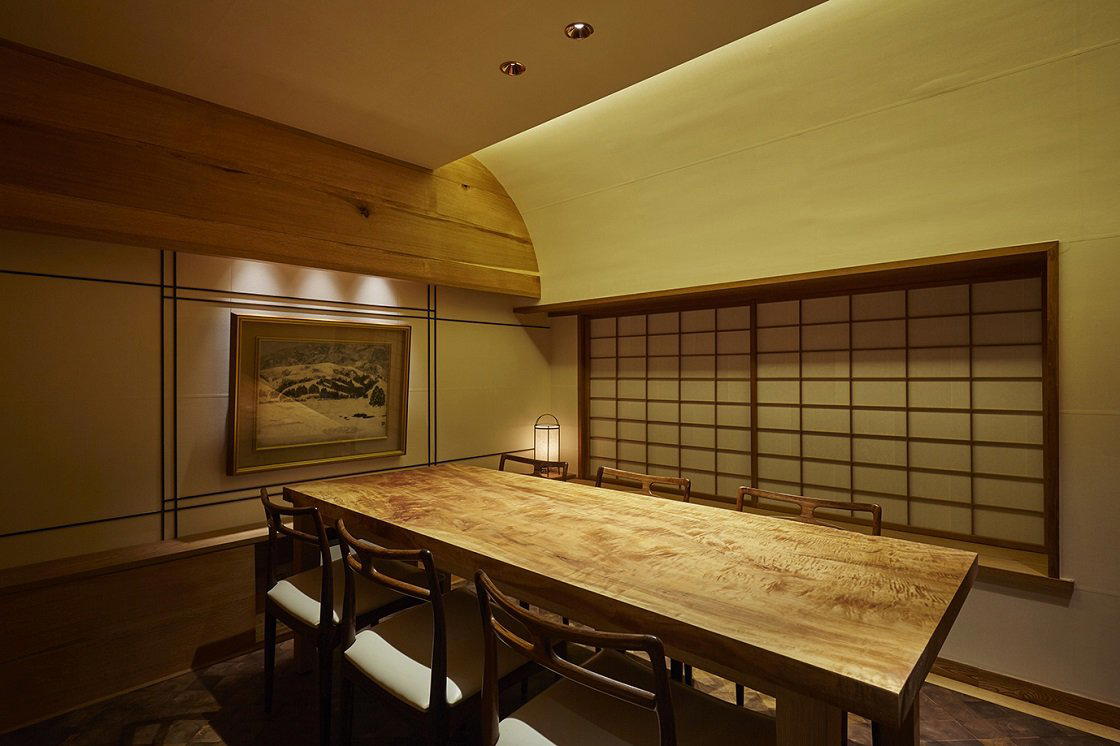
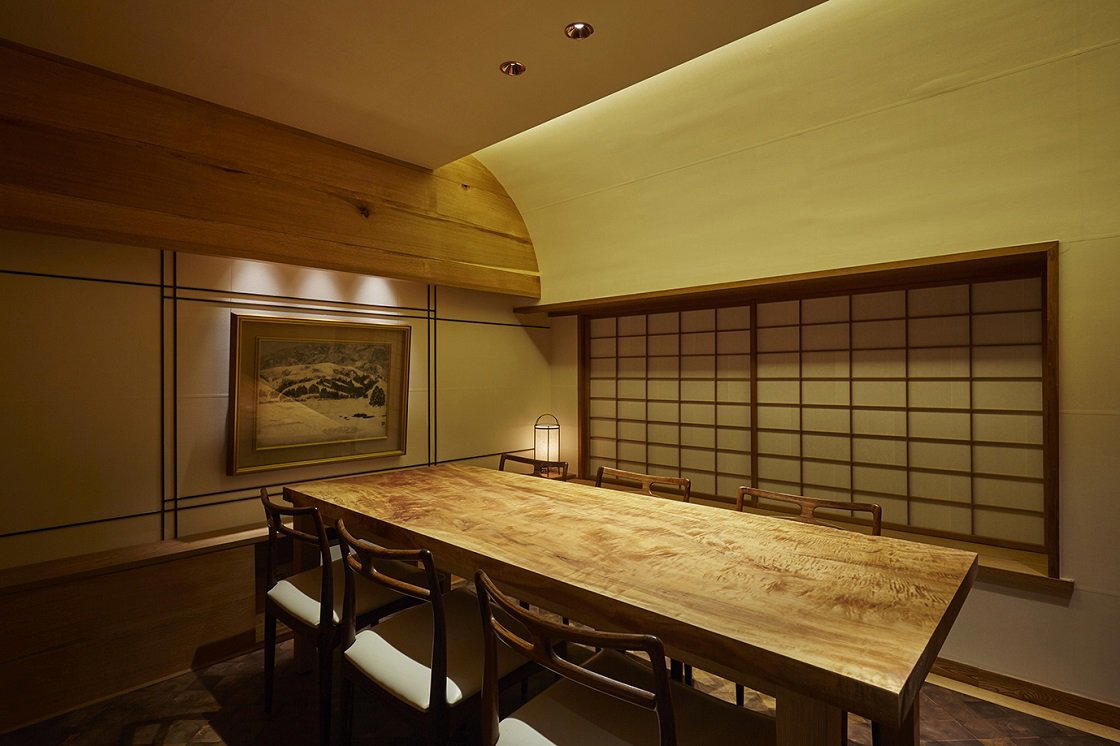



Bars in Osaka
All bars in Osaka →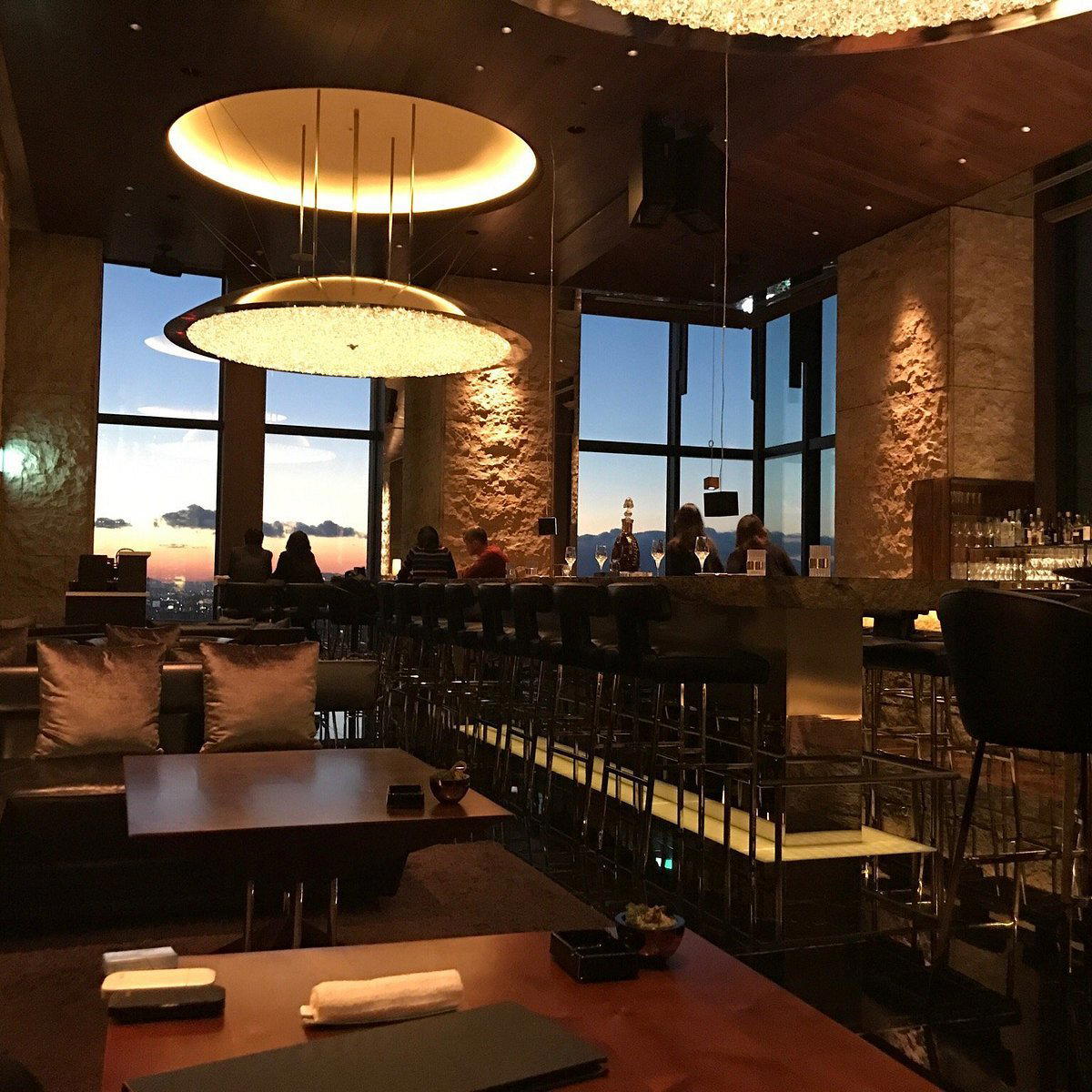


Hotels in Osaka
All hotels in Osaka →



Wineries in Osaka
Browse all →
Details
- Cozy
- Classic
- Casual Hangout
- Solo
- Standalone
Current opening hours
- Monday
- Closed
- Tuesday
- 11:30 AM–2 PM, 6–9:30 PM
- Wednesday
- 11:30 AM–2 PM, 6–9:30 PM
- Thursday
- 11:30 AM–2 PM, 6–9:30 PM
- Friday
- 11:30 AM–2 PM, 6–9:30 PM
- Saturday
- 11:30 AM–2 PM, 6–9:30 PM
- Sunday
- 11:30 AM–2 PM, 6–9:30 PM
Hours can change for holidays and private events. Hours as of .