
Tabelog 100 #77
Our verdict
Osaka’s serious yakitori tier is increasingly defined by reservation-only formats, fixed seating rhythms, and repeat diners who understand the order of the evening before the first skewer lands. Yama Hashiru sits in that bracket: an omakase-only chicken counter in Kita-ku, selected for Tabelog’s Yakitori WEST 100 in 2023, 2024, and 2025, with a dinner spend listed at JPY 10,000–14,999.

Pearl is the En Primeur Club membership app, where members save venues, book tables and use the concierge.
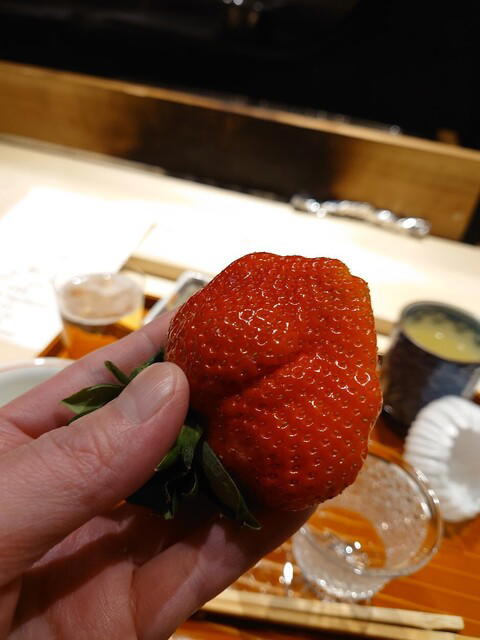
The menu
What to order
- Yakitori omakase course
- Grilled chicken skewers
The approach is not theatrical Osaka. It is a working city setting of steady footfall, compact restaurants, and meals that rely less on spectacle than on recognition. In that context, a yakitori and chicken-dishes address has its own appeal: the focus is narrow, the category is clear, and diners come looking for craft rather than a long list of unrelated choices.
Osaka’s yakitori scene rewards that kind of fluency. Casual chicken skewers remain part of the city’s everyday drinking culture, but the upper bracket often moves toward more focused meals, where the experience is defined by a specific cooking style rather than an open-ended night out. Yama Hashiru belongs to that more deliberate category, and its 2025 Tabelog Hyakumeiten recognition places it among the Osaka yakitori addresses that diners monitor closely.
Yakitori for diners who already know the grammar
The appeal here is not variety for variety’s sake. Yakitori at this level depends on repetition, heat management, and a narrow ingredient focus, which is why the format attracts diners who pay attention to small differences. The draw is not a secret narrative around the restaurant, but the expectation that chicken skewers and related dishes will be handled with enough focus to make the details matter. That is where the pleasure sits: in calibration rather than novelty.
For travellers, that distinction matters. A broad Osaka food crawl might move through bakeries, cafés, casual counters, and other unnamed dining rooms across the city. This is a different decision. It asks for one dinner to be given over to a single category, with yakitori and chicken dishes as the reason for booking.
The price tier also signals intent. A dinner range of JPY 10,000–14,999 is not casual skewer territory in Osaka; it positions the meal above everyday standing bars and quick counter stops, while staying below many of the city’s highest-spend dining rooms. Compared with lower-key Osaka listings such as Raku Nijin, Fu-n@, Stand Ruten, Shokudo Kuro Usagi, and Chuka Soba Ibuki, this is a more committed booking, both financially and in format. The value question is therefore not portion count. It is whether the diner wants a focused yakitori meal rather than a flexible night out.
Osaka context, recognition, and the yakitori category
Tabelog’s Hyakumeiten recognition matters because it separates category reputation from broad restaurant fame. In yakitori, Osaka competes not only on price and conviviality but on the ability to make a familiar format feel worth seeking out. A 2025 recognition gives Yama Hashiru a clear visibility signal within a crowded category.
That visibility suits the specialist-dining perspective. In a focused yakitori room, diners are not simply chasing a name; they are choosing a format where small shifts in cooking, pacing, and composition can become part of the experience. Osaka has plenty of restaurants built for spontaneity. This kind of yakitori is built for diners who accept a narrower frame because that frame is where the craft shows.
The Osaka setting reinforces that reading. The city supports local eating habits at every level: casual grazing, small counters, and restaurants that draw regular traffic as much as destination diners. For a broader map of the city’s dining range, start with Our full Osaka restaurants guide; for trip planning around the table, companion city guides to Osaka hotels, Osaka bars, Osaka wineries, and Osaka experiences help place the dinner inside a wider itinerary.
Who this table makes sense for
This is the right call for diners who want yakitori treated as a full dinner, not a prelude to drinks elsewhere. The focused category reduces sprawl, but that is the point: the restaurant’s identity is built around yakitori and chicken dishes. The practical frame should be checked when booking, as with many smaller restaurants in Japan, and the experience is best suited to guests comfortable with a meal organized around one clear specialty.
Travellers building a Japan food itinerary should think of it as part of the country’s specialist-restaurant tradition, alongside other narrowly focused rooms rather than general restaurants. That category can include different formats across Japan and abroad, but the shared idea is concentration: fewer moving parts, closer attention, and a meal organized around one craft rather than a long menu.
The critical read is simple: Yama Hashiru is strongest as a deliberate yakitori booking in Osaka, not as a flexible drop-in for every mood. Its 2025 recognition, chicken-focused cooking, and mid-premium dinner spend all point to the same conclusion. Go when the aim is to understand why serious yakitori remains one of Japan’s more exacting specialist formats.
Frequently asked questions
What's the price range at Yama Hashiru?
Pricing at Yama Hashiru is listed as JPY 10,000 - JPY 14,999 View spending breakdown.
Where do I go for Yama Hashiru?
Osaka.
What's the best way to book Yama Hashiru?
Plan ahead for a focused yakitori dinner in Osaka. The listed price range is JPY 10,000–14,999.
What is Yama Hashiru known for?
Yama Hashiru is known for yakitori and chicken dishes in Osaka.
Standing Among Peers
Comparable venues at a glance for context.
| Venue | Cuisine | Price | Awards | Notes |
|---|---|---|---|---|
| Yama HashiruThis venue (the venue you are viewing) | Yakitori Omakase | $50–100 | Tabelog 100 #77 | Not listed |
| Kuma no Yakitori 106 | Members-only Yakitori Omakase | $100–150 | Tabelog 100 #39 | Kita |
| Yakiniku Mikazuki Tenjinbashi ten | Premium Kuroge Wagyu Yakiniku | $100–150 | Tabelog 100 #60 | Kita |
| Sushi Minoki | Intimate Omakase Sushi Counter | $150–200 | Tabelog 100 #94 | Kita |
| Yasubee | Japanese Yakiniku | $50–100 | Tabelog 100 #26 | Konohana |
| Kyosho ran Minamimori chou | Japanese Yakiniku | $50–100 | Tabelog 100 #1 | Kita |
Recognition history
Dated appearances from independent guides and award organizations, with the underlying list record or original source where available.
Tabelog 100 #77 · No. 77
Tabelog · Tabelog 100 - Yakitori - WEST - 2025
Continue exploring
More in Osaka
Restaurants in Osaka
All restaurants in Osaka →



Bars in Osaka
All bars in Osaka →



Hotels in Osaka
All hotels in Osaka →


Wineries in Osaka
Browse all →
Details
- Cozy
- Intimate
- Modern
- Date Night
- Business Dinner
- Group Dining
- Family
- Special Occasion
- After Work
- Chefs Counter
- Standalone
- Sake Program
- Beer Program
- Local Sourcing
- Omakase
- Tasting Menu
- Counter Dining
- Set Menu
- Sake
- Beer
A small, reservation-only yakitori counter with warm hinoki wood and a wa-modern design, creating an intimate but lively atmosphere suited to focused course dining rather than casual drinking.