
Tabelog 100 #54
Our verdict
Shokudo Kuro Usagi sits in Osaka’s Tenjinbashi orbit, where izakaya culture meets the city’s appetite for cross-cultural, drink-led cooking. Its Tabelog 100 Izakaya WEST 2025 selection, compact 20-seat format, and Chinese, dim sum, and yum cha inflection place it in a sharper category than a standard after-work tavern.

Pearl is the En Primeur Club membership app — saves, bookings, and concierge access live there. Same editors, same standards.
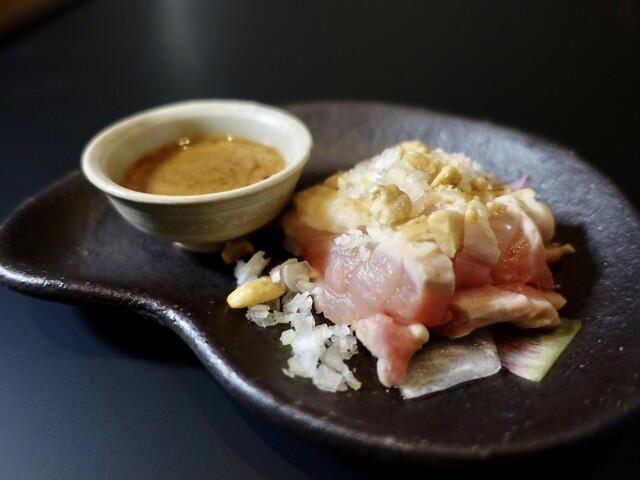
The menu
What to order
- Kuro Usagi black shumai
- Black tantanmen
- Black fried rice
Osaka rewards diners who like the city at street level: everyday dining streets, late-afternoon shutters lifting, small rooms preparing for a drinking crowd before the dinner rush hardens. In that setting, Shokudo Kuro Usagi belongs to the city’s broad izakaya landscape, less about a single old template than about Osaka’s habit of absorbing outside food cultures and making them work over drinks. The category listing tells the story plainly: izakaya, Chinese, dim sum and yum cha. That combination matters in Osaka, a city where casual dining has long treated borders between snack, meal, and drinking food as negotiable.
Osaka's izakaya culture, reframed through Chinese drinking food
Osaka’s izakaya tradition is not a single format. Across the city, the range runs from straightforward drinking rooms to more polished casual restaurants built around drinks and shared plates. The comparison set is useful without needing a strict hierarchy: Fu-n@, Raku Nijin, Anello Stand, CHIKICHIKI Tenma ten, and Yama Hashiru all help show how varied Osaka’s izakaya field can be. Shokudo Kuro Usagi sits within that field with the kind of recognition that changes how it should be read: Tabelog selected it for the Izakaya WEST 2025 list, and its Tabelog score is 3.66. In Japan’s user-review culture, that is not a throwaway signal.
The Chinese angle is the point. Osaka already has a deep popular relationship with dumplings, pork buns, and wok-driven comfort food, but the izakaya frame changes the pacing. Instead of a formal Chinese restaurant arc, the meal can behave like a drinking session: small plates, repeated ordering, a table that moves through the evening around food and beverages. That sits neatly inside contemporary Osaka, where newer izakaya formats often care as much about rhythm and room feel as they do about inherited tavern codes.
For visitors mapping the city, this is a useful corrective to the usual Osaka shorthand. The city is too often reduced to a few famous foods and neon photographs. Osaka’s everyday dining areas are more instructive: locals use them as daily restaurant territory, and the good rooms here compete on utility as much as theatre. The draw is not spectacle. It is the way a venue can cover dinner, drinks, a casual date, and a neighbourhood night out without collapsing into a single-use concept.
An Osaka room with a drink-first rhythm
The category shapes the experience. Shokudo Kuro Usagi is best approached as an Osaka dining room where pacing, ordering, and the relationship between food and drink matter. Izakaya culture in Japan is not only about what arrives on the plate; it also compresses the distance between eating and drinking. Groups should approach it as a food-and-drink evening rather than as a formal banquet.
The format also explains why the Tabelog recognition carries weight. Izakaya awards tend to reward consistency across a category that can be broad and uneven. Recognition on the 2025 list, alongside a 3.66 Tabelog score, suggests a place that has earned visible standing in its category. The award does not make it formal dining, and it should not be judged by Michelin-room criteria. Its competitive arena is the serious casual tavern: controlled pacing, defined identity, and food that has enough character to pull diners beyond convenience.
The modern Osaka izakaya is broader than the old salaryman tavern stereotype. The stronger rooms can host different kinds of evenings, from a relaxed early meal to a later drinks-focused sitting, provided diners understand the format. Shokudo Kuro Usagi fits that contemporary pattern: casual rather than ceremonial, but with enough category definition to feel intentional.
How to place it within an Osaka itinerary
Shokudo Kuro Usagi works especially well for travellers who want Osaka’s drinking-food culture without defaulting to the standard tourist circuit. Its Osaka location makes sense as part of a wider city plan rather than as a one-stop destination detached from its surroundings. The better editorial read is to pair it with the city itself: walking, small bars, casual restaurants, and Osaka’s everyday appetite for informal abundance.
Osaka planning benefits from contrast. For a broader restaurant map, use Our full Osaka restaurants guide; for where to sleep, compare locations through Our full Osaka hotels guide. Drink-focused travellers should keep Our full Osaka bars guide close, while broader cultural planning sits in Our full Osaka experiences guide. Wine-specific discovery in the city is better handled through Our full Osaka wineries guide.
Within Osaka’s wider food spread, the point is range rather than hierarchy. A day might move through bakeries, casual sweets or coffee, everyday snack culture, and other dining rooms before shifting toward an izakaya such as Shokudo Kuro Usagi. Read more broadly, the same casual-specialist thread appears across Japan and abroad in many forms, but the Osaka version has its own rhythm: informal, appetite-led, and alert to the line between a meal and a drinking session.
The verdict is practical and cultural at once. This is not the place to seek ceremony. It is an Osaka izakaya with a Chinese-inflected kitchen, a drinks-friendly format, and enough third-party recognition to justify planning around it rather than stumbling in after the fact. In Osaka, that combination is exactly the point: food built for drinking, drinking built for conversation, and a city that keeps both grounded.
Frequently asked questions
What's the price range at Shokudo Kuro Usagi?
Pricing at Shokudo Kuro Usagi is listed as Dinner: JPY 4,000 - JPY 4,999; Lunch: JPY 3,000 - JPY 3,999.
Is Shokudo Kuro Usagi open every day?
Current opening days and hours should be confirmed directly with Shokudo Kuro Usagi before visiting.
Where is Shokudo Kuro Usagi located?
Osaka.
What is Shokudo Kuro Usagi known for?
Shokudo Kuro Usagi is known as an Osaka izakaya also categorized for Chinese, dim sum and yum cha, with Tabelog Izakaya WEST 2025 recognition and a Tabelog score of 3.66.
Budget Reality Check
Comparable venues side-by-side for orientation.
| Venue | Cuisine | Price | Awards | Notes |
|---|---|---|---|---|
| Shokudo Kuro UsagiThis venue (the venue you are viewing) | Modern Chinese Izakaya | $30–50 | Tabelog 100 #54 | Not listed |
| Fukuryu En | Sichuan & Tantanmen Chinese | $20–30 | Tabelog 100 #27 | Kita, Sichuan & Tantanmen Chinese |
| Yokobori | Creative Chinese Stand-up Bar | $30–50 | Tabelog 100 #46 | Chūō, Creative Chinese Stand-up Bar |
| Tachinomi Izakaya LIBERTY | Chinese Izakaya / Standing Bar | $20–30 | Tabelog 100 #64 | Kita, Chinese Izakaya / Standing Bar |
| Chinese Sai Es Sawada | Kita, Modern Chinese Fine Dining | Not listed | Not listed | Not listed |
| Raofu Tsai Hanshin umeda ten | Modern Sichuan Chinese | $30–50 | Tabelog 100 #11 | Kita, Modern Sichuan Chinese |
Recognition history
Dated appearances from independent guides and award organizations, with the underlying list record or original source where available.
Tabelog 100 #54 · No. 54
Tabelog · Tabelog 100 - Izakaya - WEST - 2025
Continue exploring
More in Osaka
Restaurants in Osaka
All restaurants in Osaka →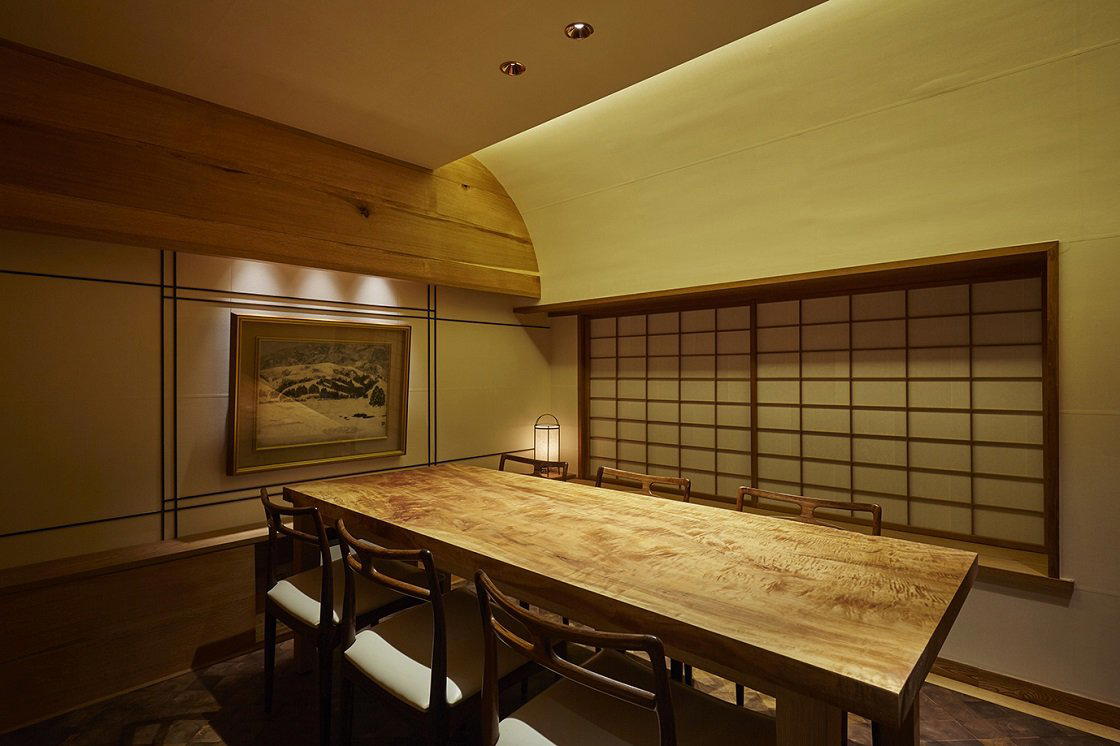
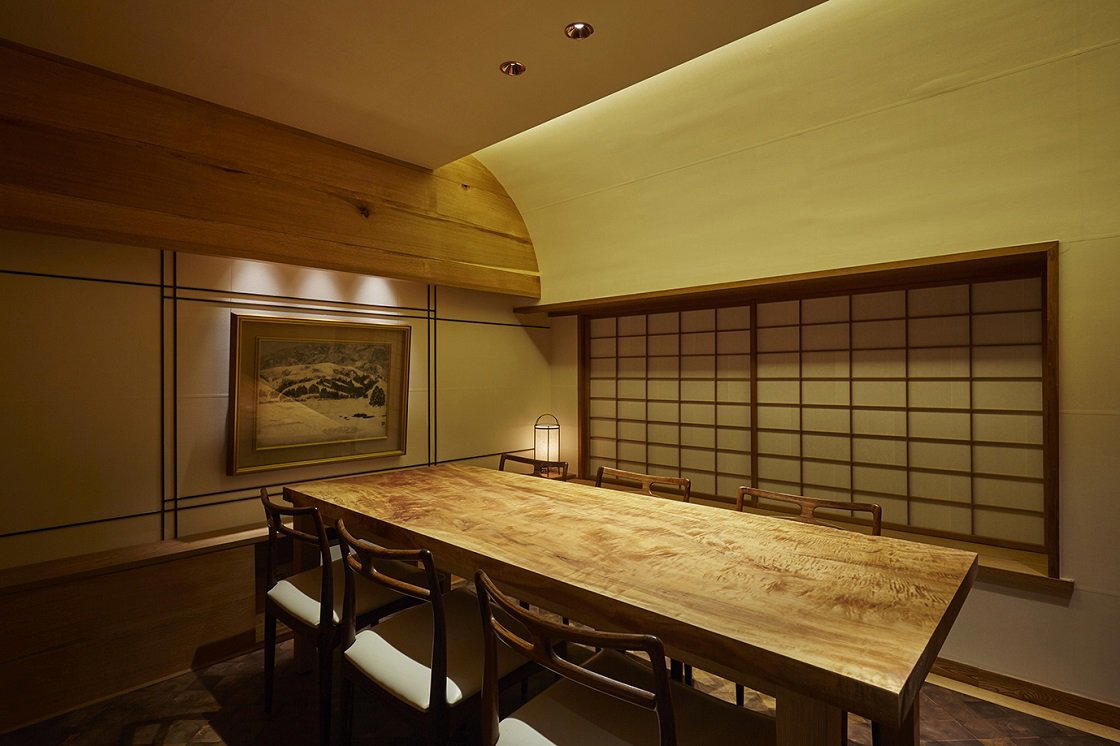



Bars in Osaka
All bars in Osaka →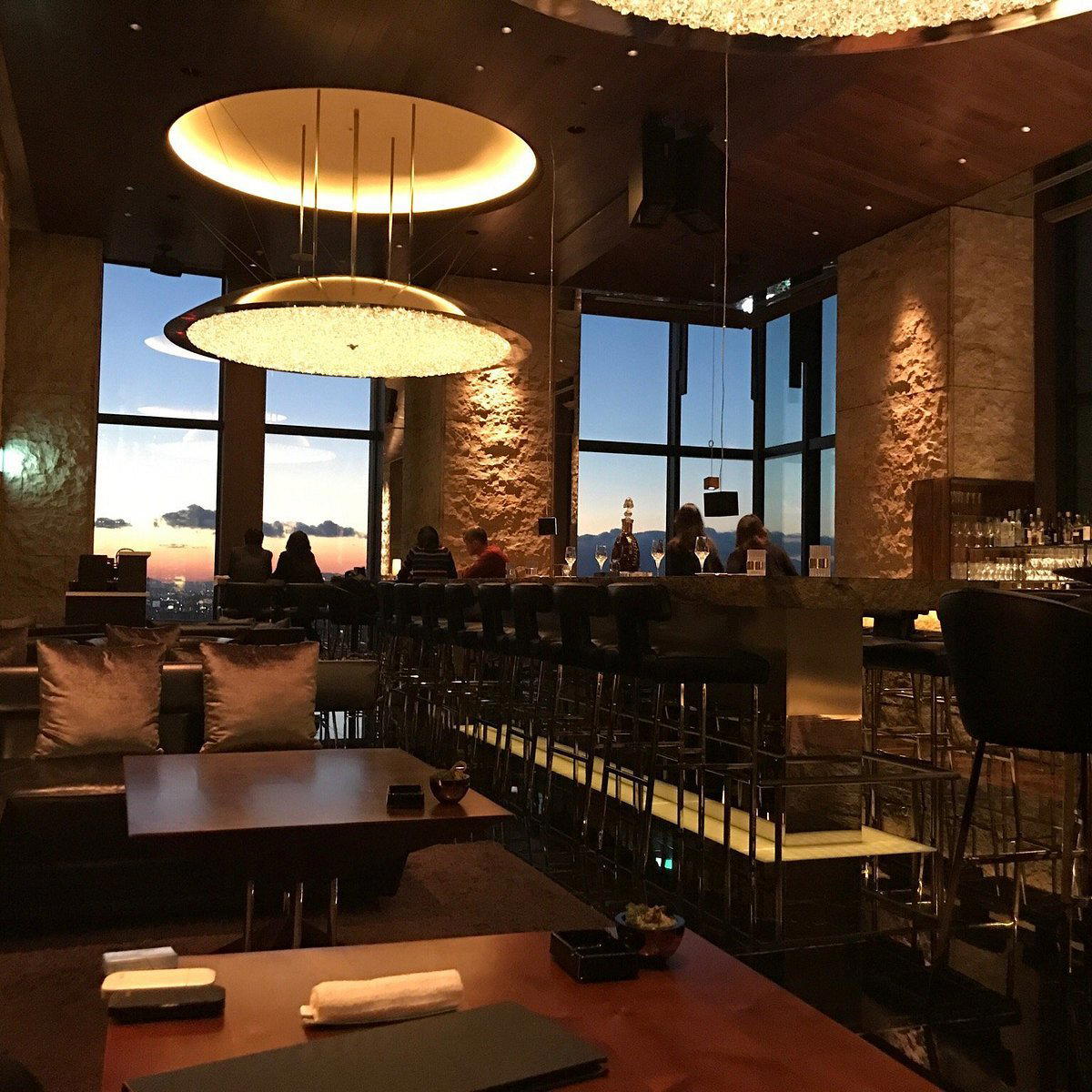



Hotels in Osaka
All hotels in Osaka →

Wineries in Osaka
Browse all →
Details
- Cozy
- Modern
- Intimate
- Trendy
- Date Night
- Group Dining
- Solo
- Casual Hangout
- After Work
- Late Night
- Standalone
- Design Destination
- Craft Cocktails
- Beer Program
- Local Sourcing
- Street Scene
- A La Carte
- Small Plates
- Counter Dining
- Craft Highballs
- Housemade Lemon Sour
- Chinese Spirits
Current opening hours
- Monday
- 3 PM–12 AM
- Tuesday
- Closed
- Wednesday
- 3 PM–12 AM
- Thursday
- 3 PM–12 AM
- Friday
- 3 PM–12 AM
- Saturday
- 3 PM–12 AM
- Sunday
- 3 PM–12 AM
Hours can change for holidays and private events. Last verified .
A compact, station-close Chinese bar with a chic, dark-toned interior, counter-focused seating, and warm lighting that creates a relaxed adult atmosphere suited to dates, solo drinks, or a second stop of the night.