
Tabelog 100 #16
Our verdict
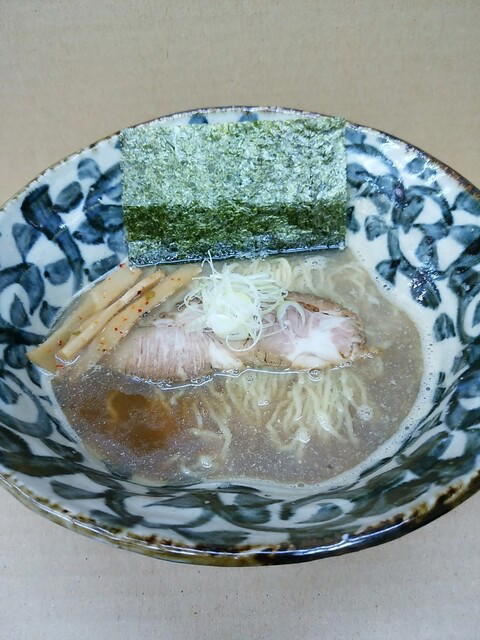
Raku Nijin belongs to Osaka’s compact, counter-led ramen culture: small room, quick turnover, and a reputation built through repeat Tabelog Ramen 100 selections from 2019 through 2025. Its appeal is less about luxury than discipline, with ramen and tsukemen treated as ingredient-driven bowls in a city that takes everyday eating seriously.

Pearl is the En Primeur Club membership app, where members save venues, book tables and use the concierge.
The menu
What to order
- Super Niboshi Soba
- Niboshi Ramen
- Tsukemen (dipping noodles)
The venue signals its category before the first bowl arrives: little ceremony, quick decisions, and the compressed rhythm that defines serious ramen in Osaka. This is not the long-form tasting-menu version of Japanese dining. It is a tighter form of judgment, where broth, noodles, seasoning, and timing have to carry the argument in minutes rather than hours.
Osaka’s ramen culture rewards that kind of compression. The city’s dining identity is often framed through takoyaki, okonomiyaki, and late-night drinking districts, but its ramen shops form a parallel map of local appetite: solo diners, office workers, small groups, and regulars who know exactly what style they are after. Raku Nijin sits in that map as a ramen and tsukemen venue with public recognition through Tabelog Hyakumeiten in 2025.
Ingredient work matters more than spectacle at this Osaka venue
Ramen is often discussed through regional labels, but the better way to read a place like this is through sourcing logic and extraction. Broth is where the economic and culinary decisions concentrate: base, seasoning, fat, and the balance between clarity and density. Tsukemen adds another test because the dipping format exposes both noodle texture and concentration. The point is not theatrical plating; the point is whether the bowl has enough structure to hold attention after the first sip.
That is why Raku Nijin’s category matters. A shop serving both ramen and tsukemen has to manage two related but different experiences. Ramen asks for integration: broth, noodles, and seasoning meeting in one bowl. Tsukemen separates the elements and makes texture more visible, with noodles carrying more responsibility. In Osaka, where everyday price points can still support serious craft, that format has particular force. The setting may be modest, but the expectations are not.
The Tabelog Hyakumeiten recognition is useful here because it places the shop inside a selective ramen conversation rather than a general restaurant one. Osaka has higher-spend rooms and specialist venues operating in separate economies: Yama Hashiru occupies a much higher dining bracket, while Fu-n@, Stand Ruten, Tachinomi Dokoro Uo Sho Tenma, and Chuka Soba Ibuki show how broad the city’s casual-to-midrange spectrum can be. Ramen at this level competes less on décor than on repetition, consistency, and whether regular diners keep returning when the novelty has gone.
A focused format shaped for solo dining and quick decisions
The compact ramen format defines the experience as much as the menu category. Small ramen rooms reduce the distance between preparation and diner; they also make hesitation costly. Orders, turnover, and table manners are part of the format. For travelers used to reservation-led restaurants, Osaka ramen can feel abrupt, but that directness is part of the pleasure. The meal is judged bowl by bowl, not course by course.
This is also where the city context matters. Raku Nijin belongs to Osaka’s daily eating routes rather than only to the international hotel-and-department-store version of dining. That setting gives ramen a practical audience: people eating alone, families, friends, and diners fitting a bowl around the rest of the day rather than building an evening around it. That makes public recognition more meaningful. A ramen shop cannot rely on occasion dining in the same way as a luxury restaurant; it has to survive ordinary hunger.
The public record gives the place another layer of context. Recognition in a selective ramen list points to a venue that has registered beyond casual word of mouth, while its Tabelog score of 3.73 suggests a visible base of diner response. Rating platforms do not prove greatness on their own, but they do help separate a venue from the churn of short-lived attention. The useful signal here is continuity of category, price point, and diner interest rather than spectacle.
How to place it within an Osaka food itinerary
Raku Nijin makes the most sense as a precision stop, not as a grand evening anchor. It belongs in the part of an Osaka itinerary reserved for focused local eating: a ramen bowl before a bar crawl, a lunch built around noodles, or a quick meal around the rest of the day. For broader planning, Our full Osaka restaurants guide gives the wider dining frame, while Our full Osaka bars guide, Our full Osaka hotels guide, Our full Osaka experiences guide, and Our full Osaka wineries guide help separate meal planning from the rest of the trip.
Osaka’s range is better understood through contrast than through a single address. The casual side can run from quick everyday snacks to coffee, bakery, and noodle stops, while international cooking appears through unnamed dining rooms across the city. Across Japan, specialist cooking takes many forms, and the same is true abroad, where focused formats travel differently outside their original setting. Raku Nijin is best read within that broader pattern: a specific, compact format that depends on clarity of purpose.
The editorial case is clear: it gives a traveler a low-cost, high-signal way to read Osaka ramen culture through the ingredients and format that define the genre. Choose it when the point is the bowl, not the room.
Frequently asked questions
What does dinner at Raku Nijin typically cost?
Pricing at Raku Nijin is listed as - JPY 999 - JPY 999.
What part of town is Raku Nijin in?
Raku Nijin is located in Osaka.
Can I walk in to Raku Nijin?
The public record provided does not confirm reservation policy or opening days. Check the venue's official channels for the latest details.
What has Raku Nijin built its reputation on?
Raku Nijin is recognized through Tabelog Hyakumeiten in 2025, with categories listed as ramen and tsukemen. Its Tabelog score is listed as 3.73.
How does Raku Nijin handle allergies?
Any dietary issue should be raised early. Check the venue's official channels for the latest details.
Is Raku Nijin suitable for children?
Check the venue's official channels for the latest details before visiting with children.
How It Stacks Up
Nearby venues at a similar price tier for orientation.
| Venue | Cuisine | Price | Awards | Notes |
|---|---|---|---|---|
| Raku NijinThis venue (the venue you are viewing) | Niboshi-focused ramen & tsukemen shop | $10–20 | Tabelog 100 #16 | Not listed |
| Human beings everybody noodles (人類みな麺類) | Traditional Shoyu Ramen | $1–10 | Tabelog 100 #65 | Nishinakajima, Yodogawa-ku |
| Aimai | Spicy Japanese curry house | $1–10 | Tabelog 100 #63 | Kita |
| Zeroku Honmachi ten | Traditional Japanese kissaten with coffee and monaka ice cream | $1–10 | Tabelog 100 | Chūō |
| Hyakka Koushin Shokudo | Spice curry & small plates with natural wine | $10–20 | Tabelog 100 #72 | Chūō |
| Men Factory Jaws | Japanese Ramen & Tsukemen | $1–10 | Tabelog 100 #66 | Chūō |
Recognition history
Dated appearances from independent guides and award organizations, with the underlying list record or original source where available.
Tabelog 100 #16 · No. 16
Tabelog · Tabelog 100 - Ramen - OSAKA - 2025
Continue exploring
More in Osaka
Restaurants in Osaka
All restaurants in Osaka →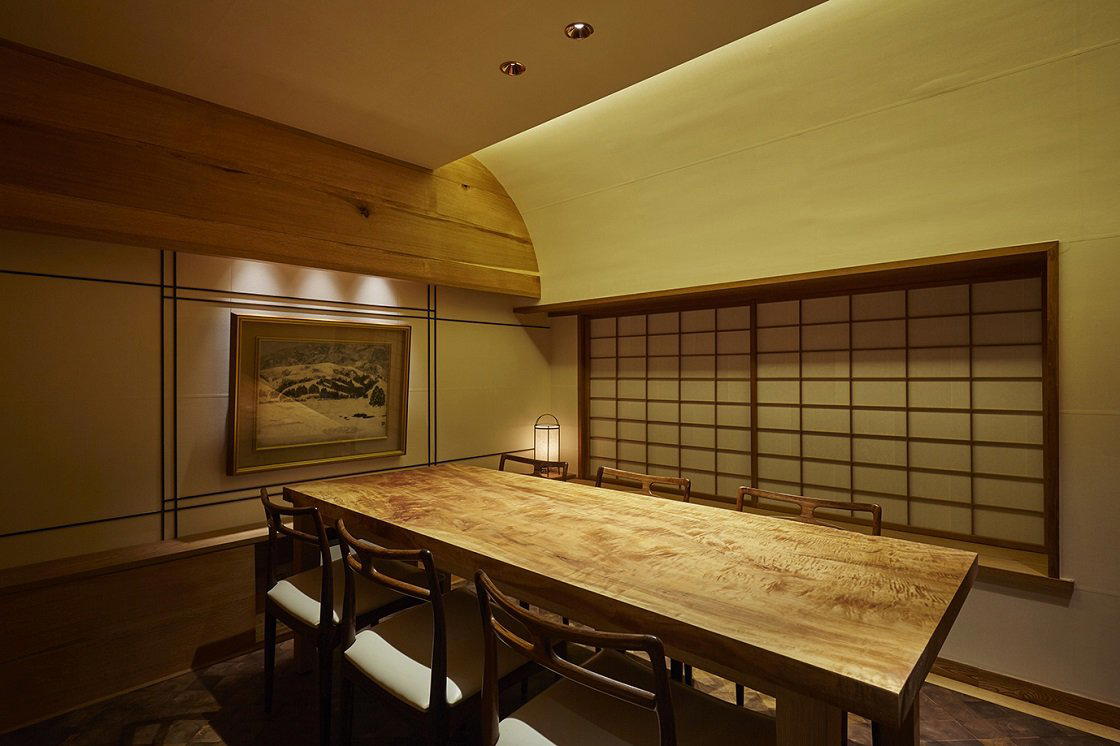
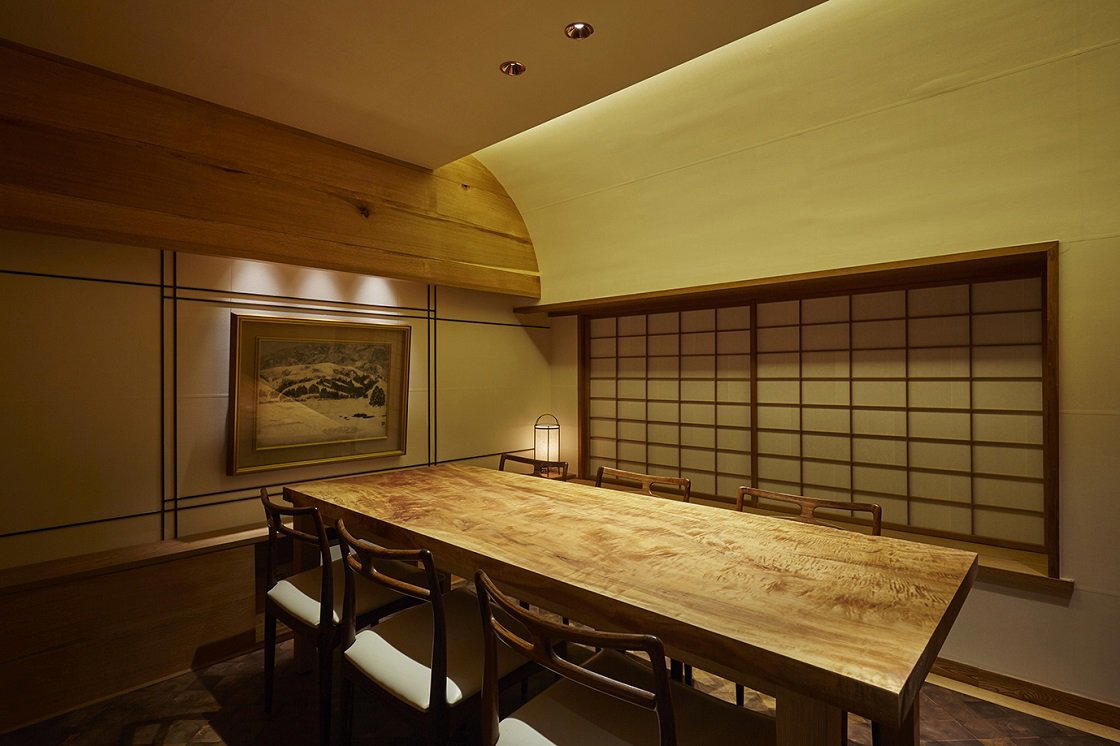



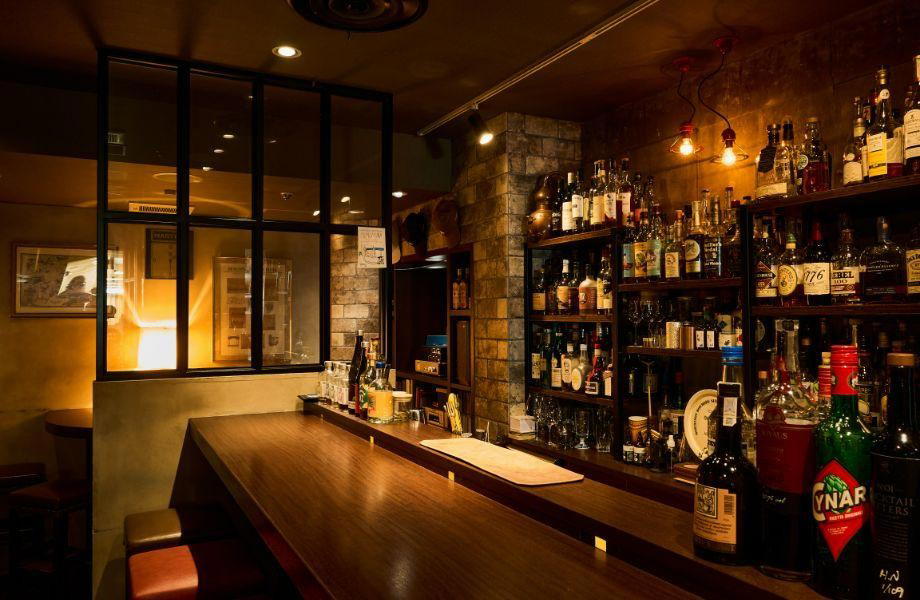
Bars in Osaka
All bars in Osaka →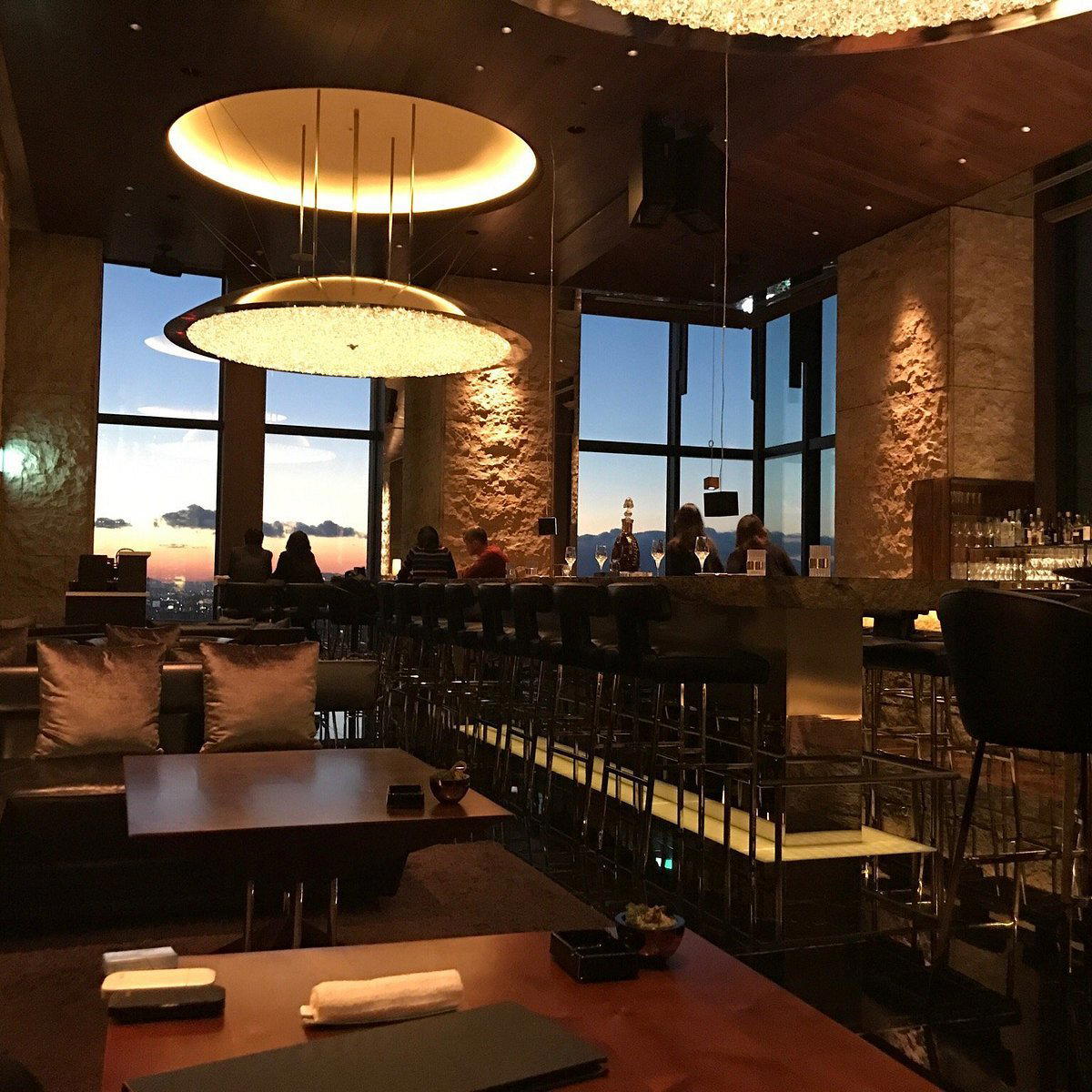

Hotels in Osaka
All hotels in Osaka →



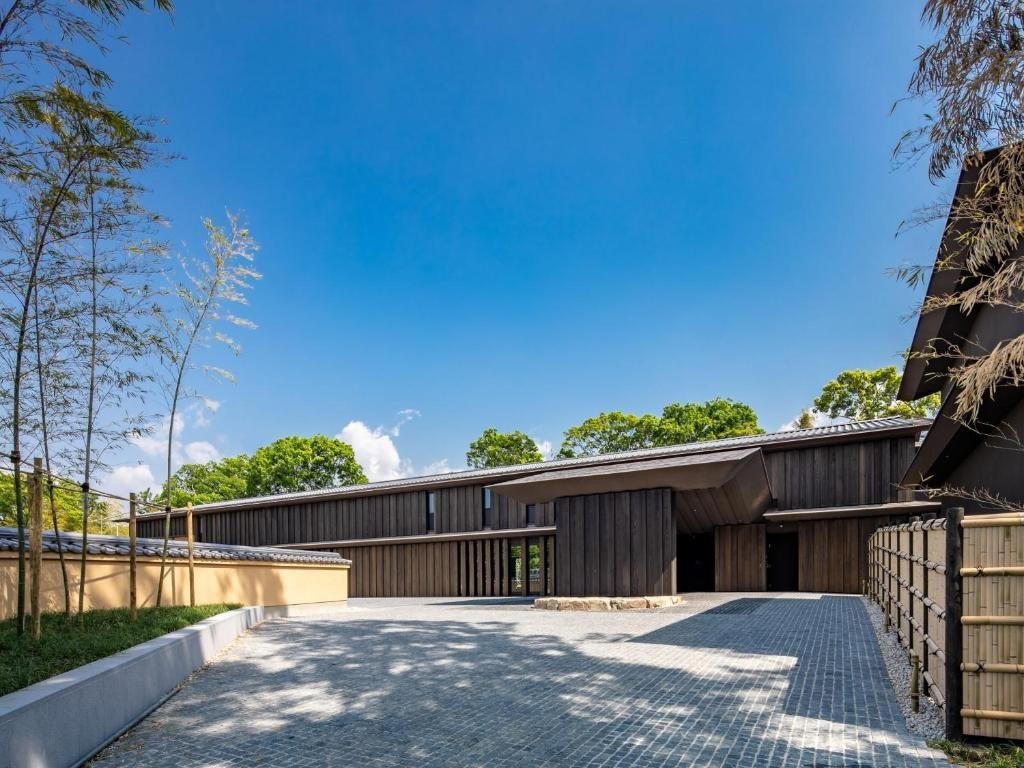
Wineries in Osaka
Browse all →
Details
- Cozy
- Classic
- Intimate
- Solo
- Family
- Casual Hangout
- After Work
- Late Night
- Chefs Counter
- Standalone
- Street Scene
- A La Carte
- Counter Dining
Tiny, counter-only neighborhood ramen shop with a classic, slightly hidden feel near Tenjimbashisuji Rokuchome; bright but simple interior focused on the open kitchen and quick solo or small-group meals rather than decor.