
Demachi Futaba belongs to Kyoto’s old-school wagashi circuit rather than its formal restaurant culture: takeaway only, low spend, and built around Japanese traditional sweets and daifuku. Its repeated selection for Tabelog 100 lists in the West region places it in a serious local category, where freshness, rice texture, bean paste, and same-day eating matter more than table service.
Pearl is the En Primeur Club membership app — saves, bookings, and concierge access live there. Same editors, same standards.
- Address
- 236 Seiryucho, Kamigyo Ward, Kyoto, 602-0822, Japan
- Phone
- +81 75-231-1658
- Website
- tabelog.com
 Saves & bookings on Pearl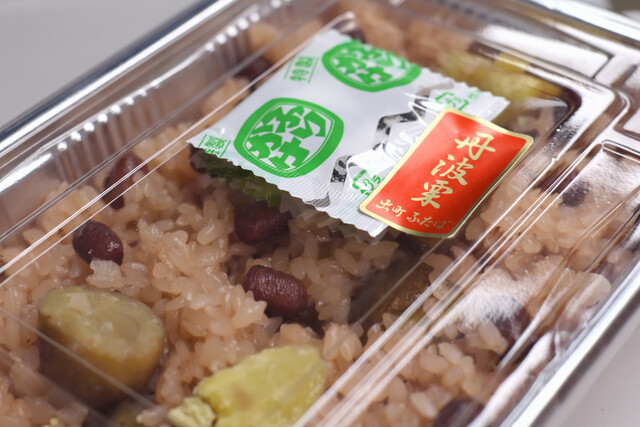
Approaching the Demachiyanagi side of Kyoto, the city changes register. The Kamo and Takano rivers meet nearby, buses empty into the Kawaramachi-Imadegawa area, and the rhythm shifts from temple itinerary to neighborhood errand. This is the right context for wagashi. Kyoto’s sweet shops are not dessert counters in the Western restaurant sense; they are part of tea culture, gift culture, and daily buying habits, with quality judged through perishability, balance, and the handling of rice, beans, sugar, and seasonal ingredients.
Demachi Futaba sits squarely in that tradition. Its category is Japanese traditional sweets and daifuku, with a takeaway-only format and a spending band under JPY 999. That matters. Kyoto has plenty of formal sweets rooms where the setting carries half the experience, but this address belongs to the faster, more practical side of wagashi: buy, carry, eat the same day. The same-day expiration note is not a minor detail; it tells the reader how the product is meant to be understood. Fresh mochi and bean-based sweets do not improve as travel souvenirs. They are built for immediacy.
Kyoto wagashi judged by freshness, not ceremony
Kyoto’s relationship with wagashi is unusually exacting because the city has both ceremonial demand and ordinary neighborhood demand. Tea practitioners, temple visitors, office workers, and families buying gifts all use the same category, but they judge it differently. At the serious end, the sweet must support tea without overwhelming it. At the casual end, it has to survive the short trip home and justify a queue against hundreds of alternatives across the city.
Demachi Futaba’s reputation belongs to the second kind of authority. It is not built around chef biography, tasting-menu theater, or a dining room. It is built around a narrow craft category, repeated purchase, and the discipline of selling sweets that are explicitly meant for the day they are made. In ingredient terms, this places the focus where Kyoto wagashi usually rewards attention: the quality of rice cake texture, the relationship between filling and wrapper, and the restraint needed when sweetness is the main event rather than a final course.
The trust signal here is also specific. The shop was selected for the Tabelog 100 Japanese traditional sweets and Japanese sweets cafe list for West Japan in 2023, and its recognition history includes Tabelog Sweets West selections in 2018, 2019, 2020, and 2022. Tabelog’s sweets lists are not Michelin-style luxury markers; they are more useful as a map of sustained local enthusiasm across a category with deep regional competition. For Kyoto, that distinction matters. A low-priced takeaway counter can carry as much food-culture weight as a formal room when the product is tied to daily ritual.
Where Demachi Futaba fits among Kyoto's casual food stops
The comparison set in this part of Kyoto is not only other wagashi shops. Travelers often build a day from small, precise stops: coffee, bread, sweets, a casual lunch, then a more structured dinner elsewhere. COFFEE HOUSE maki operates in a similarly modest spend band, while boulangerie Artisan'Halles belongs to Kyoto’s strong bakery culture. Sabo Isehan, at JPY 1,000 to JPY 1,999, points toward the tea-and-sweets cafe lane rather than pure takeaway. Demachi Futaba is the faster choice in that ecosystem, and its appeal depends on knowing what it is not: not a lingered cafe, not a plated dessert salon, not a restaurant reservation to organize an evening around.
That distinction is useful when planning a Kyoto dining day. Formal Japanese rooms such as Kokyu and high-spend sushi counters such as Sushi Hayashi ask for time, budget, and a different frame of attention. A wagashi stop works better as a hinge between neighborhoods, especially around Demachiyanagi, where rail, bus, and river crossings make movement easy. The product’s same-day life also argues against saving it for later in the trip. Treat it as a Kyoto-day purchase, not checked-luggage cargo.
Within EP Club’s Kyoto map, this is the kind of address that explains why the city cannot be read only through tasting menus. For a broader restaurant crawl, see Our full Kyoto restaurants guide, with casual and specialist listings such as 3TOKU6MI Shijo karasuma ten, 551蓬莱, [ki:], Abbesses, and another historic sweets reference, Aburi Mochi Honke Nemoto Kazariya. For the rest of the city infrastructure, keep Our full Kyoto hotels guide, Our full Kyoto bars guide, Our full Kyoto wineries guide, and Our full Kyoto experiences guide close at hand.
The planning logic: buy for the day, pay simply, move on
The practical reading is clear. This is takeaway only, with no private rooms, no private use, no parking, and no card, electronic-money, or QR-code payment accepted. Reservations are listed as available, but the format is not a seated meal. The nearest station is Demachiyanagi, with the shop also reachable by city bus routes serving Kawaramachi-Imadegawa and Aoibashi Nishizume. Those details shape the visit more than any romance around Kyoto sweets: bring cash, plan around transit, and do not treat the purchase as shelf-stable.
The editorial case for Demachi Futaba is strongest for travelers who want Kyoto food culture in a compact, non-restaurant form. It offers a direct look at how wagashi operates when ceremony is stripped away and craft is tested by volume, freshness, and repeat local use. The low price point does not make it casual in cultural weight; it makes the standard more transparent. In a city where prestige often comes with reservation systems and long meals, a same-day daifuku shop can be the sharper lesson.
For readers building a broader Japan or Japanese-food itinerary, EP Club’s related listings also include -Grilled beef Sukiyaki- KAMAKURA TANUKIAN 鎌倉 たぬき庵 in Kamakura,. 鮪と炭火焼き うお炭 秋葉原店 in Tokyo,.cafe in Osaka,.know in Kumamoto, (Shoku) Vietnam in Kawasaki, [Curry Senmon Ten] Maruyama Kyoju. in Sapporo, plus overseas Japanese drinking and casual formats at Jōdo Saké Bar in Los Angeles and Onigiri Time in Pasadena.
Side-by-Side Snapshot
Comparable venues at the same tier for side-by-side context.
| Venue | Cuisine | Price | Awards | Notes |
|---|---|---|---|---|
| Demachi FutabaThis venue — the venue you are viewing | Traditional Kyoto wagashi & mochi shop | $ | , | |
| Mitama Ya | Traditional Japanese confectionery (wagashi) | $ | , | Sakyō |
| Kameya Yoshinaga | Traditional Kyoto Wagashi (Japanese Sweets) | $ | , | Nakagyō |
| Jukou Gundan | Ramen, tsukemen & maze-soba shop | $ | , | Sakyō |
| Inari Futaba | Traditional Japanese wagashi & mochi shop | $ | , | Fushimi |
| GOKKEI Ichijouji honten | Ultra-rich chicken paitan ramen | $ | , | Sakyō |
Continue exploring
More in Kyoto
Restaurants in Kyoto
Browse all →
Bars in Kyoto
Browse all →


Hotels in Kyoto
Browse all →

Wineries in Kyoto
Browse all →
At a Glance
- Iconic
- Classic
- Solo
- Casual Hangout
- Family
- After Work
- Historic Building
- Standalone
- Local Sourcing
- Street Scene
A bustling, traditional wagashi counter inside a simple old-style shopfront on Demachi Masugata shopping street, with constant lines, quick service, and a focus on efficient takeout rather than sit-down lingering.