
Tabelog 100 #4
Our verdict
Froindou brings Kobe’s bakery culture into sharp focus: small-format, takeaway-led, and priced for everyday use rather than ceremony. Its Tabelog Bread WEST “Tabelog 100” selections in 2017, 2020, and 2022 place it in the region’s serious bread conversation, while the Okamoto setting keeps the experience local and practical rather than destination-theatre.

Pearl is the En Primeur Club membership app, where members save venues, book tables and use the concierge.
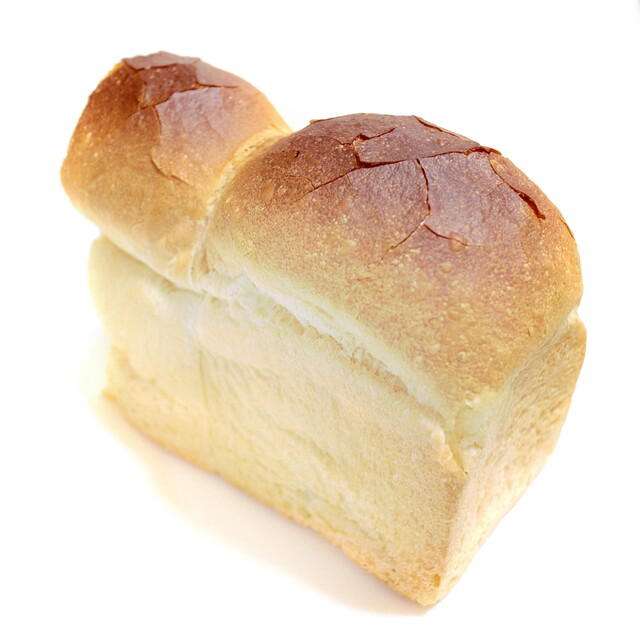
Kobe’s bakery rhythm is quieter than the city’s harborfront dining image. The city moves through station walks, school runs, and compact shopping streets, which is exactly the kind of setting where a serious bread shop can matter more than a formal restaurant. Froindou belongs to that Kobe tradition: small in scale, focused in format, and judged by repeat local use as much as by list recognition.
The value proposition is the point. Kobe can spend heavily when beef, counter dining, or hotel restaurants enter the frame, but its bakery culture operates on a different logic: low spend, high frequency, and a sharper test of consistency. A shop recognized in the Tabelog Hyakumeiten record for 2022 is not competing with tasting-menu restaurants. It is competing with daily habits, station convenience, and the expectation that bread should be worth seeking out without turning into an event.
Kobe's bread culture rewards discipline over spectacle
Japanese bakery culture has long absorbed European technique without treating it as museum work. In Kobe, that exchange has particular weight because the city’s port history helped normalize Western-style sweets, cafés, and bread earlier than many inland cities. The result is a category where dough, butter, fillings, and shelf timing carry more meaning than dining-room design. Froindou’s classification across bread, donuts, and Western-style sweets fits that Kobe grammar: accessible formats, precise execution, and a customer base that likely judges the shop against weekly routines rather than special-occasion dining.
That distinction matters for travelers. In a city where steak houses and counter dining can dominate dining itineraries, bakeries reveal a different layer of Kobe: domestic, commuter-friendly, and less performative. A bakery stop in Kobe pairs naturally with the city’s everyday pace and residential polish. It is not the same decision as planning a beef dinner or a formal counter meal; it sits in the lower-cost, higher-repeat part of the city’s food map.
Tabelog’s Hyakumeiten bakery selections are useful here because they reward category strength rather than luxury signalling. A bread shop does not need linen, wine service, or a chef biography to earn attention. Recognition in that field points to a venue that performs inside a narrow craft category, which is exactly where serious bakeries should be assessed. Froindou’s Tabelog score of 3.64 adds another signal: this is not anonymous convenience bread, but a shop operating in a crowded Japanese review culture where incremental score differences matter.
The format keeps the spend honest
The format also changes how the experience should be read. Bakeries compress the decision: no table pacing, no extended service arc, no dining-room theatre. The customer reads the offering, chooses quickly, and carries the result into the day. That makes atmosphere more functional than decorative. For visitors, the appeal is not lingering service; it is access to a Kobe bakery standard without committing a meal slot or a large budget.
That low-commitment structure is where the shop’s value becomes clear. A sub-restaurant spend level in Japan can easily produce forgettable convenience food; in a recognized bakery, the same band buys entry into a craft category with local weight. The comparison within Kobe is not only between restaurants, but between uses of time. Other Kobe dining rooms, a casual meal, or a different budget counter such as Suzuki Shoten each answers a different need. This one is strongest when the day calls for something portable, local, and tied to the city’s Western-style baking lineage.
The practical signal is value rather than ceremony. The listed budget is Dinner: - JPY 999; Lunch: -, and the price information is presented in the same low-spend band. That makes the stop useful for travelers moving between parts of Kobe, especially when a formal lunch would slow the day. It also suits Kobe itself, a city where food itineraries often work better as a sequence of small, specific stops rather than one oversized booking.
Kobe gives the visit a neighbourhood frame without needing to turn it into a destination meal. Bakery timing in Japan is often about catching a good selection, so the sensible reading is to treat Froindou as a focused stop rather than a late, improvised fallback. The point is not elaborate logistics; it is a compact bakery visit in a city where bread, donuts, and Western-style sweets have real local standing.
Where it fits in a Kobe food itinerary
Froindou works better as a precision stop than as the anchor of a full day. Build the city around contrasts: bakery in Kobe, coffee elsewhere, beef or Chinese-influenced dining later, and bars after dark. For a broader map, use Our full Kobe restaurants guide, then separate the evening with Our full Kobe bars guide. Travelers staying overnight can cross-check city logistics through Our full Kobe hotels guide, while regional planning sits better in Our full Kobe experiences guide and Our full Kobe wineries guide.
The wider Japanese dining network shows how different value can look by city and format. Compare Kobe’s low-spend bakery stop with other dining in Kobe and with unnamed restaurants in other Japanese cities, where the same question of format versus spend can produce very different answers. Abroad, the balance shifts again, but the underlying test remains similar: whether the format justifies the time, money, and attention it asks from the traveler.
The editorial case is simple: this is the kind of Kobe address that makes sense when price discipline and local credibility matter more than ceremony. The 2022 Tabelog Hyakumeiten recognition supplies the trust signal; the bakery category keeps expectations grounded. Treat it as a compact reading of Kobe’s everyday food culture, not as a long meal, and the equation works.
Frequently asked questions
Is Froindou a family-friendly restaurant?
Froindou is listed in Kobe with categories of bread, donut, and Western-style sweets. Treat it as a bakery stop rather than a formal restaurant meal.
What should I expect atmosphere-wise at Froindou?
Expect a bakery experience built around bread, donuts, and Western-style sweets rather than a luxury dining room. Froindou is in Kobe, and the Tabelog Hyakumeiten 2022 recognition signals serious local standing.
What should I budget for a meal at Froindou?
Pricing at Froindou is listed as - JPY 999 - JPY 999 View spending breakdown.
What are the opening hours for Froindou?
Specific opening hours are not provided here. Use the listing details or call +81-78-411-6686 before making a special trip.
Reputation First
Comparable venues by cuisine and price in the same metro.
| Venue | Cuisine | Price | Awards | Notes |
|---|---|---|---|---|
| FroindouThis venue (the venue you are viewing) | Bakery & donuts | Not listed | Tabelog 100 #4 | Not listed |
| Satonaka | Spice curry counter | $1–10 | Tabelog 100 #88 | Chūō |
| tea room mahisa | Specialty tea cafe | $10–20 | Tabelog 100 #78 | Chūō |
| Place de Pasto | French-inspired bakery & deli | Not listed | Tabelog 100 #63 | Chūō |
| Le Shmiki | Cafe & cake shop | Not listed | Tabelog 100 #3 | Chūō |
| Ca marche | Bakery Café | $1–10 | Tabelog 100 #19 | Chūō |
Recognition history
Dated appearances from independent guides and award organizations, with the underlying list record or original source where available.
Tabelog 100 #4 · No. 4
Tabelog · Tabelog 100 - Bread - WEST - 2022
Continue exploring
More in Kobe
Restaurants in Kobe
All restaurants in Kobe →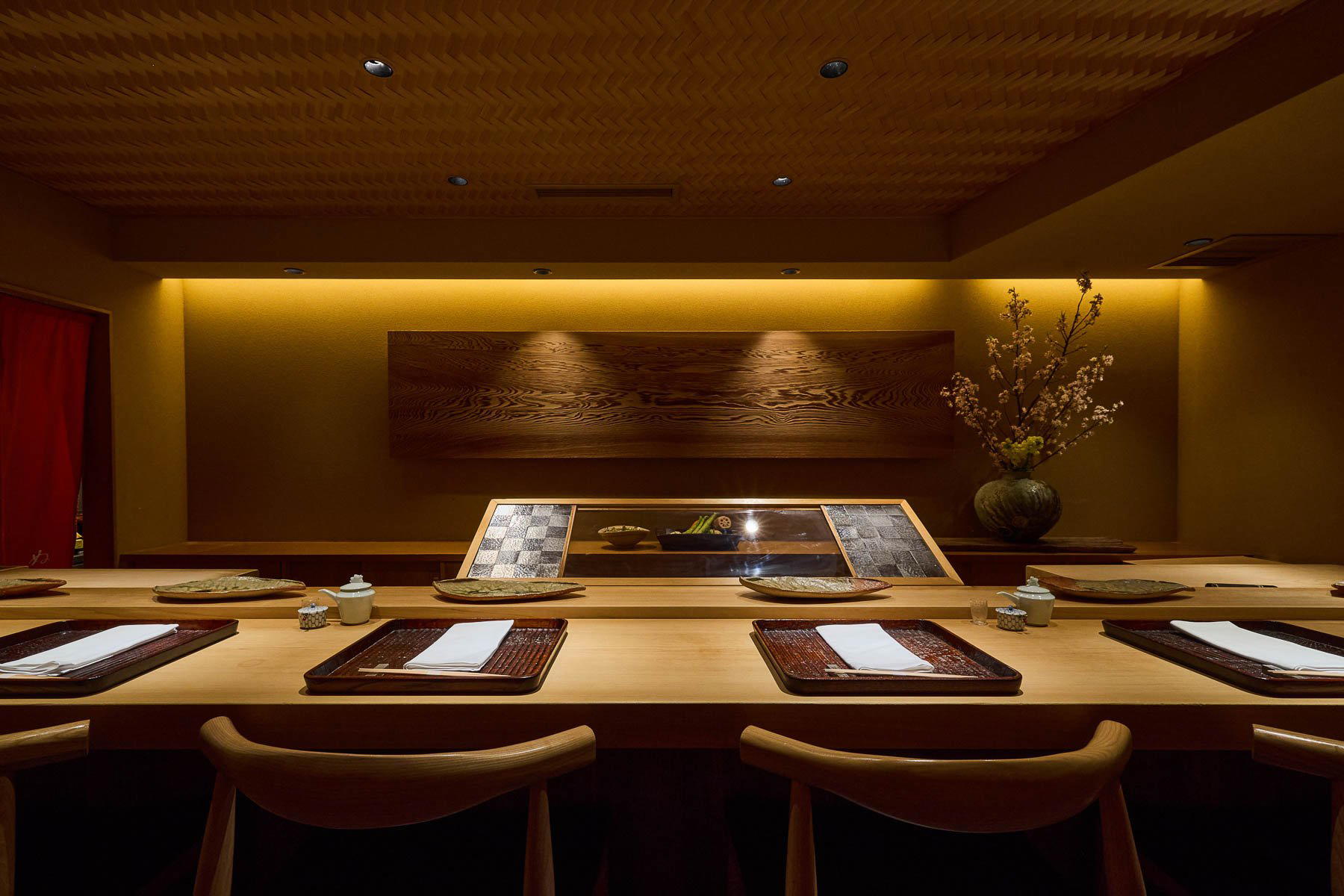



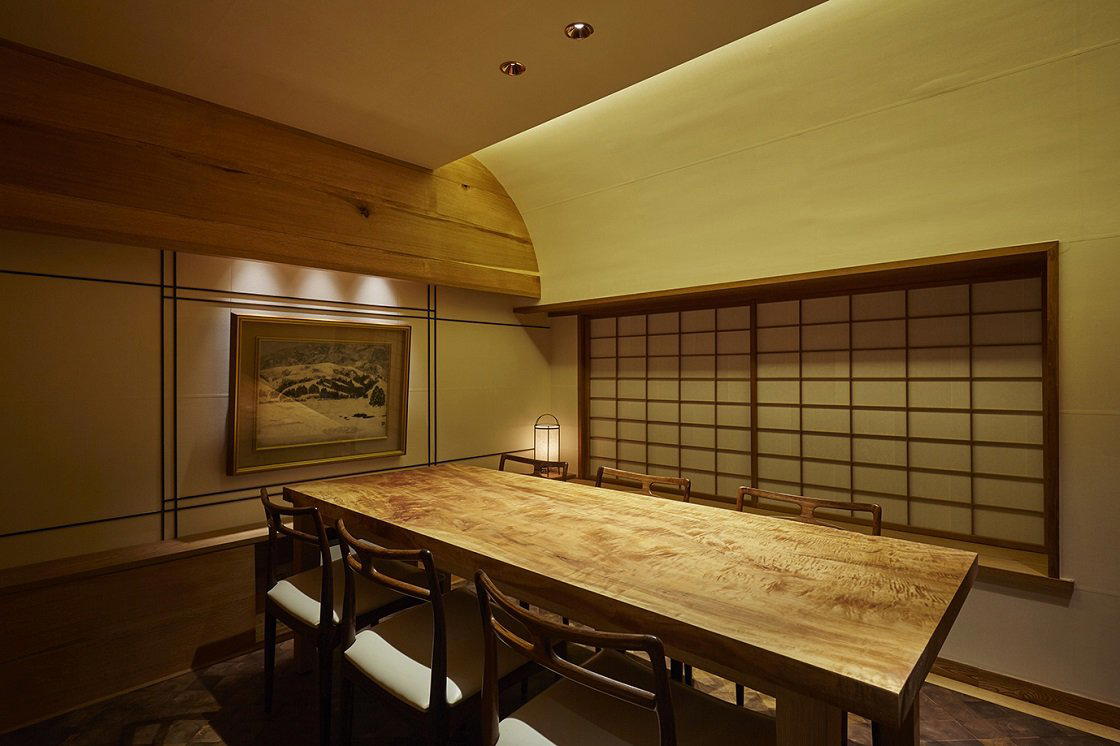
Bars in Kobe
Browse all →








Details
- Casual Hangout
- Solo
- After Work
- Family
- Standalone
Current opening hours
- Monday
- 9 AM–6 PM
- Tuesday
- 9 AM–6 PM
- Wednesday
- Closed
- Thursday
- 9 AM–6 PM
- Friday
- 9 AM–6 PM
- Saturday
- 9 AM–6 PM
- Sunday
- Closed
Hours can change for holidays and private events. Hours as of .