Q Restaurant
Our verdict
Q Restaurant occupies a quiet address on Hauptstraße in Windischgarsten, a small Upper Austrian market town that sits at the edge of the Totes Gebirge range. The restaurant operates in a region where alpine ingredient culture runs deep, placing it within a broader tradition of rural Austrian dining that prizes proximity to source over urban polish. For travellers moving through the Salzkammergut, it represents a local-first dining option worth factoring into the itinerary.

Pearl is the En Primeur Club membership app, where members save venues, book tables and use the concierge.
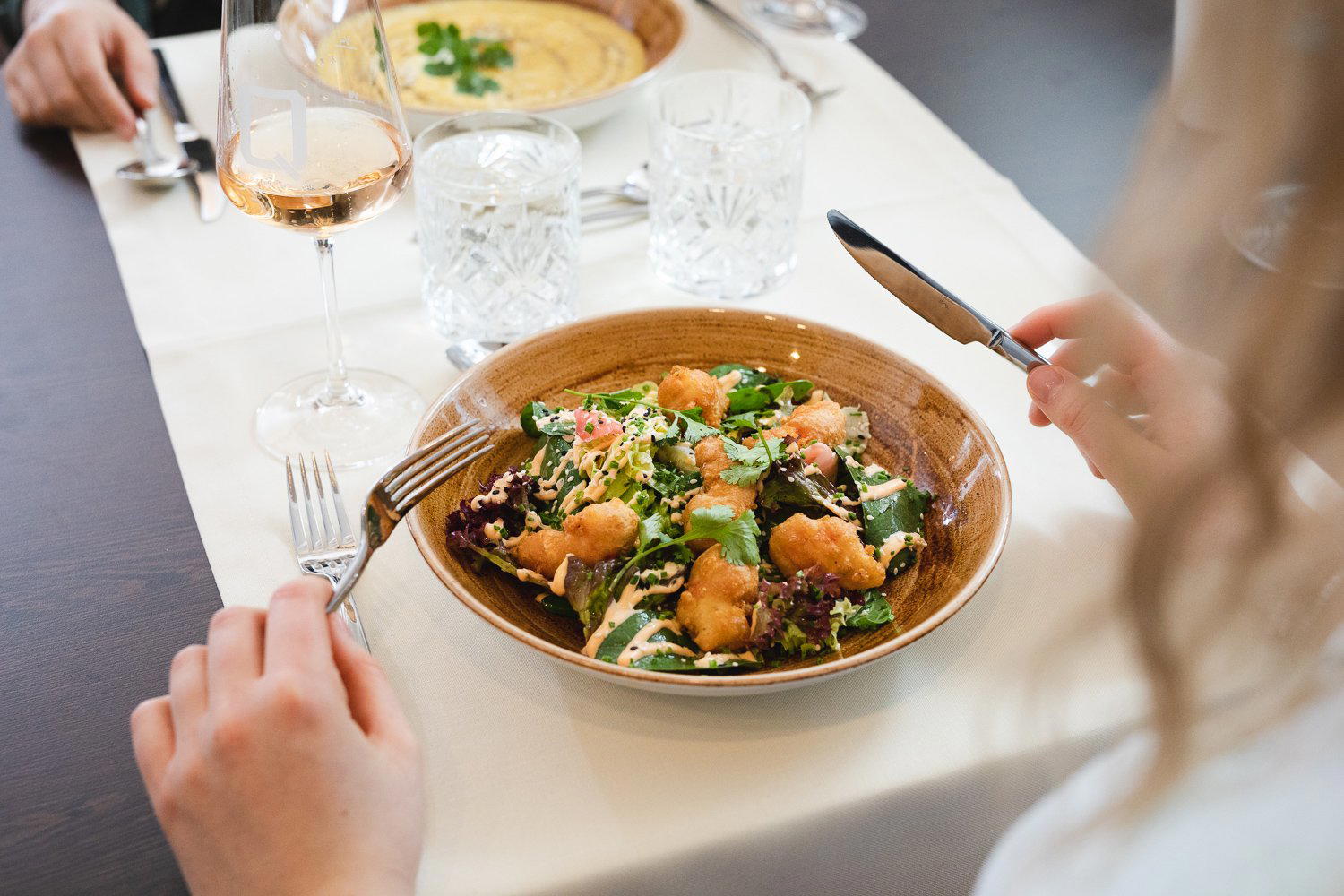
The menu
What to order
- Potato asparagus and wild garlic soup
- Duck preparations
Windischgarsten and the Logic of Rural Austrian Fine Dining
Small-town fine dining in Austria follows a different set of rules than its urban counterpart. In Vienna or Salzburg, a restaurant's reputation is built partly on visibility, on proximity to cultural institutions, on the ease with which critics and expense-account diners can make a reservation and file a review. In places like Windischgarsten, a compact market town in Upper Austria's Pyhrn-Priel region, the calculus inverts. Remoteness is not a liability; it is, in a functional sense, the entire point. Restaurants here draw on an ingredient geography that urban kitchens can only approximate. The Totes Gebirge range to the south, the forests and pastures of the Steyrtal valley, the alpine meadows that shift character with the seasons: these are not decorative backdrops but working supply chains for serious kitchens.
Q Restaurant, addressed at Hauptstraße 30 in the centre of Windischgarsten, operates inside this tradition. The town itself sits at roughly 600 metres above sea level, close enough to alpine terrain that seasonal ingredient cycles arrive earlier and more dramatically than in the lowland cities. For context, compare the position of Q Restaurant to peers like Obauer in Werfen or Kräuterreich by Vitus Winkler in Sankt Veit im Pongau: each occupies a small alpine or pre-alpine town, and each derives much of its editorial interest from the tension between modest geography and serious culinary ambition. That tension is productive. It forces kitchens to develop relationships with producers, foragers, and farmers that urban restaurants, with their broader supplier networks, do not necessarily prioritise in the same way.
Ingredient Culture in the Salzkammergut Region
The Salzkammergut and the adjacent Pyhrn-Priel area constitute one of Austria's more compelling ingredient regions, even if they receive less international attention than Styria or Vorarlberg. The area's dairy culture is strong, shaped by alpine summer grazing that produces milk with a fat and flavour profile distinct from intensively farmed lowland product. Game is a seasonal constant: venison, wild boar, and mountain hare appear in the autumn months with a regularity that reflects genuine proximity to hunting grounds rather than the logistical gymnastics of city procurement. Freshwater fish, particularly char and trout from cold-running alpine streams, provide a further strand of local identity.
This ingredient specificity matters because it defines what serious kitchens in the region can legitimately do that kitchens elsewhere cannot replicate without artifice. The tradition runs through several generations of Austrian alpine cooking and connects regionally to broader movements in Scandinavian and Alpine cuisine that have oriented fine dining toward provenance and seasonal discipline. Restaurants like Döllerer in Golling an der Salzach, which has built a substantial international reputation on precisely this kind of alpine-source cooking, demonstrate the ceiling that is achievable when ingredient access and culinary technique align. The contrast with destination restaurants oriented around classical French frameworks, such as Le Bernardin in New York City, illustrates how differently regional ingredient identity can shape a restaurant's entire compositional logic.
Approaching Windischgarsten as a Dining Destination
Windischgarsten is not a town that rewards spontaneous visits from diners expecting urban infrastructure. It functions as a staging post for outdoor activity in the Pyhrn-Priel region, drawing hikers, cyclists, and winter sports travellers through the Hengstpass and Bosruck passes. The dining scene is correspondingly modest in volume but not necessarily in ambition. The pattern here mirrors what has emerged in other small Austrian towns with serious culinary addresses: a single restaurant, or perhaps two, operating at a level that justifies a detour from the A9 corridor, while the surrounding offer remains firmly in the gasthaus register.
For travelling diners, this context has practical implications. Accommodation in Windischgarsten itself is limited, and most visitors combine a meal at a destination-grade restaurant with a base in a nearby town, Steyr to the north or Bad Aussee to the south being the most practical options for those arriving by car. The Pyhrnbahn rail line passes through Windischgarsten, connecting it to Linz in under two hours, which makes a day-trip feasible from Upper Austria's capital for those without a vehicle. The broader Salzkammergut circuit, which takes in Atelier Fischer in Sankt Gilgen and passes through some of Austria's most-visited lake scenery, provides a natural framework for incorporating Windischgarsten into a multi-day itinerary.
Where Q Restaurant Sits in the Austrian Fine Dining Map
Austria's fine dining geography has become more dispersed over the past two decades. The concentration of serious restaurants in Vienna remains, represented at its upper end by Steirereck im Stadtpark, but the provinces have developed their own coherent tier of destination dining. Salzburg anchors the western arc, with Ikarus operating a rotating guest-chef format that keeps it internationally legible. Tirol contributes addresses like Gourmetrestaurant Tannenhof in Sankt Anton am Arlberg and Griggeler Stuba in Lech, both of which operate within the luxury ski resort economy. Styria has Artis in Graz and the wine-country address of Taubenkobel in Schützen am Gebirge. Upper Austria, the province that contains Windischgarsten, is the quieter node in this network, which partly explains why restaurants here operate below the radar of international food media while maintaining meaningful local reputations.
Within that provincial context, a restaurant on Hauptstraße in Windischgarsten occupies the position of local anchor: the address serious eaters in the region know and return to, without the international infrastructure of Michelin coverage or 50 Best positioning that drives destination traffic elsewhere. This is not a criticism. Restaurants like Ois in Neufelden and Landhaus Bacher in Mautern an der Donau occupy comparable positions in their respective corners of Austria, and their value to the informed traveller is precisely their resistance to the kind of marketing apparatus that flattens a restaurant's specificity. The comparison also extends geographically: Schwarzer Adler in Hall in Tirol, Stüva in Ischgl, and Restaurant 141 by Joachim Jaud in Mieming all represent the same dispersed, province-embedded model of Austrian fine dining that Q Restaurant participates in from Upper Austria.
For a fuller picture of what Windischgarsten offers the travelling diner, including seasonal considerations and how to structure a visit around the broader Pyhrn-Priel region, see our full Windischgarsten restaurants guide.
Planning a Visit
In a town of this size, walk-in availability on weeknights may be reasonable, but weekend and high-season visits to any destination-grade address in a small alpine town carry the same risk as in better-documented restaurants: arriving without a reservation is a gamble that the journey does not justify. The alpine tourist seasons, summer hiking from June through September and winter activity from December through March, generate predictable demand spikes that affect dining availability even in modestly-sized towns. Plan accordingly.
Frequently asked questions
Is Q Restaurant suitable for children?
Windischgarsten operates primarily as an outdoor activity destination, and Q Restaurant on Hauptstraße 30 sits within that context. check the venue's official channels before arriving with children to confirm current arrangements.
Is Q Restaurant formal or casual?
No dress code information is documented for Q Restaurant. Rural fine dining in Austria's Salzkammergut region tends to operate with less ceremony than city counterparts in Vienna or Salzburg, but that varies considerably by individual venue.
Is Q Restaurant in Windischgarsten worth the detour from Linz or Salzburg?
Windischgarsten sits in the Pyhrn-Priel region, roughly between Linz and the Salzkammergut lakes, making it a plausible stop on an Upper Austria itinerary rather than a standalone urban dining trip. Q Restaurant at Hauptstraße 30 is one of the few sit-down dining addresses in a town that otherwise serves hikers and cyclists. Without documented awards or a confirmed cuisine format, the case for a dedicated detour depends on what direct contact with the venue reveals about its current kitchen direction.
What should I order at Q Restaurant?
The surrounding Pyhrn-Priel and Salzkammergut area supplies some of Austria's stronger regional ingredients, so venues in this corridor frequently orient their kitchens around local produce. Check directly with Q Restaurant for current menu structure before your visit.
Where do I go for Q Restaurant?
Q Restaurant is located at Hauptstraße 30, 4580 Windischgarsten, Austria, Windischgarsten.
Should I book Q Restaurant in advance?
For a restaurant in a small town like Windischgarsten, where kitchen capacity is typically limited, advance booking is advisable rather than optional. Q Restaurant's location at Hauptstraße 30 places it in a town that functions more as a staging post for outdoor activity than a high-turnover dining hub, which often means fewer covers and tighter availability.
What do critics highlight about Q Restaurant?
Austria's rural fine dining circuit receives less international press coverage than Vienna-based venues, which means strong regional restaurants in areas like Windischgarsten often operate below the threshold of major food media. Independent research via Austrian dining platforms is the most productive route for current assessments.
Comparable Spots, Quickly
Comparable venues nearby, for context on price, style, and recognition.
| Venue | Cuisine | Price | Awards | Notes |
|---|---|---|---|---|
| Q RestaurantThis venue (the venue you are viewing) | Modern Fusion Cuisine | $30–50 | Not listed | Not listed |
| The Satisfactory | Multi-Concept Fusion: Austrian, Thai Street Food & Wood-Fired Pizza | $20–30 | Not listed | Hauptplatz |
| NOVA-AIR Graz | International Fusion with Austrian & Styrian Influences | $30–50 | Not listed | Gösting |
| magazin | Austrian-International Fusion | $30–50 | Falstaff Restaurant - 95 Falstaff Points | Mönchsberg |
| Lachinger's Kitchen & Wine | Austrian Fusion Steakhouse | Not listed | Not listed | Silberzeile |
| OX Sushi&Steak | Japanese Sushi & American Steakhouse | $30–50 | Not listed | Parndorf |
Continue exploring
More in Windischgarsten
Restaurants in Windischgarsten
All restaurants in Windischgarsten →
Hotels in Windischgarsten
Browse all →
Wineries in Windischgarsten
Browse all →
Details
- Modern
- Elegant
- Special Occasion
- Date Night
- Garden
- Organic
- Local Sourcing
- Garden
- A La Carte
Current opening hours
- Monday
- Closed
- Tuesday
- 5–11 PM
- Wednesday
- 5–11 PM
- Thursday
- 11 AM–2 PM, 5–11 PM
- Friday
- 11 AM–2 PM, 5–11 PM
- Saturday
- 11 AM–2 PM, 5–11 PM
- Sunday
- Closed
Hours can change for holidays and private events. Hours as of .
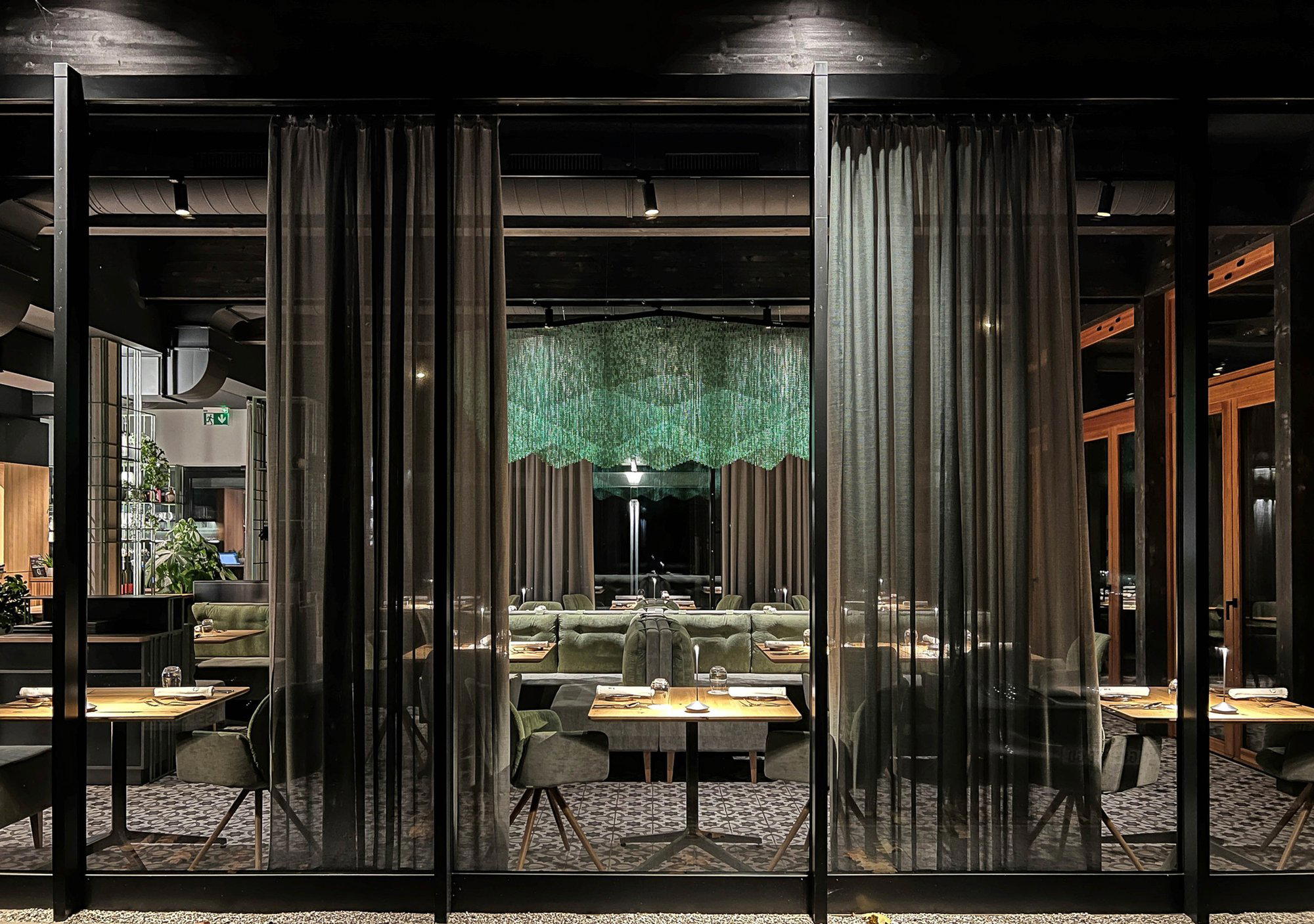
Modern and elegant atmosphere with a stylish bar and garden area.