Friend's Table

A Michelin Plate-recognised chef's table set inside a glass-enclosed wing of a private home in Hang Dong, Friend's Table operates on a fixed dinner format starting at 7 pm sharp. Two collaborating chefs produce refined, creatively presented dishes calibrated to the intensity of the Asian palate. The setting is intimate, the cooking deliberate, and punctuality is not optional.
Pearl is the En Primeur Club membership app — saves, bookings, and concierge access live there. Same editors, same standards.
- Address
- 125, Hang Dong, Chiang Mai, 50230, Thailand
- Phone
- +66 81 530 3037
- Website
- instagram.com
- Directions
- Get directions
 Saves & bookings on Pearl
Glass, Red Light, and a Kitchen You Can Watch
Chiang Mai's fine dining tier has, over the past decade, pulled decisively away from hotel restaurants and tourist-facing set menus toward a quieter, more considered format: small, privately operated rooms where access is limited and the cooking reflects genuine creative investment. Friend's Table, located in the Hang Dong district at 125, Hang Dong, Chiang Mai, 50230, Thailand, sits at the more intimate end of that shift. The dining room is a glass-enclosed wing attached to the owner's home, lit with a dim red hue that reads somewhere between a Japanese kappo counter and a Northern Thai sala. You are, in a literal sense, a guest in someone's house.
That architectural context matters for how the experience functions. Chef's table formats in Southeast Asia tend to follow two models: the performative kitchen theatre of city-centre tasting rooms, and the quieter, residence-adjacent format where proximity to the cooking team is incidental rather than staged. Friend's Table belongs to the second type. The open kitchen allows conversation with the chefs, not as a choreographed element, but as a natural consequence of the room's scale and layout. This is closer to the model you find at intimate creative tables in provincial France or at residentially housed omakase rooms in regional Japan than at the spectacle-first dining rooms that dominate Bangkok's upper tier.
The Cooking: Creative, Calibrated to the Asian Palate
The kitchen at Friend's Table is a two-chef collaboration, and the output is described consistently as refined and creatively presented, with a flavour intensity that remains true to the Asian palate. That phrase does real work. A recurring challenge in Thailand's creative dining tier is the tendency to modulate heat, sourness, and fermented depth downward to suit an assumed international audience, producing food that is technically accomplished but culturally tentative. The Michelin Plate recognition Friend's Table has held for both 2024 and 2025 suggests the cooking sits above that category, acknowledged for quality and consistency even without the starred tier's full formal apparatus.
The creative cuisine designation covers a range of interpretive positions in Thailand's dining scene. At one end are restaurants that treat local ingredients as raw material for European technique, in the manner of PRU in Phuket, which operates with a documented farm-to-table sourcing framework. At another end are kitchens that work within Thai culinary logic but push presentation and composition into contemporary territory, closer to what Sorn in Bangkok does with Southern Thai tradition at the starred level. The restaurant occupies a distinct position in Chiang Mai rather than in those metropolitan competitive sets, but its Michelin recognition places it in a verifiable peer bracket with other Thailand-based creative tables that have earned plate or star recognition.
Sustainability and the Residential Model
Editorial angle that travels least well from metropolitan fine dining to formats like Friend's Table is the language of sustainability as a marketing position. Large-city creative restaurants frequently structure their sourcing narratives for press purposes; the residential chef's table format, by contrast, tends toward sustainability through operational necessity rather than brand strategy. A kitchen attached to a private home, operating a fixed-format dinner for a small number of covers, has limited logistical space for excess inventory, long supply chains, or high-waste ingredient programs.
This structural reality connects the restaurant to a broader pattern visible across Thailand's smaller creative dining rooms. AKKEE in Pak Kret and Angeum in Phra Nakhon Si Ayutthaya both operate at the intersection of regional identity and contemporary cooking in formats where scale itself enforces discipline. The same logic applies in Chiang Mai: a kitchen producing for a fixed, intimate cover count has a natural incentive to source with precision, use full product, and avoid the over-purchasing that drives waste in larger operations. Whether that translates into a documented sourcing philosophy or simply into tight kitchen practice is a distinction the dining data does not resolve, but the operational structure is suggestive.
Globally, the residential chef's table model carries comparable logic. The debate at Arpège in Paris or the hyper-seasonal framing at Alléno Paris au Pavillon Ledoyen involves scale and institutional machinery that restaurant simply does not have. Its version of responsible cooking is smaller in scope and quieter in declaration, which is not a criticism.
Chiang Mai's Creative Tier: Where Friend's Table Fits
Hang Dong sits to the south of Chiang Mai's old city, in a residential area that has increasingly attracted food-serious operators who cannot, or choose not to, absorb the costs of old city premises. The address places the restaurant outside the central cluster of Chiang Mai's restaurant scene but in reasonable proximity to properties and visitors oriented toward the broader Mae Rim and Hang Dong corridor.
Within Chiang Mai, the creative dining tier is narrow. Most of the city's recognised food culture operates at street level or in informal Thai kitchens, with venues like Aunt Aoy Kitchen and Baan Landai offering grounded, tradition-led Thai cooking at a different register. Aeeen addresses a vegetarian and plant-forward audience. Aquila covers Italian. NAVAN NAVAN operates in its own contemporary mode. The restaurant occupies the residential chef's table position, which in Chiang Mai does not have obvious direct competition. That is not an argument for superlatives; it is simply a description of a thin market.
Planning a Visit
Dinner at the restaurant begins at 7 pm, and the format is fixed in that respect: arrive late and you are arriving after the kitchen has started. This is not a reservation-and-arrive-when-you-like room. The punctuality requirement is noted clearly in the venue's own materials, and it reflects the operational logic of a kitchen running a coordinated menu for a small, simultaneous cover count rather than a rolling service. The price tier sits at ฿฿฿, which in Chiang Mai's context places it in the upper band of independent restaurant pricing, below particularly expensive tasting-menu formats but above mid-range dining. The Hang Dong address at 125 Moo means most visitors will need private transport or a booked car rather than a short walk from the old city. Given the 7 pm fixed start, planning transport in advance is the practical move.
Comparable Options
Comparable venues nearby, for context on price, style, and recognition.
| Venue | Cuisine | Price | Notes |
|---|---|---|---|
| Friend's TableThis venue — the venue you are viewing | Modern Thai Fine Dining | $$$$ | Not listed |
| The Redbox | Modern Thai Contemporary | $$$ | Mueang Chiang Mai |
| Blackitch | Modern Thai Tasting Menu | $$$$ | Mueang Chiang Mai |
| Khao | Modern Northern Thai | $$$$ | Mueang Chiang Mai |
| Talung | Southern Thai | $$ | Mueang Chiang Mai |
| Baan Landai | Authentic Fine Thai Cuisine | $$ | Mueang Chiang Mai |
Recognition history
Dated appearances from independent guides and award organizations, with the underlying list record or original source where available.
Michelin Plate
Michelin
Michelin Plate
Michelin
Michelin Plate
Michelin
Continue exploring
More in Chiang Mai
Restaurants in Chiang Mai
Browse all →
Bars in Chiang Mai
Browse all →
At a Glance
- Intimate
- Cozy
- Elegant
- Modern
- Special Occasion
- Date Night
- Chefs Counter
- Open Kitchen
- Local Sourcing
Current opening hours
- Monday
- Closed
- Tuesday
- 6:30–10:30 PM
- Wednesday
- 6:30–10:30 PM
- Thursday
- 6:30–10:30 PM
- Friday
- 6:30–10:30 PM
- Saturday
- 6:30–10:30 PM
- Sunday
- 6:30–10:30 PM
Hours can change for holidays and private events. Last verified .
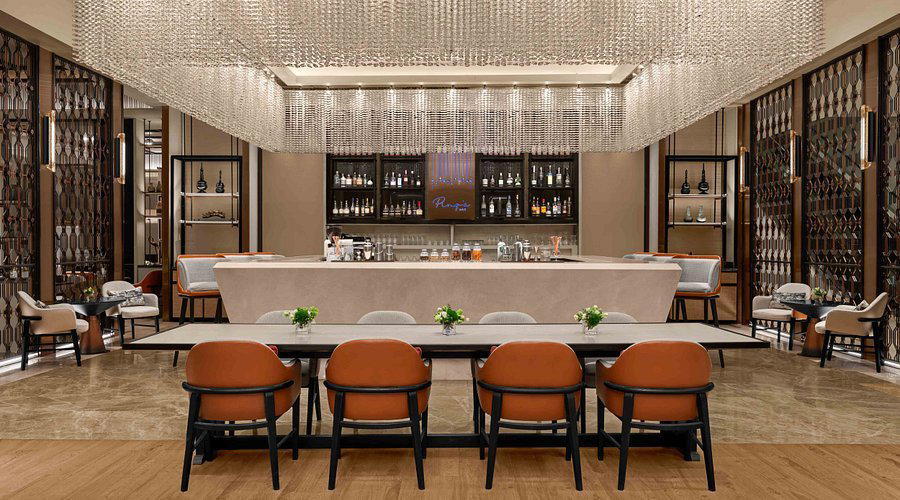
Stylish interior dimly lit with a red hue, warm and unpretentious atmosphere fostering personal connections.