On Tucepi's quieter southern stretch, Freyja occupies a position that rewards the traveller willing to move past the Makarska Riviera's more obvious choices. The address on Slatina ulica places it close to the sea without the resort-strip noise, and the kitchen draws on the ingredient patterns, caught, grown, and pressed, that define serious Dalmatian cooking at its most direct.
Pearl is the En Primeur Club membership app — saves, bookings, and concierge access live there. Same editors, same standards.
- Address
- Slatina ul. 2, 21325, Tučepi, Croatia
- Phone
- +385 95 843 2460
- Website
- freyja.com.hr
- Directions
- Get directions
 Saves & bookings on Pearl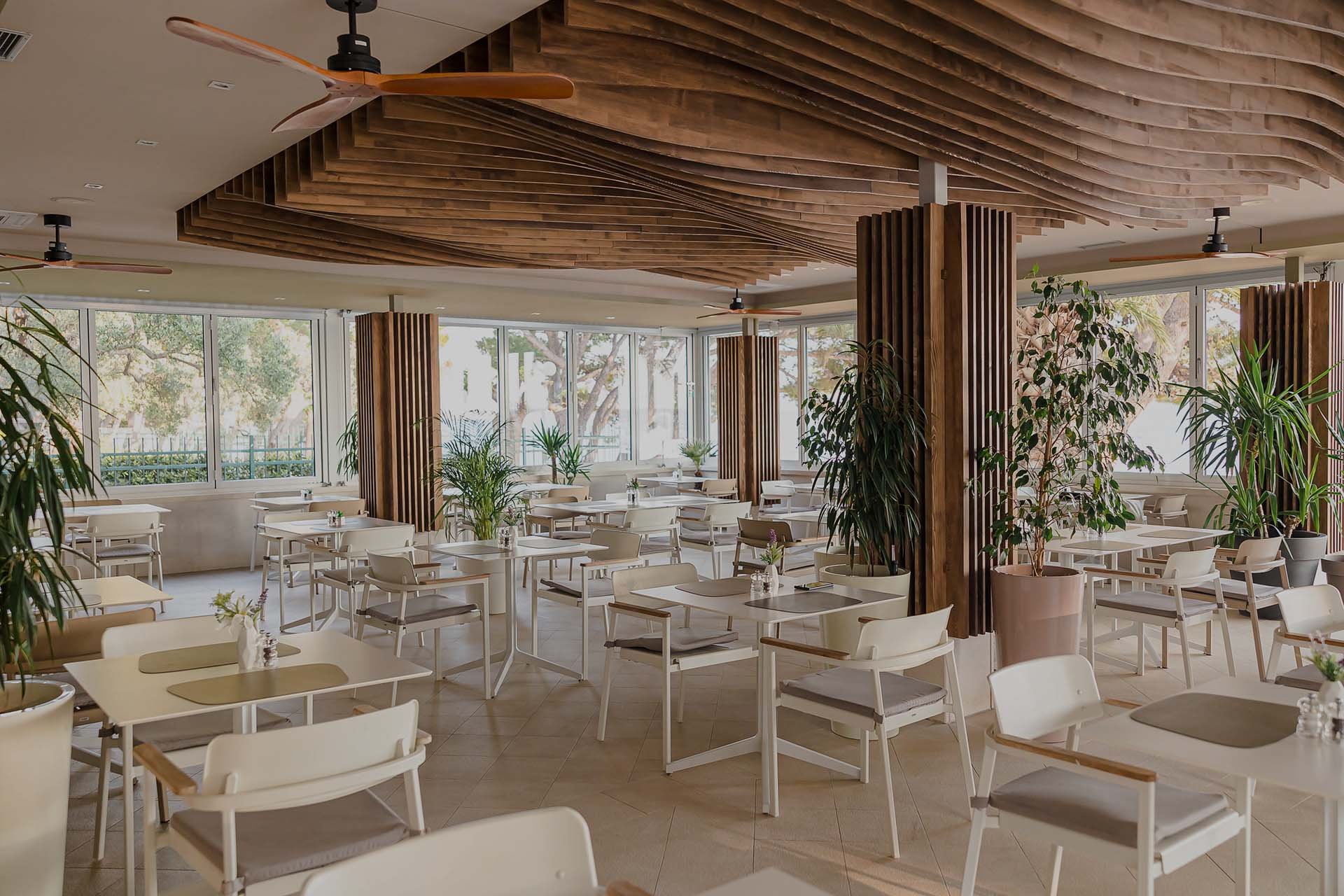
Where the Dalmatian Larder Meets the Sea
The central Dalmatian coast has always operated on a short supply chain. Fishing boats work the channel between the mainland and Brač; olive groves run up into the Biokovo foothills above Tučepi; and the stone-walled smallholdings between the two produce the figs, lamb, and cured meats that define what serious cooking here actually tastes like. That proximity between source and plate is not a marketing concept in this part of Croatia, it is simply how the food economy has always functioned, and any kitchen that pays attention to it benefits from an ingredient quality that few coastal European regions can match without considerable effort.
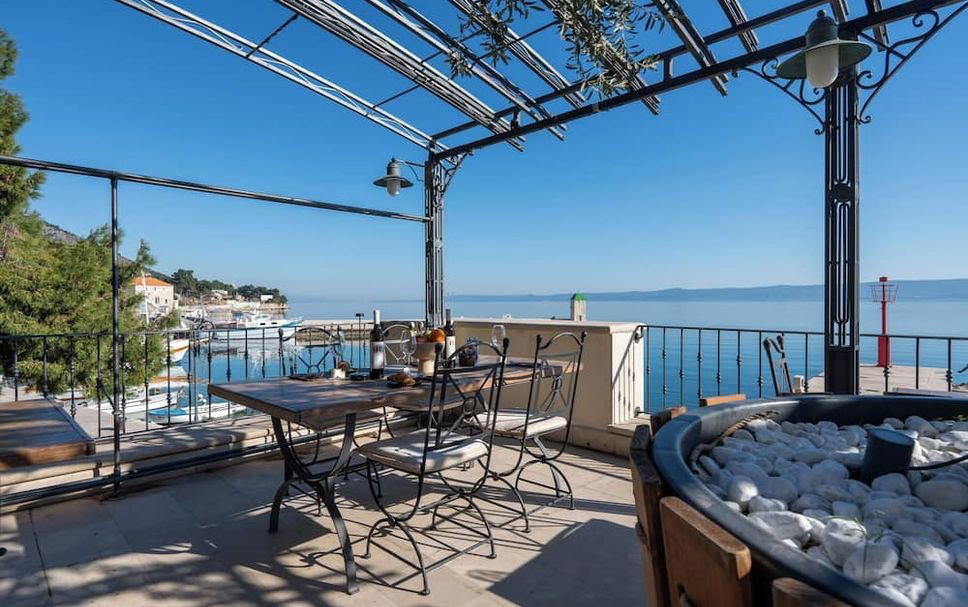
Freyja sits at Slatina ul. 2, on the southern end of Tučepi, a few metres from the water on a stretch of coast that runs quieter than the resort belt immediately north toward Makarska. For the traveller coming from the busier sections of the Makarska Riviera, the address alone tells you something about the register the kitchen is working in.
Ingredient Sourcing as Editorial Argument
Across Croatia's premium dining tier, sourcing has become the central argument. At Pelegrini in Sibenik, the kitchen has built a reputation on treating northern Dalmatian producers as named collaborators. Agli Amici Rovinj in Rovinj applies Italian-contemporary rigour to Istrian ingredients with similar intent. The pattern repeats across the Adriatic coastline: the restaurants that read as serious are the ones where the sourcing decision precedes the cooking decision, not the other way around.
Tučepi's specific geography makes it a credible location for that kind of kitchen. The Biokovo massif rises directly behind the village to over 1,700 metres, creating a pronounced microclimate gradient between the coast and the highlands. Lamb grazed on karst herb pasture above 800 metres carries a flavour profile distinct from lowland rearing. Olive oil pressed from the groves on the lower slopes, Oblica and Levantinka cultivars dominate the Dalmatian interior, runs greener and more peppery than the oils arriving from further south. These are not generic Adriatic ingredients; they are place-specific, and a kitchen positioned between the fishing grounds and those slopes has direct access to all of them.
The broader Dalmatian cooking tradition handles this larder with deliberate restraint. Prstaci (date mussels, now protected) defined an older era of excess; the current approach in the better kitchens along this stretch runs toward grilled fish finished simply, lamb cooked long over embers, and vegetables, particularly chard, fennel, and the local wild greens collectively called miješana salata, treated as primary rather than supporting elements. That restraint is not austerity; it is confidence in the source material.
The Tučepi Context
Tučepi itself is a village that operates at a smaller scale than its near-neighbour Makarska, which concentrates the majority of the Riviera's hotel infrastructure and the commercial dining that follows from it. The distinction matters for dining decisions. Makarska's restaurant strip caters heavily to volume tourism; Tučepi's food scene, smaller and less legible from the outside, tends to track more closely to local supply rhythms and returning visitor patterns rather than walk-in beach traffic.
For reference on what ambitious cooking looks like elsewhere along the Croatian coast, Krug in Split represents the city-format approach, urban, technically polished, drawing on a wider supplier network. LD Restaurant in Korčula and Restaurant 360 in Dubrovnik both operate in the €€€€ bracket with international positioning. Freyja, on the Slatina address, occupies a different tier, a village-scale operation where the logic of the menu is determined by what the local catchment produces rather than by what an international guest demographic expects to see.
That distinction carries practical implications. The menu at a restaurant operating on genuine local sourcing shifts with season, with catch, and with what the groves and smallholdings deliver. Visiting in June, when the early summer vegetables are in full supply and the sea is running warm enough for consistent fish landings, is different from arriving in September, when the first pressed olive oils appear and the lamb from the highland pastures has had a full summer's grazing. Both windows are worth considering; neither is identical to the other.
Placing Freyja in the Croatian Fine Dining Map
Croatia's serious dining circuit is geographically scattered in a way that reflects the country's elongated coastline and fragmented inland structure. The recognised names, Nebo by Deni Srdoč in Rijeka, Korak in Jastrebarsko, Boskinac in Novalja, Alfred Keller in Mali Lošinj, Dubravkin Put in Zagreb, are spread across a country where the dining conversation is still maturing relative to the ingredient quality the geography offers. Internationally, the reference points for coastal ingredient-led cooking of this type stretch from Le Bernardin in New York City at the technical apex to Lazy Bear in San Francisco at the convivial communal end, both of which illustrate how seriously sourcing-led kitchens can be received when they commit to the argument fully.
The Tučepi end of central Dalmatia remains less documented than Dubrovnik or Split on the international dining circuit, which means that a kitchen doing serious work here operates with less external validation infrastructure but also less competitive noise. Jeny (Modern Cuisine) represents another local reference point worth tracking alongside Freyja for visitors building an itinerary around the village.
For context on how the broader Dalmatian sourcing tradition plays out at other scales, San Rocco in Brtonigla, EatIstria in Pluj, Humska Konoba in Hum, and Restaurant Filippi in Curzola each represent a different inflection of how Croatian kitchens are building menus around what their immediate geography produces.
Planning Your Visit
Tučepi is approximately 10 kilometres from Makarska, which has the nearest bus connections and the closest concentration of accommodation at scale. The village itself is walkable, and Slatina ulica sits on the coastal path that traces the shoreline south from the main beach. Summer bookings along the central Dalmatian coast generally run ahead of availability from late June through August; arriving outside those peak weeks allows for a more direct engagement with the kitchen's supply rhythms. Freyja is recommended for reservations and open daily from 7 AM to 11 PM.
In Context: Similar Options
Comparable venues nearby, for context on price, style, and recognition.
| Venue | Cuisine | Price | Awards | Notes |
|---|---|---|---|---|
| FreyjaThis venue — the venue you are viewing | Modern Mediterranean Fine Dining | $$$ | Not listed | Not listed |
| Jeny | Modern Croatian Fine Dining | $$$$ | Michelin Plate | Gornji Tučepi |
| Bretanide | Mediterranean All-Inclusive Buffet | $$$ | Not listed | Bol |
| Konoba Laganini | Modern Dalmatian Seafood | $$$ | Not listed | Diocletian's Palace |
| Štorija | Modern Dalmatian Fine Dining | $$$ | Not listed | Old Town |
| Makarun | Dalmatian Mediterranean Seafood | $$$ | Not listed | Diocletian's Palace |

At a Glance
- Elegant
- Sophisticated
- Scenic
- Date Night
- Special Occasion
- Celebration
- Family
- Waterfront
- Live Music
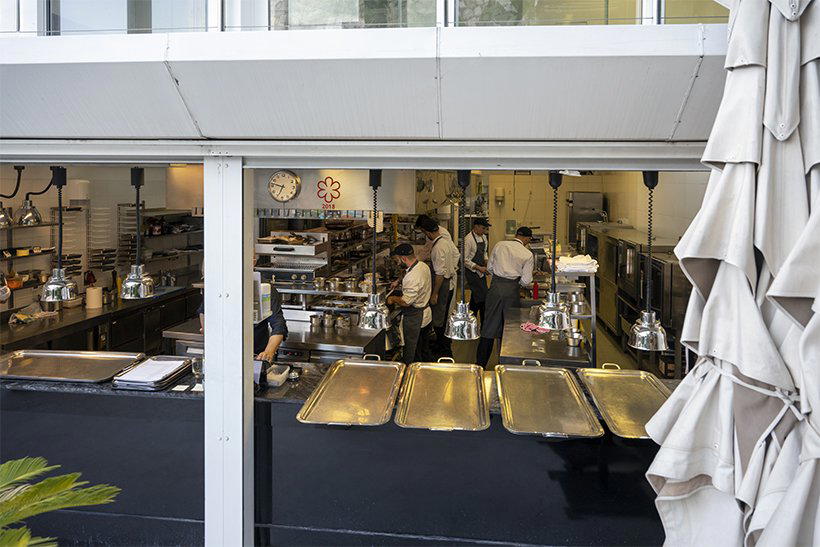
- Open Kitchen
- Extensive Wine List
- Local Sourcing
- Waterfront
Current opening hours
- Monday
- 7 AM–11 PM
- Tuesday
- 7 AM–11 PM
- Wednesday
- 7 AM–11 PM
- Thursday
- 7 AM–11 PM
- Friday
- 7 AM–11 PM
- Saturday
- 7 AM–11 PM
- Sunday
- 7 AM–11 PM
Hours can change for holidays and private events. Last verified .
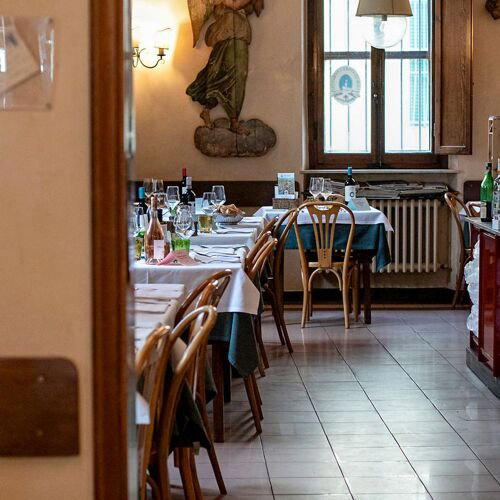
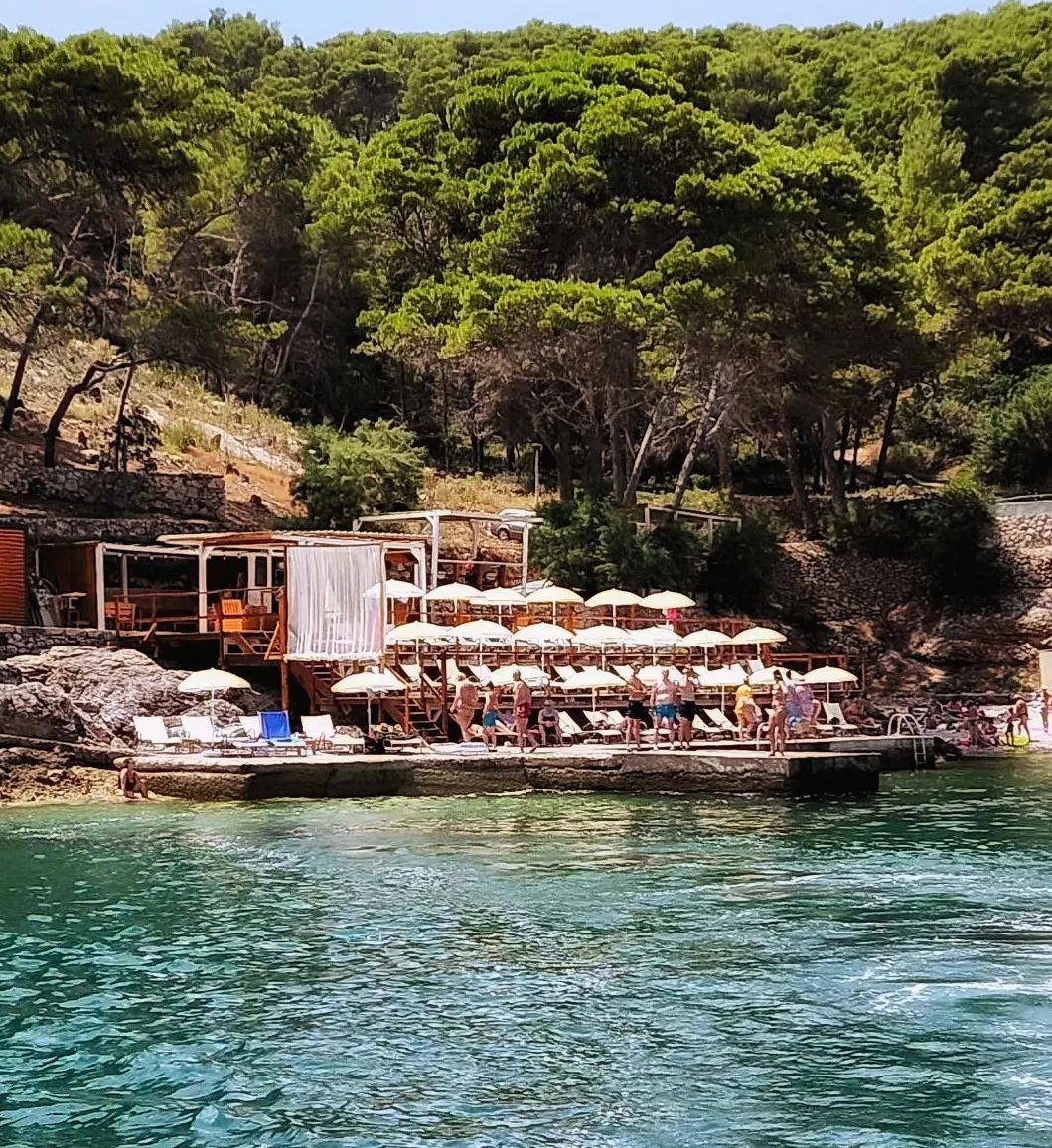
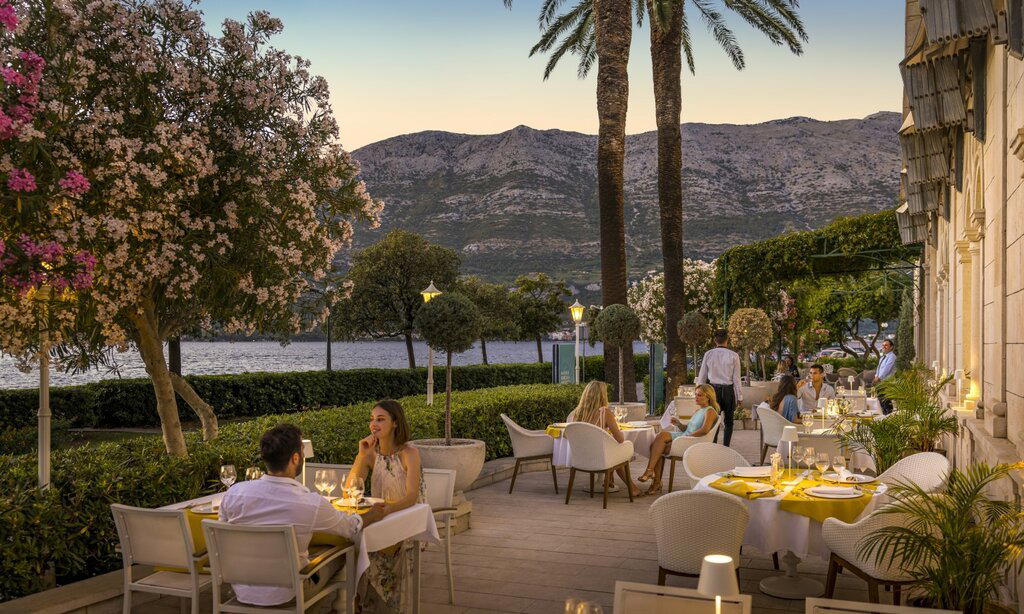
Understated elegance with curved wooden slats imitating sea waves, ocean views, and a welcoming atmosphere praised for feel-good vibes and stylish presentation.