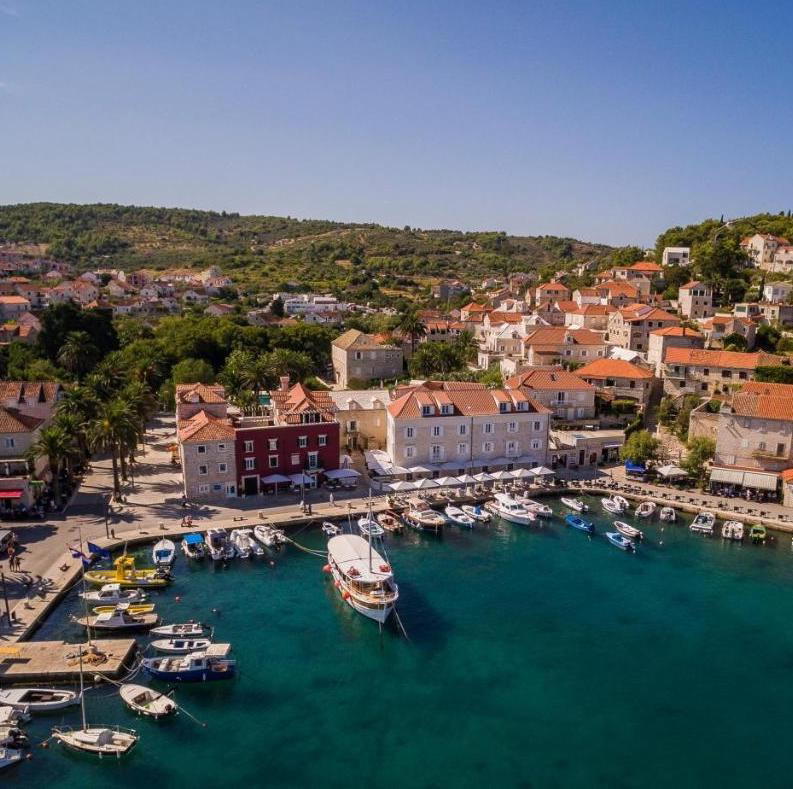
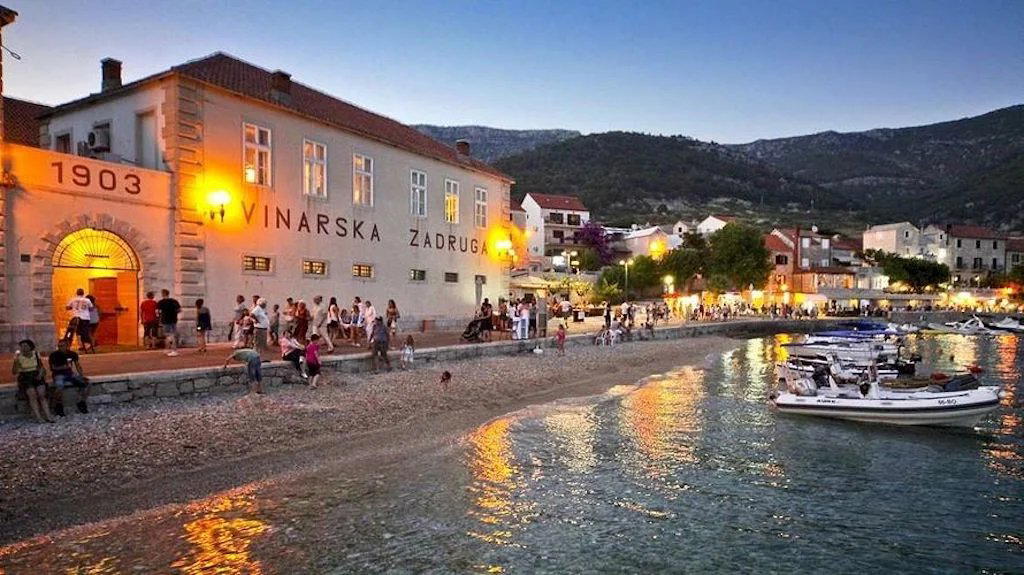
Arsana Tasting House occupies a quiet corner of Omiš, a town where the Cetina River meets the Adriatic beneath limestone cliffs that have shaped Dalmatian cooking for centuries. In a region where ingredient provenance defines the dining conversation, Arsana positions itself as a tasting-format address worth tracking for anyone moving along Croatia's central coast.
Pearl is the En Primeur Club membership app — saves, bookings, and concierge access live there. Same editors, same standards.
- Address
- Četvrt kralja Slavca 32B, 21310, Omiš, Croatia
- Phone
- +385981330917
- Website
- i-host.gr
- Directions
- Get directions
 Saves & bookings on Pearl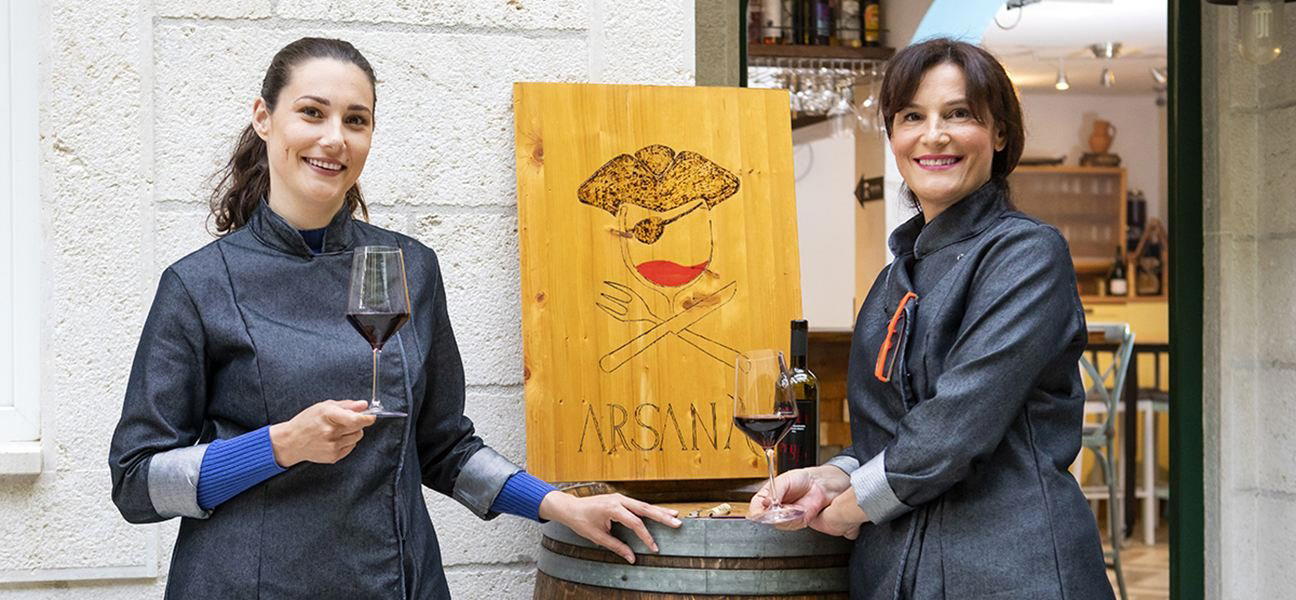
Where the Cetina Meets the Table
Omiš sits at one of the more dramatic confluences on the Adriatic coast: the Cetina River pushes through a gorge of sheer limestone before releasing into the sea, and the town built around that junction has always eaten according to its geography. Freshwater fish from the river, lamb from the Zagora plateau inland, seafood from the sheltered bay, stone fruits and wild herbs from the canyon slopes, the larder here is defined by the meeting of different ecosystems rather than any single one. Arsana Tasting House is a restaurant in Omiš, Croatia, serving Modern Dalmatian Croatian cuisine at Četvrt kralja Slavca 32B.
Venues such as Pelegrini in Sibenik and LD Restaurant in Korčula have demonstrated that structured tasting menus can both honour regional ingredients and compete with the broader European fine-dining conversation.
The Sourcing Logic of Dalmatian Cooking
Understanding what makes a tasting-format restaurant in this part of Croatia coherent requires understanding the ingredient supply chains that Dalmatia offers. The Cetina River system is one of the longest in Croatia and supports a distinct freshwater ecology, trout, eel, and softer-fleshed species that cook differently from their saltwater counterparts and pair with different wine registers. Inland, the Dalmatian Zagora produces lamb raised on karst pasture, a drier, more aromatic grazing environment that affects the fat profile and flavour of the meat in ways that lowland-raised alternatives simply do not replicate.
On the coast side, the bay around Omiš provides shellfish and fin fish, but the more relevant sourcing story for a tasting-format kitchen is the network of small producers: fig and citrus growers, makers of local olive oil, foragers supplying wild asparagus and field greens through the spring and summer months. The ingredient sourcing logic of Dalmatian cooking at its most coherent is not about single-origin luxury products but about assembling a micro-regional map on the plate, a discipline that separates kitchens with genuine producer relationships from those working off a standard distributor list. For context on how this approach plays out at comparable Croatian addresses, Boskinac in Novalja and Korak in Jastrebarsko both demonstrate what committed regional sourcing produces when applied to a structured menu format.
Omiš in the Croatian Dining Conversation
Croatia's premium dining circuit runs fairly predictably through Dubrovnik, Split, Rovinj, and Zagreb. Omiš does not feature on that circuit in any formal way, which means that restaurants operating there face a different set of pressures: smaller year-round populations, a tourist season concentrated between June and September, and less critical infrastructure in terms of press coverage and award attention. Restaurant 360 in Dubrovnik and Agli Amici Rovinj in Rovinj operate inside a well-established prestige ecosystem; Arsana operates outside it, which cuts both ways.
It also means that a kitchen with genuine intent has more room to define its own terms, without the pressure to perform for a particular awards panel or critic demographic. Across the Adriatic coast, particularly interesting eating happens in exactly this kind of structural gap, towns with serious raw ingredients and no pre-existing fine-dining template to replicate or react against. The comparable dynamic in Istria is worth noting: addresses like EatIstria in Pluj and Humska Konoba in Hum have built reputations operating well outside the main tourist circuits, on the strength of ingredient specificity and format discipline rather than location prestige.
One local address worth noting in the same area is SOPARNIK.eu To Go in Tugare, which takes a different but equally place-specific approach to Dalmatian ingredients.
Planning a Visit
Omiš is accessible from Split in under 30 kilometres along the coastal road, making it a practical day-trip or overnight stop for travellers based in the city. The peak summer months bring significant visitor volume to the canyon and beach areas, which affects both restaurant availability and the general character of the town. For a tasting-format meal, visiting outside the August peak, late May through June or September into early October, tends to produce a quieter, more considered experience, and aligns better with the shoulder-season produce that Dalmatian kitchens often use most creatively. Booking ahead is the sensible approach for any structured-format address in a town of this size, where covers are limited and the kitchen is likely planning around confirmed numbers.
For travellers building a broader Croatian itinerary, Arsana fits into a central Dalmatian arc that includes Krug in Split to the northwest and extend south toward Pelegrini in Sibenik. Those looking at the full Adriatic range might also consider Alfred Keller in Mali Lošinj or Nebo by Deni Srdoč in Rijeka for contrast against the Dalmatian model. Outside Croatia entirely, tasting-format restaurants built around hyper-local sourcing, from Lazy Bear in San Francisco to Le Bernardin in New York City, provide useful reference points for how the format operates at different scales and price points. Closer to home, San Rocco in Brtonigla, Dubravkin Put in Zagreb, and Restaurant Filippi in Curzola each show how different Croatian regions are handling the same conversation around ingredient provenance and structured format.
How It Stacks Up
Comparable venues nearby, for context on price, style, and recognition.
| Venue | Cuisine | Price | Notes |
|---|---|---|---|
| Arsana Tasting HouseThis venue — the venue you are viewing | Modern Dalmatian Croatian | $$$ | Not listed |
| SOPARNIK.eu To Go - Tugare | Traditional Croatian Soparnik | $$ | Tugare |
| Adriatic | Mediterranean Seafood | $$$ | near ACI Marina |
| Freyja | Modern Mediterranean Fine Dining | $$$ | Tučepi |
| A-Bay Beach Bar | Mediterranean tapas & cocktails beach bar | $$$ | Maslinica Bay |
| Vrnik Arts Club | Modern Mediterranean Seafood | $$$ | Vrnik |
Continue exploring
More in Omis
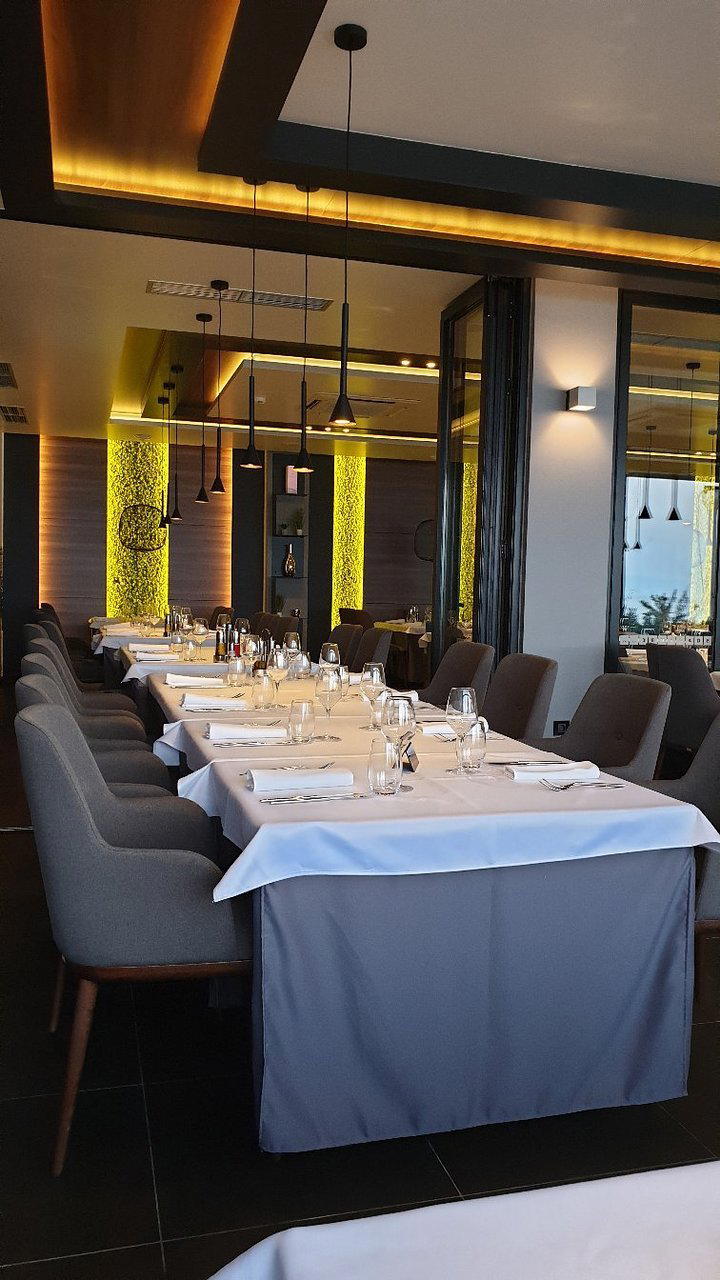
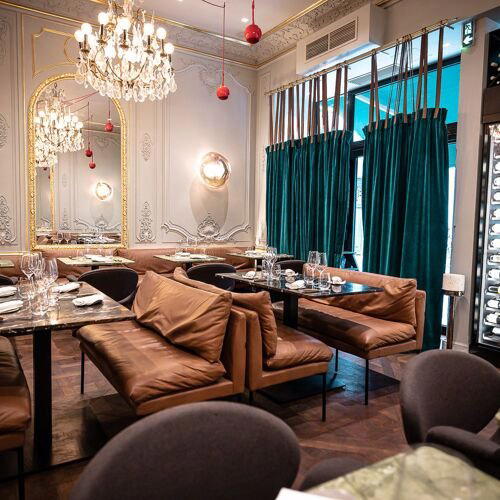
Restaurants in Omis
Browse all →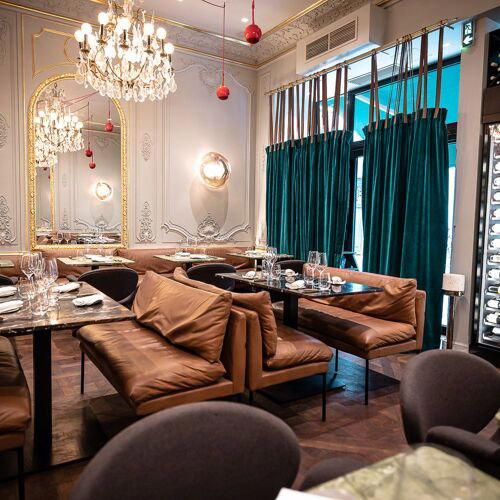
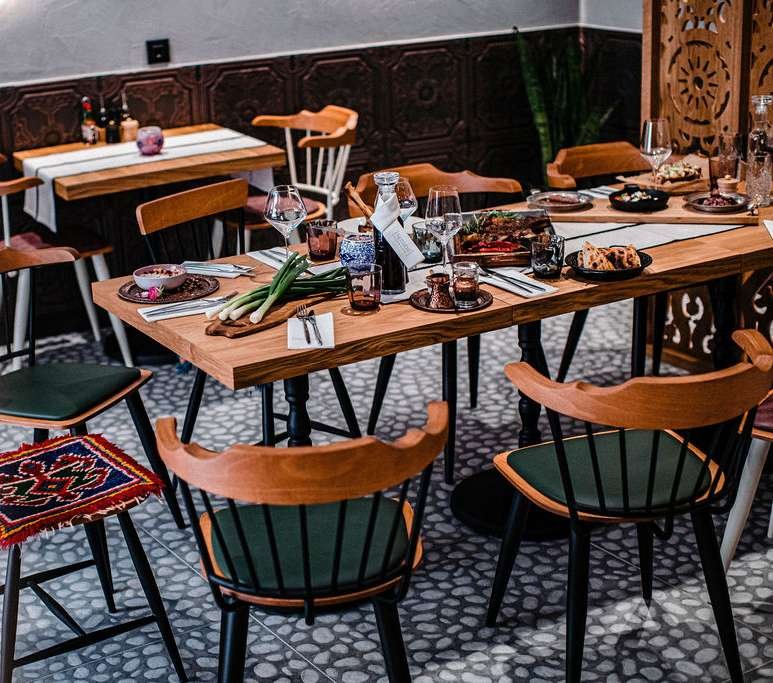
Bars in Omis
Browse all →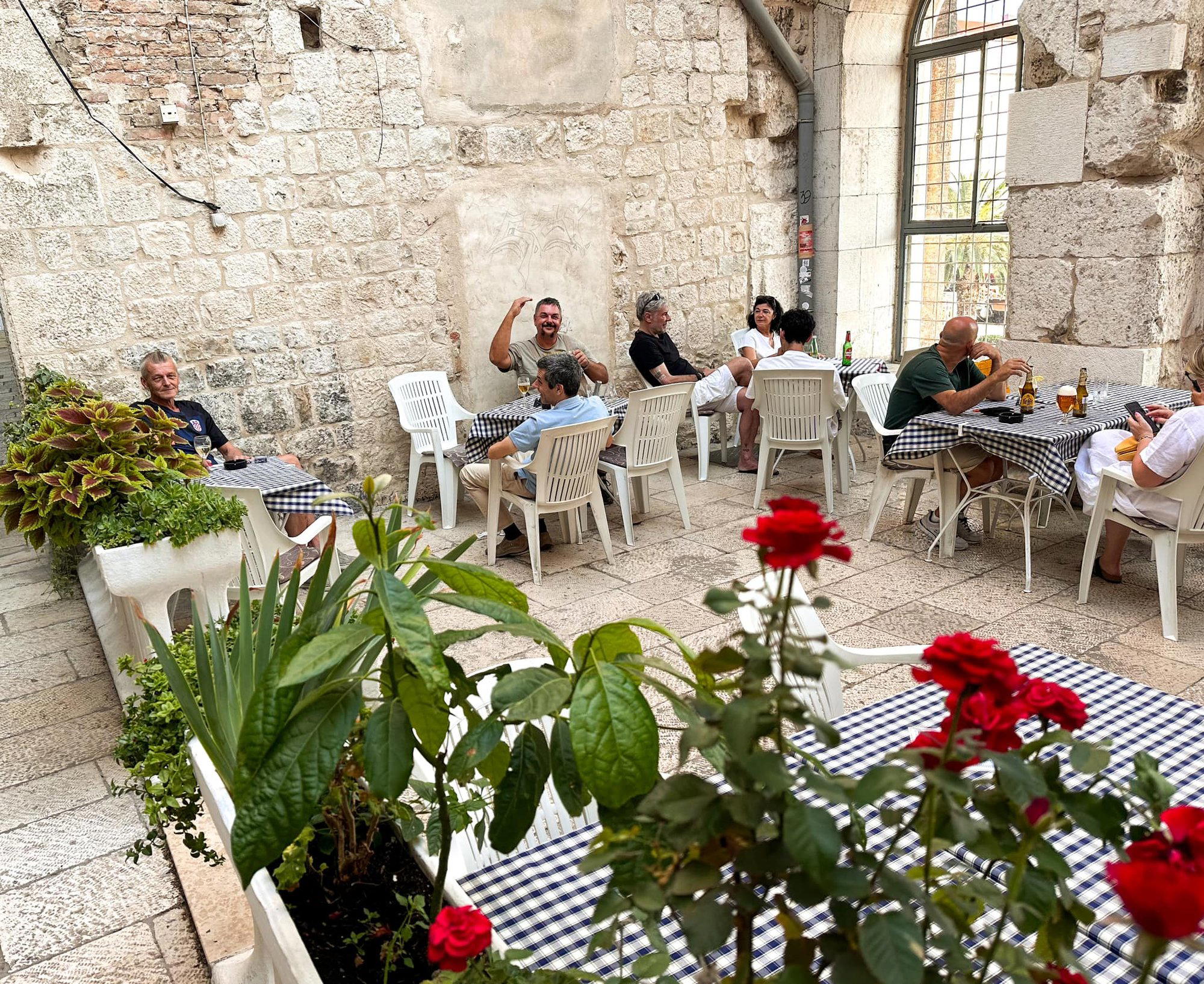
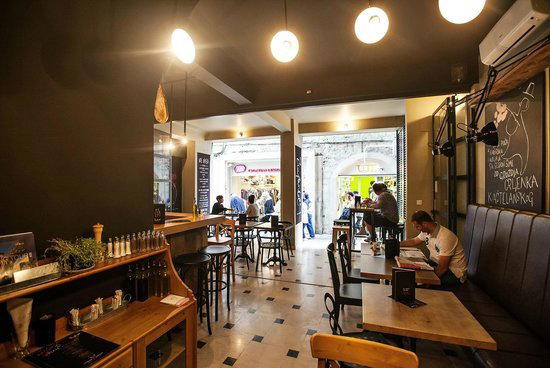
Hotels in Omis
Browse all →


At a Glance
- Cozy
- Intimate
- Rustic
- Date Night
- Special Occasion
- Courtyard
- Extensive Wine List
- Local Sourcing
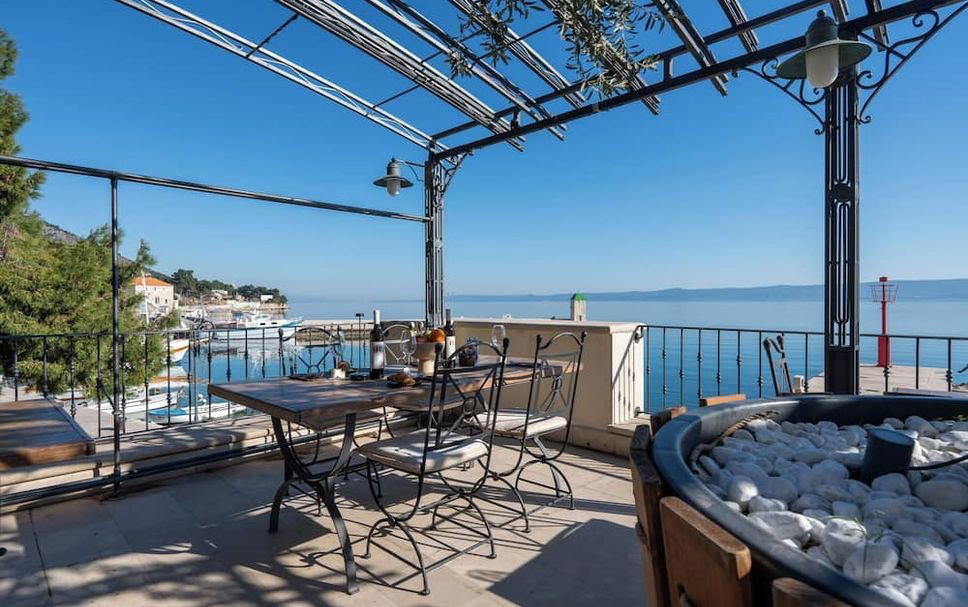
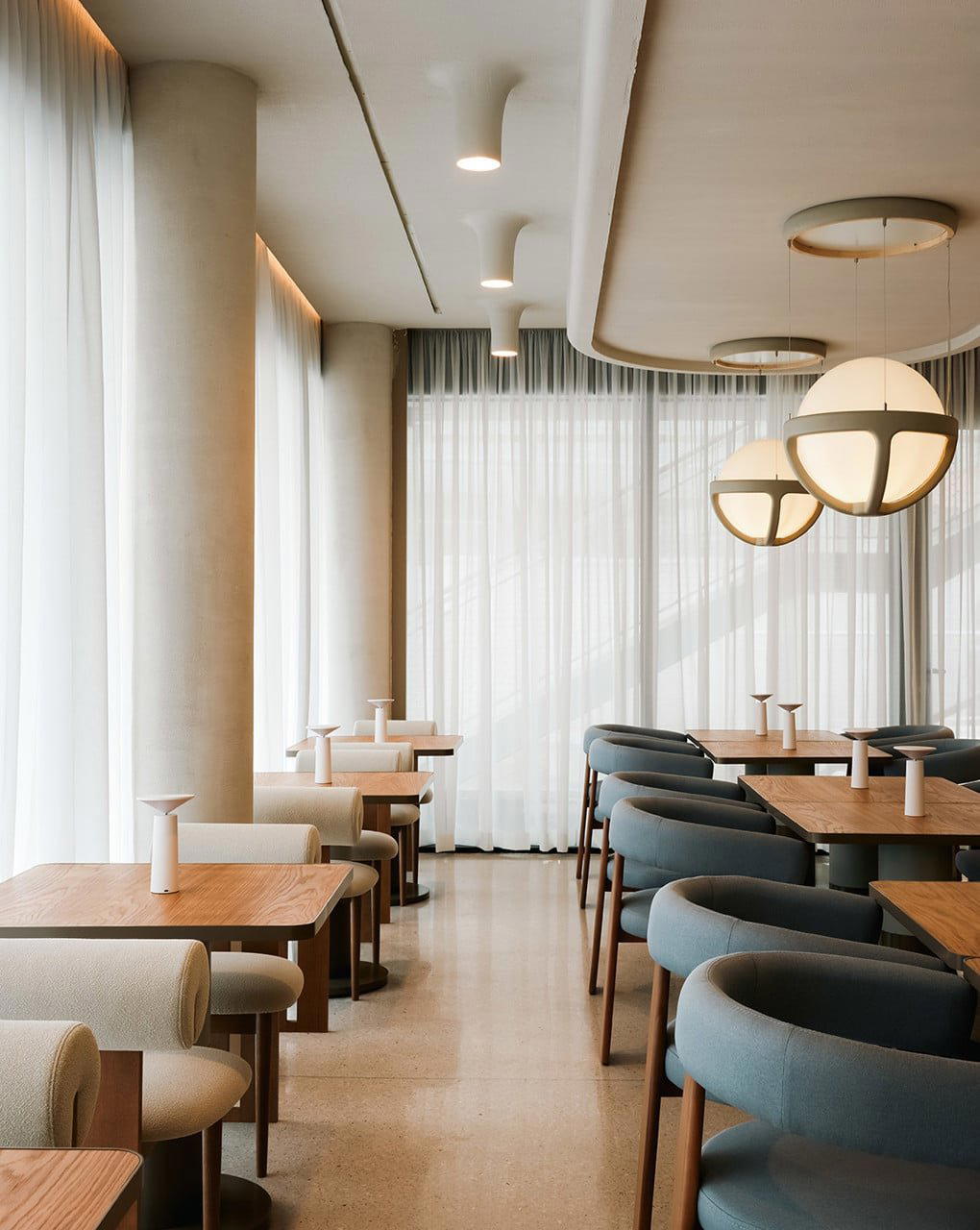
Peaceful terrace in a quiet courtyard away from crowds, with a cozy and welcoming family atmosphere.