Fora
Fora occupies the ground floor of a Morgan Street address in Chicago's West Loop, positioning itself within among the more competitive dining corridors in the American Midwest. The space, the format, and the address all signal a deliberate placement inside a scene that rewards seriousness. Booking lead times and peer comparisons suggest this is a room worth planning around.
Pearl is the En Primeur Club membership app — saves, bookings, and concierge access live there. Same editors, same standards.
- Address
- 311 N Morgan St Ground Floor, Chicago, IL 60607
- Phone
- +13127641933
- Website
- forachicago.com
- Directions
- Get directions
 Saves & bookings on Pearl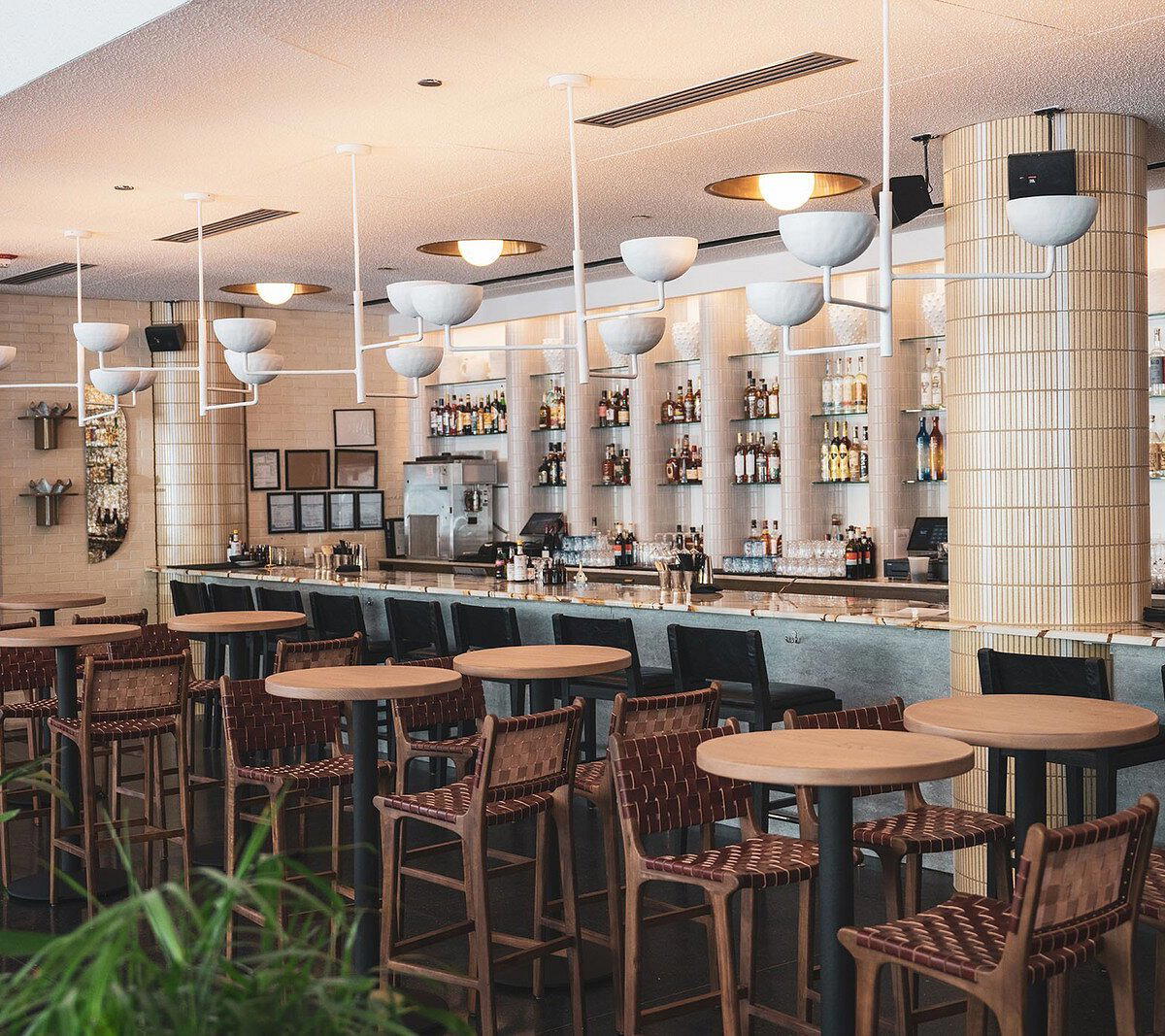
A Room That Does the Talking First
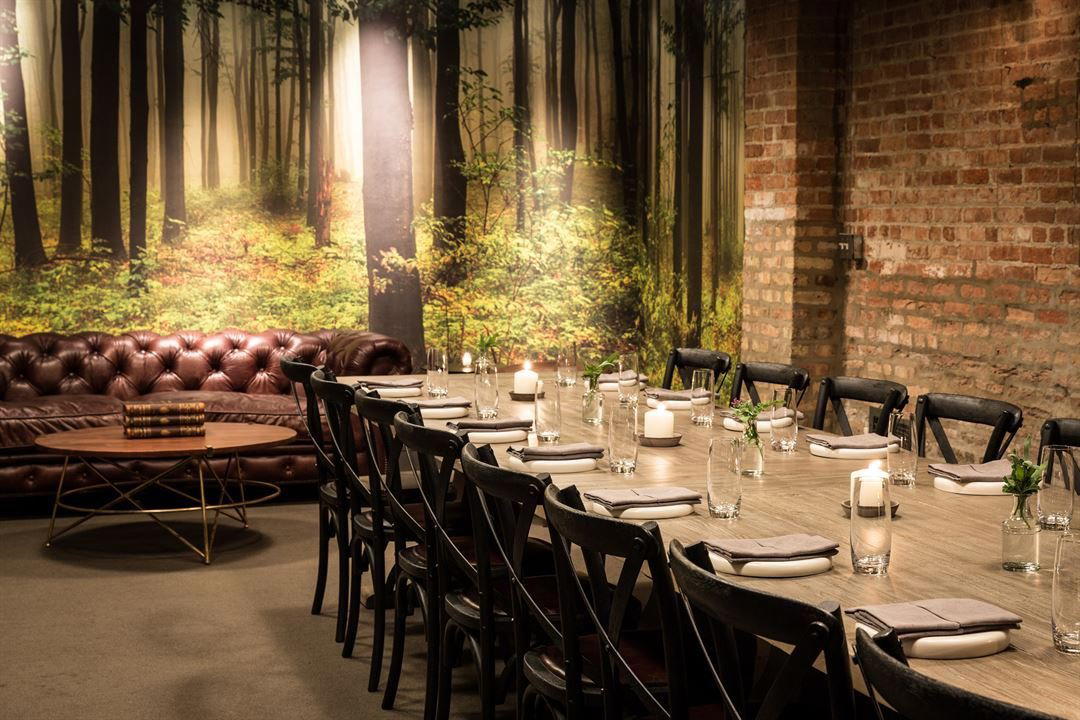
West Loop dining has spent the better part of a decade sorting itself into tiers. The neighborhood that once ran on meatpacking logistics now runs on reservation scarcity, and the physical containers that house its serious restaurants have become part of the critical conversation. Ground-floor rooms on Morgan Street sit inside that logic: street-level access, industrial bones, and a design vocabulary that tends toward deliberate restraint rather than decorative loudness.
Morgan Street in the 60607 zip code places a room in direct proximity to particularly-discussed tables in Chicago, and that proximity creates a competitive pressure that shapes everything from menu ambition to spatial decisions.
The Physical Container as Editorial Statement
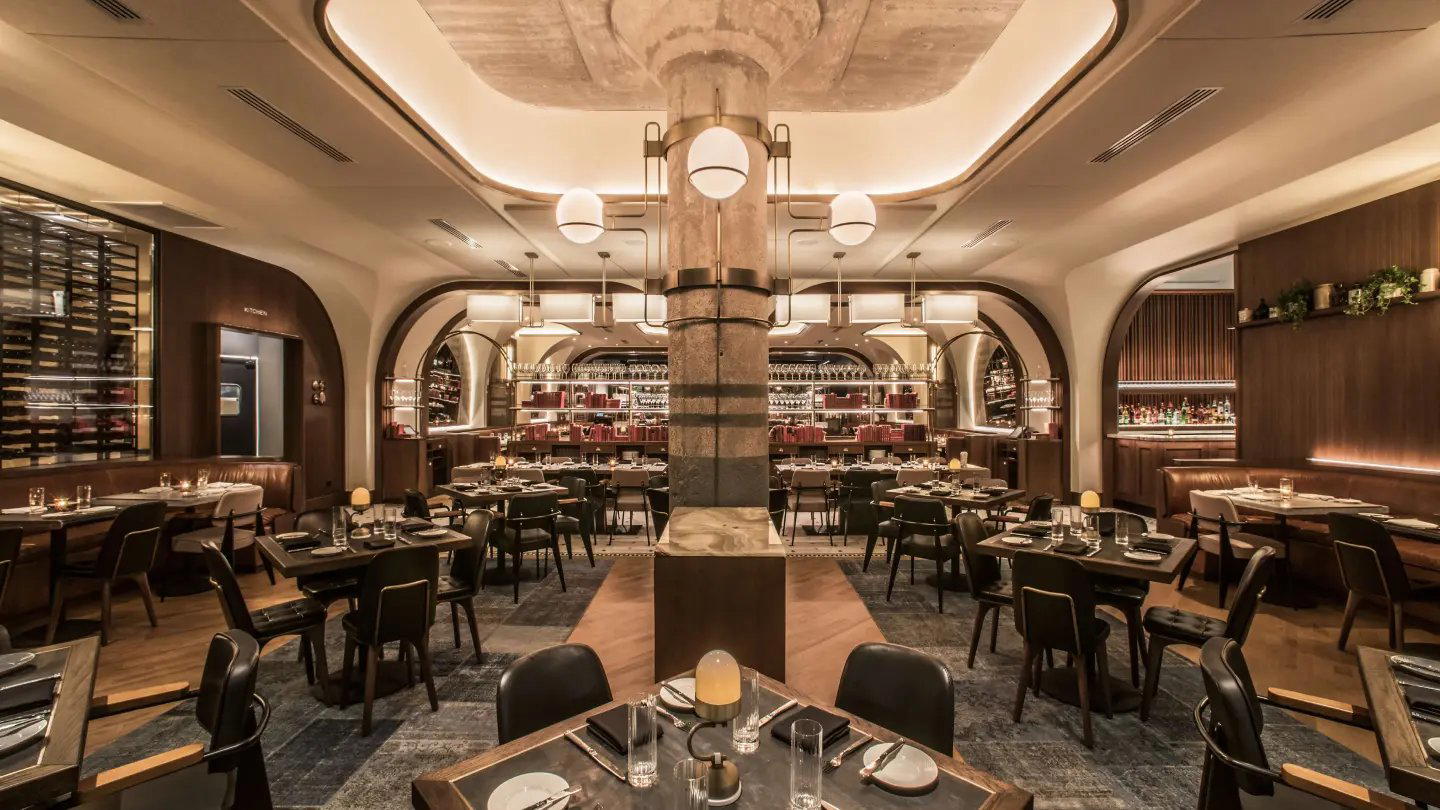
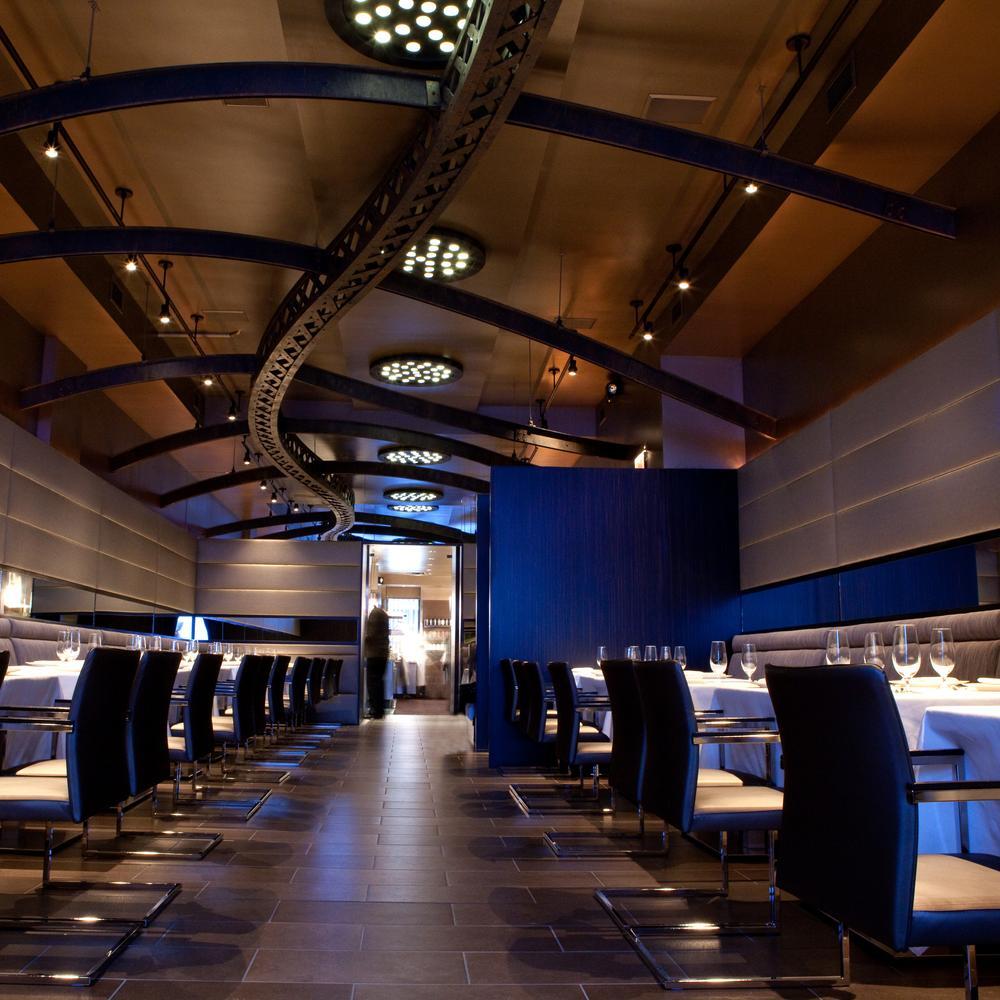
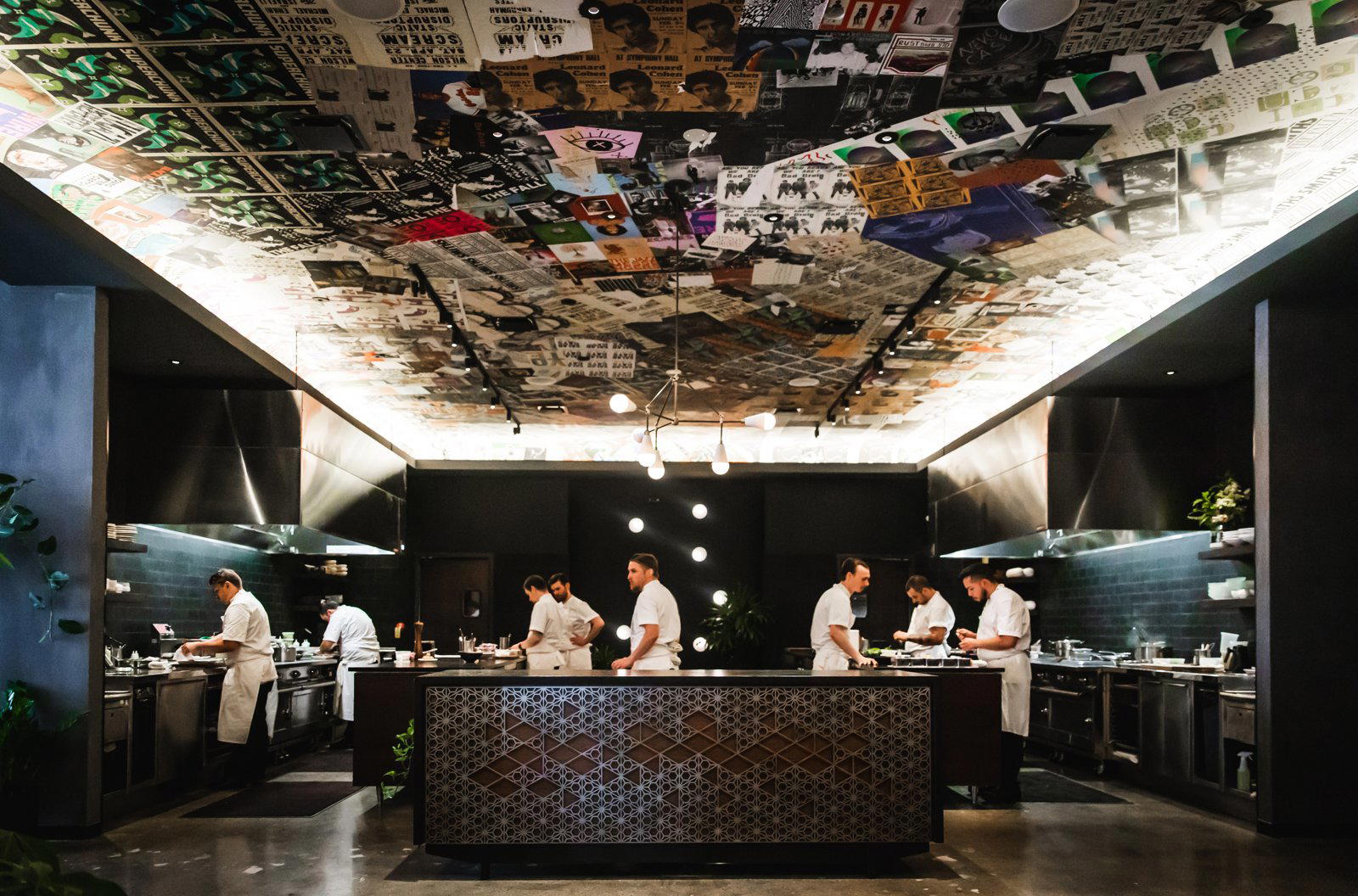
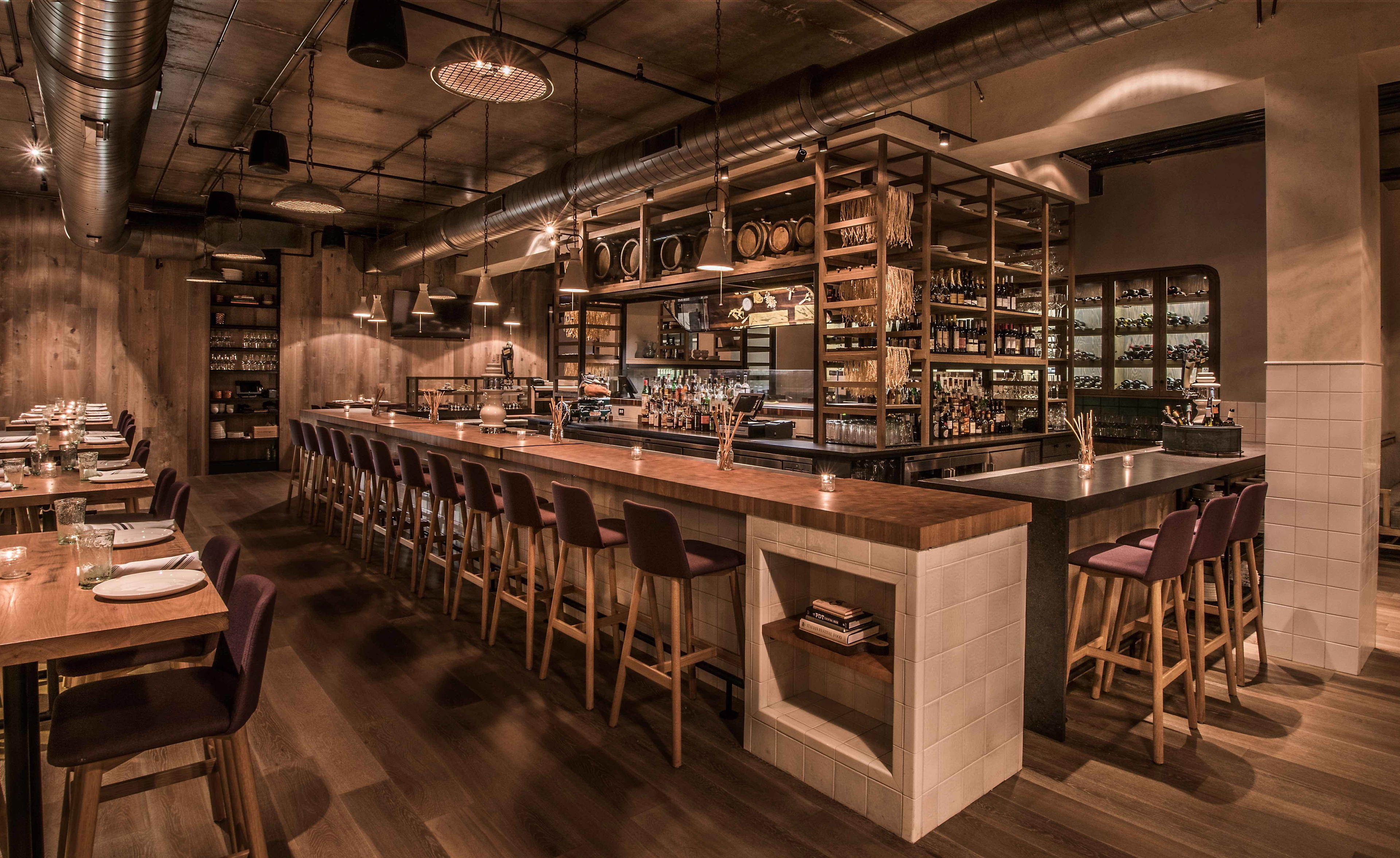
Ground-floor rooms in converted West Loop buildings carry a specific architectural character: exposed structural elements, ceiling heights that exceed residential norms, and facade lines that blur the boundary between street life and interior atmosphere. That character is either worked with or worked against, and the better rooms in this part of Chicago have learned that the former produces more coherent dining experiences than the latter.
Design-led spaces in this tier of American dining have increasingly moved away from the maximalist approaches that defined early-2010s openings. The current preference, visible across rooms from Lazy Bear in San Francisco to Atomix in New York City, runs toward material honesty: surfaces that acknowledge their own construction, lighting designed to flatten the hierarchy between the kitchen and the dining room, seating arrangements that prioritize sightlines rather than status. A room on Morgan Street that reads this context well sits inside a national conversation about what premium American dining spaces are supposed to feel like in the mid-2020s.
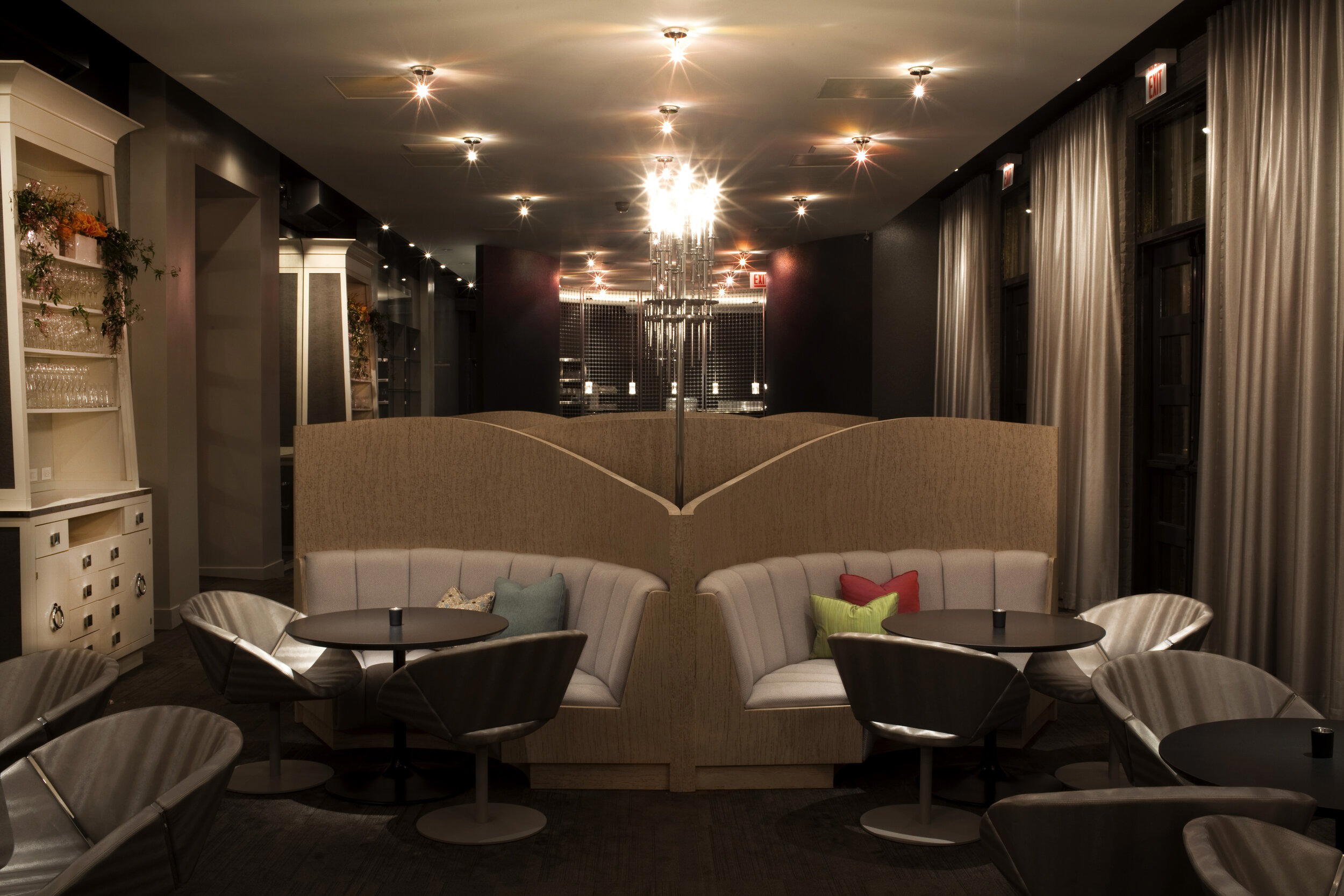
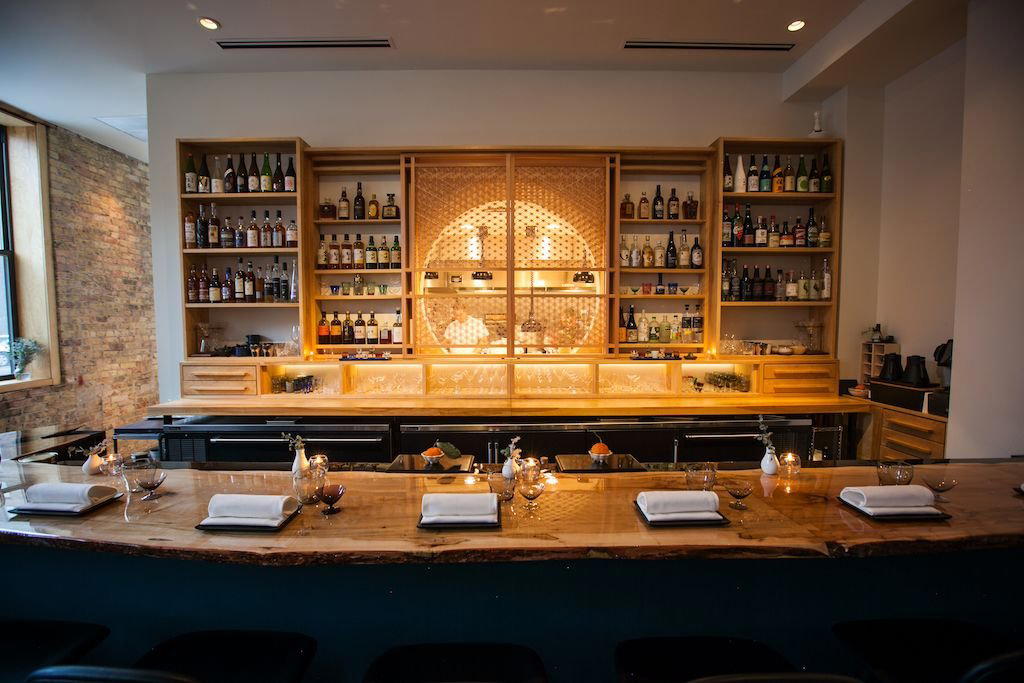
The shift matters because spatial design in serious restaurants is no longer purely aesthetic. It communicates format, signals price expectation, and tells a guest how to behave before a single plate arrives. Counter arrangements suggest participation; banquette-heavy rooms suggest occasion formality; open kitchens in direct sightline of every seat suggest transparency as a value. Whatever physical decisions Fora has made at 311 N Morgan are decisions about the experience the room aims to deliver.
Where Fora Sits in the Chicago Scene
Chicago's serious-dining tier has not contracted the way some predicted post-2020. The city continues to sustain a cluster of tasting-menu and chef-driven rooms that draw national attention and, increasingly, international comparison. Oriole holds two Michelin stars and a format built on intimacy and booking discipline. Kasama has demonstrated that a Filipino-rooted tasting menu can earn Michelin recognition in a city that once measured its fine dining almost exclusively against French and American-continental frameworks. Next Restaurant has spent years proving that a concept-driven format can sustain both critical interest and commercial viability.
A room opening in this environment enters a scene that is already self-aware about its own standards. The comparison is not flattering to complacency. Nationally, the pressure is compounded by rooms like The French Laundry in Napa, Blue Hill at Stone Barns in Tarrytown, and Providence in Los Angeles, all of which have defined what American fine dining looks like at its most documented. Addison in San Diego, Single Thread Farm in Healdsburg, and Frasca Food and Wine in Boulder represent the regional spread of that ambition. In this context, a Chicago address on Morgan Street is not a soft landing. It is a declaration of intent.
The international frame extends further. Rooms like Atelier Moessmer Norbert Niederkofler in Brunico have shown that serious cooking in a specific physical and geographical context can generate sustained critical attention without requiring a major-city address. Chicago, as a city, already carries that argument domestically. What Fora adds to it remains a question the room itself will answer over time.
The Format Question
West Loop rooms at the premium end of the market have increasingly committed to fixed formats: tasting menus with set seat counts, service models built around pacing rather than throughput, and booking structures that reflect scarcity as a feature rather than an inconvenience. This is consistent with what Le Bernardin in New York City and The Inn at Little Washington have demonstrated at the upper tier: format commitment is itself a signal of seriousness, and rooms that hedge between casual and formal tend to satisfy neither audience fully.
The ground-floor position at 311 N Morgan also raises questions about acoustic design and street separation, both of which are spatial decisions with direct consequences for the quality of a dining experience. Rooms that manage street noise and create genuine interior compression, the sense of being held inside a specific environment rather than adjacent to a public corridor, tend to generate stronger repeat visit behavior. That detail matters more than it sounds at the price points this neighborhood commands.
Planning Your Visit
| Venue | Format | Price Tier | Booking Approach | Recognition |
|---|---|---|---|---|
| Fora (311 N Morgan St) | Not confirmed | Not confirmed | Not confirmed | Not confirmed |
| Smyth | Tasting menu | $$$$ | Advance reservation required | Michelin-starred |
| Oriole | Tasting menu | $$$$ | Advance reservation required | Two Michelin stars |
| Kasama | Tasting menu (evenings) | $$$$ | Advance reservation required | Michelin-starred |
| Next Restaurant | Concept tasting menu | $$$$ | Ticketed / advance purchase | Michelin-starred |
For US reference points across different price tiers and formats, Emeril's in New Orleans and Lazy Bear in San Francisco offer useful contextual frames on how serious American rooms have handled format and spatial identity at different price points.
Pricing, Compared
Comparable venues nearby, for context on price, style, and recognition.
| Venue | Cuisine | Price | Notes |
|---|---|---|---|
| ForaThis venue — the venue you are viewing | Fulton Market, Contemporary Global | $$$ | Not listed |
| CURRENT | Near North Side, Modern American | $$$ | Not listed |
| All Well | West Loop, Modern American Fine Dining | $$$ | Not listed |
| Jordyn's Soul Cafe | West Loop, Modern Soul Food | $$$ | Not listed |
| The Hampton Social | River North, New England-Style Seafood | $$$ | Not listed |
| The 101 Rooftop | Not listed | $$$ | Streeterville, Mediterranean-Inspired American Rooftop |
At a Glance
- Modern
- Elegant
- Sophisticated
- Lively
- Brunch
- Group Dining
- Casual Hangout
- Date Night
- Hotel Restaurant
- Terrace
- Open Kitchen
- Craft Cocktails
- Farm To Table
Current opening hours
- Monday
- 7 AM–10 PM
- Tuesday
- 7 AM–10 PM
- Wednesday
- 7 AM–10 PM
- Thursday
- 7 AM–10 PM
- Friday
- 7 AM–10 PM
- Saturday
- 9 AM–10 PM
- Sunday
- 9 AM–10 PM
Hours can change for holidays and private events. Last verified .
Contemporary and designed for connection and conversation, with a premium casual atmosphere that celebrates the joy of sharing a meal.