All Well
All Well occupies a West Loop address where the New American bistro format meets a sourcing-forward kitchen ethos. The room on Carpenter Street sits within one of Chicago's most dinner-driven corridors, offering a lower-key counterpoint to the tasting-menu houses that define the neighbourhood's reputation. For visitors calibrating between the city's high-commitment dining and something more casual in register, it occupies a useful middle tier.
Pearl is the En Primeur Club membership app — saves, bookings, and concierge access live there. Same editors, same standards.
- Address
- 111 N Carpenter St, Chicago, IL 60607
- Website
- allwellchicago.com
- Directions
- Get directions
 Saves & bookings on Pearl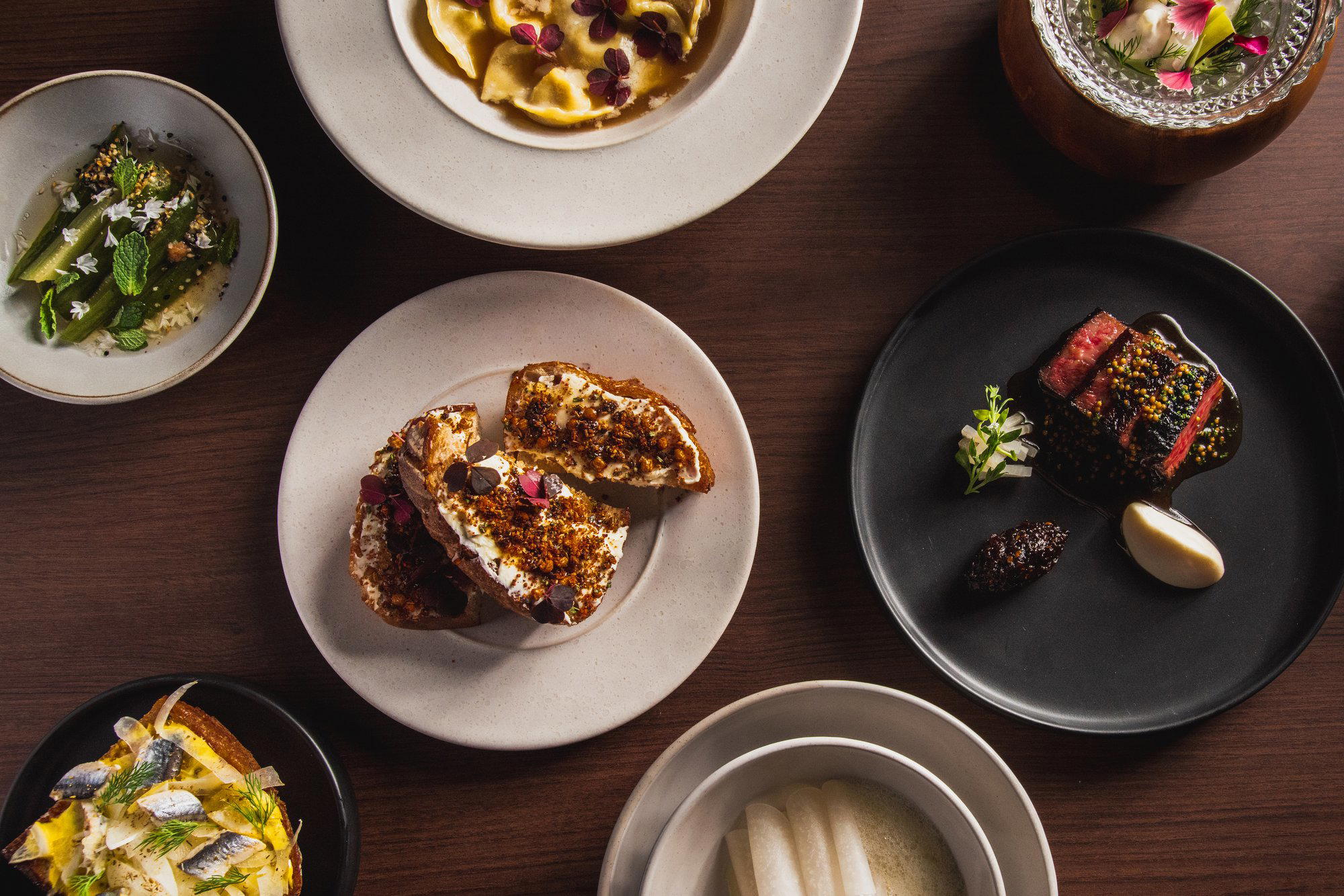
Carpenter Street and the West Loop's Bistro Tier
Chicago's West Loop has spent the better part of two decades consolidating its position as the city's most competitive dining corridor. The neighbourhood that once housed meatpacking operations now contains some of the country's most-watched restaurant addresses, from the multi-course progressivism of Alinea to the produce-led tasting format at Smyth. Within that context, All Well at 111 N Carpenter St operates at a different register: a Modern American Fine Dining restaurant that trades the long omakase commitment for a more approachable, ingredient-focused format. That positioning matters. In a city where the fine-dining conversation frequently defaults to prix-fixe and reservation scarcity, a well-executed bistro occupying the same neighbourhood represents a different kind of value proposition.
The West Loop's restaurant density means that any kitchen on these blocks is measured against demanding neighbours. Nearby, Oriole and Next Restaurant set the ceiling for ambition and execution. All Well's bistro framing places it in a separate competitive tier, one where the standard is seasonal coherence, sourcing transparency, and the kind of repeatable quality that brings neighbourhood regulars back weekly rather than annually.
The Farm-to-Table Frame in a City Context
The farm-to-table movement arrived in American restaurant culture in earnest during the 1970s and 1980s, with Alice Waters and the Chez Panisse model in Berkeley providing the clearest template. By the 2010s, sourcing language had become ubiquitous on American menus, but the underlying discipline separating genuine supply-chain relationships from marketing shorthand became a more useful lens. Chicago kitchens have their own productive geography to draw from: the upper Midwest's farming infrastructure, including Illinois, Wisconsin, and Michigan operations, gives urban restaurants a seasonal larder that changes meaningfully across four distinct seasons.
New American bistro format, when executed with genuine sourcing commitment, tends to express that seasonal range most visibly in its middle courses: the grain and vegetable preparations that sit between an opener and a protein anchor. The same logic applies to how American bistros in cities like San Francisco have been framed, where Lazy Bear uses a communal format to spotlight local sourcing, or how Single Thread Farm in Healdsburg integrates a working farm directly into the dining program. Chicago's answer to that tradition is necessarily urban in character, relying on distribution relationships rather than on-site cultivation, but the seasonal logic holds.
All Well's cuisine designation as New American places it within a lineage that runs from the post-Chez Panisse generation through the early 2000s farm-to-table mainstreaming and into the current moment, where sourcing is table stakes and the differentiation moves to technique, value calibration, and format. The bistro sub-format within that tradition prizes approachability: the goal is not to foreground technique as spectacle but to let sourcing quality and kitchen confidence speak through dishes that don't require a glossary.
What the Address Signals
111 N Carpenter sits within the Fulton Market sub-district of the West Loop, a stretch of the neighbourhood that has seen the significant restaurant investment over the past decade. The proximity to the Morgan CTA station on the Green and Pink lines makes it accessible from multiple directions without requiring a car, a practical detail that matters for visitors staying in the Loop or River North. For those arriving by rideshare, drop-off on Carpenter is direct given the street's relatively low traffic density compared to Randolph or Fulton Market Drive itself.
The concentration of serious restaurants within a few blocks creates a comparison problem for any single venue: diners who have experienced the four-hour commitment of Kasama's omakase or the theatrical progression at Alinea will arrive at a bistro with calibrated expectations. The restaurant's format answers a different question: where do you eat on a Tuesday when you want kitchen seriousness without tasting-menu duration or a three-month lead on the reservation.
Chicago's dining culture has always maintained space for this middle register. The city's broader restaurant identity is not reducible to its Michelin-starred headline acts, and the West Loop, for all its fine-dining concentration, still contains venues that operate with a neighbourhood-first logic. Internationally, that bistro-tier discipline is visible at addresses like Le Bernardin in New York and Providence in Los Angeles, where sourcing seriousness and format restraint coexist with accessibility. The New American bistro in Chicago follows the same logic at a different price point.
Reading the Room: Atmosphere and Format
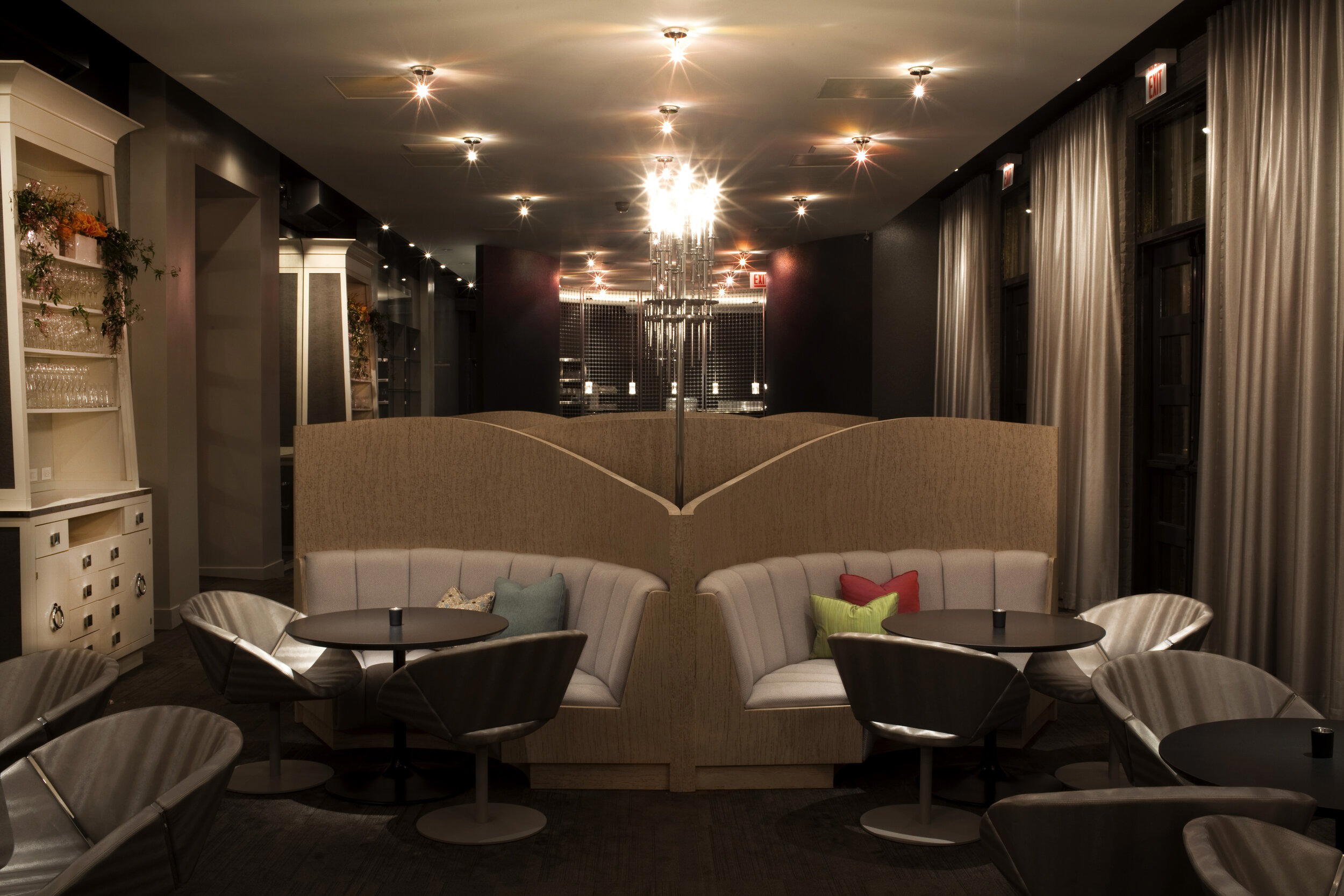
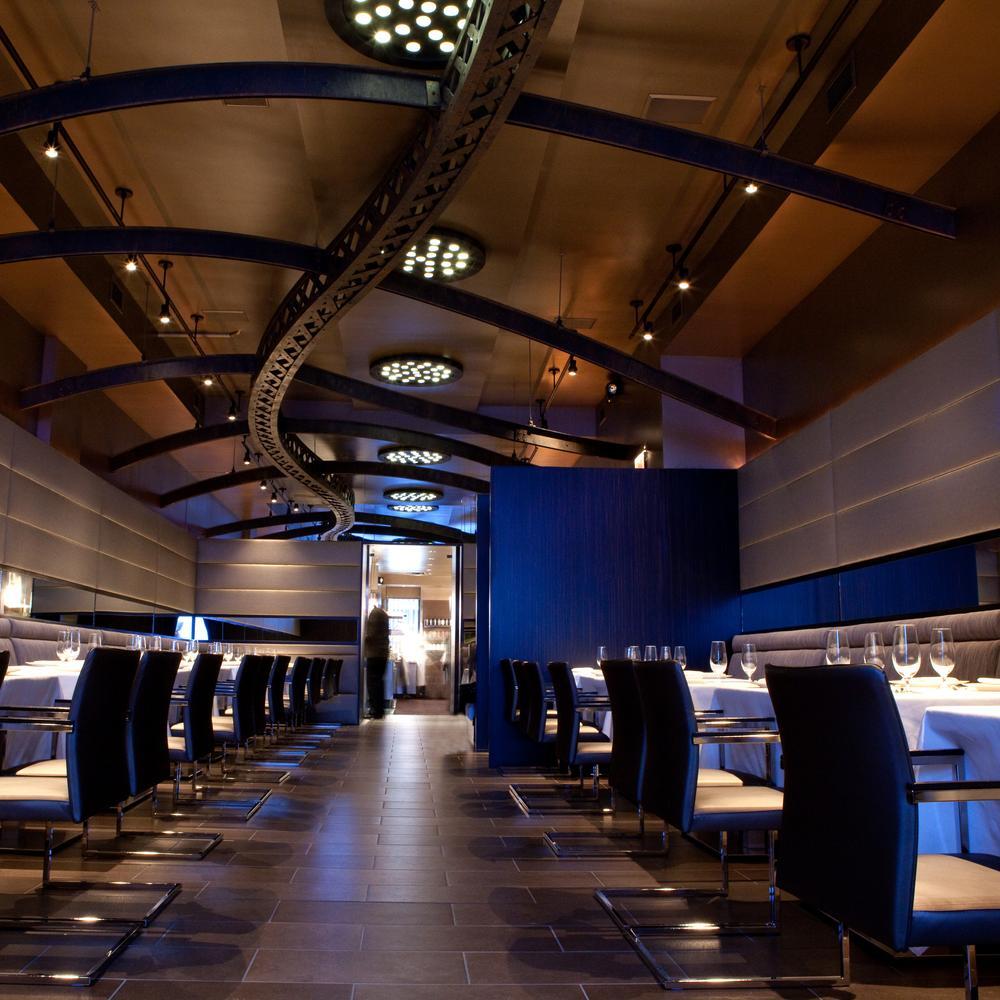
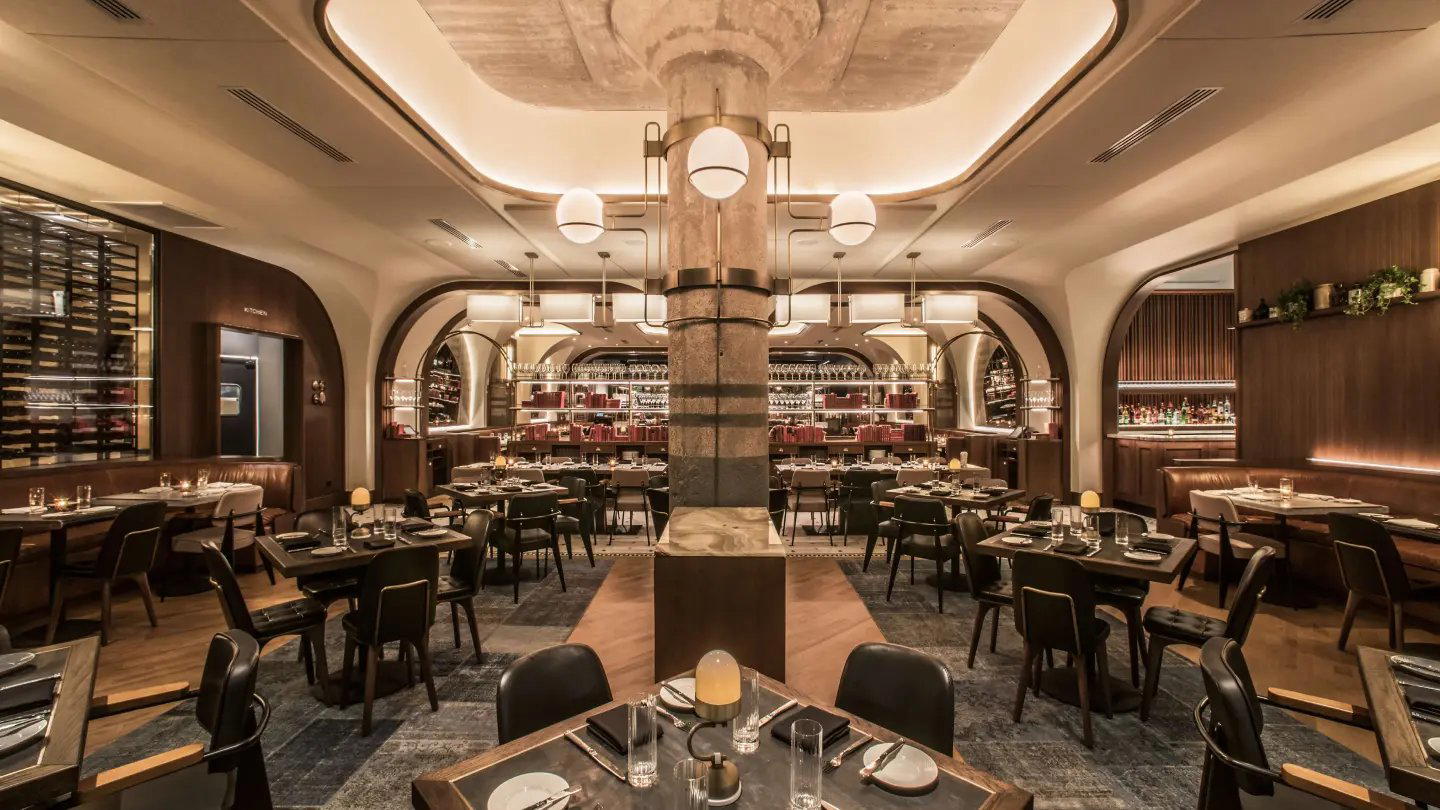
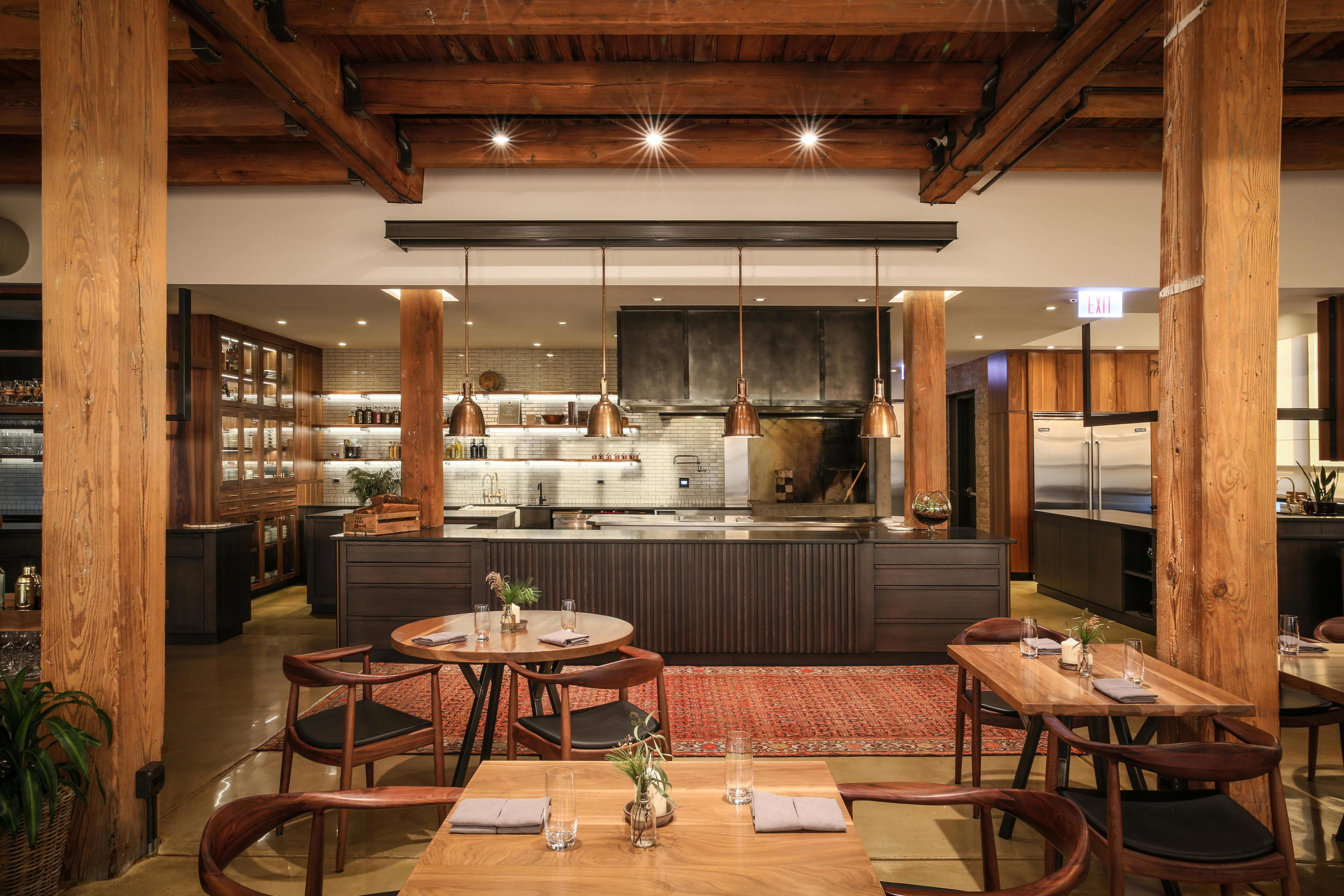
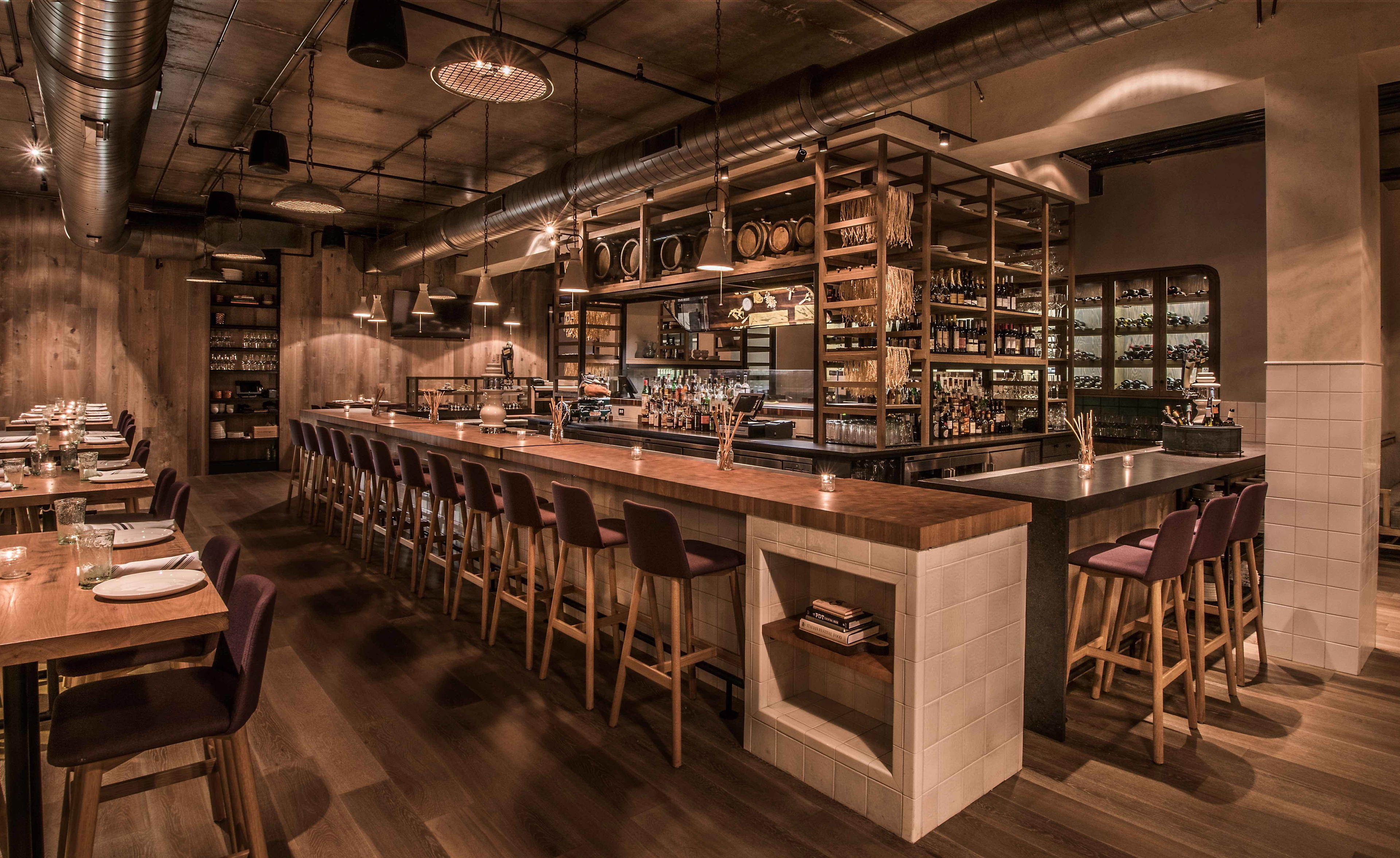
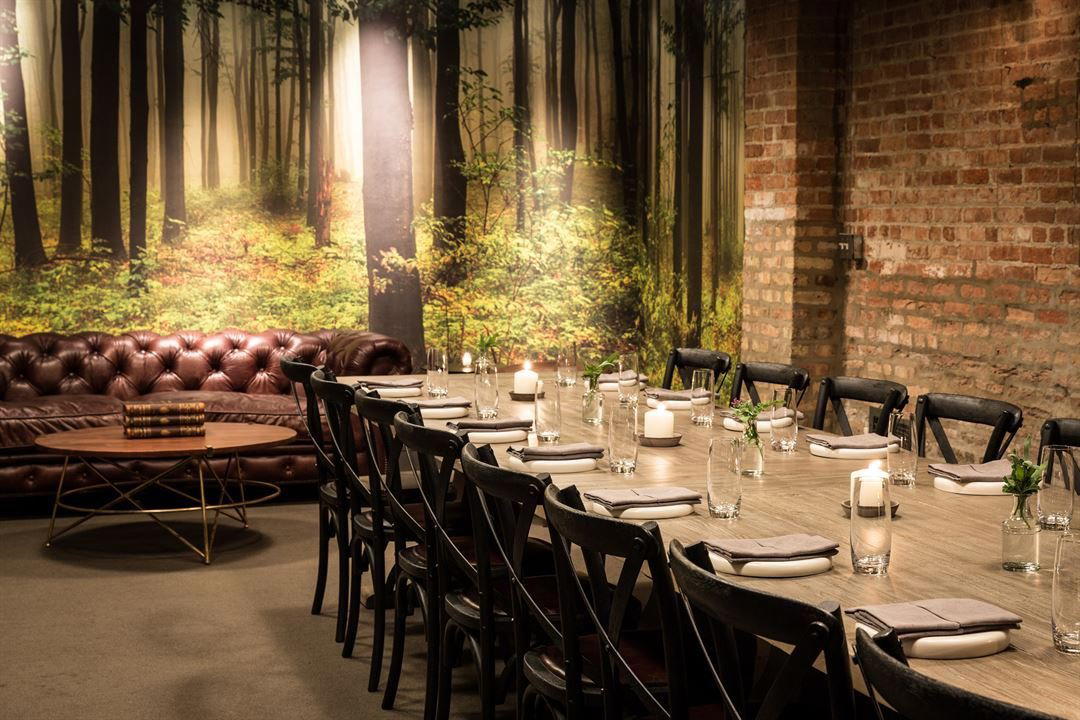
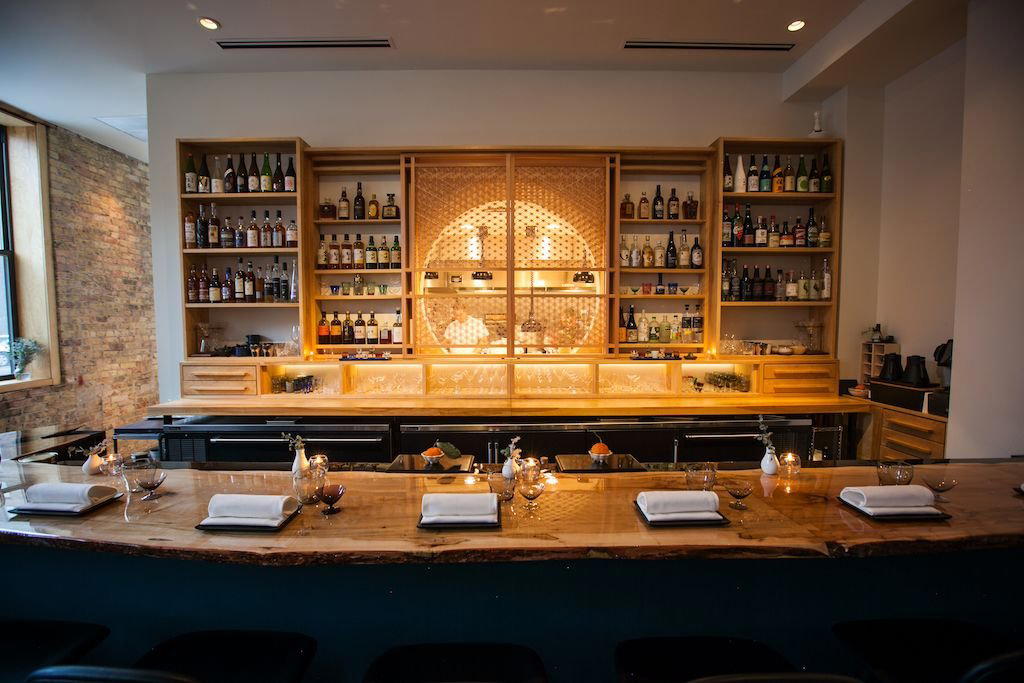
New American bistros in the West Loop tend to share certain spatial characteristics: exposed brick or concrete, an open or semi-open kitchen, lighting that transitions from bright at opening to ambient by mid-service, and a sound level calibrated for conversation rather than performance. The format rewards unhurried pacing, with the kitchen controlling tempo through how courses are spaced rather than through formal tasting-menu structure. That rhythm suits the sourcing-forward approach well: dishes can be presented in a sequence that makes seasonal logic visible without requiring the explanatory tableside narration that tasting-menu formats often deploy.
For comparison, consider how farm-integrated programs at venues like The French Laundry in Napa or Emeril's in New Orleans use their local sourcing networks as a narrative anchor. The bistro format compresses that narrative into individual dishes rather than a composed arc, which changes how sourcing reads at the table: you register it through quality and specificity rather than through a chef's guided explanation.
Planning a Visit
The restaurant's West Loop address on Carpenter Street puts it within walking distance of several hotel options and a short ride from Chicago's major cultural institutions. Given the West Loop's dining density, the neighbourhood rewards a multi-meal investment: dinner at a bistro tier venue pairs logically with a higher-commitment meal at somewhere like Smyth or Oriole on the same trip. For international reference points on the New American sourcing tradition, Atomix in New York and Alain Ducasse at Louis XV in Monte Carlo both illustrate how sourcing philosophy shapes dining format across different culinary traditions.
At-a-Glance Comparison
Comparable venues nearby, for context on price, style, and recognition.
| Venue | Cuisine | Price | Notes |
|---|---|---|---|
| All WellThis venue — the venue you are viewing | Modern American Fine Dining | $$$ | Not listed |
| etc. | Polished Southern American with Global Influences | $$$ | Loop |
| CURRENT | Modern American | $$$ | Near North Side |
| The 101 Rooftop | Mediterranean-Inspired American Rooftop | $$$ | Streeterville |
| Ada Street | Modern American Small Plates | $$$ | West Town |
| 3 Arts Club Cafe | American Cafe Classics | $$$ | Near North Side |
At a Glance
- Modern
- Sophisticated
- Date Night
- Special Occasion
- Open Kitchen
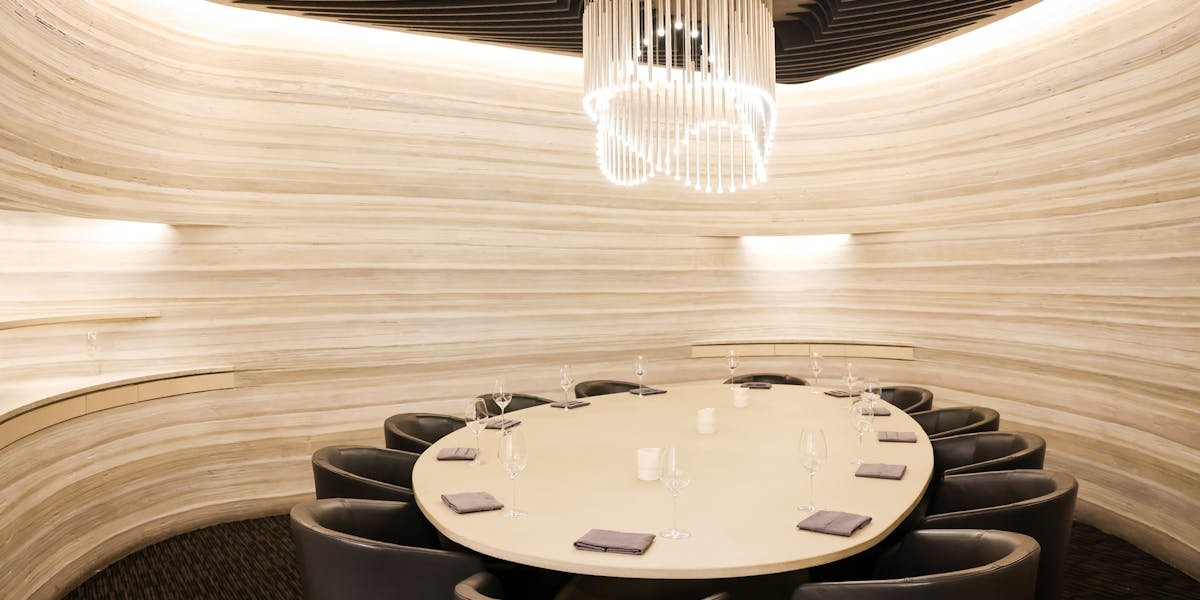
Sophisticated West Loop dining room atmosphere with prix fixe focus.