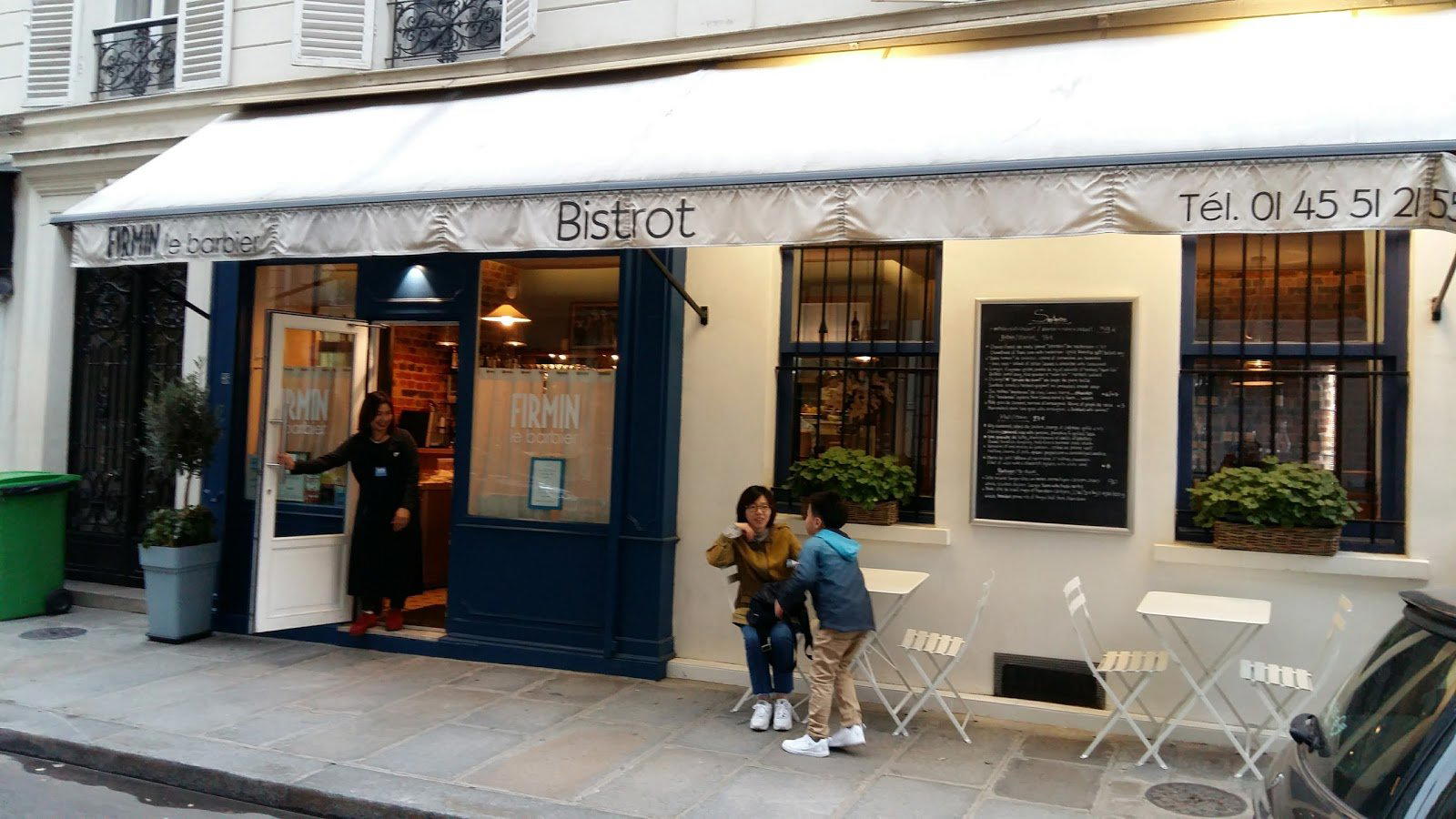
On the Rue de Monttessuy in the 7th arrondissement, Firmin le Barbier occupies a neighbourhood defined by the quiet weight of Parisian bourgeois life, a short walk from the Eiffel Tower and the institutional grandeur of the Quai Branly. The address places it inside a dining corridor that rewards those who look beyond the arrondissement's more obvious tourist circuit, where the barbier tradition and French brasserie culture intersect in a setting that reads as local long before it reads as destination.
- Address
- 20 Rue de Monttessuy, 75007 Paris, France
- Phone
- +33145512155
- Directions
- Get directions
The 7th Arrondissement and the French Barbier Tradition
Paris has always maintained a parallel dining register alongside its neighbourhood restaurants. While addresses such as Arpège and L'Ambroisie define the city's formal apex, the everyday neighbourhood restaurant carries an equally serious cultural weight. The barbier concept in French civic life has roots that extend well beyond haircuts: the barber-surgeon tradition, formalised under royal ordinance in the 14th century, fused skilled manual craft with a public role in local commerce and social gathering. When a Parisian address takes this lineage as its framing device, it is invoking a specific register of hands-on craft, neighbourhood loyalty, and the kind of unpretentious competence that French dining culture prizes as much as it prizes its three-star theatres.
Firmin le Barbier sits at 20 Rue de Monttessuy, in the 7th arrondissement, a district that plays a precise role in Paris's dining geography. The 7th is not the 1st or the 8th, where grand hotel dining rooms such as Le Cinq at the Four Seasons George V set the tone. It is a residential arrondissement of ministries, embassies, and apartment buildings with high ceilings and worn stone facades. Restaurants here tend to operate on neighbourhood loyalty as much as destination traffic, which creates a different kind of pressure: consistency across a week matters more than a single showstopping tasting menu evening.
Where the Address Sits in the Broader Paris Scene
The Rue de Monttessuy location places Firmin le Barbier within walking distance of the Champ-de-Mars and the Quai Branly, which means the immediate catchment area includes both tourists navigating the Eiffel Tower circuit and the considerably more demanding local residents of one of Paris's most expensive postal codes. That dual audience is a test that many neighbourhood restaurants in the 7th manage with varying degrees of success. The ones that survive on repeat custom rather than footfall tend to have a tighter, more consistent identity.
Across the wider French dining map, the pull between regional institution and Parisian address remains a live debate. Houses such as Troisgros in Ouches, Bras in Laguiole, and Auberge de l'Ill in Illhaeusern demonstrate that France's most deeply rooted dining experiences often operate far from the capital. Paris, by contrast, concentrates more experimental and internationally inflected kitchens, from the fusion precision of Kei to the technical ambition of Alléno Paris au Pavillon Ledoyen. Within this field, neighbourhood addresses in the 7th occupy a quieter but structurally important position: they are where Parisians actually eat, rather than where they take visiting clients.
The comparison set for Firmin le Barbier is not the dining rooms of the 8th or the tasting-menu-only counters of the 11th. It sits closer to the category of bistrot de qualité: a Paris format that has undergone considerable reappraisal over the past two decades, as younger chefs trained at houses like Flocons de Sel or Mirazur have brought more rigorous sourcing and cooking technique to smaller, less ceremonious rooms. The result is a tier of Paris dining that is neither cheap nor formal, and that draws credibility from craft rather than décor spend.
Craft, Setting, and the Logic of the Barbier Name
The barbier framing is not decorative. French craft traditions have always operated on the principle that a skilled practitioner, working with quality materials and accumulated knowledge, produces something that institutional scale cannot replicate. This logic applies as directly to a kitchen as it does to a shaving basin. The neighbourhood restaurant in France, and particularly in Paris's residential arrondissements, functions as the civilian counterpart to the grand restaurant: less ceremony, more frequency, and a kind of relationship with the diner that a destination address cannot sustain across multiple visits per year.
Addresses in this register tend to be evaluated on a different scorecard than their starred peers. The questions are about consistency across seasons, the quality of sourcing relative to price point, the intelligence of the wine list relative to the food, and whether the room feels like somewhere regulars are welcomed rather than processed. These are harder metrics to satisfy across time than landing a single extraordinary tasting menu, and the restaurants that hold them tend to accumulate a specific kind of local reputation that press coverage rarely captures accurately.
For context on how this category operates internationally, it is worth noting that the format has clear equivalents: the neighbourhood-anchored fine casual in cities such as New York (where Le Bernardin occupies a different, more formal tier) or San Francisco (where Lazy Bear represents a different approach to the communal dinner format). Paris's version retains a particular French insistence on the plate as the primary evidence, with atmosphere and service functioning as support rather than spectacle.
Planning a Visit: What to Know in Advance
Rue de Monttessuy is a short walk from the Bir-Hakeim or École Militaire metro stations, and the address is close enough to the Champ-de-Mars to be accessible without a taxi. The 7th arrondissement dining corridor around this stretch is not especially densely reviewed part of Paris, which means that doing advance research pays off more than it would in Saint-Germain or the Marais, where editorial coverage of every block is comprehensive.
Reservations for 7th arrondissement neighbourhood addresses are recommended, though timing varies considerably by season and profile. The period around major Paris fashion weeks and the summer tourist peak at the Eiffel Tower brings additional pressure to the immediate area.
Beyond Paris, the broader French regional table is worth cross-referencing for those building a longer France itinerary: Paul Bocuse's Auberge du Pont de Collonges, Les Prés d'Eugénie in Eugénie-les-Bains, Georges Blanc in Vonnas, La Table du Castellet, and Auberge du Vieux Puits in Fontjoncouse each represent a different facet of French regional dining that complements rather than duplicates what a Parisian neighbourhood address offers.
- Duck Terrine
- Oysters
- Foie Gras
- Lamb Chops
- Tarte Citron
- Chocolate Mousse
What It’s Closest To
Comparable venues nearby, for context on price, style, and recognition.
| Venue | Cuisine | Price | Notes |
|---|---|---|---|
| Firmin le BarbierThis venue — the venue you are viewing | Classic French Bistro | $$ | Not listed |
| Vagenende | Classic French Brasserie | $$ | Saint-Germain-des-Prés |
| Les Arlots | Traditional French Bistro | $$ | 10th Arrondissement |
| Brasserie Barbès | Modern French Brasserie | $$ | Barbès |
| Jaja | Modern French Bistro | $$ | Marais |
| Café du coin | Modern French Bistro | $$ | 11th Arr. |
Continue exploring
More in Paris
Restaurants in Paris
Browse all →
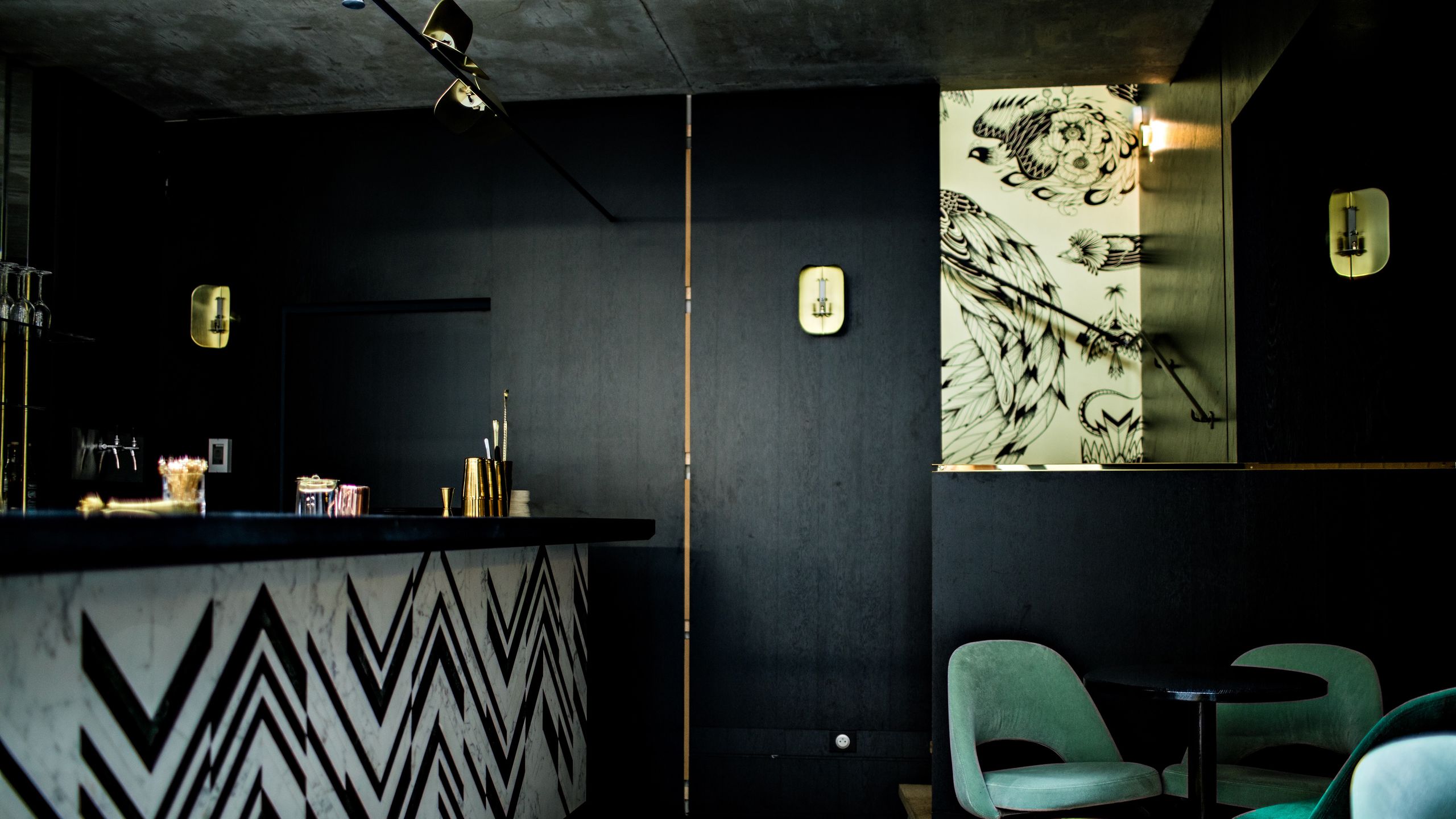
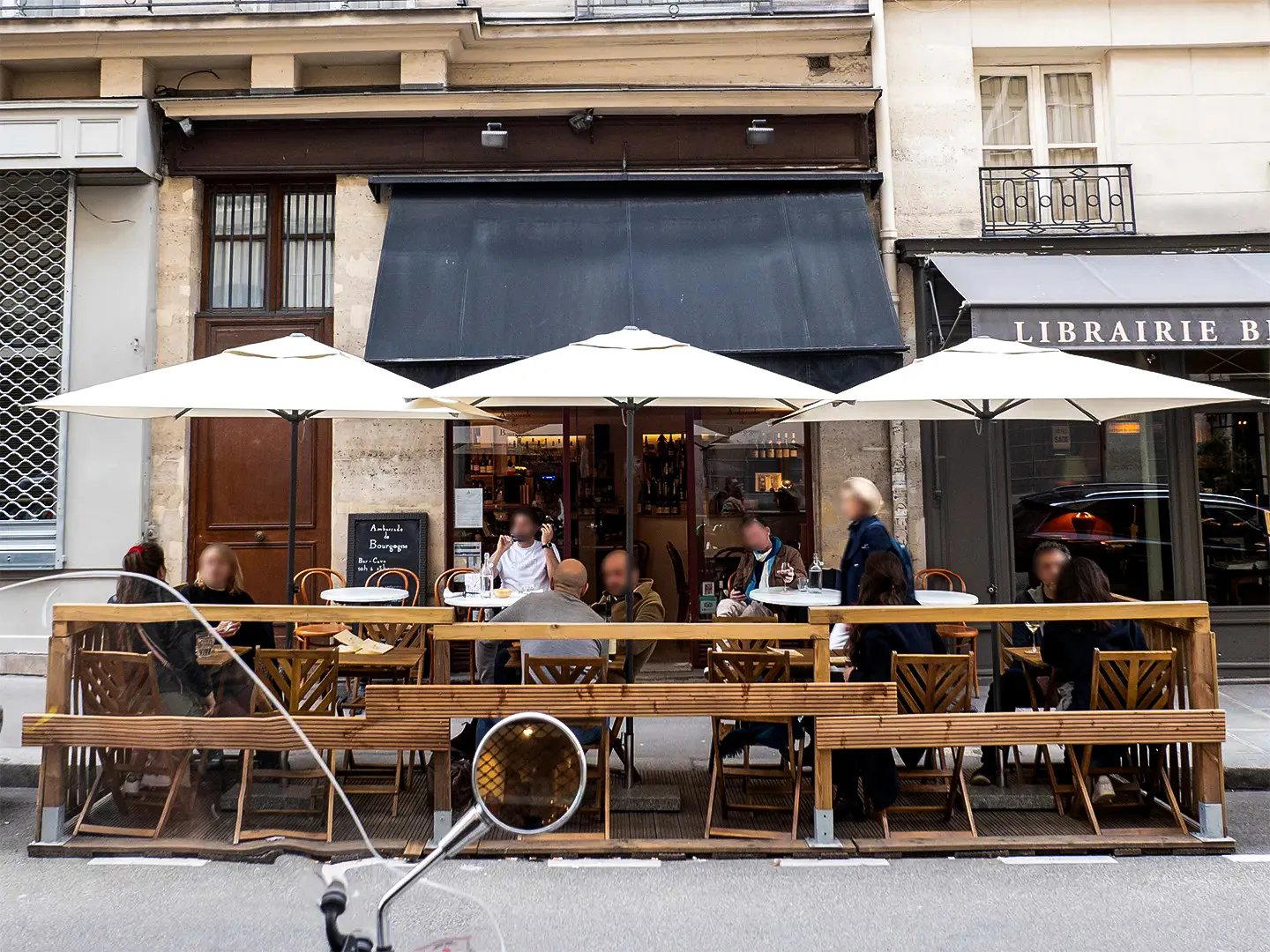
Bars in Paris
Browse all →
Hotels in Paris
Browse all →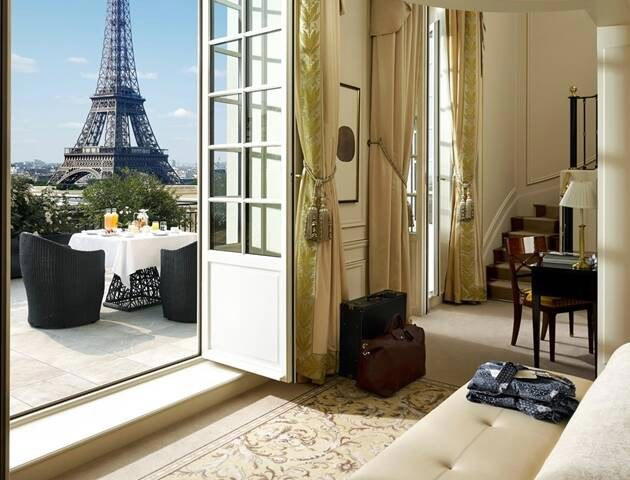
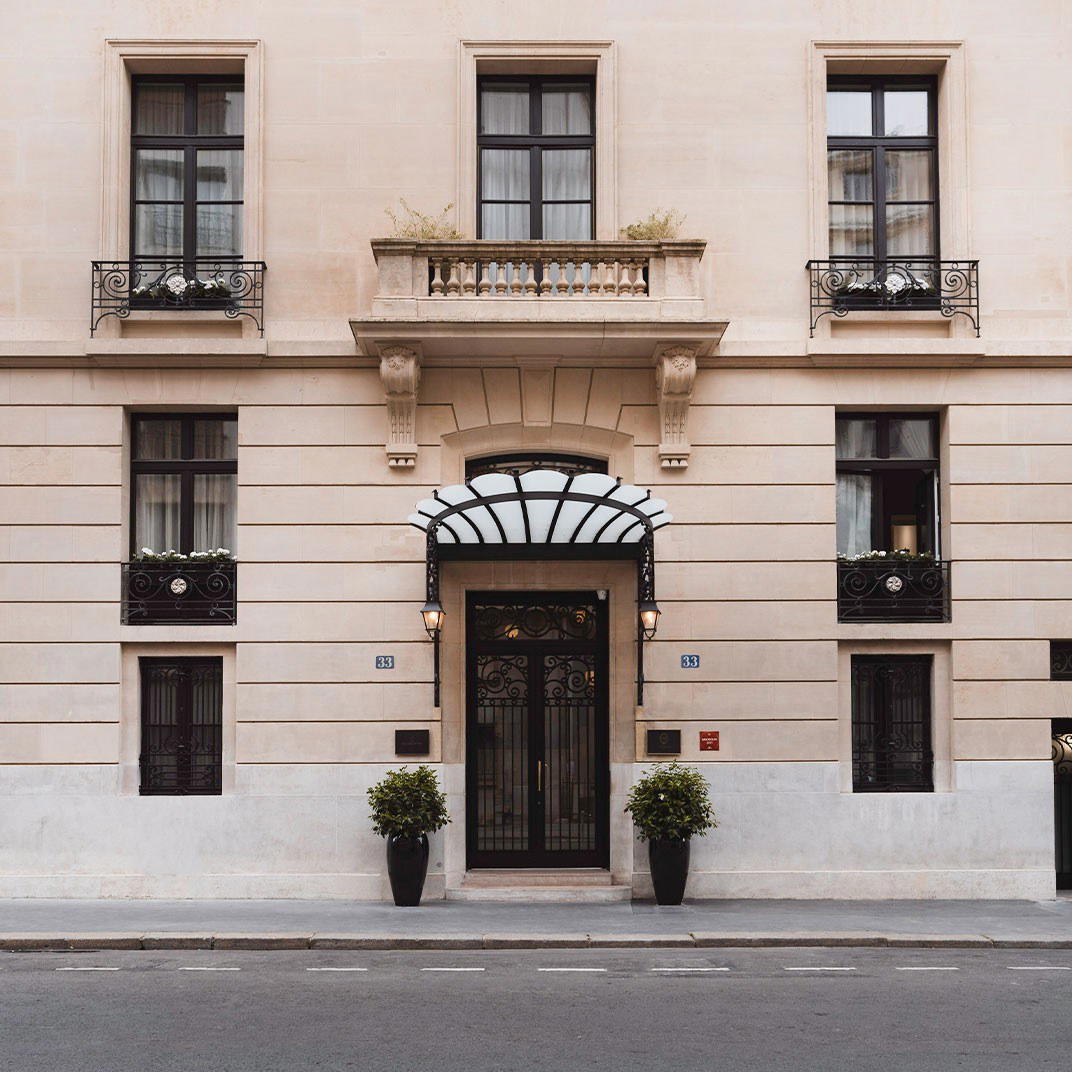
Wineries in Paris
Browse all →
At a Glance
- Classic
- Romantic
- Cozy
- Elegant
- Date Night
- Business Dinner
- Group Dining
- Special Occasion
- Open Kitchen
- Terrace
- Panoramic View
- Standalone
- Local Sourcing
- Street Scene
Bright dining room with exposed white stone walls and wooden furniture, semi-open kitchen visible through clear glass, creating an elegant yet approachable atmosphere.