Our verdict
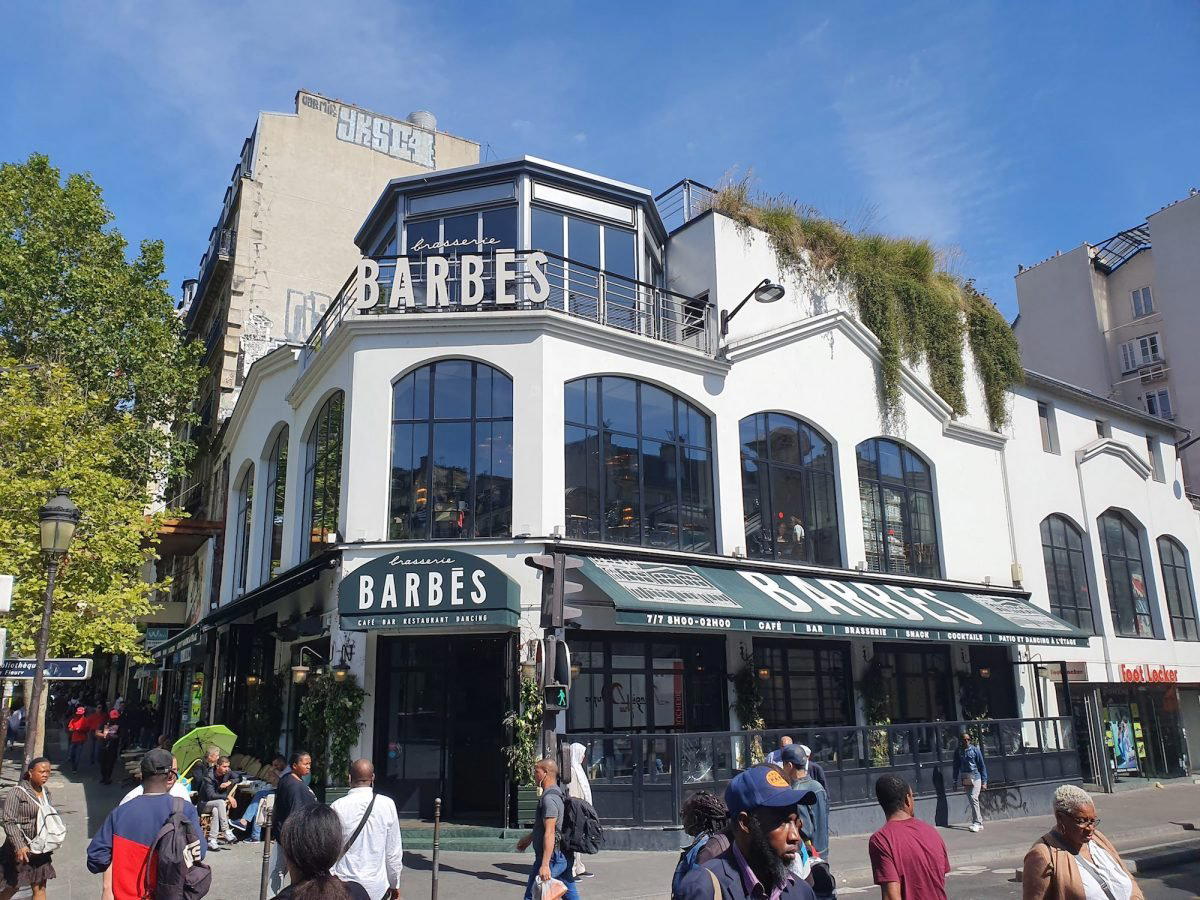
Brasserie Barbès sits at the intersection of the 18th arrondissement's working-class history and its current demographic shift, occupying a corner address on Boulevard Barbès where the neighbourhood's North African markets and Montmartre's creative overflow meet. The menu reads as a record of that tension — brasserie formats adapted for a clientele that has little patience for Parisian dining ceremony.

Pearl is the En Primeur Club membership app — saves, bookings, and concierge access live there. Same editors, same standards.
- Address
- 2 Bd Barbès, 75018 Paris, France
- Phone
- +33 1 42 64 52 23
- Hours
- Daily 9 AM–2 AM
- Website
- brasseriebarbes.com
- Directions
- Get directions
- Booking
- Book on Zenchef
The menu
What to order
- Steak frites
- Beef tartare
- Seafood risotto
Where the 18th Arrondissement Comes to Eat Without Pretension
Boulevard Barbès arrives before the restaurant does. Approaching from the Barbès-Rochechouart métro, the commercial density of one of Paris's most compressed multiethnic corridors gives way to the brasserie's corner terrace, which functions as a kind of observation deck over the junction. The street-level energy here — vendors, market overflow from the Marché Dejean, the constant transit of the 4 and 2 lines overhead — bears no resemblance to the manicured calm of the 8th arrondissement addresses where Le Cinq at the Four Seasons George V or Alléno Paris au Pavillon Ledoyen operate. That contrast is the point. Brasserie Barbès has positioned itself not as an escape from its neighbourhood but as a coherent expression of it.
This corner of the 18th has long resisted the kind of gentrification that swept through neighbouring Pigalle and South Pigalle in the 2010s. The Barbès stretch of Boulevard Rochechouart and the surrounding streets retain a character shaped by decades of West African and North African settlement, with a commercial culture that runs on practicality rather than aesthetics. A brasserie that works here has to earn its place differently than one opening in the Canal Saint-Martin corridor or on Rue Oberkampf.
Reading the Menu as a Neighbourhood Document
The brasserie format is one of France's most durable dining templates precisely because it tolerates range. A classic brasserie menu can hold oysters, a salade niçoise, a steak-frites, and a choucroute garnie without contradiction, the format's breadth is a feature, not an inconsistency. What distinguishes individual brasseries is what they choose to emphasise within that range and how much of the surrounding neighbourhood context seeps into the kitchen's decisions.
At Brasserie Barbès, the menu architecture reflects its address more directly than most. The brasserie canon is present, but the selection is inflected by the demographic reality of the 18th: spicing registers that drift toward North African reference points, preparations that acknowledge a clientele accustomed to eating across culinary registers, and pricing calibrated for a neighbourhood where the €€€€ tier occupied by L'Ambroisie or Kei would read as a provocation. The menu is a document of negotiation between what a brasserie is supposed to offer and what this specific corner of Paris actually wants.
That negotiation between form and local context is something that runs through French dining more broadly. The destination restaurants that French gastronomy exports globally, from Mirazur in Menton to Troisgros in Ouches, are built on a tradition of deep regional anchoring, of menus that could only exist in the specific terrain and community that produced them. Brasserie Barbès operates in a different register, but the same logic applies: the address explains the menu.
The Terrace as the Real Draw
In Paris, the terrace is never just seating. It is a declaration of relationship with the street, and in a neighbourhood as dense and kinetic as Barbès, that relationship carries particular weight. The Boulevard Barbès terrace at this address functions as a vantage point over one of the city's more charged urban intersections, the kind of corner where you understand Paris's layered demographic history simply by watching thirty minutes of foot traffic.
Parisian terrace culture operates on a seasonal logic that is more rigid than it appears. The city's shoulder seasons, April through May and September through October, are when terrace dining hits its equilibrium: warm enough to sit outside, cool enough that the experience doesn't feel like a concession to heat. Summer on Boulevard Barbès is loud and bright in ways that work for the neighbourhood's energy but demand a certain appetite for urban stimulation from diners. Winter compresses the terrace-dependent venues into their interior programmes, and a brasserie format that depends partly on the street spectacle has to work harder to hold attention indoors. Visiting in spring or early autumn gives you the terrace at its most functional and the neighbourhood at its most animated without August's particular tourist-and-heat combination.
Positioning Within Paris's Broader Dining Spectrum
Paris splits its serious dining between two modes: the gastronomic institutions with deep archival credentials, houses like Arpège, or the regional anchors like Paul Bocuse's Auberge du Pont de Collonges, and the neighbourhood operations where Parisians actually eat on a Tuesday. Brasserie Barbès belongs firmly to the second category. This is not a destination in the sense that Flocons de Sel in Megève or Bras in Laguiole are destinations. It is a neighbourhood anchor, which in Paris carries its own form of credibility.
The distinction matters for trip planning. Visitors who spend their Paris restaurant budget at Le Cinq and then need a contrasting meal that reflects the city's everyday reality, rather than its aspirational self-image, are the natural audience for Brasserie Barbès. The same logic drives visitors to Le Bernardin in New York toward Brooklyn neighbourhood spots on their off nights, or those spending time at Lazy Bear in San Francisco toward Mission district taquerias. High-low balance is how experienced travellers eat in cities they take seriously.
The comparison set for Brasserie Barbès is not the gastronomic circuit. It is the wave of neighbourhood brasseries and bistros that have emerged in Paris's less-polished arrondissements over the past decade, operating on accessible price points and borrowing their identity from their postal codes rather than from their chefs' CVs. Within that peer group, the Boulevard Barbès address gives the venue a distinctiveness that most competitors in less charged neighbourhoods cannot replicate.
Know Before You Go
- Address: 2 Boulevard Barbès, 75018 Paris
- Getting There: Barbès-Rochechouart (lines 2 and 4) places you at the door; the intersection is one of the most legible métro exits in the 18th
- Leading Season: April to May and September to October for terrace dining at its most comfortable
- Context: This is a neighbourhood brasserie, not a gastronomic destination; dress accordingly and arrive with realistic expectations about format
- Booking: No specific advance-booking window confirmed; walk-in culture is common at brasserie addresses in Paris, though weekend evenings warrant a call ahead
- Further Reading: See our full Paris restaurants guide for context on how this address fits within the broader dining map
Frequently asked questions
What should I order at Brasserie Barbès?
Menu operates within the brasserie format, which historically means range rather than specialisation, expect the canon of French brasserie staples alongside preparations that reflect the neighbourhood's North African and West African culinary proximity. For context on how different French kitchens structure their menus, Kei and L'Ambroisie represent opposite ends of the formality register.
How far ahead should I plan for Brasserie Barbès?
Paris's neighbourhood brasseries rarely require the advance planning that gastronomic addresses demand. A venue like Arpège or Alléno Paris warrants weeks of lead time; a brasserie on Boulevard Barbès operates on a different booking rhythm. That said, Friday and Saturday evenings in Paris fill terrace seating at accessible-price neighbourhood restaurants faster than the venues' reputations might suggest, same-day planning works most of the week, but weekend dinners in any arrondissement benefit from a call ahead.
Is Brasserie Barbès a good option for visitors staying near Montmartre or Sacré-Cœur?
Yes. The Boulevard Barbès address sits at the base of the Montmartre hill, directly accessible from the Barbès-Rochechouart métro stop on lines 2 and 4, which connects efficiently to the Abbesses and Lamarck-Caulaincourt stations serving upper Montmartre. For visitors whose itinerary is anchored in the 18th arrondissement, this is one of the more characterful dining options within walking distance of the Sacré-Cœur corridor, offering a contrast to the tourist-facing restaurants that concentrate around the hill's upper reaches. See the EP Club Paris guide for a fuller neighbourhood breakdown.
Peers in This Market
Comparable venues nearby, for context on price, style, and recognition.
| Venue | Cuisine | Price | Notes |
|---|---|---|---|
| Brasserie BarbèsThis venue — the venue you are viewing | Modern French Brasserie | $50–100 | Not listed |
| Meha | Modern French Bistronomy with Japanese and Global Spices | $20–30 | 18th arrondissement |
| Canard et Champagne | Classic French Duck & Champagne Bistro | $30–50 | 2nd arrondissement |
| Bonnard | Modern Vegetarian French Bistro | $30–50 | Marais |
| Le Garde-Manger des Dames | Bio French Locavore Cafe | Not listed | Batignolles |
| Jaja | Modern French Bistro | $30–50 | Marais |
Continue exploring
More in Paris
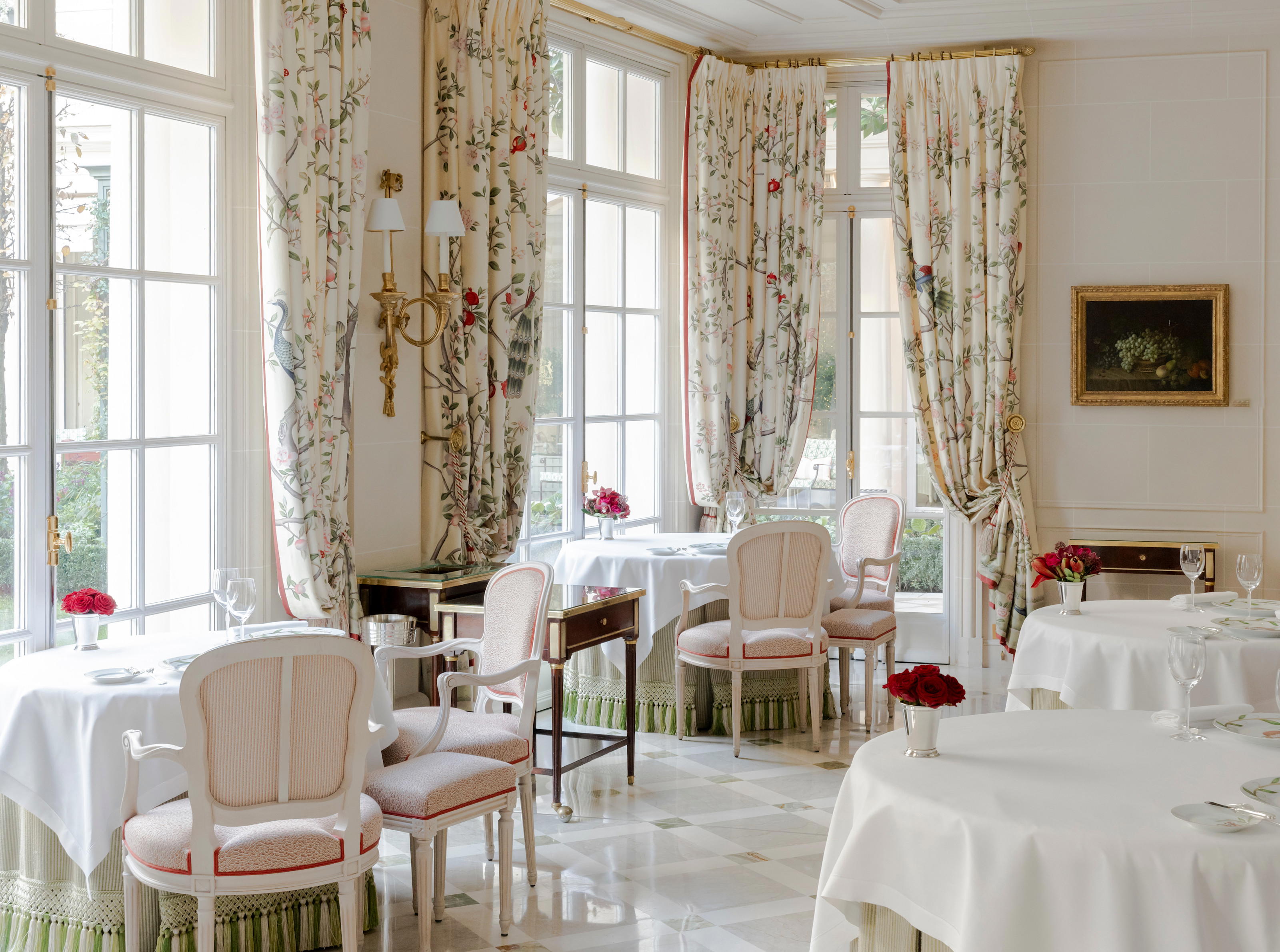
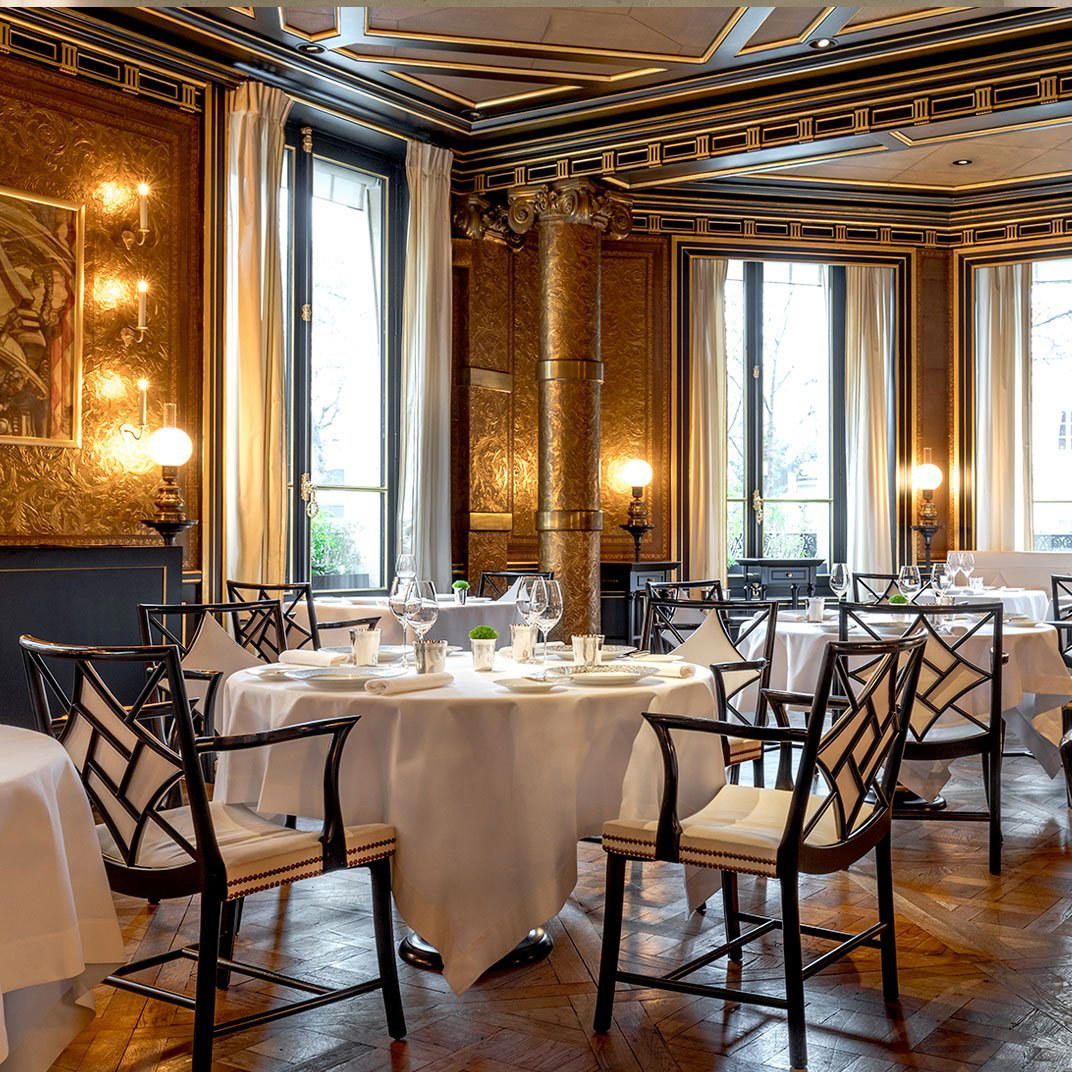
Restaurants in Paris
Browse all →
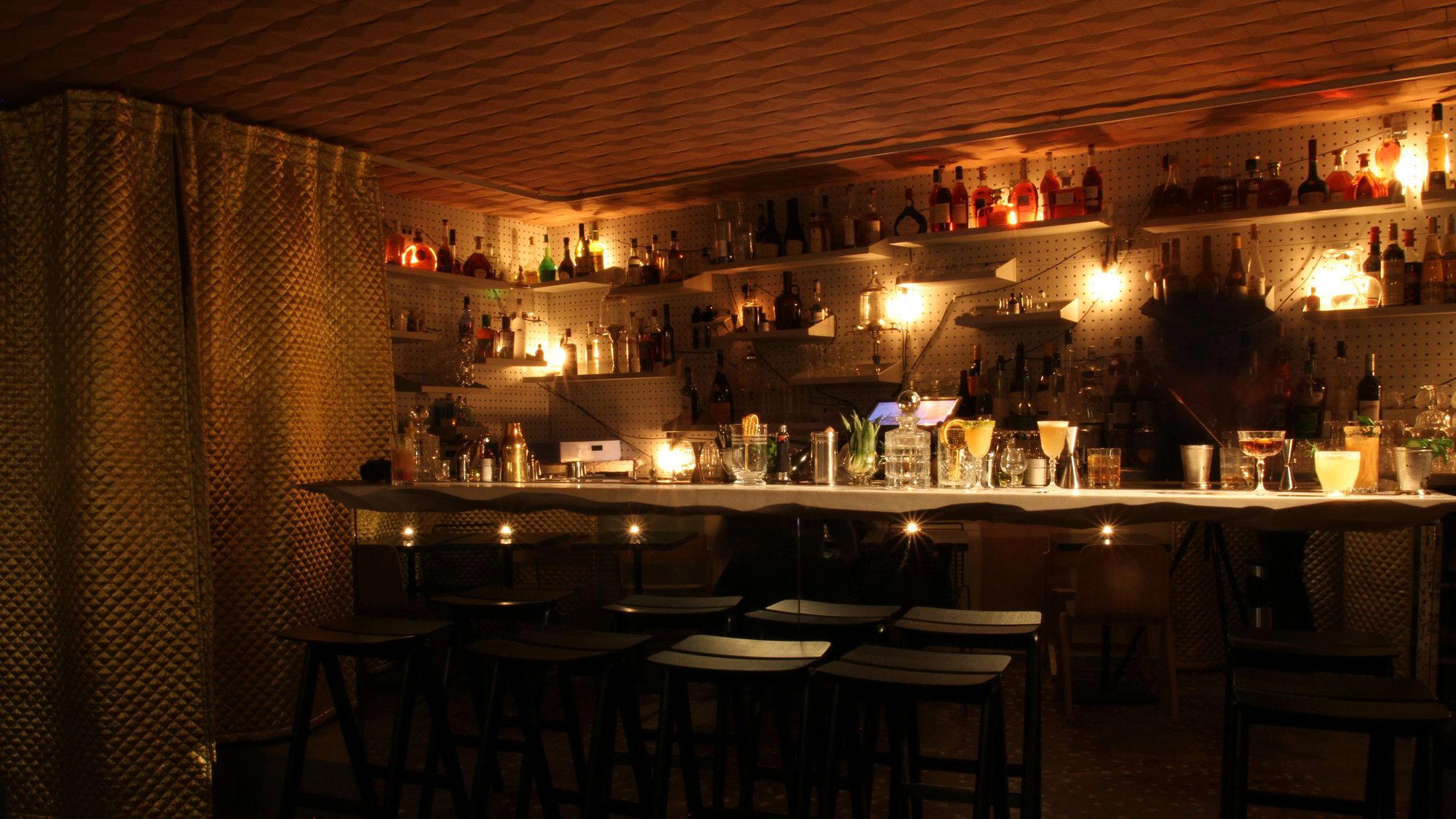
Bars in Paris
Browse all →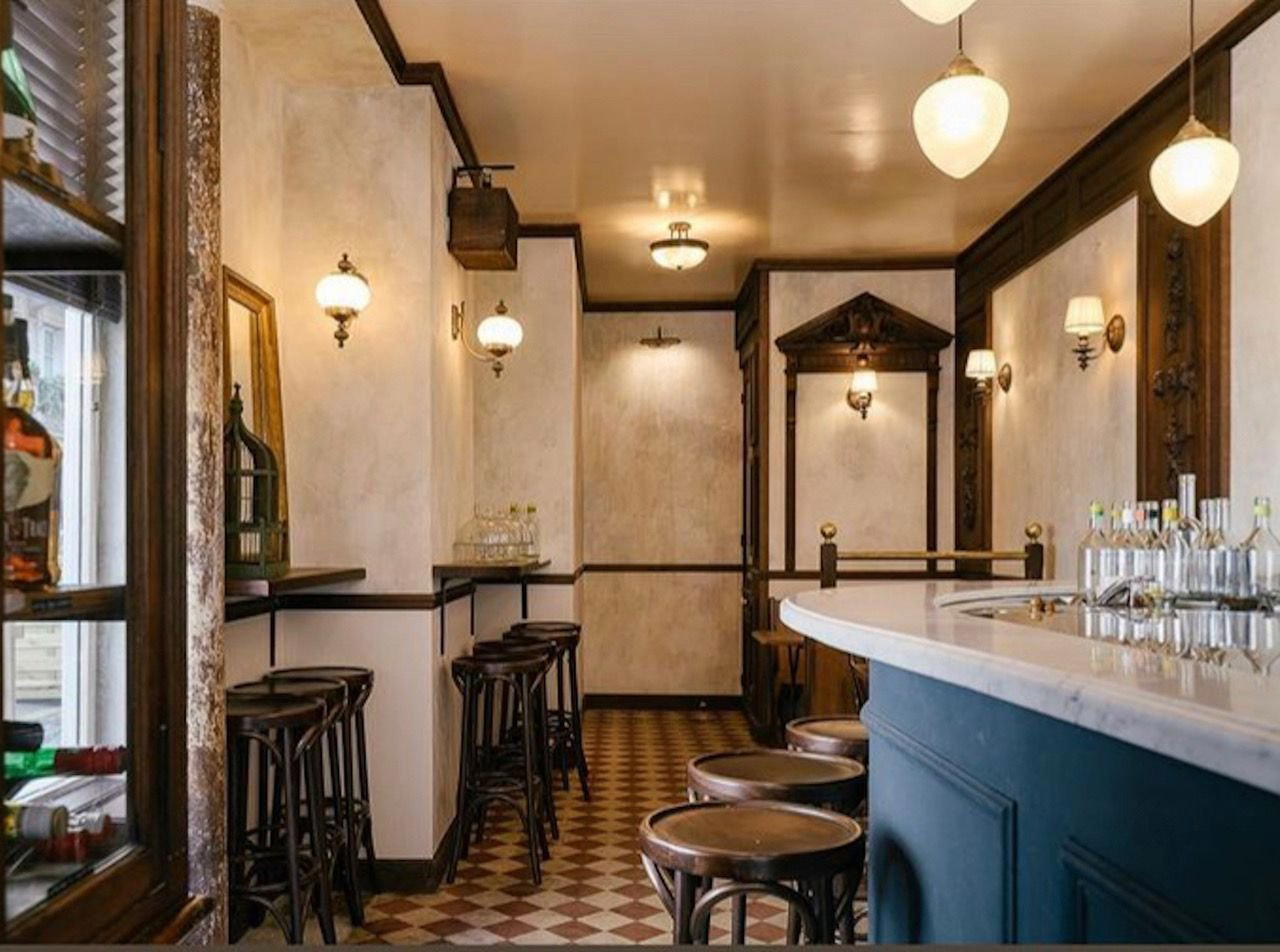
Hotels in Paris
Browse all →
Details
- Lively
- Trendy
- Industrial
- Energetic
- After Work
- Brunch
- Casual Hangout
- Rooftop
- Terrace
- Open Kitchen
- Craft Cocktails
- Skyline
- A La Carte
- Vegetarian Friendly
Current opening hours
- Monday
- 9 AM–2 AM
- Tuesday
- 9 AM–2 AM
- Wednesday
- 9 AM–2 AM
- Thursday
- 9 AM–2 AM
- Friday
- 9 AM–2 AM
- Saturday
- 9 AM–2 AM
- Sunday
- 9 AM–2 AM
Hours can change for holidays and private events. Last verified .
Industrial-chic with Art Deco lighting, brass fixtures, green-patterned carpets, and lively atmosphere blending street noise and chatter.