One of the last intact Belle Époque brasseries on Boulevard Saint-Germain, Vagenende has operated at 142 Bd Saint-Germain since 1904, its mirrored dining room and carved woodwork preserved as a classified historic monument. The kitchen serves the kind of traditional French brasserie menu the neighbourhood once ran on: oysters, choucroute, steak tartare. A reference point for pre-war Parisian dining culture, not a museum piece.
Pearl is the En Primeur Club membership app — saves, bookings, and concierge access live there. Same editors, same standards.
- Address
- 142 Bd Saint-Germain, 75006 Paris, France
- Phone
- +33143266818
- Website
- vagenende.com
- Directions
- Get directions
 Saves & bookings on Pearl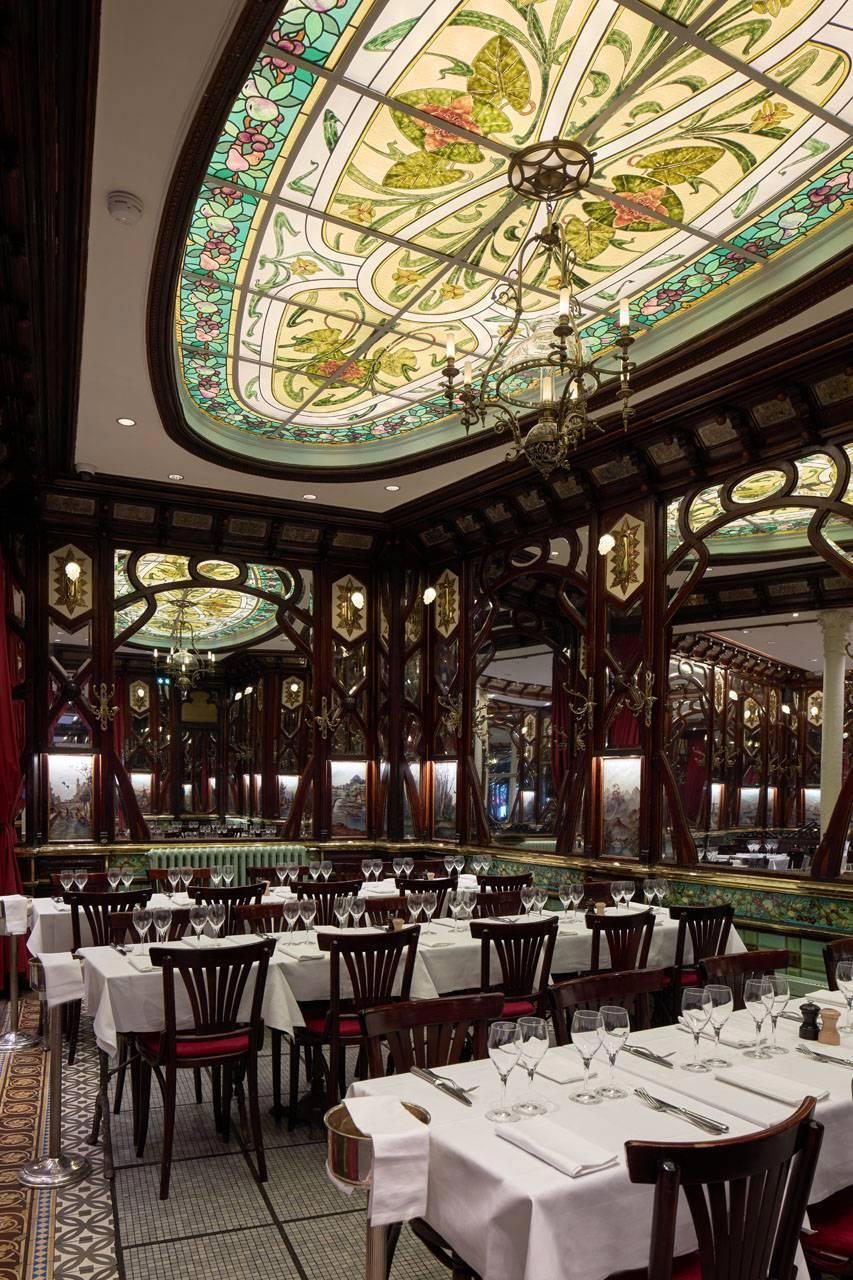
Boulevard Saint-Germain and the Brasserie That Survived the Century
In 1904, when the brasserie culture of Paris was at its commercial and architectural height, a dining room opened at 142 Boulevard Saint-Germain that would outlast most of what was built around it. Vagenende has been serving the Left Bank continuously from the same address for over 120 years, and the room itself — classified as a historic monument by the French Ministry of Culture — remains among the more complete examples of Belle Époque brasserie design surviving in the city. The carved woodwork, etched mirrors, Art Nouveau frescoes, and brass fittings have not been updated for effect; they are the original fabric of the building, preserved in place rather than restored as pastiche.
That distinction matters enormously in Paris, where 'Belle Époque-inspired' interiors have proliferated in the same period that the genuine article has disappeared. The brasserie format itself, high-volume, open long hours, anchored to a classics-led menu and an expectation of walk-in accessibility, was a Parisian invention that spread across Europe and eventually the world. On the boulevard where Sartre and de Beauvoir once kept permanent tables at Les Deux Magots a few hundred metres away, the neighbourhood still carries the gravitational pull of that intellectual and bohemian history, even as the retail and hotel inventory around it has shifted upmarket.
The Saint-Germain Context: What the Address Means
The 6th arrondissement today operates in a different register than it did a century ago. Publishing houses have moved east or consolidated. The bookshops that once defined the quarter still hold territory, but the ground floor of the neighbourhood increasingly belongs to luxury fashion and design. Against that drift, a functioning brasserie with a century-old room and a menu that hasn't chased contemporary tasting formats carries a particular social weight. It signals continuity with a dining tradition that most of central Paris has traded in for something more commercial or more curated.
Boulevard Saint-Germain itself is a wide, traffic-heavy artery that lacks the intimacy of the smaller streets feeding off it. That means Vagenende's location is more address than neighbourhood in the fine-grained Parisian sense, you arrive from the Mabillon or Saint-Germain-des-Prés metro stations and the restaurant is immediately accessible rather than discovered. For visitors staying on the Left Bank or moving between the 5th, 6th, and 7th arrondissements, it sits at a genuine midpoint. For comparison, the high-end contemporary French kitchens clustered in the 8th, Alléno Paris au Pavillon Ledoyen and Le Cinq at the Four Seasons George V, are operating in an entirely different register, both in price and intent. Vagenende isn't competing with that tier; it's serving a different need entirely.
The Room as the Argument
Most brasserie arguments come down to the food. At Vagenende, the room precedes and frames everything else. The classification as a historic monument means that the visual experience you get today is as close as any living diner can get to what the boulevard looked like in the years before the First World War. The long mirrors amplify the dining room in the way they were designed to, making a moderately sized space feel like it extends indefinitely, and giving the impression of a Paris that still believes in the spectacle of public dining.
That spectacle has a practical effect on how the meal feels. A plate of oysters or a properly assembled steak tartare reads differently in this room than it would in a contemporary bistro interior. The food and the setting are in conversation with each other: both are doing something the neighbourhood's newer openings are not, which is insisting that the brasserie format doesn't need to evolve to remain relevant. Across the Seine, Kei and Arpège represent the argument for continuous reinvention. Vagenende represents the opposite position.
Menu Logic: Classics as the Point, Not the Default
Traditional brasserie menus in Paris exist on a spectrum between places that genuinely maintain the craft, choucroute assembled with the correct Alsatian logic, fruits de mer on genuine ice, tartare cut rather than processed, and places coasting on the format's cultural currency. Without verified dish-level data to assess precisely where Vagenende falls on that spectrum in its current kitchen, particularly honest framing is this: the menu category it occupies (classic French brasserie) is one where the execution gap between a serious kitchen and a tourist-facing one is considerable, and the address and longevity suggest the former.
For readers who want to triangulate brasserie quality against starred French kitchens elsewhere in France, the contrast is instructive. Paul Bocuse's Auberge du Pont de Collonges in Lyon, Auberge de l'Ill in Alsace, and Troisgros in Ouches all operate in the refined-tradition mode of French cooking, where classical roots are maintained even as technique evolves. The brasserie form Vagenende represents is a different, more democratic branch of that same tradition, designed for frequency and accessibility rather than occasion dining.
Know Before You Go
| Address | 142 Boulevard Saint-Germain, 75006 Paris |
| Nearest Metro | Saint-Germain-des-Prés (Line 4) or Mabillon (Line 10) |
| Arrondissement | 6th, Left Bank, between Saint-Michel and Rue de Rennes |
| Historic Status | Classified French historic monument; original 1904 interior |
| Format | Classic Parisian brasserie; à la carte, traditional menu |
| Price | |
| Booking |
How Vagenende Paris compares with similar nearby venues.
| Venue | Cuisine | Price |
|---|---|---|
| Semilla | Modern Cuisine | €€€ |
| Kodawari Ramen - Yokochō | Japanese | €€ |
Continue exploring
More in Paris
Restaurants in Paris
Browse all →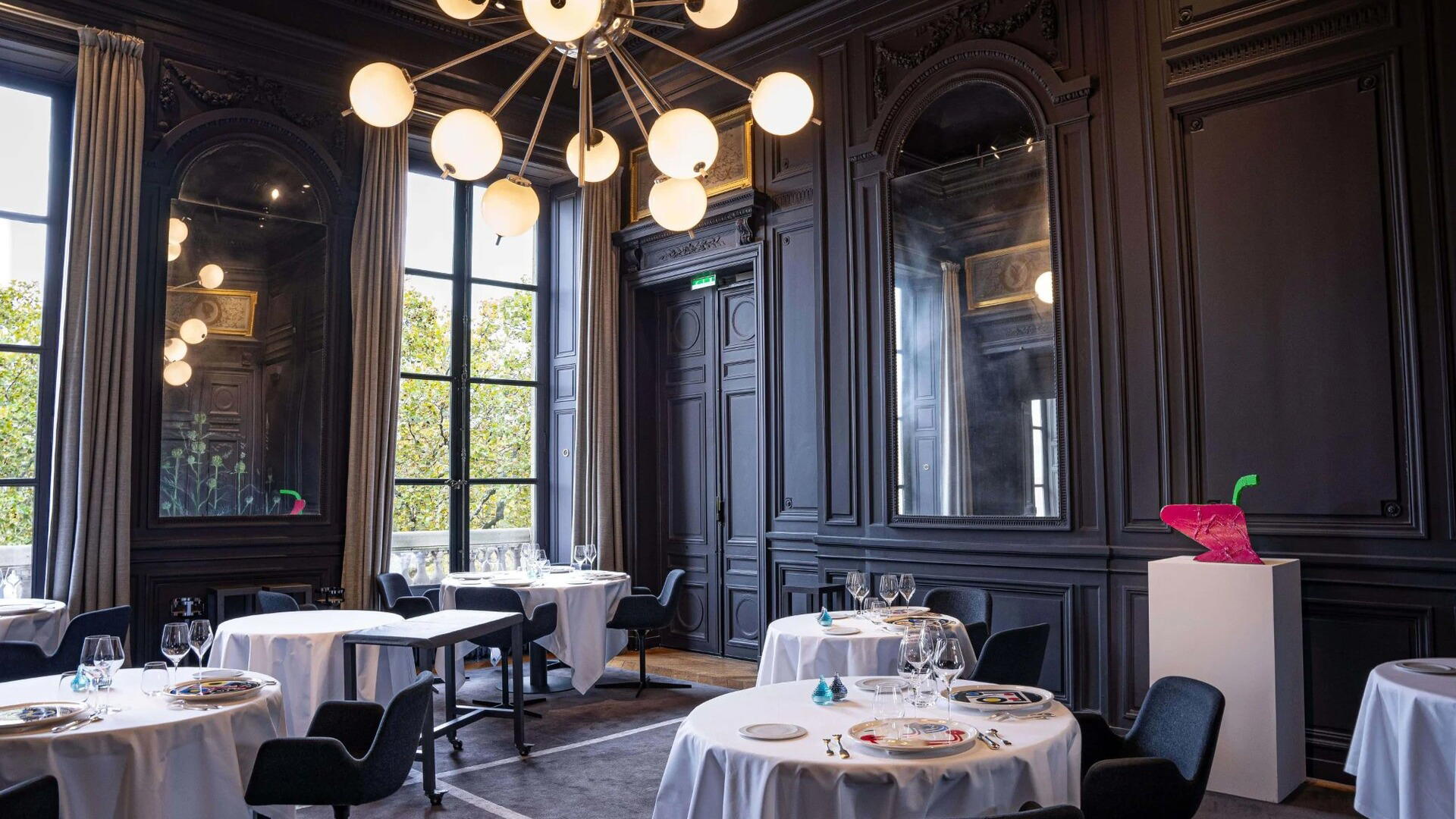
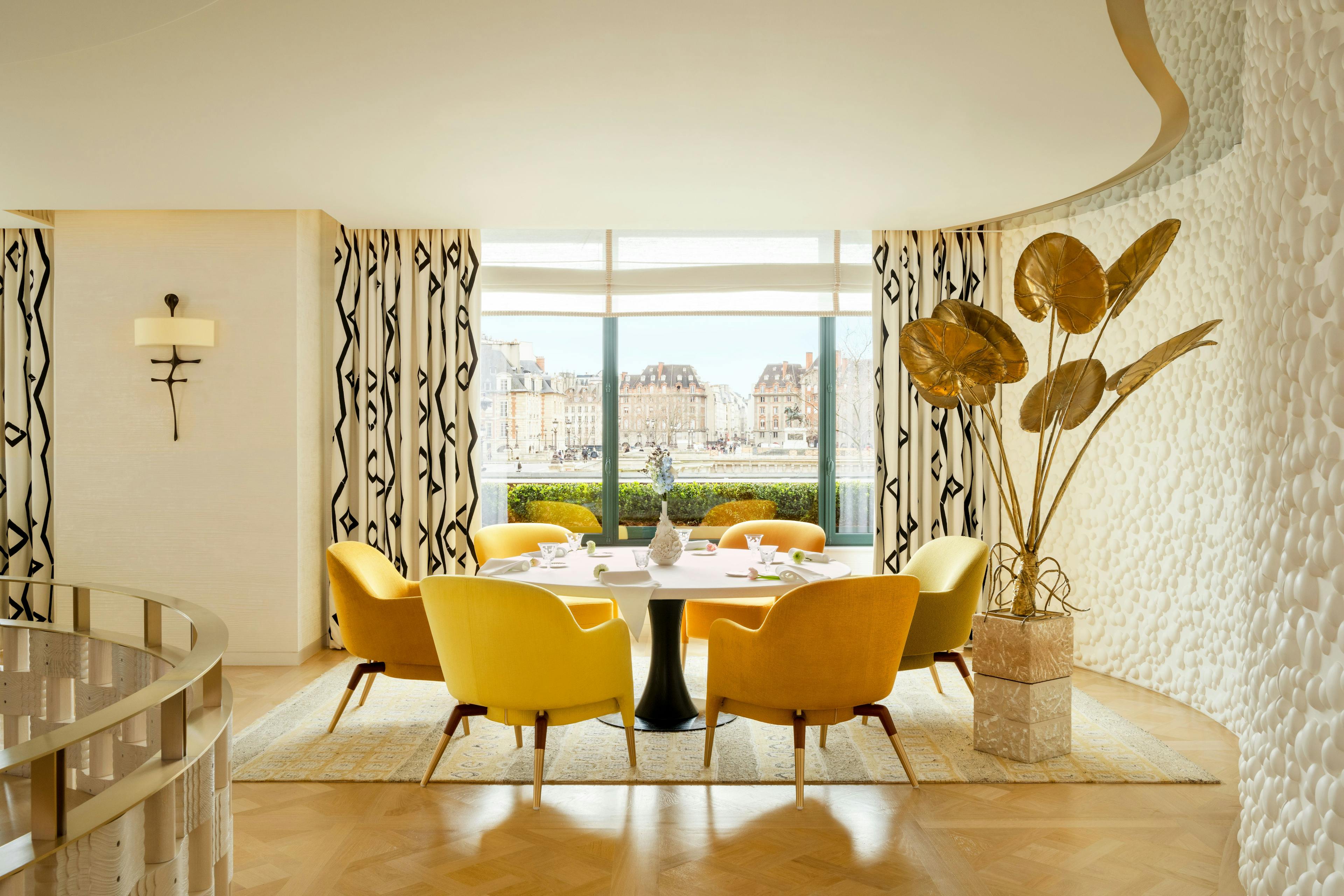
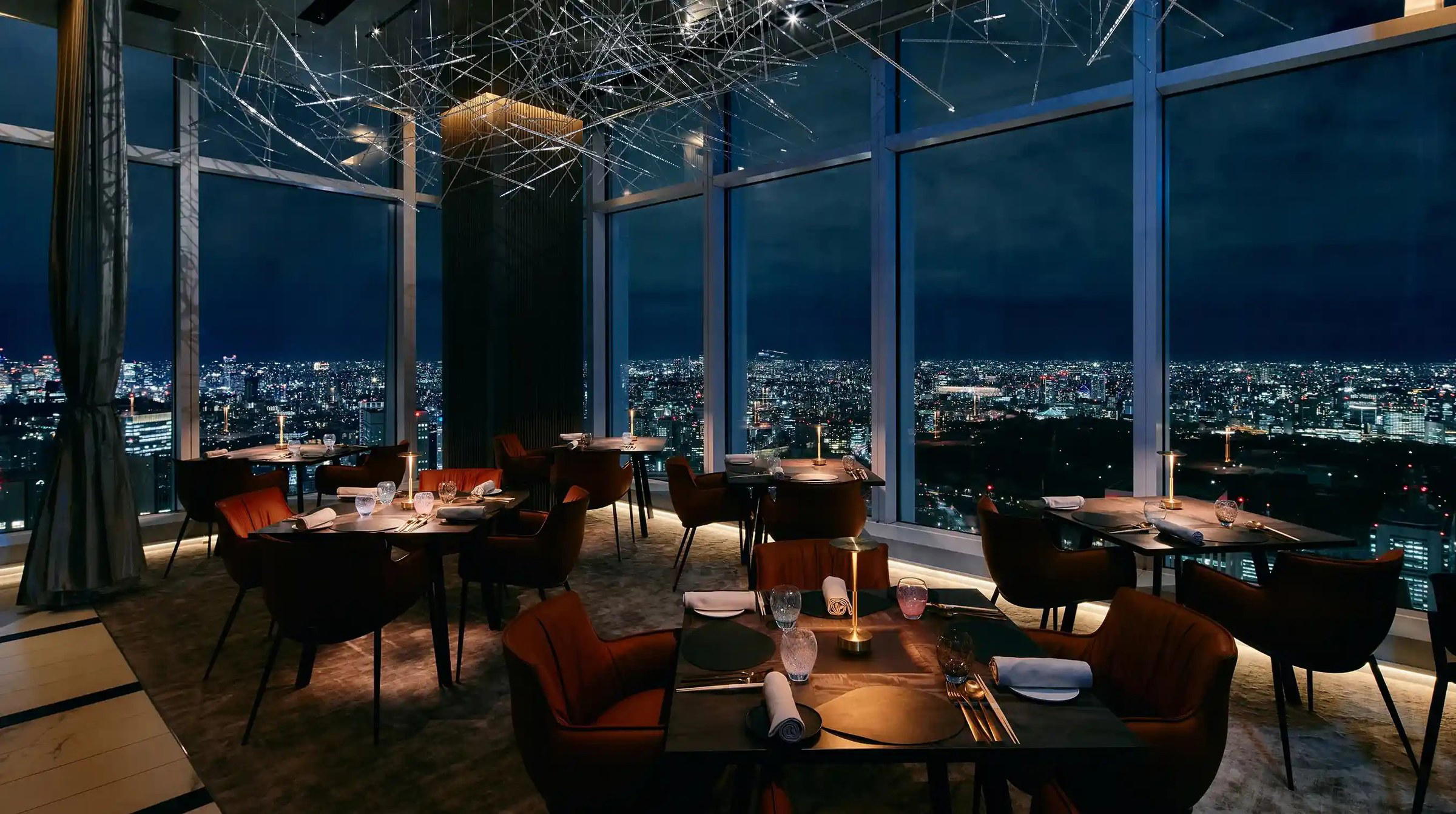
Bars in Paris
Browse all →
Hotels in Paris
Browse all →



At a Glance
- Classic
- Elegant
- Well Known
- Date Night
- Special Occasion
- Brunch
- Late Night
- Historic Building
- Terrace
- Extensive Wine List
Current opening hours
- Monday
- 12–11 PM
- Tuesday
- 12–11 PM
- Wednesday
- 12–11 PM
- Thursday
- 12–11 PM
- Friday
- 12–11 PM
- Saturday
- 12–11 PM
- Sunday
- 12–11 PM
Hours can change for holidays and private events. Last verified .
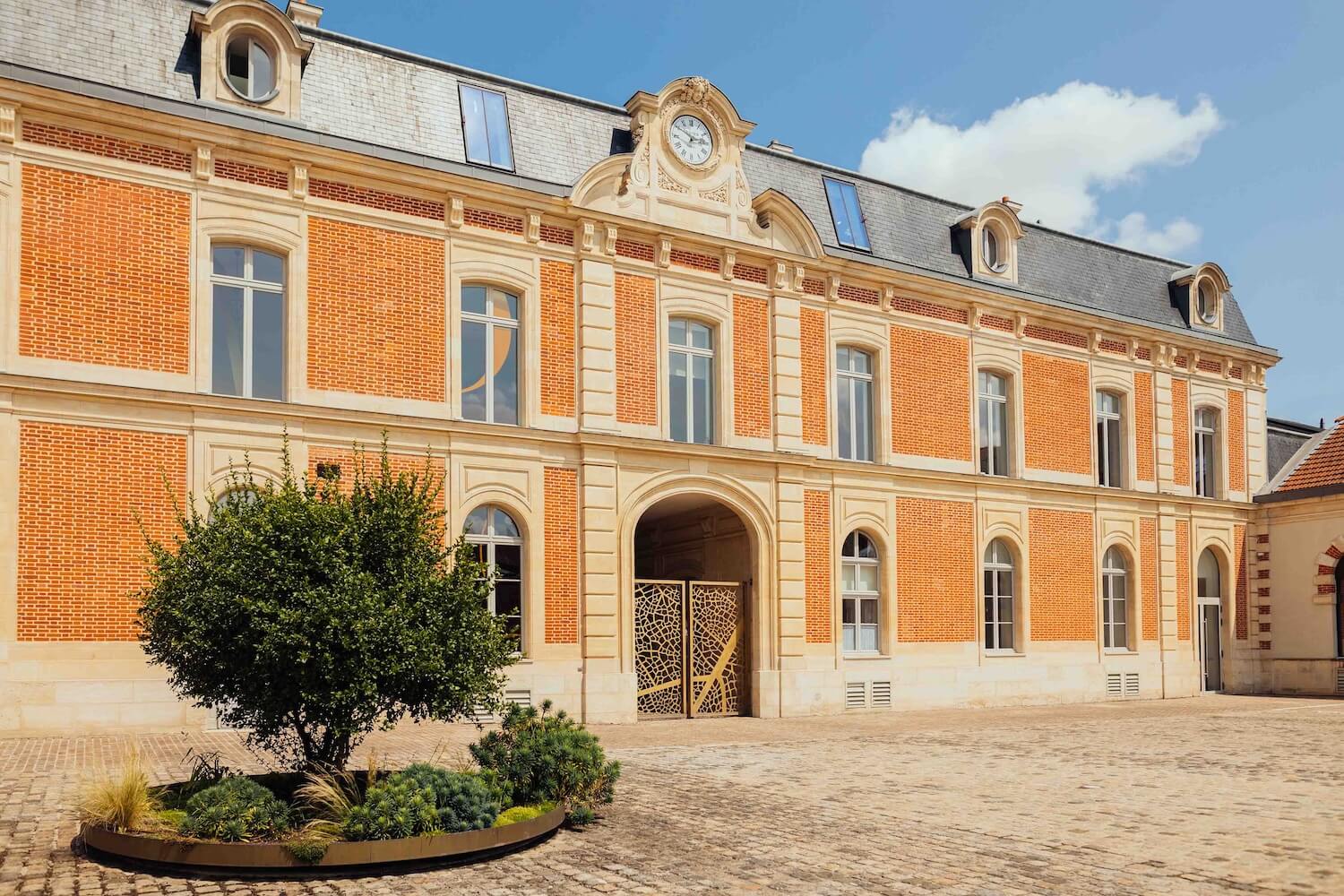
Elegant Belle Époque atmosphere featuring ornate woodwork, sweeping mirrors, and Art Nouveau curves, evoking old-world Parisian charm.