On a narrow street in the Marais, Jaja brings a cross-cultural approach to French ingredients that sits at some distance from the grand-tradition houses elsewhere in Paris. The address on Rue Sainte-Croix de la Bretonnerie places it in one of the city's most historically layered quartiers, where the dining scene has long favoured neighbourhood intimacy over institutional formality. For visitors tracking where imported technique meets local product in the French capital, it merits attention.
Pearl is the En Primeur Club membership app — saves, bookings, and concierge access live there. Same editors, same standards.
- Address
- 3 Rue Sainte-Croix de la Bretonnerie, 75004 Paris, France
- Phone
- +33142747152
- Website
- jaja-resto.com
- Directions
- Get directions
 Saves & bookings on Pearl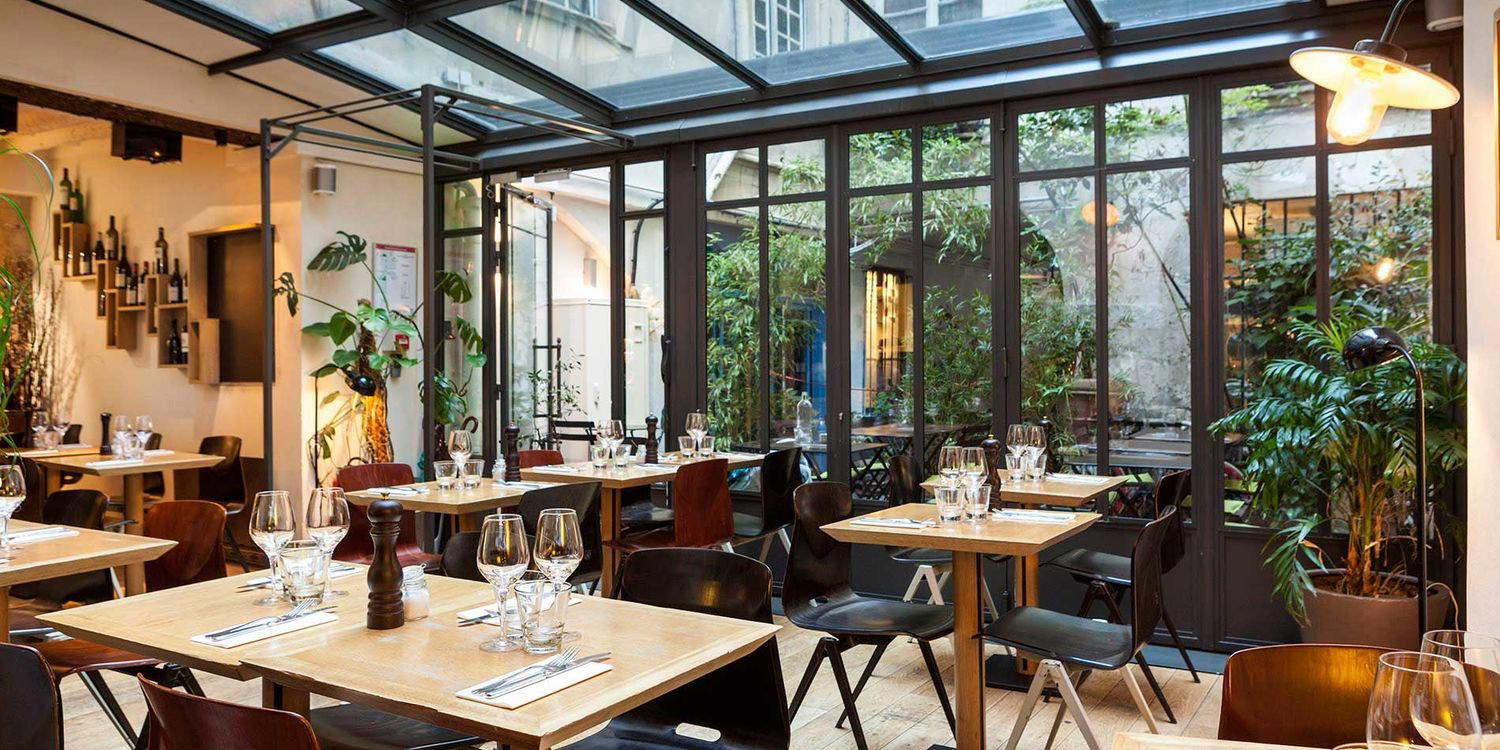
The Marais and the Question of Technique
Paris has two broad registers for serious eating. The first is the grand tradition codified in the palace dining rooms and long-established houses: think L'Ambroisie on the Place des Vosges or Le Cinq at the Four Seasons George V, where the language is classical, the room is formal, and the price structure reflects generations of institutional authority. The second register, harder to categorise and faster to evolve, belongs to a younger generation of addresses that treat French ingredients as a starting point rather than a monument. Jaja, on Rue Sainte-Croix de la Bretonnerie in the 4th arrondissement, operates somewhere in that second register.
The address alone situates the restaurant in a specific kind of Parisian context. The Marais predates Haussmann's boulevards; its medieval street pattern and dense mix of residential, commercial, and cultural use give the quartier a texture that broader Paris largely lost in the 19th-century rebuilding. Dining in the Marais has historically meant smaller rooms, independent ownership, and a tolerance for informality that the grands boulevards and the 8th arrondissement have never quite matched. It is a neighbourhood that absorbs influence from outside France more readily than most, partly because of its long history as a hub for successive immigrant communities and partly because its visitor mix skews international. That cultural openness has made it a logical home for restaurants that work at the intersection of imported methods and French raw material.
Where Global Technique Meets French Product
The broader movement that frames Jaja is not uniquely Parisian. Across France, the past fifteen years have seen a generation of cooks return from stages in Tokyo, Copenhagen, New York, and Mexico City carrying techniques that sit uneasily inside the classical French taxonomy. Some of those cooks landed in country houses, much as Flocons de Sel in Megève or Bras in Laguiole have long demonstrated that regionalism and formal technique are not mutually exclusive. Others chose city addresses where the anonymity of an urban neighbourhood allows experimentation without the weight of a regional culinary identity.
In Paris specifically, the cross-cultural conversation in cooking has been most visible at the summit of the market. Kei, which brought Japanese precision to classical French structure, and Alléno Paris at the Pavillon Ledoyen, where extraction techniques derived from science rather than tradition have reshaped the sauce, are two reference points for how the city's starred tier has absorbed outside influence. But influence does not travel only upward through price brackets. The same impulse toward technique borrowed from elsewhere and applied to French material operates across the full range of the city's dining scene, in smaller rooms, at lower price points, and often in the Marais specifically.
Internationally, comparisons are instructive. Atomix in New York has made the case that importing a culinary tradition wholesale, rather than as seasoning, can produce a category-defining result. Le Bernardin in the same city demonstrates the reverse: a French tradition transplanted and adapted. What distinguishes the current Marais cohort from both models is a more fluid, less thesis-driven approach to combination, where the technique is in service of the ingredient rather than the idea.
The Rue Sainte-Croix de la Bretonnerie Address
The street itself is worth a note. Running between Rue du Temple and Rue Vieille-du-Temple in the heart of the Marais, Rue Sainte-Croix de la Bretonnerie is short, pedestrian-friendly, and lined with the kind of small-scale retail and hospitality that characterises the leading parts of the 4th. The proximity to the Centre Pompidou (a ten-minute walk northwest) and the Place des Vosges (roughly the same distance southeast) means the street draws a mix of locals and culturally engaged visitors rather than purely transit tourism. For dining, that mix tends to produce an audience that is attentive without being ceremonious, which suits restaurants working in a register that is technically serious but not formally intimidating.
For context on how the broader French dining scene beyond the capital operates, addresses like Auberge de l'Ill in Illhaeusern, Troisgros in Ouches, and Paul Bocuse outside Lyon represent the weight of classical French culinary authority at its most codified. Mirazur in Menton, AM par Alexandre Mazzia in Marseille, and Auberge du Vieux Puits in Fontjoncouse represent the other direction: highly individual kitchens that use French terroir as a launching point. The Marais operates in a more compressed, urban version of that second tendency, with neighbourhood scale substituting for the landscape context of southern France. Regional destinations like Assiette Champenoise in Reims and Au Crocodile in Strasbourg show how deeply product identity can anchor a kitchen when geography makes the sourcing argument for you; in Paris, that argument has to be made at the table rather than through the address.
For a full overview of where Jaja sits within the wider Paris dining scene, see our full Paris restaurants guide.
Planning a Visit
Know Before You Go
- Address: 3 Rue Sainte-Croix de la Bretonnerie, 75004 Paris
- Arrondissement: 4th (Marais)
- Nearest Metro: Hôtel de Ville (lines 1, 11) or Rambuteau (line 11), both within a few minutes on foot
- Hours: Not confirmed; verify before travelling
- Dress code: No formal code confirmed; Marais neighbourhood norms apply (smart casual is standard)
How Jaja Paris compares with similar nearby venues.
| Venue | Cuisine | Price |
|---|---|---|
| Yann Couvreur Le Marais | Patisserie | Not listed |
| Baffo | Italian | €€€ |
Continue exploring
More in Paris
Restaurants in Paris
Browse all →
Bars in Paris
Browse all →
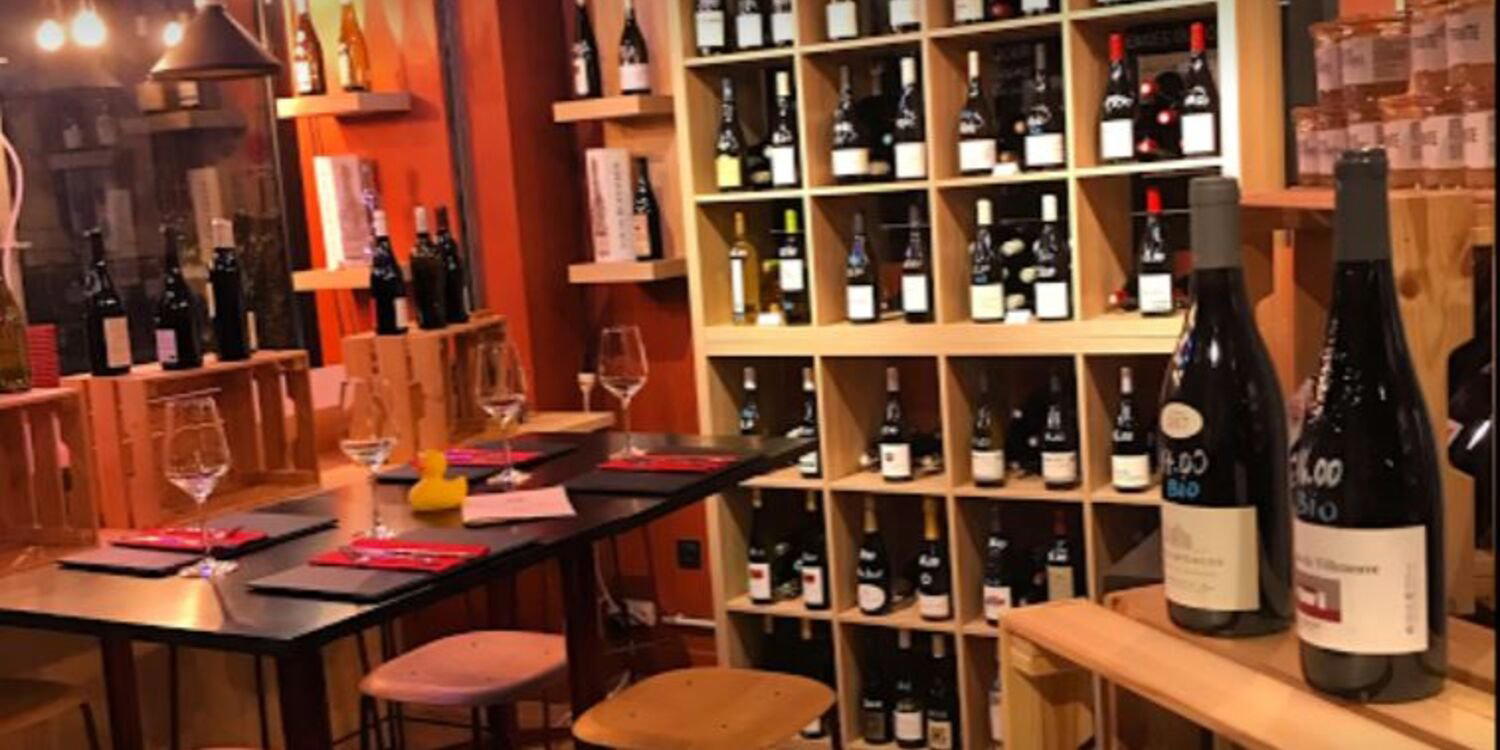
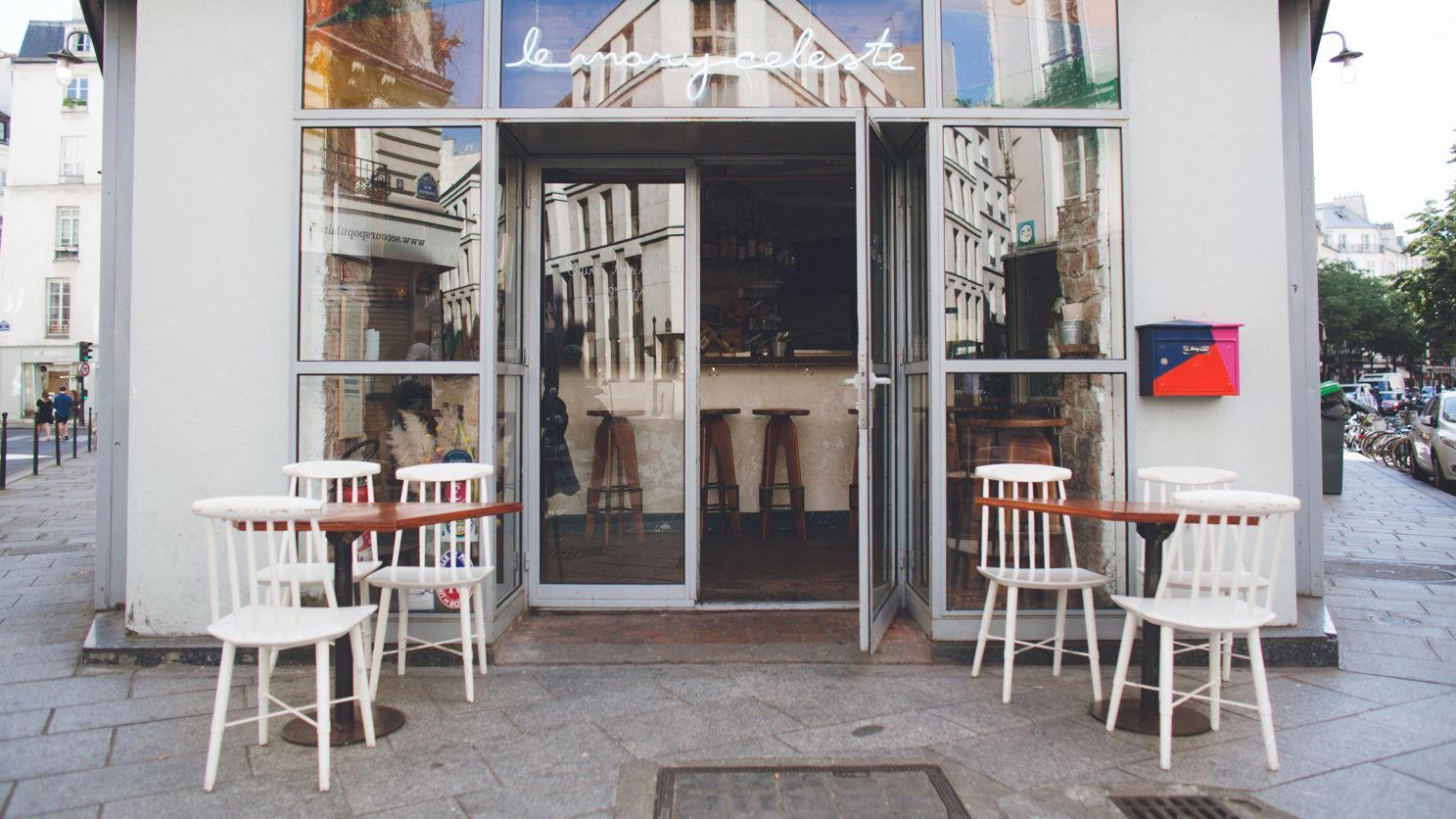
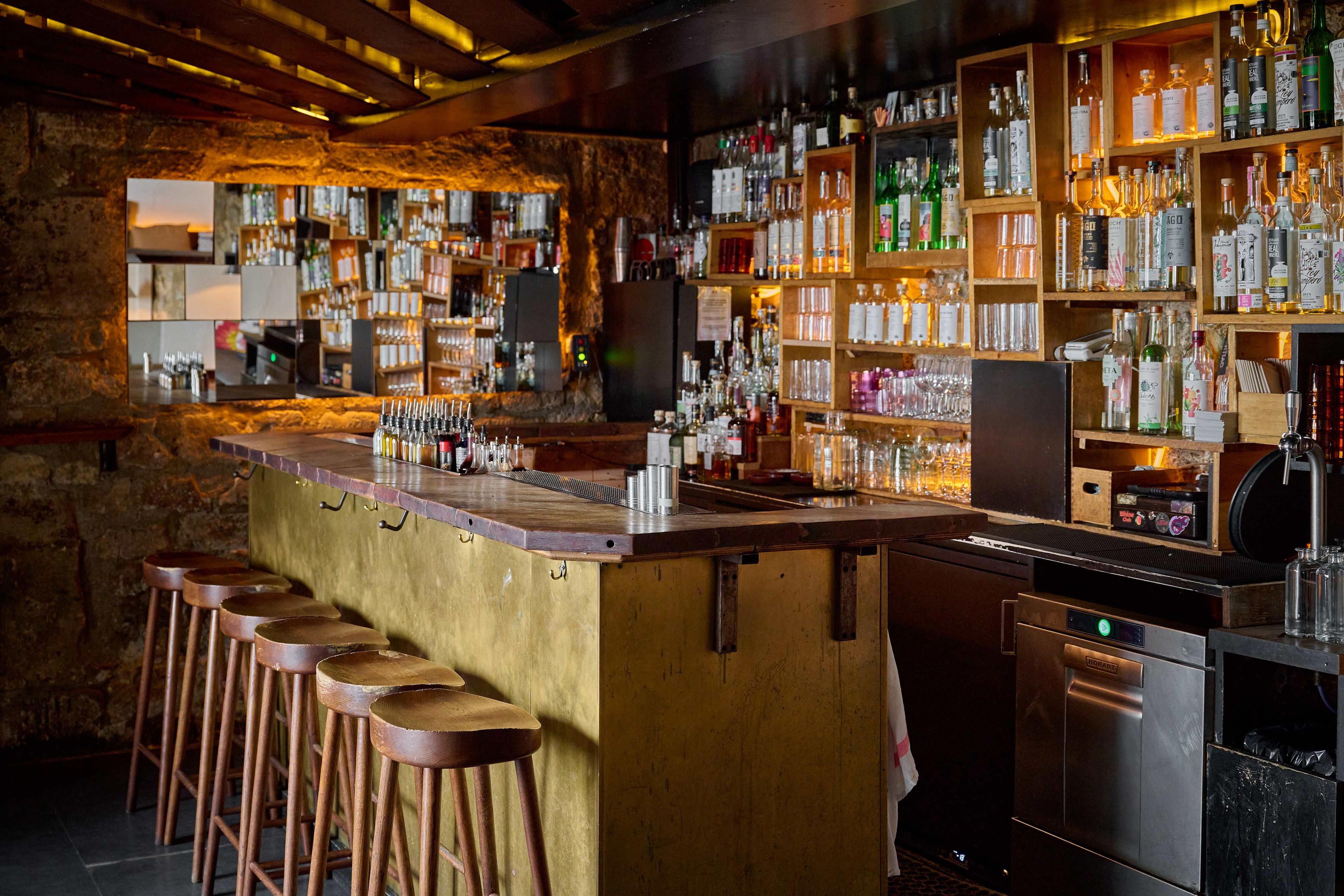
Hotels in Paris
Browse all →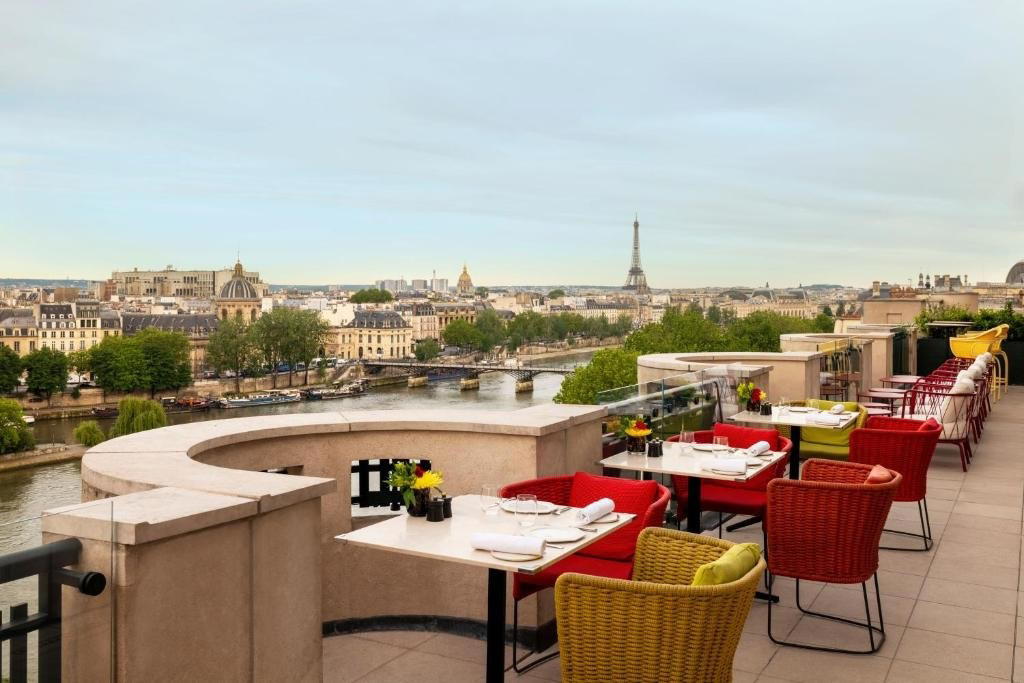

At a Glance
- Cozy
- Modern
- Intimate
- Trendy
- Date Night
- Casual Hangout
- Courtyard
- Open Kitchen
- Extensive Wine List
- Local Sourcing
Current opening hours
- Monday
- 12–2:30 PM, 7:30–11 PM
- Tuesday
- 12–2:30 PM, 7:30–11 PM
- Wednesday
- 12–2:30 PM, 7:30–11 PM
- Thursday
- 12–2:30 PM, 7:30–11 PM
- Friday
- 12–2:30 PM, 7:30–11 PM
- Saturday
- 12–2:30 PM, 7:30–11 PM
- Sunday
- 12–3 PM, 7:30–10:30 PM
Hours can change for holidays and private events. Last verified .
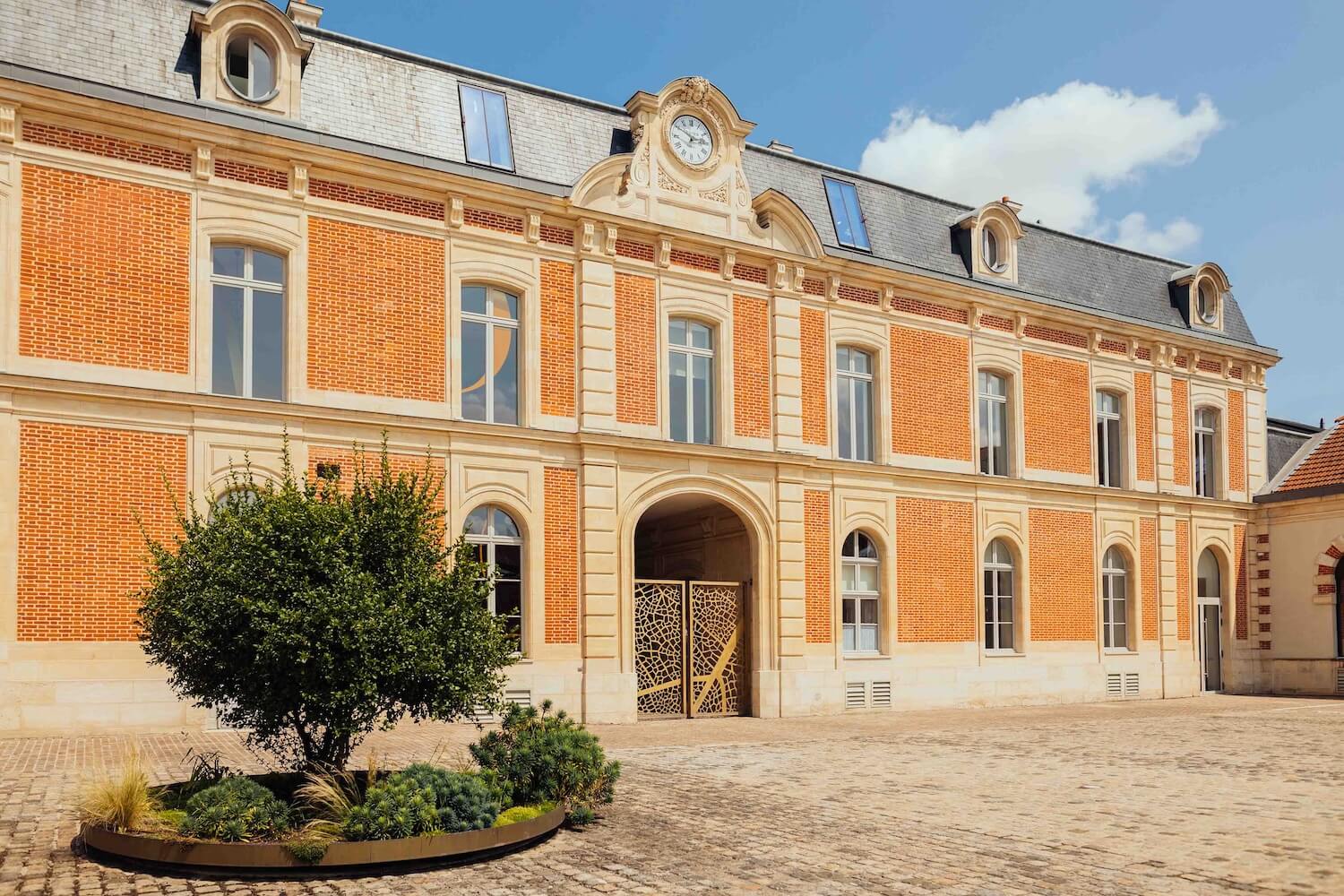
Luminous and comfortable space mixing historic architecture with modern atelier elements and abundant foliage.