

Hiu brings the fermented, aromatic cooking of Bangkok to Cambrils, one of the Costa Dorada's most serious dining towns. The name translates as 'to be hungry' in Thai, and the kitchen pairs house-mixed curry pastes and kombucha vinegars with local ingredients like sea fennel, a combination recognised by the Michelin Guide with a Plate in both 2024 and 2025. The tasting menu is where the chef's editorial voice comes through most clearly.
Pearl is the En Primeur Club membership app — saves, bookings, and concierge access live there. Same editors, same standards.
- Address
- Av. del Baix Camp, 2, Local 12, 43850 Cambrils, Tarragona, Spain
- Phone
- +34 877 07 17 20
- Website
- hiurestaurant.com
- Directions
- Get directions
 Saves & bookings on Pearl
Where Bangkok Meets the Costa Dorada
Cambrils sits in an unusual position on Spain's dining map. A fishing port town in Tarragona province, it carries more Michelin weight per square kilometre than most coastal towns of its size: Can Bosch and Rincón de Diego both hold one star, while Bresca represents the town's more casual end of the spectrum. Against that backdrop, where the default register is Catalan and the default ingredient is seafood pulled from the nearby port, Hiu reads as a deliberate interruption. The name translates as 'to be hungry' in Thai, and the kitchen is organised around the aromas and structural logic of Bangkok street cooking: fermented pastes, curry compounds, and vinegars built from kombucha cultures. This is not a Thai restaurant in the conventional sense. It occupies the narrower category of a chef-driven fusion project anchored in Southeast Asian technique while drawing ingredients from the immediate Costa Dorada coastline.
Fusion dining in Spain has a complicated history. At the high end, kitchens like DiverXO in Madrid and Quique Dacosta in Dénia have used cross-cultural reference as a formal device for years, building something recognisably Spanish out of borrowed frameworks. Further down the price ladder, fusion often collapses into inconsistency, borrowing without structure. Hiu holds a middle position, priced at the €€ tier and recognised by the Michelin Guide, which suggests the inspector found genuine coherence rather than eclecticism for its own sake. For context on what the Michelin Plate signals: it is the Guide's indication of good cooking without the formal star threshold, a credential that matters in a town where the starred competition sets a high local baseline. Comparable fusion work in Spain can be found at Ajonegro in Logroño, while internationally the format connects to projects like Arkestra in Istanbul, where a different city's local ingredients are filtered through an imported culinary grammar.
The Ritual of the Meal
The dining ritual at Hiu is shaped by the two registers the kitchen operates across: à la carte and tasting menu. The tasting menu is where the chef's thinking becomes most legible. In Thai-influenced cooking, the pacing of a meal carries specific weight, courses build through heat, sourness, and aromatic complexity before resolving into something cooling or restorative.
The fermentation thread runs through both formats. Kombucha vinegars are not a background note here, they are described as a deliberate construction, part of the chef's practice of building his own acidity sources rather than relying on commercial products. This places Hiu alongside a broader movement in Spanish fine dining where fermentation has moved from supporting role to structural ingredient: El Celler de Can Roca in Girona and Azurmendi in Larrabetzu both use fermented elements with similar intentionality, though at a different scale and price tier. At Hiu, the fermentation vocabulary arrives through a Southeast Asian filter rather than a Catalan or Basque one.
Curry paste preparation is the other disclosed technical marker. The chef mixes his own blends, a practice that distinguishes this kitchen from fusion operations that import ready-made bases. In Thai cooking, the paste is the meal's foundation, its balance of dried chillies, aromatics, and dried shrimp paste determines everything that follows. Building these from scratch in a Spanish coastal town requires sourcing discipline and suggests the kitchen is not treating Bangkok as aesthetic rather than culinary reference.
The Local Ingredient Argument
Sea fennel (Crithmum maritimum) is one telling detail in Hiu's disclosed ingredient list. It grows on rocky coastal Mediterranean terrain and has been part of the region's foraging tradition for centuries, yet it appears on few restaurant menus in the area. The plant carries an intense, saline, slightly anisic character, qualities that translate into Southeast Asian cooking with more logic than might first appear, given the role of aromatic herbs in Thai cuisine. The decision to source it, and to feature it against a background of fermented and spiced Thai technique, is the clearest signal of what Hiu is doing: using a place-specific ingredient that both Catalan restaurants nearby and Thai restaurants elsewhere ignore, and giving it a context in which its character is actually audible.
This approach has precedents across Spain's more ambitious mid-tier kitchens. Cocina Hermanos Torres in Barcelona and Arzak in San Sebastián both treat hyper-local sourcing as non-negotiable, even when the cooking frame is technically hybrid. Aponiente in El Puerto de Santa María has made overlooked coastal ingredients the explicit editorial project of the restaurant. Hiu operates at a much smaller scale and price point, but the underlying argument is structurally similar: that particularly interesting local ingredients are often the ones that neither the local traditional restaurants nor international cuisine templates have claimed.
Cambrils as a Dining Town
Understanding Hiu requires understanding Cambrils' position as more than a beach resort. The town has sustained serious dining for decades, in part because of its fishing heritage and in part because of the proximity of Tarragona and the broader Camp de Tarragona wine region. The dining culture here is not Valencia-tourist-strip nor Barcelona-trend-chasing; it operates with a certain quiet seriousness. That context is what makes a Thai-fusion kitchen at a mid-range price point viable, there is a local audience with appetite for this kind of cooking, not just tourists passing through. Hiu sits on Avinguda del Baix Camp, 2, in the town centre, which positions it within walking distance of the port area where most of the town's dining activity concentrates.
The €€ price range puts it below the starred competition in town, which makes it a practical option for a meal that does not carry the formality of a three-course Catalan set menu. Martin Berasategui in Lasarte-Oria it is not, but Hiu is doing something the rest of Cambrils' dining scene is not, and in a town that takes food seriously, that is a position with genuine traction.
Cuisine and Awards Snapshot
Comparable venues nearby, for context on price, style, and recognition.
| Venue | Cuisine | Price | Awards | Notes |
|---|---|---|---|---|
| HiuThis venue — the venue you are viewing | Modern Catalan-Thai Fusion | $$$ | Michelin Plate | Not listed |
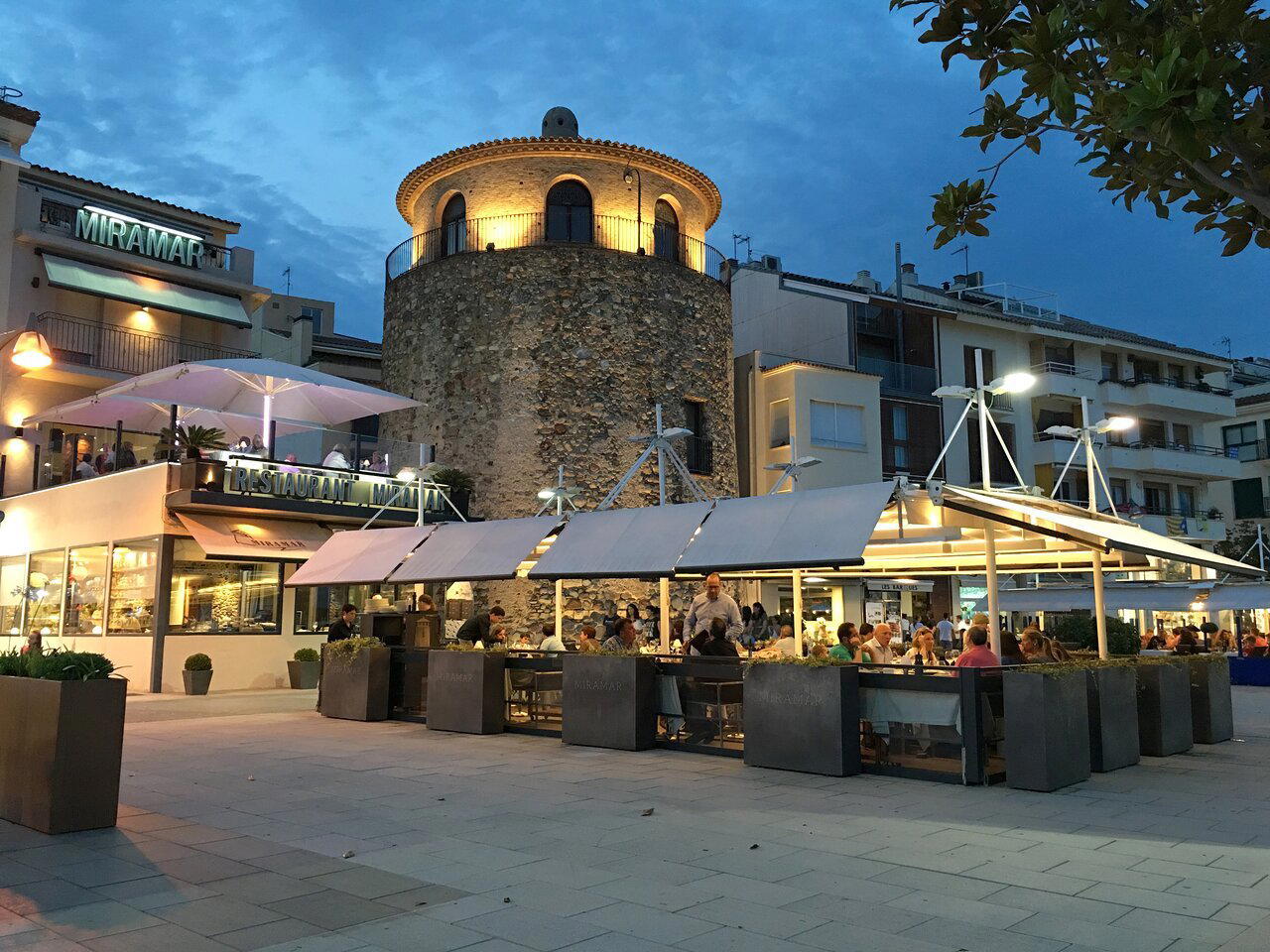
| Miramar | Traditional Catalan Seafood | $$$ | Michelin Plate | Cambrils Port |
| Miramar | Traditional Catalan seafood and rice restaurant with tasting menus | $$$ | Not listed | / Cambrils harbour / Torre del Port area |
| Can Bosch | Traditional Catalan Seafood | $$$$ | Michelin 1 Star | Cambrils |
| Bresca | Contemporary Mediterranean | $$$ | Michelin 1 Star | Cambrils |
| Prik Thai | Authentic Thai | $$ | Not listed | Cambrils |
Recognition history
Dated appearances from independent guides and award organizations, with the underlying list record or original source where available.
Macarfi 7.9 Food Rating
Macarfi
Michelin Plate
Michelin
Michelin Plate
Michelin
Michelin Plate
Michelin
Continue exploring
More in Cambrils
Restaurants in Cambrils
Browse all →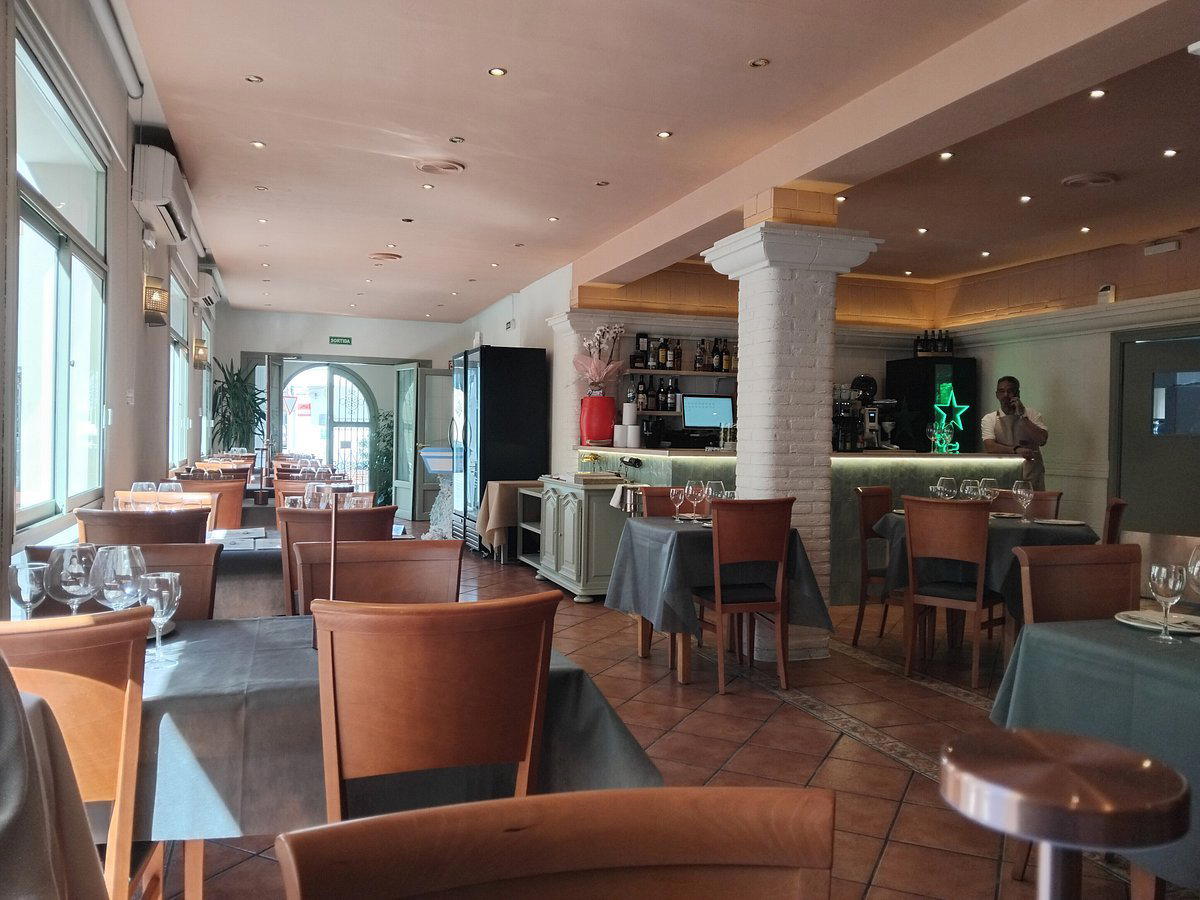
Hotels in Cambrils
Browse all →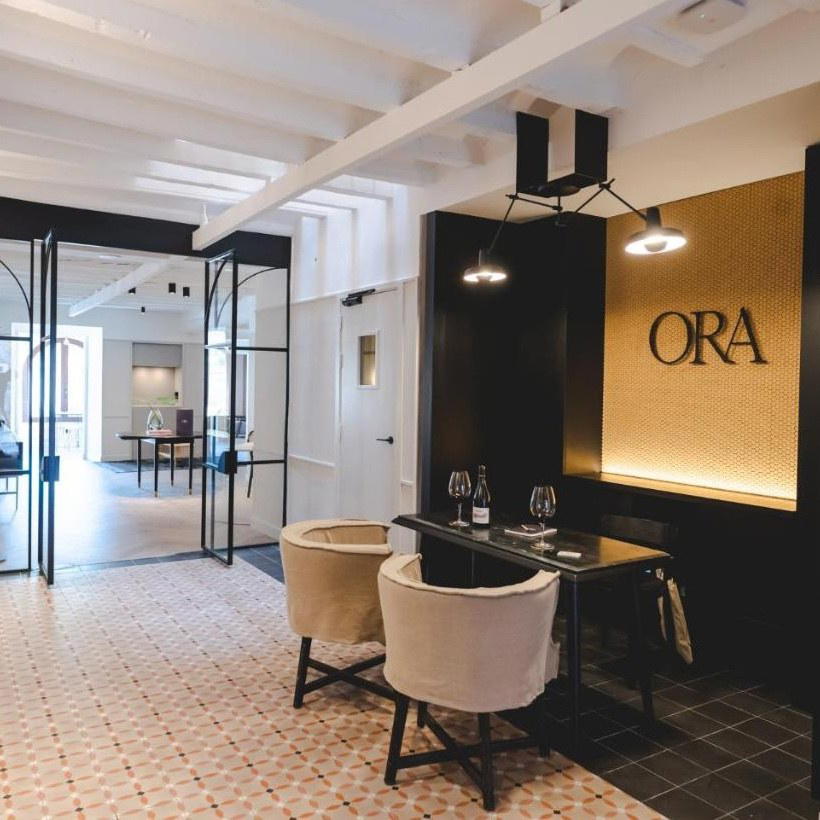
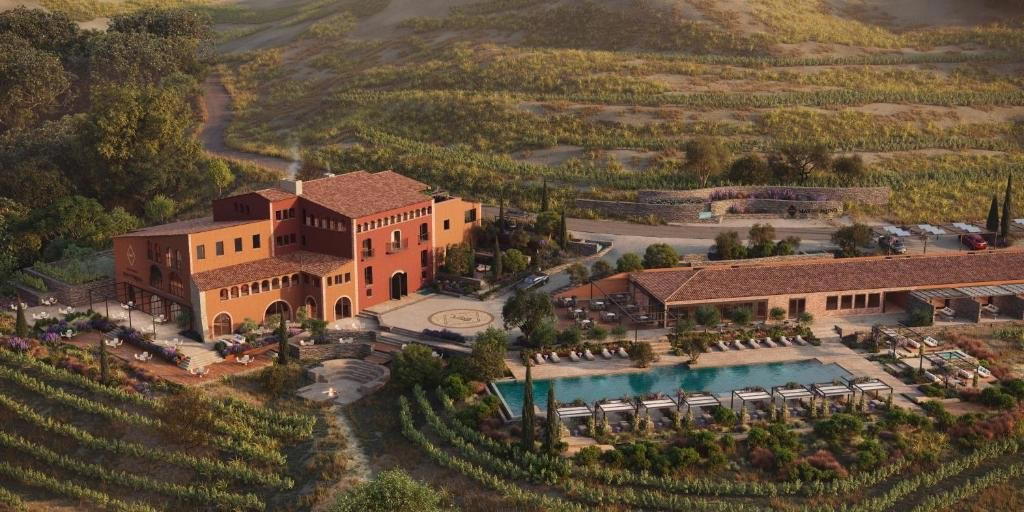
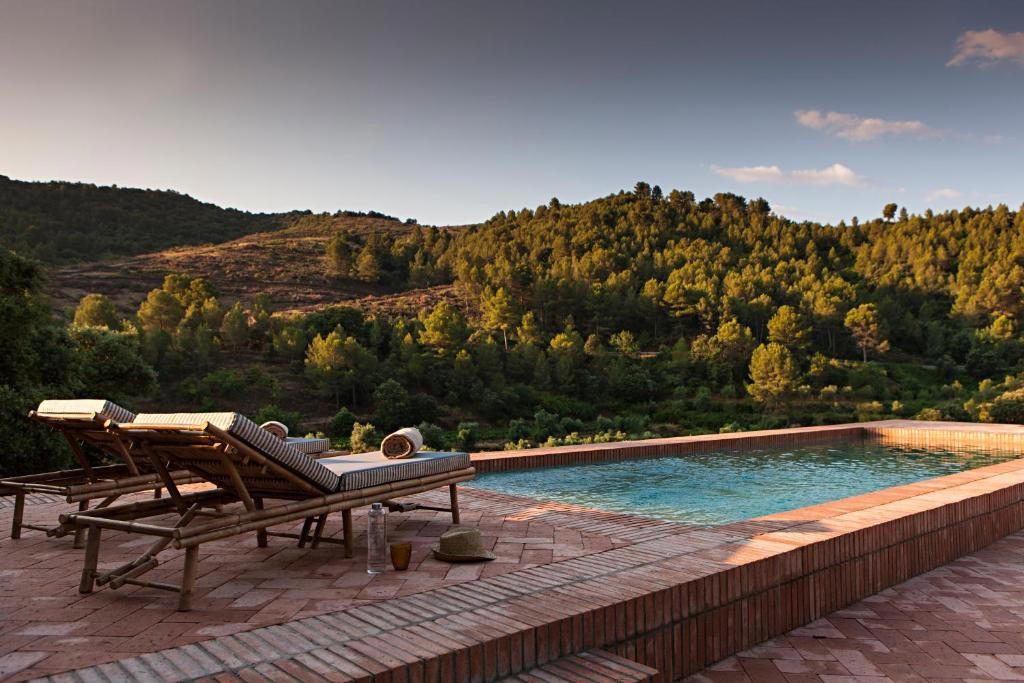
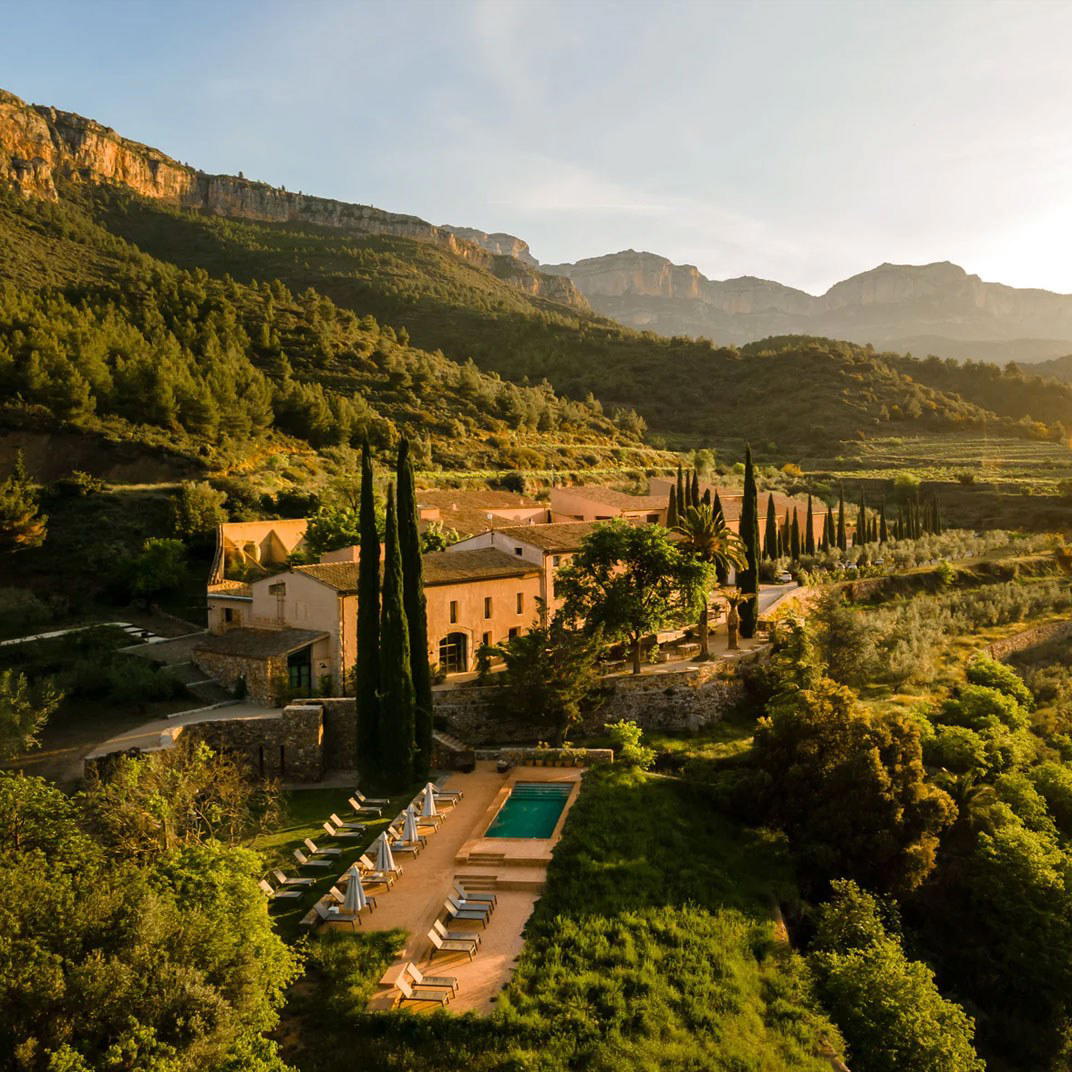
Wineries in Cambrils
Browse all →
At a Glance
- Modern
- Elegant
- Intimate
- Trendy
- Date Night
- Special Occasion
- Open Kitchen
- Local Sourcing
Current opening hours
- Monday
- 1–3 PM, 8–10 PM
- Tuesday
- Closed
- Wednesday
- Closed
- Thursday
- 1–3 PM, 8–10 PM
- Friday
- 1–3 PM, 8–10 PM
- Saturday
- 1–3 PM, 8–10 PM
- Sunday
- 1–3 PM, 8–10 PM
Hours can change for holidays and private events. Last verified .
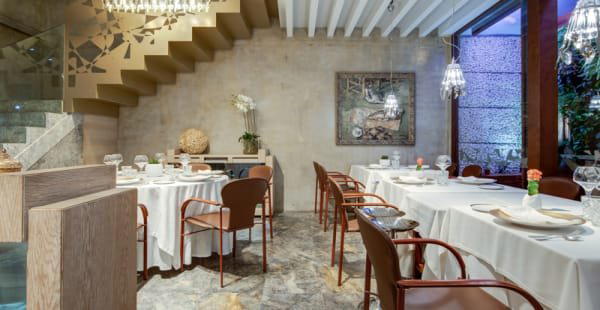
Spacious, bright, and meticulously designed with a discreet aesthetic; friendly, open atmosphere enhanced by the visible open kitchen and attentive service.