Fellini
Whole roasted fish steals the show, veal is solid
 Discover on Pearl
Pearl is the En Primeur Club membership app — saves, bookings, and concierge access live there. Same editors, same standards.
- Address
- Frankenstraße 7-9, 65549 Limburg an der Lahn, Germany
- Phone
- +4964315840420
- Website
- fellini-limburg.de
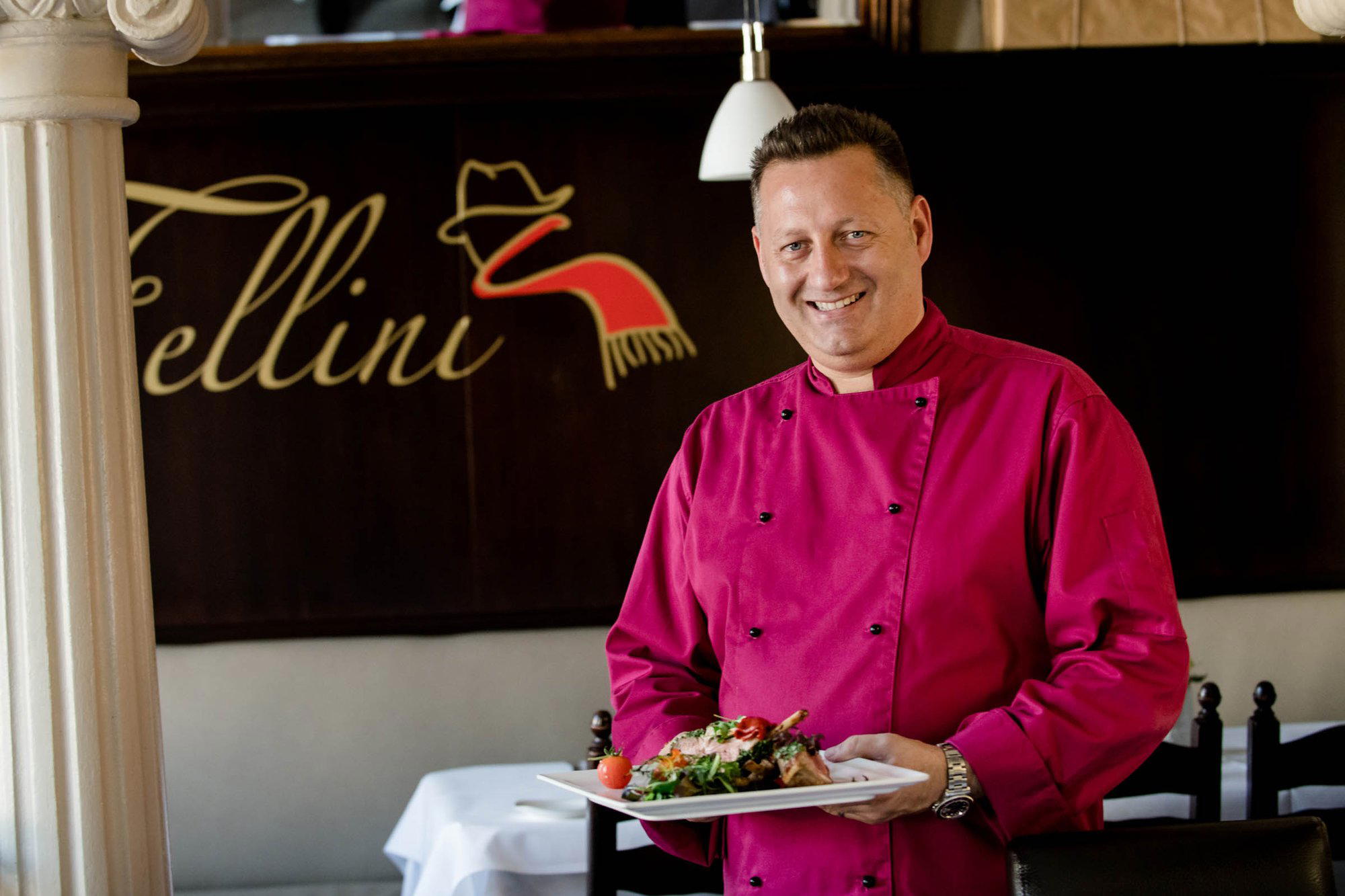
A Name That Travels: Italian Cinema and a Hessian Address
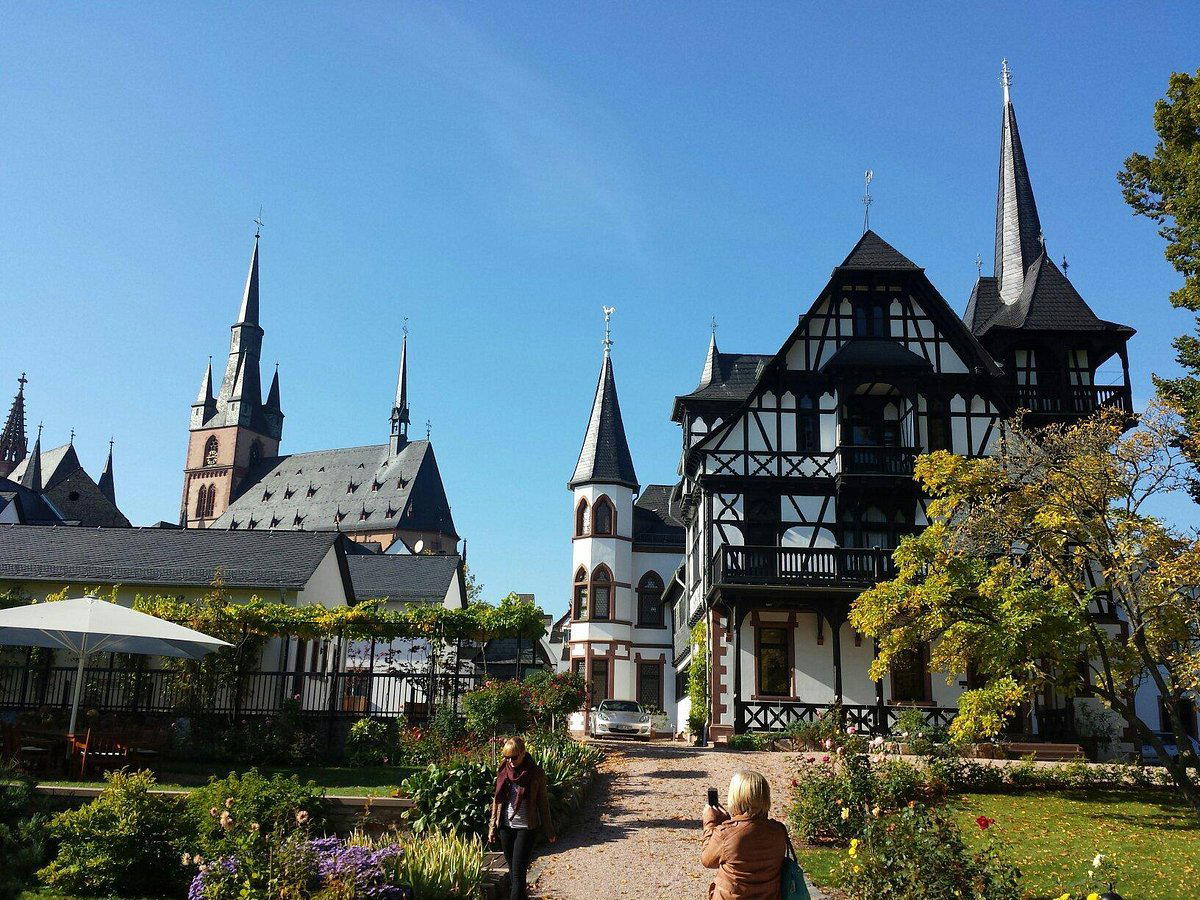
Frankenstraße 7-9 is not a street that announces itself. In a mid-sized cathedral city straddling the Lahn river, where half-timbered facades and Gothic stonework set the visual register, a restaurant named after Federico Fellini's most celebrated film carries an implicit promise: that something here reaches beyond the provincial. It is an Italian Ristorante with Pizza and Grill in Limburg an der Lahn, with a Google rating of 4.5 from 852 reviews and an estimated price of about $40 per person.
Limburg an der Lahn sits roughly an hour from Frankfurt by road, close enough to the Rhine-Main region to draw a well-travelled clientele, far enough removed that it operates on its own rhythm. The city's dining scene has grown in range and seriousness over the past decade, with a cohort of independently operated restaurants occupying different price and format positions. 360° (Modern Cuisine) anchors the upper end at the €€€€ tier, while Margaux (Farm to table) occupies a mid-premium position at €€€ with a sourcing-conscious format. Twins Restaurant rounds out the local conversation. Fellini enters this company as a distinct offering, with its name signalling Italian reference in a city where that tradition is less densely represented than in major German urban centres.
Sourcing as Argument: What Italian-Influenced Cooking Means in Central Hesse
In much of Germany's premium Italian dining, the sourcing question carries particular weight. The argument for an Italian-inflected kitchen operating outside Italy has always rested on two legs: the quality of imported raw materials, and the kitchen's fluency in the traditions those materials represent. Northern Italian cooking especially is ingredient-led in a way that places enormous pressure on supply chains. San Marzano tomatoes, aged Parmigiano-Reggiano, hand-cut prosciutto from Parma or San Daniele, dried pasta from Gragnano, these are the anchors around which a credible Italian kitchen organises itself. When those anchors are authentic and handled with knowledge, the result justifies the distance from the source. When they are substituted or handled casually, the gap shows immediately.
Germany's central position within European supply chains means that a serious operator in Limburg can access the same Italian produce networks as a Munich or Hamburg counterpart. The quality ceiling is therefore determined less by geography than by sourcing discipline and buying relationships. At the premium end of the national market, restaurants like JAN in Munich demonstrate how rigorous ingredient provenance can anchor a full tasting format. At a different register, the farm-to-table commitment visible at peers like Margaux locally shows that sourcing transparency is no longer confined to flagship urban addresses.
The Fellini Name in Context: Italian Reference in German Fine Dining
Naming a restaurant after a filmmaker rather than a region, a technique, or a founding chef is a choice with implications. Fellini's cinema is associated with spectacle, sensory excess, and a specifically Roman kind of theatricality. Applying that name to a Hessian address in a secondary city suggests a dining room that positions itself through atmosphere and cultural reference as much as through kitchen output. That kind of positioning is more common in Italy's major tourist corridors and in cosmopolitan capitals than in cities the scale of Limburg, which gives Fellini a reasonably distinct identity within its local comparable set.
Across Germany's broader fine dining circuit, Italian or Italian-adjacent cooking appears at several award-holding addresses. Vendôme in Bergisch Gladbach and Schanz in Piesport represent the upper end of that national conversation, while the Rhine-Mosel corridor, home to addresses like Waldhotel Sonnora in Dreis and Bagatelle in Trier, shows how the western reaches of Germany have developed a consistent appetite for European kitchen traditions with strong sourcing foundations. Fellini's position in Limburg places it at some remove from that critical cluster, which shapes both its competitive set and its opportunity.
The Broader Picture: Smaller Cities, Serious Tables
One of the more consistent developments in German dining over the past fifteen years is the emergence of serious independent restaurants in cities that would historically have been passed over by critics focused on Berlin, Hamburg, Munich, and Düsseldorf. This pattern is visible across multiple regions: Schwarzwaldstube in Baiersbronn, Aqua in Wolfsburg, and ES:SENZ in Grassau all demonstrate that sustained kitchen ambition can take root far from major metropolitan centres. Victor's Fine Dining by Christian Bau in Perl and Restaurant Haerlin in Hamburg extend that map further. The pattern suggests that the infrastructure for destination dining, engaged local clientele, access to quality supply chains, and the willingness to operate at a higher price point, is no longer confined to Germany's largest cities.
Limburg participates in this trend, even if its restaurant density and critical mass differ from those of a city four or five times its size. Restaurants at the sharper end of the local market operate with awareness of what is happening nationally and, in some cases, internationally. For context on what ambition looks like at the top of the European and American formats, addresses like Le Bernardin in New York City and Lazy Bear in San Francisco, or conceptually distinctive formats like CODA Dessert Dining in Berlin, illustrate the range of directions a serious kitchen can take. L.A. Jordan in Deidesheim adds another regional reference point for wine-anchored dining in the German west.
Planning a Visit
Fellini is located at Frankenstraße 7-9 in central Limburg an der Lahn, accessible from Frankfurt by road or rail in approximately one hour. Limburg's ICE station, served by high-speed rail connections on the Cologne-Frankfurt line, makes the city easier to reach by train than its size might suggest. Hours are Monday, Wednesday to Friday, and Sunday from 11:30 AM to 2:30 PM and 5:30 PM to 11 PM, Saturday from 5:30 PM to 11 PM, and Tuesday closed. Reservations are recommended.
In Context: Similar Options
Comparable venues nearby, for context on price, style, and recognition.
| Venue | Cuisine | Price | Awards | Notes |
|---|---|---|---|---|
| FelliniThis venue — the venue you are viewing | Italian Ristorante with Pizza and Grill | $$$ | , | |
| Twins Restaurant | Modern German | $$$ | , | Old Town |
| Margaux | Modern French Fine Dining | $$$ | Michelin Plate | old town |
| 360° | Modern International Fine Dining | $$$$ | Michelin 1 Star | Bahnhofsplatz |
| Ristorante Da Luigi | Authentic Italian Mediterranean | $$$ | , | old town |
| Tempaccio Ristorante | Modern Northern Italian | $$$ | , | Palmengarten |
Continue exploring
More in Limburg an der Lahn
Restaurants in Limburg an der Lahn
Browse all →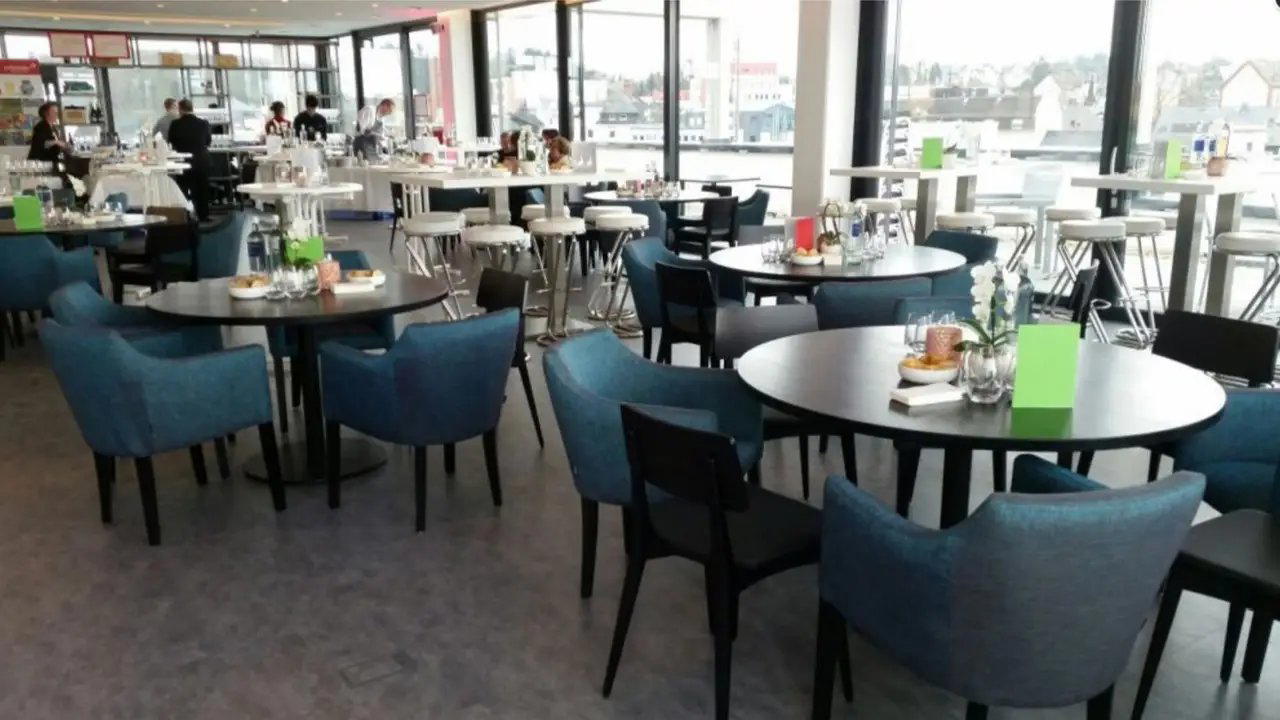
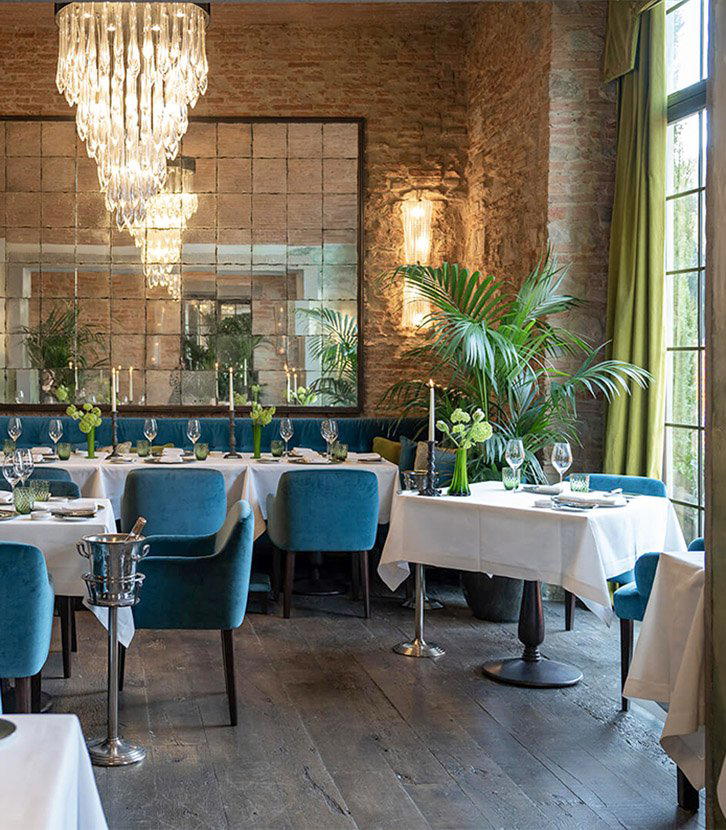
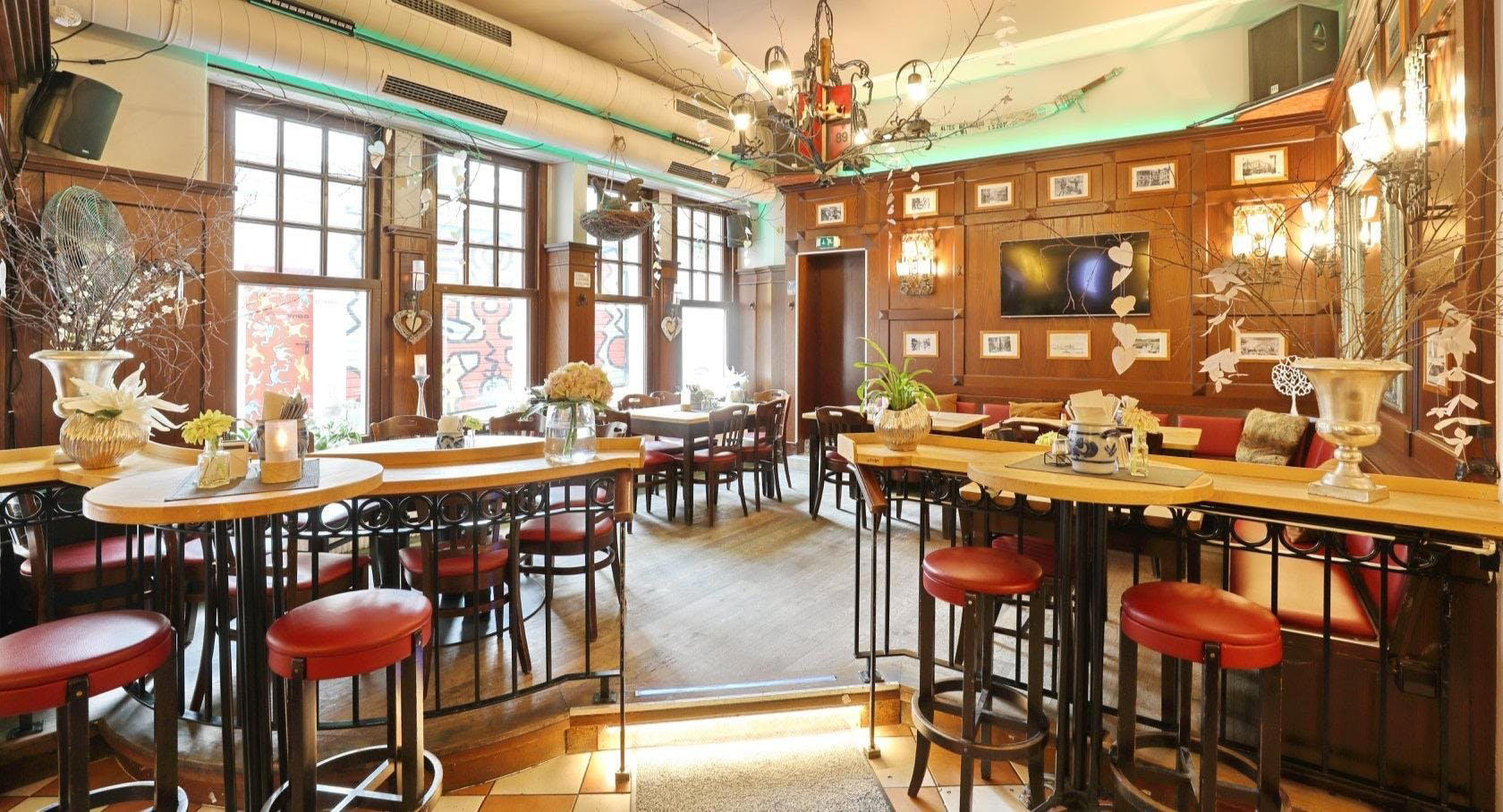
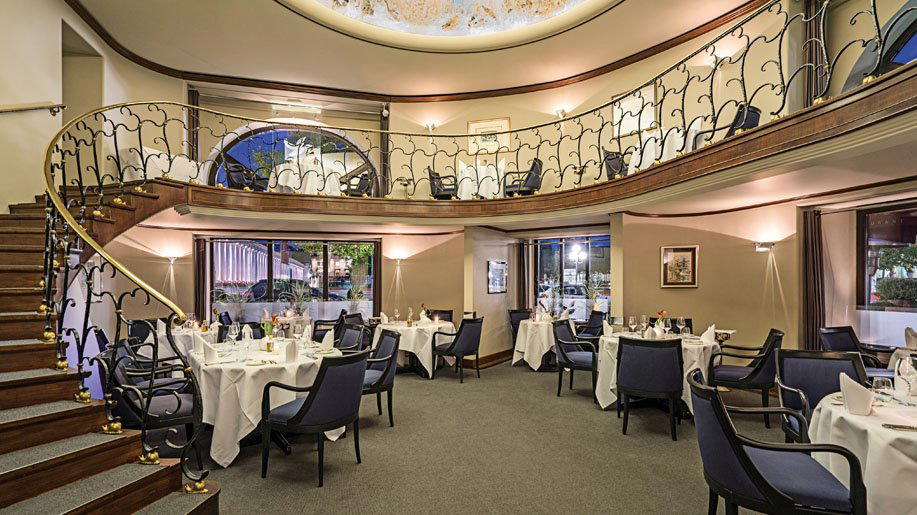
Bars in Limburg an der Lahn
Browse all →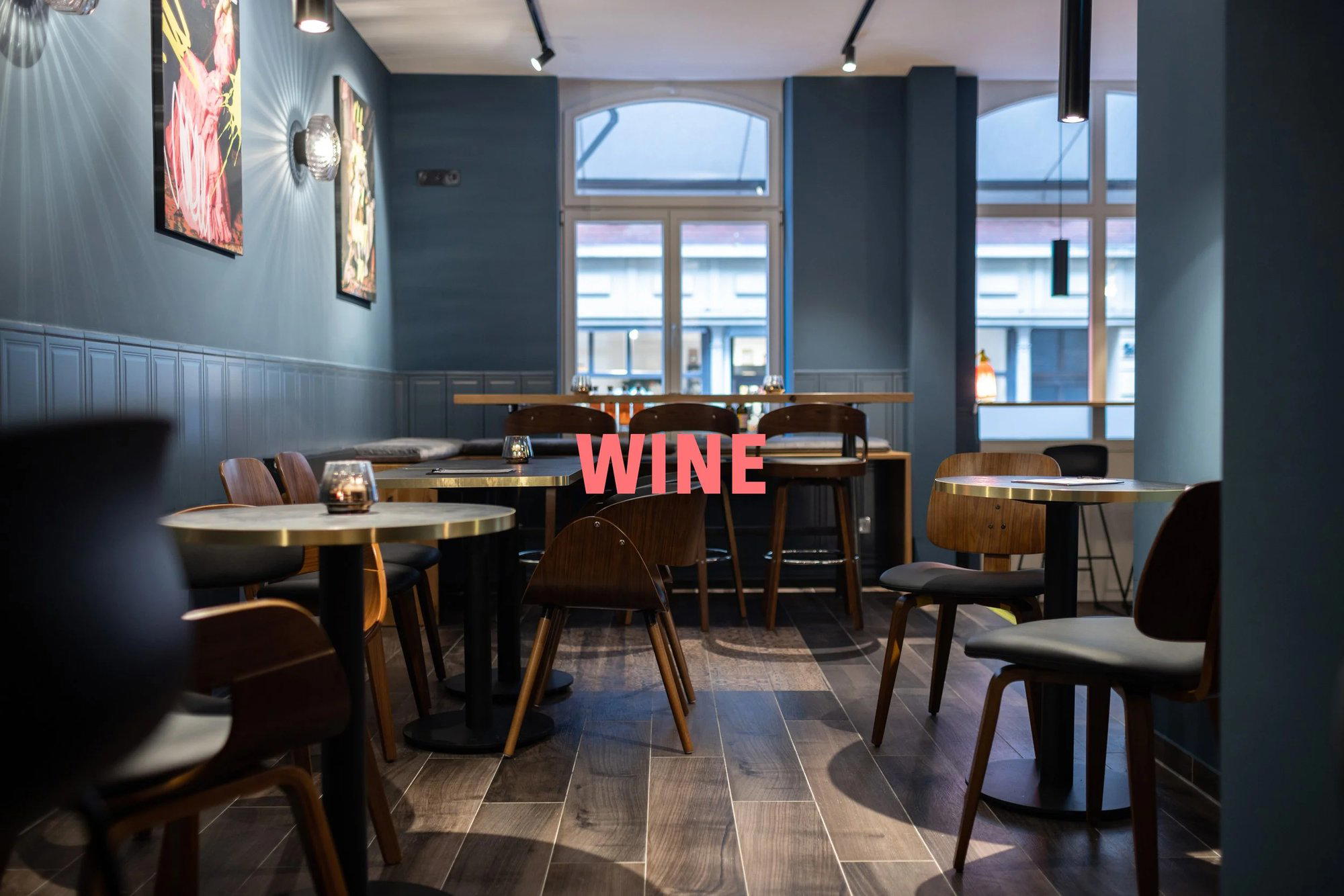
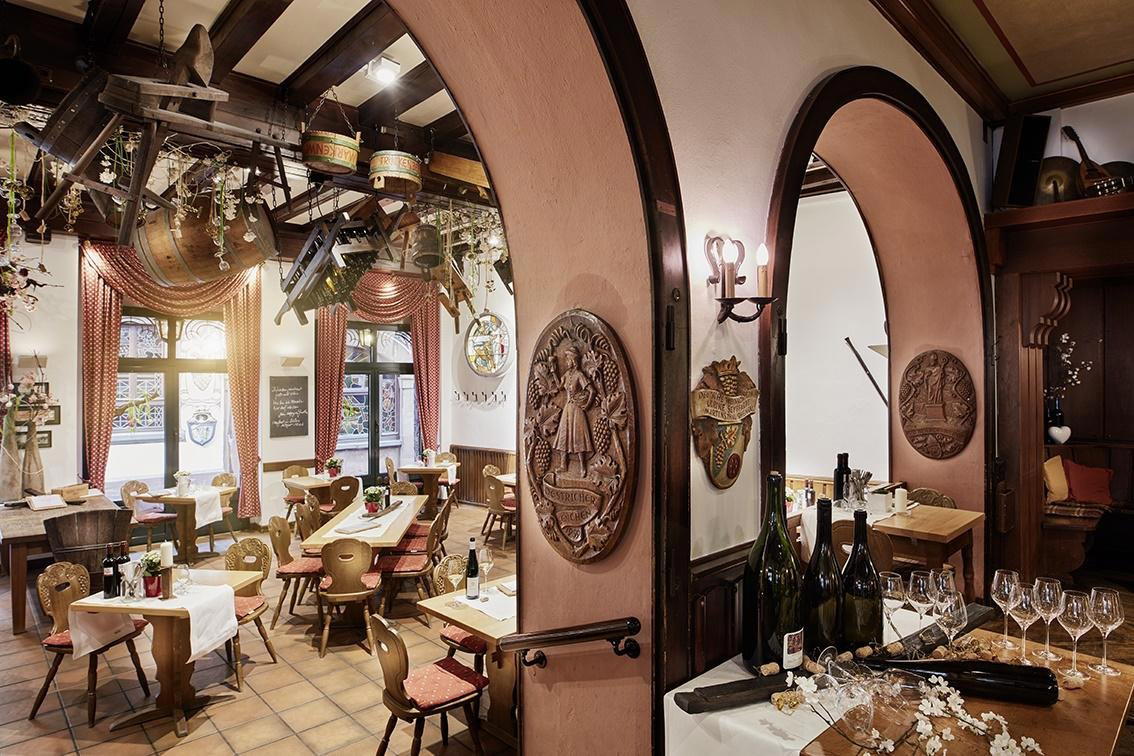
Hotels in Limburg an der Lahn
Browse all →
At a Glance
- Elegant
- Cozy
- Scenic
- Date Night
- Celebration
- Terrace
- Garden
- Extensive Wine List
- Garden
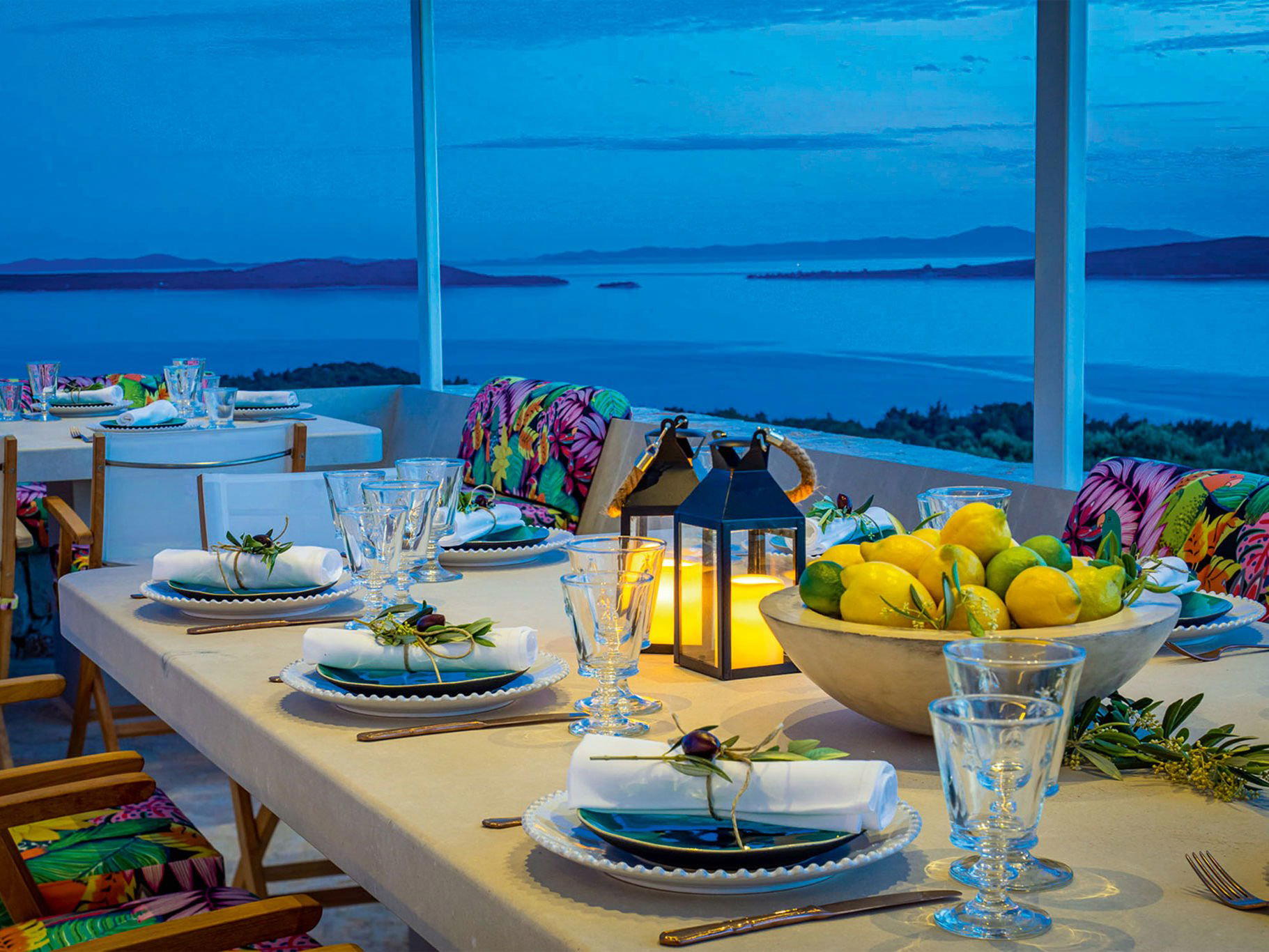
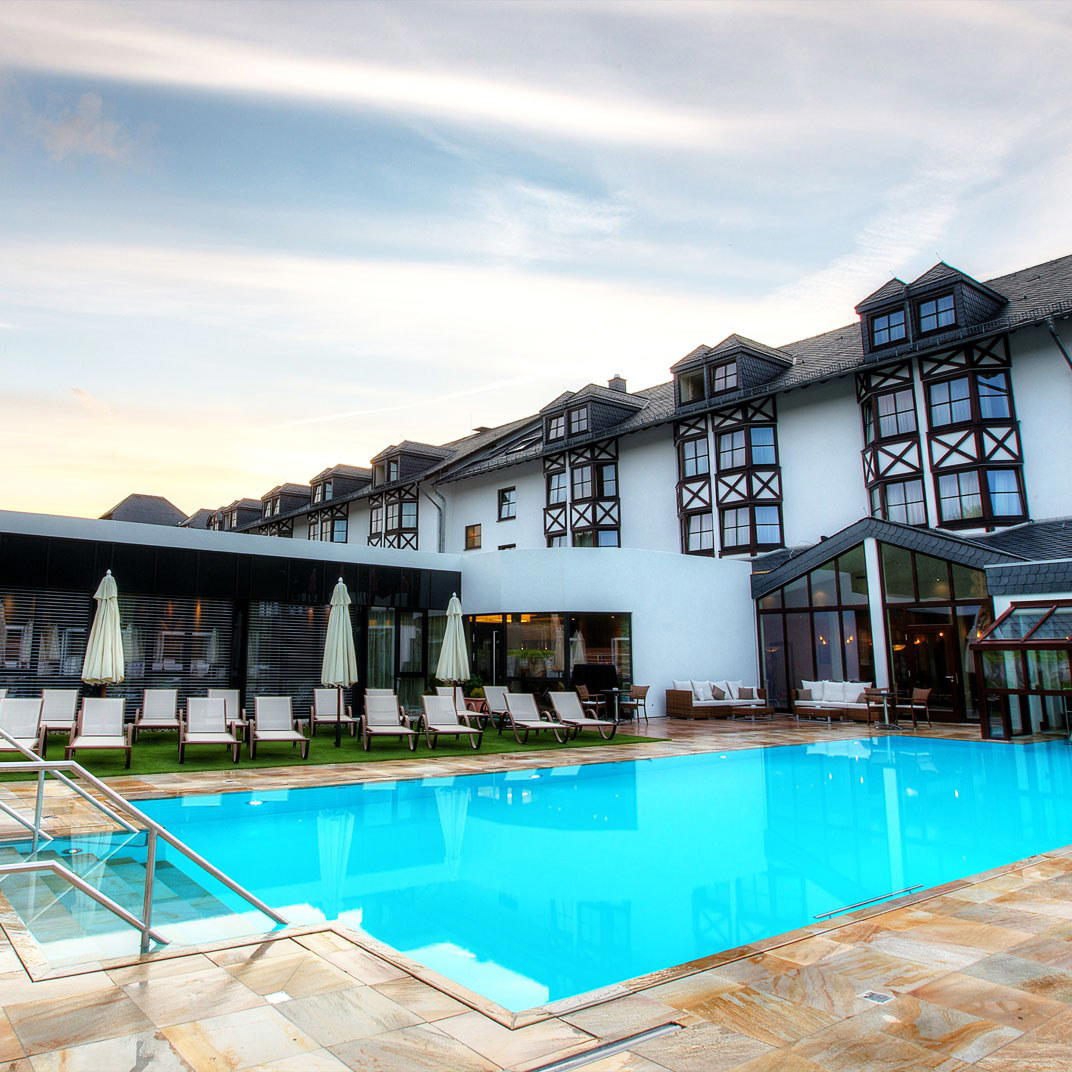
Mediterranean garden atmosphere with cozy indoor seating, evoking dolce vita.