Margaux

Michelin Plate
Our verdict
Margaux holds consecutive Michelin Plate recognition for 2024 and 2025, positioning it among the more serious farm-to-table addresses in the Lahn-Dill region. Located at Kornmarkt 7 in Limburg an der Lahn's historic centre, it draws. The €€€ price tier places it above the everyday but below the tasting-menu stratosphere.

Pearl is the En Primeur Club membership app, where members save venues, book tables and use the concierge.
The menu
What to order
- Beef carpaccio with onion truffle and oxtail praline
A Market Square Address in a City That Rewards Attention
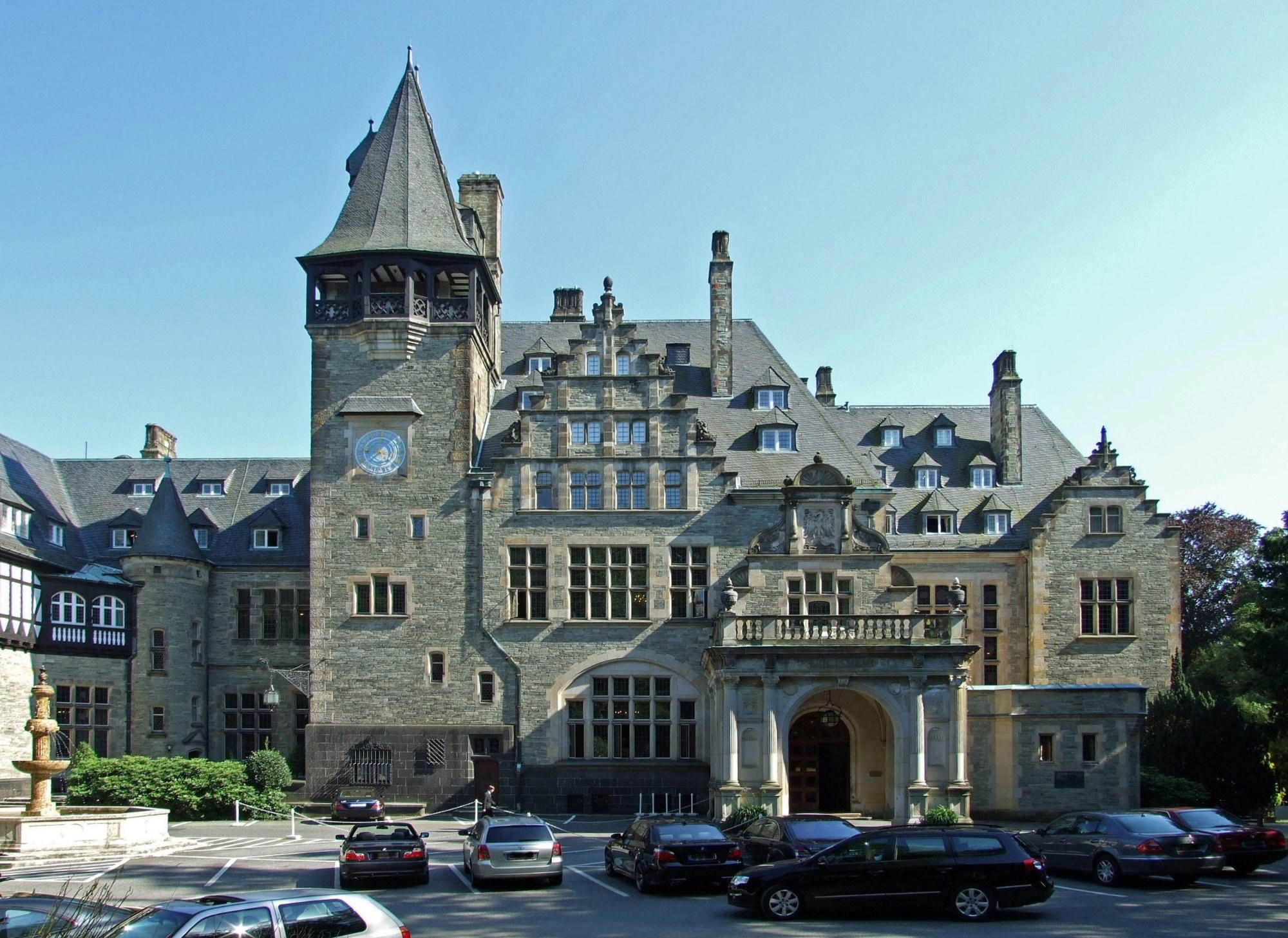
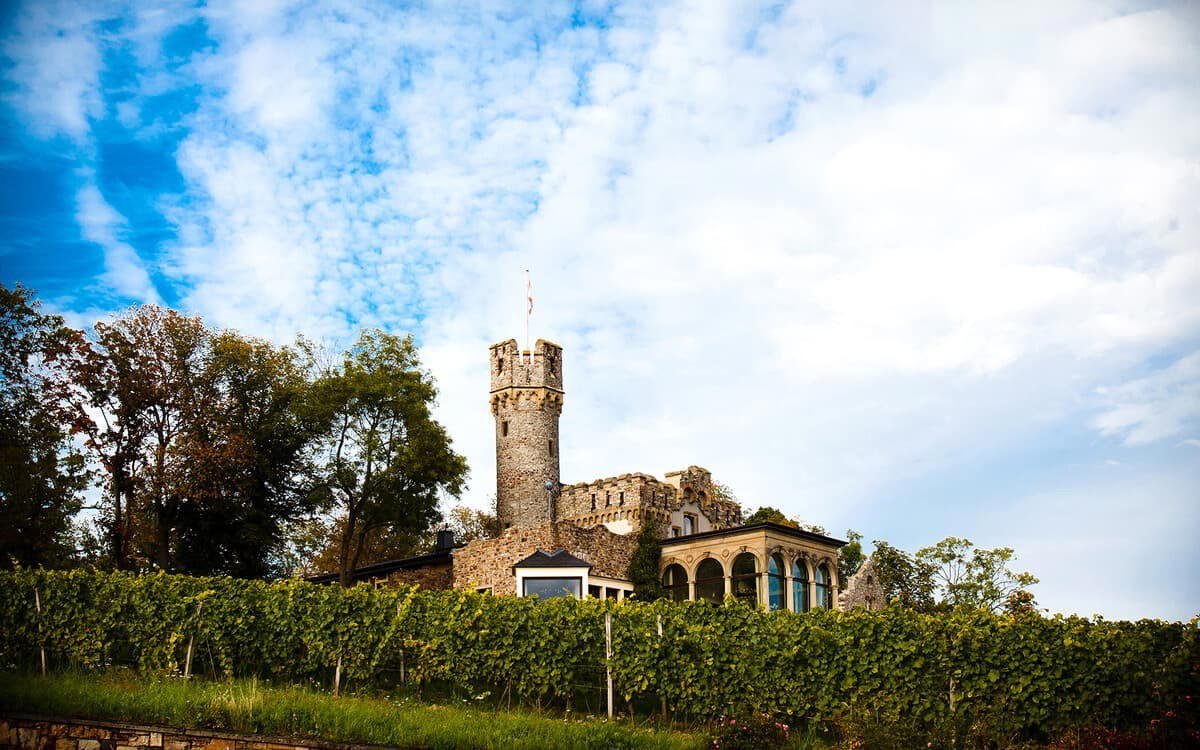
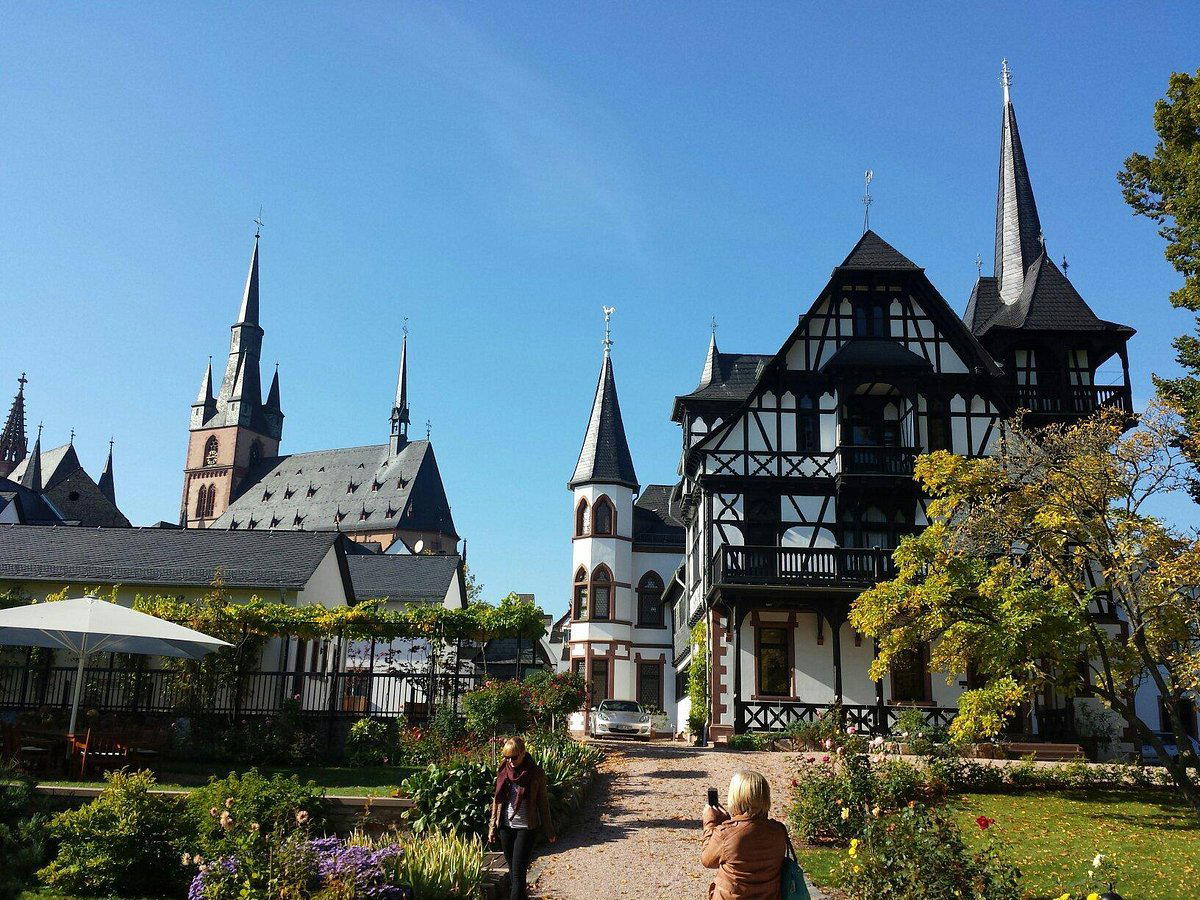
Limburg an der Lahn's Kornmarkt sits beneath the shadow of one of the best-preserved Romanesque cathedrals in the German-speaking world. The square's half-timbered facades, some dating to the thirteenth century, create the kind of built environment that shapes a dining room's character before a single dish arrives. In a city where the architecture does considerable editorial work, Margaux occupies a position that asks to be taken seriously, a farm-to-table address at Kornmarkt 7, holding consecutive Michelin Plate recognition for 2024 and 2025, in a market that does not hand those designations out generously.
Limburg itself is frequently treated as a transit point between Frankfurt and Cologne, a city motorists know from the motorway junction rather than the dinner table. That reading undersells what has quietly developed here. For visitors willing to pause, our full Limburg an der Lahn restaurants guide maps a dining scene that punches above its size, with Margaux representing the farm-to-table current within it.
Farm-to-Table in the German Context
The farm-to-table movement in Germany has taken a different trajectory than its Californian or Scandinavian counterparts. Where Copenhagen's new-Nordic wave built an international identity around foraged coastal ingredients, and where American farm-to-table often leans into the mythology of the named farm, the German iteration tends to be quieter and more regionally specific. It operates inside a tradition of seasonal cooking Saison, that has always been embedded in German domestic and professional kitchens. The contribution of contemporary farm-to-table restaurants in this setting is less about radical departure and more about discipline: stricter sourcing, shorter supply chains, and a willingness to let the ingredient set the menu rather than the other way around.
Margaux's positioning within that current places it in a meaningful peer group. Farm-to-table addresses at the €€€ tier in German mid-sized cities operate with a particular set of constraints, sourcing from regional producers, managing menus that shift with what is actually available, and pricing in a way that reflects genuine cost without reaching the tasting-menu levels of destinations like Aqua in Wolfsburg or Vendôme in Bergisch Gladbach. Those are €€€€ operations with different ambitions and different audiences. Margaux operates closer to the everyday lives of the people who live in Limburg, which is, arguably, exactly where this kind of cooking belongs.
For broader reference points within the farm-to-table category at similar price discipline, BOK Restaurant Brust oder Keule in Münster and Clostermanns Le Gourmet in Niederkassel offer useful comparisons, both working through the same tension between seasonal rigour and accessible pricing in cities of comparable scale.
What the Michelin Plate Signals Here
The Michelin Plate, introduced in 2016, recognises restaurants where the inspectors found food prepared to a good standard, without the committee reaching a star recommendation. The distinction matters because it separates the shortlisted-but-not-starred from the unrecognised. Two consecutive Plate recognitions, 2024 and 2025, at Margaux indicate sustained quality rather than a single strong year, and they position the restaurant clearly within the Michelin-tracked tier of German dining, even if it sits below the starred operations in the region.
The Hesse restaurant scene that Michelin tracks includes addresses of considerably greater ambition: Schanz in Piesport and Waldhotel Sonnora in Dreis represent the heavier end of the guide's Western German attention. Margaux's place in that broader framework is as a recognised regional address rather than a destination restaurant requiring specific travel.
Within Limburg itself, 360° (Modern Cuisine) represents the other end of the local fine-dining register, working in a more contemporary-European mode. The two restaurants serve different impulses, one rooted in sourcing and seasonality, the other in technique and composition, and together they define the upper tier of what the city currently offers at table.
The Lahn Valley as a Source Region
The Middle Lahn valley sits within a stretch of Hesse that has historically supplied Frankfurt's markets: river fish, orchard fruit, root vegetables from the alluvial plains, beef and pork from small farms on the wooded hillsides. It is not a region with the brand recognition of the Rheingau or the Moselle, but it has always fed the cities to its east. A farm-to-table operation in Limburg has access to that supply chain at relatively short distance, which is the structural advantage this kind of cooking requires. Restaurants further afield, like JAN in Munich or ES:SENZ in Grassau, work within their own regional supply contexts; the Lahn valley's is less celebrated but no less functional.
This sourcing geography also shapes what a farm-to-table menu in this part of Germany tends to look like across seasons: heavy on root vegetables and preserved items through winter, opening into asparagus and early herbs in spring, leaning on stone fruit and tomatoes in summer, and returning to game and mushroom through autumn. Menus at this price point rarely over-explain their sourcing, they simply change, which is the point.
Planning Your Visit
Margaux is located at Kornmarkt 7, placing it in Limburg's old town, walkable from the cathedral and from the main pedestrian zone. The €€€ price range positions an evening here in the same bracket as a serious meal in Frankfurt, without the Frankfurt parking problem. For visitors combining the restaurant with a wider stay, our full Limburg an der Lahn hotels guide, bars guide, and experiences guide provide the surrounding context. Limburg's winery scene is modest but worth noting for those who want to extend the regional food-and-drink logic of the meal itself.
Contact details are not currently listed publicly; the most reliable route is to check the restaurant's own channels directly. Arriving without a reservation at a recognised address in a small city carries more risk than the same gamble in a major metropolitan centre, where alternatives are always nearby.
Frequently asked questions
Does Margaux have a Michelin star or similar recognition?
Margaux has received recognition including: Michelin Plate (2025); Michelin Plate (2024).
What dish is Margaux famous for?
Margaux does not anchor its identity to a single signature dish. The kitchen holds Michelin Plate recognition in both 2024 and 2025 for farm-to-table cooking, meaning the menu rotates around what regional Lahn Valley producers and the current season supply, a framework where no single dish dominates the reputation.
What's the pricing like at Margaux?
Pricing at Margaux is listed as €€€.
Do I need a reservation for Margaux?
Booking ahead is advisable. Consecutive Michelin Plate recognition at the €€€ price tier gives Margaux a draw well beyond Limburg's local foot traffic, and Kornmarkt 7 is not a large venue by old-town standards. Walk-in availability on peak evenings is unlikely.
What's the defining dish or idea at Margaux?
The defining idea is sourcing discipline: menus built from what the Middle Lahn valley and broader Hesse region actually produce each season, rather than a fixed repertoire. That commitment earned back-to-back Michelin Plate recognition in 2024 and 2025, placing Margaux in a small cohort of regionally focused kitchens in central Germany.
Cost and Credentials
| Venue | Cuisine | Price | Awards | Notes |
|---|---|---|---|---|
| MargauxThis venue (the venue you are viewing) | Modern French Fine Dining | $50–100 | Michelin Plate | Not listed |
| Schwarzwaldstube | Modern French Fine Dining | $150–200 | 3 Michelin Stars · World's 50 Best #47 | French, Classic French |
| Aqua | Not listed | Not listed | Michelin 3 Star | Contemporary German, Italian/Japanese, Creative |
| CODA Dessert Dining | Dessert-Inspired Fine Dining | $200–300 | 2 Michelin Stars · World's 50 Best #79 | Creative |
| Tantris | Modern French, French Contemporary | Not listed | Michelin 2 Star | Not listed |
| Vendôme | Modern German Haute Cuisine | $200–300 | 2 Michelin Stars · World's 50 Best #47 | Modern European, Creative |
Recognition history
Dated appearances from independent guides and award organizations, with the underlying list record or original source where available.
Michelin Plate
Michelin
Full recognition history (3 entries)
Michelin Plate
Michelin
Michelin Plate
Michelin
Continue exploring
More in Limburg an der Lahn
Restaurants in Limburg an der Lahn
All restaurants in Limburg an der Lahn →
Bars in Limburg an der Lahn
Browse all →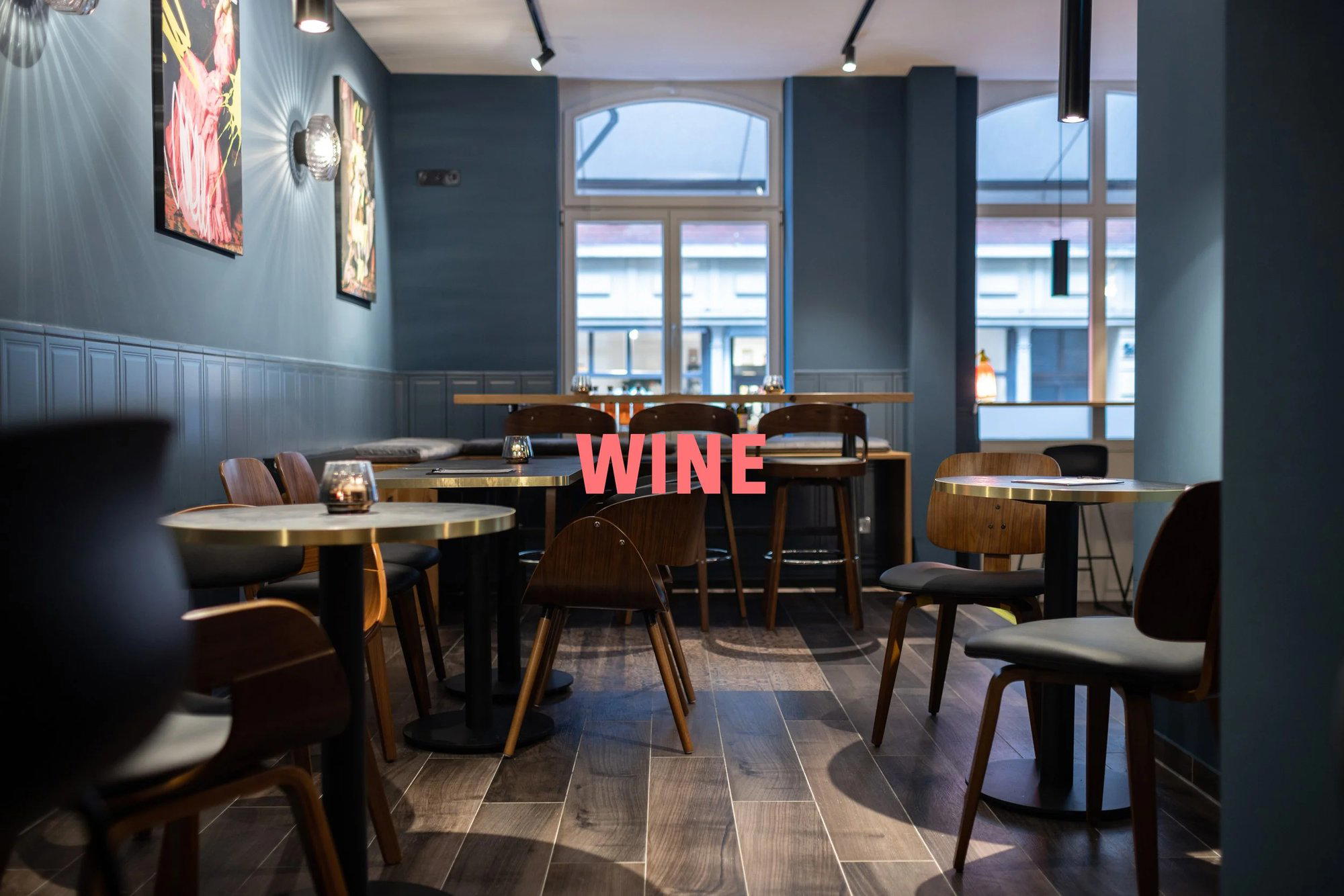

Margaux
The wine
- Selections
- 1,025
- Bottles in cellar
- 5,000
- List strengths
- Bordeaux, Burgundy, France, California, Italy
- Wine director
- Glenn Kim
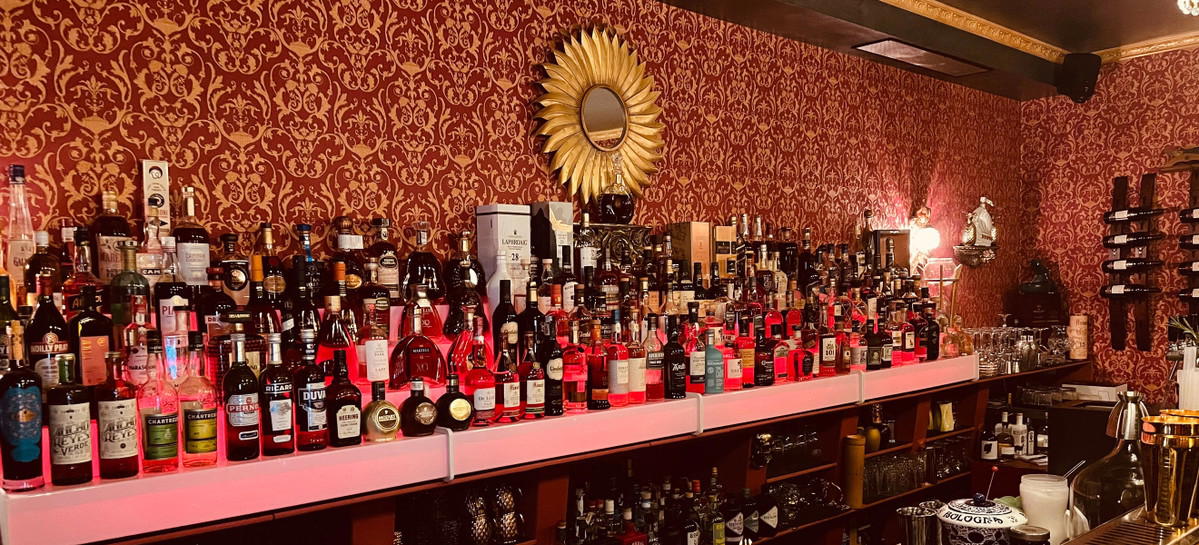
- Extensive wine list
Details
- Elegant
- Sophisticated
- Cozy
- Intimate
- Classic
- Date Night
- Special Occasion
- Business Dinner
- Historic Building
- Extensive Wine List
- Farm To Table
- Street Scene
- A La Carte
- Tasting Menu
- Vegetarian Friendly
Current opening hours
- Monday
- Closed
- Tuesday
- 12–3 PM, 6–11:30 PM
- Wednesday
- 12–3 PM, 6–11:30 PM
- Thursday
- 12–3 PM, 6–11:30 PM
- Friday
- 12–3 PM, 6–11:30 PM
- Saturday
- 12–3 PM, 6–11:30 PM
- Sunday
- Closed
Hours can change for holidays and private events. Hours as of .
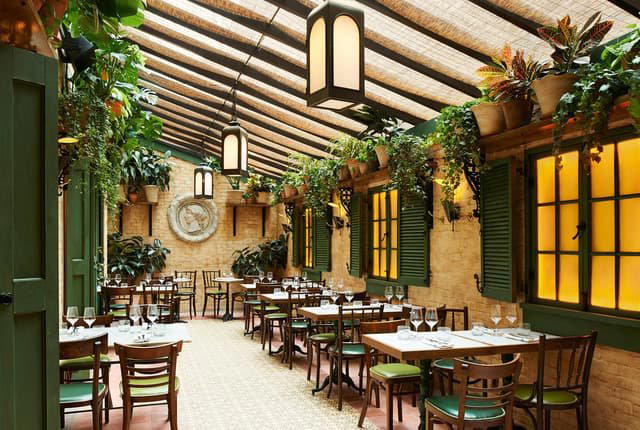
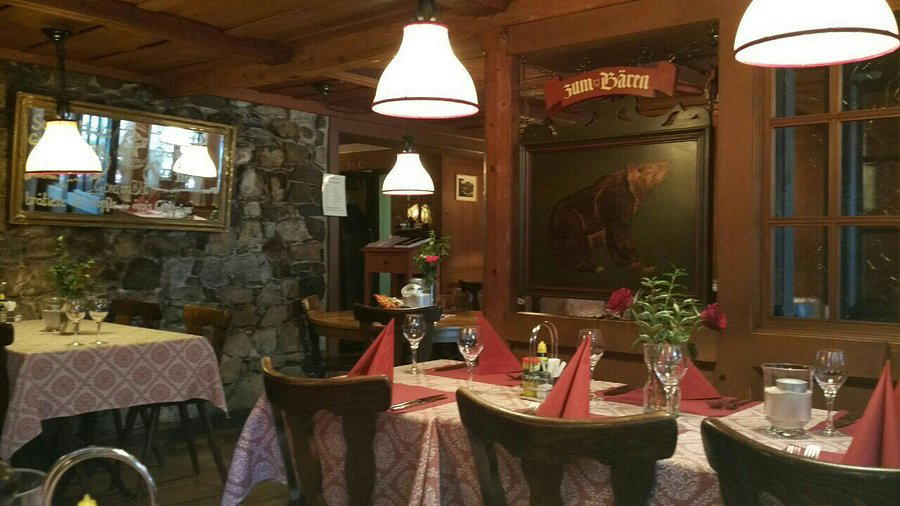
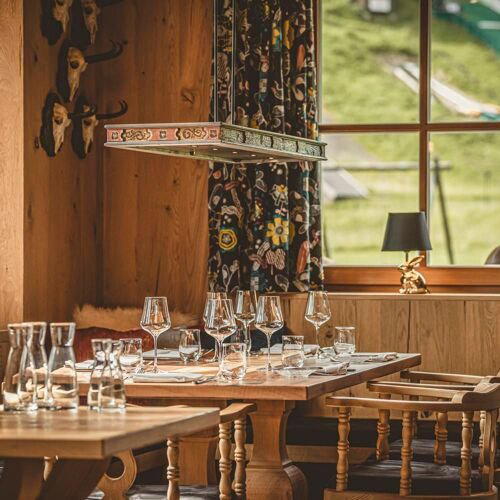
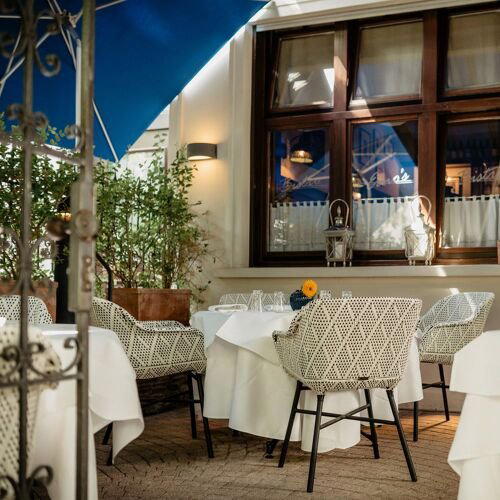
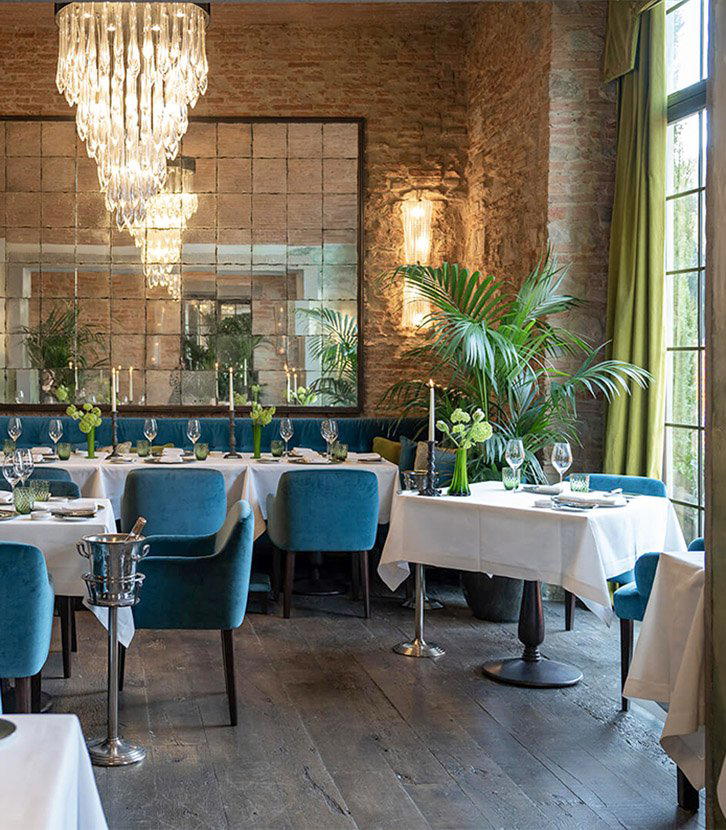
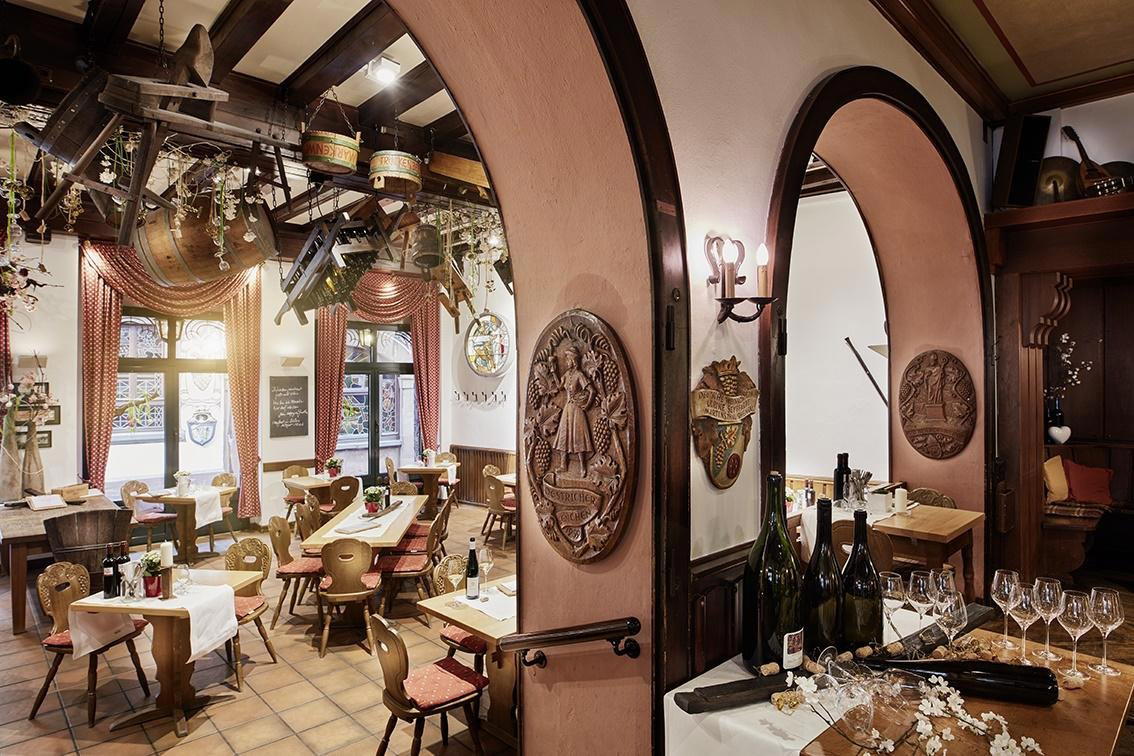
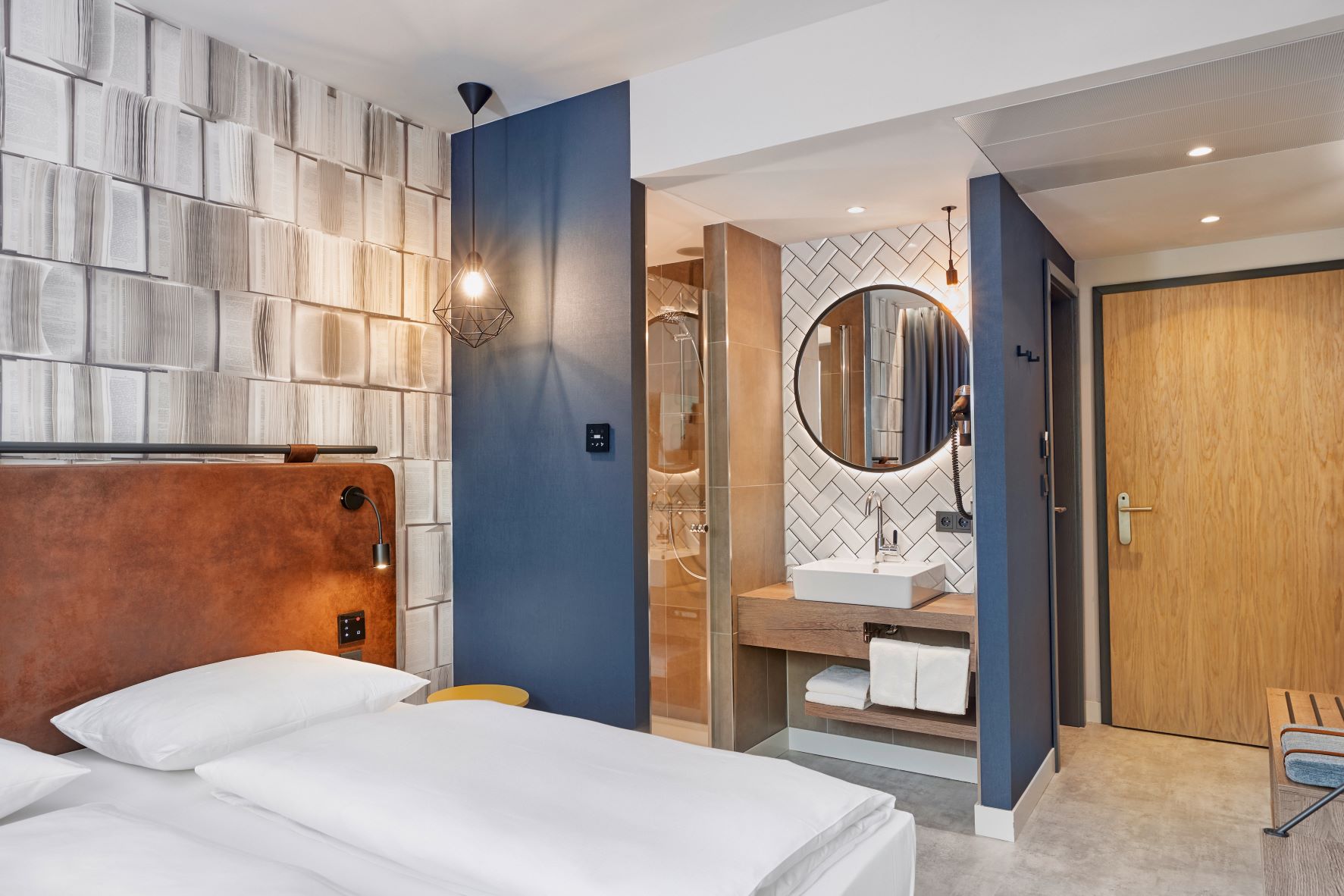
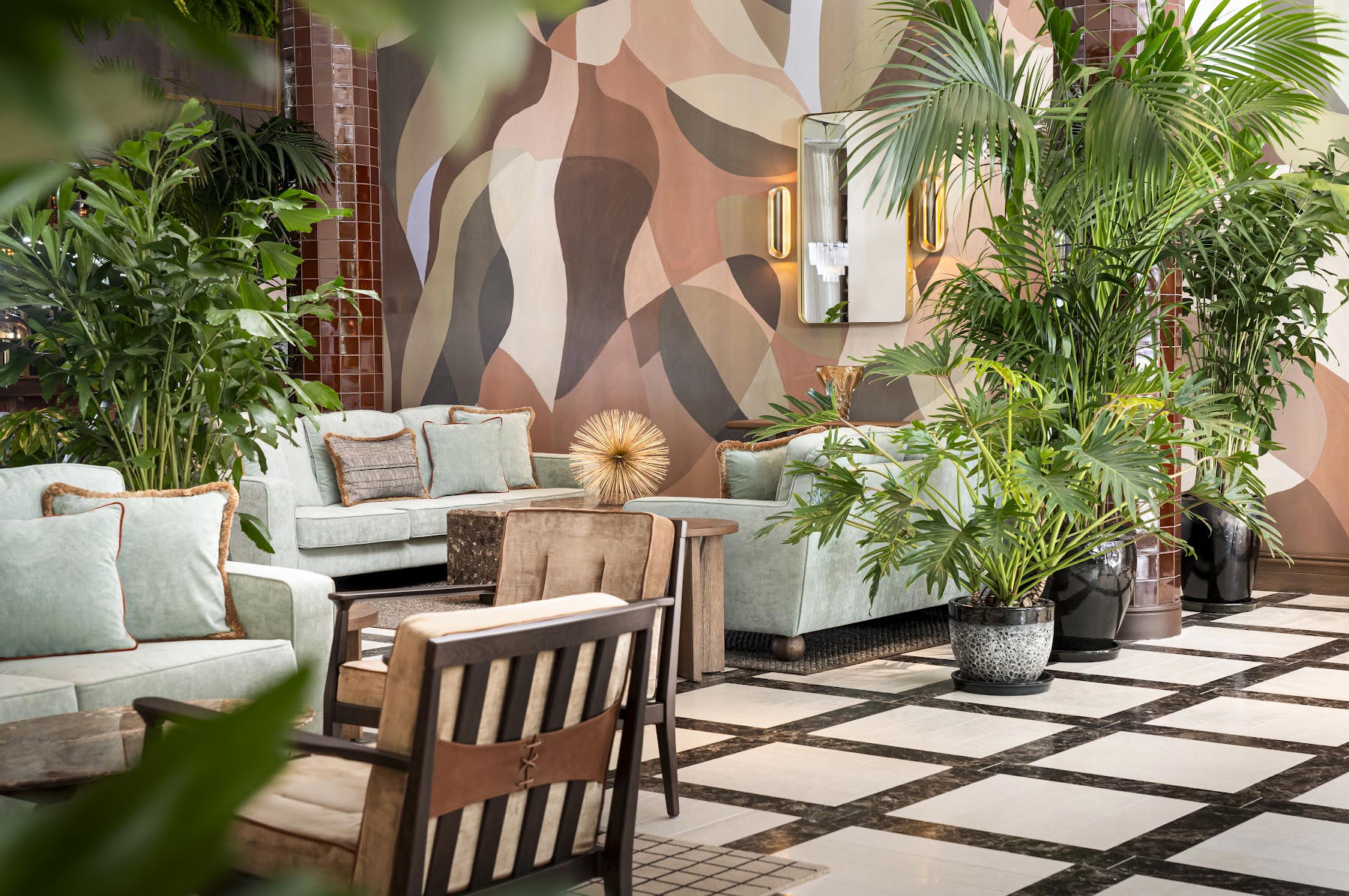
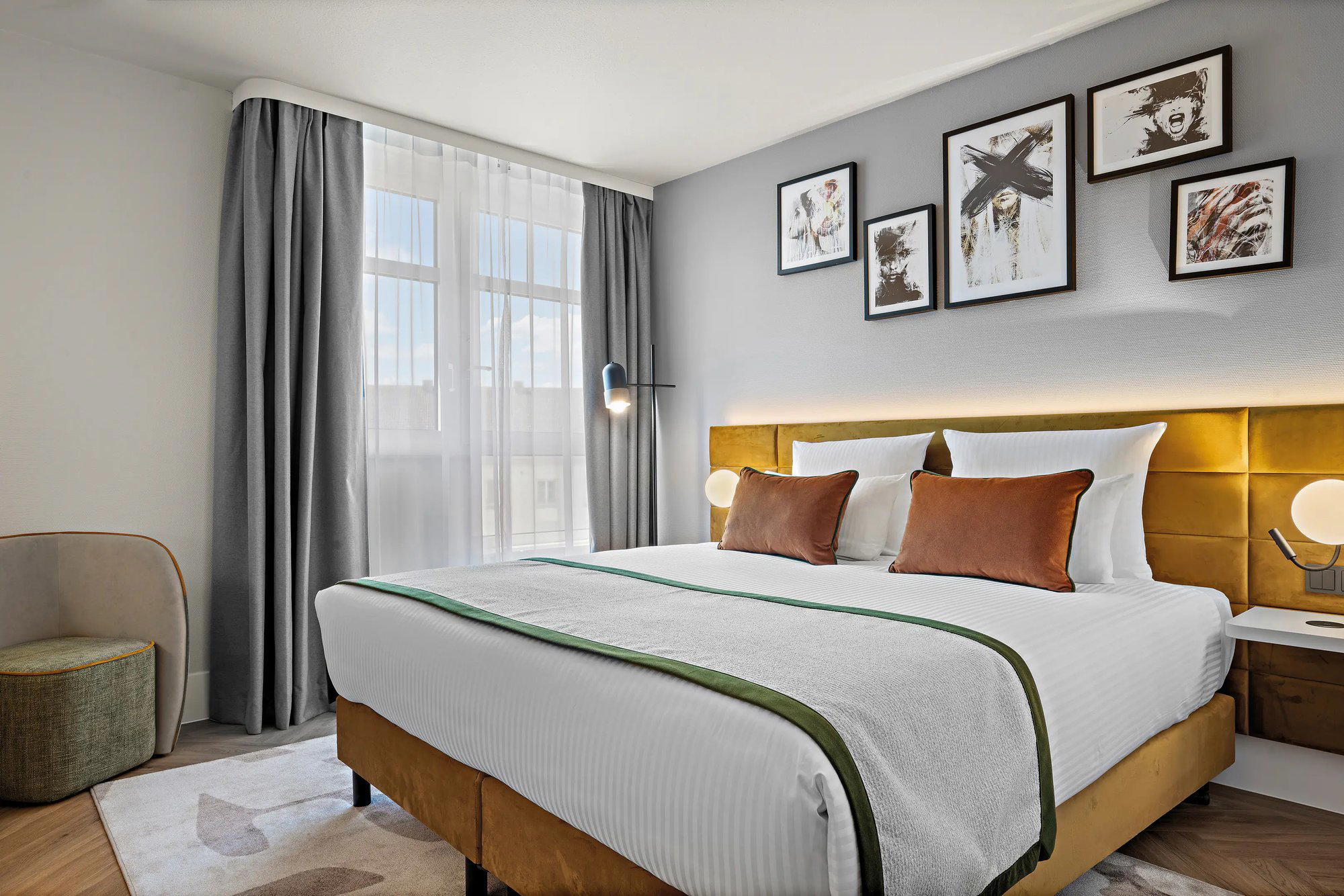
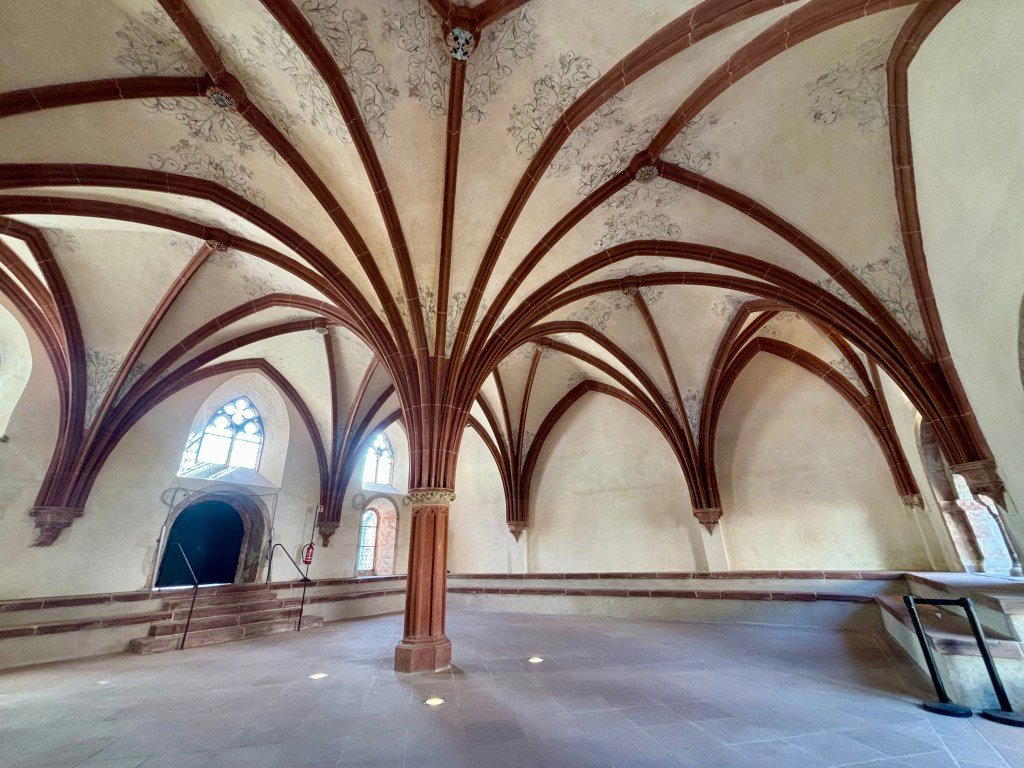
Tastefully modern interior with stylish elegance, subtle lighting, and cozy historic charm.