
A Paris-style brasserie on Øvre Slottsgate in central Oslo, Brasserie France holds a distinct position in the city's dining scene: an exclusively French wine list, a classical format that resists the New Nordic drift, and a rare commitment to lunch service. For those who find Oslo's tasting-menu culture exhausting, it offers a different register entirely.
Pearl is the En Primeur Club membership app — saves, bookings, and concierge access live there. Same editors, same standards.
- Address
- Øvre Slottsgate 16, 0157 Oslo, Norway
- Phone
- +47 23 10 01 65
- Website
- brasseriefrance.no
- Directions
- Get directions
 Saves & bookings on Pearl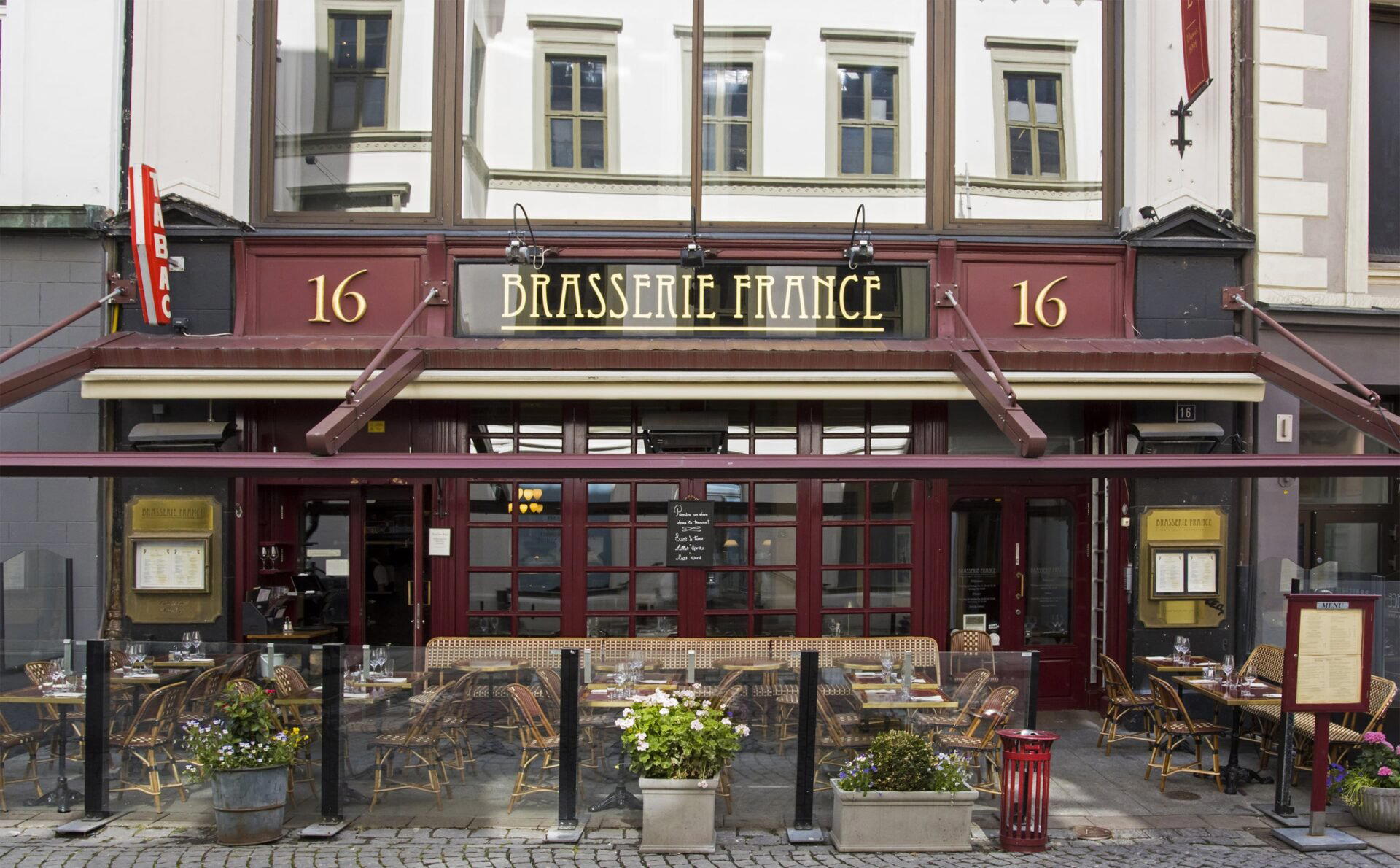
A French Room in a Nordic City
Oslo's restaurant conversation is dominated by New Nordic tasting menus and the kind of ambitious, forager-driven kitchens that place the city alongside Copenhagen and Stockholm. Venues like Maaemo and Kontrast set the critical tone, and much of the city's dining energy flows in that direction. Against that backdrop, a classical Paris-style brasserie in the city centre occupies a genuinely different position. Brasserie France, on Øvre Slottsgate 16 in the downtown core, takes a different approach. It sits, quietly and deliberately, in the tradition of the French brasserie as a civic institution rather than a culinary statement.
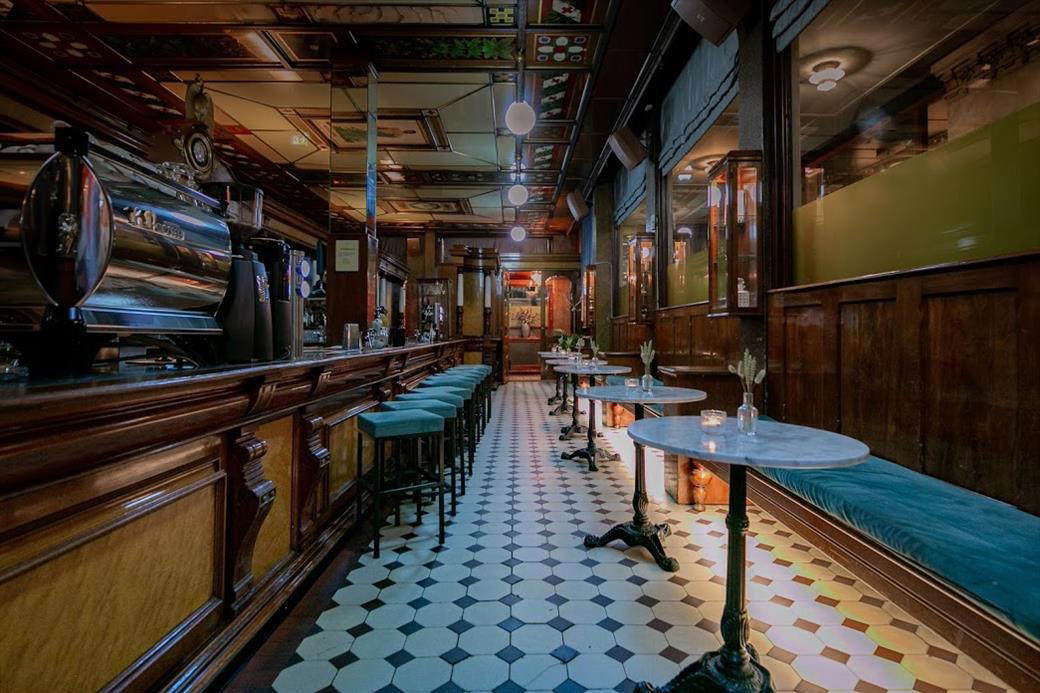
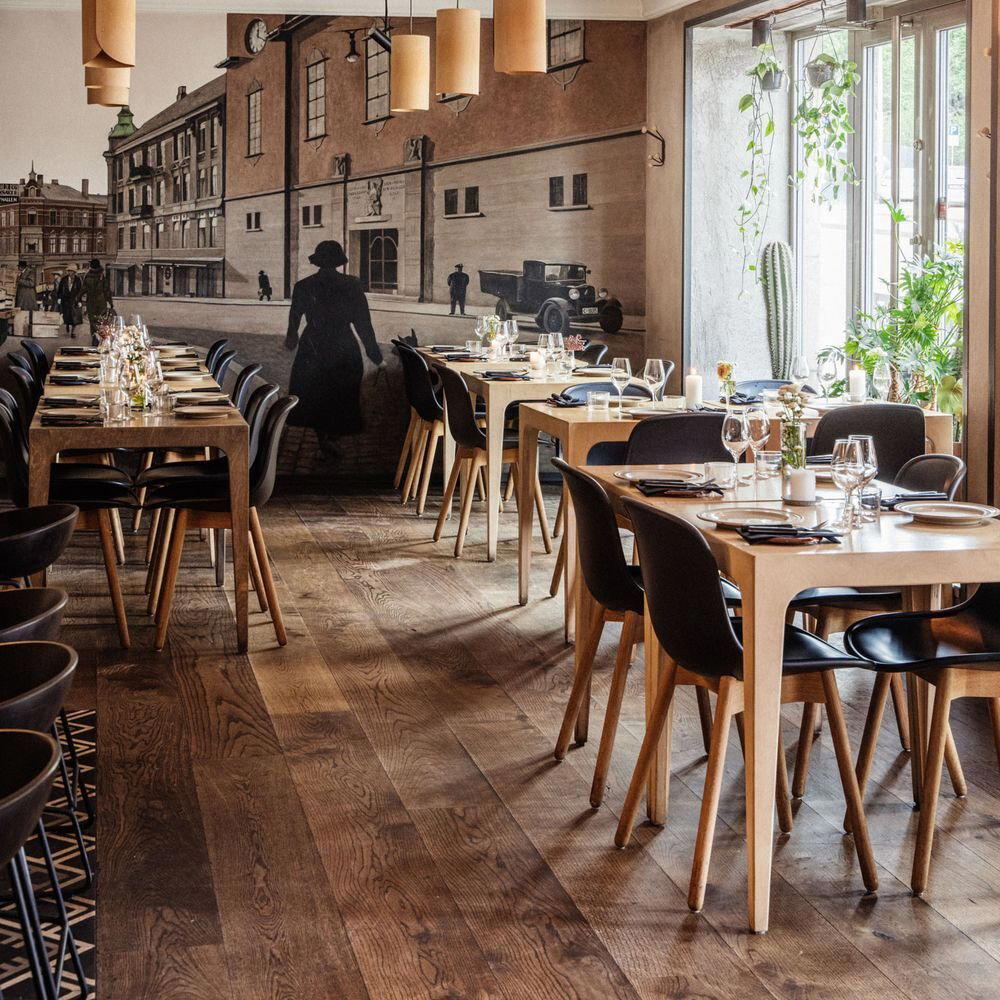
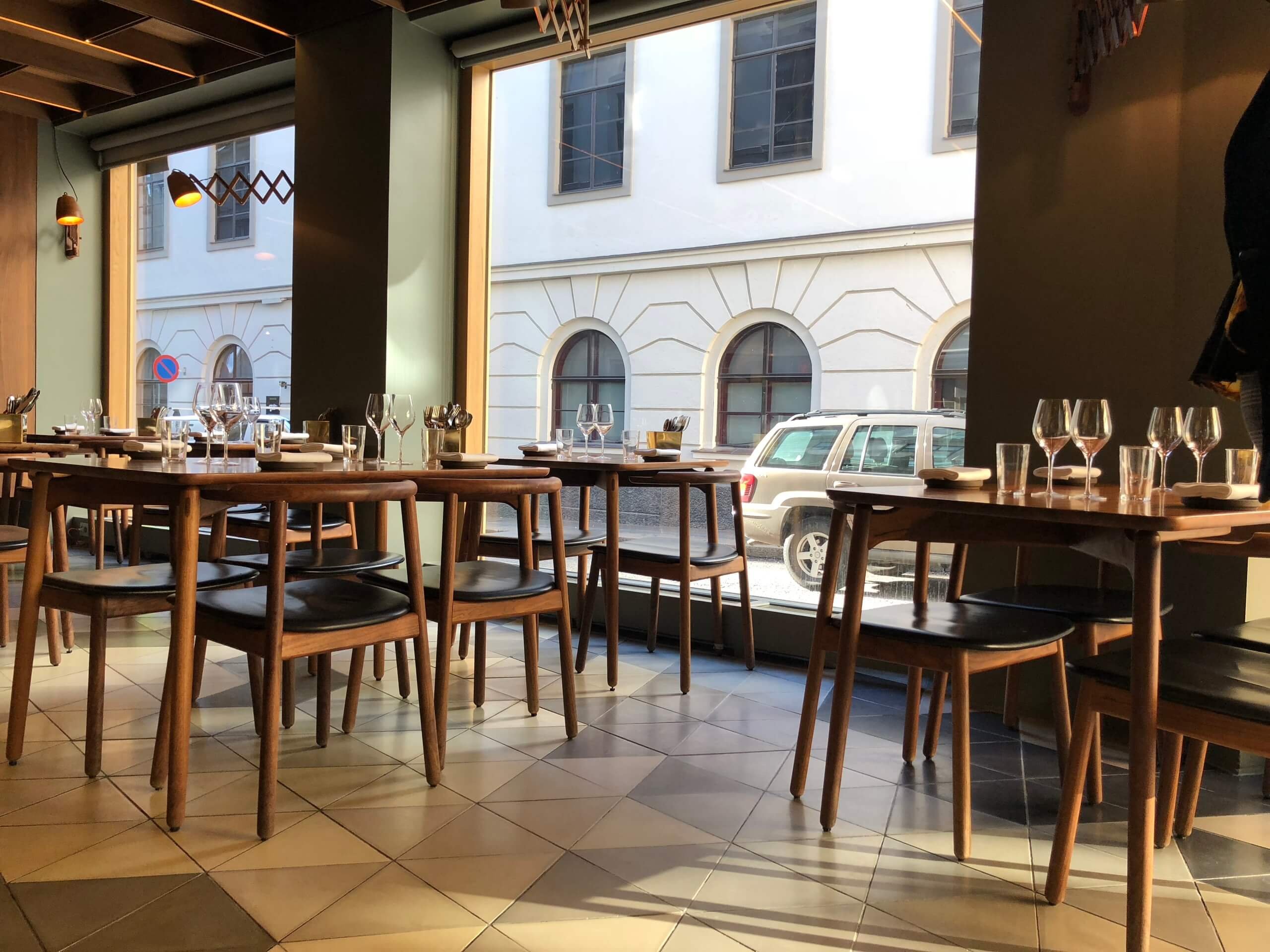
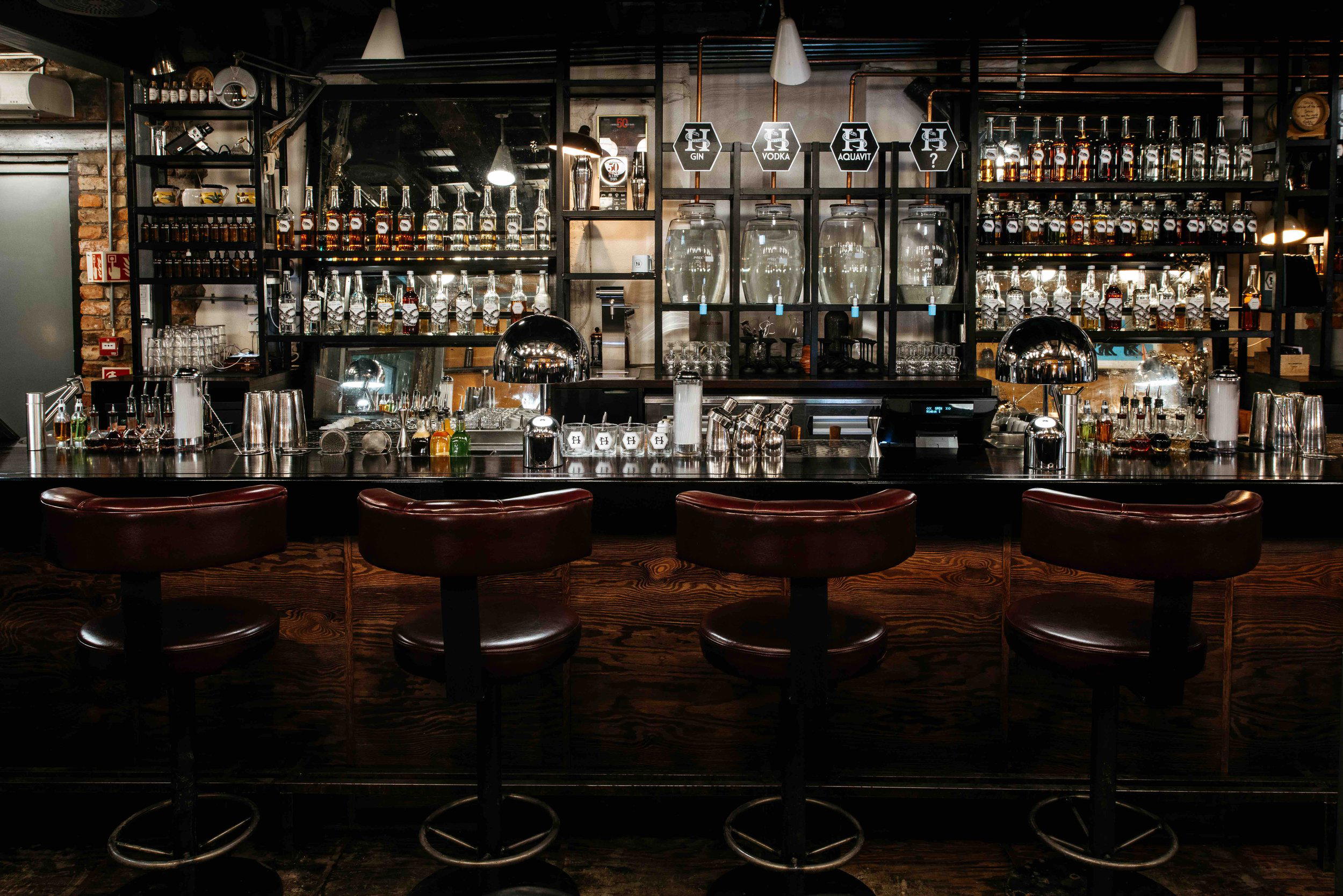
Walking into Brasserie France, the atmosphere signals its reference point immediately. The room reads as old-school Paris: the kind of space where the architecture and furniture predate the current dining culture rather than comment on it. There is no choreographed service sequence, no amuse-bouche ritual. What you encounter instead is the physical environment of a place that has been doing roughly the same thing for long enough to carry institutional weight. In a city where new openings tend toward minimalist Nordic interiors, this kind of room is its own editorial position.
What the Menu Architecture Reveals
The structure of a menu tells you what a restaurant believes about its guests. A tasting menu at a defined price point says: trust us, surrender the decision. A brasserie menu says the opposite: you know what you want, here it is, eat at your own pace. Brasserie France operates on that second logic. The French brasserie format, at its most functional, is a document of accessibility: dishes you recognise, portions that satisfy without ceremony, a sequence you control. That structure also implies a different kind of wine relationship than a tasting menu with paired glasses. When guests choose their own dishes, wine selection becomes an active, personal exercise rather than a guided one.
The wine list at the restaurant is exclusively French, which is one consequential thing about it in the Oslo context. Norway's restaurant wine programs are generally international and eclectic, and wine-led dining in the city tends to follow that model. An all-French list is a committed editorial act: it draws a boundary, excludes a great deal, and invites guests to go deeper inside one country's tradition rather than wider across the globe. For anyone who wants to work through Burgundy, the Rhône, Loire, or Bordeaux in a systematic way, a list built entirely around France provides a different kind of depth than a global list of equivalent length.
This wine orientation connects directly to among the more practically significant facts about the restaurant: it is among the few wine-oriented restaurants in Oslo that opens for lunch. That is not a minor logistical note. Lunch service in serious wine restaurants is rare globally, not just in Norway, because it requires staffing, kitchen investment, and a customer base that will fill the room at midday. That service positions it as something closer to the classic Parisian brasserie model than most European cities outside France can claim. In Oslo, where the lunch culture in fine dining is thin, this makes it a specific resource: a place where a wine-led midday meal is actually possible.
Where It Sits in Oslo's Dining Map
Oslo's French-influenced dining spans a range. Mon Oncle represents a different interpretation of French format in the city. Bar Amour and Hot Shop bring creative energy to the mid-range. But the restaurant sits in a narrower niche: the downtown institution that has earned descriptors like "old school" not as a criticism but as a point of differentiation. In a city where dining trends move quickly, a restaurant that reads as an established fixture carries a different kind of authority. It is the place you bring someone visiting from Paris who wants to confirm Oslo can produce a decent French meal, and the place you return to when you want to drink well at lunch without planning two weeks ahead.
Norway's broader restaurant scene extends well beyond Oslo. Visitors who want to understand the full range of ambitious cooking in the country might also look at RE-NAA in Stavanger, FAGN in Trondheim, Gaptrast in Bergen, Under in Lindesnes, Boen Gård in Tveit, and Iris in Rosendal.
The French brasserie tradition has had varying fortunes outside France. In New York and New Orleans, French-influenced dining shows how these formats adapt to different contexts. Oslo's version, at the restaurant, stays closer to the source: less adapted, more direct, and deliberate about it.
Planning Your Visit
The restaurant is at Øvre Slottsgate 16, in the centre of Oslo, within easy reach of the main transit connections in the downtown core. Reservations are recommended, and walk-in availability at peak times is not guaranteed. Given the rarity of wine-forward lunch service in Oslo, a midday booking during the working week is one efficient way to use the restaurant: quieter than peak evening service, and still able to draw on the full French wine list. For guests combining the visit with broader Oslo dining, the central location places it within walking distance of much of the city's concentrated restaurant district.
Recognition Snapshot
Comparable venues nearby, for context on price, style, and recognition.
| Venue | Cuisine | Price | Notes |
|---|---|---|---|
| Brasserie FranceThis venue — the venue you are viewing | Classic French Brasserie | $$$ | Not listed |
| Restaurant Eik, Annen Etage | Modern French Fine Dining | $$$ | Vika |
| Feinschmecker | French-influenced Norwegian Fine Dining | $$$ | Briskeby |
| Brasserie Ouest | French Brasserie | $$$ | Skillebekk |
| Bistro Fourrage | Classic French Bistro | $$ | Ankerløkken |
| Vinland | Modern French Brasserie with Norwegian Influences | $$$$ | Ruselokka |
Recognition history
Dated appearances from independent guides and award organizations, with the underlying list record or original source where available.
Star Wine List
Star Wine List
Continue exploring
More in Oslo
At a Glance
- Classic
- Cozy
- Elegant
- Lively
- Date Night
- Group Dining
- Business Dinner
- Celebration
- Open Kitchen
- Terrace
- Extensive Wine List
- Local Sourcing
- Street Scene
Current opening hours
- Monday
- 4–10 PM
- Tuesday
- 11:30 AM–10 PM
- Wednesday
- 11:30 AM–10 PM
- Thursday
- 11:30 AM–10 PM
- Friday
- 11:30 AM–10 PM
- Saturday
- 12–10 PM
- Sunday
- Closed
Hours can change for holidays and private events. Last verified .
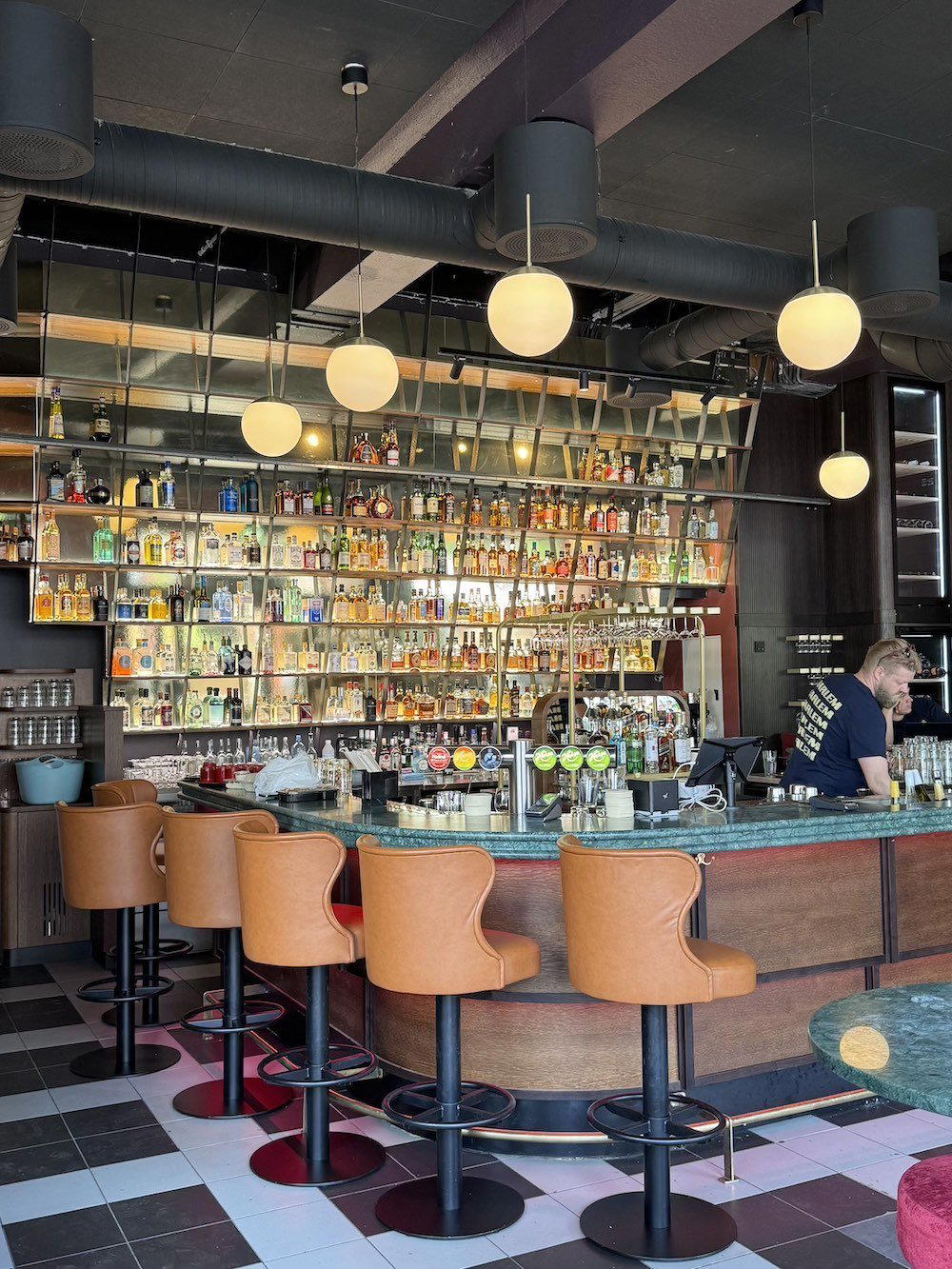
Cozy and elegant with mirrors, light, open kitchen, and a buzzy, welcoming French brasserie vibe.