Our verdict
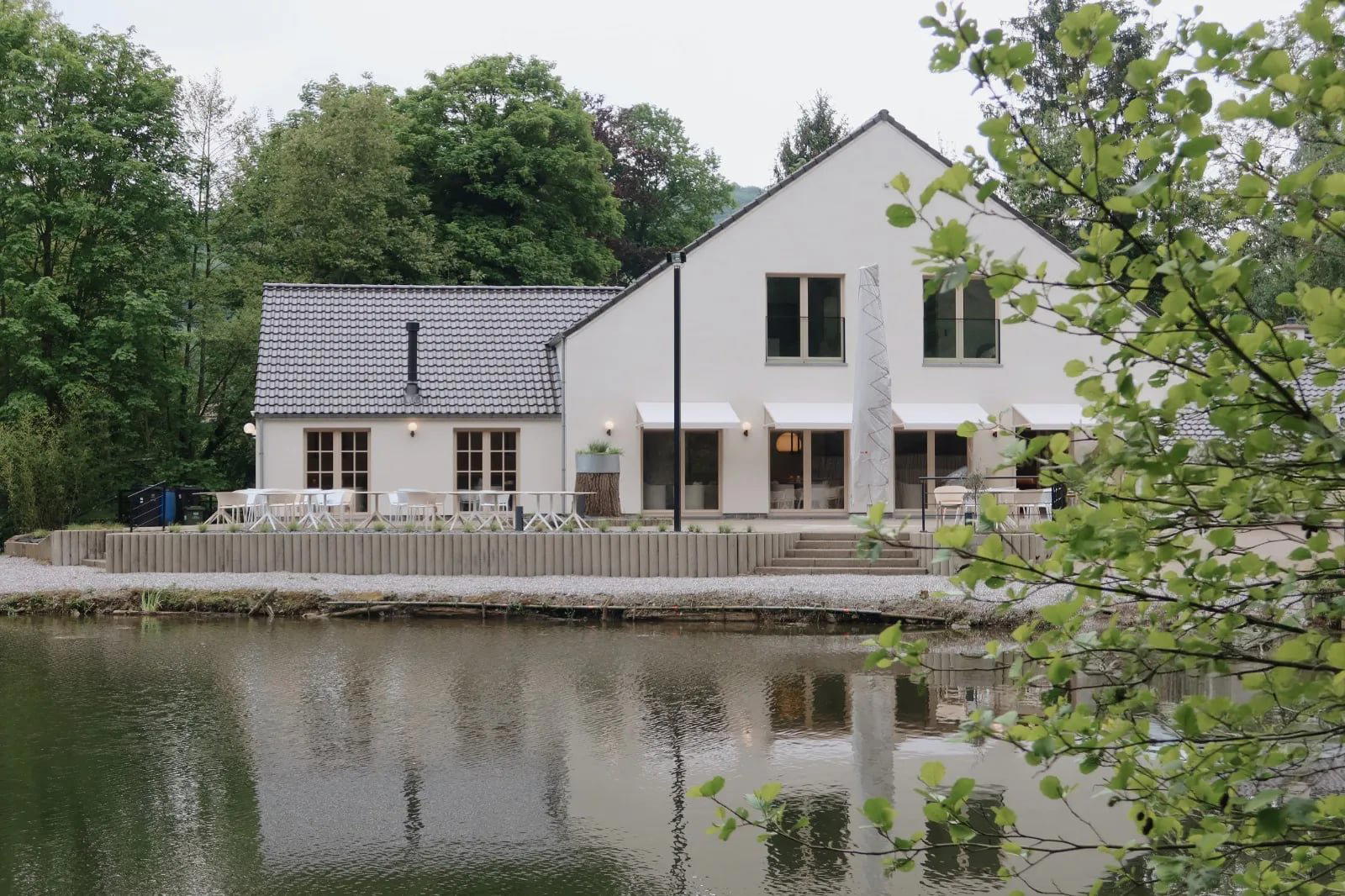
F-EAT sits on Rue d'Ombret in Engis, a small industrial town in the Liège province where the Meuse valley shapes both the geography and, increasingly, the local food conversation. Belgium's off-centre dining addresses have a history of punching well above expectations, and this Wallonian pocket deserves attention from anyone tracking the country's broader restaurant movement beyond Brussels and the Flemish cities.

Pearl is the En Primeur Club membership app — saves, bookings, and concierge access live there. Same editors, same standards.
- Address
- Rue d'Ombret 7, 4480 Engis, Belgium
- Phone
- +3242660336
- Hours
- Mon ClosedTue 7–9 PMWed–Fri 12–2 PM, 7–9 PMSat 7–9 PMSun Closed
- Website
- f-eat.be
- Directions
- Get directions
The menu
What to order
- Ris de Veau céleri rave et truffe
- Filet pur sauce bordelaise et frites
- Forel uit Ondenval avec granny smith et dillecrème
A Meuse Valley Address in Belgium's Quiet Dining Belt
The Liège province does not announce itself the way Ghent or Antwerp does. Engis, a small commune pressed between the Meuse river and the industrial corridor that defines this stretch of Wallonia, is not a name that appears on most restaurant itineraries. That is precisely what makes the territory interesting. Belgium has a long pattern of serious cooking appearing in unexpected postcodes — kitchens in agricultural villages, converted farmhouses on the edge of nowhere, addresses that require a car and a decision. F-EAT, at Rue d'Ombret 7 in Engis, belongs to that geography. Getting there means committing to the Meuse valley rather than defaulting to the well-trodden routes through Brussels or the Flemish coast. For those already tracking Belgium's broader dining scene through our full Engis restaurants guide, the context matters.
What the Setting Signals
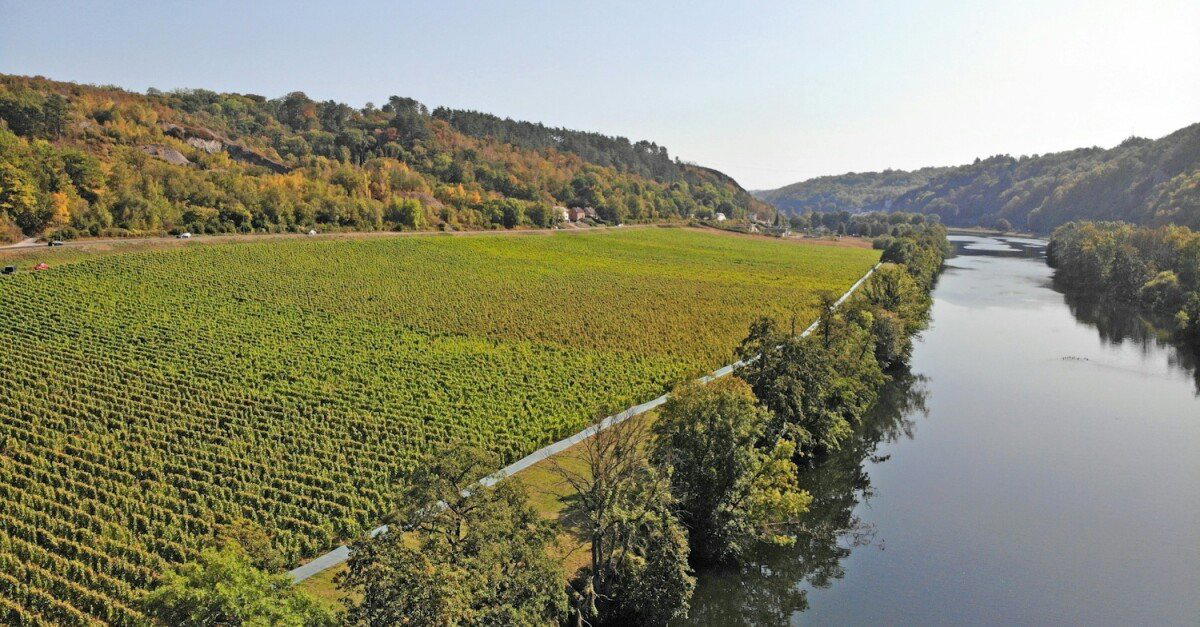
Approaching a restaurant in a town like Engis recalibrates expectations before a single dish arrives. The Meuse valley in this section is working country — river barges, limestone quarries, light manufacturing. It is not the manicured wine-country scenery that frames restaurants in, say, the Ardennes or the Flemish countryside around Hof van Cleve in Kruishoutem. A restaurant choosing this address rather than a more obviously picturesque location in the province sends a message: the cooking is the point, not the backdrop. That kind of deliberate positioning tends to correlate with a kitchen focused on produce and technique rather than atmosphere as a selling mechanism.
Inside, the experience at an address like this tends toward a certain directness that the setting itself enforces. There is no ambient luxury of a grand hotel or a scenic terrace to do the atmospheric work. The room, the plate, and the service carry the full weight of the evening. Belgium's most focused mid-size restaurants often operate this way, Vrijmoed in Gent and La Durée in Izegem both demonstrate that strong creative kitchens in Belgium need not rely on heritage interiors or dramatic settings to hold serious diners.
Ingredient Sourcing in the Liège Region
The Meuse valley and the broader Liège province sit at an agricultural crossroads that is underappreciated in the national food conversation. Wallonia's eastern reaches supply Belgian kitchens with lamb from the Ardennes plateau, freshwater fish from managed river systems, and a dairy tradition that predates the country itself. The province of Liège has its own charcuterie language, smoked meats, aged preparations, and cured products that reflect a climate colder and more continental than the coastal regions of Flanders. A kitchen in Engis drawing on that local production network has access to ingredients that are distinct from what drives the menu philosophy at, say, Willem Hiele in Oudenburg, where North Sea proximity shapes everything on the plate.
Belgian kitchens at the serious end of the market have increasingly treated sourcing as a structural decision rather than a marketing footnote. The model seen at Boury in Roeselare, where Flemish agricultural relationships translate directly into menu architecture, has Wallonian equivalents in how Liège-area kitchens engage with the Ardennes and Meuse valley supply chain. What a kitchen in Engis can credibly do is serve produce that moves shorter distances and reflects a regional identity that Brussels-based restaurants, despite their greater resources, cannot always replicate authentically. That geographic specificity, when a kitchen commits to it, is a genuine editorial argument for making the drive.
Positioning Within Belgium's Restaurant Spectrum
Belgium's serious restaurant scene has always been denser than its international profile suggests. The country has produced a remarkable concentration of Michelin-recognised kitchens relative to its size, with addresses from Antwerp's Zilte to Le Chalet de la Forêt in Uccle and Bozar Restaurant in Brussels anchoring an unusually ambitious national tier. What has become more visible in recent years is a secondary layer of serious cooking that operates outside the main cities and the established award circuits, kitchens like Ralf Berendsen in Neerharen, Castor in Beveren, or d'Eugénie à Emilie in Baudour that reward the effort of seeking them out.
F-EAT in Engis fits the profile of that secondary layer: a Wallonian address in a non-obvious town, operating in a province where the dining infrastructure is less developed than in Flanders or Brussels but where the raw material access is genuinely strong. The comparison set for a kitchen in this position is not De Jonkman in Sint-Kruis or La Paix in Anderlecht by price or format, but by the underlying question of what a committed kitchen in an unlikely location can accomplish when the sourcing logic is local and the room is free of metropolitan expectation. Internationally, the model has parallels: Lazy Bear in San Francisco demonstrated that a non-traditional format in an unexpected context can hold serious critical attention, and La Table de Maxime in Our shows the same principle at work in rural Wallonia itself.
Planning a Visit to Engis
Engis is most practically reached by car from Liège, which sits roughly 15 kilometres to the east along the Meuse valley. The A15 motorway and the secondary N90 both provide access; the drive from Liège city centre takes under 20 minutes in normal traffic. From Brussels, the journey runs approximately 90 kilometres via the E42, making Engis a viable half-day or evening excursion for travellers already in the Belgian capital. There is no significant public transport connection that makes the journey direct from outside the region, so driving is the practical assumption for most visitors. The address, Rue d'Ombret 7, 4480 Engis, is fixed, and local accommodation options in the Liège city centre provide a reasonable base for an evening visit without requiring a same-day return journey to Brussels or further. Those combining a visit with broader Wallonian dining should note that Cuchara in Lommel occupies a different part of Belgium's creative restaurant geography and makes for a useful point of comparison on a longer itinerary.
Frequently asked questions
Is F-EAT good for families?
Engis is a small, low-key commune rather than a tourist-facing town, which tends to suit relaxed, unhurried meals over high-energy group dining. The setting in a quiet Meuse valley commune generally points toward a calm, adult-oriented dining environment.
What should I expect atmosphere-wise at F-EAT?
F-EAT sits on Rue d'Ombret in Engis, a working commune along the Meuse between Liège and Huy — context that shapes the room before a dish arrives. This is not a city-centre showcase; the surrounding valley and industrial backdrop suggest a stripped-back, grounded setting rather than a polished urban dining room.
Is F-EAT worth the drive from Liège for a special occasion dinner?
Engis sits roughly 15 kilometres west of Liège along the Meuse valley, making F-EAT a deliberate detour rather than a casual walk-in. Restaurants that operate in quiet communes like Engis — away from the competitive city-centre circuit — tend to attract a local following that sustains them on merit rather than footfall. Confirming reservation availability and current hours directly with F-EAT at its Rue d'Ombret 7 address is the practical first step before planning a special occasion visit.
What's the signature dish at F-EAT?
No specific menu items or dish descriptions for F-EAT are confirmed in available documentation. Given the restaurant's position in Liège province, the broader regional pantry — Wallonian produce, Meuse valley agriculture — is a reasonable frame of reference for what the kitchen might draw on, but specific signatures should be verified with the venue before visiting.
Side-by-Side Snapshot
Comparable venues nearby, for context on price, style, and recognition.
| Venue | Cuisine | Price | Awards | Notes |
|---|---|---|---|---|
| F-EATThis venue — the venue you are viewing | Modern French-Belgian | Not listed | Not listed | Not listed |
| Hēdonē | Modern French Seasonal Tasting Menu | $50–100 | Michelin Plate | Tongeren-Borgloon |
| La Bonne Vie | French Fine Dining | $50–100 | Not listed | Stevoort |
| Le Pont des Anges | French Gastronomic with Belgian Influences | $50–100 | Not listed | Beauraing |
| Fidalgo | French-Belgian Fine Dining | $50–100 | Not listed | Tienen |
| Le Collet Gourmand | Modern French Regional | $50–100 | Not listed | Wanze |
Continue exploring
More in Engis
Restaurants in Engis
Browse all →
Bars in Engis
Browse all →
Hotels in Engis
Browse all →

Details
- Modern
- Cozy
- Intimate
- Date Night
- Special Occasion
- Waterfront
- Local Sourcing
- Waterfront
- A La Carte
Current opening hours
- Monday
- Closed
- Tuesday
- 7–9 PM
- Wednesday
- 12–2 PM, 7–9 PM
- Thursday
- 12–2 PM, 7–9 PM
- Friday
- 12–2 PM, 7–9 PM
- Saturday
- 7–9 PM
- Sunday
- Closed
Hours can change for holidays and private events. Last verified .
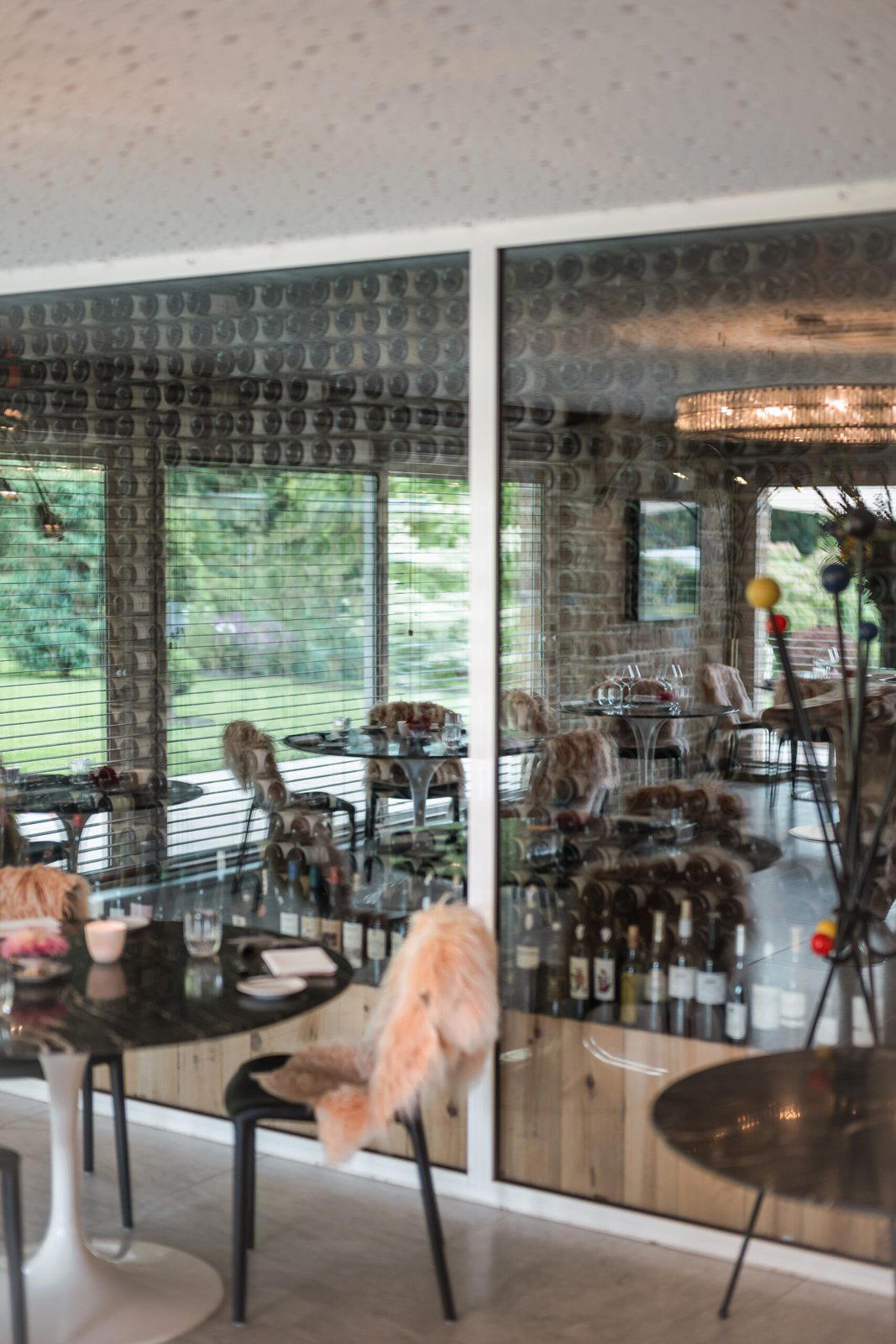
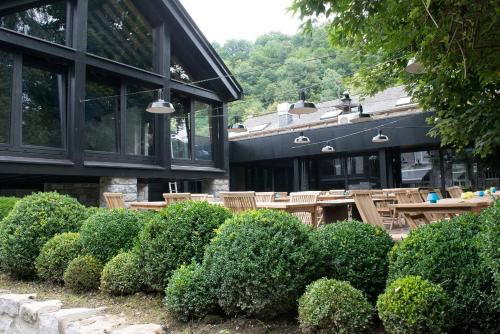
Ambiance décontractée et apaisée avec une modernité assumée, au bord de l’eau.