


In the forested Ardennes village of Wéris, Le Cor de Chasse holds a Michelin star and a 2025 Opinionated About Dining ranking for creative cooking that follows the region's hunting seasons and agricultural calendar. Chef Mario Elias builds menus around local game, regional producers, and a produce-driven logic that connects seasonal availability to composed, technically considered plates. The restaurant also offers hotel rooms, making it a viable base for exploring the Belgian countryside.
Pearl is the En Primeur Club membership app — saves, bookings, and concierge access live there. Same editors, same standards.
- Address
- Rue des Combattants 16, 6940 Durbuy, Belgium
- Phone
- +32 86 21 14 98
- Website
- lecordechasse.be
- Directions
- Get directions
 Saves & bookings on Pearl
Where the Ardennes Sets the Menu
Le Cor de Chasse is a one-Michelin-star restaurant in Durbuy, Belgium, with a €€€€ price tier. Arriving at Rue des Combattants, the context is immediate: quiet roads, agricultural land, the kind of provincial setting where a restaurant's identity is shaped by what surrounds it rather than by any urban competitive pressure. Le Cor de Chasse takes its name from the hunting horn. The kitchen at this Michelin-starred address, run by Chef Mario Elias, organises itself around the seasonal and geographic logic of its location in a way that has earned it both a Michelin star for 2024 and 2025 and a place in the upper tier of the Wéris restaurant scene.
A Kitchen Shaped by Season and Landscape
Belgian creative cooking at the €€€€ price point occupies a specific position in the country's restaurant hierarchy. It sits below the €€€€ tier occupied by addresses like Boury in Roeselare or L'Eau Vive in Arbre, but it competes on ambition rather than price. What distinguishes Le Cor de Chasse within that bracket is the degree to which the menu is governed by the Ardennes calendar. Game occupies the centre of the menu during hunting season, a non-negotiable seasonal anchor in a region where venison, wild boar, and woodcock have been table staples for generations. Outside that season, the kitchen pivots to meat from regional breeders and to produce sourced according to what is available rather than what is convenient.
The approach produces combinations that read as considered rather than arbitrary: local duck liver and bacon balanced with beetroot baked in a spruce crust and Jerusalem artichoke; fish served with celery and truffle; spelt risotto with dates, parsnip, and roasted buckwheat. That last dish illustrates something important about how the kitchen operates. The spelt and buckwheat are grains with deep roots in Belgian and Ardennes agriculture, brought into a risotto format that references Italian technique without pretending to be Italian. The buckwheat is roasted rather than raw, which alters its flavour profile and introduces a nuttiness that anchors the sweetness of the dates. These are plates built around transformation and contrast rather than around a single hero ingredient.
The dessert course extends the same logic into more unexpected territory. A dessert described as inspired by the Guerlain Homme fragrance, mojito, bergamot, and green tea, signals a kitchen comfortable operating at the boundary between culinary and sensory reference. It is also a signal about Chef Elias's range: this is not a kitchen that produces game terrines and calls it creative. The olfactory reference in the dessert suggests formal training in flavour composition and a confidence in abstraction that places Le Cor de Chasse in a different register from direct seasonal French-Belgian cooking.
Chef Mario Elias and the Creative Cooking Tradition
Creative cooking as a category in Belgium has expanded considerably over the past decade. The country now produces a cohort of chefs who operate outside the classical French-Belgian framework of addresses like Comme chez Soi, building menus that draw on regional produce but apply technique and conceptual frameworks that are more broadly European. Chef Mario Elias belongs to this generation. The Opinionated About Dining ranking at #422 in the Classical in Europe list for 2025 places the restaurant in a pan-European competitive set, which is meaningful context for a single-star address in a village of a few hundred inhabitants.
That ranking matters partly because OAD's Classical in Europe list aggregates opinions from a community of experienced restaurant-goers across the continent, making it a different kind of signal than a Michelin star, which reflects inspectors' visits against a consistent internal standard. Together, the two credentials suggest a kitchen that satisfies both formal technical criteria and the more personal, experiential standards of frequent diners. For comparable creative cooking operating at a similar conceptual register elsewhere in Europe, the gap between a Michelin one-star in a rural Belgian village and addresses like Alléno Paris au Pavillon Ledoyen or Enrico Bartolini in Milan is partly one of scale and partly one of urban visibility. The restaurant operates without the ambient reinforcement of a major city food scene.
The Belgian comparison set is instructive. At the higher price tier, Hof van Cleve in Kruishoutem, Zilte in Antwerp, and Bartholomeus in Heist represent addresses with longer track records and higher price points. At the creative end, Willem Hiele in Oudenburg and La Durée in Izegem operate with similarly strong regional identities. The restaurant's position is shaped by its geography in a way that few of these addresses can replicate: the Ardennes is not just a backdrop but a direct supplier and a governing logic for what appears on the plate.
The Hunting Season and What It Means at the Table
It is worth being specific about what a hunting-season menu means in practice in this part of Belgium. The Ardennes has one of the highest densities of wild game in Western Europe, and the regional food culture has historically treated game not as an occasional speciality but as a seasonal staple. Venison, wild boar, pheasant, and hare appear on tables here in a context quite different from the way game is handled in urban restaurants, where it functions more as a luxury ingredient than a seasonal one. A kitchen like Le Cor de Chasse that organises around the hunting calendar is working within a living local tradition rather than importing an aesthetic.
This distinction matters for understanding how the kitchen's creativity operates. The game dishes are not conceptual departures from a default menu; they are the seasonal expression of an ingredient that defines the region. The creative moves happen at the level of how that game is handled: what it is paired with, how it is cooked, what the composition communicates beyond the ingredient itself. The spruce crust on the beetroot that accompanies duck liver is a gesture toward the forest rather than a technique borrowed from elsewhere. The integration of local produce across all courses, fruit, vegetables, grains, liver, bacon, reflects a kitchen that has built its sourcing logic into the menu structure rather than treating local provenance as a garnish to a more conventional programme.
Staying in Wéris: The Hotel Dimension
The restaurant offers hotel rooms alongside the restaurant, with individually decorated spaces and an outdoor swimming pool. This positions the address as a destination rather than a detour, and it is a meaningful distinction for a location like Wéris. Arriving the evening before and leaving the morning after is not just a convenience; it is one coherent way to experience a restaurant whose menu is built around a region that rewards slow engagement. The Ardennes is also a strong area for walking, cycling, and the kind of countryside activity that makes a full-stay format logistically sensible.
Planning a Visit
The restaurant is priced at the €€€€ level. The address is in Durbuy municipality, and the postal address is Rue des Combattants 16, 6940 Durbuy. Given the rural setting, arriving by car is the practical approach for most visitors. For those building a wider itinerary in the region, the Wéris bars guide and wineries guide provide further reference points. Readers looking for context on Belgian creative cooking more broadly will find useful comparisons in our coverage of Bozar Restaurant in Brussels, d'Eugénie à Emilie in Baudour, Ralf Berendsen in Neerharen, and Sir Kwinten in Sint-Kwintens-Lennik.6 across 468 ratings.
At-a-Glance Comparison
Comparable venues nearby, for context on price, style, and recognition.
| Venue | Cuisine | Price | Awards | Notes |
|---|---|---|---|---|
| Le Cor de ChasseThis venue — the venue you are viewing | Modern French Creative | $$$$ | Michelin 1 Star | Not listed |
| Melchior | Modern French Fusion | $$$$ | Michelin 1 Star | Tienen city center |
| Ogst | Modern French Fine Dining | $$$$ | Michelin 1 Star | Hasselt city center |
| Modest | Modern French Fine Dining | $$$$ | Michelin 1 Star | Opglabbeek |
| EssenCiel | Contemporary Modern French | $$$$ | Michelin 1 Star | City Centre |
| Philippe Fauchet | Modern French Gastronomic | $$$$ | Michelin 1 Star | Saint-Georges-sur-Meuse |
Recognition history
Dated appearances from independent guides and award organizations, with the underlying list record or original source where available.
Michelin 1 Star
Michelin
Michelin 1 Star
Michelin
Opinionated About Dining Classical in Europe Ranked #422
Opinionated About Dining
We're Smart World 3 Radishes
We're Smart World
Michelin 1 Star
Michelin
Continue exploring
More in Wéris
Restaurants in Wéris
Browse all →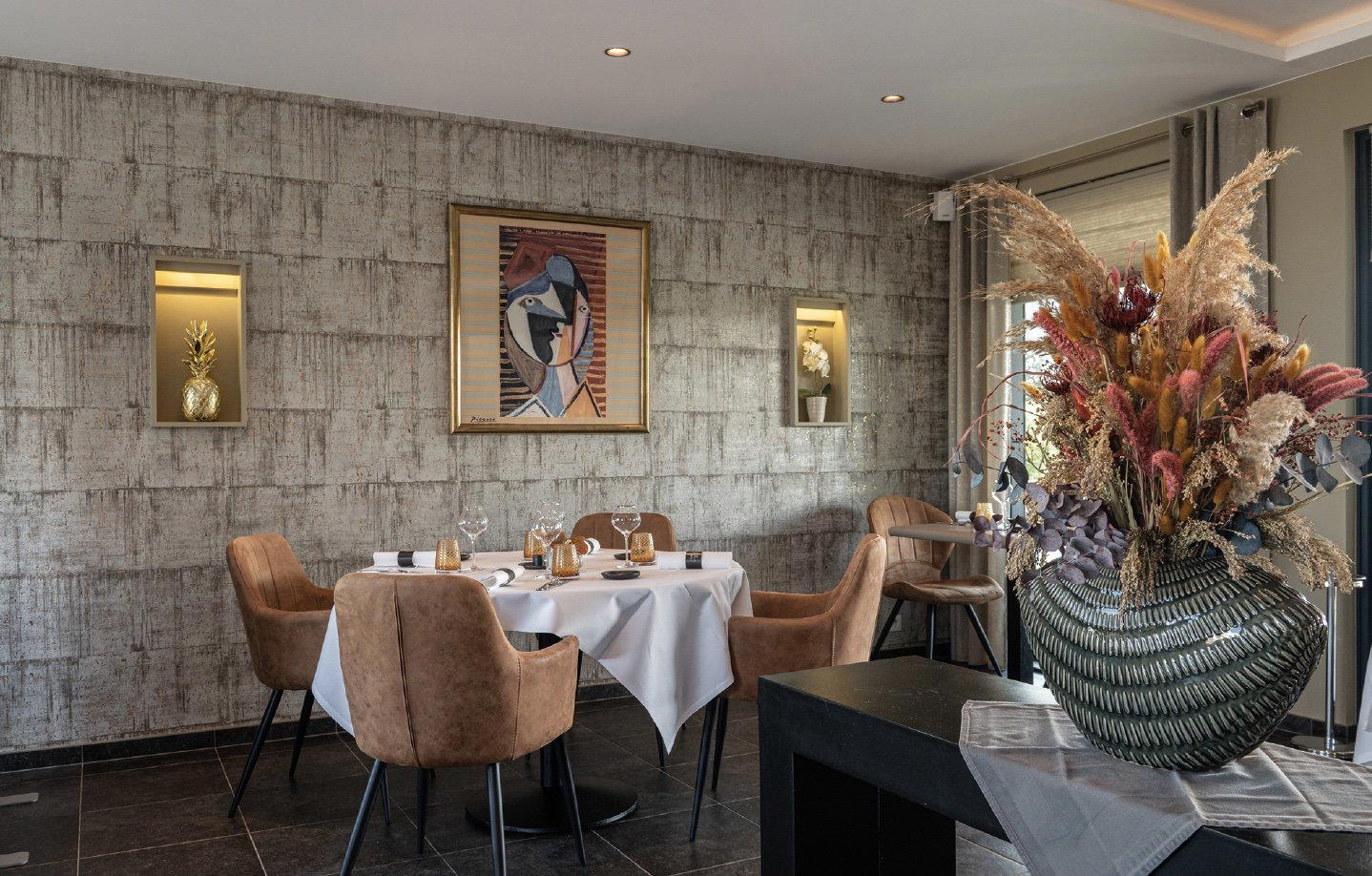
Bars in Wéris
Browse all →
Hotels in Wéris
Browse all →

At a Glance
- Elegant
- Rustic
- Intimate
- Sophisticated
- Date Night
- Special Occasion
- Garden
- Historic Building
- Extensive Wine List
- Local Sourcing
- Garden
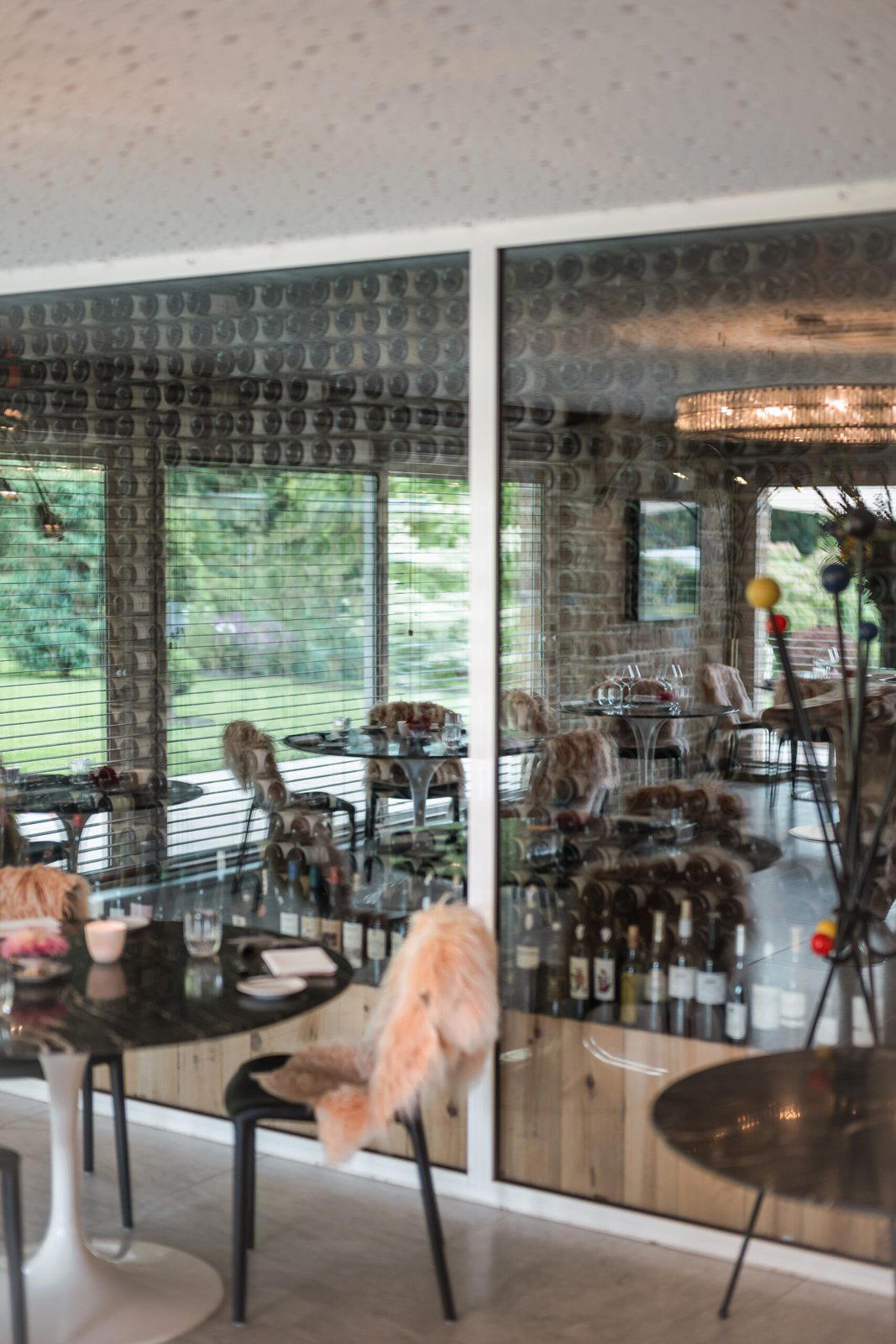
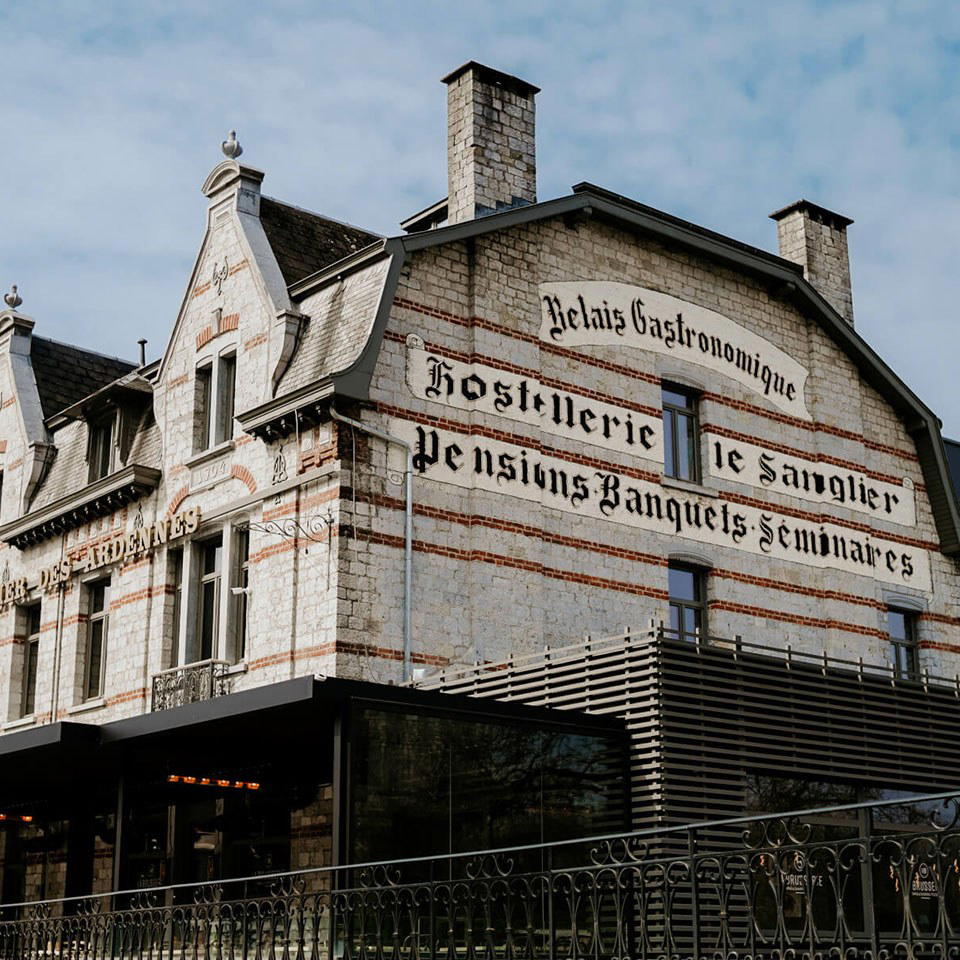
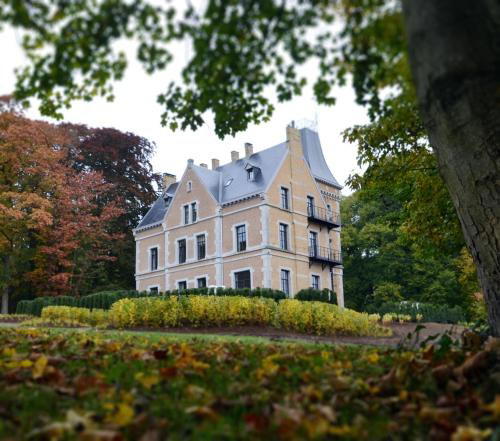
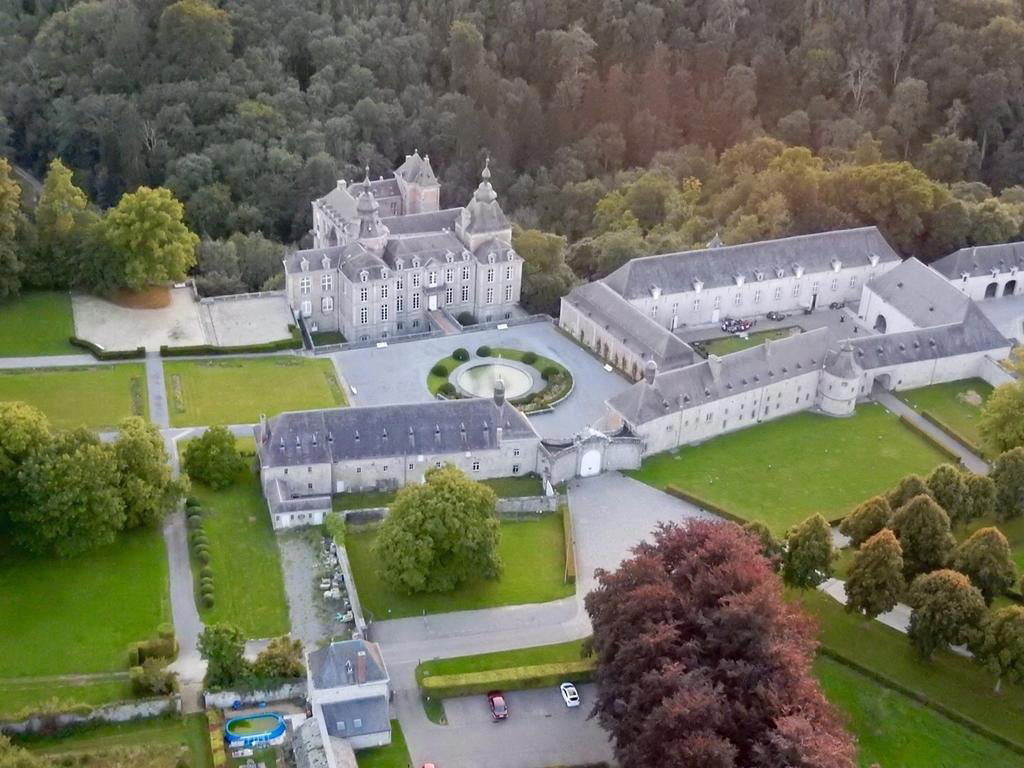
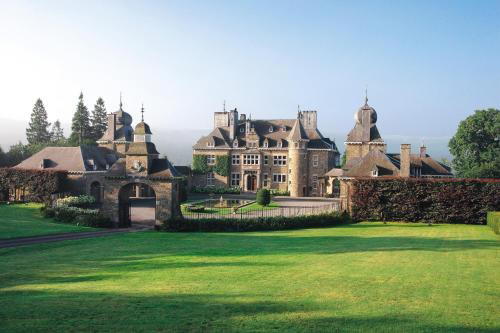
Contemporary rustic elegance with large windows offering garden views, spacious airy rooms, and a comfortable sophisticated atmosphere.