Farm & Fire on Banff Avenue occupies a distinct position in the mountain town's dining scene, where open-flame cooking and a commitment to sourcing from the Canadian Rockies region set the format apart from the resort corridor's more conventional steakhouses and pub kitchens. For a town where seasonal supply chains demand creative discipline, the wood-fire approach makes both culinary and environmental sense.
Pearl is the En Primeur Club membership app — saves, bookings, and concierge access live there. Same editors, same standards.
- Address
- 333 Banff Ave, Banff, AB T1L 1J3, Canada
- Phone
- +14037603298
- Website
- farmandfirebanff.com
- Directions
- Get directions
 Saves & bookings on Pearl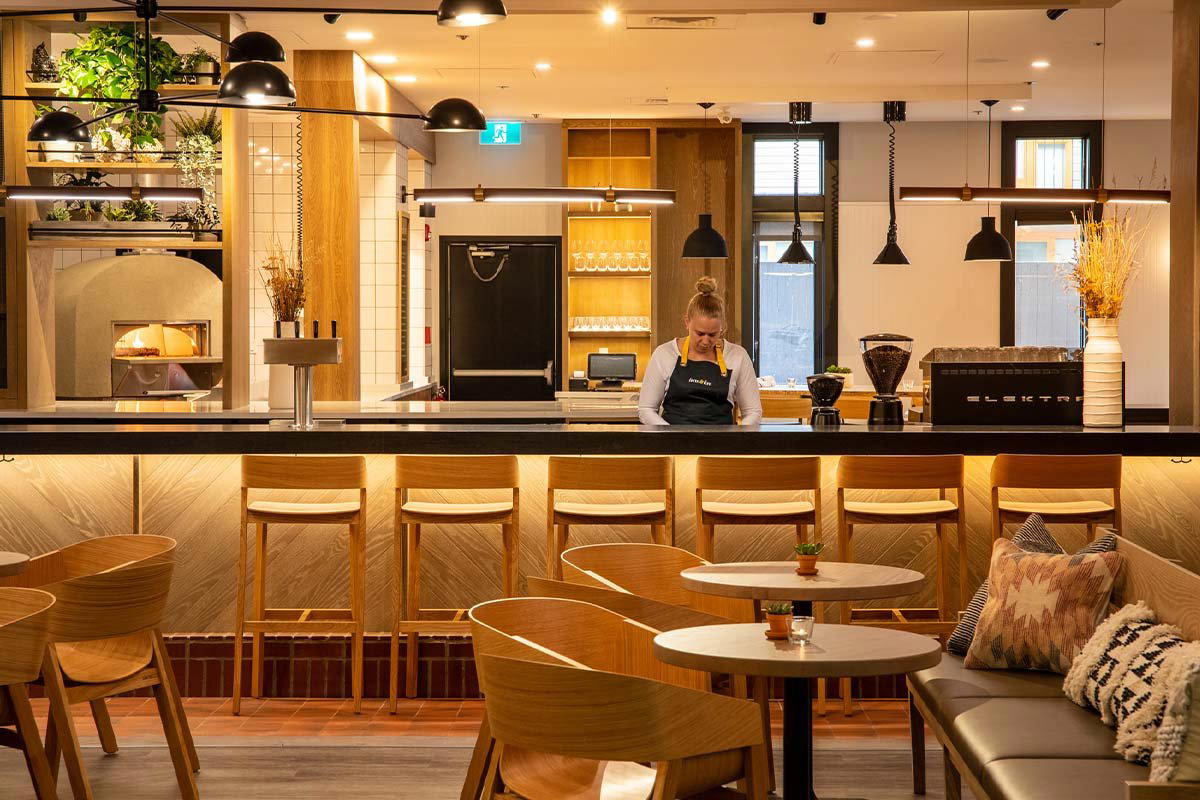
Fire as a Method, Not a Motif
Banff's dining scene has always operated under constraints that most Canadian restaurant markets don't face: a national park boundary that limits agricultural land nearby, a workforce that turns over seasonally, and a visitor base that can skew toward the familiar and the convenient. Against that backdrop, restaurants that anchor their cooking to a single primal technique tend to signal something more deliberate than trend-following. Farm & Fire, at 333 Banff Ave, sits in that category. The name is a program, not a brand flourish: farming-forward sourcing paired with open-fire cooking, a combination that has genuine logic in a town surrounded by Alberta's ranching and agricultural producers.
Wood-fire cooking as a kitchen discipline has spread considerably across Canada over the past decade. At its surface level it reads as aesthetic, but the underlying argument is practical: flame and ember cooking reduces reliance on energy-intensive equipment, creates opportunities to use whole-animal and whole-vegetable approaches, and rewards seasonal produce that can stand up to high heat and smoke. Venues in the western Canadian mountains that apply this seriously occupy a different tier than those using it decoratively. Farm & Fire's positioning on Banff Avenue places it within walking distance of the town centre, which means it operates as a destination for both resort guests and day visitors without requiring a vehicle.
The Alberta Sourcing Argument
Alberta's food-production geography is an underused editorial angle in discussions of Banff dining. The province is home to some of Canada's most significant beef operations, and its shorter-season produce culture has pushed producers toward varieties that carry density and flavour despite compressed growing windows. Restaurants that actually engage with those producers, rather than using Alberta provenance as a marketing label on an otherwise generic supply chain, tend to show it in the specificity of what arrives on the plate.
The farm-to-fire model, when executed with discipline, positions a kitchen as a direct participant in regional food systems rather than a downstream consumer of them. This matters more in a national park context than almost anywhere else in Canada. Banff sits inside a protected landscape where environmental accountability is not merely a branding exercise but a condition of operating. Restaurants that source ethically and cook with minimal waste align more naturally with that context than those treating the mountains as backdrop for a conventional resort menu. Across Canada, venues pursuing similar sourcing discipline include Eigensinn Farm in Singhampton and Restaurant Pearl Morissette in Lincoln, both of which have made regional supply chains central to their culinary identity rather than incidental to it.
Where Farm & Fire Sits in Banff's Restaurant Tier
Banff's restaurant market is more layered than its mountain-town footprint suggests. At one end sits Eden at the Rimrock Resort, the town's most formally positioned dining room, with Canadian cuisine framed at a fine-dining register. At the other end, pub kitchens and casual spots handle the volume that a high-traffic tourism corridor demands. Farm & Fire occupies the middle ground that has become the most interesting tier in Banff dining: serious cooking in an accessible format, without the ceremony of a jacket-required room or the predictability of a resort buffet.
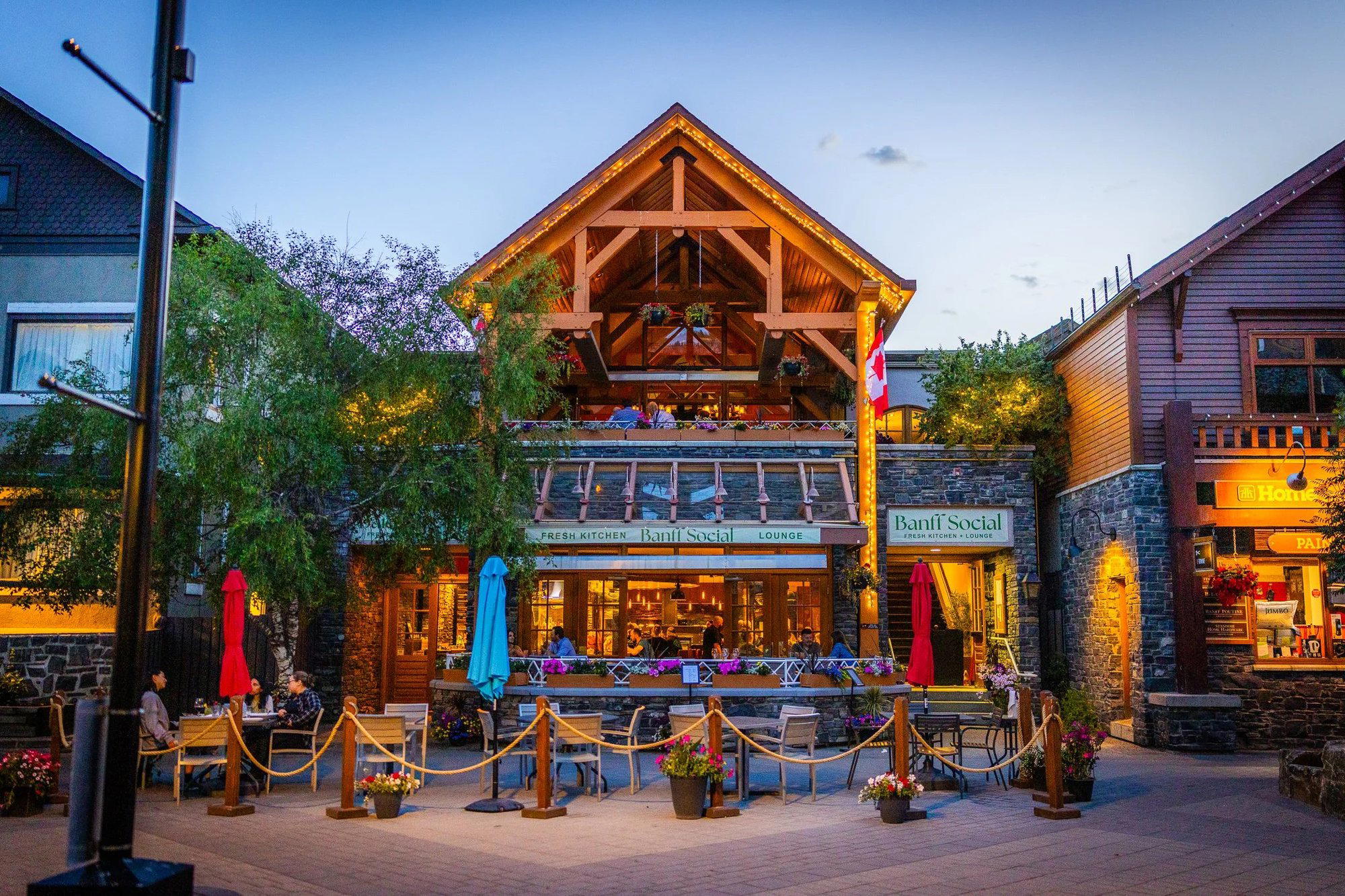
Comparing within that middle tier is instructive. 1888 Chop House works the Alberta beef angle through a more classical steakhouse lens. Bear Street Tavern handles the craft-casual register. Banff Social and Balkan Mediterranean Restaurant bring distinct format variety. Añejo Restaurant holds the Mexican and tequila-forward territory. Farm & Fire's open-fire, farm-sourced approach gives it a format identity that doesn't overlap significantly with any of these, which is a meaningful differentiator in a town where format collisions are common. For a full picture of where it fits, our full Banff restaurants guide maps the complete tier structure.
Sustainability as Operating Discipline
In Canadian mountain dining, the sustainability conversation has matured past vague commitments. The restaurants that have built credibility in this space, from Tanière³ in Quebec City to Narval in Rimouski, treat ethical sourcing and waste reduction as kitchen infrastructure, not marketing copy. The open-fire format that defines Farm & Fire's cooking has an inherent alignment with this: wood-fire kitchens encourage whole-animal cookery, vegetable cookery that uses parts typically discarded, and a menu discipline shaped by what's actually available rather than what's on a standardised order sheet.
This matters in a national park town for reasons beyond brand positioning. Banff operates under Parks Canada oversight, and the broader conversation about how commercial activity inside protected areas should relate to environmental stewardship is ongoing. Restaurants that can demonstrate genuine supply-chain accountability, rather than performing it, occupy a more defensible position in that context. The farm-to-fire model, at its finest, is one of the formats most naturally suited to that accountability.
Elsewhere in Canada, the broader wave of fire-focused and sustainability-oriented cooking has produced some of the country's most-discussed restaurants. Alo in Toronto and AnnaLena in Vancouver have both built reputations that extend well beyond their cities by treating sourcing as a primary creative constraint. Fogo Island Inn Dining Room in Joe Batt's Arm has made hyper-local supply chains central to its identity in a remote geography not unlike Banff's. Jérôme Ferrer - Europea in Montreal and The Pine in Creemore represent further points on the Canadian sourcing-conscious spectrum. Internationally, the conversation is anchored by venues like Le Bernardin in New York City and Lazy Bear in San Francisco, the latter of which built its communal fire-cooked format into one of the most copied restaurant models of the past decade. Busters Barbeque in Kenora demonstrates how fire-cooking traditions translate across very different Canadian market contexts.
Planning Your Visit
Farm & Fire is located at 333 Banff Ave, placing it within the main commercial corridor of the town and accessible on foot from most central accommodation. For current booking availability, hours, and menu details, contacting the restaurant directly or checking the most recent listing information is advisable, as mountain-town restaurants adjust hours significantly between peak summer and winter seasons and shoulder periods. Visitors arriving during peak summer months (late June through August) or the ski season (December through March) should expect the Banff Ave corridor to operate at full capacity, with most serious dining rooms requiring advance reservations. Given the format, the restaurant suits both couples and small groups; solo diners at the bar, if the layout permits, often get the most direct view of the fire kitchen's working rhythm.
Just the Basics
| Venue | Cuisine |
|---|---|
| Farm & FireThis venue — the venue you are viewing | Not listed |
| Eden - The Rimrock Resort | Canadian Cuisine |

At a Glance
- Rustic
- Cozy
- Lively
- Brunch
- Casual Hangout
- Open Kitchen
- Farm To Table
- Local Sourcing
Current opening hours
- Monday
- 7 AM–2 PM, 3–9 PM
- Tuesday
- 7 AM–2 PM, 3–9 PM
- Wednesday
- 7 AM–2 PM, 3–9 PM
- Thursday
- 7 AM–2 PM, 3–9 PM
- Friday
- 7 AM–2 PM, 3–10 PM
- Saturday
- 7 AM–2 PM, 3–10 PM
- Sunday
- 7 AM–2 PM, 3–9 PM
Hours can change for holidays and private events. Last verified .
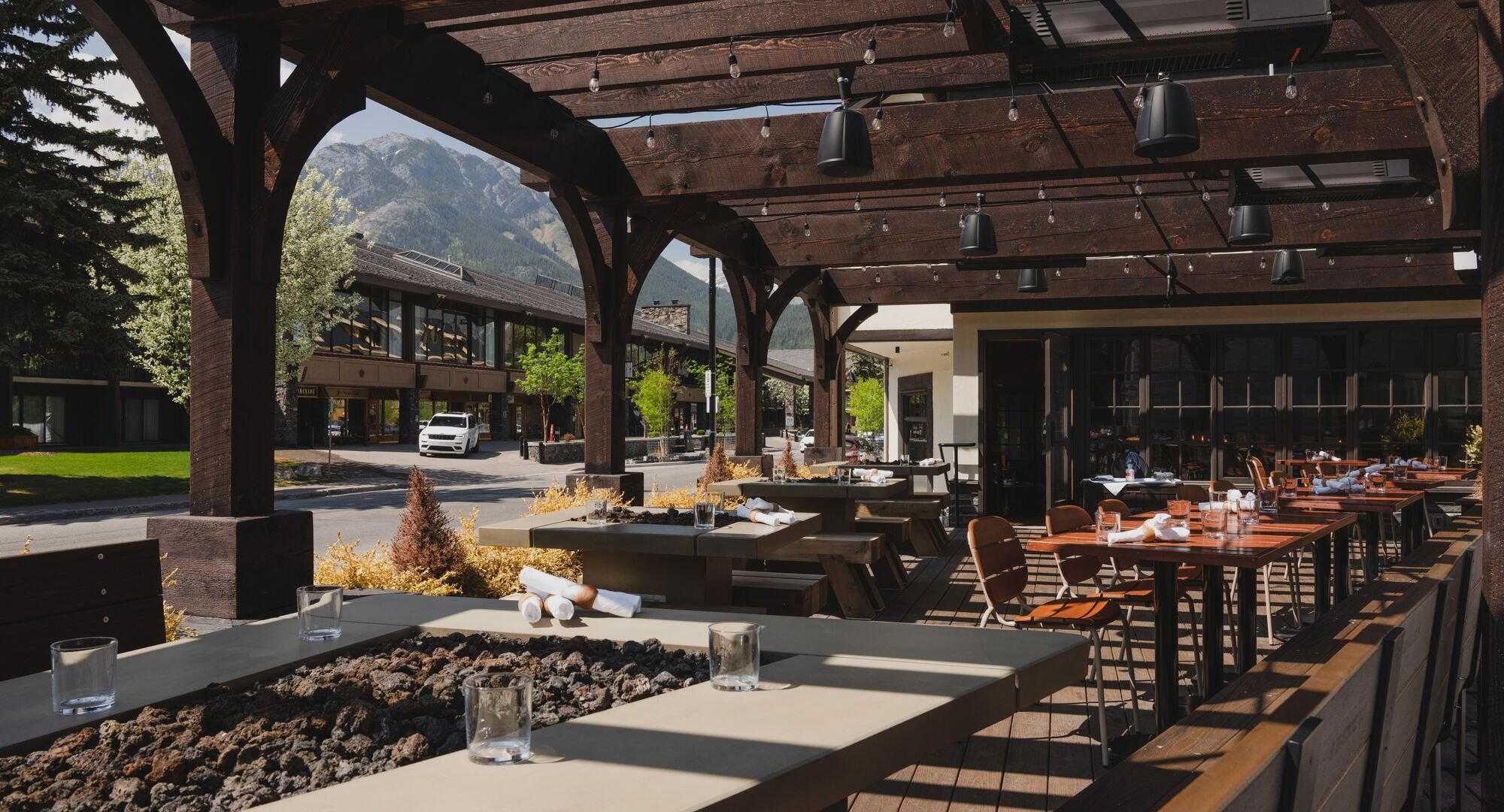
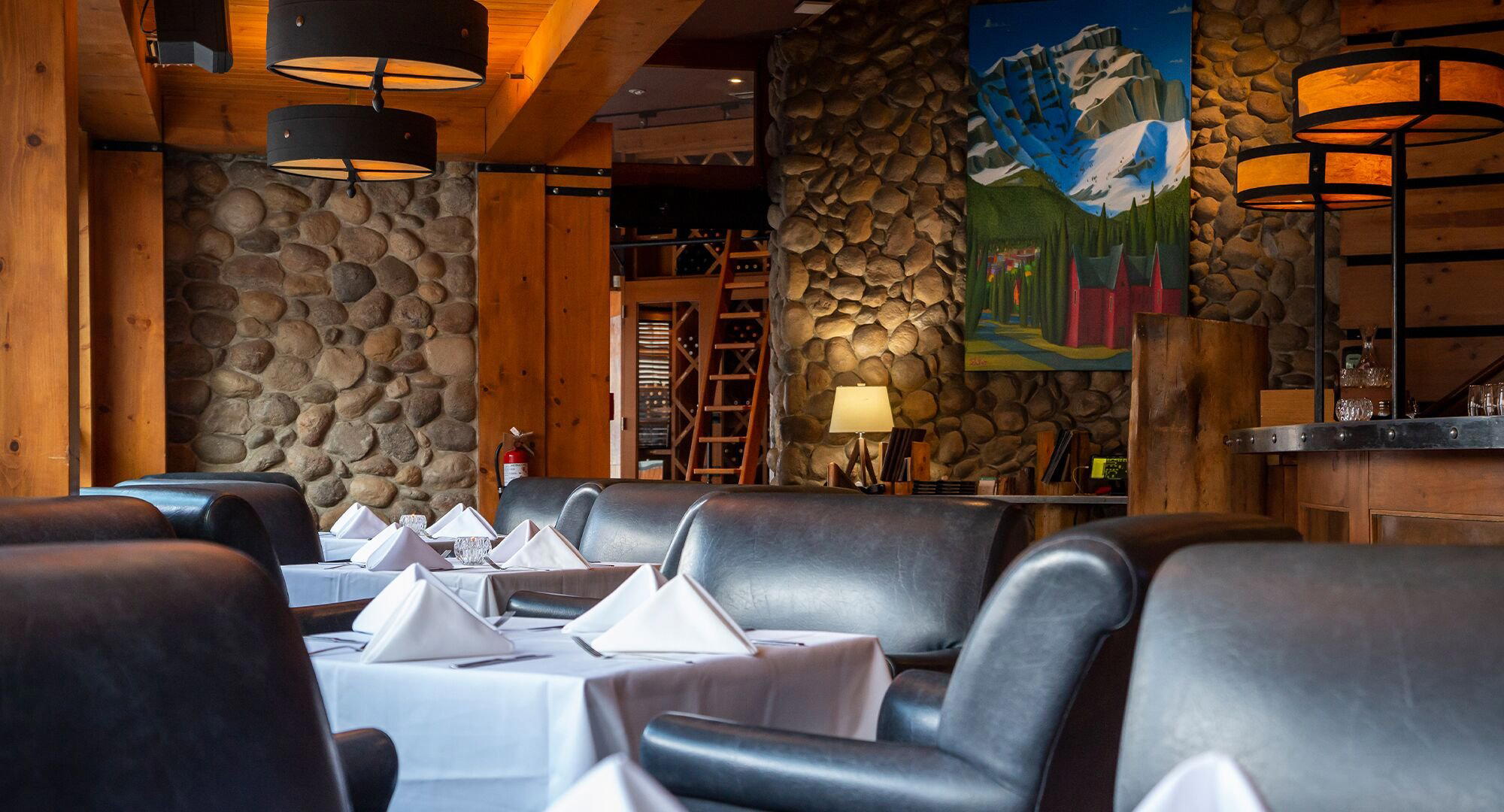
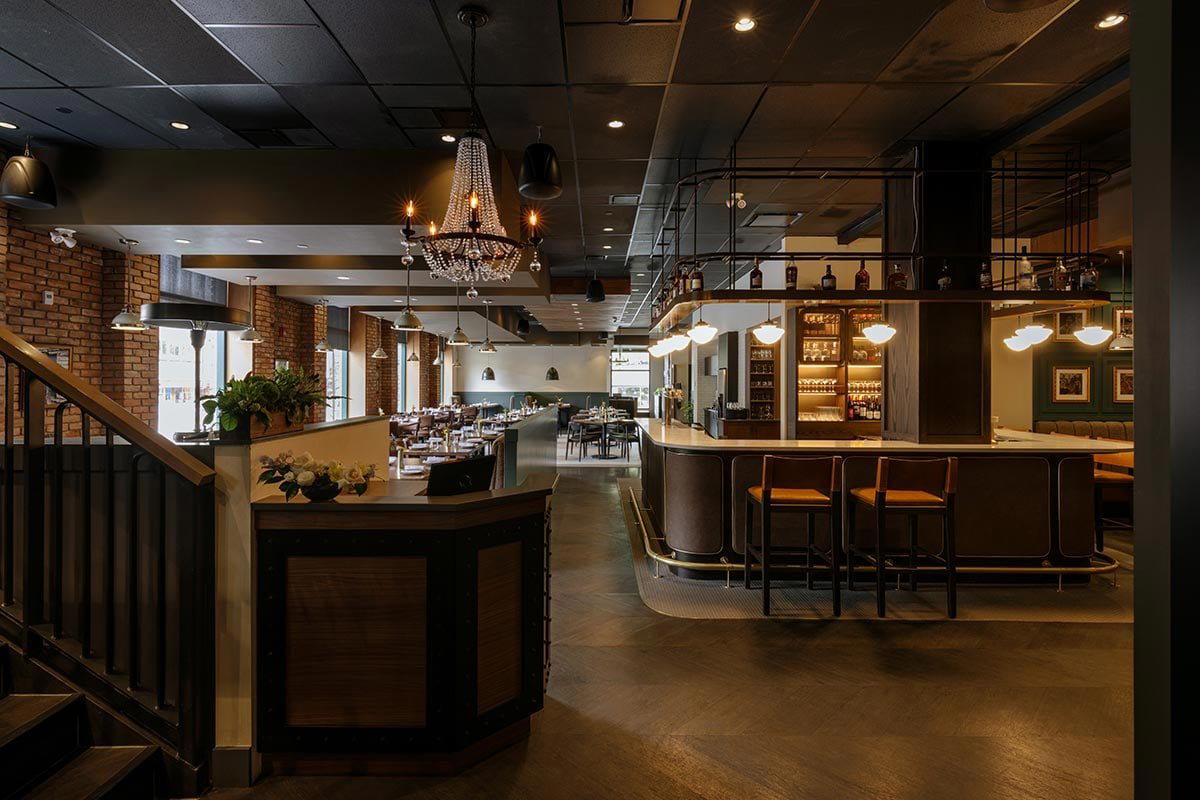
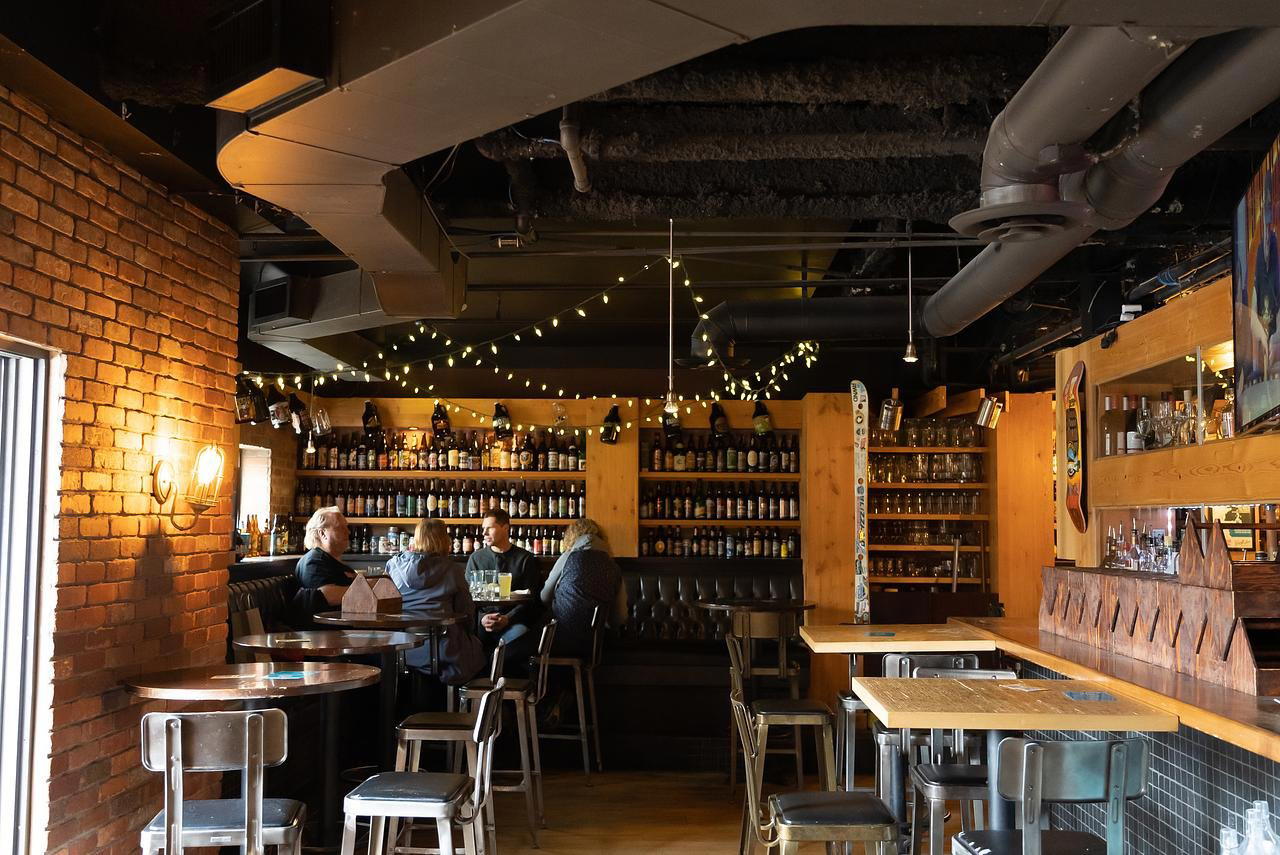
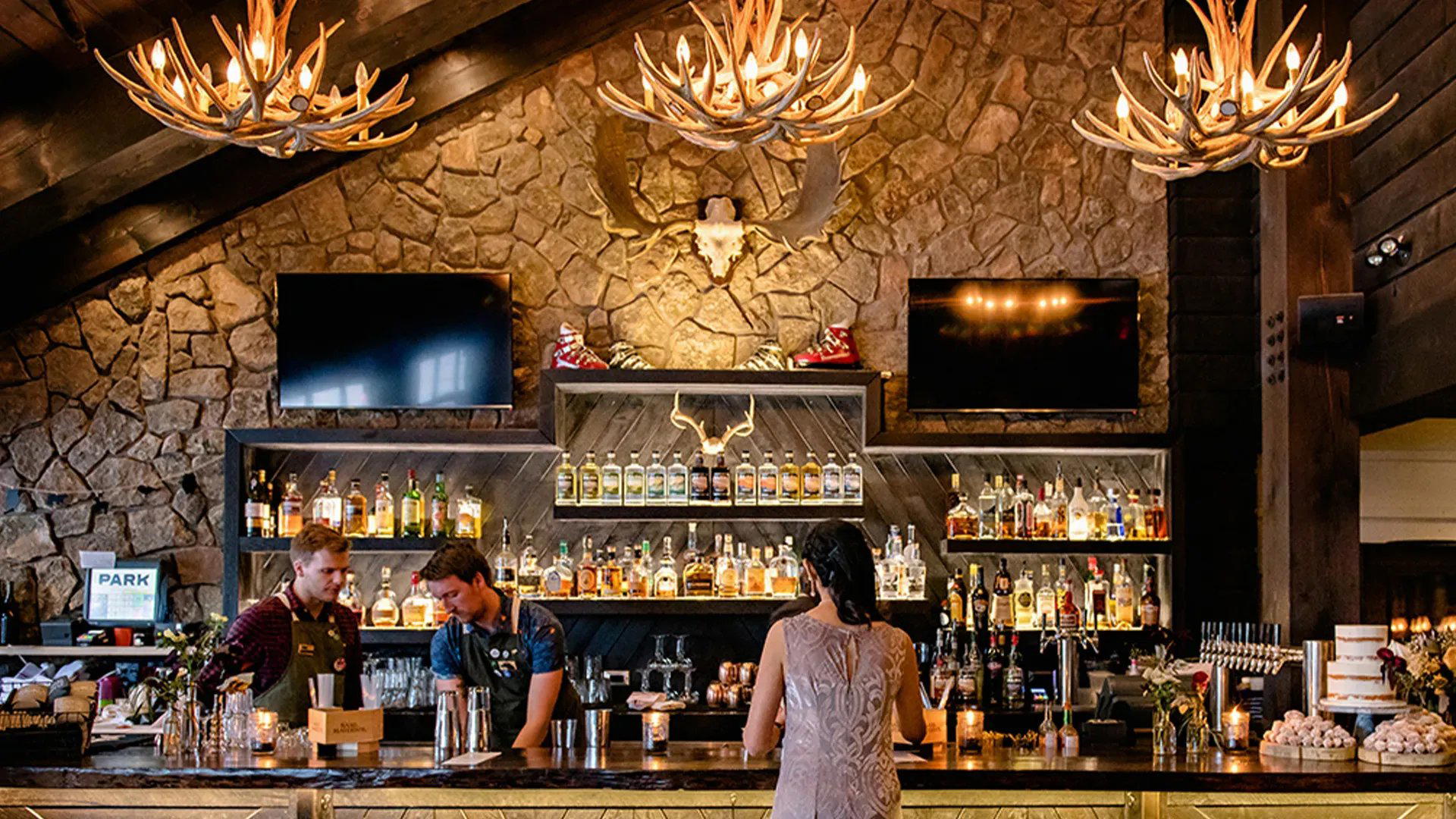
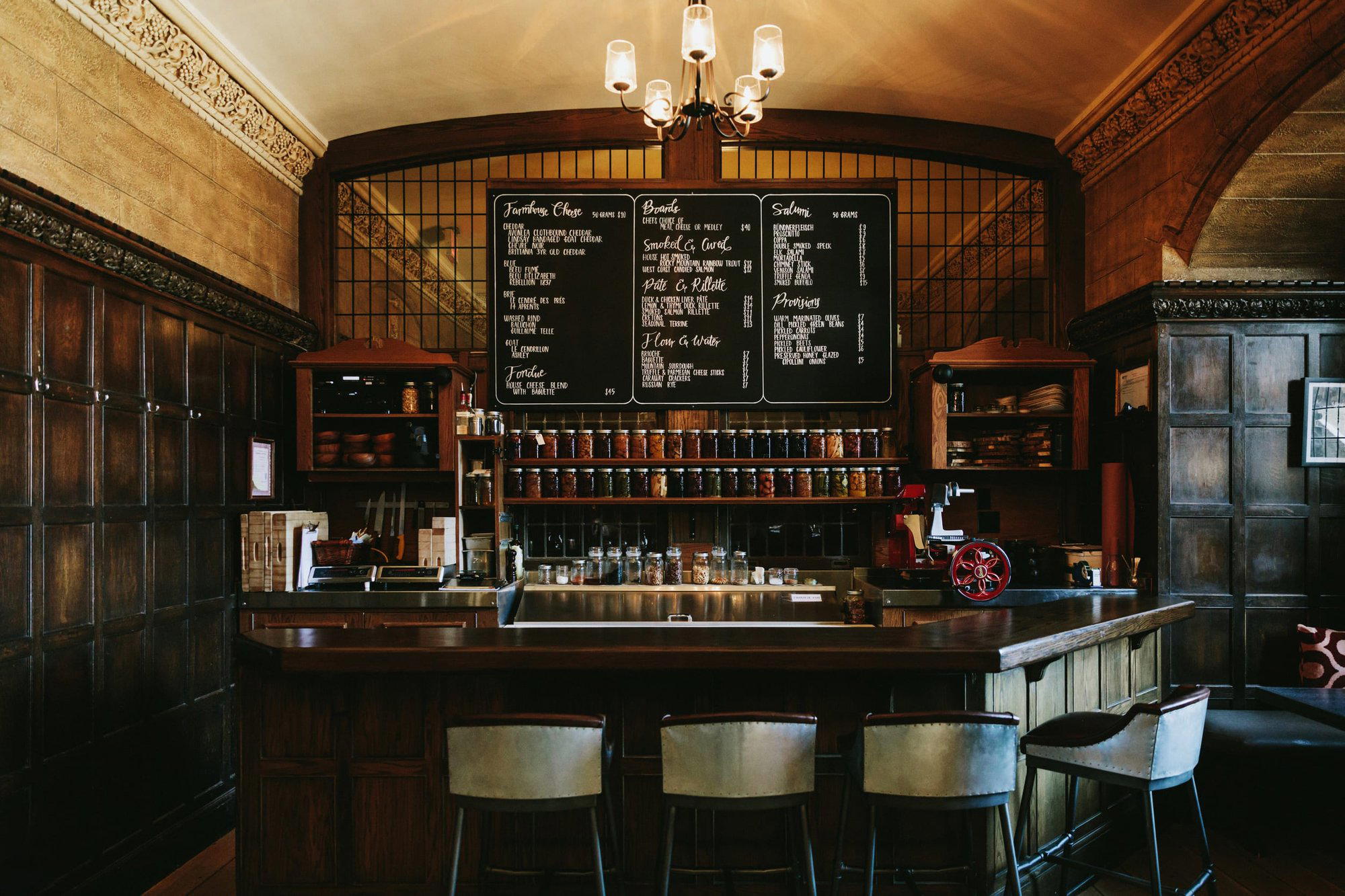
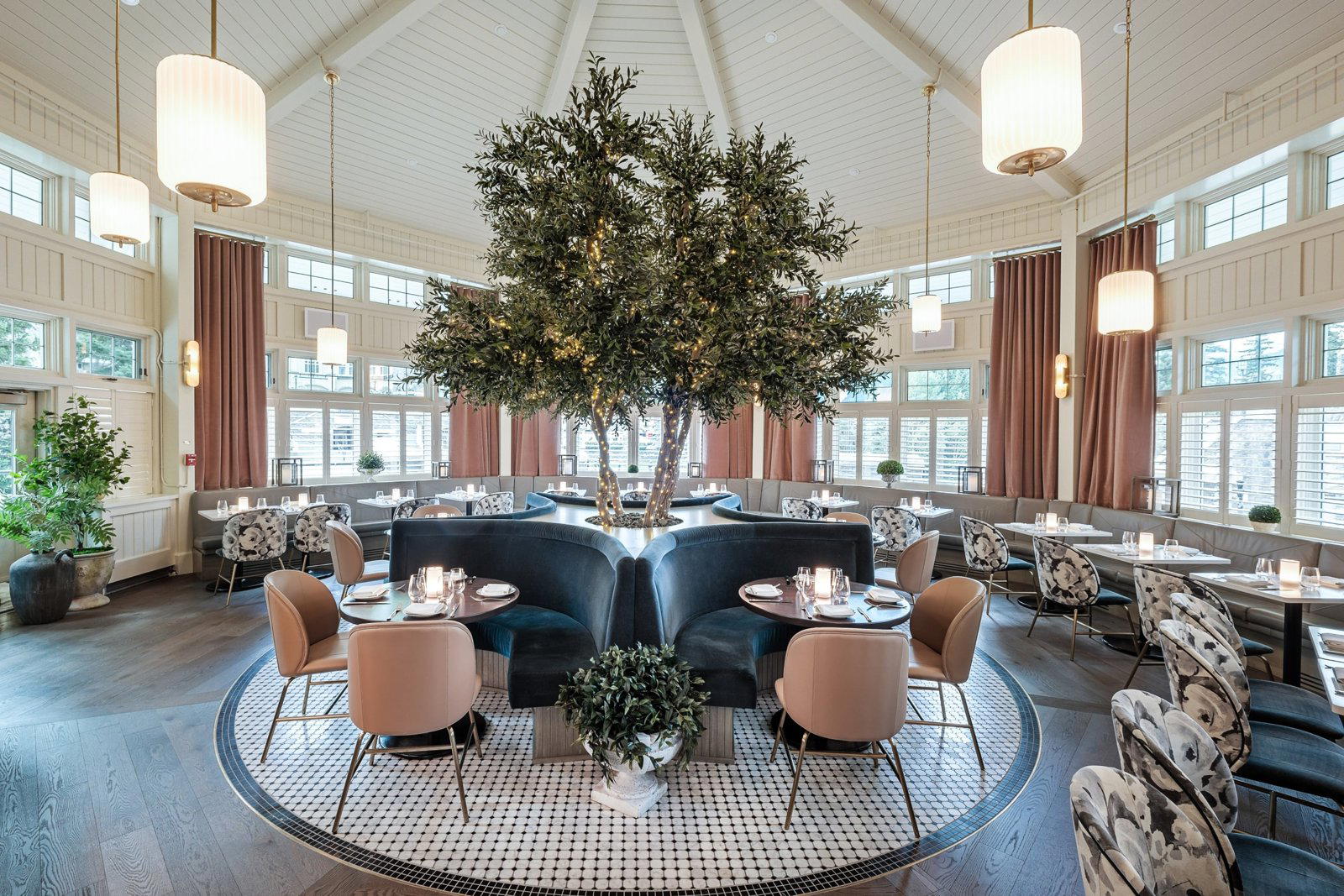
Warm, nature-inspired atmosphere next to the fire in an open dining space.
Know Before You Go
- Getting there
- 333 Banff Ave, Banff, AB T1L 1J3, Canada