Few addresses in Banff carry the kind of atmospheric weight that The Grizzly House does. Long a fixture on Banff Avenue, this fondue-centred institution draws visitors and locals alike into a dim, wood-panelled room where the format, communal pots, open flames, shared time, does most of the work. It is one of the more singular dining rituals the Canadian Rockies town has to offer.
Pearl is the En Primeur Club membership app — saves, bookings, and concierge access live there. Same editors, same standards.
- Address
- 207 Banff Ave, Banff, AB T1L 1B4, Canada
- Phone
- +1 403 762 4055
- Website
- banffgrizzlyhouse.com
- Directions
- Get directions
 Saves & bookings on Pearl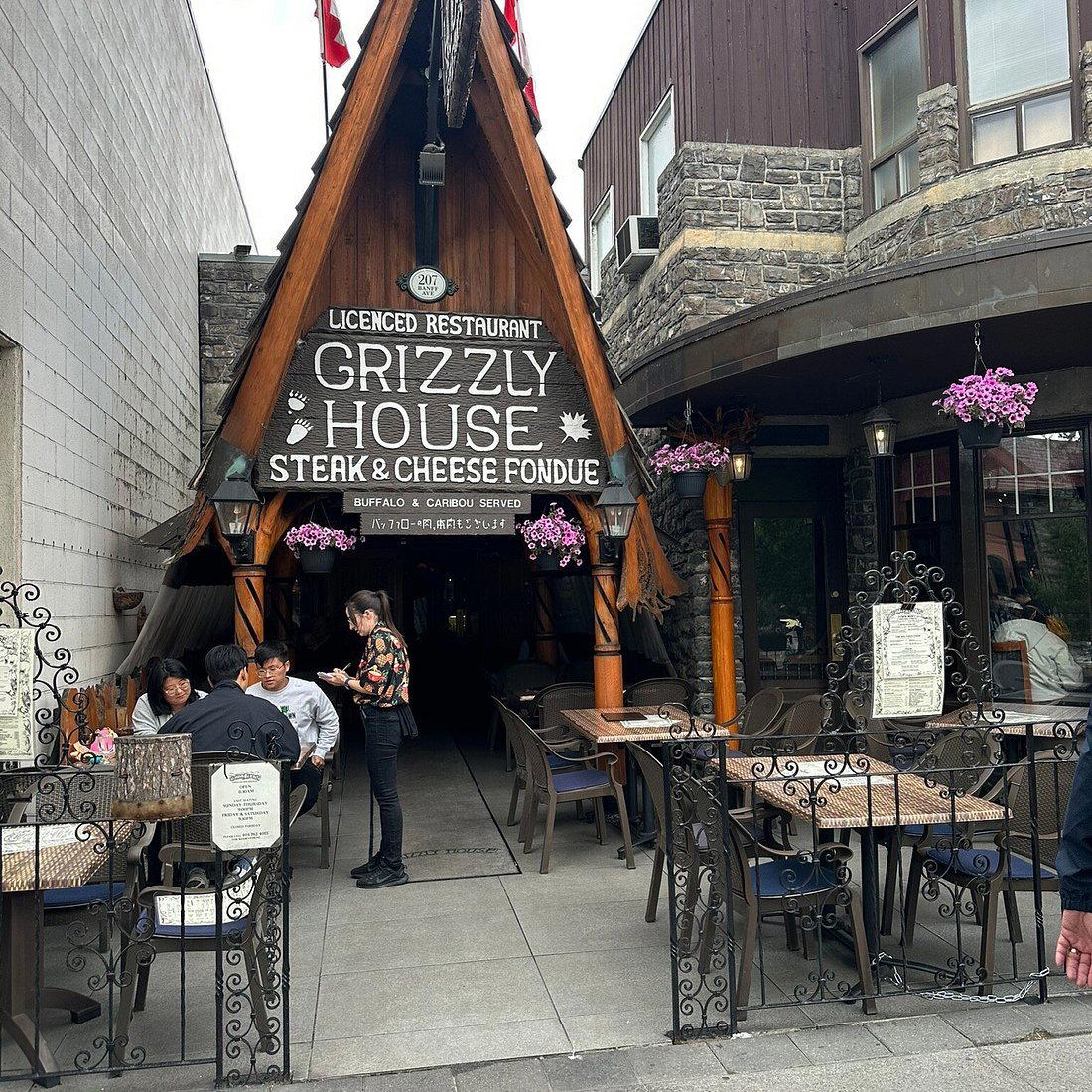
Where the Mountains Come Indoors
Banff Avenue runs through a town that has spent decades reconciling two competing identities: a working national park gateway and a resort destination with genuine culinary ambition. Most restaurants along the strip resolve that tension by leaning into accessibility, wide menus, broad price points, queues that move fast. The Grizzly House, a casual Swiss-Canadian fondue restaurant in Banff, is priced around $60 per person. The Grizzly House takes a different approach. The room is deliberately contained, lit low, and built around the kind of format that slows a meal down by design. Fondue, as a dining structure, is not casual in the way a burger or a shared plate is casual. It requires attention, coordination, and time, qualities that suit this part of Alberta, where evenings in the mountains tend to stretch naturally toward the unhurried end.
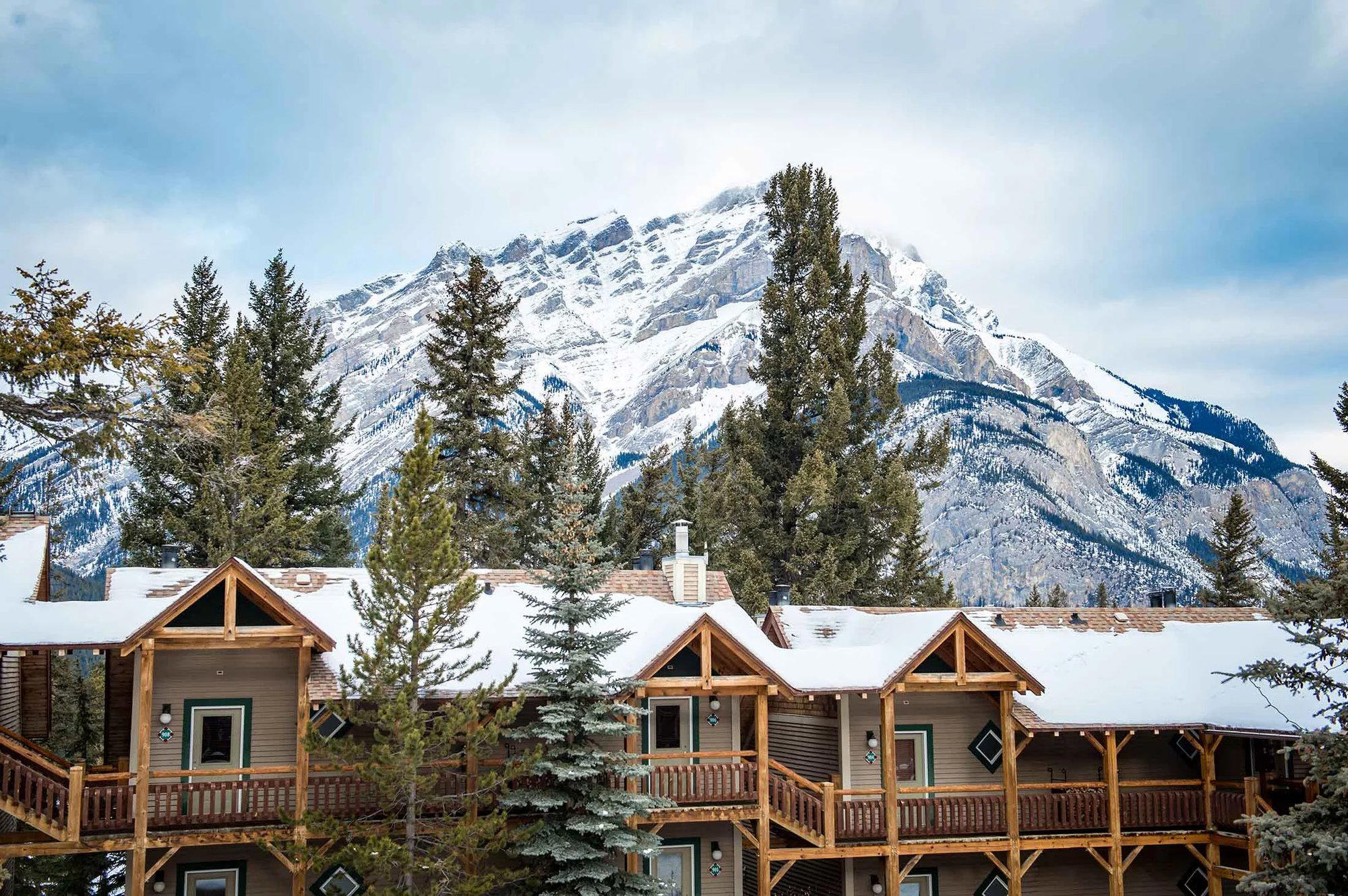
The physical environment at 207 Banff Ave is worth reading carefully before you arrive. The interior draws on decades of accumulated character: dark wood, close tables, and a warmth that registers immediately when you step in from the mountain air outside. The sensory shift from street to room is pronounced. That contrast, cold outside, close and amber-lit within, is the backdrop against which the fondue format makes its fullest sense. You are not here for a quick meal. You are here for the kind of evening that alpine restaurants in Switzerland and Austria have built entire reputations around, transposed into a Canadian Rockies context that has its own distinct character.
The Fondue Tradition in a Mountain Town Context
Fondue as a restaurant format peaked in North American dining consciousness in the 1970s and retreated quickly as food culture moved toward lighter, faster, more varied formats. What survived that retreat were the establishments that had built real loyal followings, places where the format itself was the draw rather than a novelty. The Grizzly House belongs to that cohort. It has operated long enough to become part of Banff's dining memory in a way that newer, trendier openings simply have not had the time to replicate.
The fondue tradition it represents is worth placing in context against what is happening elsewhere in Canadian mountain and wilderness dining. Properties like the Fogo Island Inn Dining Room in Joe Batt's Arm and destination restaurants such as Eigensinn Farm in Singhampton have built their reputations on format discipline and a refusal to compromise experience for volume. The restaurant operates in a different register, more accessible, more rooted in a specific European dining tradition, but the underlying logic is similar: commit to a format and let it define the room.
For comparison, the Canadian fine dining scene has moved decisively toward hyper-local, tasting menu formats. Tanière³ in Quebec City and Alo in Toronto represent one pole of that shift, technically demanding, chef-led, focused on seasonal Canadian ingredients rendered through refined technique. The restaurant sits at a different coordinate: format-led rather than chef-led, communal rather than sequential, and rooted in a European alpine tradition rather than the new Canadian idiom. Neither approach is more valid; they answer different questions about what a meal is for.
The Sensory Architecture of the Experience
The appeal of fondue as a dining format is largely sensory and social. The pot at the centre of the table creates a focal point that restructures conversation, you are all oriented toward the same thing, making decisions collectively about timing, temperature, and rotation. The smell of melted cheese or hot oil or broth rises continuously through the meal, marking its rhythm. The sound of the room, where multiple tables are engaged in the same communal ritual simultaneously, creates a specific kind of ambient hum that is different from the noise of a conventional restaurant service.
Against Banff's broader dining options, this sensory profile is genuinely distinct. 1888 Chop House delivers a more formal steakhouse atmosphere. Bear Street Tavern leans into a relaxed pub register. Añejo Restaurant brings a louder, more colour-saturated energy. Balkan Mediterranean Restaurant offers the warmth of shared mezze-style eating. Banff Social skews toward a younger, more casual demographic. None of them deliver the specific combination of ritual, warmth, and deliberate pace that the fondue format provides at the restaurant.
For visitors arriving in winter, which in Banff extends well into April, the timing of a Grizzly House booking is direct logic. The experience is calibrated to cold-weather evenings, to the feeling of being in from the mountain after a day on the ski hill or snowshoeing through Banff National Park. Summer bookings work too, but the resonance between the interior environment and the outside conditions is at its sharpest between November and March.
Where It Sits in the Wider Canadian Dining Map
Canada's premium restaurant scene in 2024 is concentrated in its major urban centres. AnnaLena in Vancouver, Jérôme Ferrer - Europea in Montréal, Restaurant Pearl Morissette in Lincoln, and Narval in Rimouski represent the kind of destination-dining ambition that pulls informed eaters out of major cities. The restaurant operates in a different tier: it is a regional institution in a town that already draws visitors for non-food reasons, positioning itself as the kind of place you come back to rather than the reason you made the trip in the first place. For international visitors comparing notes with peers who have eaten at Le Bernardin in New York City or Lazy Bear in San Francisco, the register is entirely different, and intentionally so.
Planning a visit is direct. The restaurant is on Banff Avenue, the town's main commercial spine, within walking distance of most hotels in the central area. Given its long-standing reputation, bookings during peak ski season and summer months are advisable well ahead of arrival. Also worth considering is The Pine in Creemore for a sense of how rural Ontario has developed its own version of destination dining rooted in local character rather than alpine tradition.
Peers Worth Knowing
Comparable venues nearby, for context on price, style, and recognition.
| Venue | Cuisine | Price | Notes |
|---|---|---|---|
| The Grizzly HouseThis venue — the venue you are viewing | Swiss-Canadian Fondue with Exotic Meats | $$$ | Not listed |
| Block Kitchen + Bar | Asian Fusion Tapas | $$$ | Banff Ave |
| Special Event Room | Banquet & Private Dining | $$$$ | Banff |
| The Bison Restaurant & Terrace | Regional Canadian Fine Dining | $$$ | Banff |
| The Meatball Pizza & Pasta | Italian Pizza & Pasta with Canadian Game Meats | $$ | Banff Avenue |
| THE VERMILLION ROOM | French Brasserie with Canadian Charm | $$$$ | Banff |
At a Glance
- Rustic
- Cozy
- Well Known
- Lively
- Group Dining
- Celebration
- Special Occasion
- Date Night
- Historic Building
- Open Kitchen
- Craft Cocktails
- Local Sourcing
- Mountain
- Street Scene
Current opening hours
- Monday
- 11:30 AM–9 PM
- Tuesday
- Closed
- Wednesday
- 11:30 AM–9 PM
- Thursday
- 11:30 AM–9 PM
- Friday
- 11:30 AM–9:30 PM
- Saturday
- 11:30 AM–9:30 PM
- Sunday
- 11:30 AM–9 PM
Hours can change for holidays and private events. Last verified .
Cozy rustic atmosphere with 70s disco vibes, dim lighting, wood-carved animal mounts, and lively interactive dining.