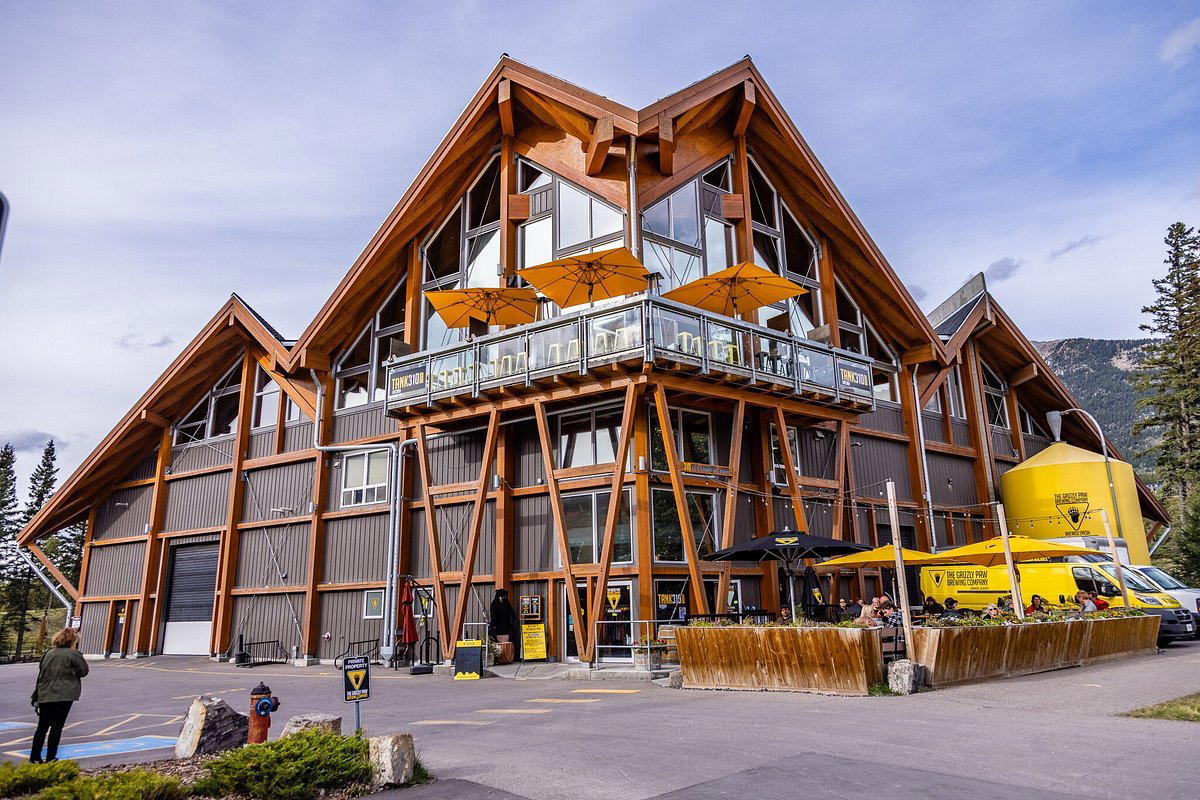
A gathering point on Eagle Crescent that functions as Banff's answer to the neighbourhood collective model: multiple concepts under one roof, drawing both town regulars and visitors who have moved past the main strip. The address sits within walking distance of the core but carries a slightly removed energy that suits both a mid-week drink and a longer evening.
Pearl is the En Primeur Club membership app — saves, bookings, and concierge access live there. Same editors, same standards.
- Address
- 128 Eagle Cres, Banff, AB T1L 1A1, Canada
- Phone
- +1 403 762 2101
- Website
- banffcollective.com
- Directions
- Get directions
 Saves & bookings on Pearl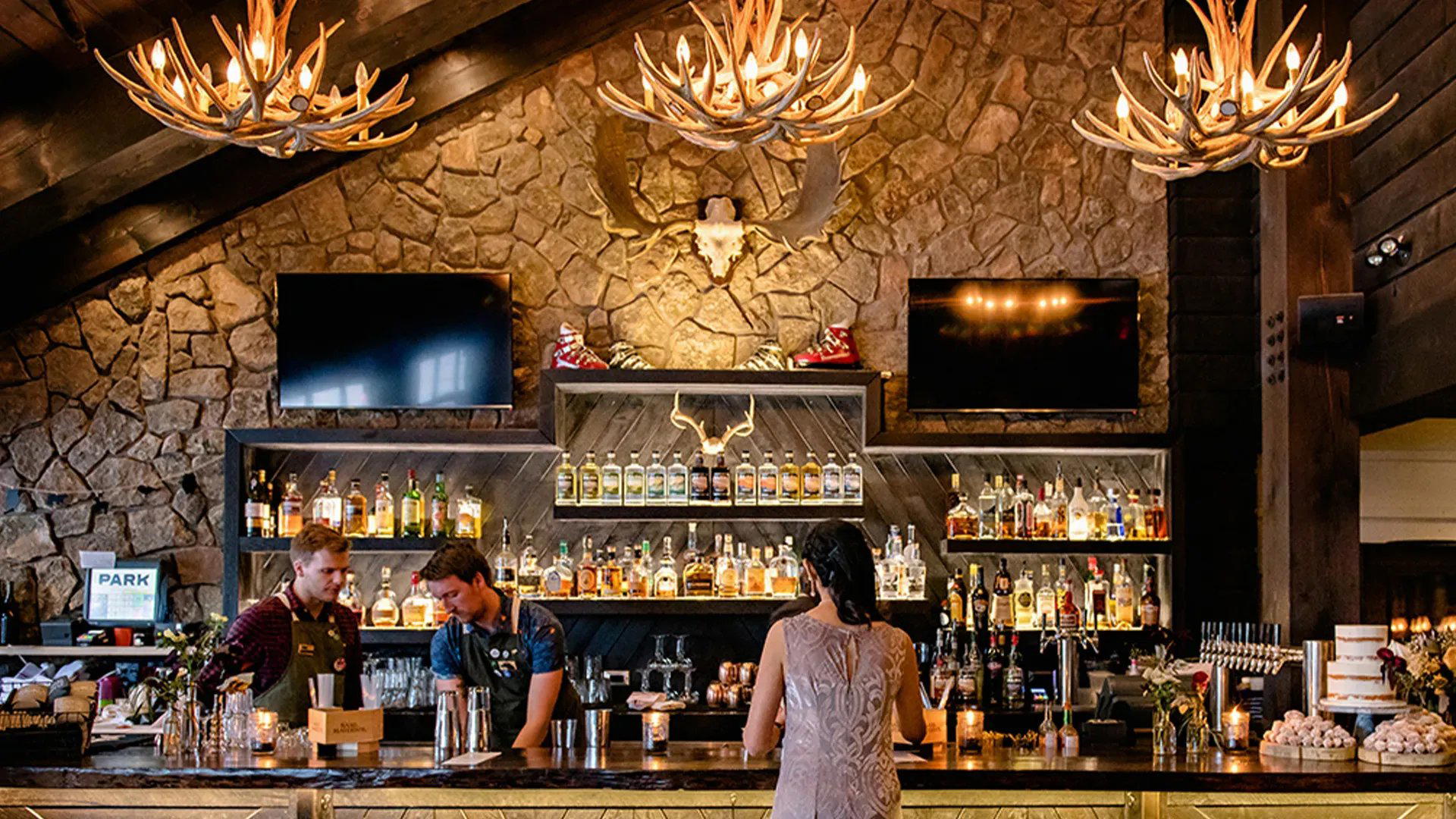
Eagle Crescent and the Collective Model in Mountain Towns
Banff operates under particular hospitality pressures that few Canadian towns share. A permanent population of roughly 9,000 swells to multiples of that figure across peak ski and summer seasons, and the dining and drinking infrastructure has to serve both audiences simultaneously. The result is a spectrum: high-volume operations on Banff Avenue built around tourist throughput, and a smaller tier of spots that manage to hold a local identity despite the seasonal churn. It sits away from the main commercial corridor, which already signals something about who it is trying to speak to.
The collective format itself has become a common response to the economics of mountain-town hospitality. Running a single-concept venue through a slow shoulder season is a difficult proposition; a collective structure, where several complementary offerings share overheads, staffing, and a customer base, allows a property to stay relevant across different dayparts and visitor profiles. You see versions of this model in Whistler, in Revelstoke, and in the hospitality clusters that have emerged around ski towns across North America. Banff Hospitality Collective is the local expression of that logic.
The Eagle Crescent Address and What It Means
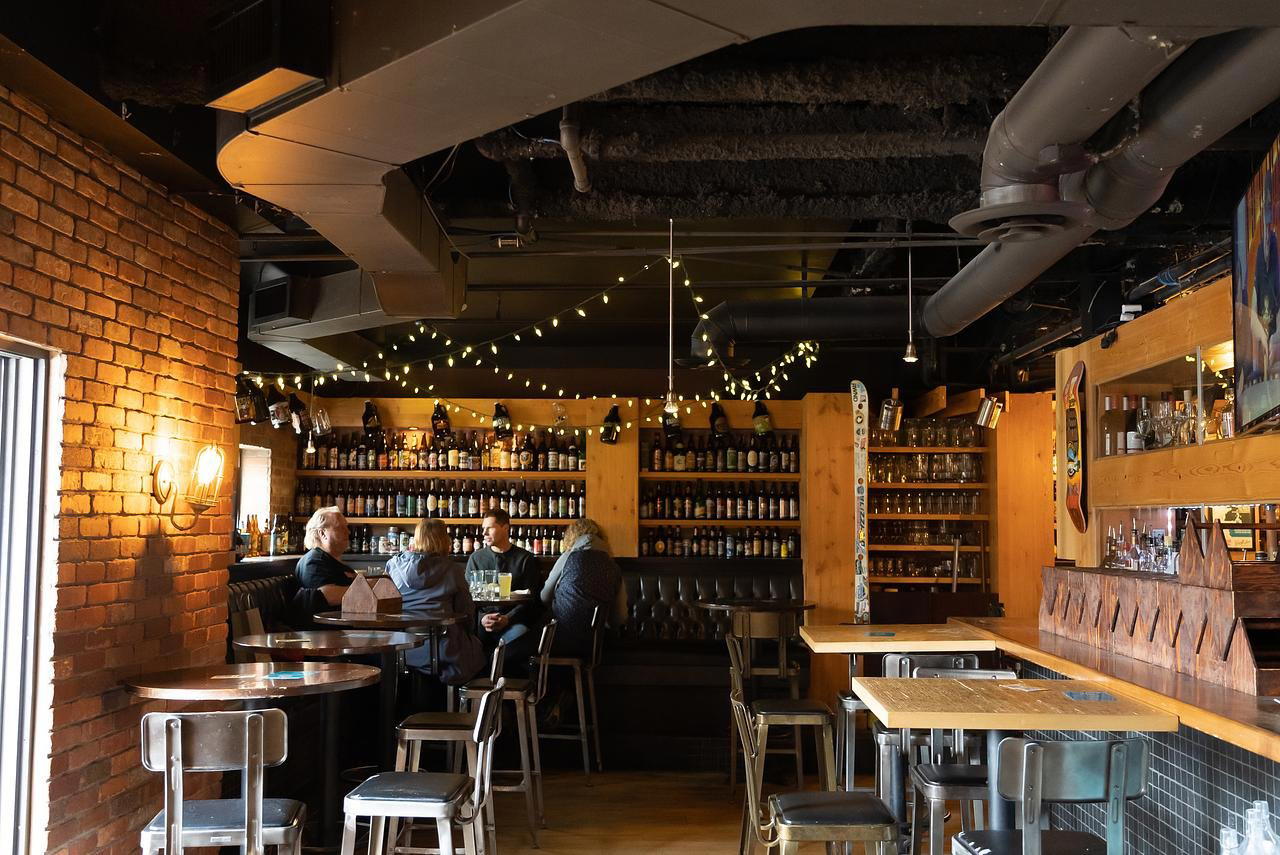
Location in Banff is never trivial. Properties on or immediately adjacent to Banff Avenue operate in high-foot-traffic conditions that generate covers but make atmosphere harder to control. Eagle Crescent is close enough to be walkable from the town centre, but the slight remove changes the energy. Venues in this position tend to attract a different mix: workers who live and operate in Banff year-round, return visitors who already know the main strip, and travellers staying in nearby accommodations who have the inclination to seek out something off the obvious path.
That community-facing character is what separates a neighbourhood watering hole from a tourist trap in a place like Banff, and the address makes the former more achievable. Banff Ave Brewing Co. handles a large volume of visitor traffic on the main strip; Block Kitchen + Bar has its own downtown identity. Eagle Crescent offers a different proposition, one where regulars are more likely to know the bartender's name and the pace is set by the room rather than by a reservation clock.
Atmosphere: What the Setting Communicates
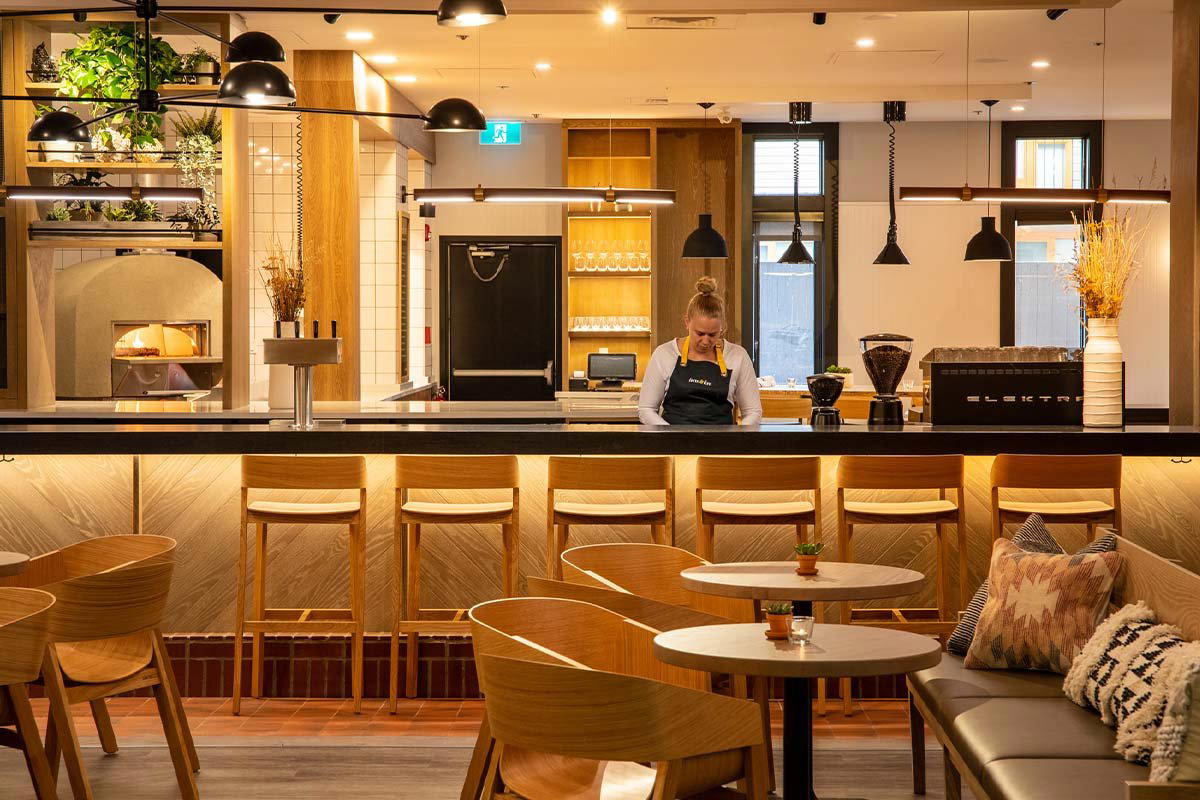
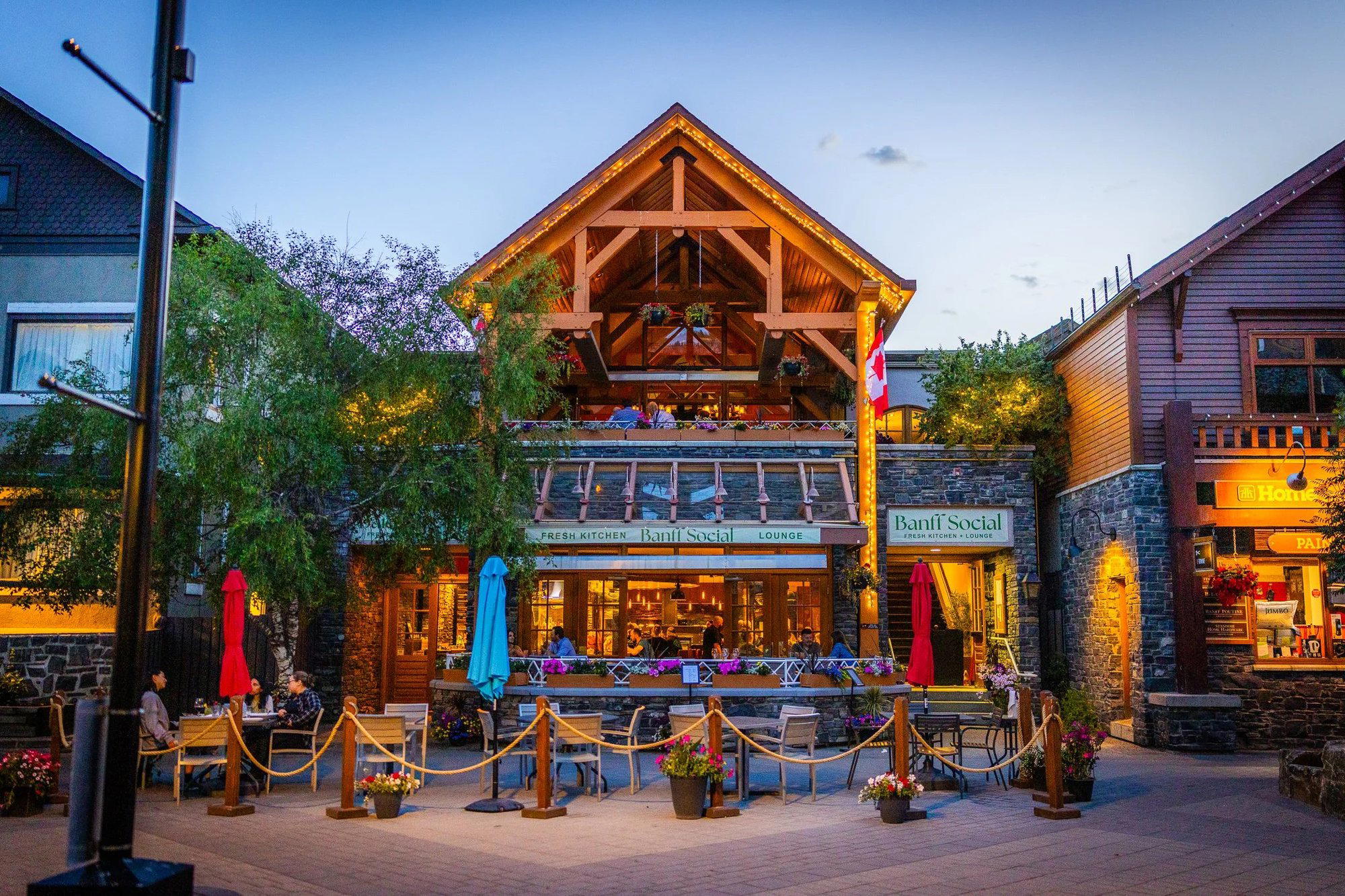
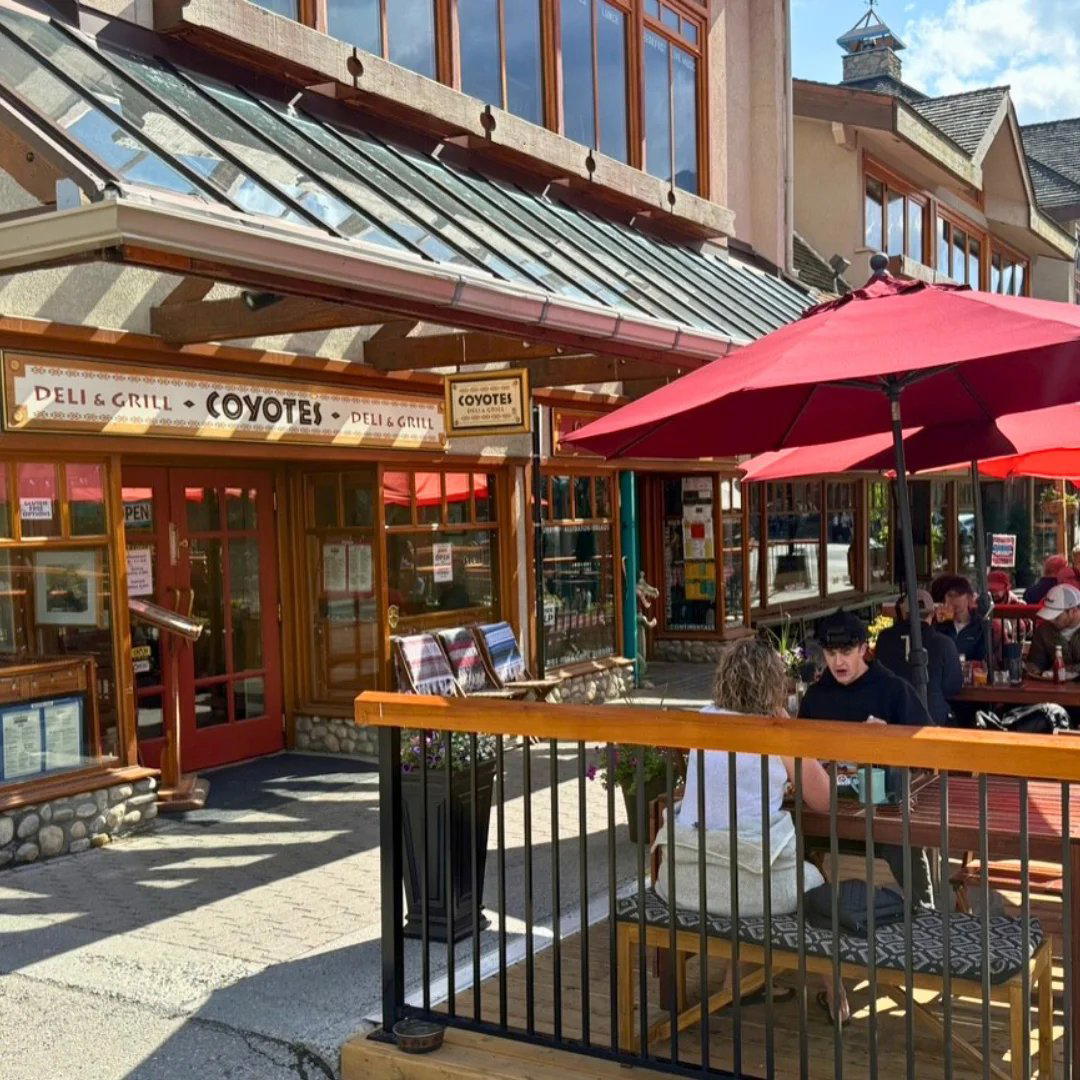
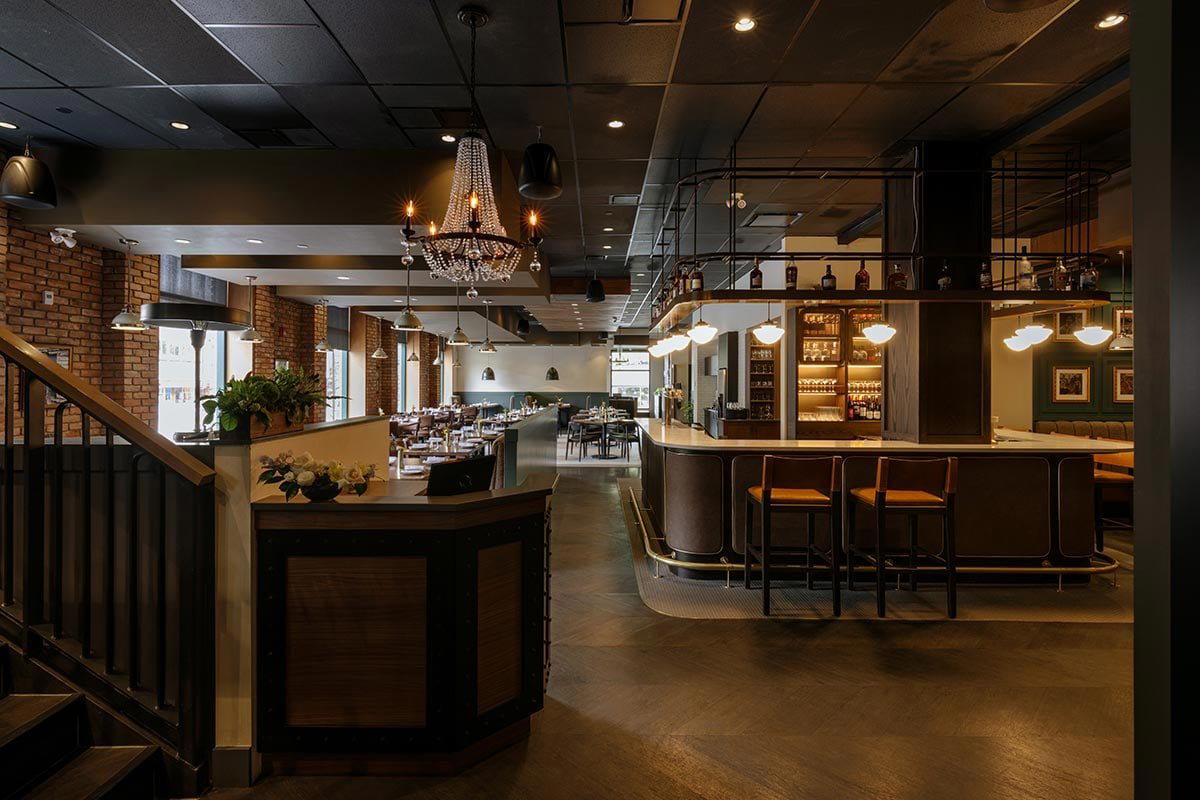
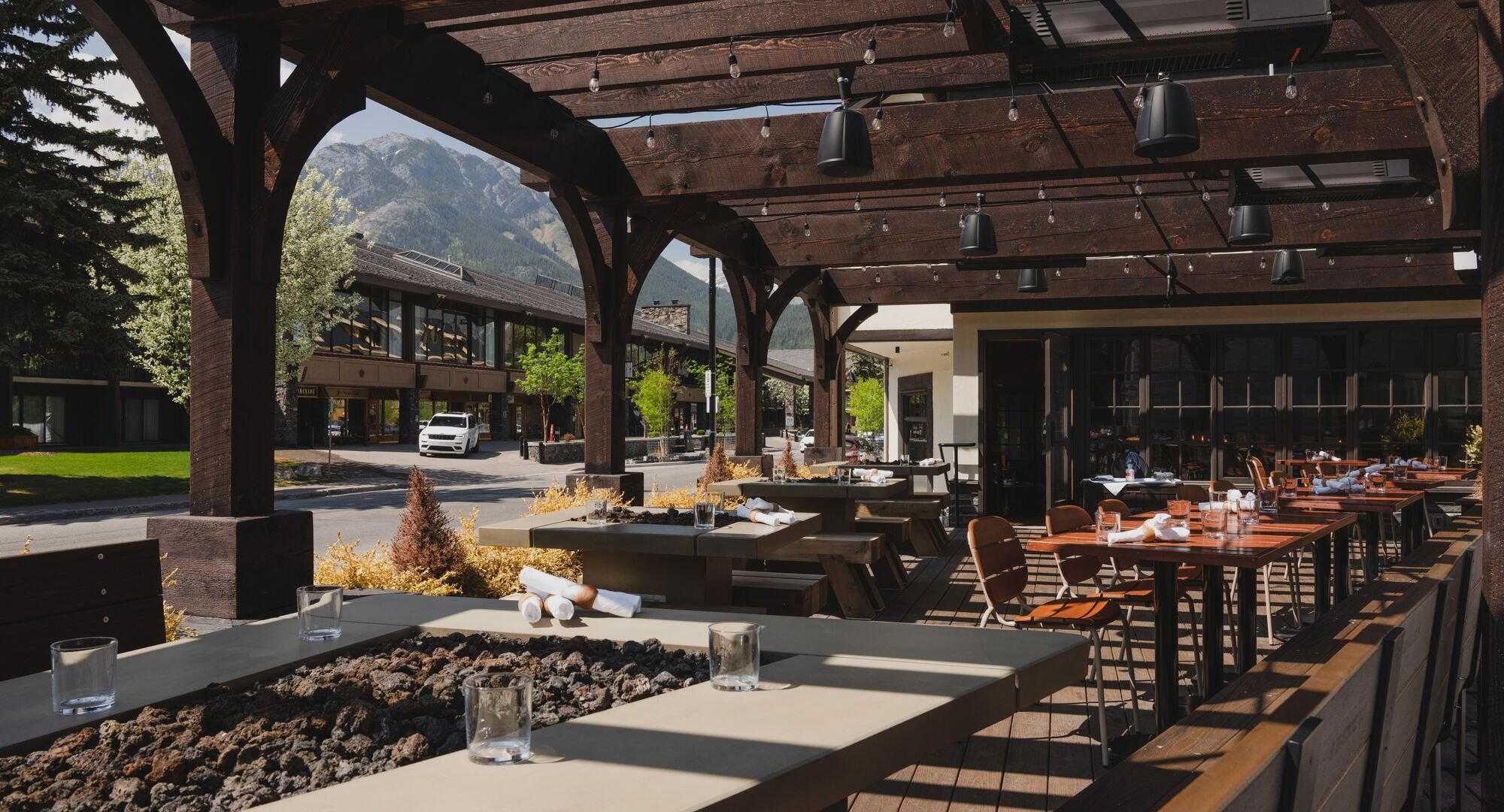
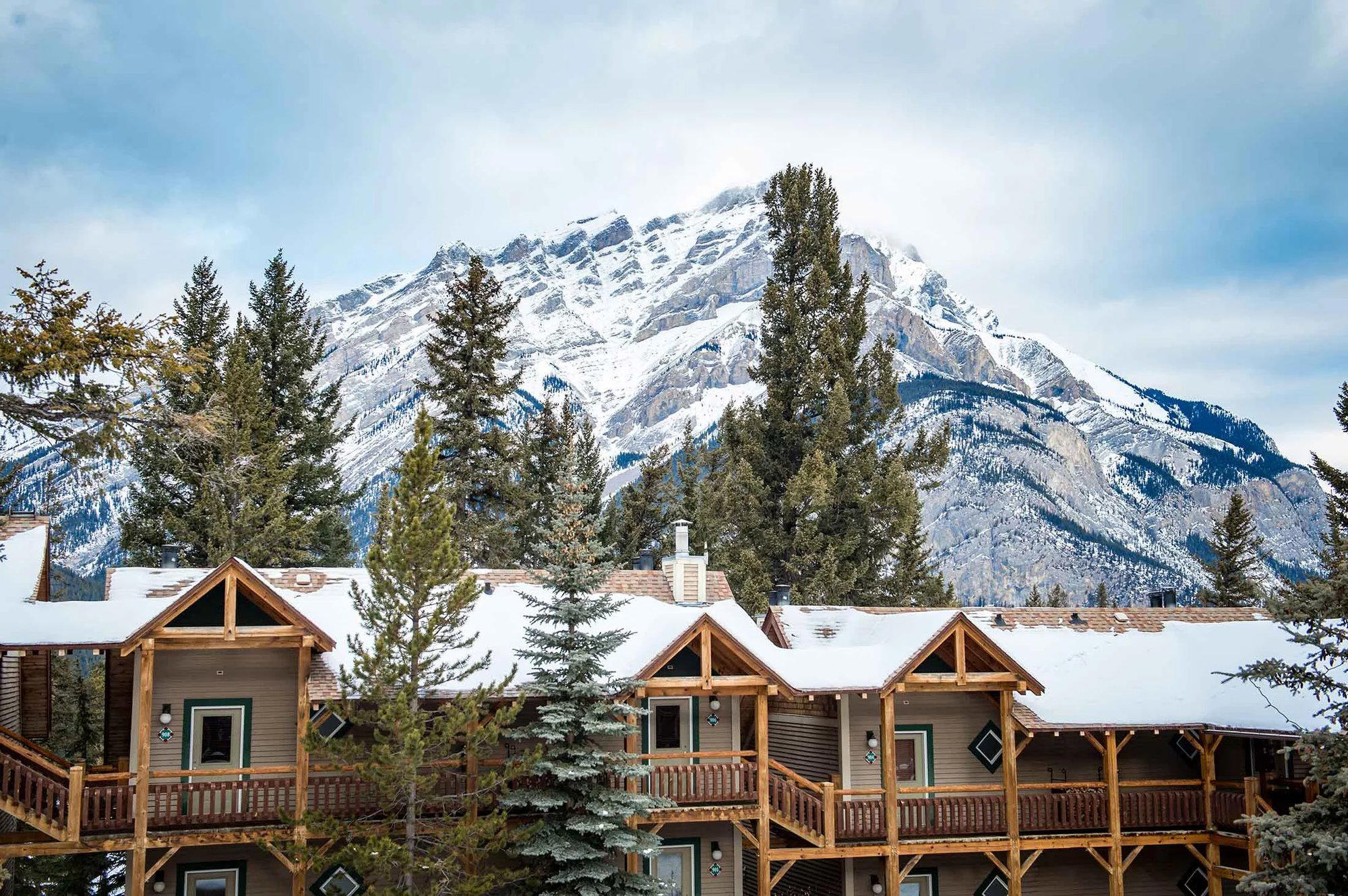
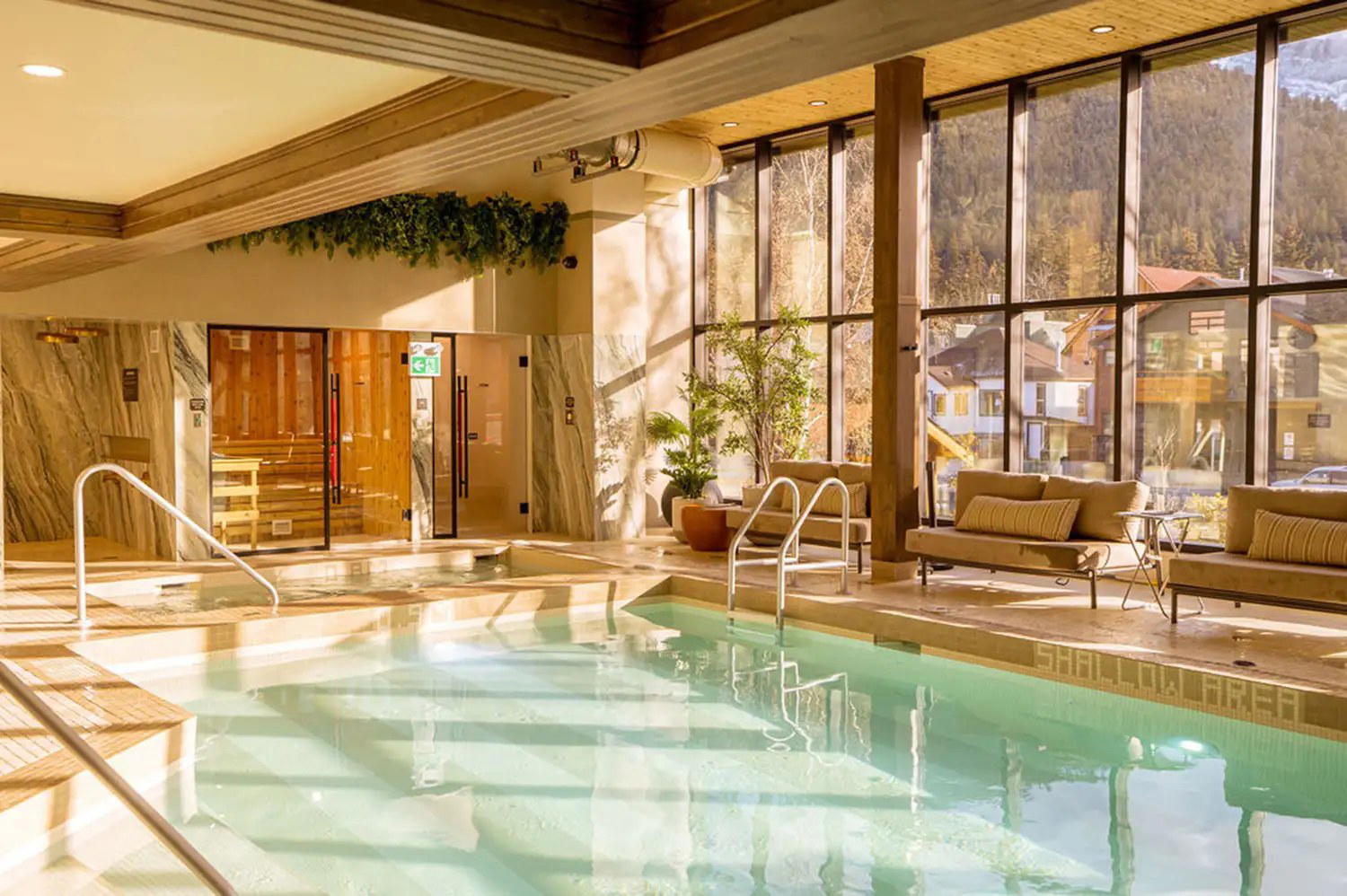
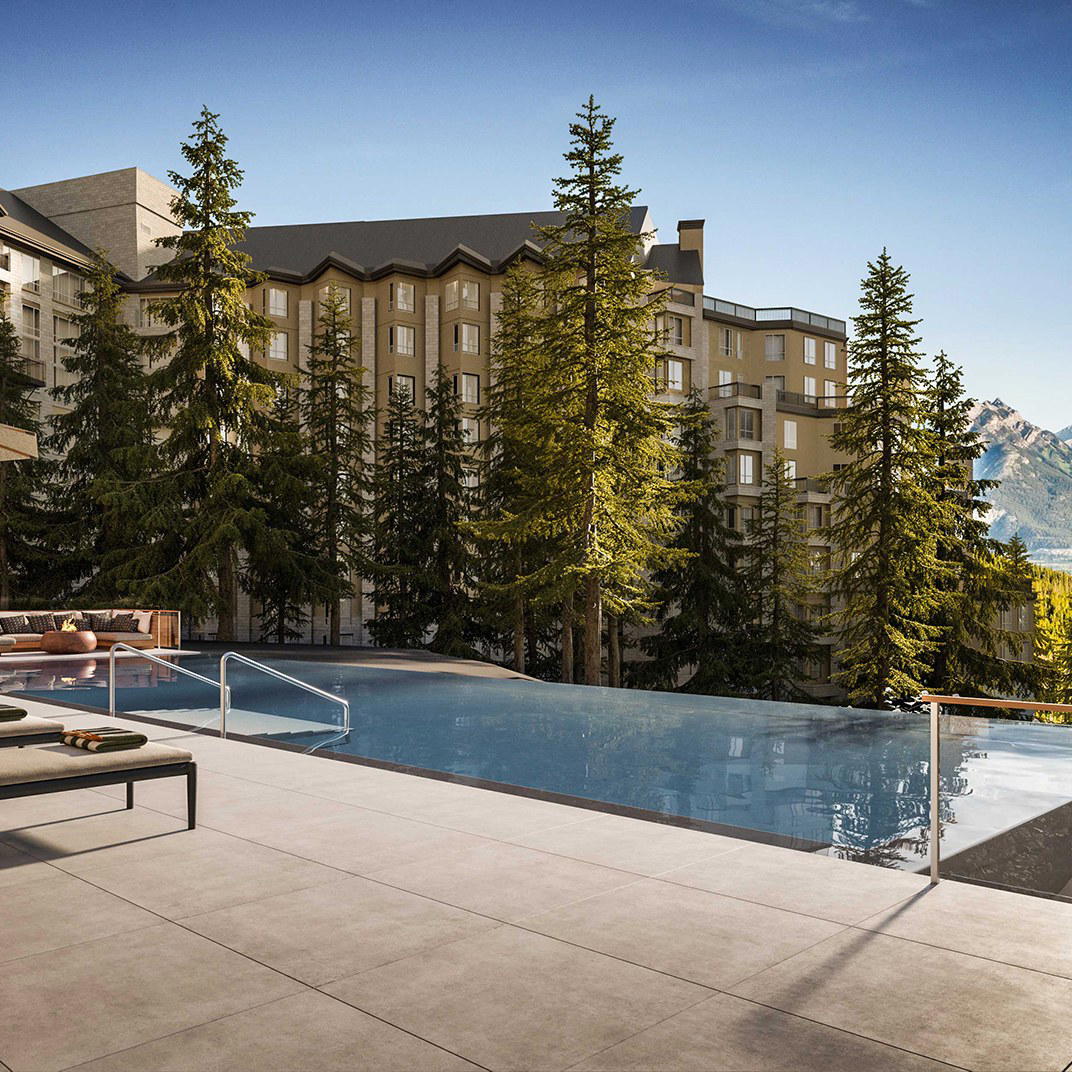
Mountain hospitality has its own visual grammar: timber, stone, firelight, and a sense that the outdoors has been invited in rather than excluded. Properties that lean into that grammar deliberately, rather than as a branding exercise, tend to feel grounded in their setting. The collective format also changes the interior logic. Rather than a single dominant room with one mood, the visitor moves between zones with different functions and different energies, which makes the property more useful across different types of evenings.
For context, the wider Banff bar scene includes places like Buffalo Mountain Lodge, which anchors its atmosphere in a more explicitly lodge-style environment, and Magpie and Stump, which takes a noisier, more casual approach. Banff Hospitality Collective occupies a different register, one oriented toward the kind of gathering that sustains a local community rather than a single peak-night experience.
Drinking in a Mountain Collective
Canada's bar program scene has developed considerably over the past decade. The sophistication now on offer in cities like Montreal, Toronto, and Vancouver has created expectations that regional and destination bars increasingly have to address. Atwater Cocktail Club in Montreal and Bar Mordecai in Toronto represent the urban end of that spectrum; Botanist Bar in Vancouver and Humboldt Bar in Victoria show how the west coast has built its own version of serious bar programming.
Mountain towns occupy a different position in this ecosystem. The visitor base skews active and outdoors-oriented, and after-activity drinking has its own cadence: approachable, restorative, suited to groups. A collective model can hold both a more considered bar program and a straightforwardly social drinking environment within the same property, which makes it better suited to the full range of Banff's clientele than a single-format venue. For reference, Bearfoot Bistro in Whistler shows one way a mountain destination property can carry genuine bar ambition alongside a broader hospitality offering. Closer to the Pacific, Bar Leather Apron in Honolulu demonstrates how a technically focused program can coexist with a resort context. Banff Hospitality Collective's collective structure positions it to draw on both impulses without committing to either extreme.
Planning Your Visit
The address at 128 Eagle Crescent is walkable from the town centre, which removes any logistical friction for visitors staying in central Banff accommodations. Checking current operating hours before arriving is advisable, particularly in shoulder season when mountain-town venues adjust their schedules to match actual demand. The collective format means the property may operate different zones at different times, so arriving with some flexibility allows you to use whichever part of the space suits the moment.
Standing Among Peers
Comparable venues nearby, for context on price, style, and recognition.
| Venue | Cuisine | Price | Notes |
|---|---|---|---|
| Banff Hospitality CollectiveThis venue — the venue you are viewing | Bar | $$ | Not listed |
| Banff Ave Brewing Co. | beer_bar | $$ | downtown Banff |
| Bear Street Tavern | Canadian Gastropub Pizza | $$ | Bear Street |
At a Glance
- Lively
- Rustic
- Cozy
- Group Outing
- Casual Hangout
- Live Music
- Beer Garden
- Outdoor Terrace
- Lounge Seating
- Craft Cocktails
- Mountain
Current opening hours
- Monday
- 9 AM–5 PM
- Tuesday
- 9 AM–5 PM
- Wednesday
- 9 AM–5 PM
- Thursday
- 9 AM–5 PM
- Friday
- 9 AM–5 PM
- Saturday
- Closed
- Sunday
- Closed
Hours can change for holidays and private events. Last verified .
Varied atmospheres from backcountry lodge-inspired craft distilleries with campfire vibes to dressed-up saloons with weathered wood, warm leather, neon glows, and lively dance floors.