Good Folk occupies a spot on Banff Avenue where the town's shift toward approachable, neighbourhood-scale dining is most visible. The format sits between the polished steakhouses and the après-ski casual end of the Banff spectrum, offering a mid-register option that has found consistent traction with both locals and visiting guests. For a town whose restaurant scene has been reshaping itself around year-round residency, that positioning matters.
Pearl is the En Primeur Club membership app — saves, bookings, and concierge access live there. Same editors, same standards.
- Address
- 600 Banff Ave #1000, Banff, AB T1L 1H8, Canada
- Phone
- +14037608505
- Website
- goodfolkrestaurant.com
- Directions
- Get directions
 Saves & bookings on Pearl
Where Banff's Dining Scene Has Been Heading
Banff has spent the better part of a decade sorting itself out. For a long time, the town's restaurants fell into two predictable camps: high-end hotel dining aimed at trophy-spending tourists, and fast-casual spots absorbing the après-ski crowd. The middle ground, where a neighbourhood restaurant could build a regular following without leaning on either extreme, was thin. That gap has been closing, and Good Folk at 600 Banff Avenue sits squarely inside the shift.
The broader Canadian dining conversation has moved in a similar direction. Places like AnnaLena in Vancouver and Alo in Toronto proved that format discipline and a clear identity could coexist without institutional scale, and that model has filtered outward. In resort towns, the evolution tends to lag by a few years, but the logic eventually arrives: a town that wants year-round residents needs restaurants that feel like they belong to the town, not just to the tourist season.
The Address and What It Signals
Banff Avenue is the town's commercial spine, and a spot at number 600 places Good Folk within easy reach of the pedestrian core without sitting in the most tourist-dense block. That geography matters in a town where foot traffic patterns shift dramatically between ski season, summer hiking season, and the shoulder months. Restaurants that survive all three cycles tend to have either institutional backing or a format flexible enough to serve different visitor profiles without losing coherence.
The broader Banff Avenue corridor has seen a meaningful number of openings and reconfigurations over the past several years, with newer operators reading the room differently than the steakhouse and hotel-dining model that defined the town for much of its modern hospitality history. 1888 Chop House and Bear Street Tavern represent different points on that older spectrum. Good Folk reads as part of a newer wave, oriented toward the kind of dining that functions well regardless of whether the town is at peak occupancy or not.
The Evolution of the Format
What defines the current moment in Banff's mid-register dining is a move away from concept-heavy positioning toward something more durable. The name Good Folk carries an intentional informality, a signal that the register here is approachable rather than aspirational. That framing connects to a wider Canadian tendency, visible in restaurants from The Pine in Creemore to Narval in Rimouski, to build identity around hospitality tone rather than ceremony.
In a resort context, that evolution has a specific logic. The visitor who once expected formal tableside service and a wine list organised by appellation has been joined, and in some demographics replaced, by a traveller whose reference points are neighbourhood restaurants in cities like Montreal, Vancouver, and Toronto. The Europea in Montreal and Tanière³ in Quebec City have reset expectations for what serious Canadian cooking can look like, and those expectations travel with the guests who book into Banff's lodges.
Compared to Banff Social or Añejo Restaurant, which each occupy a specific niche on the casual end, Good Folk appears to be pitching at a slightly wider bandwidth of occasion and guest type.
Any honest assessment of Banff's restaurant scene requires acknowledging the structural constraints. The town sits inside a national park, which limits development, drives up operating costs, and creates a labour market that is seasonally volatile. Restaurants that endure in this environment tend to do so through format clarity and a willingness to evolve. The Balkan Mediterranean Restaurant has done this through decades of consistency; newer operators are doing it through concept agility.
The Canadian restaurants that have most successfully bridged geography and ambition, places like Restaurant Pearl Morissette in Lincoln and Eigensinn Farm in Singhampton, operate in settings where the location itself is part of the draw, and where the cooking is anchored to something specific about place. Banff has that same raw material, the mountains, the park, the specific cultural mix of a town that draws visitors from across Canada and internationally. What changes over time is how restaurants choose to translate that into a dining experience.
At the other end of the geographic spectrum, the intense technical ambition of Le Bernardin in New York City or the community-driven format of Lazy Bear in San Francisco represent poles that Banff restaurants navigate between. Good Folk's name and address suggest it is building toward the more convivial, less ceremony-dependent end of that range, which is where the town's dining evolution currently has the most forward momentum.
For a broader map of how Banff's restaurant options distribute across format, price, and occasion type, the full Banff restaurants guide places Good Folk within the wider picture. More geographically remote but no less serious in intent, Fogo Island Inn Dining Room in Joe Batt's Arm and Busters Barbeque in Kenora demonstrate how Canadian restaurants in non-urban settings have found distinct identities without deferring to metropolitan templates.
Planning a Visit
Good Folk is located at 600 Banff Avenue, Suite 1000, inside the town's main commercial corridor and accessible on foot from most central accommodations. Banff's peak seasons, mid-December through March for skiing and late June through August for hiking and summer tourism, create the highest pressure on all mid-tier restaurants in town, and availability at well-regarded spots can tighten quickly during those windows. The shoulder seasons of April through May and October through November tend to offer more flexibility for walk-ins or shorter-notice reservations, and the town itself operates at a pace that makes dining more relaxed during those periods. Specific booking methods, hours, and current pricing are best confirmed directly, as resort-town restaurants frequently adjust their operational patterns between seasons.
At a Glance
- Intimate
- Cozy
- Rustic
- Elegant
- Date Night
- Special Occasion
- Hotel Restaurant
- Craft Cocktails
- Local Sourcing
Current opening hours
- Monday
- 7 AM–12 PM, 4–10 PM
- Tuesday
- 7 AM–12 PM, 4–10 PM
- Wednesday
- 7 AM–12 PM, 4–10 PM
- Thursday
- 7 AM–12 PM, 4–10 PM
- Friday
- 7 AM–12 PM, 4–10 PM
- Saturday
- 7 AM–12 PM, 4–10 PM
- Sunday
- 7 AM–12 PM, 4–10 PM
Hours can change for holidays and private events. Last verified .
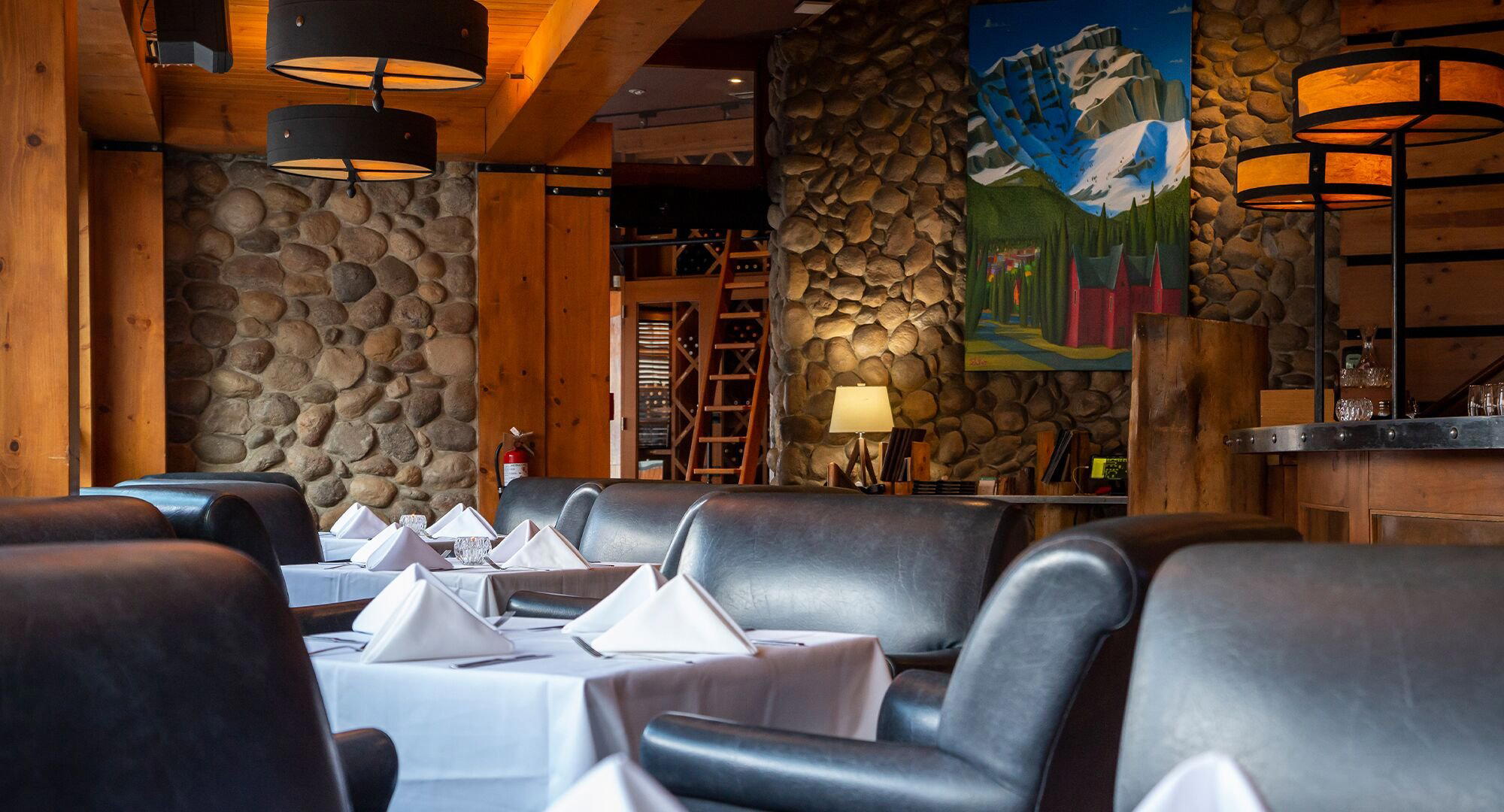
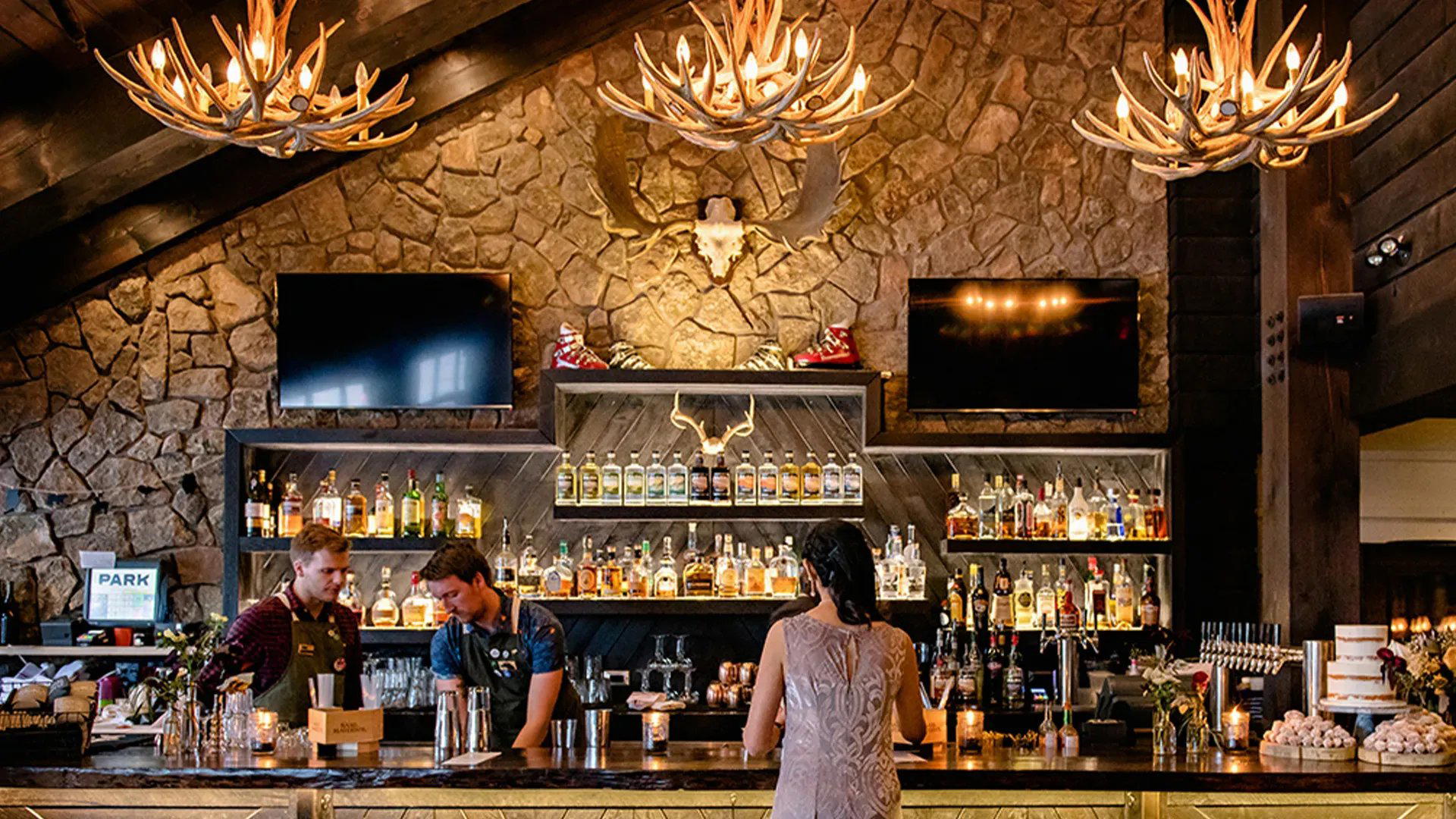
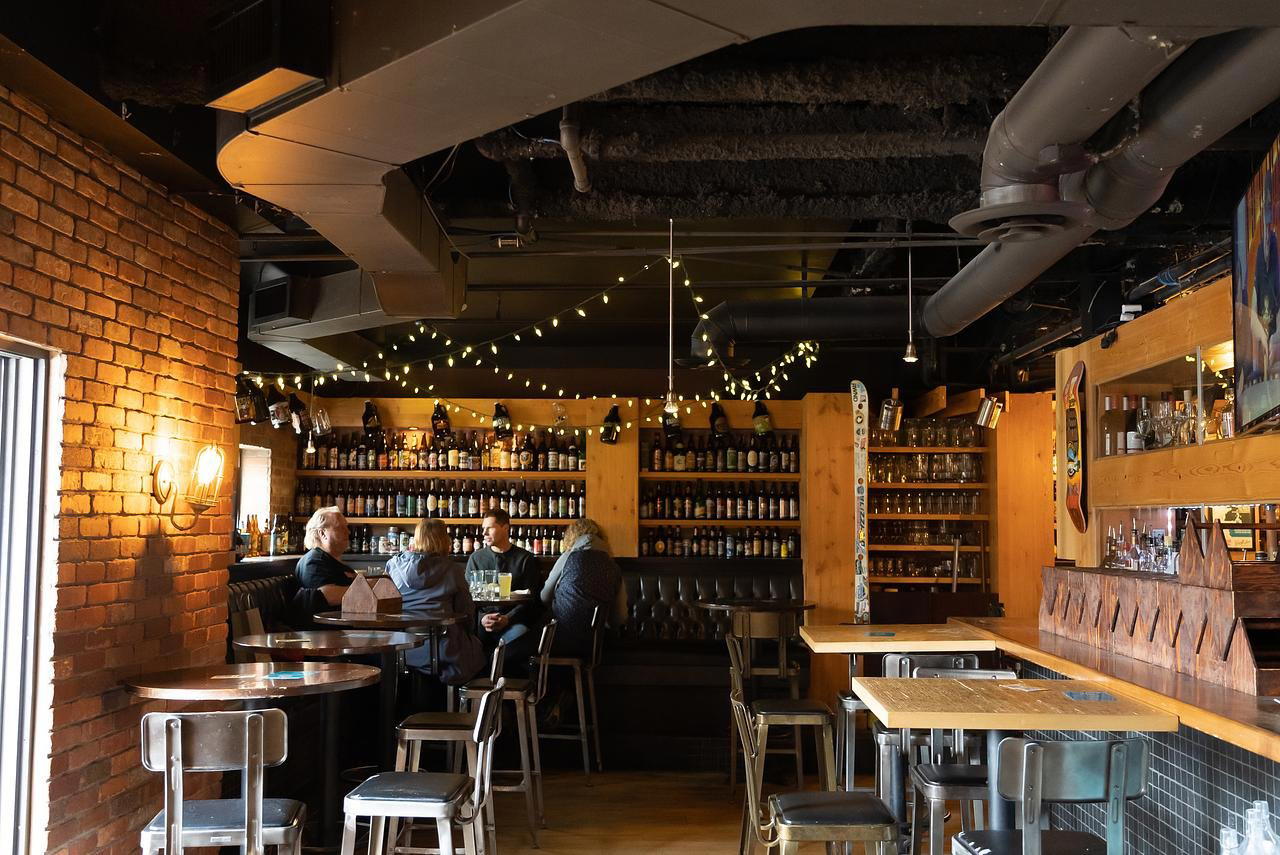
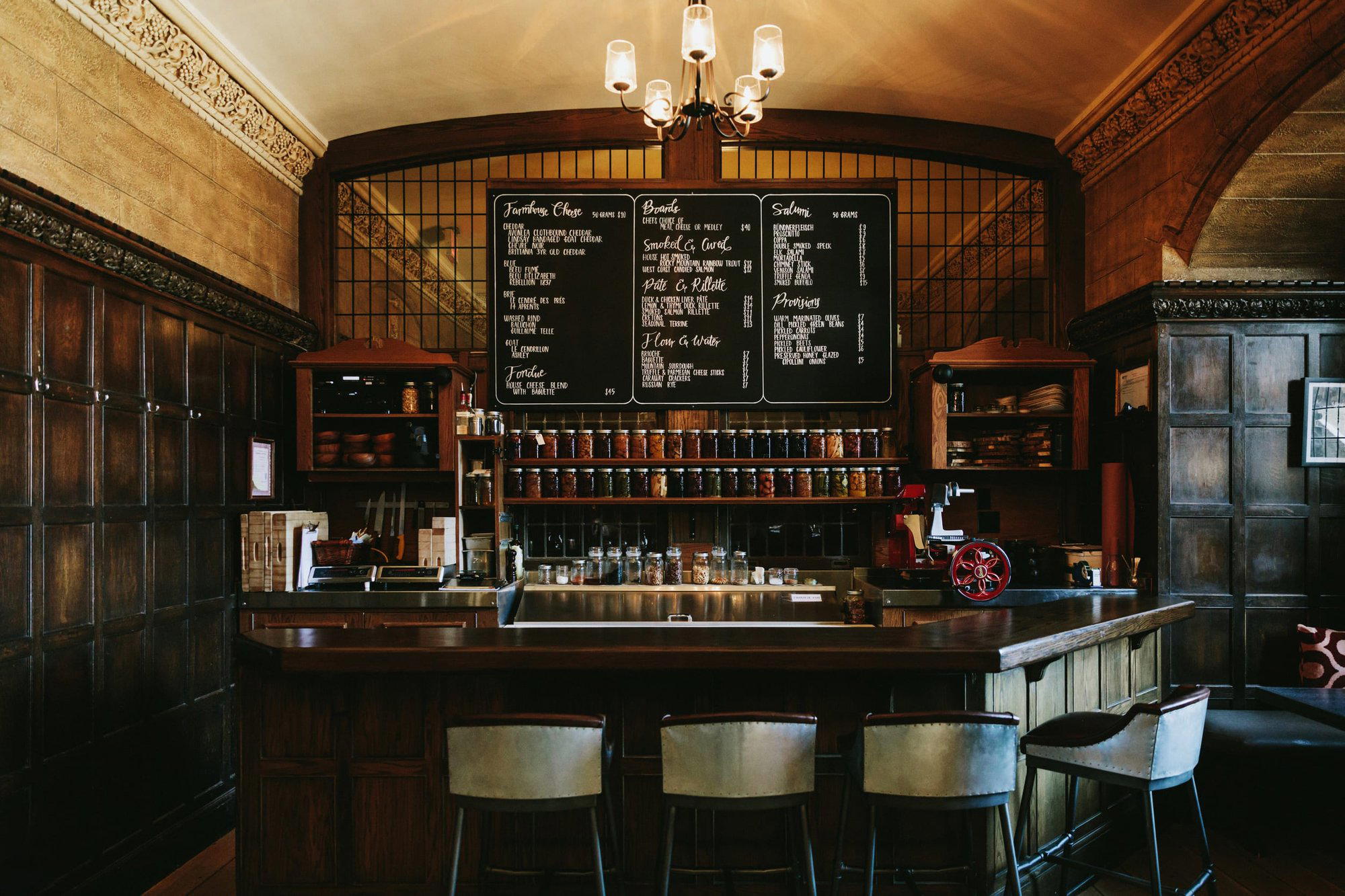
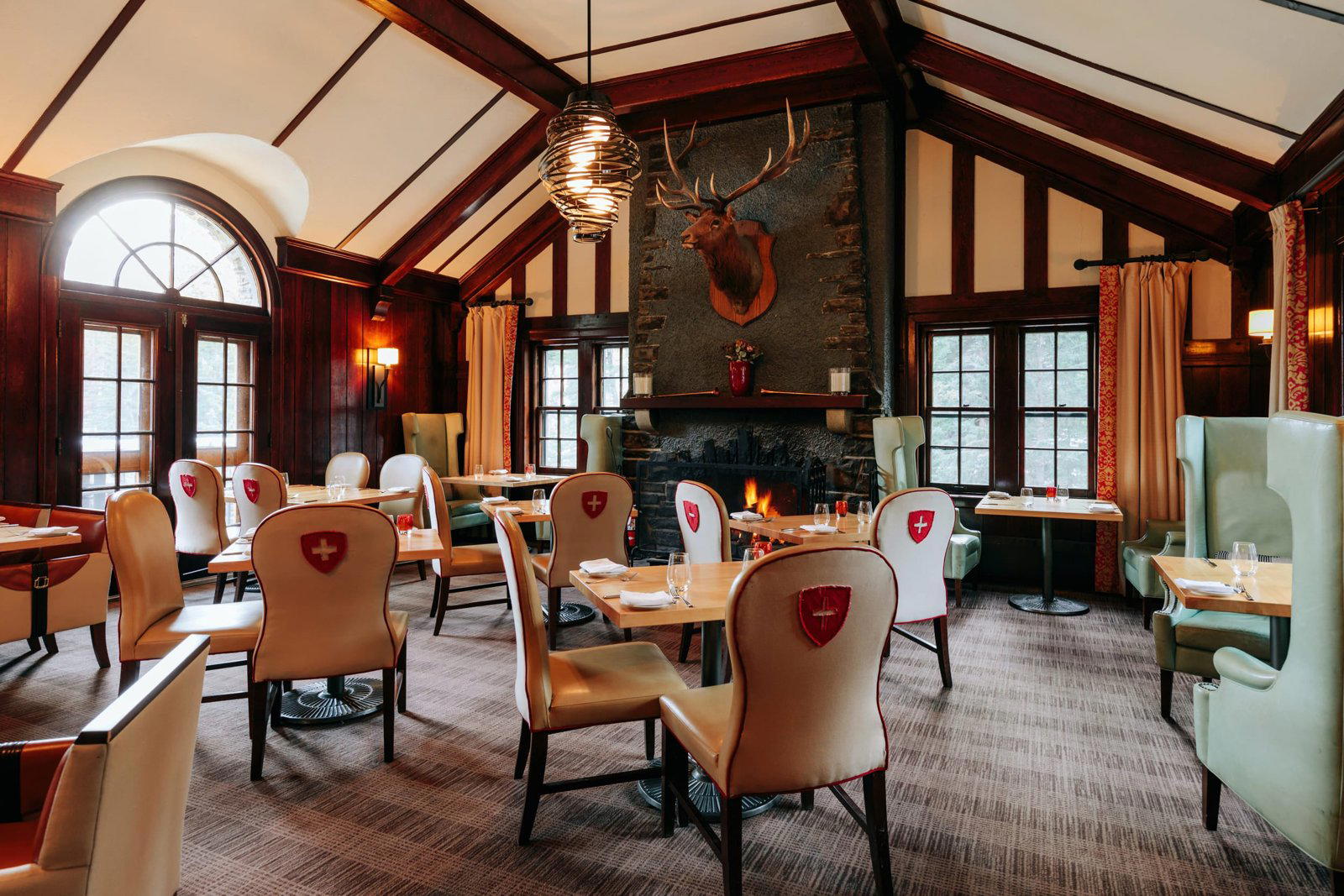
Intimate ambiance creating a dining escape with polished and memorable moments.
Know Before You Go
- Getting there
- 600 Banff Ave #1000, Banff, AB T1L 1H8, Canada