On Banff Avenue, Brazen occupies a stretch of Canada's most visited mountain town with a confidence that the name promises. The dining format suits those who want to move through a meal with intention rather than speed, pairing the visual drama of the Rockies with a kitchen that takes its cues from the broader Canadian fine-dining shift toward regional sourcing and considered sequencing.
Pearl is the En Primeur Club membership app — saves, bookings, and concierge access live there. Same editors, same standards.
- Address
- 138 Banff Ave, Banff, AB T1L 1A7, Canada
- Phone
- +14037608540
- Website
- banffjaspercollection.com
- Directions
- Get directions
 Saves & bookings on Pearl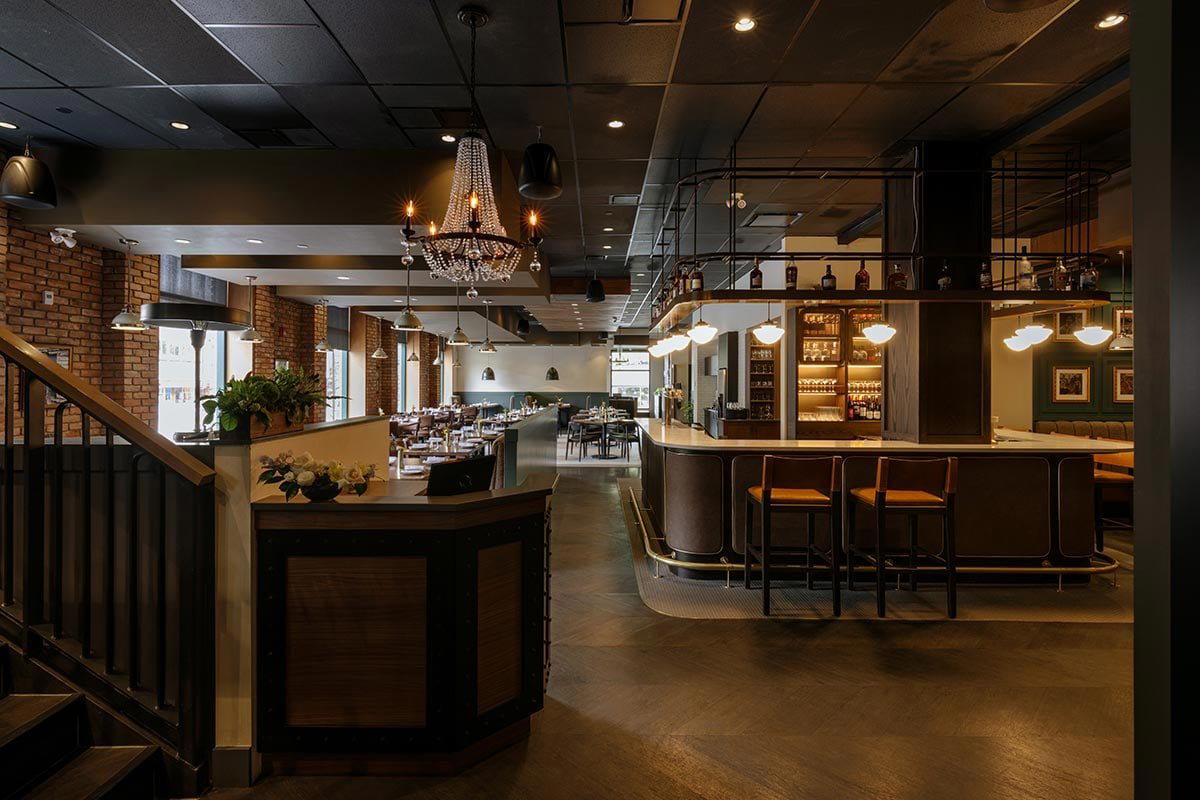
Eating in the Mountains With Something to Prove
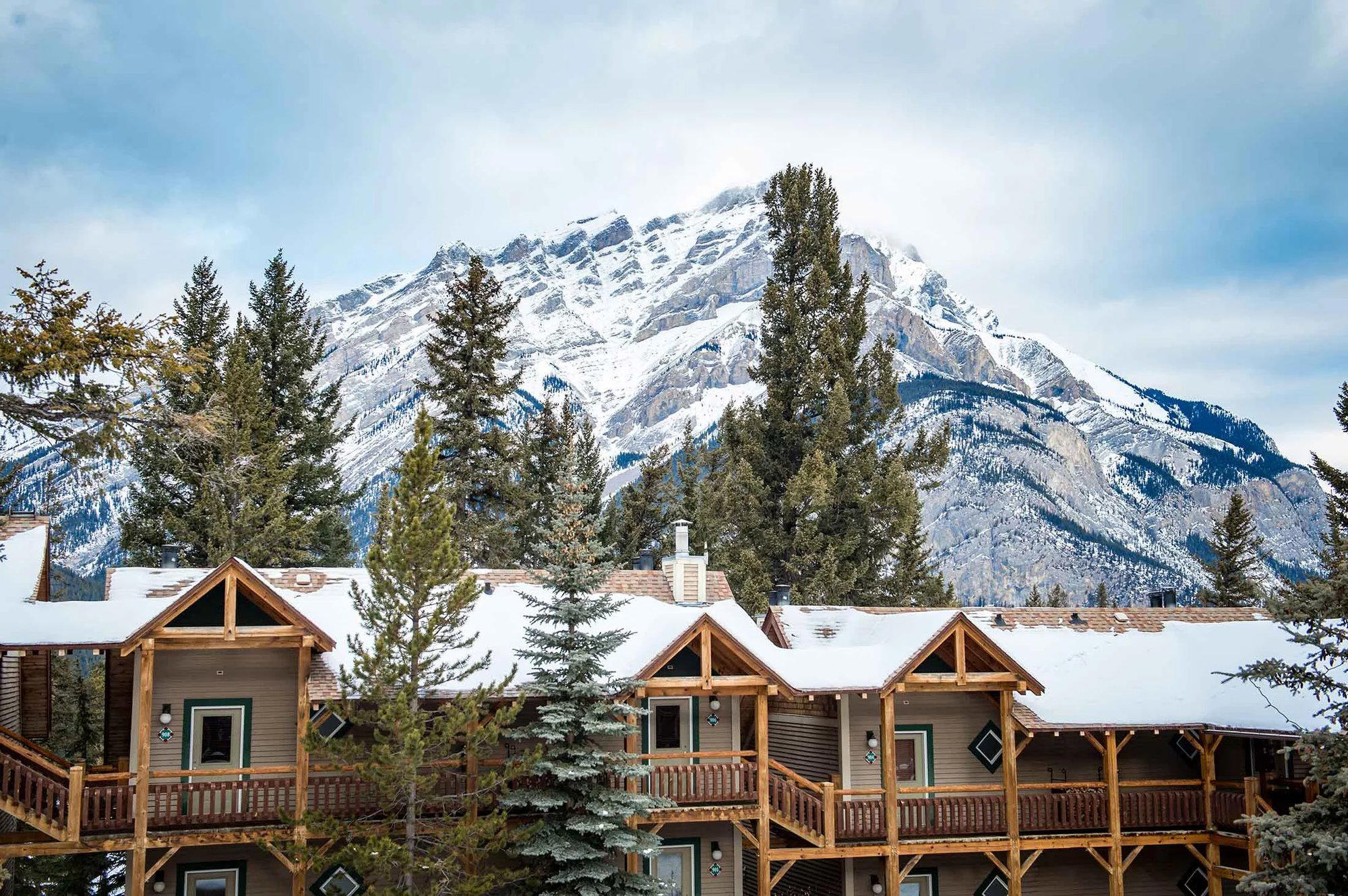
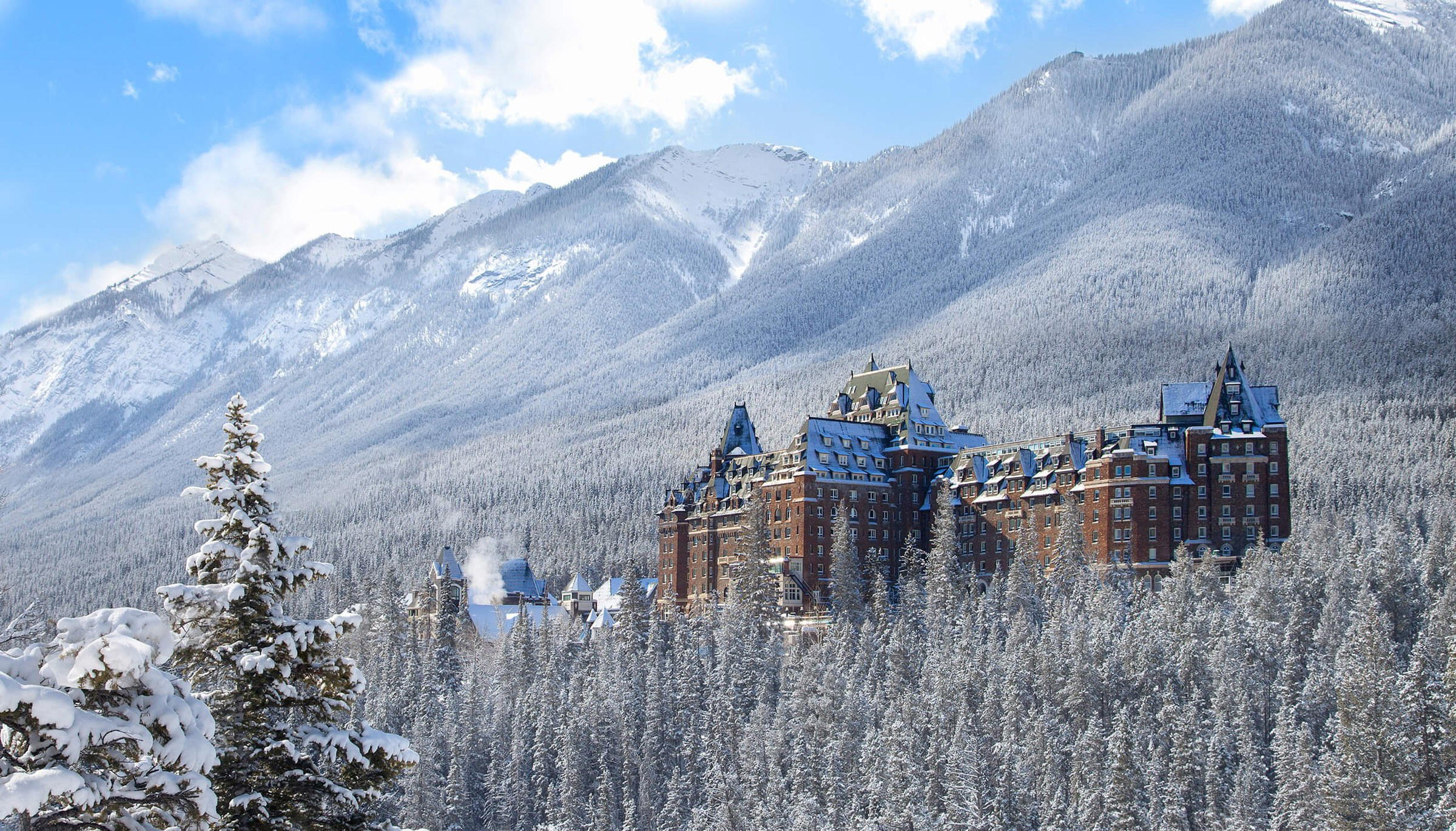
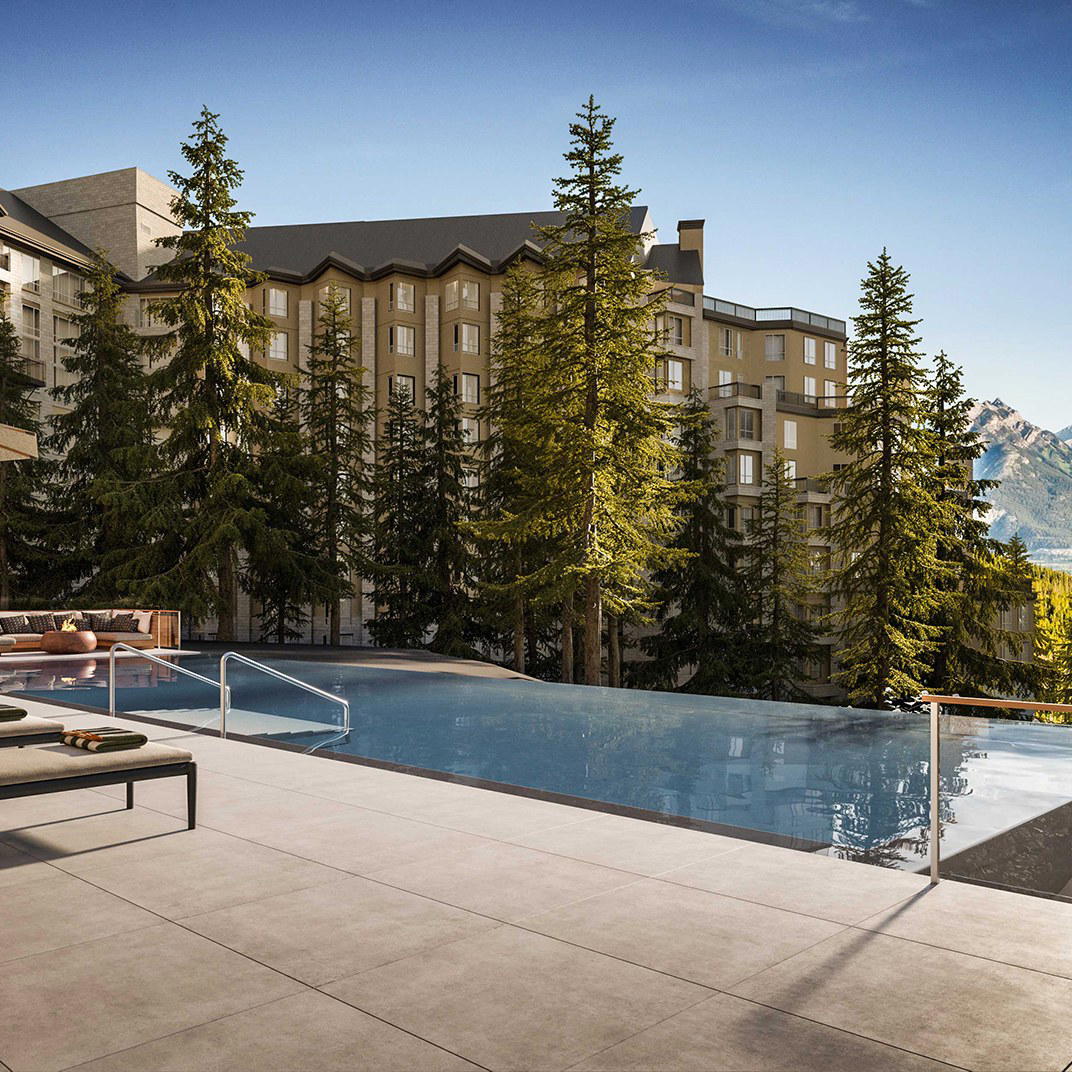
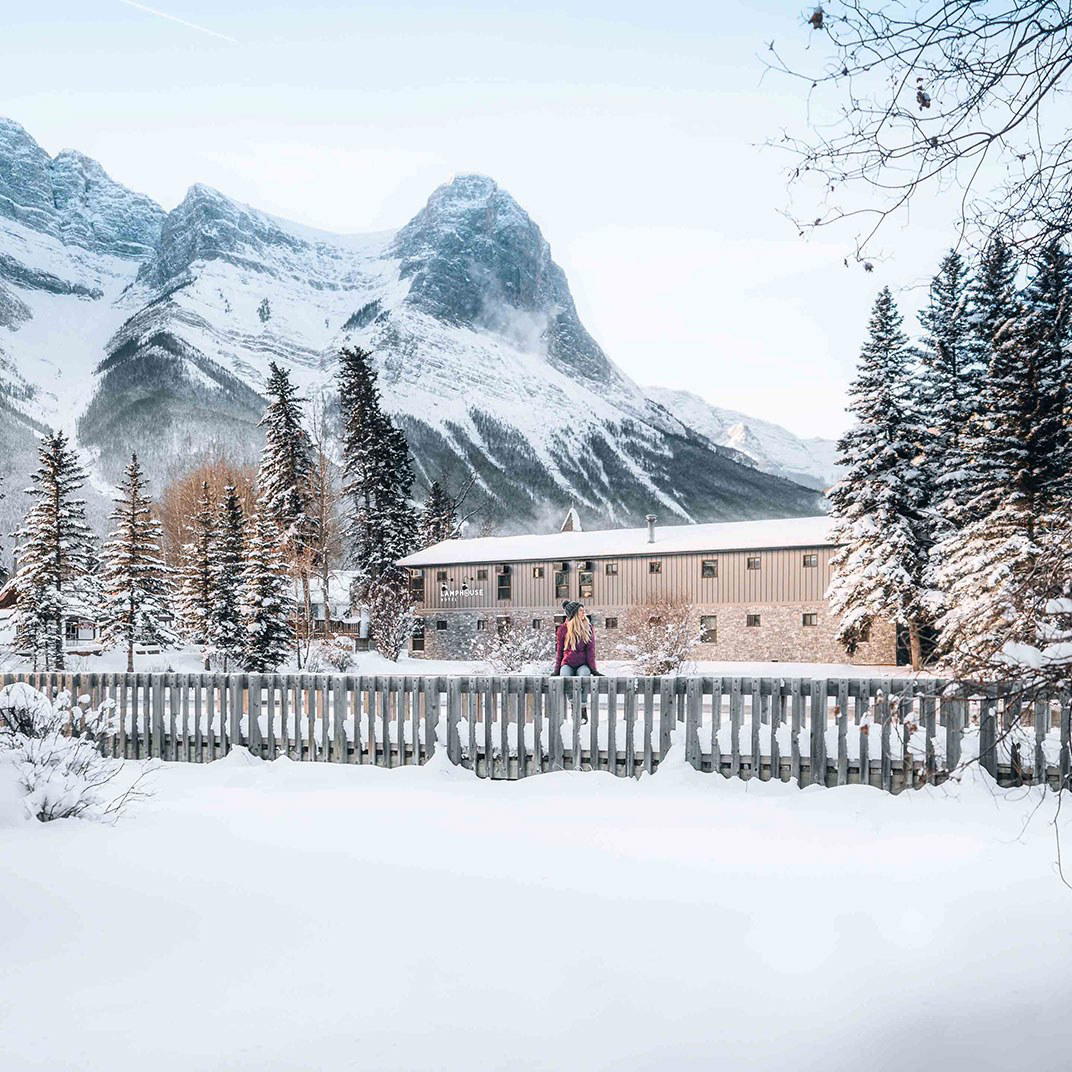
Banff Avenue runs through one of North America's most geologically dramatic corridors, flanked by peaks that make even a short walk feel weighted with scale. Against that backdrop, the restaurants along the strip have long struggled with a particular tension: how do you build a serious dining program in a town where most visitors arrive with a two-night itinerary and a checklist that starts and ends outdoors? The answer, for a cohort of Banff kitchens, has been to lean into sequenced, course-driven formats that slow the pace and give the meal its own internal logic. Brazen, at 138 Banff Ave, positions itself inside that approach.
The broader Canadian fine-dining conversation has shifted considerably over the past decade. From Alo in Toronto to Tanière³ in Quebec City, the model that has earned critical attention is one built around restraint, local sourcing, and a narrative arc across the table rather than a single showpiece dish. That conversation has found its way into mountain-town dining too, and Brazen reads as a local expression of it.
The Arc of the Meal
The structure of a well-sequenced dinner follows a logic borrowed from classical European service but increasingly reframed by Canadian kitchens through a regional lens. Early courses tend to be precise and light, designed to orient the palate without overwhelming it. Mid-course is where most kitchens make their argument, stacking technique against ingredient in a way that either holds together or reveals where the program is stretched. The close of a meal, often treated as an afterthought, carries as much weight as the opening in formats where the guest is being asked to move through a considered arc rather than simply order à la carte.
In the Alberta context, that argument frequently involves protein from the surrounding region, grain-fed or foraged components that carry a sense of place, and wine programs oriented toward either local producers or the kind of Old World references that travel well against heavier mountain preparations. The mid-course in a kitchen serious about its sourcing tends to be where the Rocky Mountain terroir becomes legible on the plate, even if the techniques drawing it out are international in origin.
Banff's dining tier splits roughly between high-volume tourist operations built around throughput and a smaller set of rooms prepared to slow down and build a meal with deliberate pacing. The latter group, which includes Brazen alongside 1888 Chop House and the kitchen at Eden in the Rimrock Resort, operate in a different register from the casual end of the avenue. The casual end is well represented by places like Bear Street Tavern and Banff Social, which serve a different and entirely legitimate function for the town's visitor mix.
Where Brazen Sits in the Banff Dining Order
The name carries an editorial weight in a town where the scenery does most of the heavy lifting for restaurants. A dining room that names itself with that kind of directness is either setting up an expectation it can meet or creating a gap between branding and execution that guests notice quickly. Mountain-town visitors, particularly those who travel widely and compare experiences across Canadian dining destinations, arrive with calibrated reference points. A guest who has eaten at AnnaLena in Vancouver or Restaurant Pearl Morissette in Lincoln will read the signals of a kitchen's ambition within the first two courses.
For a broader look at how Banff's dining options stack up across styles and price points, our full Banff restaurants guide maps the scene by neighbourhood and format. The town's culinary range is wider than the mountain-resort cliché suggests, spanning everything from the fire-grilled directness of Bear Street Tavern to the more composed plating of the avenue's upper-tier rooms. Añejo Restaurant and Balkan Mediterranean Restaurant represent the town's interest in cuisines that sit outside the Canadian-steakhouse default.
Canadian Fine Dining in a Remote Setting
The logistical reality of running an ambitious kitchen in a national park town is not trivial. Supply chains that feed a serious dining program in Toronto or Montreal are, in Banff, compressed or rerouted through regional distributors. That constraint tends to produce one of two outcomes: kitchens that shrink their ambitions to match what the supply chain reliably delivers, or kitchens that build their menus around that constraint and find it generative. The latter approach is what separates the more interesting mountain-destination restaurants from those that read like airport hotel dining rooms with better views.
Across Canada, the restaurants earning the most sustained critical attention are often those operating in geographically specific conditions that force the kitchen to articulate a sense of place. Fogo Island Inn Dining Room in Joe Batt's Arm is perhaps the most discussed example of this, but the principle holds in less extreme versions across the country. Eigensinn Farm in Singhampton built its entire program around the farmstead model. In Alberta, the question is whether mountain-town kitchens can do something analogous with the ingredients and conditions specific to the Rockies corridor.
Other Canadian kitchens worth using as reference points for where the national conversation sits: Jérôme Ferrer - Europea in Montreal represents the classical-European-in-Canada model; Narval in Rimouski sits at the regional-specificity end; The Pine in Creemore occupies the small-town-serious-kitchen niche. Internationally, Le Bernardin in New York City and Lazy Bear in San Francisco offer two very different models of how a kitchen can build a strong tasting narrative around a point of view rather than a single signature ingredient. Busters Barbeque in Kenora shows how regionality can be expressed at a more casual price point without sacrificing conviction.
Planning a Dinner at Brazen
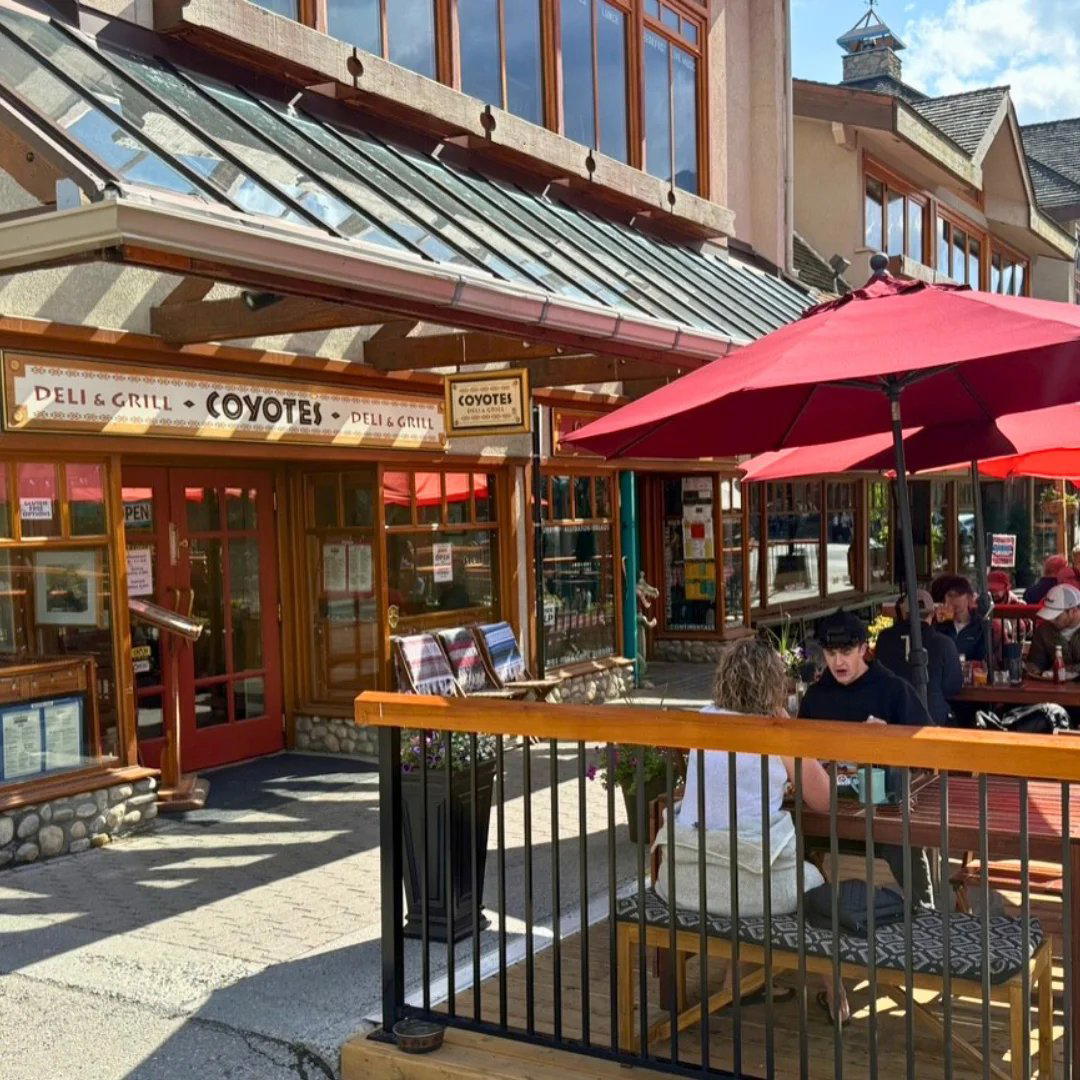
Brazen is located at 138 Banff Ave, in the main commercial corridor of the townsite. Banff is accessible by car from Calgary in roughly 90 minutes via the Trans-Canada Highway, and the townsite itself is compact enough that most restaurants are walkable from the main hotel cluster. For visitors arriving in summer or during the Christmas and February ski peaks, dinner reservations at the avenue's more considered rooms book out with meaningful lead time, and Brazen should be treated accordingly. Arriving without a booking during high season at this tier of the market is a gamble that rarely pays off.
At a Glance
- Modern
- Cozy
- Trendy
- Rustic
- Date Night
- Special Occasion
- Group Dining
- Hotel Restaurant
- Historic Building
- Craft Cocktails
- Local Sourcing
Current opening hours
- Monday
- 7 AM–9 PM
- Tuesday
- 7 AM–9 PM
- Wednesday
- 7 AM–9 PM
- Thursday
- 7 AM–9 PM
- Friday
- 7 AM–10 PM
- Saturday
- 7 AM–10 PM
- Sunday
- 7 AM–9 PM
Hours can change for holidays and private events. Last verified .
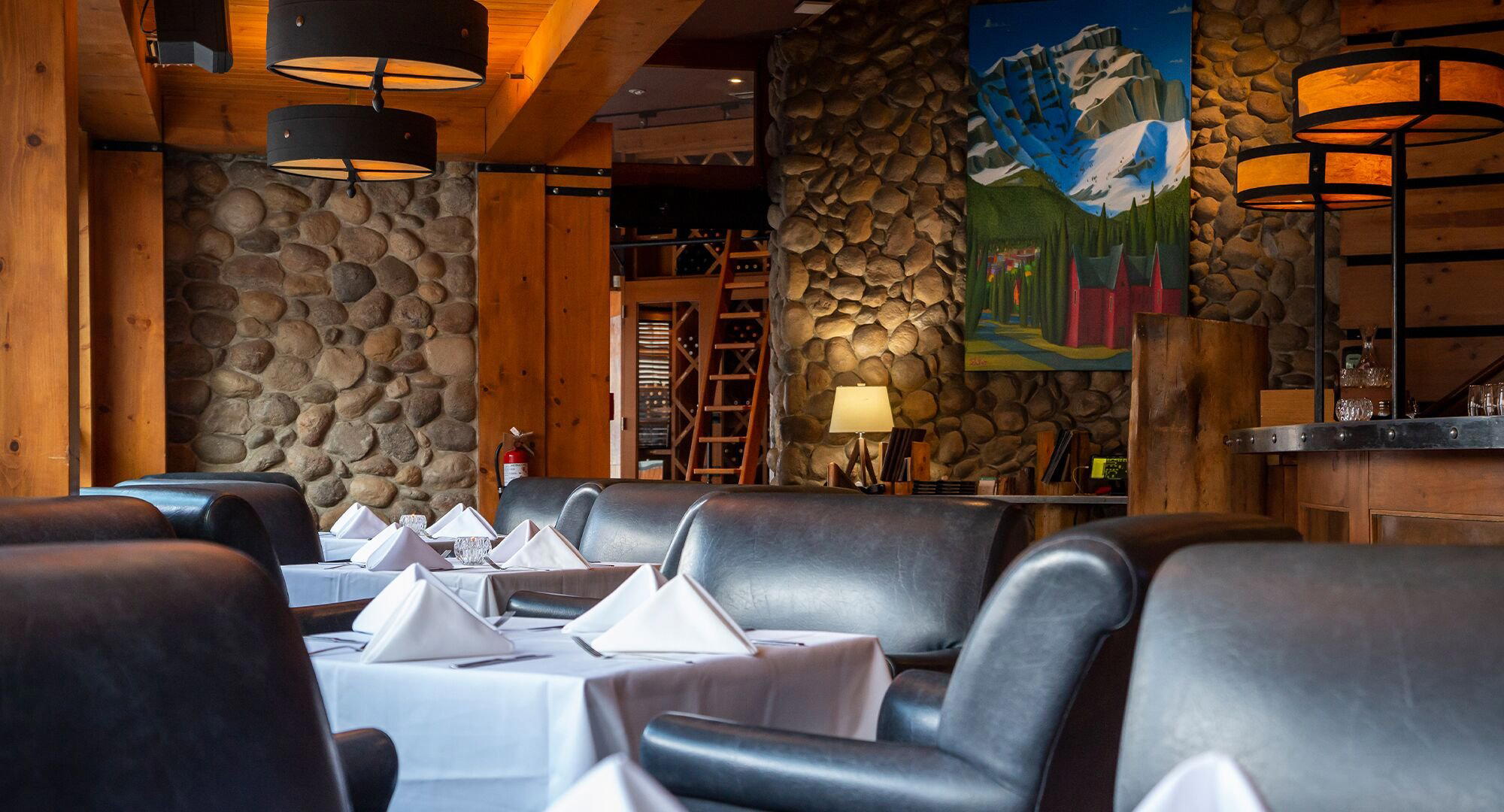
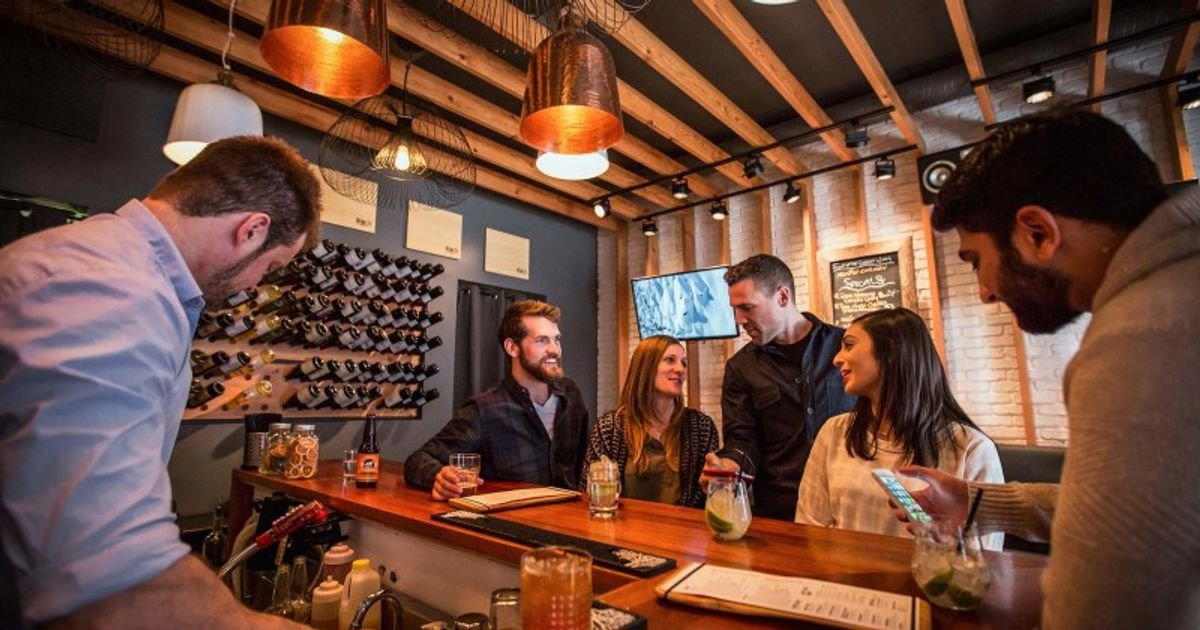
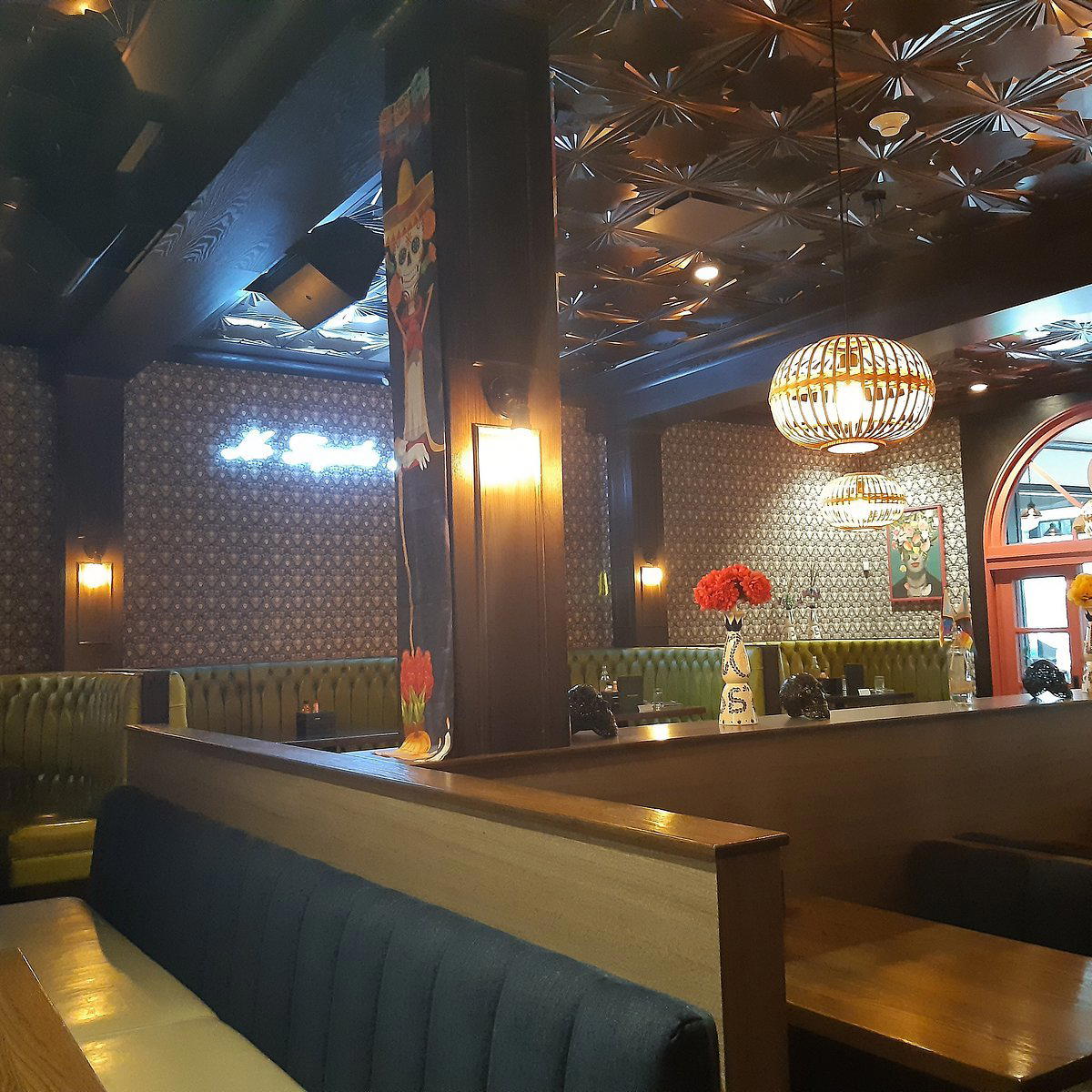
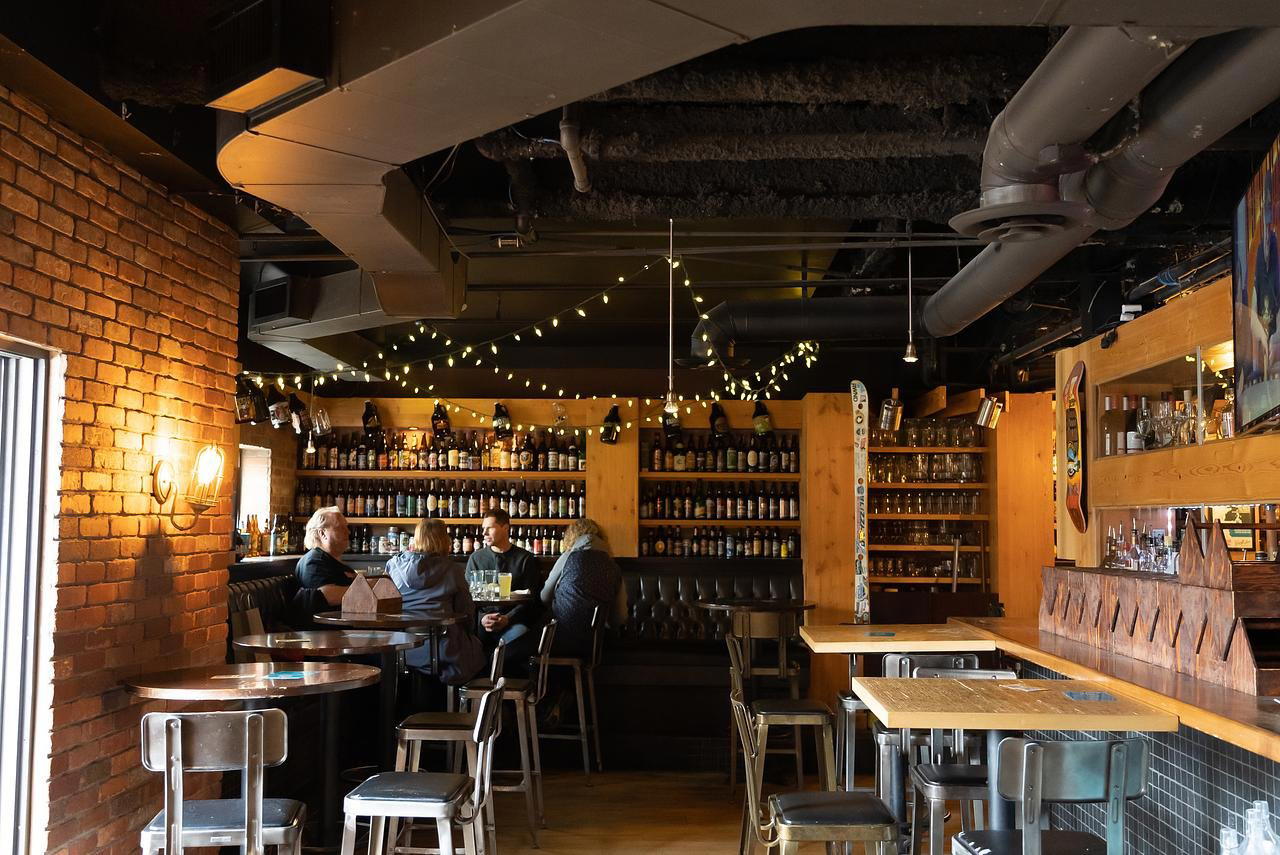
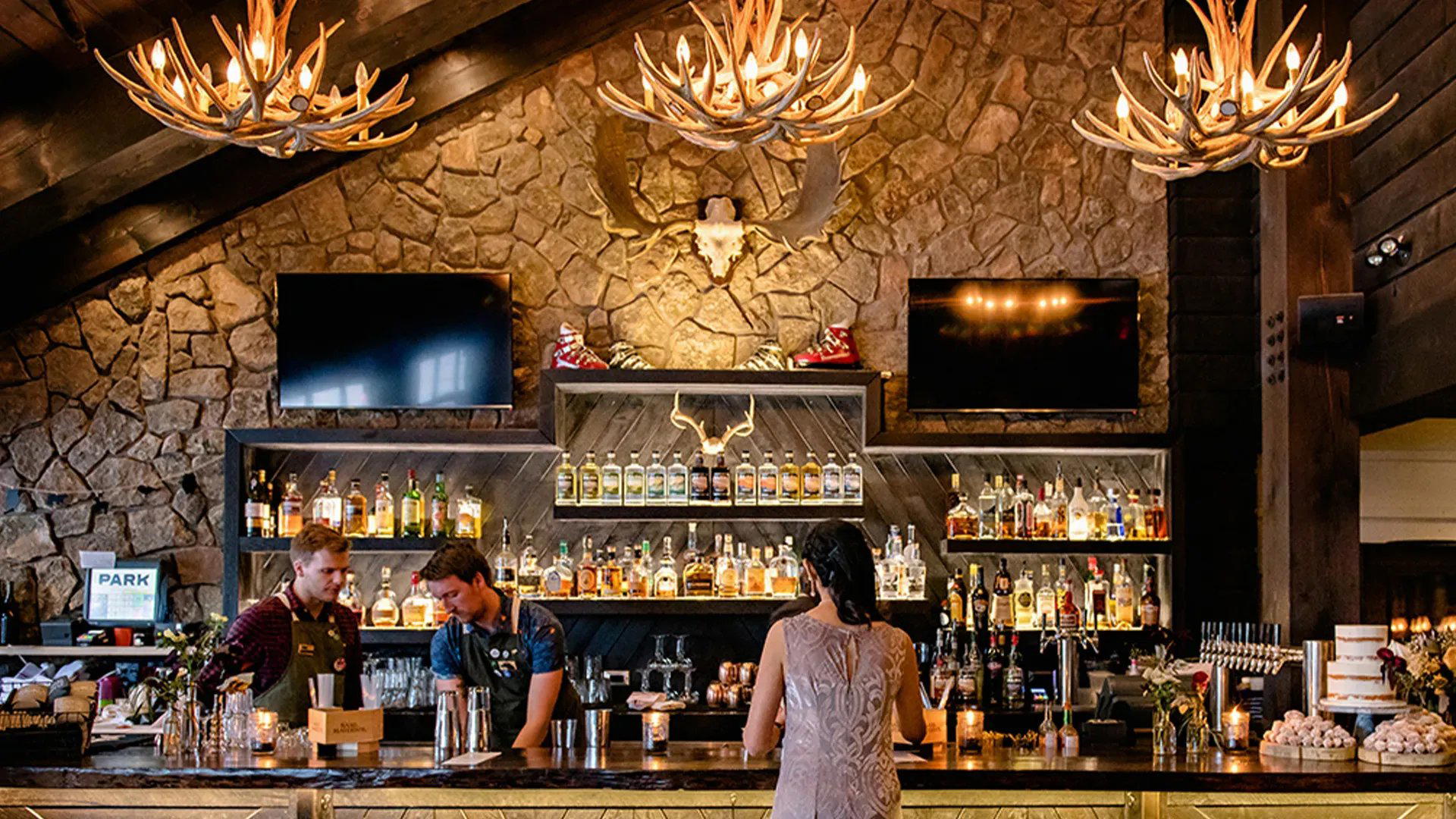
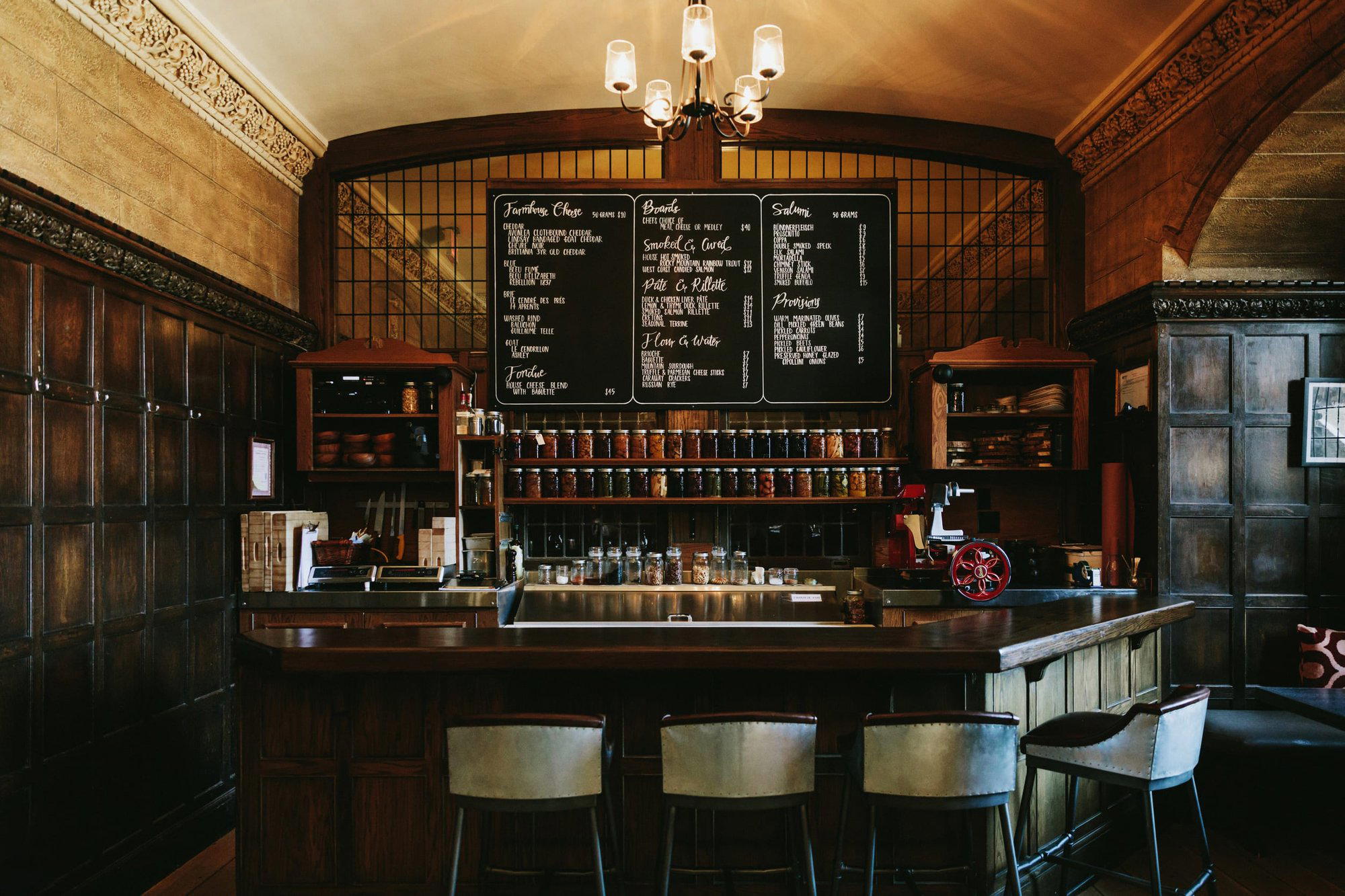
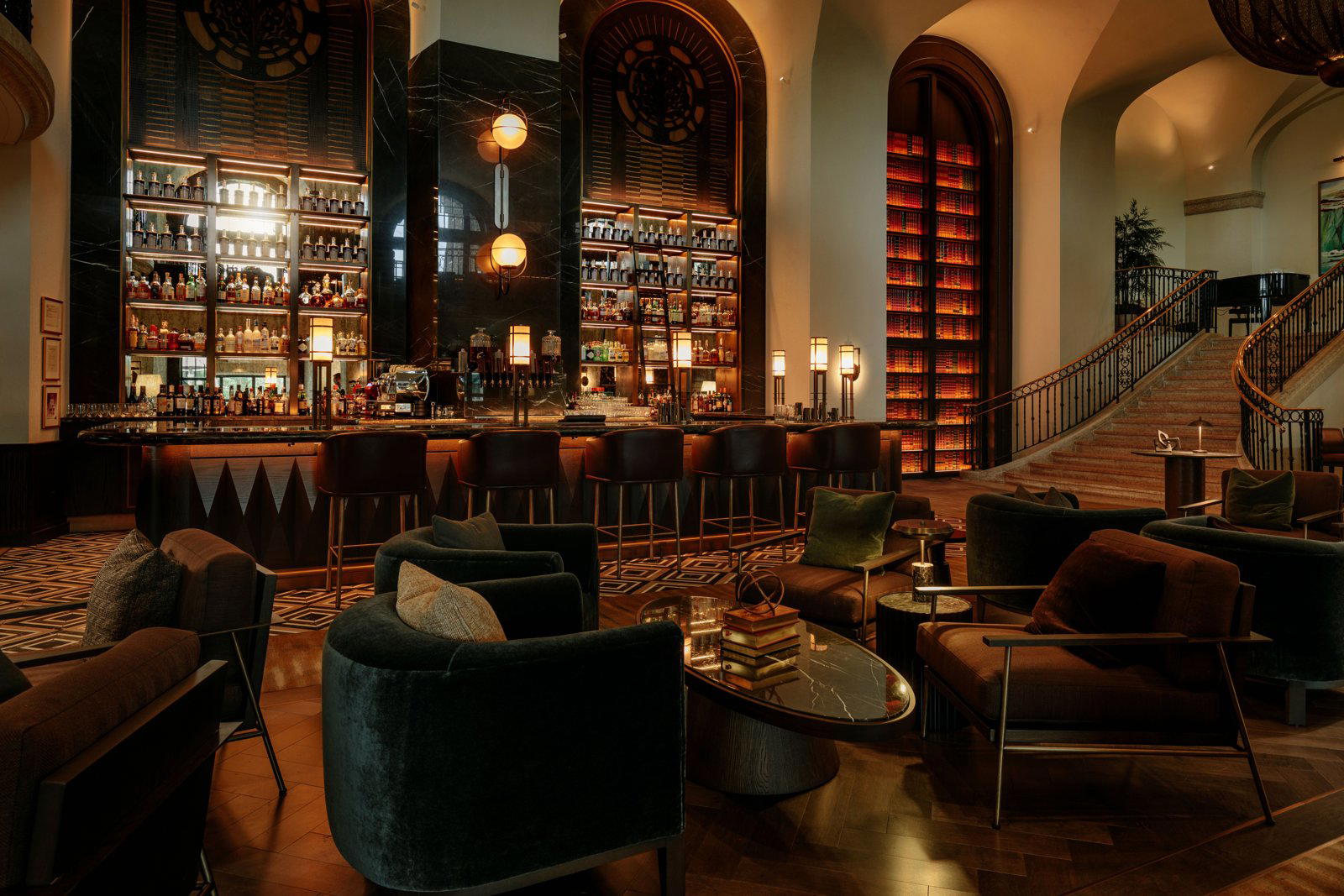
Old-world style in a historic setting with low-key upscale, tasty-playful vibe and moderate noise levels.
Know Before You Go
- Getting there
- 138 Banff Ave, Banff, AB T1L 1A7, Canada