Our verdict
Maclab Bistro sits at 107 Tunnel Mountain Drive in Banff, Alberta, positioning it away from the dense commercial corridor of Banff Avenue and closer to the quieter residential edge of the national park townsite. The bistro format places it in the casual-to-mid tier of Banff's dining scene, where mountain setting and approachable cooking tend to define the offer more than formal technique or tasting-menu ambition.

Pearl is the En Primeur Club membership app — saves, bookings, and concierge access live there. Same editors, same standards.
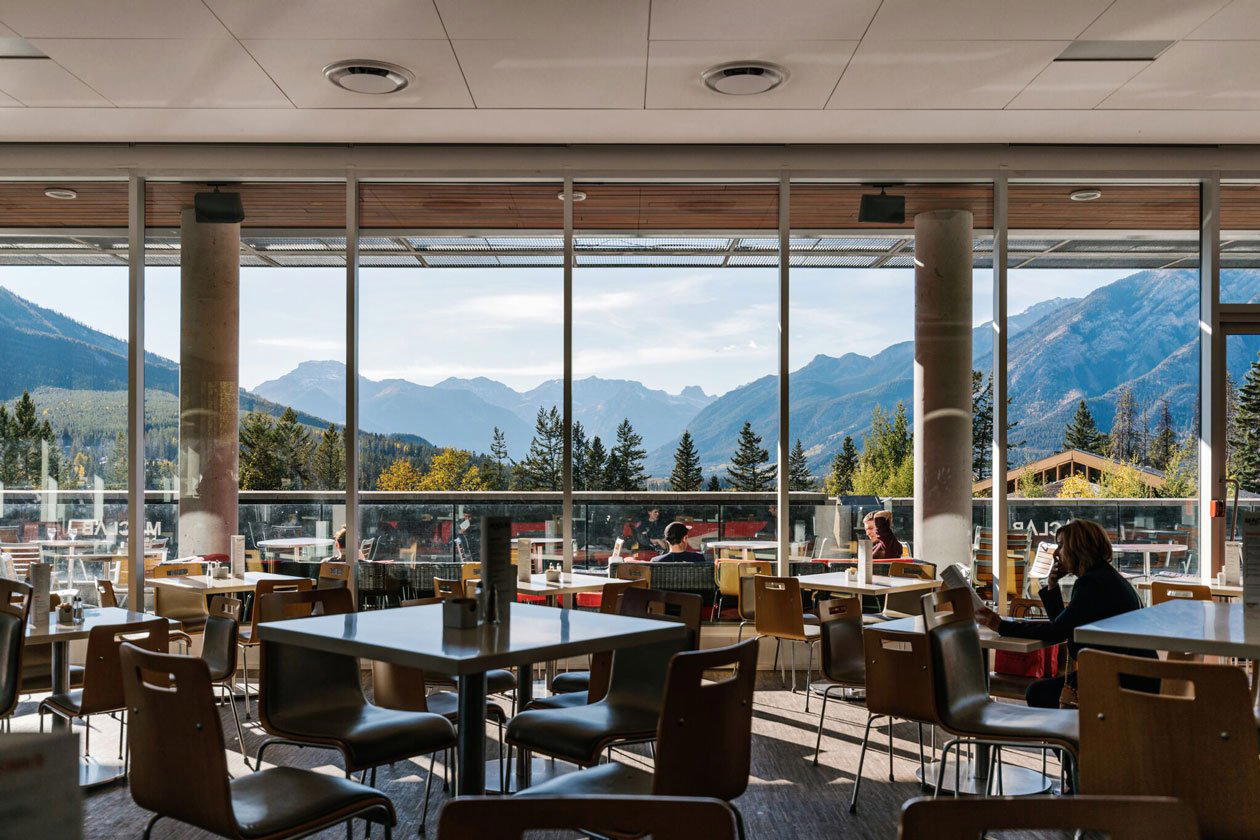
Tunnel Mountain and the Case for Eating Away from Banff Avenue
Banff's dining scene divides itself geographically as much as it does by price or cuisine. The majority of the town's restaurants cluster along Banff Avenue and its immediate cross streets, where foot traffic from the main strip drives both volume and visibility. A smaller cohort of places sits further out, on Tunnel Mountain Drive and the quieter residential edges of the townsite, drawing a clientele that is more likely to have made a deliberate choice rather than walked through the door on impulse. Maclab Bistro, at 107 Tunnel Mountain Drive, belongs to that second category.
This geography matters in a national park town. Banff operates under strict development controls that limit where restaurants can open and how they can grow, which means that address often signals something about the type of experience a venue is set up to deliver. Locations further from the strip tend toward a slower pace and a guest mix weighted toward hotel guests, returning visitors, and locals who know where they are going. The setting around Tunnel Mountain itself, with the trail network and the quieter eastern approach to the townsite, reinforces that character.
Bistro Format in a Mountain Town Context
The bistro label carries a specific set of expectations: a mid-range price point, a menu that covers familiar ground competently rather than pushing into avant-garde territory, and a room that prioritises comfort over architectural statement. In a mountain tourism town, this format serves a distinct function. Banff attracts visitors across a wide range of dining sophistication, from those who would consider 1888 Chop House their benchmark for a formal dinner to those looking for a reliable midweek meal after a long day on the trails. The bistro format sits in the middle of that range, occupying ground that neither the upscale hotel dining rooms nor the casual pub-style spots fully cover.
Across Canada's mountain and resort towns, this tier of restaurant tends to perform one of two roles. The first is essentially a feeder to the tourism economy: high turnover, broad menu, consistent enough to generate repeat visits during a multi-day stay. The second is a genuine neighbourhood anchor, where the cooking reflects some local identity and the room feels like it belongs to the place. The distinction matters because it determines whether a restaurant survives the shoulder seasons when visitor numbers thin and only locals remain. Venues like Bear Street Tavern and Banff Social have built their positions in Banff partly by functioning as the latter.
Canadian Bistro Cooking and Its Cultural Reference Points
The broader editorial conversation about Canadian bistro cooking has shifted considerably over the past decade. In urban centres, restaurants like Alo in Toronto and AnnaLena in Vancouver have pushed the country's cooking into serious international comparison. Further along the spectrum, destination-format places such as Eigensinn Farm in Singhampton and Restaurant Pearl Morissette in Lincoln have established that rural Canadian addresses can carry real culinary weight. Even Quebec has its own deep tradition of place-rooted cooking, visible in venues like Aux Anciens Canadiens and the more contemporary Tanière³ in Quebec City.
At the bistro tier, the cultural reference points are different. French bistro tradition, which gave the format its name, prizes technique applied to simple ingredients: a properly rendered duck confit, a stock-based sauce that takes days to produce, a tart that prioritises pastry over filling weight. When that discipline travels to a mountain town in Alberta, it typically encounters a local ingredient tradition built around game, freshwater fish, foraged produce, and the agricultural output of the surrounding prairie. The tension between those two inheritances is where Canadian bistro cooking finds its most interesting expression. Whether any given restaurant in Banff leans into that tension or retreats to a safe mid-Atlantic menu of burgers and pasta is the central question the format raises.
For context on where more ambitious cooking is happening in Canada's mid-size cities and regional towns, Narval in Rimouski, The Pine in Creemore, and Barra Fion in Burlington each represent the kind of locally anchored cooking that the bistro format can support at its more serious end. Internationally, the standard for what an independent bistro can achieve at the top of its range is illustrated by the contrast between technically exacting fine dining at Le Bernardin in New York City and the precision tasting-menu format at Atomix in New York City, neither of which is what a Banff bistro is aiming for, but both of which clarify what separates format ambition from format execution.
Banff's mid-range dining tier is more competitive than it might appear from the outside. The national park townsite has a limited number of viable restaurant locations, which means each venue that establishes itself tends to hold its position for years. The competitive set for a Tunnel Mountain bistro would include Añejo Restaurant, which occupies the Mexican-leaning end of the casual dining range, and Balkan Mediterranean Restaurant, which has maintained a distinct identity through its regional cuisine focus. Both illustrate a point that applies across Banff's mid-tier: the venues that hold consistent guest loyalty tend to be those with a clear culinary identity rather than a broad, hedged menu designed to offend no one.
The full picture of where Banff's restaurants sit relative to each other, from the hotel dining rooms with their formal service standards down through the casual bistro and tavern tier, is mapped in our full Banff restaurants guide, which covers the breadth of the town's offer across price points and cuisines. For comparison at the more formal end of the Banff dining spectrum, Jérôme Ferrer - Europea in Montréal illustrates how the high-end Canadian dining room operates at its most polished, providing a reference point for what separates that tier from the bistro format.
Planning a Visit
Maclab Bistro's address at 107 Tunnel Mountain Drive places it a short drive or a walkable distance from several of Banff's main accommodation clusters, particularly those on the Tunnel Mountain corridor itself. Banff operates as a year-round destination, with summer and the ski season at Lake Louise representing the two peak windows when table availability across the town's mid-tier restaurants tightens considerably. Visitors planning to eat during July, August, or the February-March ski peak should confirm reservation options well in advance. The shoulder seasons of late spring and early autumn tend to offer more flexibility and a guest mix that skews toward independent travellers rather than group tours.
Frequently asked questions
Can I bring kids to Maclab Bistro?
The bistro format at 107 Tunnel Mountain Drive suggests a relaxed, mid-register setting rather than a formal dining room, which tends to suit families reasonably well. Banff's visitor base skews toward multi-generational travel, and bistros in this mould generally accommodate younger diners without friction.
How would you describe the vibe at Maclab Bistro?
Maclab Bistro sits on Tunnel Mountain Drive, a quieter corridor than the commercial density of Banff Avenue, which shapes its atmosphere considerably. The bistro category here signals a pace that favours conversation over spectacle: approachable rather than occasion-driven. That geographic remove from the main strip tends to attract Banff visitors staying in the nearby accommodation clusters who want a local alternative to the town centre's higher-volume rooms.
Is Maclab Bistro a good option for visitors staying near Tunnel Mountain campground or the surrounding lodges?
The address at 107 Tunnel Mountain Drive places Maclab Bistro within practical reach of Tunnel Mountain Village campgrounds and several of Banff's mid-range lodge clusters, making it a logical dinner option for guests who want to avoid driving into the Banff Avenue corridor. For that accommodation pocket, it fills a gap that most town-centre restaurants do not, given the short distance and bistro-level price positioning. It is one of the few sit-down options in that part of Banff.
What dish is Maclab Bistro famous for?
No specific signature dish is documented in current listings for Maclab Bistro. The bistro format typically centres on a rotating, competent mid-range menu rather than a single marquee preparation. For the most current menu detail, checking directly with the restaurant at 107 Tunnel Mountain Drive, Banff, is the most reliable approach.
How do I find Maclab Bistro?
Maclab Bistro is located at 107 Tunnel Mountain Dr, Banff, AB T1L 1E6, Canada, Banff.
Cost and Credentials
Comparable venues nearby, for context on price, style, and recognition.
| Venue | Cuisine | Price | Notes |
|---|---|---|---|
| Maclab BistroThis venue — the venue you are viewing | Canadian Comfort Bistro | $20–30 | Not listed |
| Sudden Sally | Elevated American Comfort Food | $20–30 | Banff Ave, Polished American Comfort Food |
| Coyotes Southwestern Grill | Southwestern Grill | Not listed | Downtown Banff, Southwestern Grill |
| Bluebird Woodfired Steakhouse | Wood-Fired Steakhouse & Fondue | $50–100 | Banff, Wood-Fired Steakhouse & Fondue |
| Pizzeria Sophia | Modern Italian Pizza & Pasta | $30–50 | Downtown Banff, Modern Italian Pizza & Pasta |
| Nourish Bistro Banff | Globally Inspired Vegetarian Bistro | $20–30 | Bear Street, Globally Inspired Vegetarian Bistro |
Continue exploring
More in Banff
Restaurants in Banff
All restaurants in Banff →
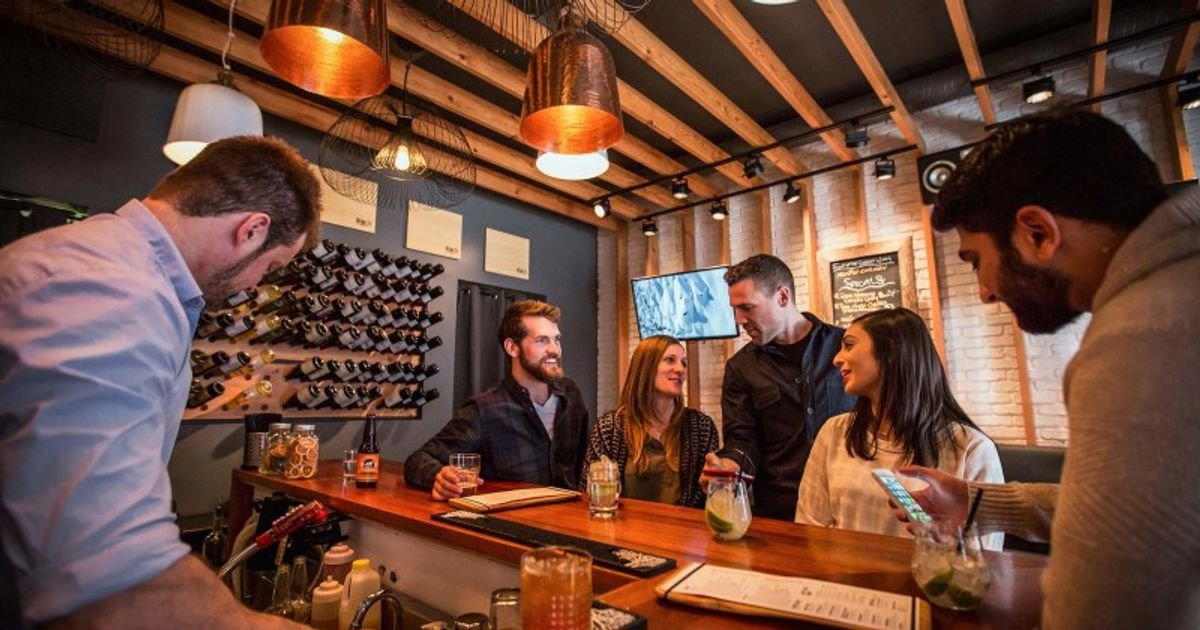
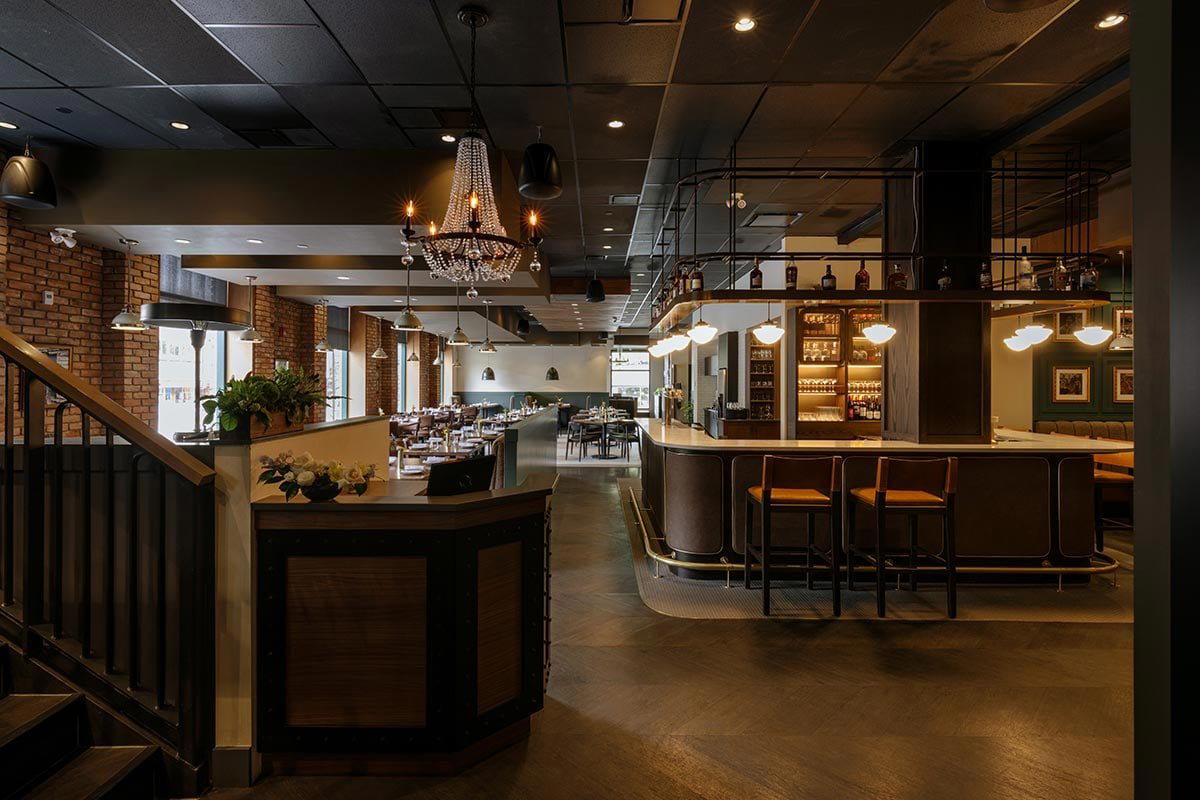
Bars in Banff
All bars in Banff →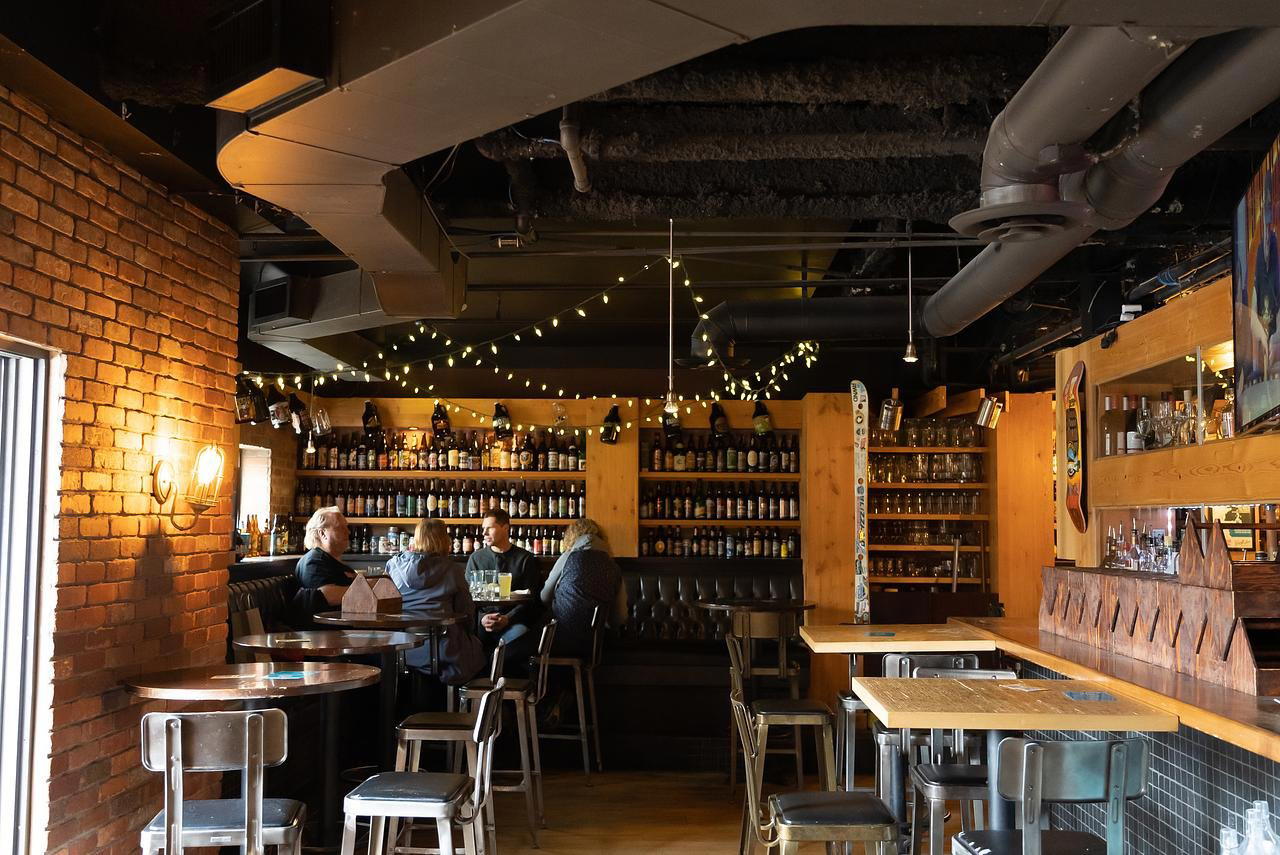
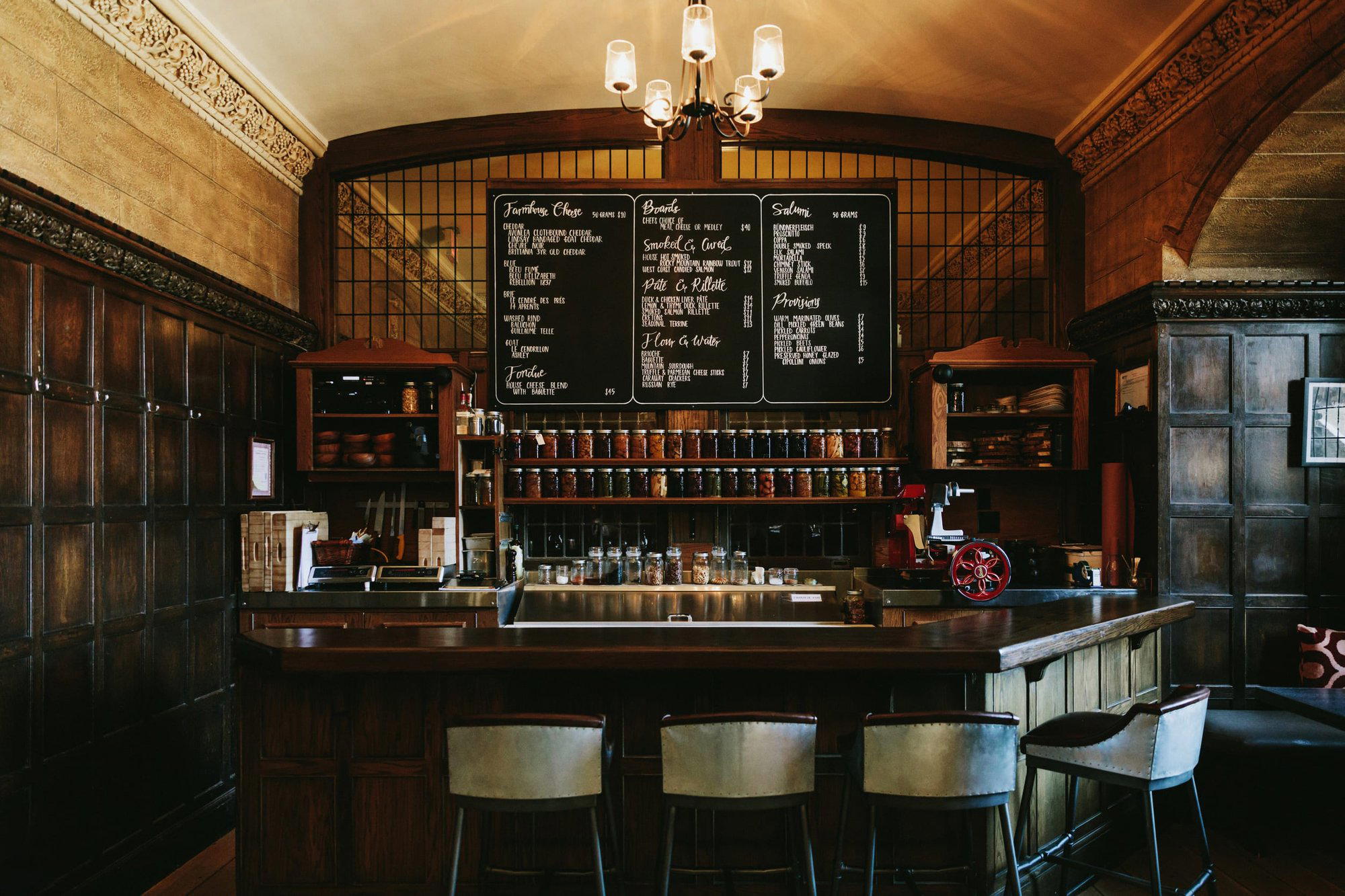
Maclab Bistro
The wine
- Wine program
- Curated wine list
- Extensive wine list
- Craft cocktails
- Beer program
Details
- Lively
- Cozy
- Scenic
- Casual Hangout
- Group Dining
- Craft Cocktails
- Beer Program
- Extensive Wine List
- Local Sourcing
- Mountain
- A La Carte
- Craft Beer
- Wine
- Cocktails
- Vegetarian Friendly
- Vegan Options
- Gluten Free Options
Current opening hours
- Monday
- 11 AM–1 AM
- Tuesday
- 11 AM–1 AM
- Wednesday
- 11 AM–1 AM
- Thursday
- 11 AM–1 AM
- Friday
- 11 AM–1 AM
- Saturday
- 11 AM–1 AM
- Sunday
- 11 AM–1 AM
Hours can change for holidays and private events. Last verified .
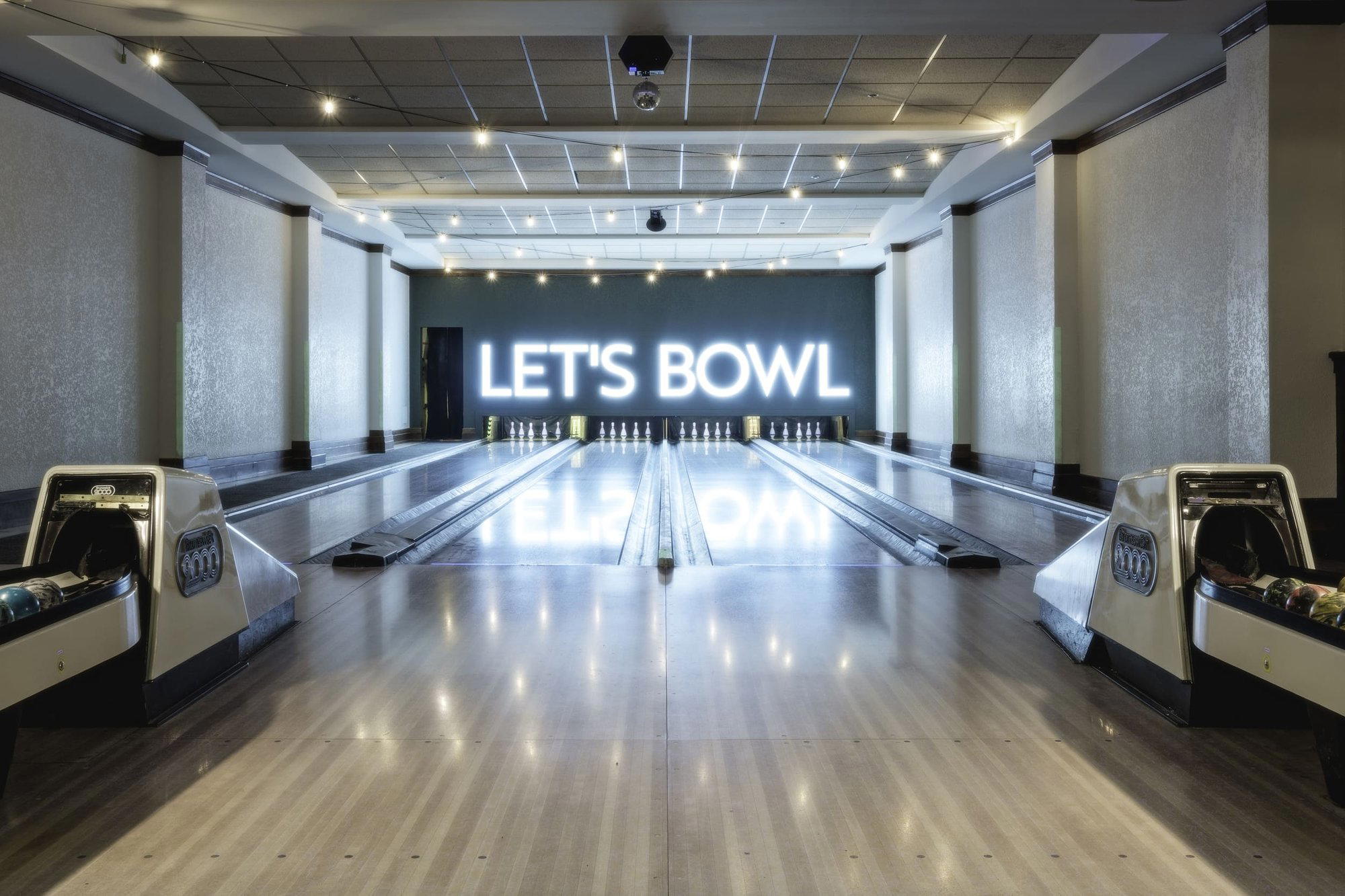
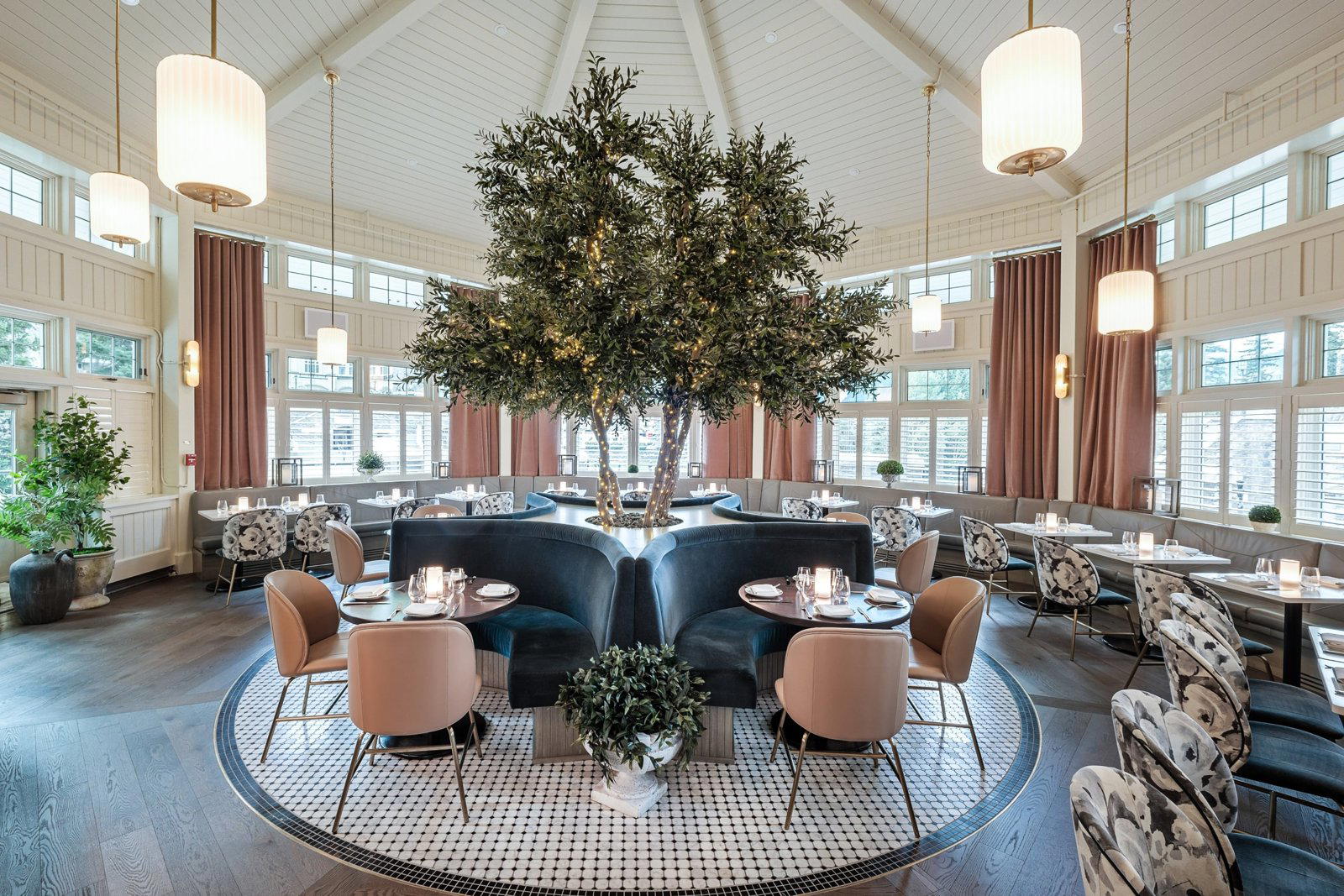
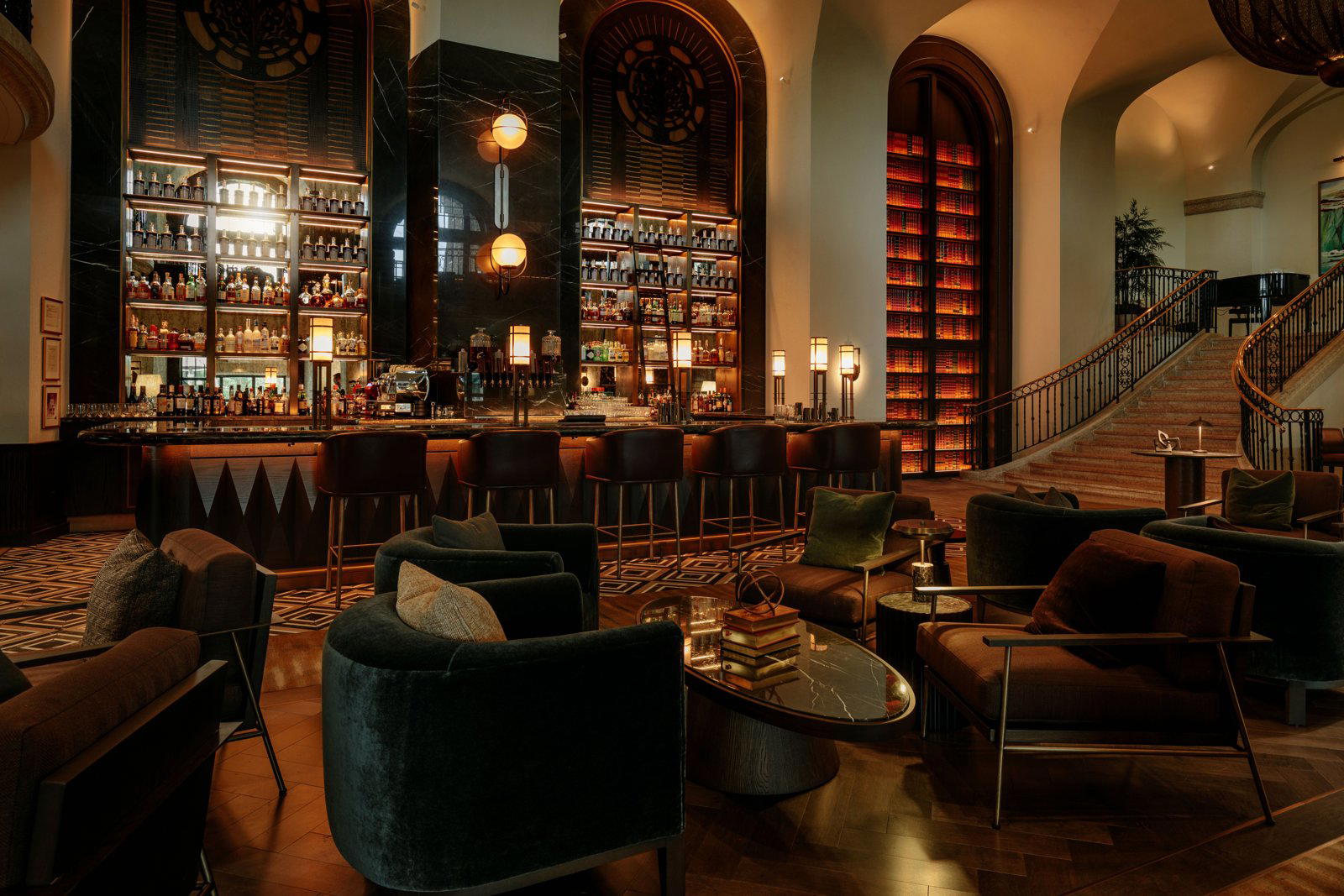
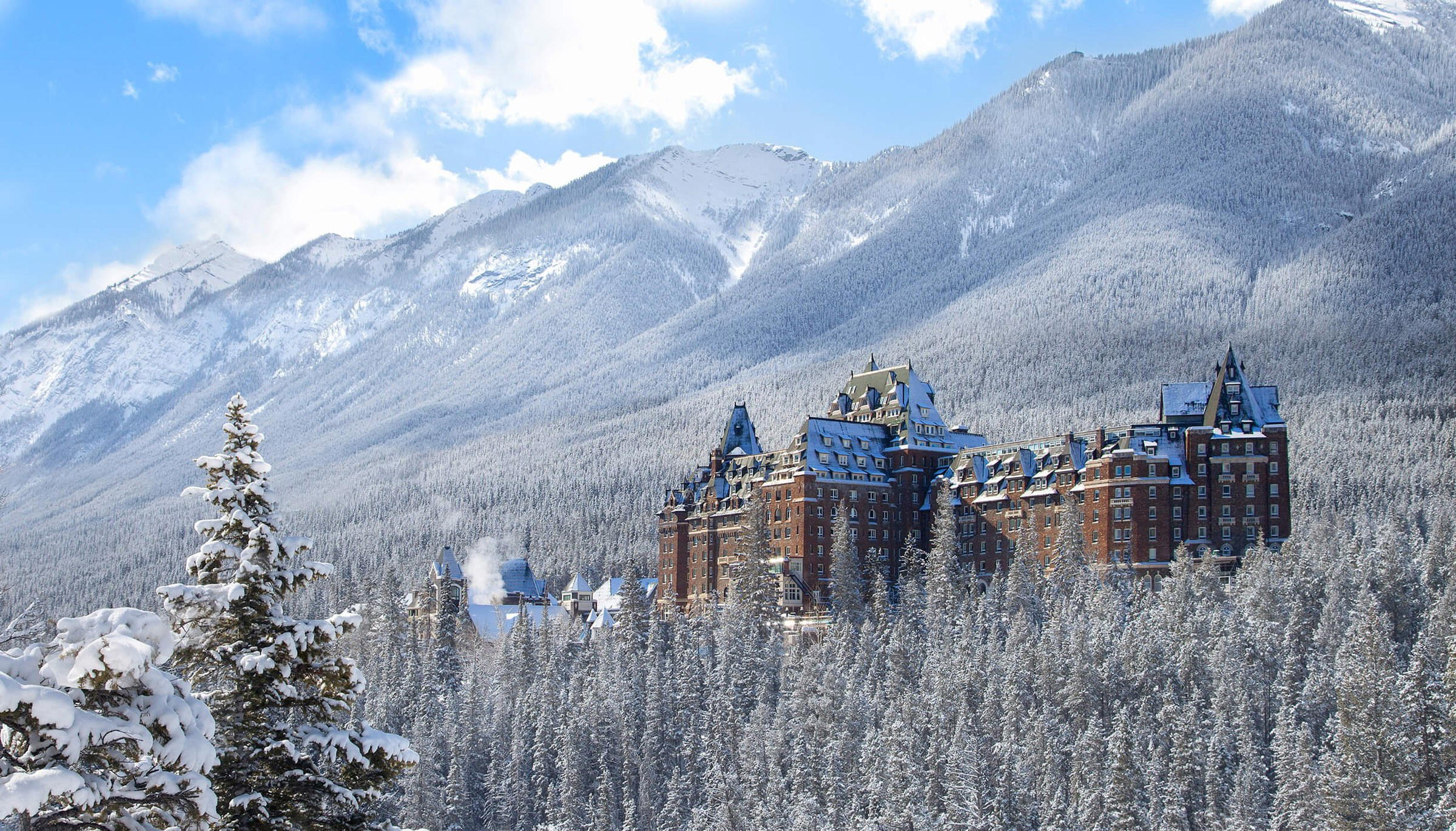
Lively atmosphere with a cozy fireside patio and panoramic views of the Bourgeau Range.