Bear Street Tavern occupies a central position on Banff's most walkable dining strip, where the mountain-town tavern format meets the expectations of an increasingly sophisticated visitor base. In a town where ingredient provenance increasingly drives menu decisions, the Bear Street address places it within easy reach of Banff Avenue's broader dining corridor and the national park context that shapes what local kitchens choose to serve.
 Discover on Pearl
Pearl is the En Primeur Club membership app — saves, bookings, and concierge access live there. Same editors, same standards.
- Address
- 211 Bear St, Banff, AB T1L 1A1, Canada
- Phone
- +1 403 762 2021
- Website
- bearstreettavern.ca
Tavern Format in a National Park Town
Banff's dining scene operates under a constraint that few Canadian restaurant corridors share: everything comes in, or it comes from the land immediately surrounding the town. The national park boundary that makes Banff one of Canada's most visited destinations also determines the logistics behind every kitchen on Bear Street. Suppliers, distributors, and producers all route through a single mountain corridor, which means that what a tavern puts on its menu reflects both deliberate sourcing decisions and the realities of altitude and access. Bear Street Tavern, at 211 Bear Street, is a casual Canadian gastropub and pizza restaurant in Banff, Alberta, with a price point around $25 per person.
The tavern format has particular traction in mountain resort towns precisely because it accommodates the full range of post-activity appetites. Hikers returning from the Bow Valley trails, skiers finishing a day at Norquay or Sunshine Village, and visitors who have spent the afternoon at the Cave and Basin want different things from a dinner table than a business traveler in downtown Toronto. Casual service, a drinks program that skews toward local and regional producers, and a menu structured around the kind of ingredients that travel well into the mountains without losing integrity: this is the operational template that taverns in this geography tend to build around. Bear Street Tavern operates within that tradition.
Ingredient Provenance at Elevation
Alberta's food identity is anchored in two things that translate directly to any serious tavern menu: beef and grain. The province's cattle industry produces some of the most consistently graded beef in North America, and a kitchen on Bear Street that doesn't draw from that supply chain is working against local logic. Beyond beef, Alberta's proximity to British Columbia means access to Pacific seafood corridors, Rocky Mountain foraged goods in season, and a growing network of small-scale vegetable and herb producers working in the valleys below the park boundary.
The broader Canadian movement toward hyper-regional sourcing has reached Banff later than it reached the major urban centers. Tanière³ in Quebec City and Restaurant Pearl Morissette in Lincoln built their reputations on sourcing specificity years before mountain resort kitchens made it a talking point. Eigensinn Farm in Singhampton represents an even more radical version of that principle, where the farm and the kitchen are the same operation. In Banff, the logistical constraints of a national park location have historically made that level of sourcing ambition harder to execute, but the conversation has shifted. Visitors who have eaten at AnnaLena in Vancouver or Alo in Toronto arrive in Banff with calibrated expectations about ingredient transparency, and the better kitchens on Bear Street have noticed.
What this means in practice for a tavern is less about tasting-menu ambition and more about making defensible choices at the procurement level. A tavern that can name its beef supplier, specify the province of its grain, or point to the regional distillery behind its house spirit is making a different kind of claim than one that relies on broadline distribution. That distinction is increasingly what separates the better tavern options in Banff from the ones running on volume and tourist throughput.
Bear Street as a Dining Corridor
The block around 211 Bear Street represents Banff's most deliberate concentration of independent restaurant operators. Añejo Restaurant brings a Mexican-focused menu to the strip, Block Kitchen + Bar operates with a gastropub sensibility, and Banff Social anchors a more social, bar-forward experience. The presence of 1888 Chop house and Balkan Mediterranean Restaurant within the same corridor signals the range of cuisine formats competing for the same visitor dollar. In that context, a tavern format needs a clear identity to avoid getting lost between the steakhouse tier and the casual-global tier.
Banff's visitor mix complicates menu strategy in ways that city restaurants don't face. A table might include international visitors with no familiarity with Canadian ingredients alongside Alberta locals who can identify specific ranch names. Menus that work in this environment tend to be legible and approachable while still offering enough sourcing depth to satisfy the more informed end of the room. The tavern format handles this better than most, because it doesn't require the diner to buy into a concept before they've ordered.
For a broader map of where Bear Street Tavern sits within Banff's full dining picture, the EP Club Banff restaurants guide covers the full corridor from the Rimrock elevation down to the Banff Avenue commercial strip. Comparable Canadian kitchens working in remote or destination formats include Fogo Island Inn Dining Room in Joe Batt's Arm, where isolation drives sourcing discipline to its logical extreme, and Narval in Rimouski, which operates within a similarly constrained regional supply context. The Bear Street address is a different kind of destination, but the underlying question about what a kitchen can credibly source in a constrained geography is the same one these rooms are answering.
Internationally, the tavern-in-a-destination-town format appears at different price points in Lazy Bear in San Francisco and in more seafood-anchored forms at Le Bernardin in New York City, though both represent the formal end of a spectrum that Bear Street operates toward the casual middle of. Closer in spirit are operations like Busters Barbeque in Kenora, where the format prioritizes directness and regional product over fine-dining ambition, and The Pine in Creemore, which has built a following in a small Ontario town through consistent sourcing and a clearly defined menu register. Jérôme Ferrer - Europea in Montreal sits at the formal urban end, useful as a reference point for how much the mountain tavern format deliberately diverges from that register.
Planning a Visit
Bear Street Tavern is located at 211 Bear Street in Banff, Alberta, within walking distance of most of the town's accommodation corridor and the main Banff Avenue commercial strip. Banff is a year-round destination, though the shoulder seasons of late spring and early autumn tend to offer the leading combination of manageable crowd levels and full kitchen operations. Summer weekends bring the highest visitor volumes to the town overall, which affects all restaurants on the Bear Street corridor. Arriving before peak dinner service or planning for an early-week visit reduces the friction common to high-season mountain dining.
How It Stacks Up
Comparable venues nearby, for context on price, style, and recognition.
| Venue | Cuisine | Price | Awards | Notes |
|---|---|---|---|---|
| Bear Street TavernThis venue — the venue you are viewing | Canadian Gastropub Pizza | $$ | , | |
| The Bison Restaurant & Terrace | Regional Canadian Fine Dining | $$$ | , | Banff |
| Crave | Contemporary Canadian Grill | $$ | , | Banff National Park |
| Bear Street Tavern | Dining | $$ | , | Downtown Banff |
| Good Folk | Modern Canadian | $$$ | , | uptown Banff |
| Pizzeria Sophia | Modern Italian Pizza & Pasta | $$ | , | Downtown Banff |
At a Glance
- Cozy
- Rustic
- Lively
- Casual Hangout
- Group Dining
- Family
- Open Kitchen
- Courtyard
- Beer Program
- Craft Cocktails
- Local Sourcing
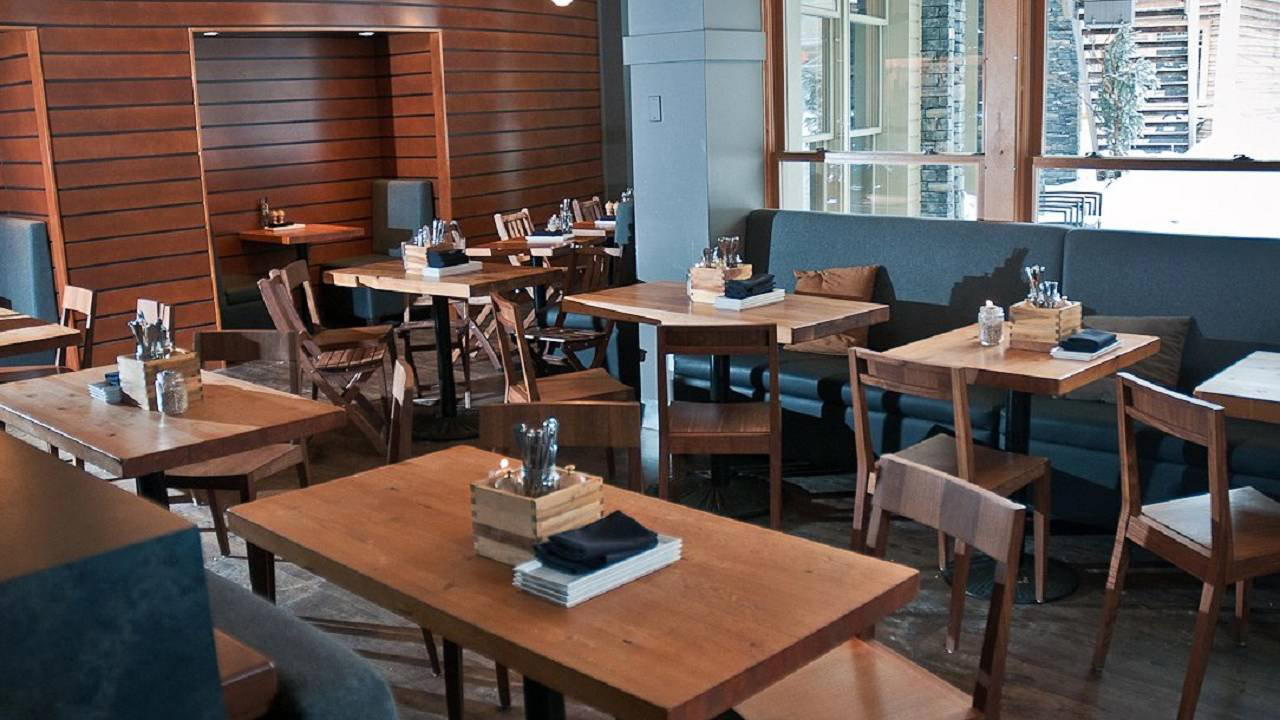
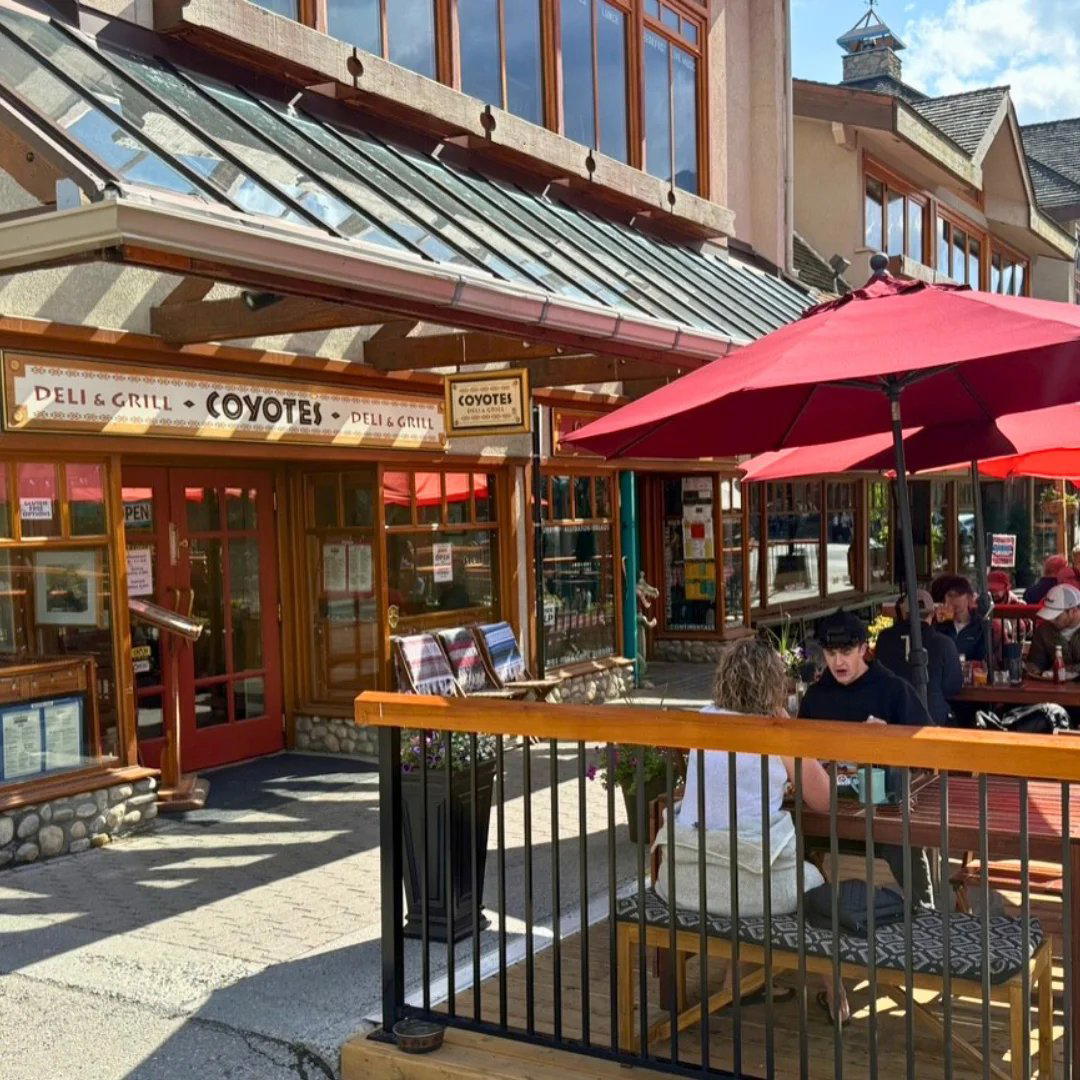
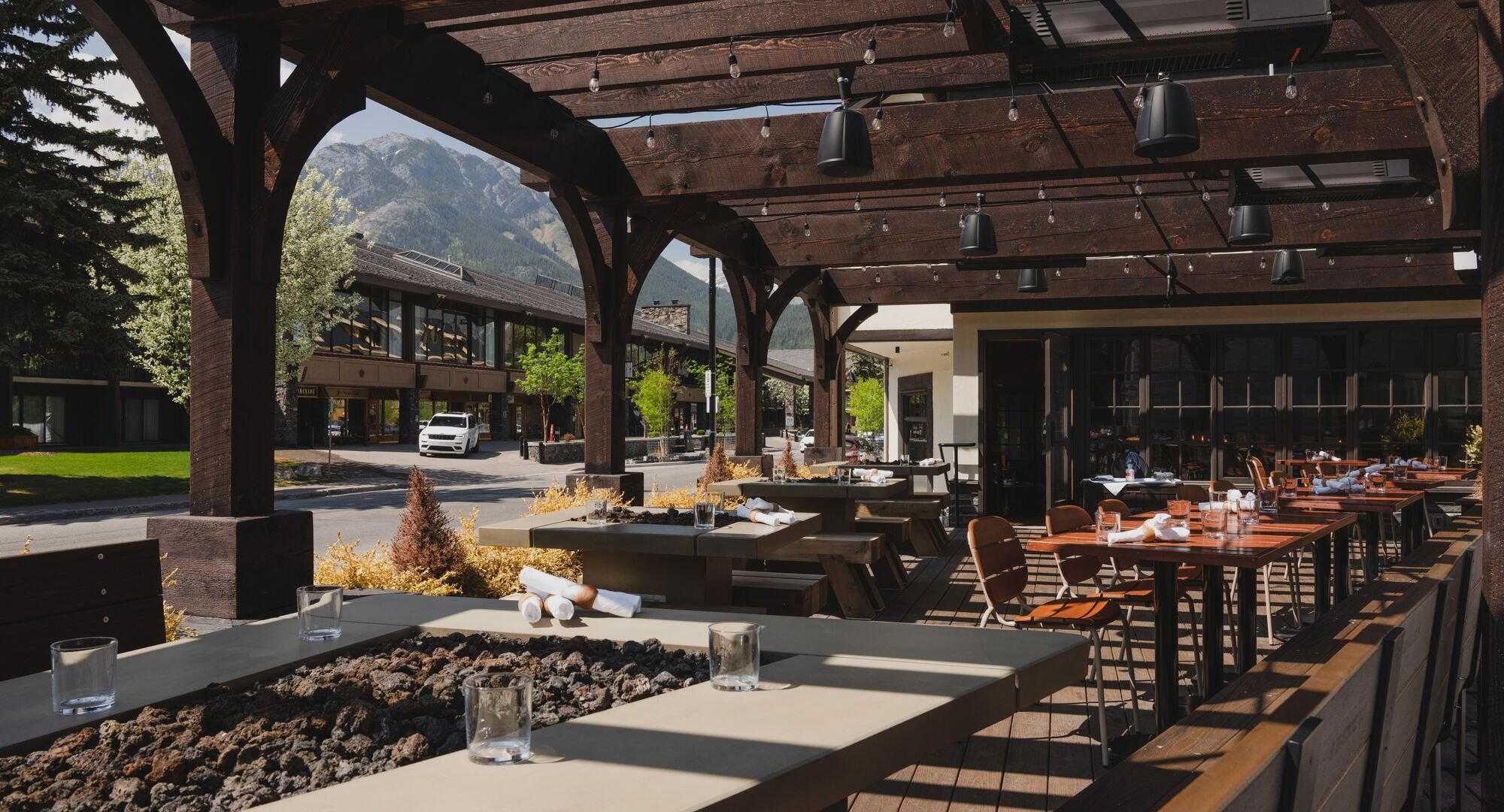
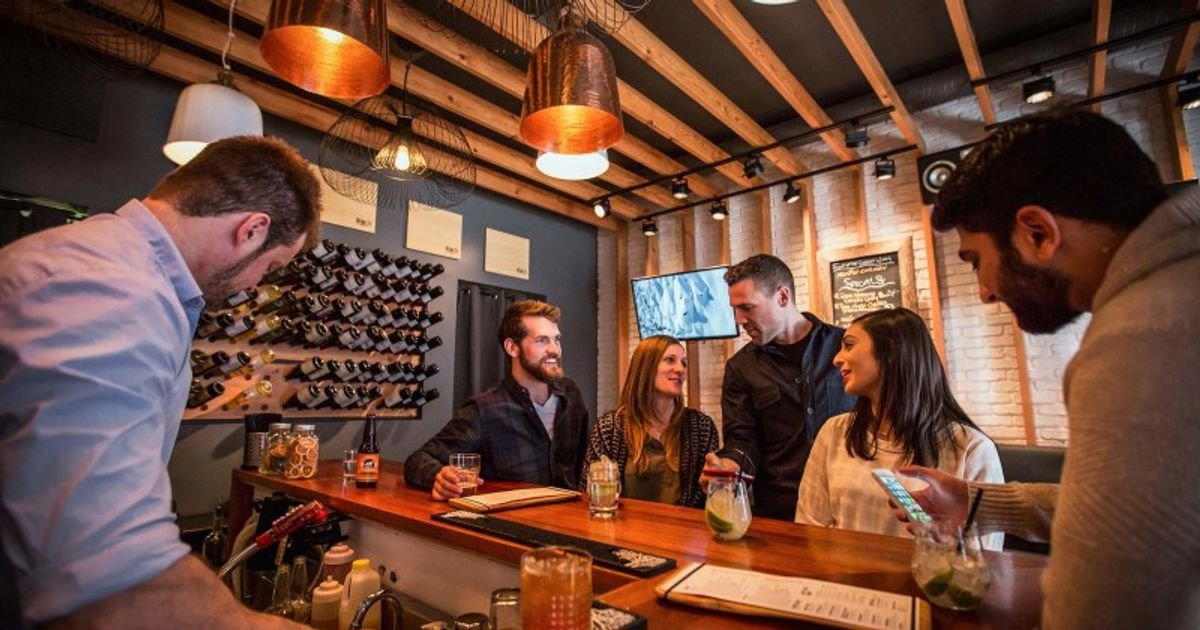
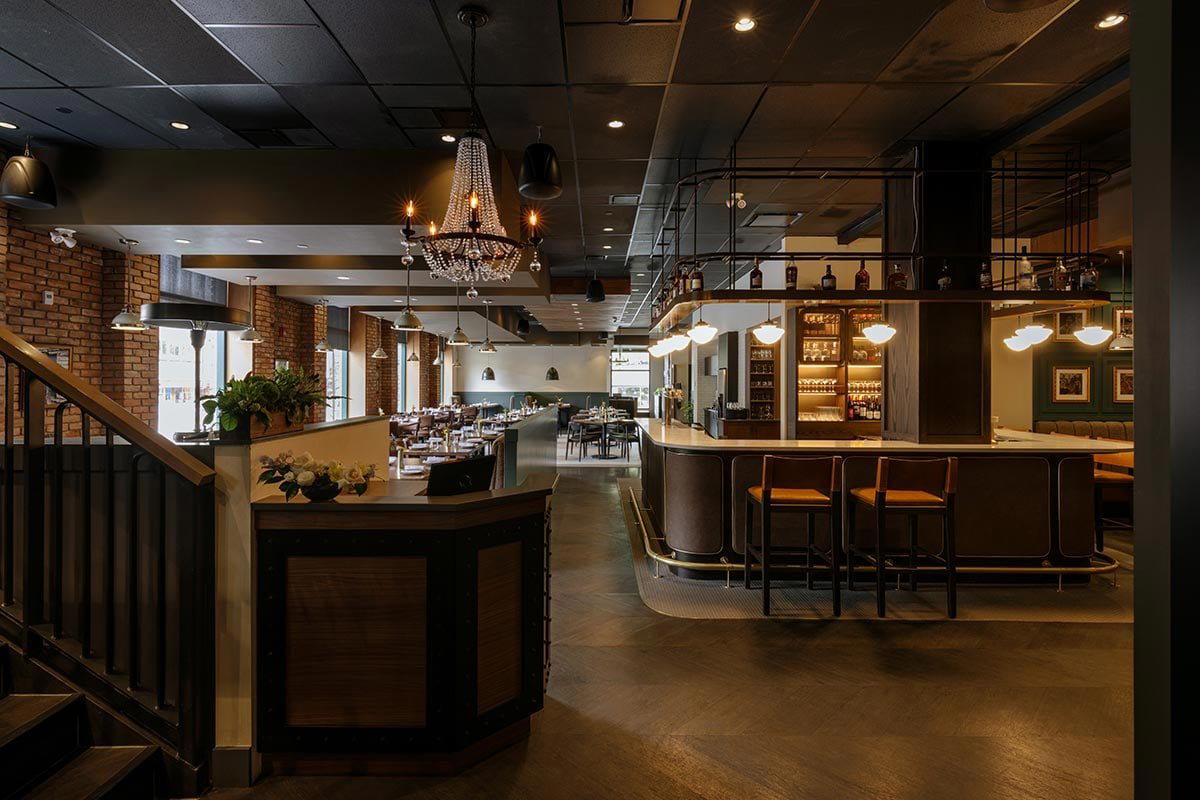
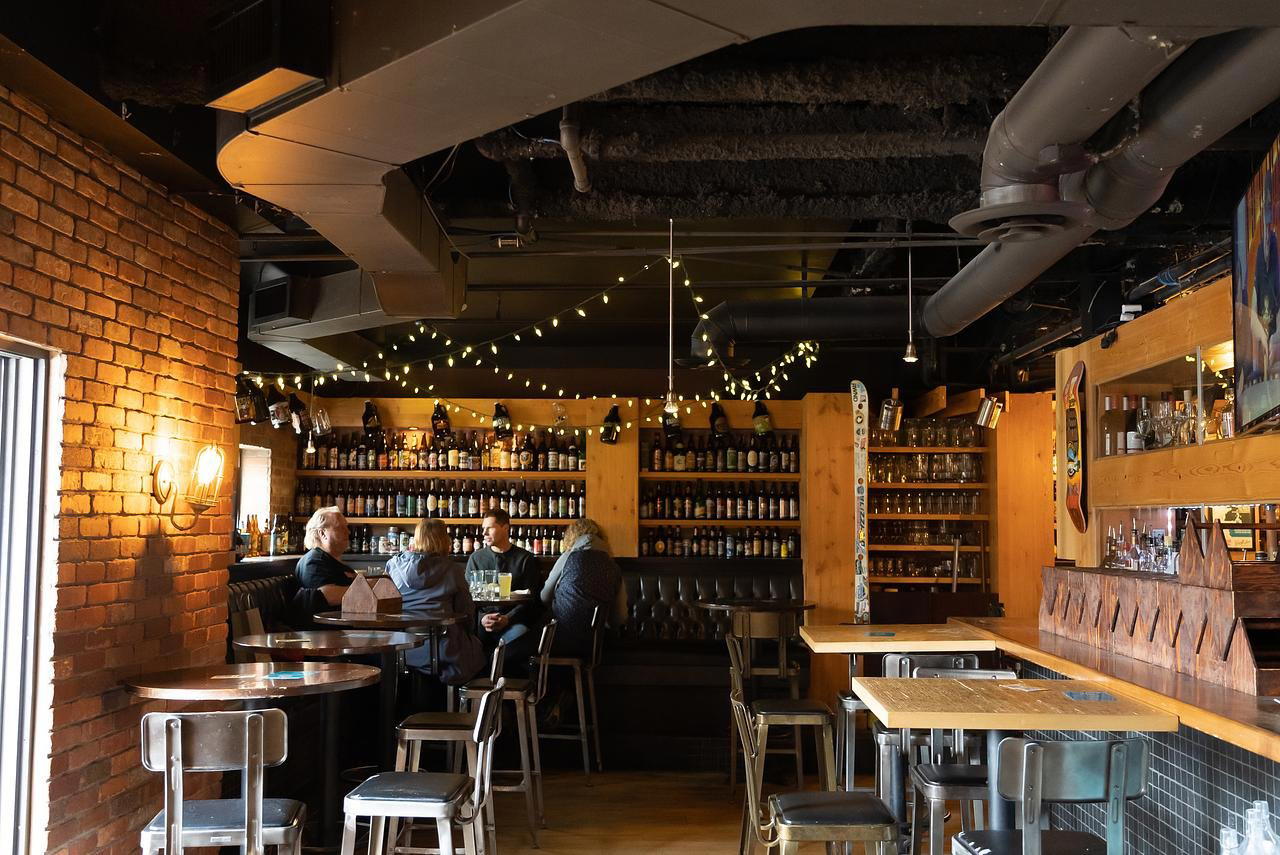
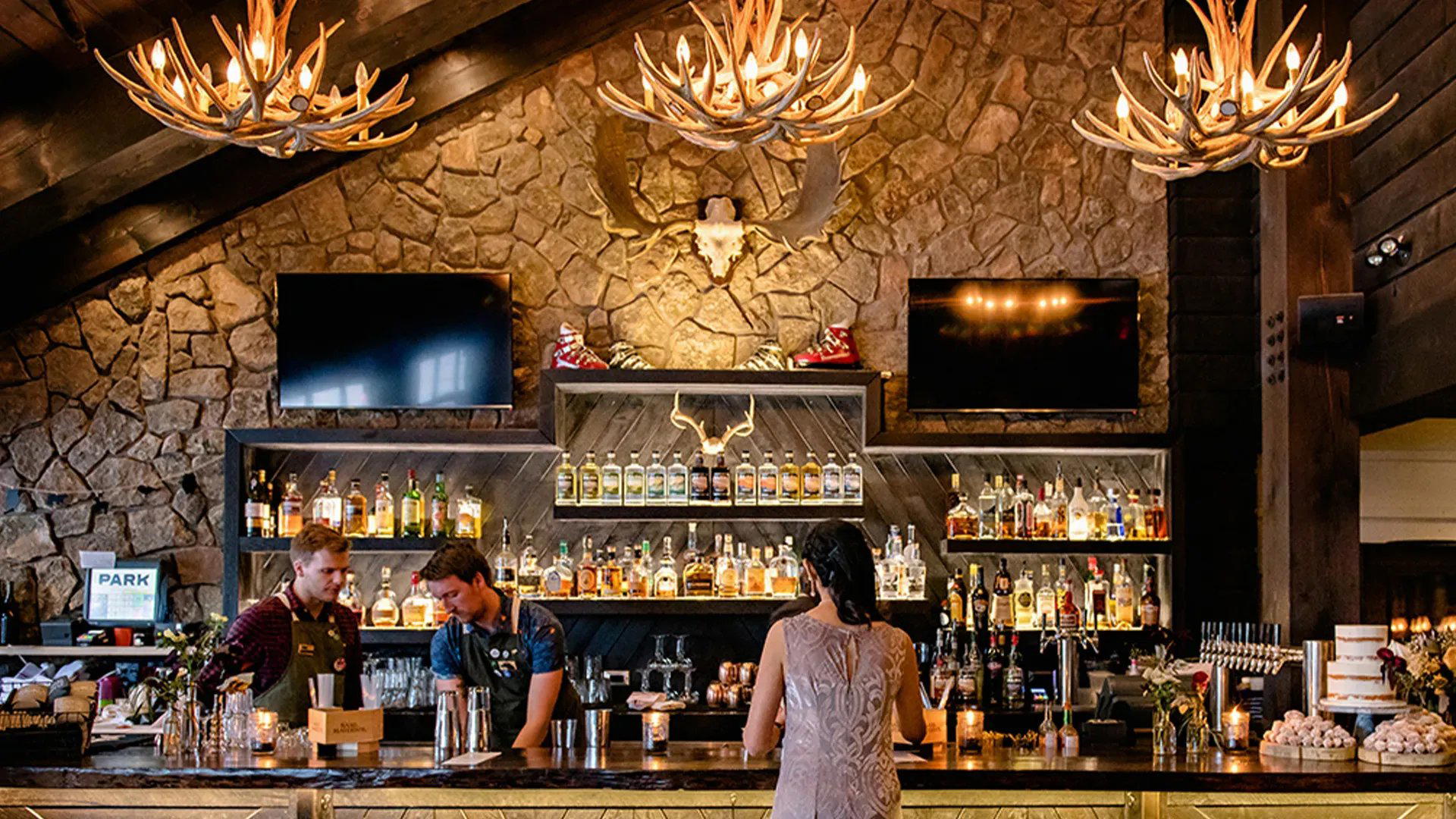
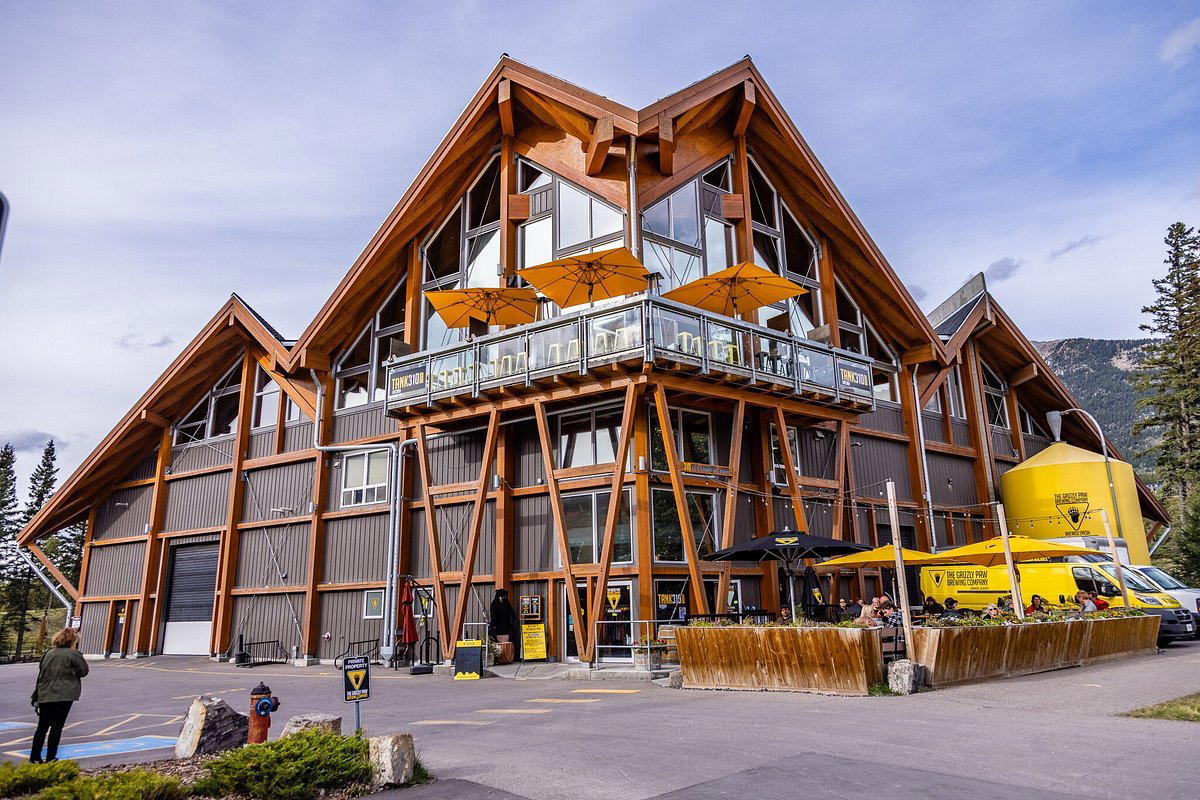
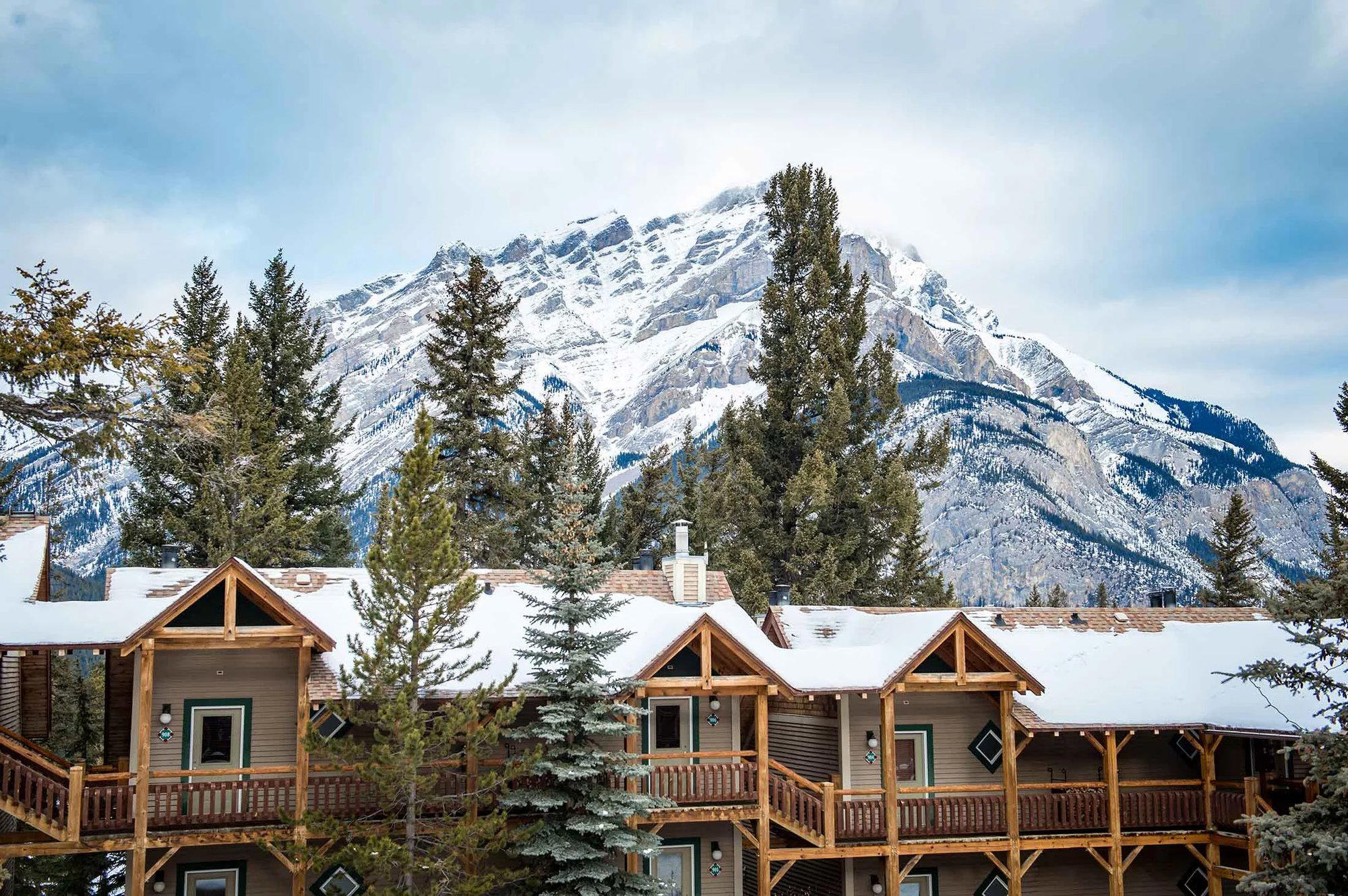
Cozy booths and rustic casual atmosphere with lively patio vibe