Banff's woodfired steakhouse format places Bluebird at 214 Lynx St within a town where mountain casual and serious cooking have long coexisted uneasily. The live-fire approach connects it to a broader North American movement toward open-hearth cooking, where the room itself, the glow, the smoke, the heat, is part of the meal's architecture. Among Banff's dining options, it represents the more focused, single-method end of the spectrum.
Pearl is the En Primeur Club membership app — saves, bookings, and concierge access live there. Same editors, same standards.
- Address
- 214 Lynx St, Banff, AB T1L, Canada
- Phone
- +14039859163
- Website
- bluebirdbanff.com
 Saves & bookings on Pearl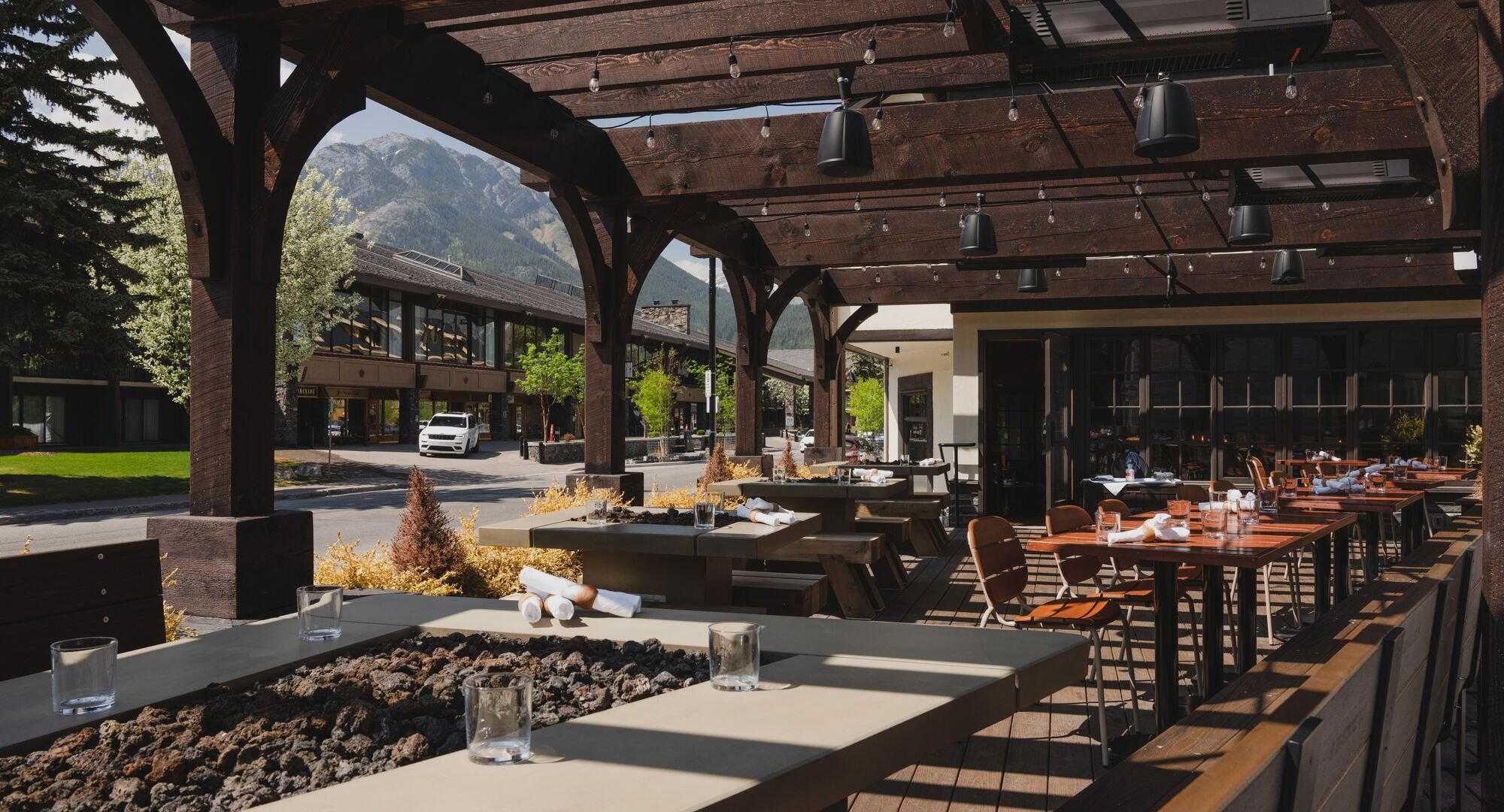
Fire as Architecture
Banff's restaurant scene has always operated under a particular constraint: the town draws visitors who have spent a day in extreme elevation and cold, who want warmth and substance, and who are eating in a national park where the surrounding landscape sets an impossibly high bar for drama. The dining rooms that work here tend to understand that the physical environment inside needs to do something in response to what's outside. Woodfired cooking, with its open flame and radiating heat, is one of the few culinary formats that can hold its own against a Rocky Mountain backdrop.
Bluebird Woodfired Steakhouse, at 214 Lynx St, sits within this logic. The woodfire format is not a decorative flourish here, it is the organizing principle of the space. In steakhouses that have adopted live-fire methods seriously, the hearth or grill becomes the visual and thermal center of the room, the point around which everything else is arranged. Seating in these formats tends to be structured so that the fire is legible from most positions, diners can see the source of the heat, the char, and the smoke, which shifts the experience from transactional to observational. You are not simply ordering; you are watching a process.
This places Bluebird within a broader movement that has reshaped how North American steakhouses present themselves over the past decade. The traditional steakhouse format, dark wood paneling, recessed lighting, tableside service, hidden kitchens, has given way in a significant tier of the market to what might be called transparency cooking: exposed hearths, open preparation, rooms built around the cooking apparatus rather than around the diner's privacy. Lazy Bear in San Francisco represents one extreme of this format, where the communal table and open kitchen collapse the distance between preparation and consumption entirely. Banff's version of this impulse is necessarily more restrained, but the underlying design logic is the same.
The Banff Steakhouse Context
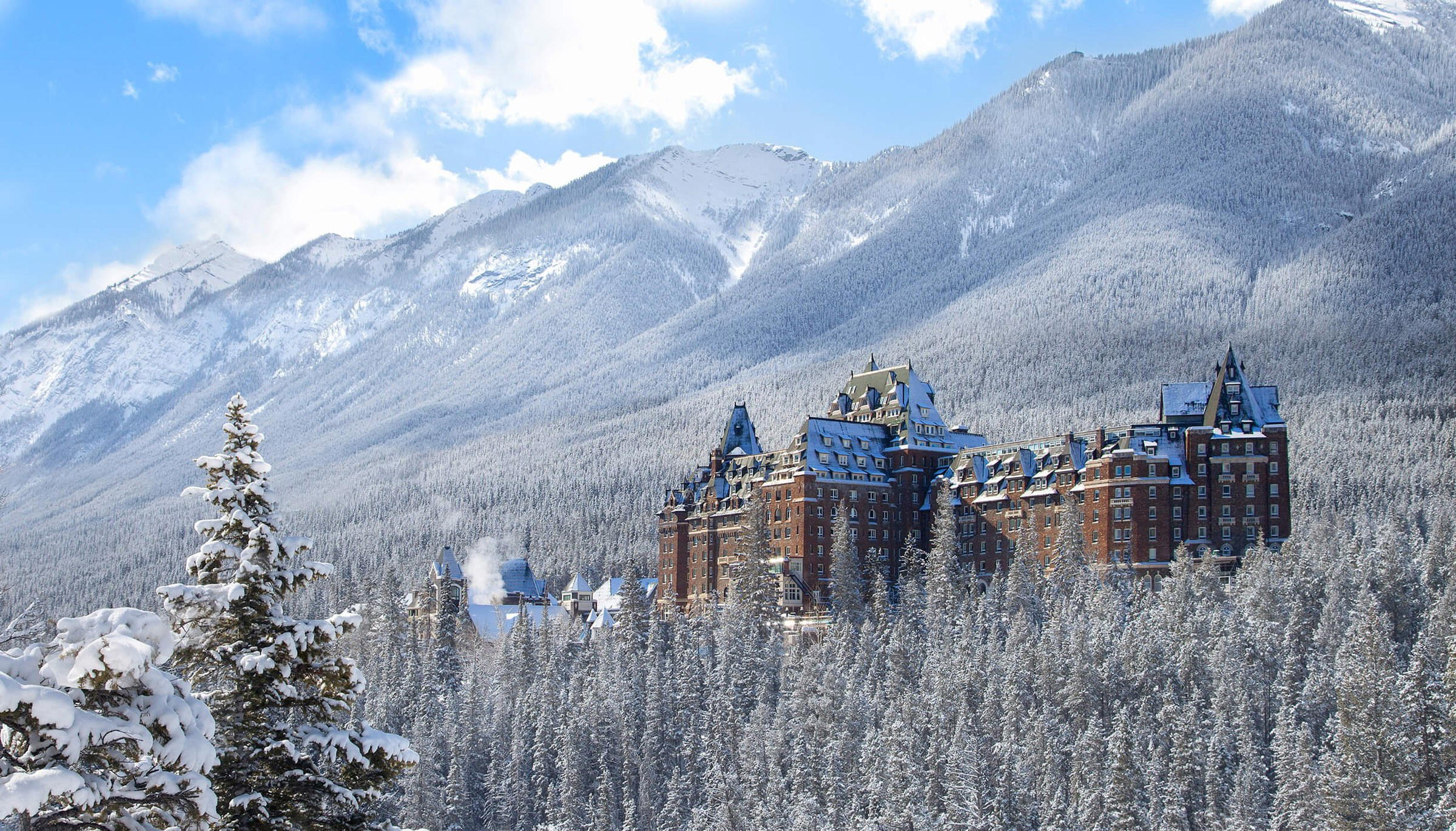
Within Banff specifically, the steakhouse category has a defined shape. 1888 Chop House operates in the heritage-property tier, anchored to the Fairmont Banff Springs, where the room carries institutional weight and the menu operates accordingly. That format, grand, formal, hotel-adjacent, represents one pole of the market. Bluebird occupies a different position: a freestanding operation on Lynx Street, outside the hotel ecosystem, where the cooking method rather than the address provides the identity.
That distinction matters more than it might appear. In mountain resort towns, the hotel dining room has a structural advantage: captured guests, established reputation, and room to absorb high fixed costs. Independent restaurants must make a sharper case for why visitors should leave their lodging and book a separate table. The woodfire format is, among other things, an answer to that question, it offers something the hotel kitchens are not set up to do at the same scale, a reason to walk down Lynx Street specifically.
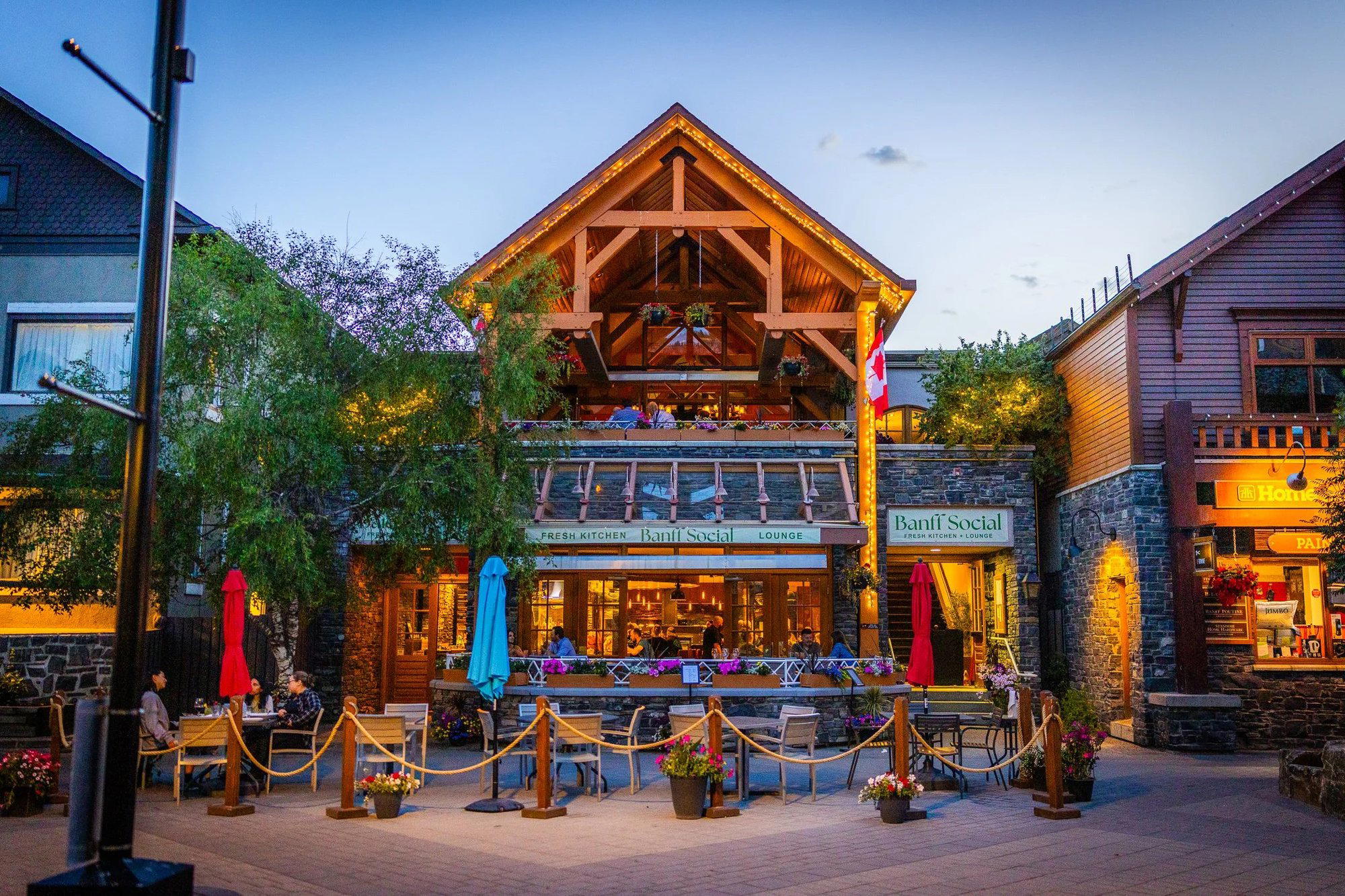
The broader Banff dining spectrum runs from the approachable end, Bear Street Tavern, Banff Social, Bear Street Tavern, through mid-range operators like Añejo Restaurant and Balkan Mediterranean Restaurant, to the more serious dining tier. Bluebird's live-fire steak focus places it in competition with the upper-mid and premium casual brackets rather than with white-tablecloth formality. Visitors calibrating their evening should understand that the experience here is more active and heat-centered than, say, a French-inflected tasting menu format. The comparison set is closer to contemporary fire-cooking restaurants in Calgary and Vancouver than to anything in the formal dining tradition.
Woodfire Cooking and What It Actually Changes
The practical difference between gas or induction cooking and true woodfire is significant enough to be worth spelling out. Wood combustion produces variable heat that requires constant attention, the cook cannot simply set a temperature and walk away. Different woods contribute different flavor compounds, and the timing of when proteins meet the fire relative to its burn stage affects the outcome. This is cooking that resists systematization, which is partly why it carries credibility signals: a kitchen that has committed to woodfire has accepted a harder operational challenge in exchange for a particular result.
For beef specifically, the woodfire format tends to produce crusting and char with a depth of flavor that gas grilling approximates but does not replicate exactly. The Maillard reaction happens faster and more aggressively over live fire, and the smoke compounds that penetrate the surface during cooking add a layer that has no direct equivalent in conventional kitchens. Whether those differences justify a format's entire identity is a fair critical question, some woodfire operations use the aesthetic more than the technique, but in steakhouses that have committed to it seriously, the result is measurable on the plate.
Across Canada, the restaurants most cited for serious cooking, Tanière³ in Quebec City, Alo in Toronto, Restaurant Pearl Morissette in Lincoln, tend to ground their identity in a specific technique or terroir logic. The woodfire steakhouse is a less rarefied format, but it follows the same underlying principle: commit to a method, build the room around it, and let diners see what the commitment looks like.
Planning a Visit
Bluebird Woodfired Steakhouse is a wood-fired steakhouse in Banff, Alberta, at 214 Lynx St. Lynx Street runs parallel to Banff Avenue, the town's main commercial spine, which means the restaurant is walkable from most central accommodation without requiring transport. For visitors arriving during peak season, July and August, when Banff absorbs its highest visitor volume, booking ahead is the practical standard across the town's more focused dining operations. Shoulder season visitors in May, June, September, and October generally find more flexibility, and those months also bring the clearest light and the most usable outdoor access to the surrounding park.
Visitors building a longer Canadian itinerary who want reference points for the fire-cooking tradition more broadly might look at AnnaLena in Vancouver or, for something in a very different register, Eigensinn Farm in Singhampton, which represents the farmstead end of Canadian destination dining.
Just the Basics
Comparable venues nearby, for context on price, style, and recognition.
| Venue | Cuisine | Price | Notes |
|---|---|---|---|
| Bluebird Woodfired SteakhouseThis venue — the venue you are viewing | Banff, Wood-Fired Steakhouse & Fondue | $$$ | |
| Balkan Mediterranean Restaurant | $$$ | Banff Avenue, Authentic Greek Mediterranean | |
| 1888 Chop house | Banff Springs, Modern Alberta Chop House | $$$$ | |
| The Grizzly House | $$$ | Banff Avenue, Swiss-Canadian Fondue with Exotic Meats | |
| The Maple Leaf Steak & Seafood | $$$ | downtown Banff, Canadian Steakhouse & Seafood | |
| Brazen | Banff Avenue, Modern Canadian | $$$ |
At a Glance
- Cozy
- Rustic
- Elegant
- Romantic
- Date Night
- Special Occasion
- Group Dining
- Brunch
- Open Kitchen
- Live Music
- Private Dining
- Craft Cocktails
- Extensive Wine List
- Local Sourcing
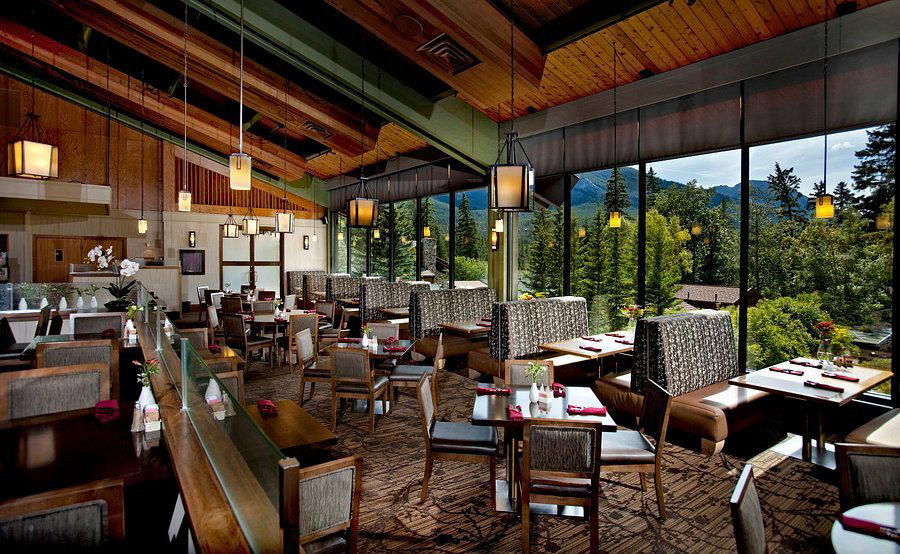
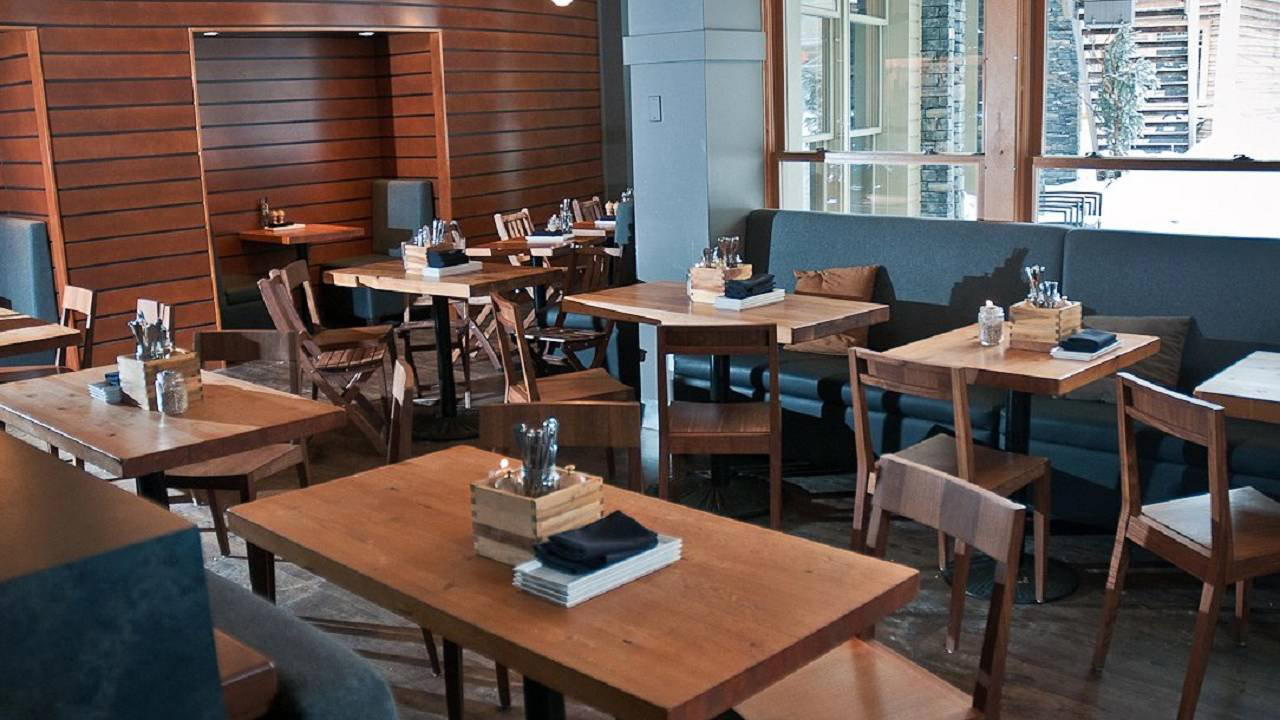
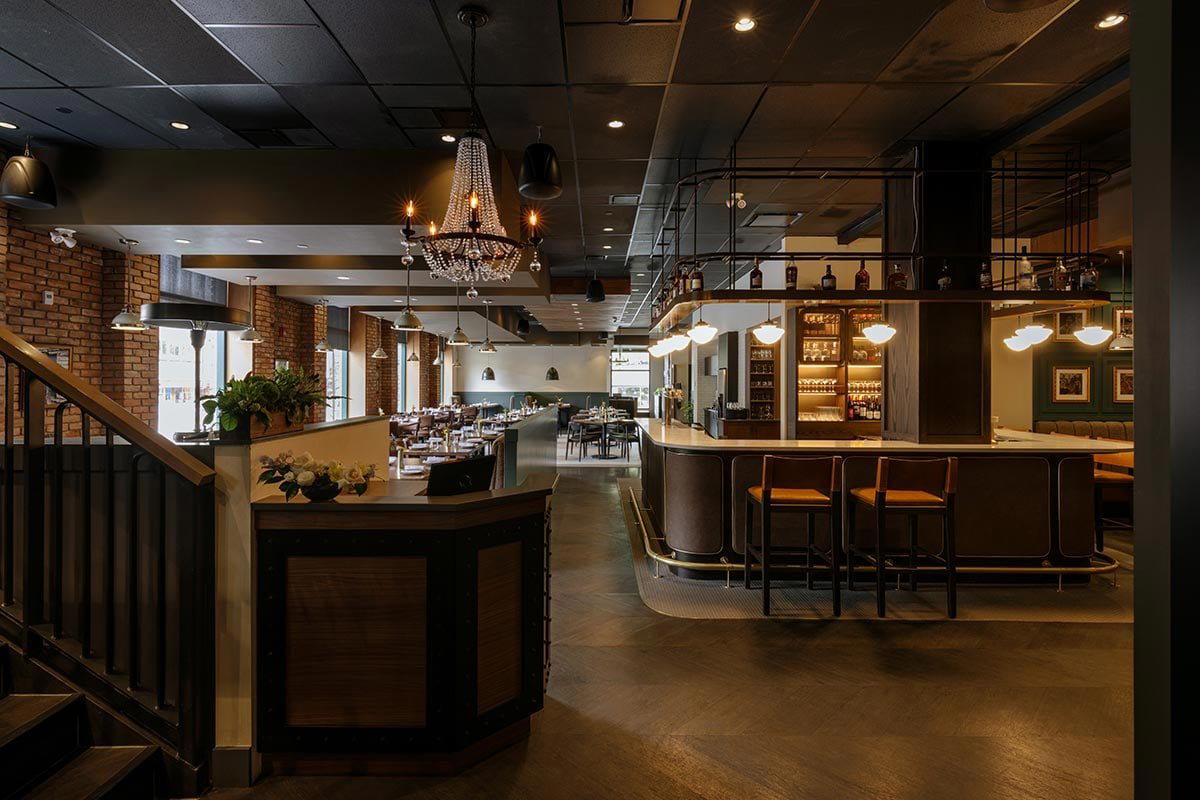
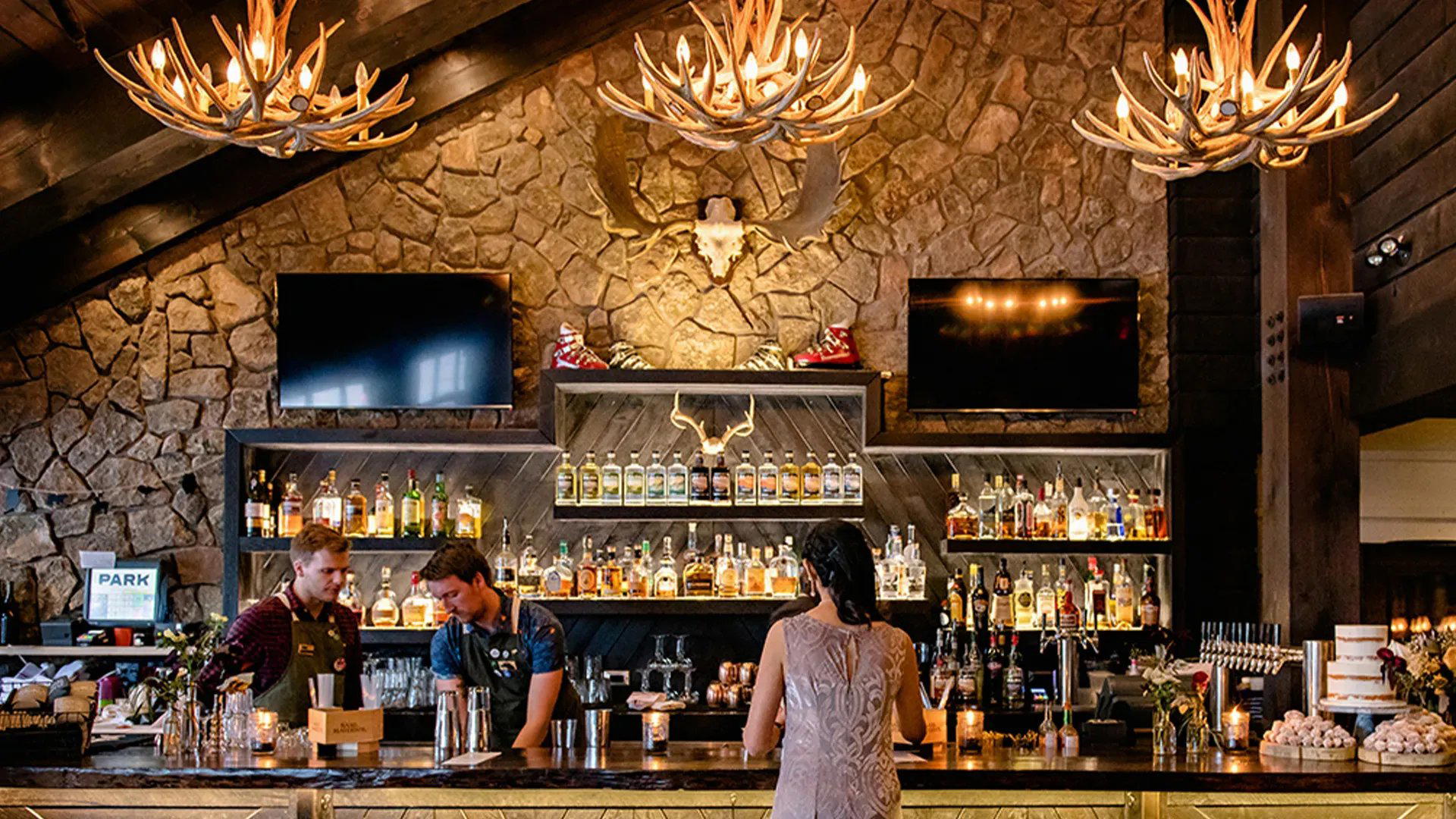
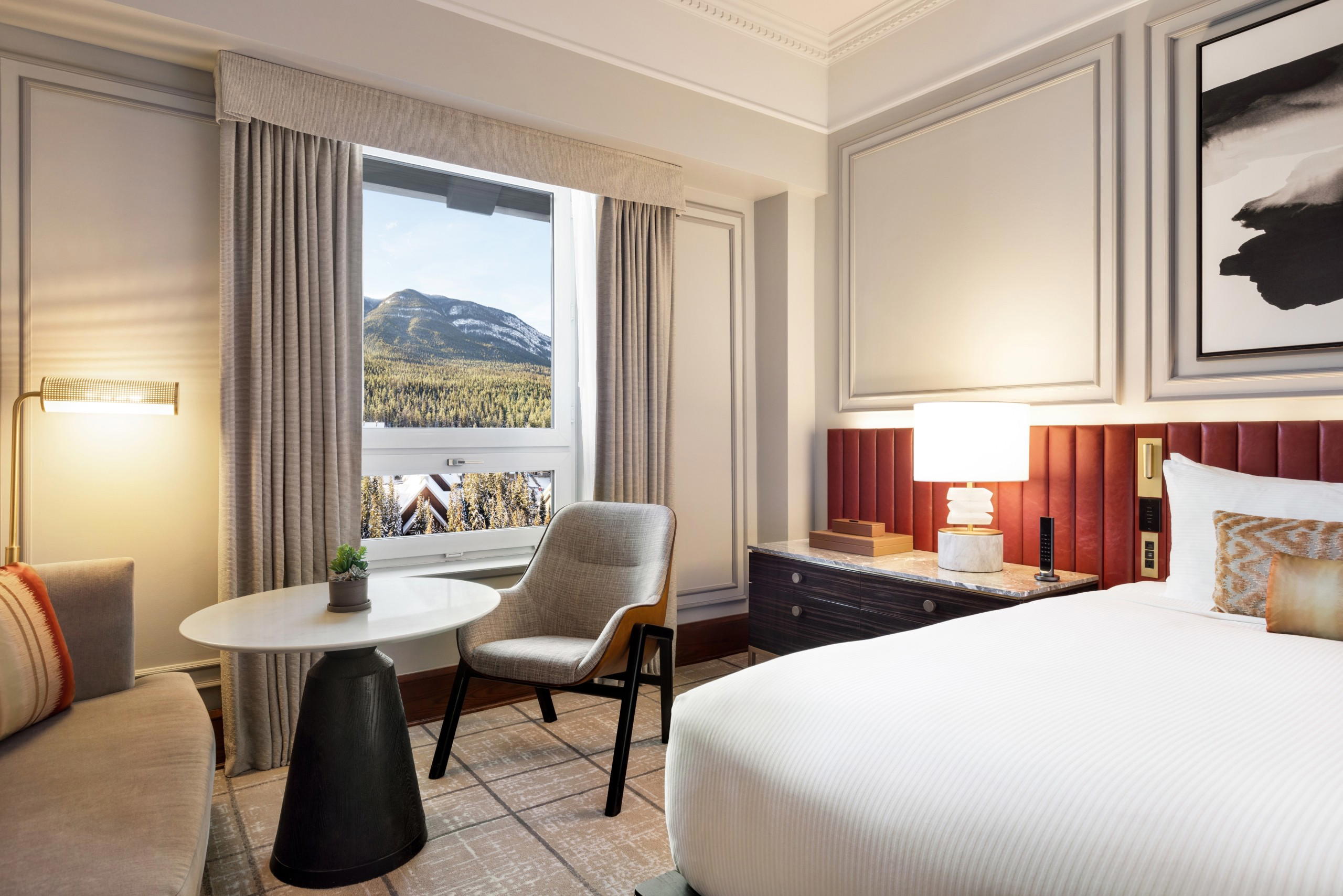
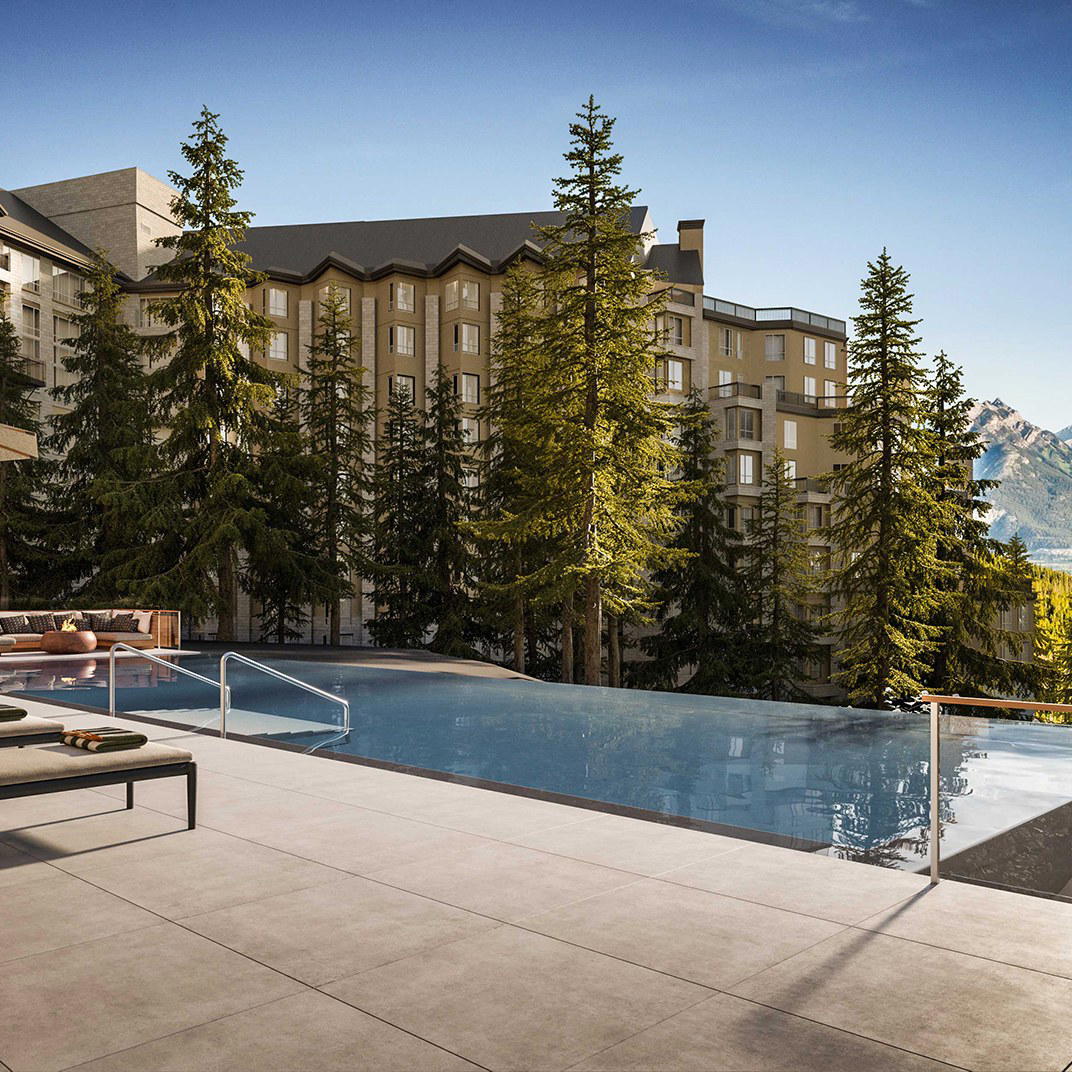
Cozy chalet-inspired interior with warm lighting, roaring fireplace, and inviting fireside seating.