Southwestern cooking lands in the Canadian Rockies at Coyotes, a long-running Banff address on Caribou Street where chili-forward sauces and regional American flavours sit alongside an approachable wine list. The kitchen draws from New Mexican and Tex-Mex traditions in a town where most restaurants default to steakhouse or pub formats. For visitors looking for something outside the mountain-lodge playbook, Coyotes fills a distinct gap in the local roster.
Pearl is the En Primeur Club membership app — saves, bookings, and concierge access live there. Same editors, same standards.
- Address
- 206 Caribou St, Banff, AB T1L 1A2, Canada
- Phone
- +14037623963
- Website
- coyotesbanff.com
- Directions
- Get directions
 Saves & bookings on Pearl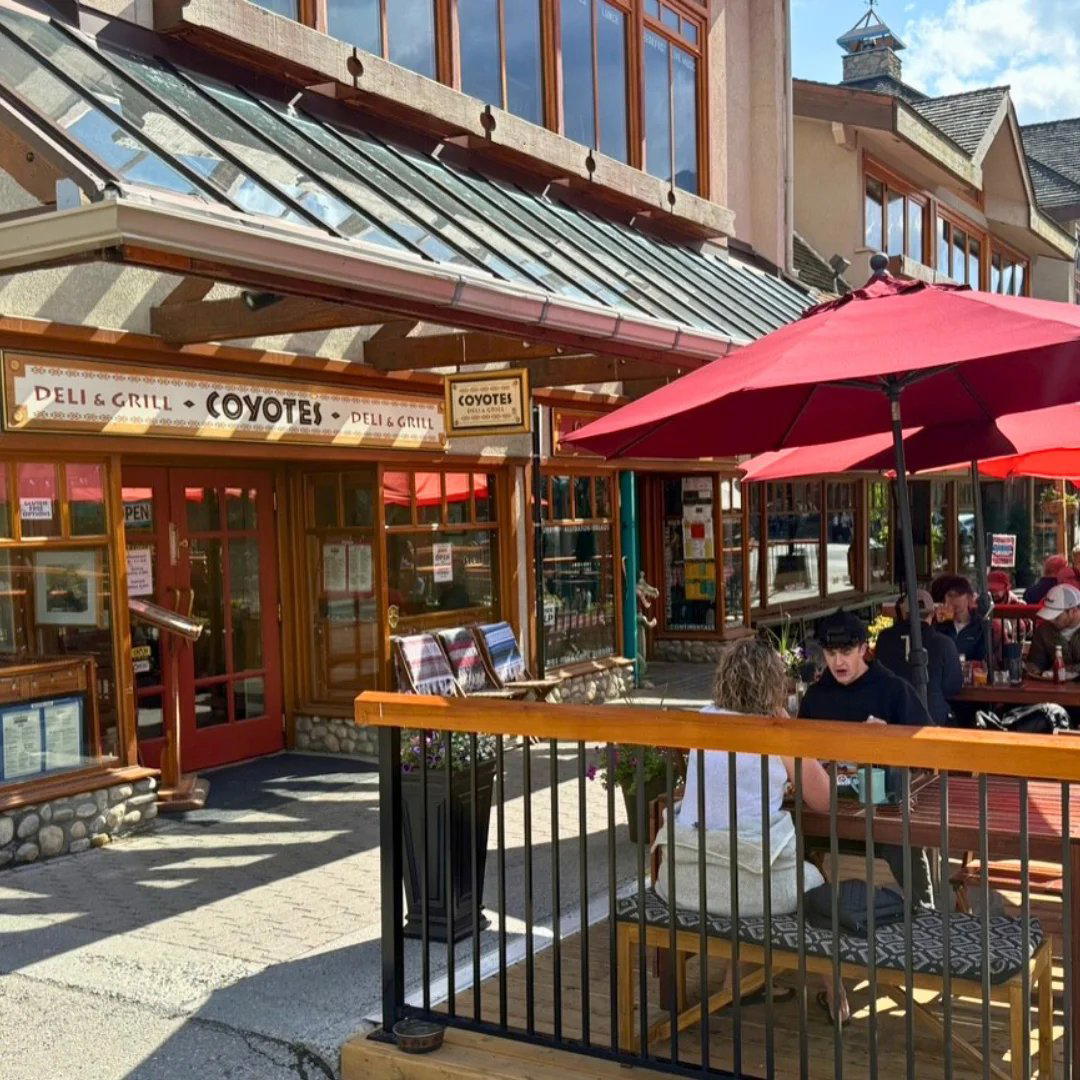
Southwestern on the Rocky Mountain Corridor
Banff's restaurant scene has always been shaped by its geography as much as its demographics. A resort town operating year-round, it serves a rotating cast of international visitors who rarely eat in the same place twice, which creates space for culinary formats that would struggle in smaller communities with repeat-customer economics. That dynamic has allowed a handful of independent operators to hold their ground against the hotel dining rooms and franchise brands that dominate most mountain resort strips. Coyotes Southwestern Grill, at 206 Caribou Street, is one of the more durable independents in that group, occupying a niche that few other Banff kitchens attempt: genuine Southwestern American cooking rooted in New Mexican and Tex-Mex traditions rather than the steakhouse-and-pasta framework that defines most of the town's mid-range offering.
Caribou Street sits one block off Banff Avenue, which puts Coyotes a short walk from the main tourist corridor without sitting directly in it. That positioning matters in a town where foot traffic is dictated almost entirely by proximity to the central strip. Restaurants that survive here without prime Banff Avenue frontage tend to do so through reputation and return visits, which says something about the kitchen's ability to generate loyalty in a market where tourists, not locals, set the agenda.
What Southwestern Means in This Context
Southwestern American cuisine draws from a specific corridor: New Mexico's red and green chile traditions, the beef-heavy ranching culture of Texas and Arizona, and the Sonoran influences that travel north through the desert states. In Canadian mountain towns, that tradition appears only occasionally, usually diluted into a generic "Mexican-ish" format that pulls more from fast-casual chains than from any regional cooking tradition. Banff already has Mexican-leaning options in its roster, including Añejo Restaurant and Magpie & Stump, but Coyotes positions itself within the broader Southwestern American frame rather than specifically Mexican, a distinction that gives the kitchen room to work with green chile stews, adobe-spiced preparations, and the kind of layered heat-management that defines cooking from Albuquerque to Tucson.
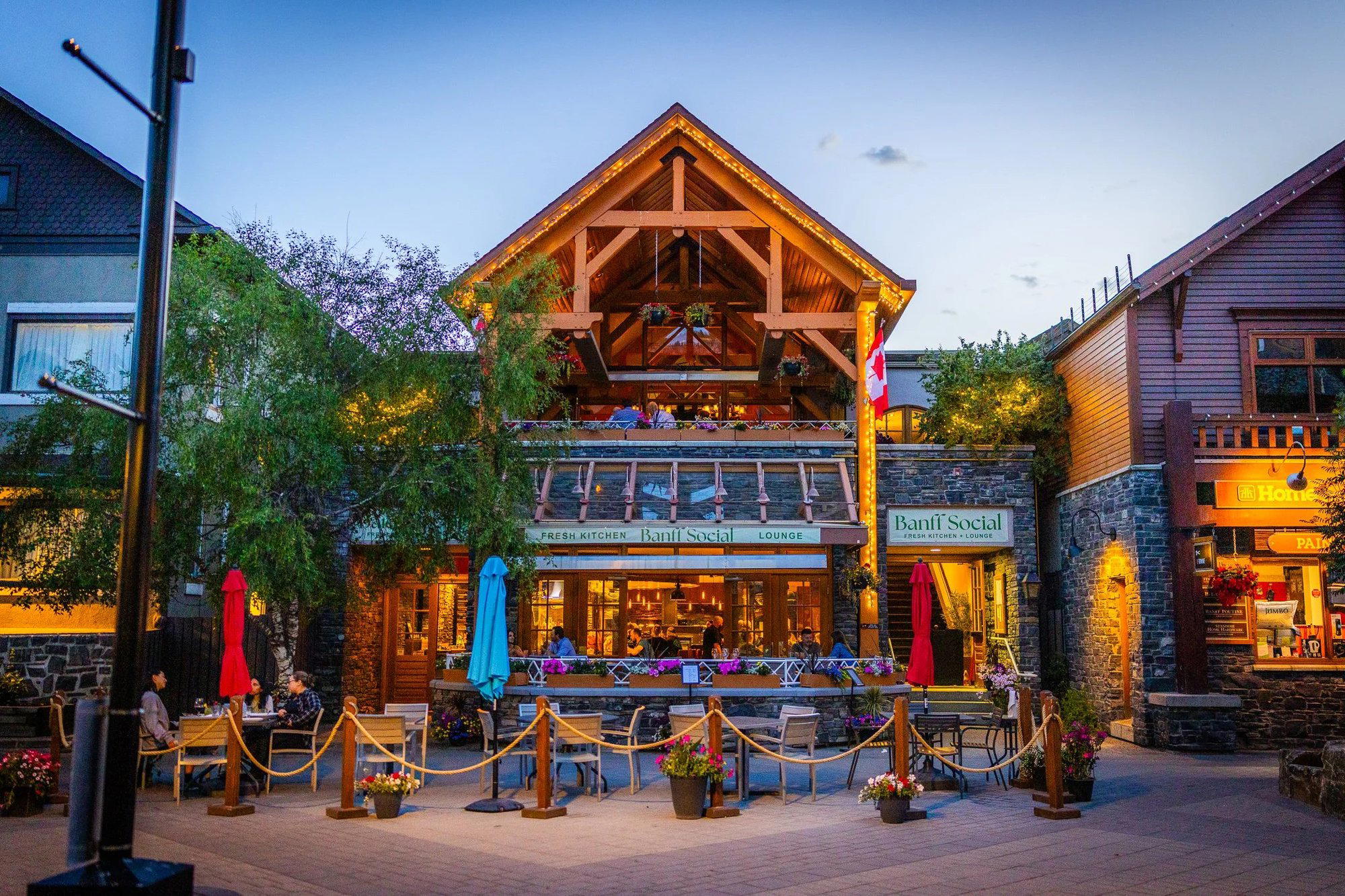
The contrast with Banff's other independents is worth mapping. 1888 Chop House and Bear Street Tavern both operate closer to the North American pub-and-grill centre of gravity, while Balkan Mediterranean Restaurant and Banff Social cover European and gastropub formats respectively. None of them work from the same regional American template as Coyotes, which leaves the restaurant with a largely uncontested lane in a competitive dining corridor. That category position is more strategically valuable than it might appear in a tourist town: visitors from Canada's Prairie provinces and the Pacific Northwest often travel through the American Southwest, and the cuisine registers as familiar-but-interesting rather than exotic.
Reading the Wine List Against the Kitchen
Southwestern food creates a particular challenge for wine pairing. The chile heat, smokiness, and acidity that define the cuisine's flavor architecture tend to flatten tannin-heavy reds and throw off high-alcohol whites, pushing good list curation toward medium-weight reds with fruit-forward profiles and aromatic whites with residual sweetness or high acidity. In mountain resort contexts across North America, wine lists at Southwestern kitchens have historically defaulted to California Zinfandel and generic house pours, a format that works commercially but rarely does justice to the food.
The more considered approach, common in Southwestern restaurants that have thought carefully about their beverage program, leans into New World Syrah, Grenache-based blends from the southern Rhône or Spain, and Argentine Malbec at accessible price points. These styles share a warmth and fruit density that absorbs chile heat rather than amplifying it. On the white side, off-dry Riesling and Gewurztraminer from Alsace or the Okanagan Valley in British Columbia have strong functional logic alongside spiced preparations, and a well-curated list in this category would acknowledge that.
For comparison, Canadian restaurants that have demonstrated serious wine thinking alongside bold, flavour-forward cooking include AnnaLena in Vancouver and Restaurant Pearl Morissette in Lincoln, both of which treat the beverage program as a first-order editorial decision rather than an afterthought. At the opposite end of the spectrum from resort-casual, Alo in Toronto and Tanière³ in Quebec City demonstrate how deeply a wine program can shape the overall dining experience at the destination level. Coyotes operates well below that tier in terms of formality and price, but the underlying principle, that a thoughtful list materially improves the food, applies at every level of the market.
Planning Your Visit
Coyotes is located at 206 Caribou Street in central Banff, walkable from most hotel accommodation within the town boundary. Banff operates as a national park townsite, which means vehicle access is subject to park entry fees; visitors arriving by car should account for Parks Canada gate fees before assuming a quick dinner run. The town's compact layout means that Caribou Street is a short walk from the Banff Avenue pedestrian zone, making pre- or post-dinner movement between Coyotes and other parts of town easy on foot. Given the volume of visitors passing through during peak periods, walk-in tables at dinner can be difficult to secure without an early arrival or advance reservation.
Comparable Spots, Quickly
Comparable venues nearby, for context on price, style, and recognition.
| Venue | Cuisine | Price | Notes |
|---|---|---|---|
| Coyotes Southwestern GrillThis venue — the venue you are viewing | Southwestern Grill | $$ | Not listed |
| Tooloulous | Cajun Creole with Rocky Mountain Fusion | $$ | downtown |
| Bear Street Tavern | Dining | $$ | Downtown Banff |
| Sudden Sally | Polished American Comfort Food | $$ | Banff Ave |
| Pacini Banff | Italian | $$ | Downtown Banff |
| Nourish Bistro Banff | Globally Inspired Vegetarian Bistro | $$ | Bear Street |
At a Glance
- Rustic
- Cozy
- Family
- Group Dining
- Casual Hangout
- Brunch
- Open Kitchen
- Local Sourcing
Current opening hours
- Monday
- 8 AM–9 PM
- Tuesday
- 8 AM–9 PM
- Wednesday
- 8 AM–9 PM
- Thursday
- 8 AM–9 PM
- Friday
- 8 AM–9 PM
- Saturday
- 8 AM–9 PM
- Sunday
- 8 AM–9 PM
Hours can change for holidays and private events. Last verified .
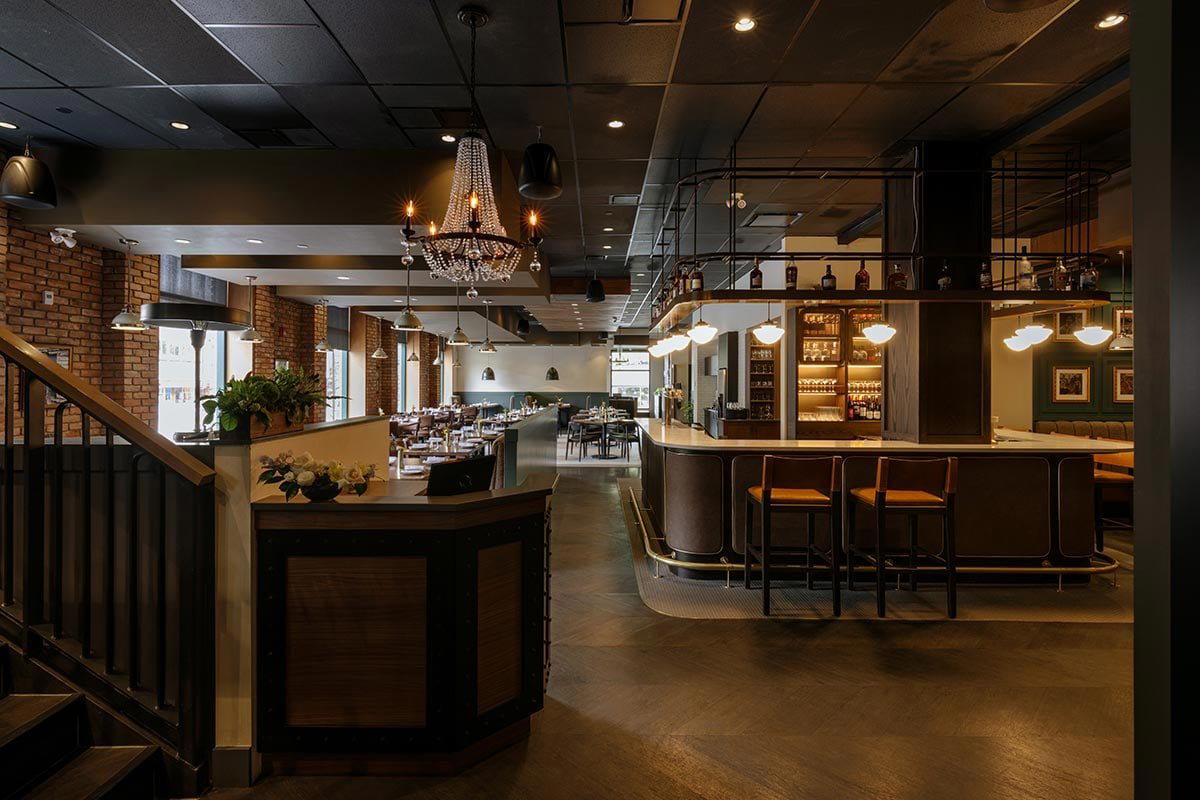
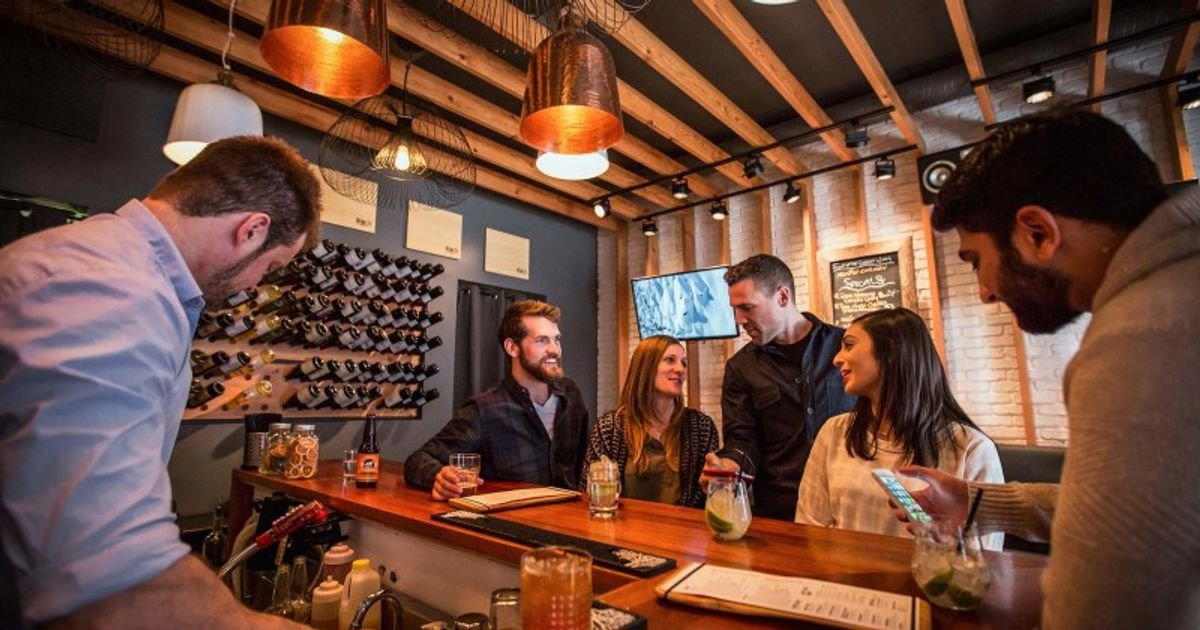
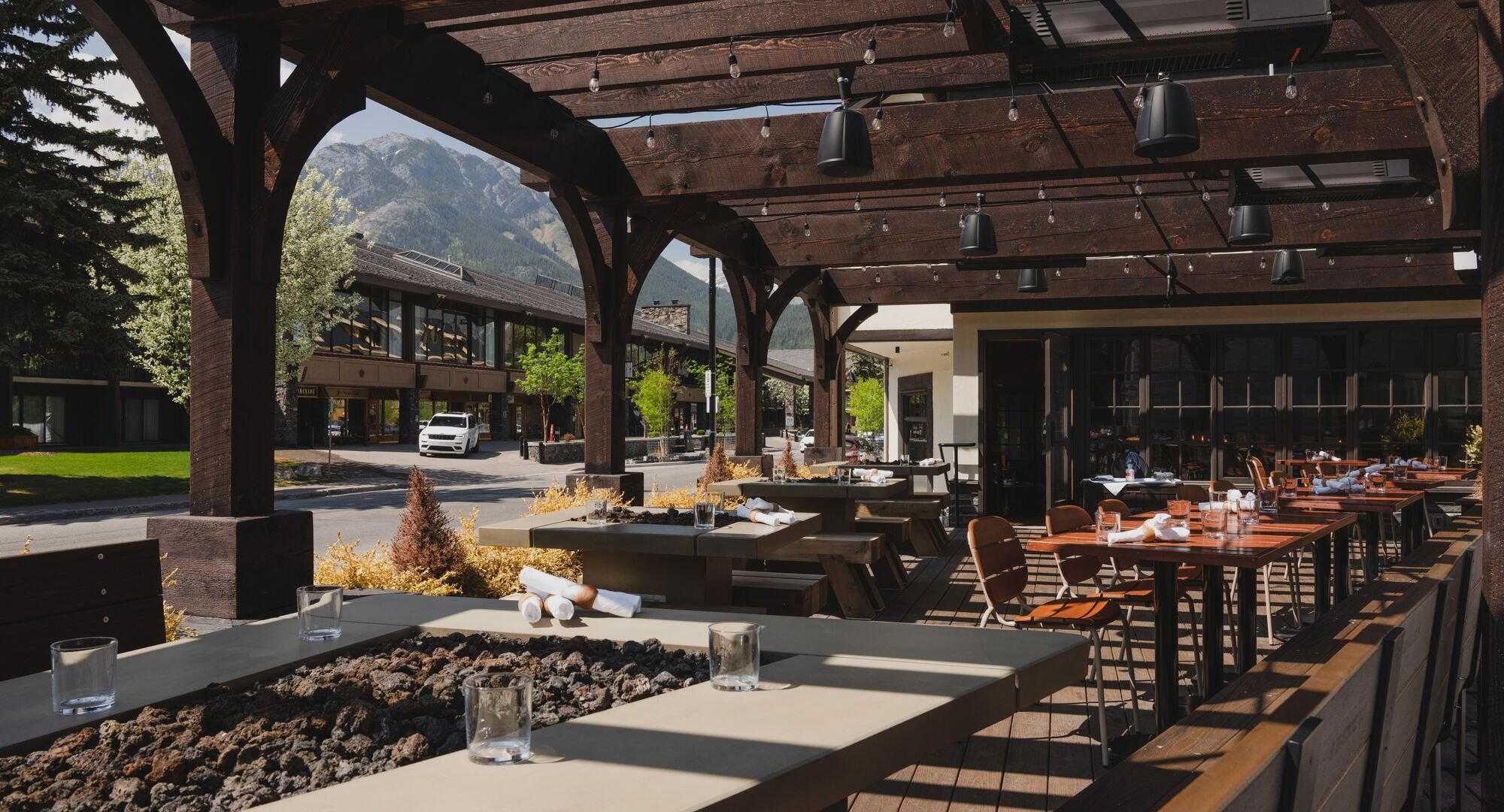
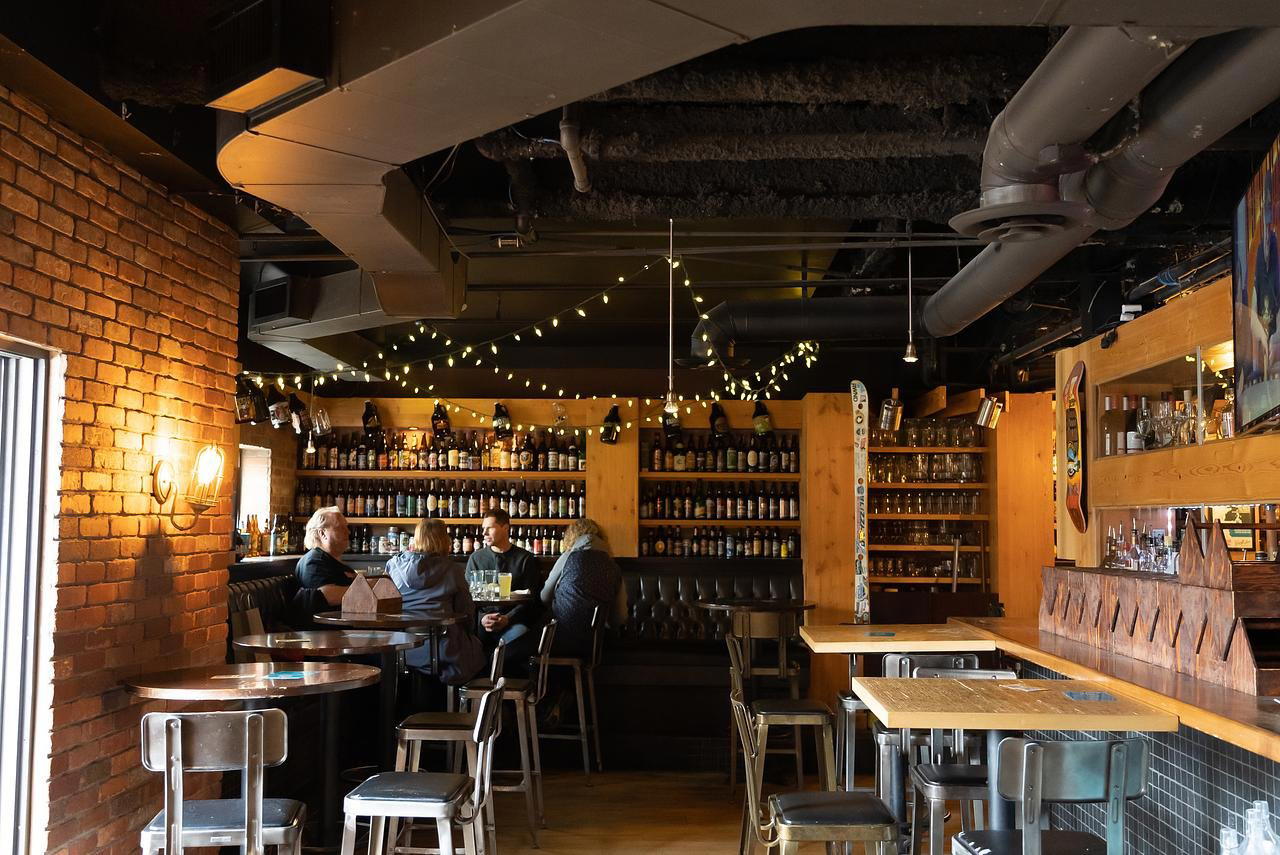
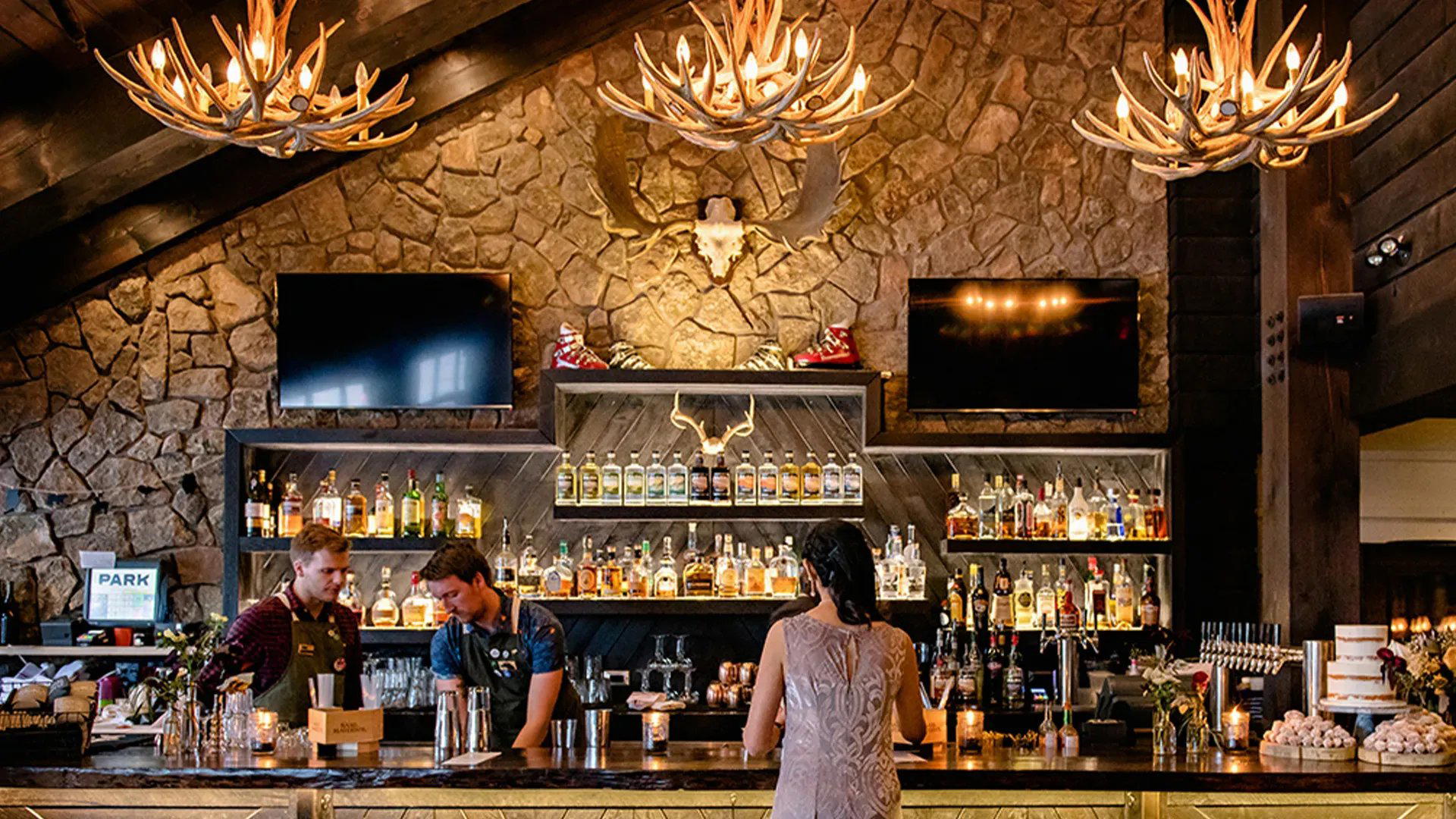
Warm ambiance with Santa Fe colors and rustic log beams evoking the American Southwest in a cozy mountain setting.