In Huairou, the district where Beijing's mountains meet its reservoirs, Fami-Li-Hood Kitchen 家里人 (the name translates loosely as 'family people') represents a mode of dining that prioritises proximity and familiarity over formality. The kitchen draws on the produce and traditions of this semi-rural corner of greater Beijing, placing it in a different register from the city's fine-dining circuit entirely.
Pearl is the En Primeur Club membership app — saves, bookings, and concierge access live there. Same editors, same standards.
- Address
- Huáiróu
- Directions
- Get directions
 Saves & bookings on Pearl
Where the City Stops and the Kitchen Begins
Huairou sits roughly 60 kilometres north of central Beijing, past the last ring road and into the district where the capital's reservoir system begins and the Yanshan mountains form a visible line on the horizon. Dining out here operates under different assumptions than it does inside the Third or Fifth Ring. The ingredients don't have to travel far. The clientele often arrives by car for a weekend, not a Tuesday reservation.
Fami-Li-Hood Kitchen 家里人 is a casual Home-Style Beijing Chinese restaurant in Huáiróu, recommended for reservations and priced at about $15 per person. It occupies this context. The name itself signals a register: 家里人, pronounced jiā lǐ rén, is a colloquial Mandarin phrase for the people in your household, your inner circle. That framing, domestic, warm, deliberately unshowy, positions this as the kind of place that pulls its identity from the neighbourhood rather than projecting outward toward a broader dining public.
The Sourcing Logic of Peri-Urban Beijing
The food culture of Huairou and the surrounding districts is shaped by what this stretch of the Beijing-Hebei border produces. Chestnut orchards are a fixture of the local agricultural economy; the Huairou and Miyun areas are among the more significant chestnut-producing zones in northern China, with the harvest running from mid-September through October. Trout farming operates in the cold-water streams fed by reservoir inflow. Seasonal vegetables, particularly winter-hardy varieties like Chinese cabbage and turnip, form a staple of colder-month cooking. A kitchen drawing on local supply in this district has access to a distinct seasonal pantry that differs materially from what a restaurant in Chaoyang or Dongcheng would prioritise.
This sourcing geography matters because it shapes what a meal here actually tastes like and what it represents. The farm-to-district model that Huairou's geography enables is less a marketing concept than a practical reality: when a restaurant is embedded in a semi-rural district, local produce is often the convenient and freshest available. For comparison, Fu He Hui in Shanghai operates at the ¥¥¥¥ price tier.
The Register of Community Dining in China's Peri-Urban Districts
Across China's secondary cities and outer districts, a category of restaurant has proven durable against the expansion of chain dining and delivery platforms: the family-style kitchen, typically operating at mid-range price points, presenting local or regional dishes without formal tasting menus or theatrical service. These kitchens function as neighbourhood anchors. In Huairou, that pattern fits a particular weekend tourism dynamic, where visitors from central Beijing arrive for hiking, reservoir scenery, or Great Wall sections and want something grounded and unpretentious for dinner.
That market creates its own editorial context. The restaurants that succeed in outer Beijing districts tend to succeed on consistency, generosity of portion, and the kind of menu legibility that allows a table of six to order without a forty-minute consultation. This is a different competitive logic from what governs, say, Xin Rong Ji (Xinyuan South Road) in Beijing, which operates in the high-precision Zhejiang seafood tradition at a significantly different price and formality tier, or Dai Yuet Heen in Nanjing, which brings Cantonese fine-dining precision to a city better known for other regional traditions.
For readers calibrating across China's wider dining range, Chef Tam's Seasons in Macau and Ru Yuan in Hangzhou represent the higher end of Chinese regional fine dining where provenance is foregrounded through chef credential and awards recognition. Fami-Li-Hood Kitchen operates in a different register entirely, where the sourcing story is geographic and seasonal rather than chef-authored.
Planning Your Visit
Huairou is accessible from central Beijing by car in roughly 60 to 75 minutes depending on traffic and point of departure; the S2 rail line connects Huairou county with the city, though driving offers more flexibility once in the district. The area draws weekend visitors particularly in spring (April to May, when the scenery around the reservoir and lower mountain trails is at its most accessible) and autumn (September to October, when the chestnut harvest peaks and the foliage on the surrounding hills turns).
For readers building a broader China itinerary, restaurants from Imperial Treasure Fine Chinese Cuisine in Guangzhou and Dingshan·Jiangyan (Xiangcheng) in Suzhou at the formal end, through to Local Old Town Home in Kashgar at the community-kitchen end of the range. Xin Rong Ji in Chengdu, Jiangnan Wok‧Rong in Fuzhou, Fleurs Et Festin in Xiamen, Shang Palace in Yangzhou, Ensue - Hotel in Shenzhen, 102 House in Shanghai, and La Strada Italian Restaurant in Changzhou extend the range further. For readers tracking what Chinese-influenced cooking looks like at the international fine-dining level, Le Bernardin in New York City and Atomix in New York City offer useful reference points from a different context entirely. And 57号窑烤披萨咖啡馆 in 温州市 sits in the informal, neighbourhood-anchored category that Fami-Li-Hood most closely resembles in spirit.
Side-by-Side Snapshot
Comparable venues nearby, for context on price, style, and recognition.
| Venue | Cuisine | Price | Notes |
|---|---|---|---|
| Fami-Li-Hood Kitchen 家里人This venue — the venue you are viewing | Home-Style Beijing Chinese | $$ | Not listed |
| 村姑铁锅炖 | Northeast Chinese Iron Pot Stew | $$ | Da Hinggan Ling / Harbin area |
| 老厨家(总店) | Northeast Chinese Regional (Harbin Specialty) | $$ | 南岗区 (Nangang District) |
| Xing Guo Lu | Shanghainese | $$ | Xujiahui |
| 私膳坊·私房菜 | Chinese Private House Cuisine | $$ | Nanping |
| 钟楼站 | Traditional Shaanxi Dumplings | $$ | 钟鼓楼 |

At a Glance
- Cozy
- Rustic
- Family
- Group Dining
- Casual Hangout
- Open Kitchen
- Local Sourcing
- Mountain
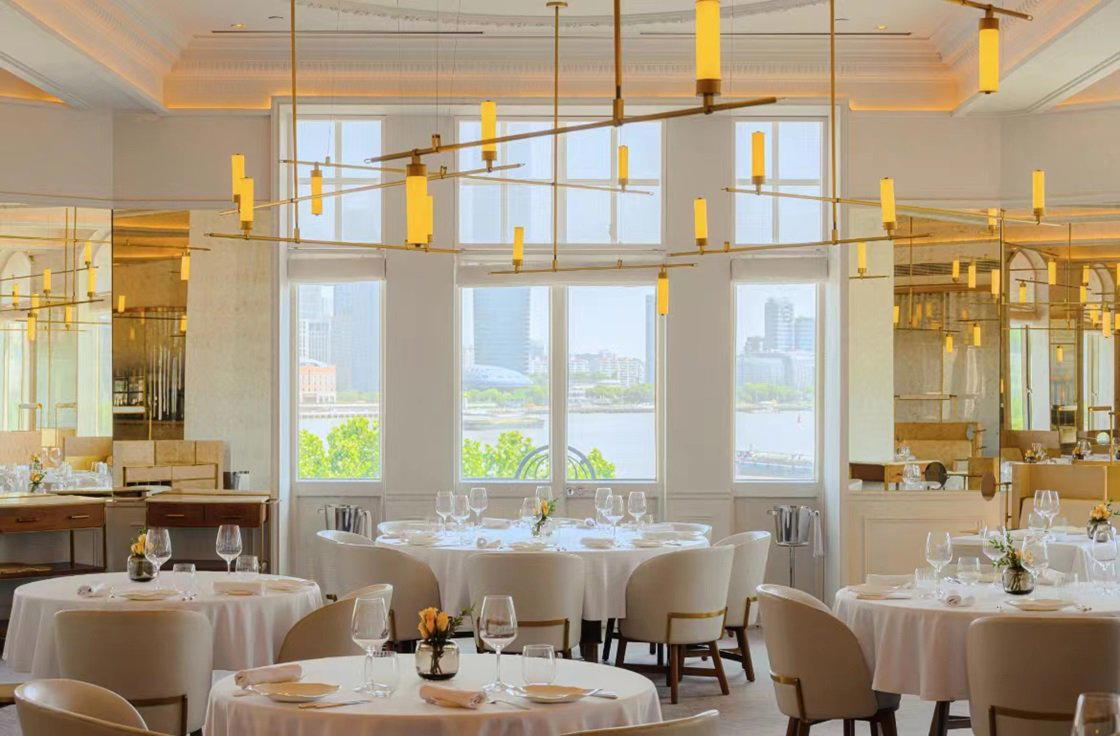
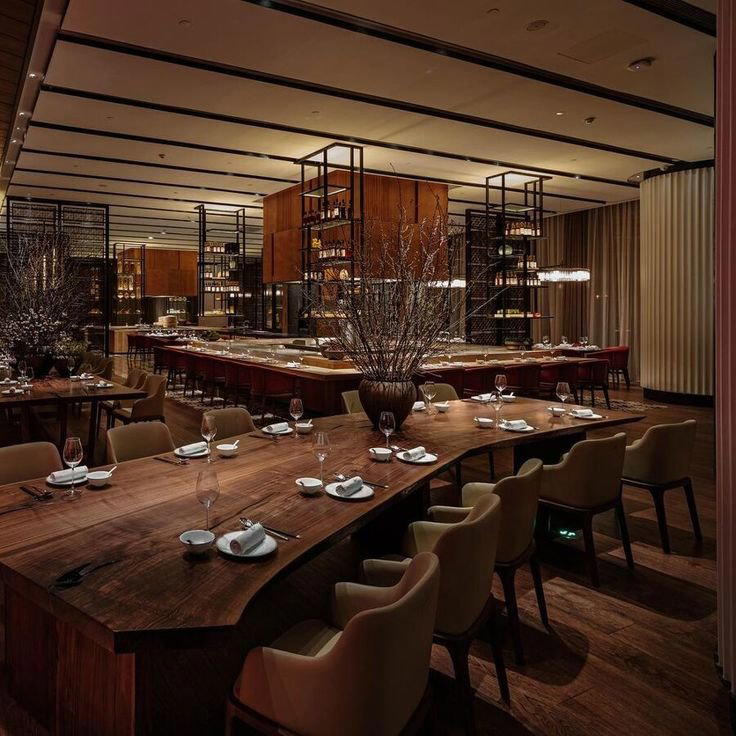
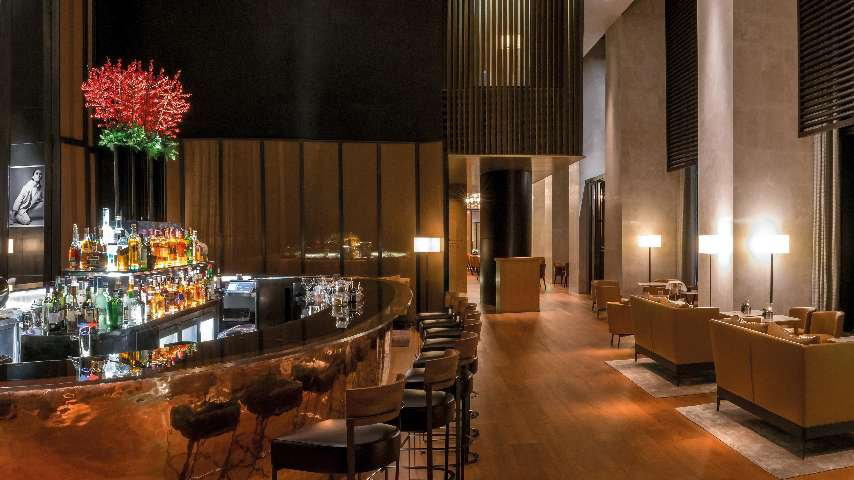
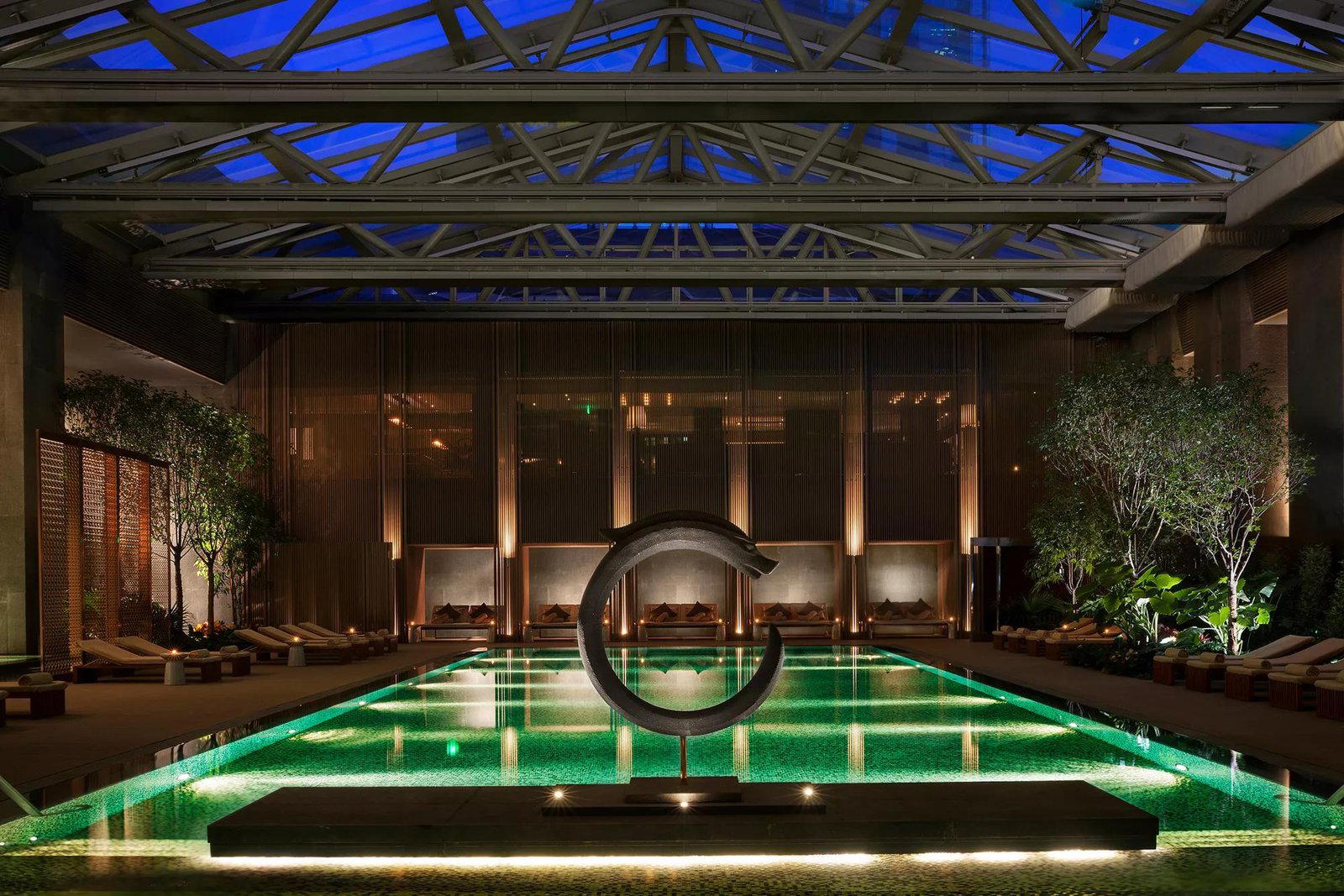
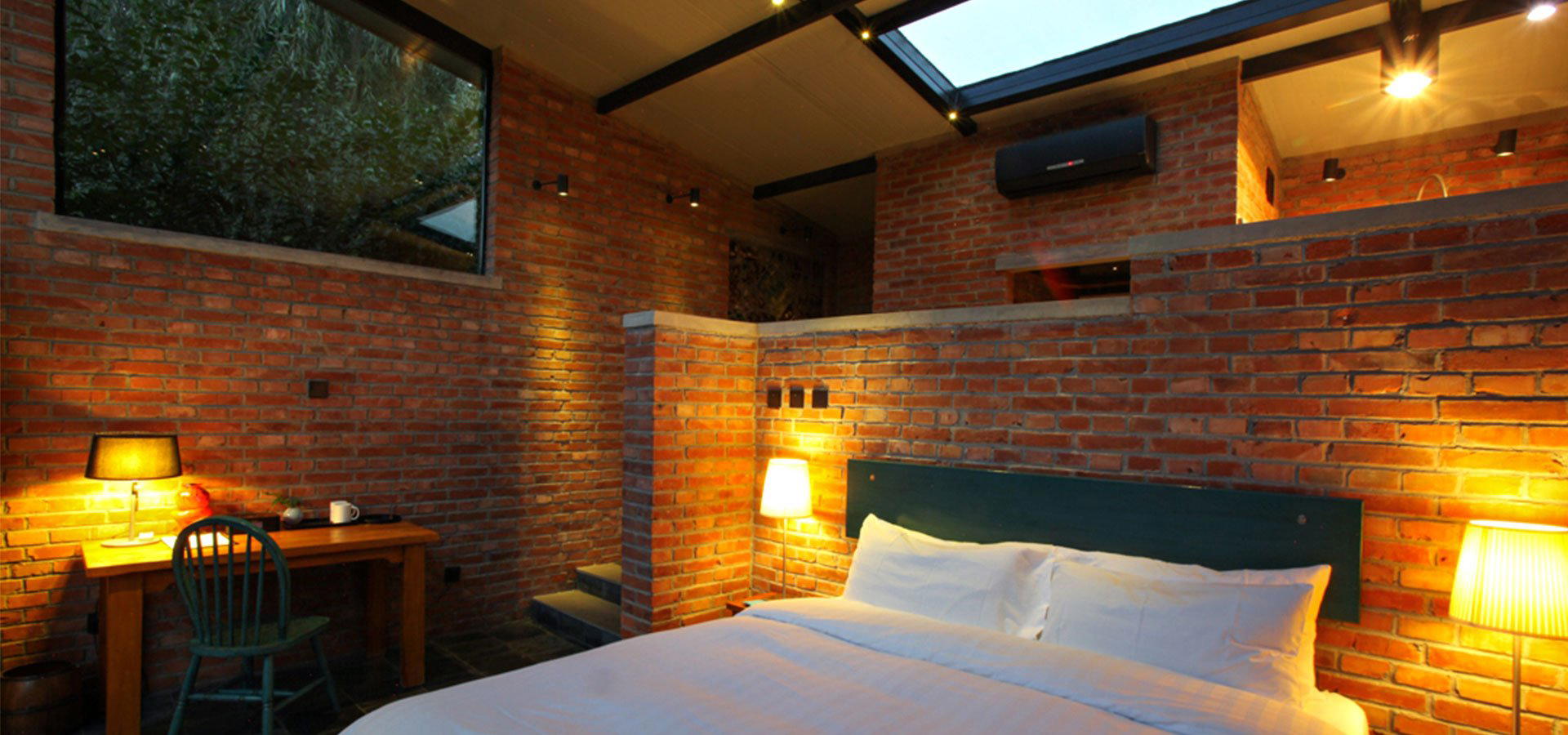
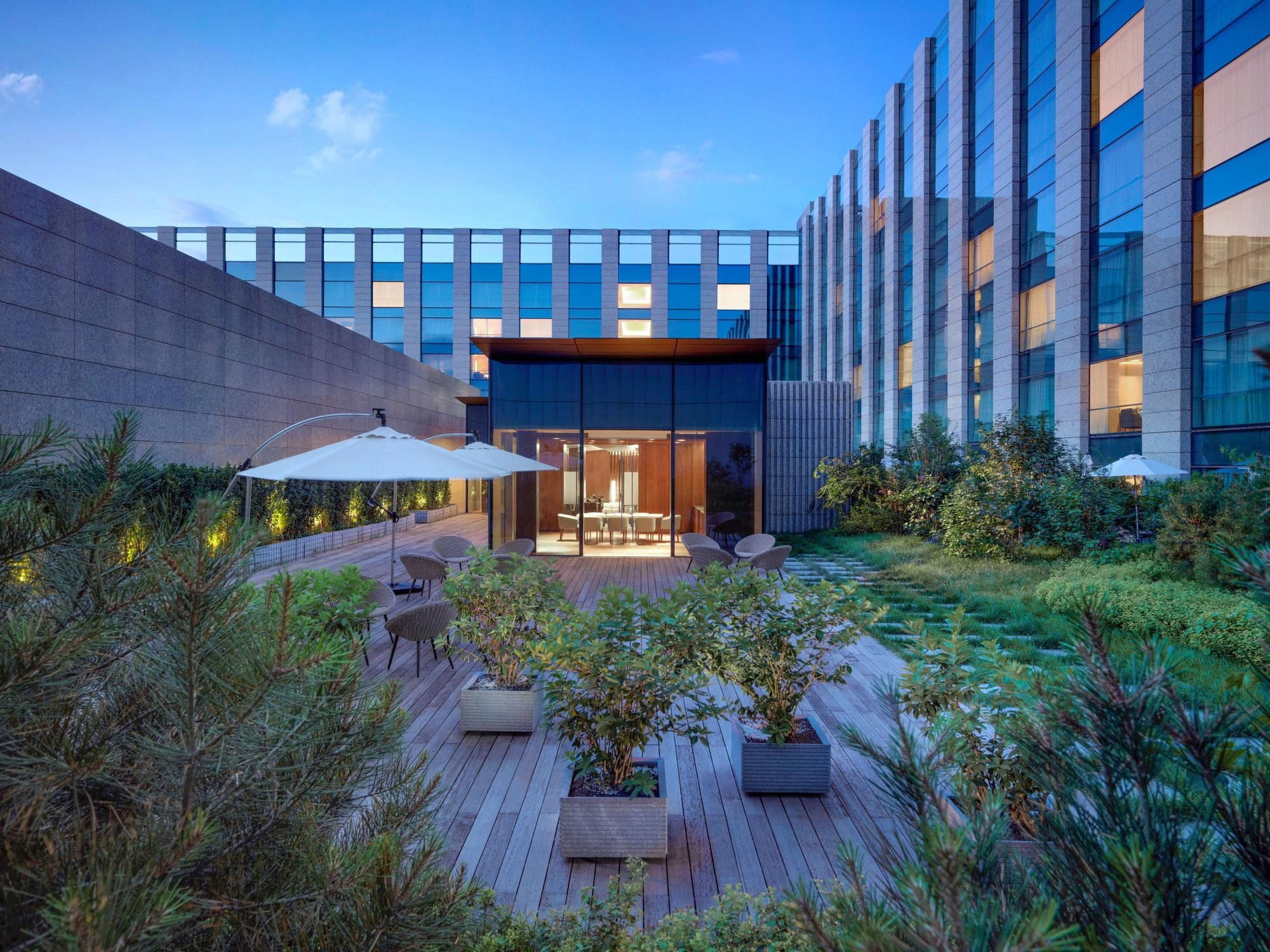
Warm and inviting with rustic wooden decor, soft lighting, and a homely atmosphere evoking a family kitchen in the hills.