私膳坊·私房菜 operates within Nanping's private-dining tradition, where the si fang cai format, literally 'private home cooking', prioritises intimate, invitation-style meals over public restaurant service. Located in Fujian province, the restaurant draws on a regional culinary heritage shaped by mountain produce, river fish, and centuries of Min cuisine technique. Booking arrangements and current pricing are best confirmed directly with the venue.
Pearl is the En Primeur Club membership app — saves, bookings, and concierge access live there. Same editors, same standards.
- Address
- Nanping, 福建省
- Directions
- Get directions
 Saves & bookings on Pearl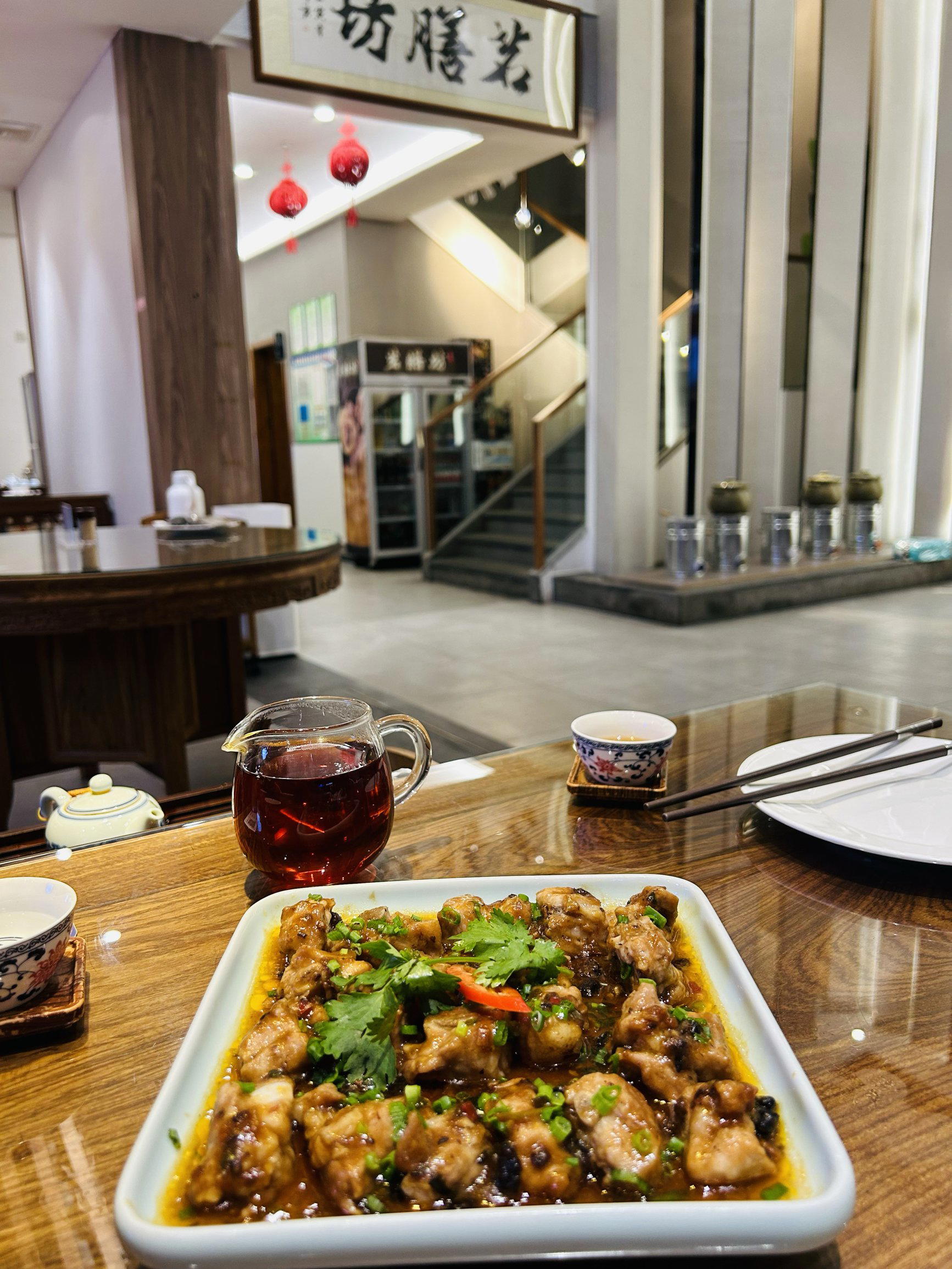
Fujian's Private Table Tradition
私膳坊·私房菜 is a restaurant in Nanping, Fujian, serving Chinese Private House Cuisine. These are not restaurants in the Western sense. They operate with restricted seatings, controlled menus, and an expectation that guests come with some prior knowledge of what they are entering. Across Fujian province, where Min cuisine has developed in relative isolation from the louder culinary narratives of Cantonese and Sichuan cooking, the private dining format has particular resonance. 私膳坊·私房菜, based in Nanping, sits within this tradition.
The si fang cai format became commercially significant in China during the 1990s, partly as a reaction against the standardised banquet menus that dominated state-linked dining. What began as semi-underground suppers hosted by chefs and food enthusiasts has since formalised into a recognisable category, present in every major Chinese city. The format rewards guests who engage with it on its own terms: smaller portions, seasonal rotation, and a menu logic that follows the kitchen's judgement rather than the diner's preference. For context on how this format operates at its most refined end in other Chinese cities, see 102 House in Shanghai, where the private-room dining model has been applied to a specific regional brief.
Nanping and the Min Culinary Context
Nanping sits in the northwestern interior of Fujian, where the Min River begins its journey toward the coast. The city is not a dining destination in the way that Fuzhou or Xiamen draw international attention, Fleurs Et Festin in Xiamen and Jiangnan Wok·Rong in Fuzhou both operate in coastal cities with stronger food tourism profiles. Nanping's culinary character is shaped instead by its inland geography: freshwater fish from the Min and its tributaries, preserved vegetables, bamboo shoots from the Wuyi Mountain foothills, and a cooking style that tends toward clarity and restraint rather than richness or complexity.
Min cuisine, one of China's eight recognised regional culinary traditions, is frequently misrepresented outside Fujian as merely a lighter version of Cantonese cooking. The distinction matters. Where Cantonese technique emphasises wok heat and fresh seafood, Min cuisine is more deeply associated with long-simmered broths, precise knife work, and an unusually sophisticated use of preserved and fermented ingredients. In Nanping's inland variant, mountain and river produce replaces the coastal seafood that defines the tradition further south. This is the culinary context that a venue operating as 私膳坊·私房菜, private home cooking, would logically draw on. For a broader read on how regional Chinese cuisine operates at fine-dining scale, Xin Rong Ji (Xinyuan South Road) in Beijing and Xin Rong Ji in Chengdu offer instructive comparison points.
The Wuyi Mountain area, accessible from Nanping, is also one of China's most significant tea-producing regions, with Da Hong Pao oolong carrying protected origin status. That tea culture intersects with dining in the region in ways that visitors from outside Fujian often underestimate: pairing tea with food, rather than wine or baijiu, is a legitimate and considered local practice. Nearby, 五夫晨照 represents another dimension of Nanping's food scene worth understanding alongside 私膳坊·私房菜.
The Private Dining Format in Practice
Across China, private dining venues in the si fang cai mould present a specific set of practical challenges for visitors unfamiliar with the format. Booking is rarely transactional, many venues require an introduction, a phone call rather than an online reservation, or advance discussion of dietary requirements and group size. This is not gatekeeping for its own sake; it reflects a menu structure that is typically prepared with the specific guest group in mind, rather than composed from a standard à la carte list. Comparison venues that demonstrate how this model scales include Ru Yuan in Hangzhou and Dingshan·Jiangyan (Xiangcheng) in Suzhou, both of which operate within the broader private and semi-private Chinese fine dining category.
For the restaurant specifically, booking is essential. This is a detail worth taking seriously: arriving without a confirmed arrangement at a si fang cai venue is more likely to result in a closed door than a walk-in table.
The price tier is moderate, with about US$9 per person. For reference, high-end private dining in a provincial city context across China typically runs between ¥300 and ¥800 per person for a full set menu, though this varies considerably by format and market. Guests accustomed to the pricing at venues like Chef Tam's Seasons in Macau or Imperial Treasure Fine Chinese Cuisine in Guangzhou should recalibrate expectations for a Nanping context.
Placing Nanping in a Wider Dining Map
For travellers building a Fujian itinerary, Nanping functions as a staging point for the Wuyi Mountain area rather than as a primary dining destination. The city's food scene rewards curiosity rather than high expectations shaped by coastal Fujian or major metropolitan benchmarks. Private dining in this format is, by design, removed from the public-facing restaurant economy, it does not seek reviews, does not list on aggregator platforms, and does not perform for an audience beyond its guests.
That orientation places the restaurant in a different frame than venues built for critical recognition or tourism-facing visibility. Internationally recognised Chinese restaurants, Dai Yuet Heen in Nanjing, Shang Palace in Yangzhou, or further afield, Ensue in Shenzhen, operate within systems of awards and institutional recognition. The si fang cai format generally does not, and that is part of its logic. The meal is the point, not the credential.
For those interested in how Chinese regional cooking sits against international fine dining references, Le Bernardin in New York City and Atomix in New York City offer a useful counterpoint: venues where the critical and awards apparatus is central to the experience. Private Fujian dining is a different proposition entirely. See our full Nanping restaurants guide for broader context on what the city's food scene offers across different formats and price points.
Planning Your Visit
Nanping is accessible by high-speed rail from Fuzhou (approximately 40 minutes on the fastest services) and serves as the main rail hub for onward travel to Wuyi Mountain. The combination of Wuyi's tea culture, UNESCO-listed landscape, and the surrounding region's food tradition makes a two- to three-day visit a coherent proposition for travellers with genuine interest in Min cuisine and its inland variants. Private dining venues in this category are best approached as part of a considered stay rather than a single-meal destination, and advance arrangement, in Mandarin if possible, improves the chances of a confirmed booking.
Pricing, Compared
Comparable venues nearby, for context on price, style, and recognition.
| Venue | Cuisine | Price | Notes |
|---|---|---|---|
| 私膳坊·私房菜This venue — the venue you are viewing | Nanping, Chinese Private House Cuisine | $$ | Not listed |
| 五夫晨照 | Not listed | $$ | 武夷山市, Chinese Tucun (Rustic Home-Style) |
| 小锅巴纳西美食 | Not listed | $$ | Lijiang Ancient Town, Naxi Yunnan Cuisine |
| Ma Xiang Yuan | 太康路, Chinese Restaurant | Not listed | Not listed |
| Xing Guo Lu | Xujiahui, Shanghainese | $$ | Not listed |
| Ancient Steamed Swallow (古蒸燕) | 福州市, Ancient Steamed Swallow | Not listed | Not listed |
Continue exploring
More in Nanping
Restaurants in Nanping
Browse all →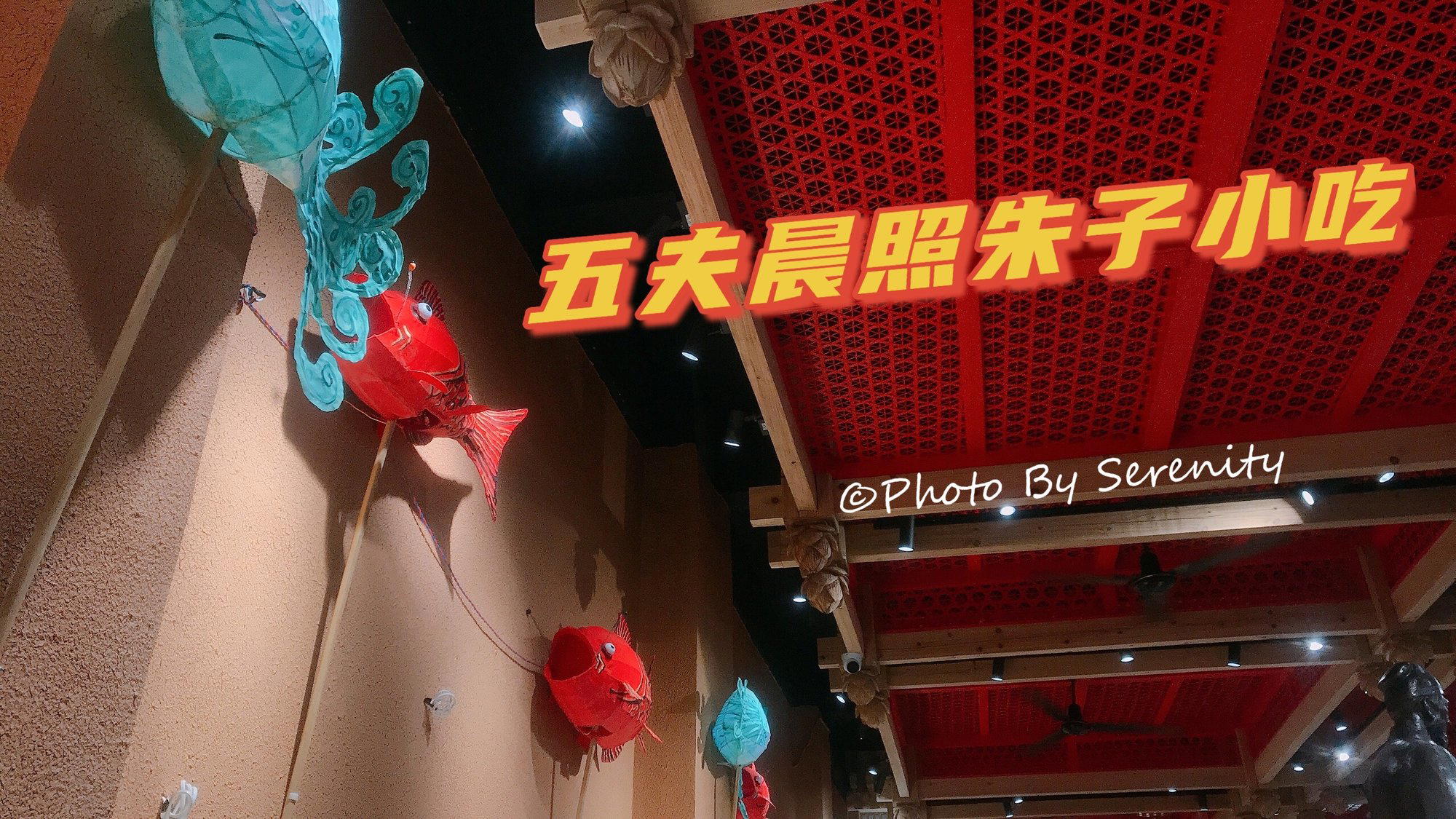
At a Glance
- Elegant
- Intimate
- Special Occasion
- Private Event
- Private Dining
Elegant and cozy private dining atmosphere.