Kod Barba Luke
A konoba in Stari Grad's old town grid, Kod Barba Luke draws on the Dalmatian table tradition of slow-cooked fish, local olive oil, and grilled meat prepared without embellishment. The address on Ulica Petra Nizitea places it deep inside one of Hvar island's oldest settlements, where the dining culture predates tourism by centuries.
Pearl is the En Primeur Club membership app — saves, bookings, and concierge access live there. Same editors, same standards.
- Address
- Ulica Petra Nizitea 1, 21460, Stari Grad, Croatia
- Phone
- +385 91 594 5718
- Website
- visit-stari-grad.com
- Directions
- Get directions
 Saves & bookings on Pearl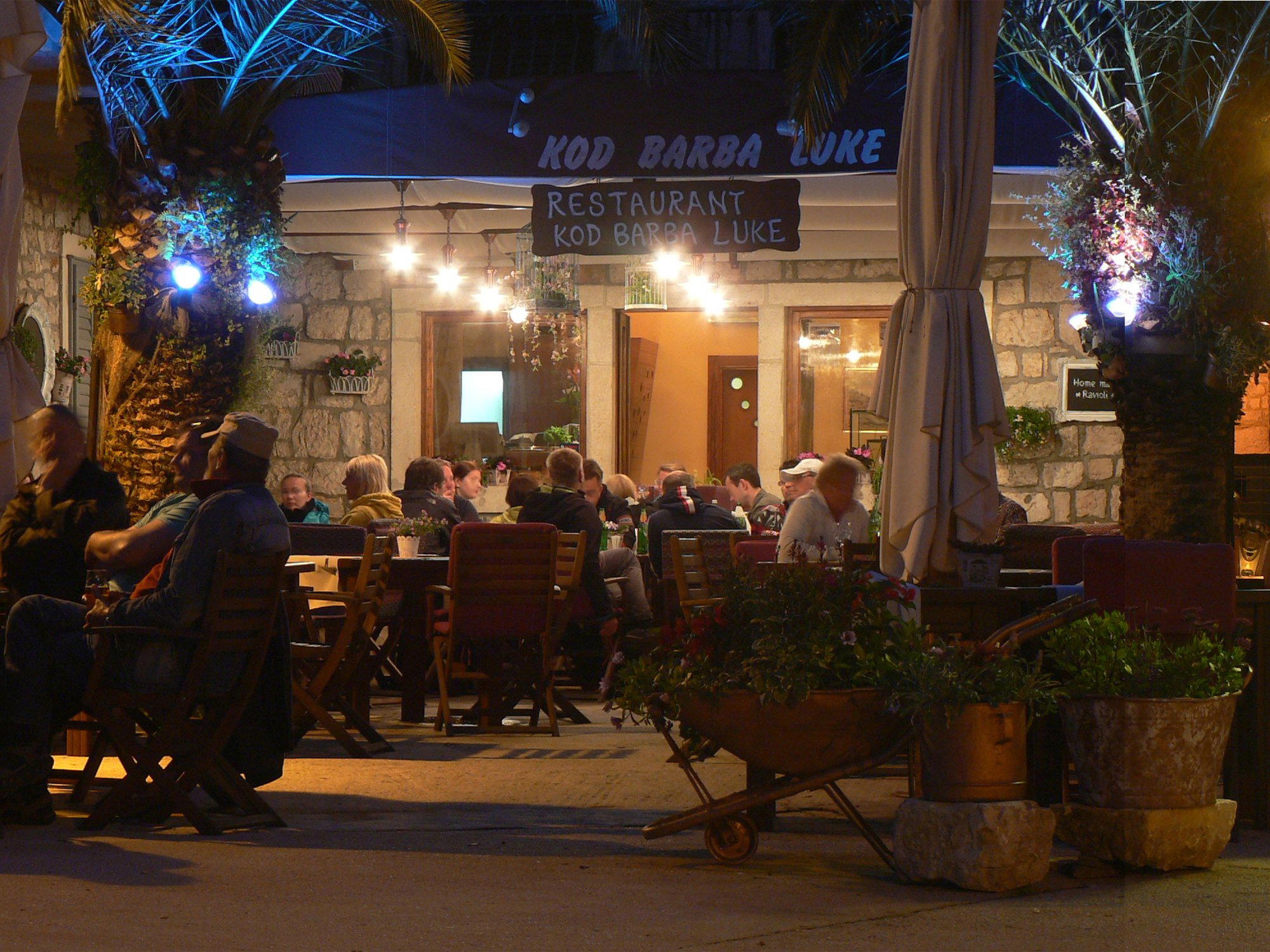
Where Stari Grad's Dining Tradition Still Holds Ground
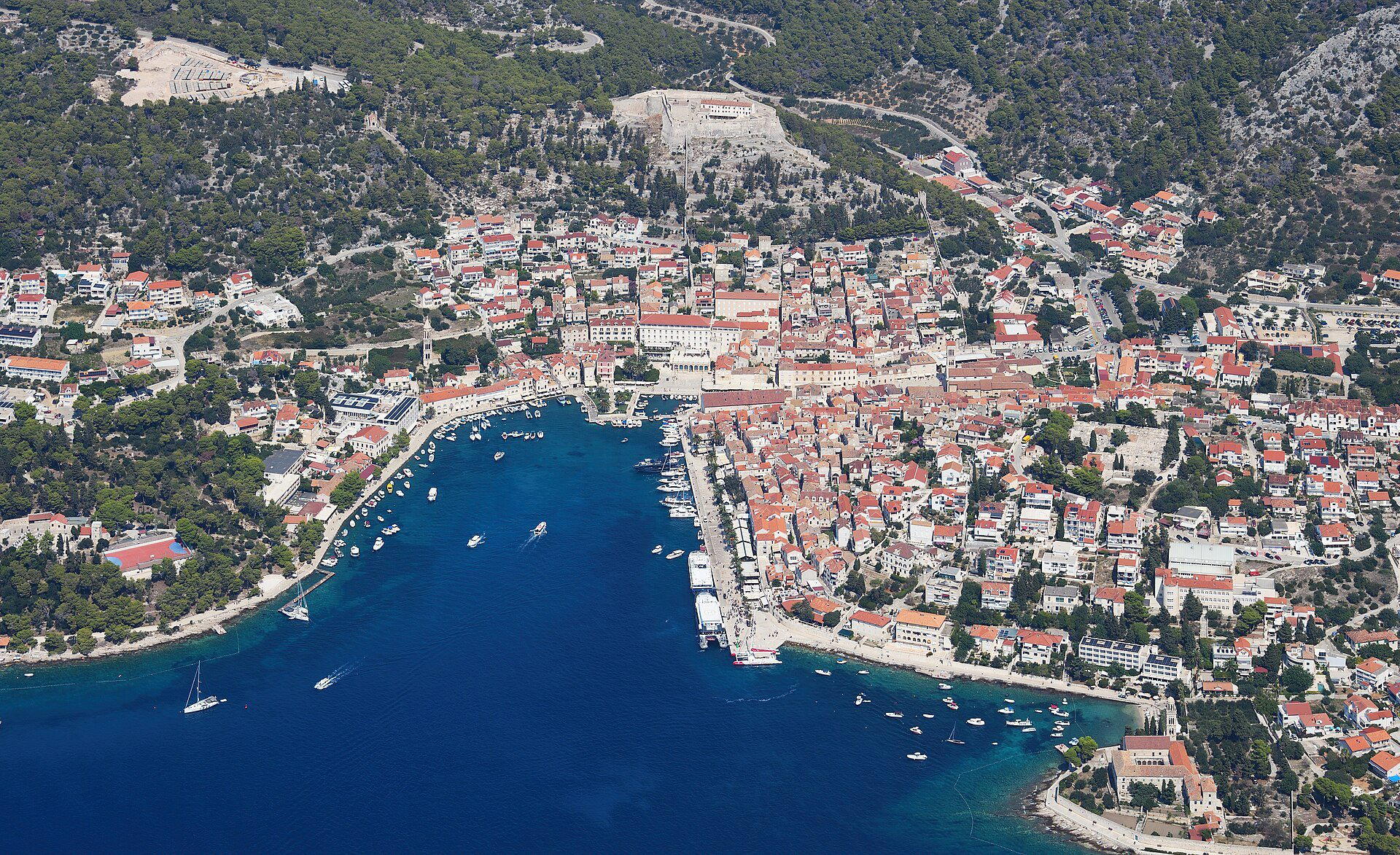
The old town of Stari Grad, founded by Greek colonists in 385 BC, holds one of the Adriatic's most intact urban grids. Its lanes are narrow enough to reach across, its stone walls still carry the salt of centuries, and the dining culture embedded in those streets operates on a different register than the resort menus that dominate the island's busier western shore. Here, the defining format is the konoba: a room, often family-run, that organises itself around what came in from the sea that morning and what grows on the karstic hillsides nearby. Kod Barba Luke, on Ulica Petra Nizitea 1, belongs to that format.
The konoba is not a simplified restaurant. In Dalmatia, it represents a distinct culinary institution with its own logic, its own pace, and its own hierarchy of ingredients. The peka, a slow-cooking method using a domed iron or clay lid buried under embers, sits at the centre of the tradition. So do grilled fish finished with local olive oil, octopus dried in the sun before cooking, and lamb raised on the aromatic herbs of the hinterland. These are not techniques imported for atmosphere, they are the baseline from which Dalmatian cooking has operated for generations. Venues in Stari Grad that remain inside this tradition sit at a different point on the dining spectrum than the more architecturally ambitious operations further along the island, such as Terra Restaurant by Maslina Resort or The Restaurant at Maslina Resort, both of which carry a €€€ to €€€€ price position and a contemporary Mediterranean framework.
The Cultural Weight of a Table in the Old Town
Stari Grad is not a resort. It is a working town, the ferry from Split docks here, local families live year-round inside the old walls, and the agricultural plain behind it, the Stari Grad Plain, carries UNESCO World Heritage status as among the stronger-preserved Greek colonial land divisions in the world. That context shapes what dining here means. A meal in the old town grid is closer to participation in an ongoing local life than a curated experience aimed at visitors. The ingredients come from the plain, from the surrounding waters, and from smallholders who have been supplying the same families for decades.
That grounding distinguishes Stari Grad's konoba circuit from comparable venues elsewhere on the Adriatic coast. In Sibenik, Pelegrini has built a Michelin-recognised operation around Dalmatian produce, but the format there is explicitly contemporary fine dining. In Korčula, LD Restaurant operates within a hotel context. Stari Grad's old-town konobas, by contrast, make no argument for reinvention. They hold a position that the more ambitious Croatian dining scene, represented at its sharpest by venues like Restaurant 360 in Dubrovnik, Nebo by Deni Srdoč in Rijeka, or Agli Amici Rovinj, has moved well beyond. Neither position is wrong; they are answers to different questions.
For readers who have tracked how Croatian cuisine is being reframed internationally, the contrast is clarifying. The technical ambition visible at Boskinac in Novalja or Dubravkin Put in Zagreb draws on the same underlying larder that konoba kitchens have always used. The difference is mediation: how many layers of technique, presentation, and concept sit between the raw ingredient and the plate. A konoba like Kod Barba Luke minimises those layers. That is not a limitation, it is a position.
Stari Grad Against the Broader Dalmatian Table
Within Stari Grad itself, the dining choices reflect the town's split character. Antika and Jurin podrum represent the other end of the old-town offering, each with their own approach to the same Dalmatian canon. The comparable set here is small and the differences between venues are often a matter of emphasis: which producer, which fishing boat, which method of preparation for the same ingredient. Visitors who know similar scenes in other Mediterranean contexts, say the trattorias of the Adriatic Marche coast or the tavernas of the northern Aegean, will recognise the logic immediately. The cuisine is the tradition, and the tradition is the cuisine.
That continuity is what makes Stari Grad worth the extra attention among Hvar's dining options. The island's main town, Hvar itself, has accumulated bars, international-facing menus, and a summer-season hospitality economy oriented around a younger, wealthier tourist demographic. Stari Grad absorbs that pressure differently. Its old-town dining operates on quieter rhythms, and the places that have held their format over years tend to reward the kind of deliberate visit that is incompatible with a one-night turnaround on a yacht charter. For a broader view of the Stari Grad food scene, the full Stari Grad restaurants guide maps the options across price points and formats.
The Croatian dining canon, when encountered through venues like Krug in Split or Alfred Keller in Mali Lošinj, shows how far the country's kitchens have ranged from the konoba baseline. For readers who approach Croatian food through those more internationally legible formats, Stari Grad's old-town tables provide the reference point from which the whole trajectory makes sense. Even particularly technically ambitious Adriatic menus, at the level of Le Bernardin or Atomix in terms of discipline, ultimately trace their logic back to a relationship between a specific landscape, its fish, and its oil. That relationship is what Stari Grad's konobas still make legible in its original form.
Planning a Visit
Kod Barba Luke is at Ulica Petra Nizitea 1 in Stari Grad's old town, within walking distance of the Tvrdalj castle and the main ferry terminal. Stari Grad is the island's primary ferry connection to the mainland, with Split routes running year-round, which makes it one accessible point of entry to Hvar. Also consider the BioMania Bistro Bol in Bol if your itinerary extends to the nearby island of Brač and similarly low-intervention dining is the priority. For the Stari Grad area specifically, Korak in Jastrebarsko offers a useful mainland comparison point for the same category of producer-led, tradition-anchored Croatian table.
Price and Recognition
Comparable venues nearby, for context on price, style, and recognition.
| Venue | Cuisine | Price | Awards | Notes |
|---|---|---|---|---|
| Kod Barba LukeThis venue — the venue you are viewing | Stari Grad, Mediterranean Seafood | $$ | Not listed | Not listed |
| Antika | Stari Grad, Mediterranean & Dalmatian | $$ | Not listed | Not listed |
| A-Bay Beach Bar | Not listed | $$$ | Not listed | Maslinica Bay, Mediterranean tapas & cocktails beach bar |
| Terra Restaurant by Maslina Resort | Stari Grad, Modern Mediterranean | $$$$ | Michelin Plate | Not listed |
| Jurin podrum | Not listed | $$ | Not listed | Stari Grad, Traditional Dalmatian Mediterranean |
| The Restaurant at Maslina Resort | Stari Grad, Mediterranean Fine Dining | $$$$ | Michelin Plate | Not listed |
Continue exploring
More in Stari Grad
Restaurants in Stari Grad
Browse all →
Bars in Stari Grad
Browse all →
Hotels in Stari Grad
Browse all →

At a Glance
- Romantic
- Cozy
- Classic
- Scenic
- Date Night
- Family
- Group Dining
- Casual Hangout
- Waterfront
- Terrace
- Historic Building
- Standalone
- Beer Program
- Local Sourcing
- Sustainable Seafood
- Waterfront
Current opening hours
- Monday
- 12 PM–12 AM
- Tuesday
- 12 PM–12 AM
- Wednesday
- 12 PM–12 AM
- Thursday
- 12 PM–12 AM
- Friday
- 12 PM–12 AM
- Saturday
- 12 PM–12 AM
- Sunday
- 12 PM–12 AM
Hours can change for holidays and private events. Last verified .
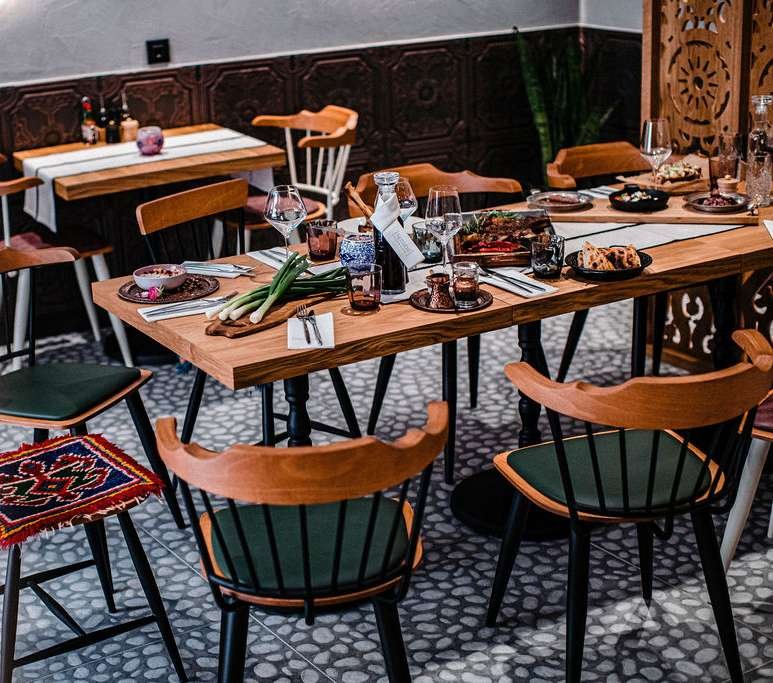
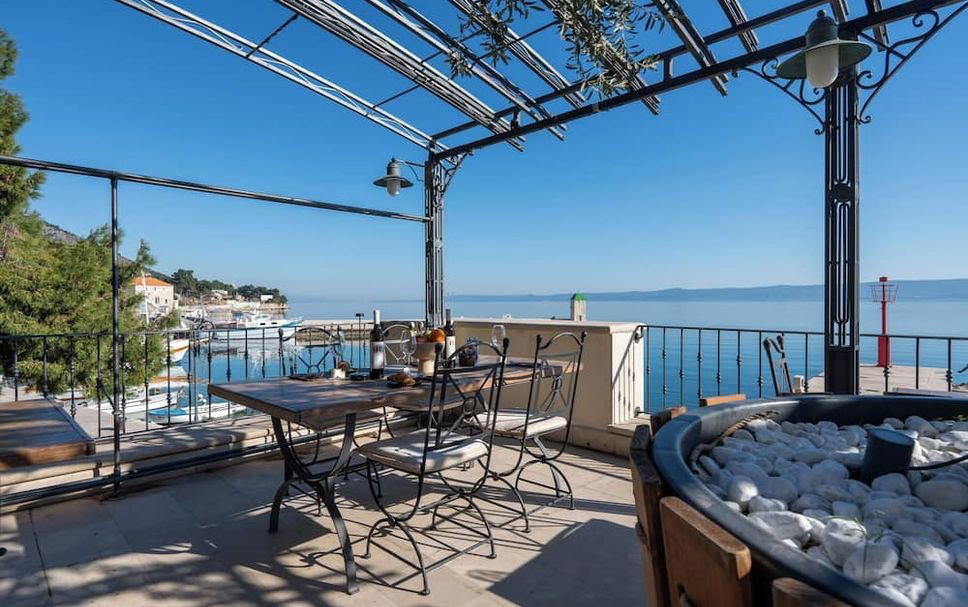
Warm and welcoming with a relaxed family atmosphere; cozy stone interior or covered terrace with romantic sunset views over the harbor and bay.