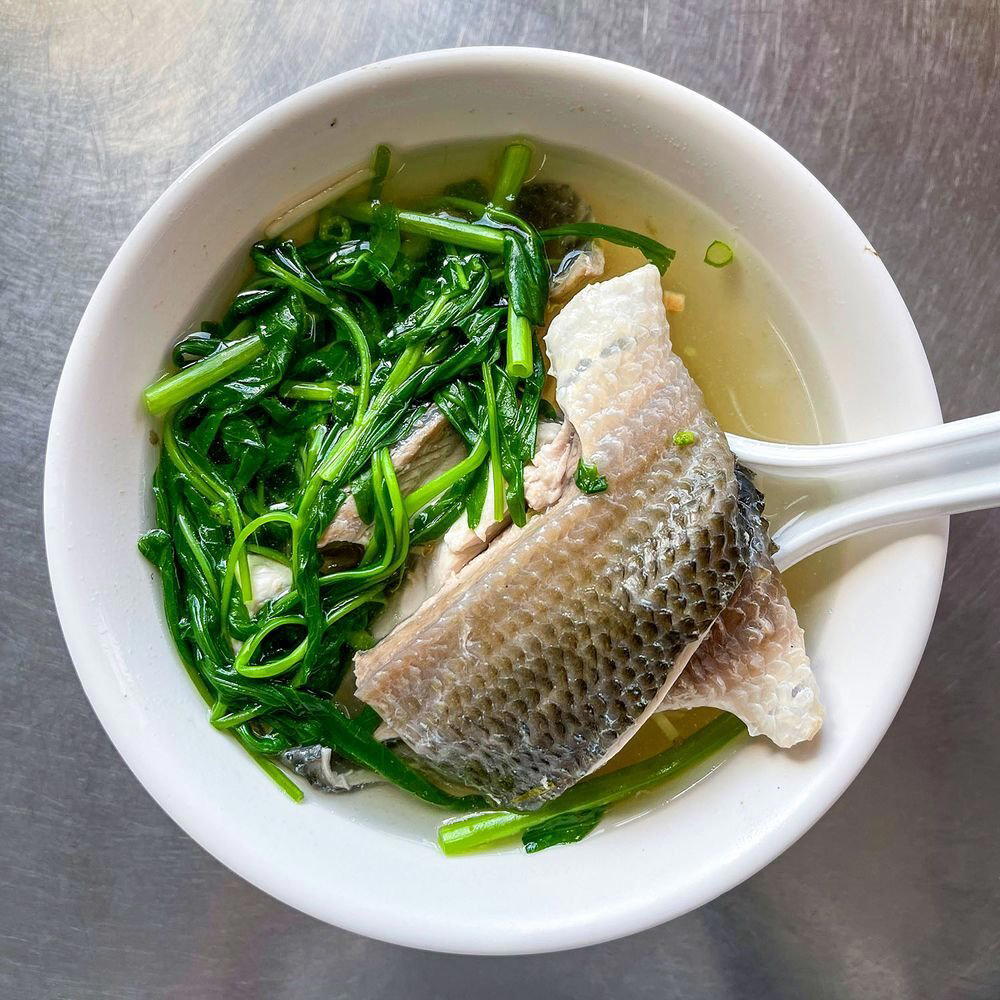
è®é§è ³ç¾è serves Traditional Taiwanese Beef Noodle Soup at No. 361號, Zhongzheng Rd, Xinhua District, Tainan City, Taiwan 712, with Braised Beef Noodle Soup and Beef Brisket Noodle Soup.
Pearl is the En Primeur Club membership app — saves, bookings, and concierge access live there. Same editors, same standards.
- Address
- No. 361號, Zhongzheng Rd, Xinhua District, Tainan City, Taiwan 712
- Phone
- +886937789004
- Directions
- Get directions
 Saves & bookings on Pearl
Xinhua District, Where Tainan's Everyday Eating Culture Runs Deepest
The road into Xinhua District moves at a different pace than central Tainan. The old market streets here carry the kind of ambient noise that belongs to working neighbourhoods: the clatter of metal stools on tile, the low hiss of a gas burner, the shuffle of regulars who know exactly where they are sitting before they arrive. It is in this register of daily, unhurried eating that è®é§è ³ç¾è, located along Zhongzheng Rd in Xinhua District, Tainan City, finds its natural context. This is not the Tainan of heritage tourism or curated lane-house dining. It is the city's older, more habitual self, and the atmosphere of any place along this stretch is shaped first by the neighbourhood rather than by interior design choices.
Tainan holds a particular position in Taiwan's food culture that Taipei's more internationally watched restaurants, including logy in Taipei, do not occupy in the same way. Where Taipei has absorbed global fine-dining ambitions, Tainan operates closer to a living archive of southern Taiwanese cooking. The city's reputation rests not on tasting menus but on the accumulated weight of small operations passing techniques across generations. Zhongzheng Road in Xinhua sits within that tradition, the kind of address where the significance of a place is measured in decades of return visits rather than press cycles.
The Southern Taiwanese Eating Context
Southern Taiwan's food culture differs from the north in ways that go beyond ingredient lists. The flavour register here tends toward greater sweetness in savoury applications, a characteristic that has defined Tainan cooking long enough to become a regional identity marker. Dishes that appear at places like A Cun Beef Soup on Baoan Road or the slow-cooked preparations at A Hsing Congee reflect this orientation, where the cooking is built on comfort and familiarity rather than novelty. The small-eat format, which structures much of Tainan's dining from early morning through late afternoon, allows a single street to hold multiple specialists operating simultaneously without overlap.
Xinhua's position as a district rather than a central city neighbourhood means it serves a local population with consistent habits rather than a transient visitor circuit. Places along Zhongzheng Road tend to draw from within a few kilometres rather than from across the island. That localisation shapes the atmosphere perceptibly: the pace is slower, the assumptions about shared knowledge are higher, and the interaction between regulars and the kitchen carries the ease of long familiarity. Venues in this tier across Tainan, from A Hai Taiwanese Oden to the afternoon crowds at A Ming Zhu Xing on Baoan Road, share this characteristic insulation from tourist traffic, which functions less as obscurity and more as a form of audience specificity.
How This Address Sits Within Tainan's Dining Spectrum
Tainan's dining spectrum runs wide. At one end sit operations like Gui Tian Hotel's Japanese garden restaurant, where the setting carries formal weight, and at the other end are the street-level specialists who define the city's international reputation for accessible, ingredient-focused cooking. The address at No. 361è, Zhongzheng Road positions è®é§è ³ç¾è within the latter register. This is the tier where Tainan has always done its most significant cultural work, not in grand rooms but in lean, purposeful spaces where the cooking carries the argument on its own terms.
Comparing this district's eating culture to Taiwan's other food cities clarifies its character. JL Studio in Taichung operates in a register of conscious fusion and international reference. GEN in Kaohsiung reflects that city's appetite for format experimentation. Tainan, particularly in its outer districts, remains more conservative in the leading sense: it protects the continuity of approaches that have worked for generations and asks visitors to adjust to its rhythm rather than adjusting its rhythm to visitors.
Planning a Visit to Xinhua
Xinhua District sits east of central Tainan, reachable by scooter or car more naturally than by the city's limited public transit reach into outer districts. The Zhongzheng Road address is specific enough to navigate directly, though visitors arriving without a local contact or prior research may find the street's character takes a moment to read. The area functions on local timetables, which in southern Taiwan typically means activity peaks in the morning and again in the early afternoon, with a quieter stretch through mid-afternoon. Visiting outside those windows often means reduced selection and shorter queues, though it can also mean some specialists have already closed for the day.
For those building a broader itinerary across the island, the contrast between this kind of district eating and Taiwan's more formally structured dining is worth engineering deliberately. Shen Yen in Yilan, Bebu in Hsinchu County, and Chi Yuan in New Taipei each represent different points on the spectrum of Taiwanese dining ambition, and placing Xinhua's street-level eating culture within that wider frame makes the visit more legible. Akame in Wutai Township offers another angle entirely, where indigenous ingredients and a remote setting produce something specific to its geography. Against all of those, Xinhua's Zhongzheng Road reads as the city at its most self-contained and habitual.
For international reference points, the discipline of letting a neighbourhood's own logic set the terms of a meal is something that experienced diners recognise at venues as different as Le Bernardin in New York City and Lazy Bear in San Francisco, though the mode of expression here is entirely its own. The Taiwanese tradition of eating across multiple small specialists in a single outing, rather than committing to a single large meal, is worth adopting as a structural principle for any visit to Xinhua. Dongmen Rice Noodle Soup in Hsinchu City and Abura Yakiniku in Taichung City both reflect how different cities within Taiwan have cultivated specific specialisms worth pursuing the same way. This kind of street-level eating sits within Tainan's wider dining map, while Volando Urai Spring Spa and Resort in Wulai District represents a different kind of considered Taiwanese hospitality altogether.
Peers You’d Cross-Shop
Comparable venues nearby, for context on price, style, and recognition.
| Venue | Cuisine | Price | Notes |
|---|---|---|---|
| è®é§è ³ç¾èThis venue — the venue you are viewing | Traditional Taiwanese Beef Noodle Soup | $$$ | Not listed |
| 好農家米糕 | Traditional Taiwanese Rice Noodle Soup | $$$ | West Central District |
| 毛房 | 蔥柚 Hotpot with Chilled Meat | $$ | 東區 |
| Mao Su | Modern Asian Vegetarian | $$$ | East District |
| 阿裕牛肉涮涮鍋 | 台南溫體牛肉涮涮鍋 | $$ | 仁德區 |
| The Han-jia | Modern Cocktail Pairing with European Tapas | $$$ | South District |

At a Glance
- Cozy
- Intimate
- Elegant
- Casual Hangout
- Family
- Solo
- Standalone
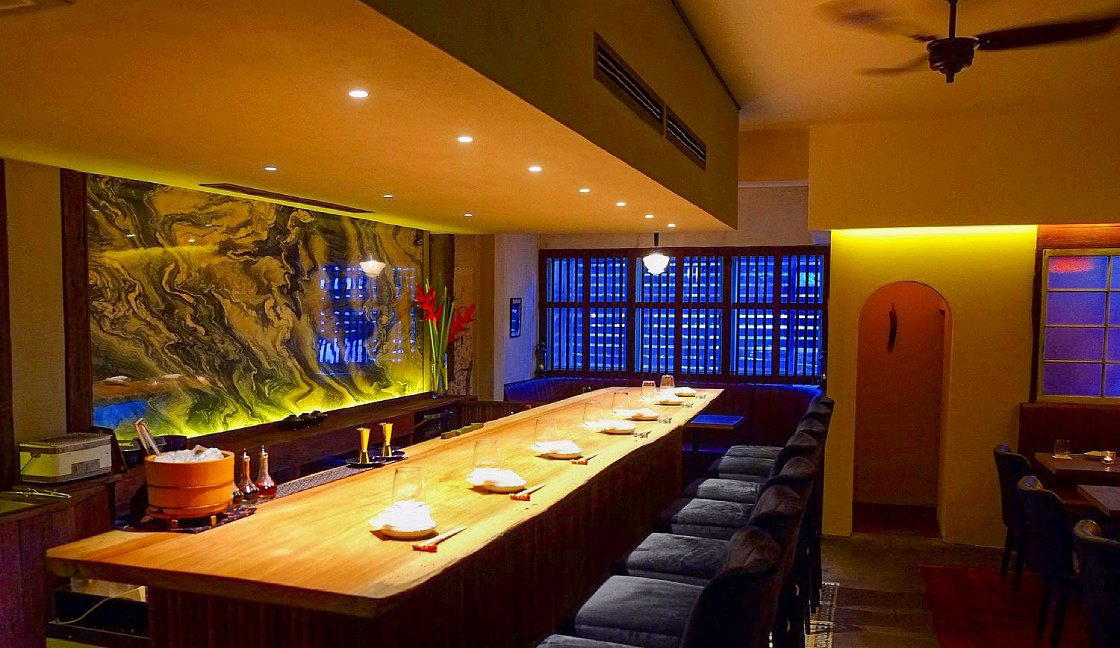
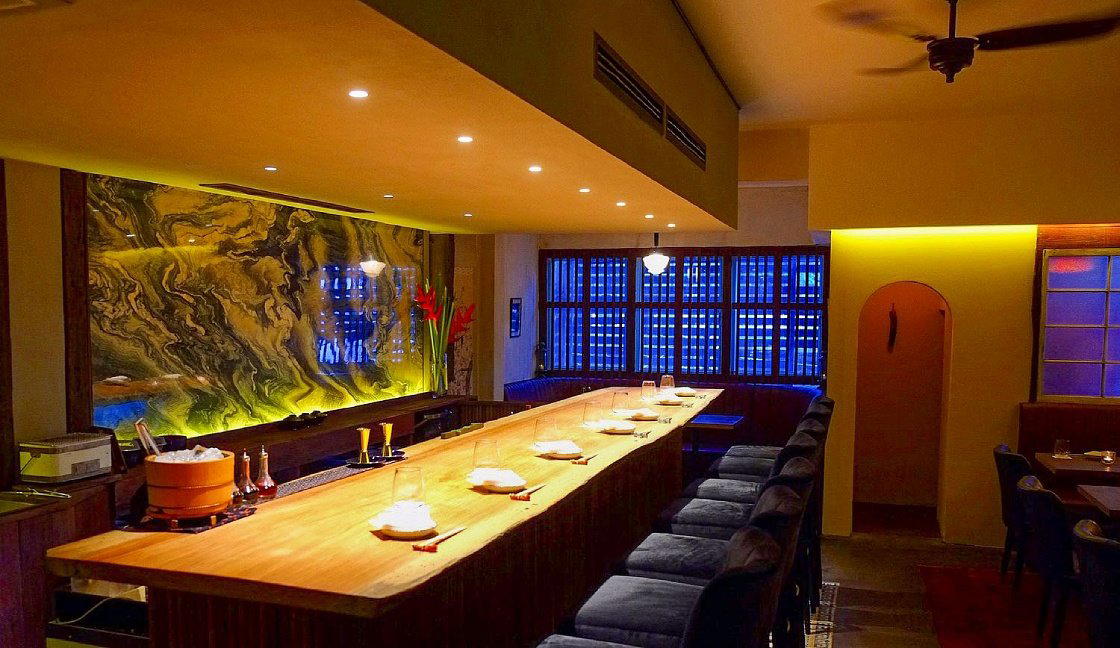
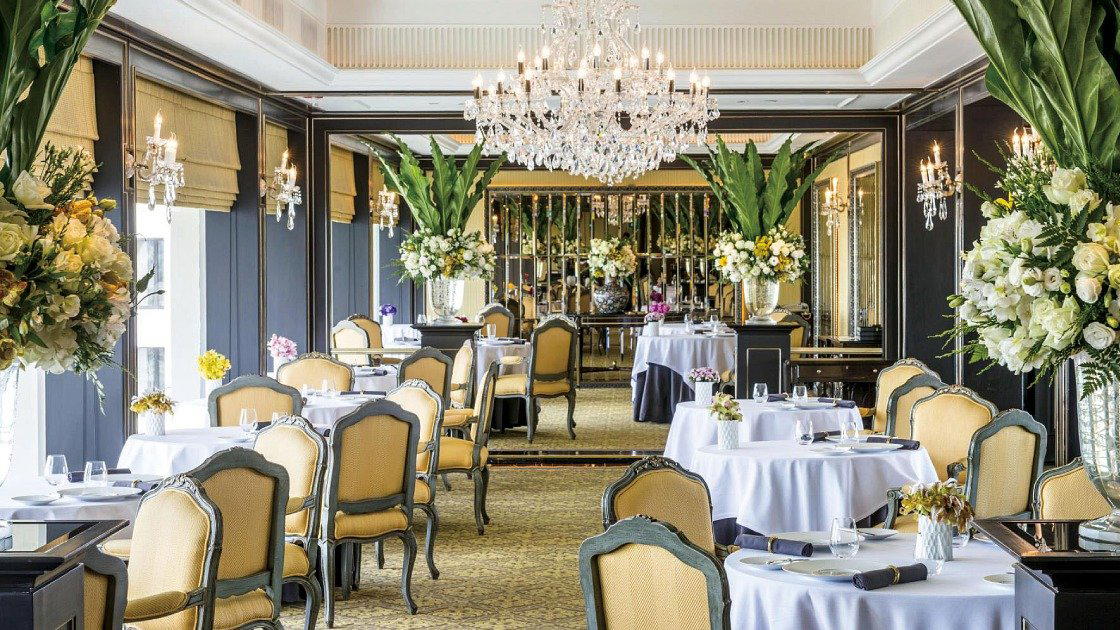
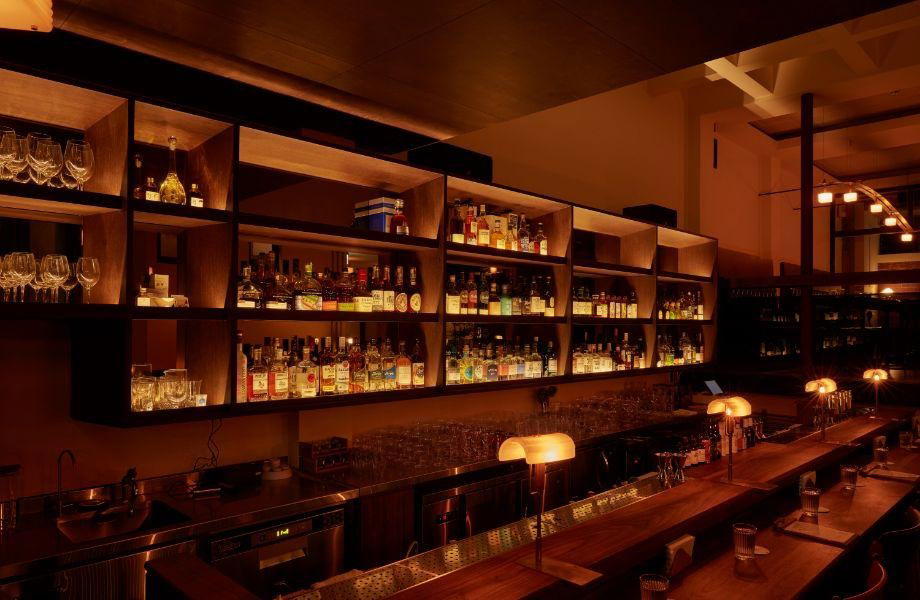
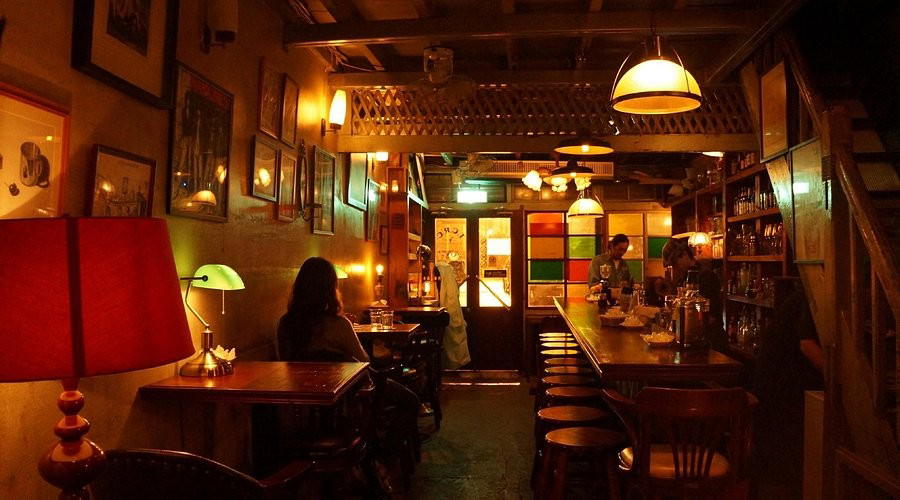
Cozy and nostalgic with warm lighting, simple wooden decor, and an inviting homey atmosphere evoking traditional Taiwanese eateries.