
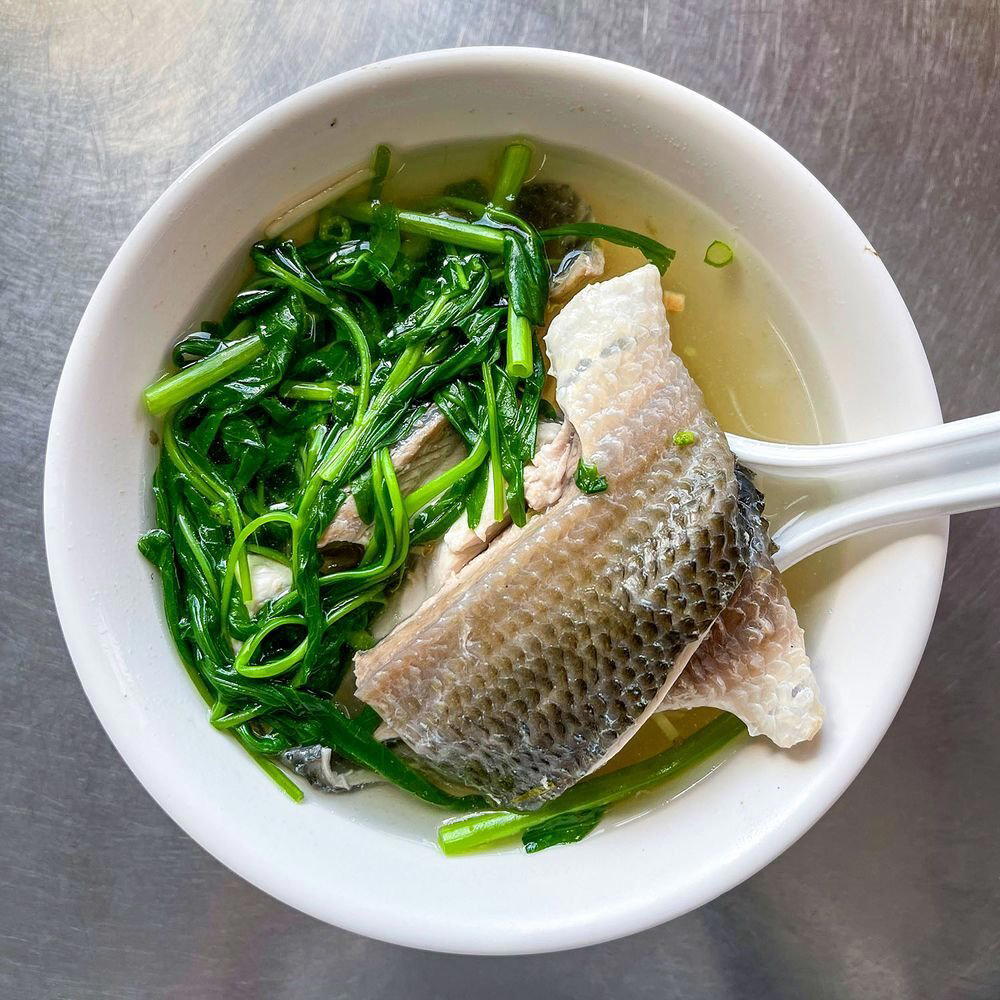
好農家米篩 sits on Jiankang Road in Tainan's South District, where rice-based small eats have anchored neighbourhood life for decades. The kitchen centres on traditional Taiwanese grain preparations at a price point well below the city's contemporary dining tier, placing it closer to the everyday food culture that defines Tainan's reputation than to its more polished restaurant scene.
Pearl is the En Primeur Club membership app — saves, bookings, and concierge access live there. Same editors, same standards.
- Address
- No. 66, Section 2, Jiankang Rd, South District, Tainan City, Taiwan 702
- Phone
- +88662217181
- Website
- facebook.com
- Directions
- Get directions
 Saves & bookings on Pearl
Jiankang Road and the South District's Grain Culture
Tainan's South District does not draw the same visitor foot traffic as the temple-dense lanes of West Central or the night market corridors around Zhongzheng Road, but it holds a particular place in how the city actually eats day to day. Jiankang Road is a working residential artery, and the food culture along it reflects that: rice-centred, direct, priced for regulars. 好農家米篩 occupies a spot on Section 2 of that road, at No. 66, where it operates within a tradition of grain-based small eats that Tainan has sustained longer and more seriously than any other city in Taiwan.
Taiwan's relationship with rice as a prepared street food goes well beyond steamed grain as a side. Mǐ shāi (米篩), the preparation suggested by the venue's name, belongs to a category of hand-processed rice products that require labour-intensive technique and particular varieties of locally grown grain. In Tainan, where rice cultivation history in the Jianan plain runs deep, these preparations carry cultural weight that is difficult to separate from the geography. Eating on Jiankang Road at a place named for its grain work is, in part, an act of eating in context.
Where 好農家米篩 Sits in Tainan's Small Eats Tier
Tainan operates among the more compressed and competitive small-eats markets in Taiwan. The city's reputation rests on density rather than on individual venue prominence: a street with three or four operations all doing closely related preparations at similar price points is common, and the distinctions between them are often hyper-local and loyal-customer-driven. Within that context, rice-processing specialists like 好農家米篩 occupy a niche that is narrower than general noodle houses or beef soup counters, but no less embedded in the city's food identity.
To calibrate the tier: beef soup counters along Baoan Road, such as A Cun Beef Soup, and oden operations like A Hai Taiwanese Oden represent Tainan's most visited single-preparation specialists. Congee houses such as A Hsing Congee and small eats counters like A Ming Zhu Xing fill adjacent positions in the grain-and-porridge spectrum. 好農家米篩 is working in that same broad family of preparations, distinguished by its focus on the mǐ shāi format specifically. The comparison set is local and functional, not aspirational.
That distinction matters for how to read the venue. This is not a place positioning itself against Tainan's contemporary dining tier, where European-influenced kitchens or Japanese-trained tasting menus operate. Restaurants like Gui Tian Hotel Capitalists Japanese Garden Restaurant or the European contemporary operations occupy a different register entirely. 好農家米篩's comparable set is the neighbourhood grain counter, and that is the frame in which it should be assessed.
The Broader Taiwan Rice-Processing Tradition
Taiwan's small-eats culture across all its cities shares a common grammar built around processed rice and wheat preparations, but regional dialects differ significantly. Taipei's snack culture skews toward night market theatrics and beef noodle houses. Taichung's food scene, home to operations like JL Studio on its contemporary side, has developed a broader range of mid-tier restaurants alongside its street food layer. Tainan's version is older, more stubborn in its traditionalism, and more densely packed into a smaller geographical area.
The mǐ shāi format, flat, hand-scraped rice noodles with a texture distinct from both thin rice vermicelli and thicker knife-cut preparations, is specifically associated with southern Taiwan, and Tainan in particular. The preparation requires the right grain moisture content and a practiced scraping motion that produces noodles with an irregular, slightly thicker edge that holds sauce and broth differently than machine-extruded rice noodles. This is a technique passed through family operations and small counters rather than through culinary school training. The knowledge is local and generational.
For context on how seriously Taiwan's broader dining scene has developed around this kind of foundational technique, it is worth noting that Michelin-recognized operations across the island, from logy in Taipei to GEN in Kaohsiung, frequently draw on exactly these kinds of traditional preparations as reference points in more constructed menus. The street-level operations doing this work without transformation are the primary source material.
Approaching the South District
Visiting 好農家米篩 from Tainan's more-visited central districts requires a deliberate decision to move away from the tourist-facing food corridor. The South District runs south of the city centre along a residential grid, and Jiankang Road Section 2 is a local throughfare without the signage or aggregation of food stops that marks West Central's lanes. That is precisely what makes the visit register differently: the surrounding context is a neighbourhood, not a food destination, and eating here lands as a local act rather than a curated one.
Practical planning for this style of Tainan eating follows a consistent pattern across the city's small-eats tier. Hours for rice-noodle counters typically skew toward breakfast and lunch service, with many operations closing well before evening or exhausting their daily supply of prepared noodles by early afternoon. Arriving early is not a courtesy but a logistical necessity. Specific opening hours and current operations details for 好農家米篩 are best confirmed through local aggregators or on-the-ground inquiry, as
Editorial Placement
Tainan functions as a useful counterpoint to the direction Taiwan's dining conversation has taken in the past decade. While Taipei's scene draws most of the international editorial attention, and Taichung and Kaohsiung have developed contemporary dining operations with recognizable international credentials, Tainan's food identity remains most legible through its small-eats culture. Operations like 好農家米篩 are the argumentative core of that identity: single-preparation, neighbourhood-rooted, sustained by repeat locals rather than by guidebook positioning.
For readers whose Taiwan itinerary includes the kind of structured contemporary dining available at operations like Atomix in New York City or internationally trained kitchens, 好農家米篩 represents the opposite pole of the food experience spectrum, and is worth understanding as such. The point is not comparison by quality register but by purpose: one kind of eating is about constructed experience, the other is about daily practice, and Tainan at its most itself is found in the latter.
A Minimal comparable set
Comparable venues nearby, for context on price, style, and recognition.
| Venue | Cuisine | Price | Notes |
|---|---|---|---|
| 好農家米糕This venue — the venue you are viewing | Small eats | $$$ | Not listed |
| Guo Hua Street Minced Pork Rice | Not listed | $$ | Guohua Street, Taiwanese Minced Pork Rice |
| A Xia | Not listed | $$ | West Central District, Traditional Tainan Seafood |
| è®é§è ³ç¾è | Not listed | $$$ | West Central District, Traditional Taiwanese Beef Noodle Soup |
| The Han-jia | Not listed | $$$ | South District, Modern Cocktail Pairing with European Tapas |
| Plum Chang | Nanxi District, Plum-Inspired Taiwanese | $$$ | Not listed |
Recognition history
Dated appearances from independent guides and award organizations, with the underlying list record or original source where available.
Michelin Bib Gourmand
Michelin
Michelin Bib Gourmand
Michelin
Michelin Bib Gourmand
Michelin





At a Glance
- Cozy
- Intimate
- Classic
- Casual Hangout
- Family
- Solo
- Standalone
Current opening hours
- Monday
- Closed
- Tuesday
- 11 AM–2 PM, 5–9 PM
- Wednesday
- 11 AM–2 PM, 5–9 PM
- Thursday
- 11 AM–2 PM, 5–9 PM
- Friday
- 11 AM–2 PM, 5–9 PM
- Saturday
- 11 AM–2 PM, 5–9 PM
- Sunday
- 11 AM–2 PM, 5–9 PM
Hours can change for holidays and private events. Last verified .
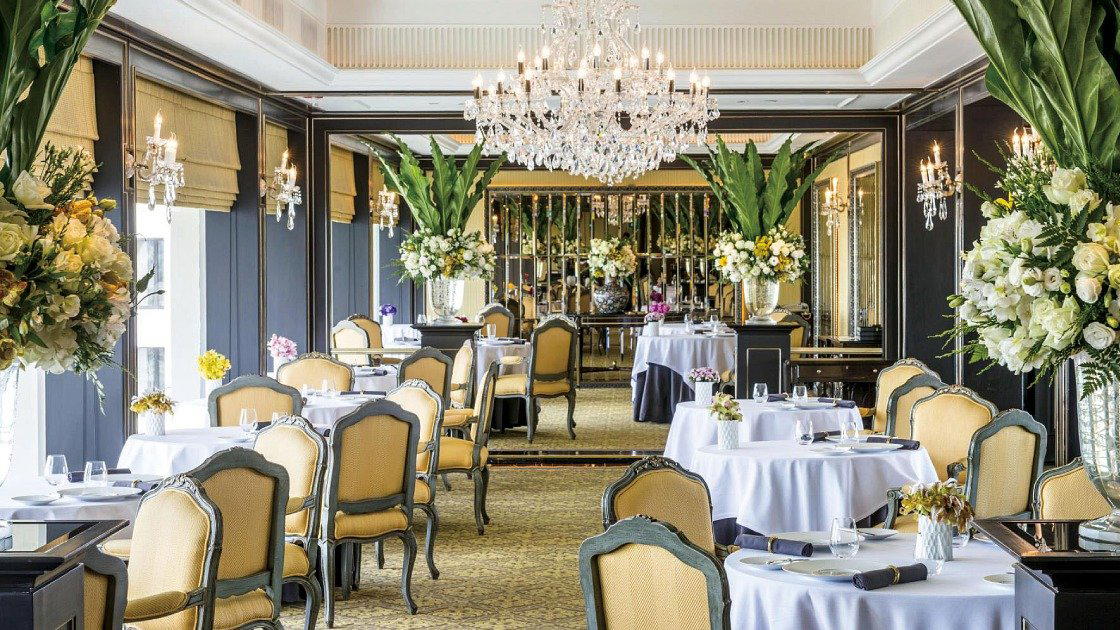
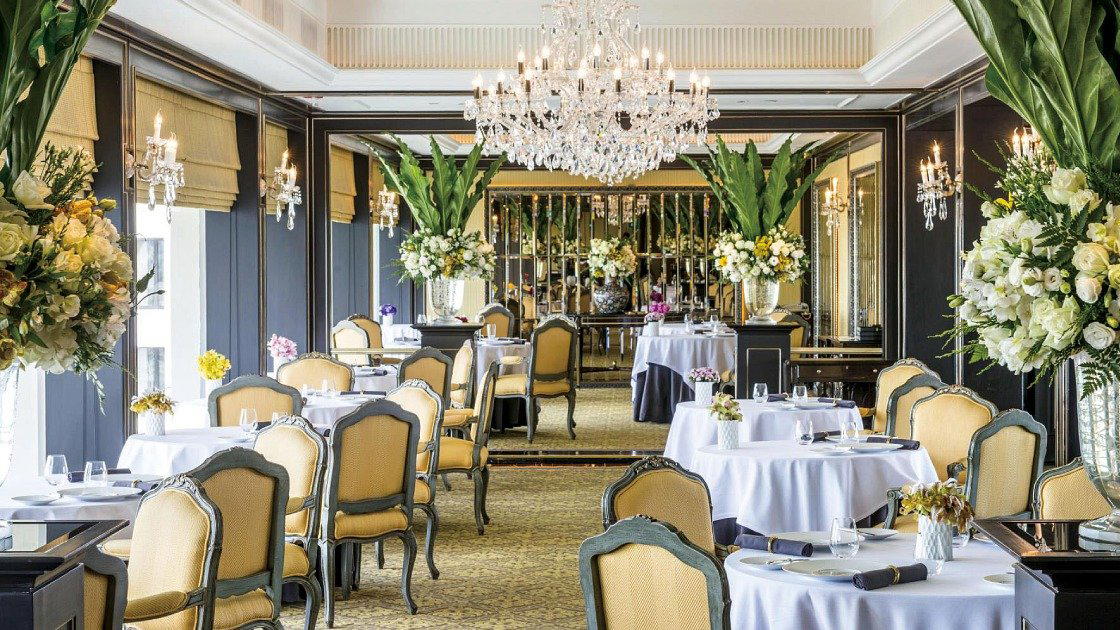
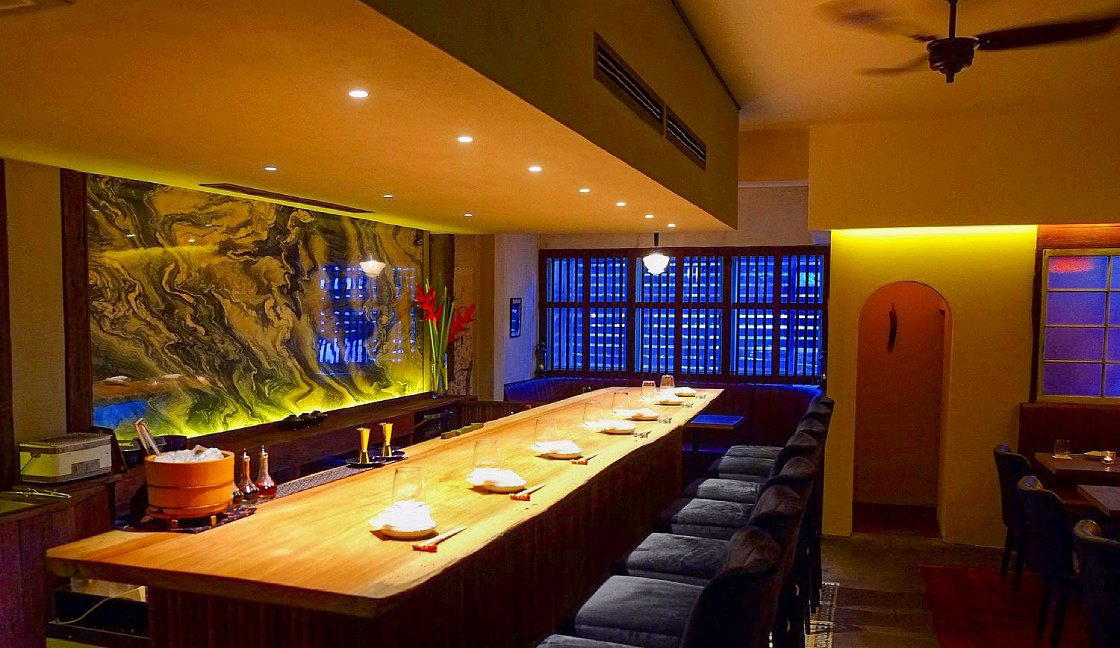
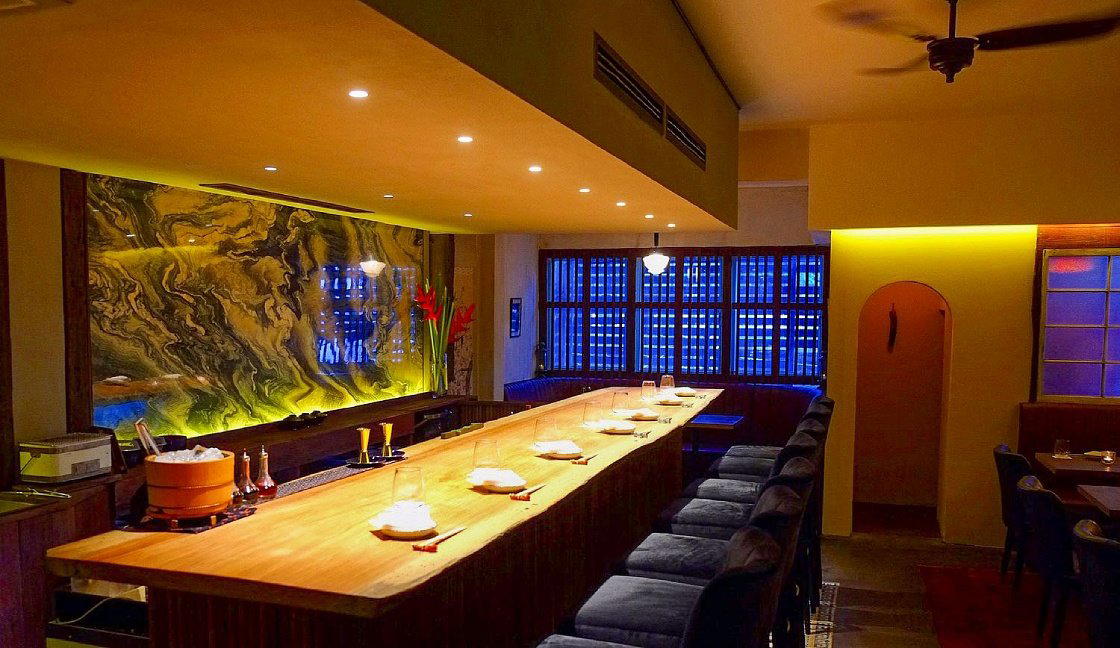
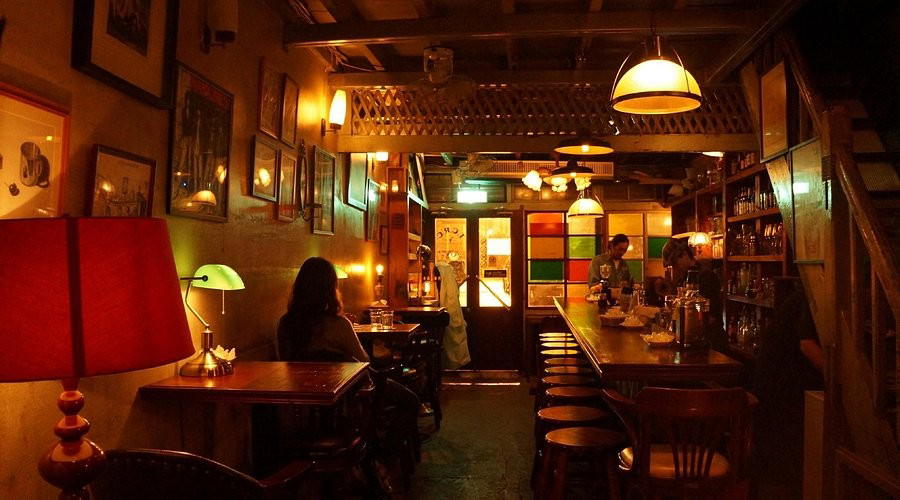
Cozy and nostalgic with simple, homey decor, warm lighting, and bustling local atmosphere.