
Tabelog 100 #95
Our verdict
レストラン イソ serves Local Niigata French Fine Dining at 7-13 Kasugacho in Niigata, with a garden view, a sake program, and a quiet, formal dinner pace.

Pearl is the En Primeur Club membership app, where members save venues, book tables and use the concierge.
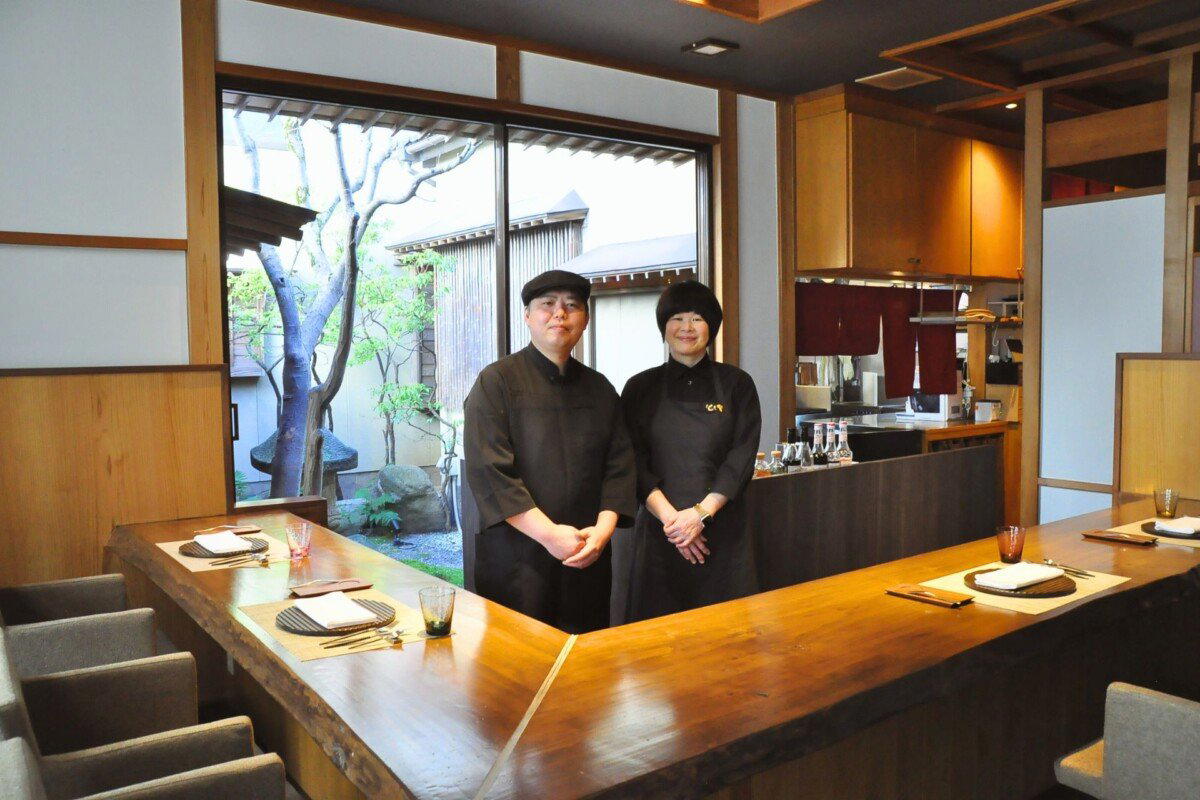
Arriving in Kasugacho
The Chuo Ward pocket around Kasugacho sits close enough to Niigata Station to reach on foot, yet the street-level quiet reads more like a residential side-district than a transit hub. This is the kind of address that serious Japanese restaurants have always favoured: low foot traffic, no window dressing to lure walk-ins, and a clientele that already knows the name. Arriving at レストラン イソ (Restaurant Iso) at 7-13 Kasugacho, you are arriving somewhere that requires prior intent. That condition alone tells you something about where the restaurant sits in Niigata's dining order.
What Niigata Demands of Its Serious Restaurants
Niigata occupies a specific position in the geography of Japanese gastronomy. The prefecture's coastal access to the Sea of Japan supplies some of the country's most admired cold-water seafood: snow crab through winter, yellowtail that fattens in the cold current, and a white shrimp harvest concentrated enough that local chefs treat it as a defining regional signature. At the same time, Niigata's rice and sake culture creates a pairing logic that differs structurally from what you find in Tokyo or Osaka. Restaurants working at the upper end of this city's market are not simply replicating metropolitan templates; they are translating a specific regional larder into a format that seats a small, returning clientele.
Across Niigata, the split between format types is clearer than in larger cities. Kyodaizushi represents the dedicated sushi counter tradition, with omakase pricing in the upper range that places it alongside the Sea of Japan's premium fish culture. Restaurant UOZEN occupies the French-technique side of Niigata's high-end market. KOKAJIYA and Mûrir fill further specialist niches. Menya Agosuke addresses the ramen tradition the city is equally known for. レストラン イソ, at its Kasugacho address, belongs to this wider cohort of places where booking, not curiosity, is the operating principle.
The Booking Experience: What You Should Know Before You Go
In Japan's mid-size cities, the logistics of accessing a serious restaurant often carry more information than any review. A venue that operates without a public website, without a listed phone number in widely circulated directories, and without published hours is, in practical terms, communicating something deliberate: this is not a restaurant you discover on arrival. It is a restaurant you reach through recommendation, through a hotel concierge with genuine local relationships, or through prior visits that established you as a known quantity.
This pattern is not unusual in Niigata or in comparable prefectural cities. It mirrors the operating logic of reservation-only counters found across Japan's regional dining tier, from Nanao to Nishikawa Machi to Sapporo. At these addresses, the absence of a digital footprint is rarely an oversight; it reflects a seating model built for a regular clientele rather than new-arrival traffic. Visitors who are accustomed to booking through Open Table or a hotel app will need to adjust their approach. Contact through your accommodation is typically the most reliable route for non-Japanese speakers, with the caveat that only hotels with active local dining relationships will have the access required.
For context on how Niigata's premium tier compares to wider Japanese dining, the reservation difficulty at places like Harutaka in Tokyo or Gion Sasaki in Kyoto sets one end of the spectrum. Regional restaurants at this level of deliberate low-visibility typically operate within a different tier of advance booking, but the principle of personal introduction or local intermediary holds across the category. Visiting Niigata without a confirmed reservation at your target restaurants is the single most common mistake travellers to the city's serious dining scene make.
Regional Cuisine and What the Setting Implies
What the address, the operating model, and the city context together suggest is a kitchen working with Niigata's seasonal seafood calendar and, in all likelihood, local sake as the primary beverage pairing framework. The Sea of Japan's winter months, roughly November through March, represent the peak of Niigata's cold-water catch. If you are planning a visit specifically around the region's seafood strength, that window is the one to target.
Across Japan's regional restaurant tier, the combination of small capacity and seasonal sourcing typically produces a format closer to omakase logic than to a la carte choice, regardless of whether the kitchen labels itself as such. Restaurants at Takashima or in comparable prefectural settings follow similar patterns. This is useful framing for any first-time visitor: arrive with dietary constraints communicated well in advance, and arrive with flexibility about what specifically arrives at the table.
For comparison, Japanese restaurants in cities like Osaka and Fukuoka that operate at an equivalent level of local prestige, places such as HAJIME in Osaka or Goh in Fukuoka, carry documented Michelin recognition that makes their standing legible at a distance. In Niigata, the absence of equivalent published recognition does not map directly to quality; it maps to the city's position outside the metropolitan award circuits that concentrate attention on Tokyo, Osaka, and Kyoto. Restaurants at akordu in Nara or Birdland in Sakai demonstrate that serious cooking exists well outside the award-circuit cities. The same principle applies here.
Planning Your Visit
Niigata Station connects to Tokyo via Shinkansen in roughly 90 minutes on the Joetsu line, making the city a viable single-destination trip from the capital or a natural stop on a broader Sea of Japan coast itinerary. The Kasugacho address sits within the Chuo Ward, close to the central station zone. For travellers without Japanese language ability, the practical advice is consistent with the booking logic above: establish your dining intent before you arrive, use your accommodation as the intermediary if your Japanese is limited, and confirm all details directly once contact is made through that channel. Price range, hours, and format should all be confirmed at point of booking since none of these are publicly listed in a way that can be relied upon.
For a fuller view of where レストラン イソ fits within Niigata's dining options, including the broader range of cuisine types and price points available across the city, see our full Niigata restaurants guide. For those exploring comparable regional dining across Japan, the Le Bernardin and Atomix pages offer a useful international frame for understanding how destination-level restaurants at different scales structure their guest relationships.
Frequently asked questions
Where is レストラン イソ located?
レストラン イソ is located at 7-13 Kasugacho, Chuo Ward, Niigata, 950-0903, Japan, Niigata.
Is レストラン イソ a good destination for a day trip from Tokyo?
Niigata Station sits approximately 90 minutes from Tokyo on the Joetsu Shinkansen, which makes a single-restaurant day trip logistically reasonable. レストラン イソ is located in Chuo Ward's Kasugacho district, walkable from the station, so there is no need for additional transport once you arrive.
What should I eat at レストラン イソ?
The restaurant sits in Niigata's Chuo Ward, a city whose cold-water Sea of Japan access shapes what serious kitchens here prioritise: snow crab, flounder, and yellowtail drawn from winter fisheries, alongside rice varieties like Koshihikari that define the prefecture's table. Any seasonal menu here would logically reflect that provenance, but confirm the current format directly when booking.
How hard is it to get a table at レストラン イソ?
No phone number or website is publicly listed for レストラン イソ at 7-13 Kasugacho, which places it in the category of Niigata venues accessed through local knowledge or intermediaries rather than online reservations. In Japan's mid-size cities, this operating model typically signals a small, counter-format room where repeat clientele fill most seats. A hotel concierge in Niigata or a Japan-specialist travel contact is the most reliable route to a reservation.
What's レストラン イソ best at?
What the Kasugacho address does confirm is that the restaurant operates in a city where the defining culinary strengths are cold-water seafood from the Sea of Japan and sake produced in the Koshinokanbai brewing corridor. Restaurants serious about Niigata identity tend to build around both.
How does レストラン イソ handle allergies?
With no website or listed phone number, there is no public channel to confirm dietary requirements in advance. The practical step is to communicate allergy information at the point of booking, ideally in Japanese, since counter-format restaurants in Niigata rarely have multilingual front-of-house. If using a hotel concierge to secure the reservation, pass allergy details through them so the kitchen receives the information before your visit.
Is eating at レストラン イソ worth the cost?
Pricing is not publicly listed for レストラン イソ, so a direct cost-value assessment requires confirming the format and course structure when you make contact. As a reference point, mid-tier omakase or course menus in Niigata typically run ¥8,000–¥20,000 per person, while higher-end counter formats can reach ¥30,000 or beyond. Establishing the format before arrival is the only way to judge value here.
Comparison Snapshot
Comparable venues nearby, for context on price, style, and recognition.
| Venue | Cuisine | Price | Awards | Notes |
|---|---|---|---|---|
| レストラン イソThis venue (the venue you are viewing) | Local Niigata French Fine Dining | $100–150 | Tabelog 100 #95 | Not listed |
| Echigo Ichie Juro | Niigata local izakaya with creative Echigo cuisine | $30–50 | Tabelog 100 #19 | Chuo-ku |
| French Teppan Seikou An | French Teppanyaki / French Steakhouse | $100–150 | Tabelog 100 #48 | Bandai |
| Sushi Yasu | Traditional Edo‑style Sushi | $30–50 | Tabelog 100 #48 | Chuo Ward |
| 兄弟寿し | Niigata-style Omakase Sushi | Not listed | Tabelog Silver #66 | 古町 |
| Burger Stand Tender | Burger stand | Not listed | Tabelog 100 #22 | Niigata |
Recognition history
Dated appearances from independent guides and award organizations, with the underlying list record or original source where available.
Tabelog 100 #95 · No. 95
Tabelog · Tabelog 100 - French - EAST - 2025
Continue exploring
More in Niigata
Restaurants in Niigata
All restaurants in Niigata →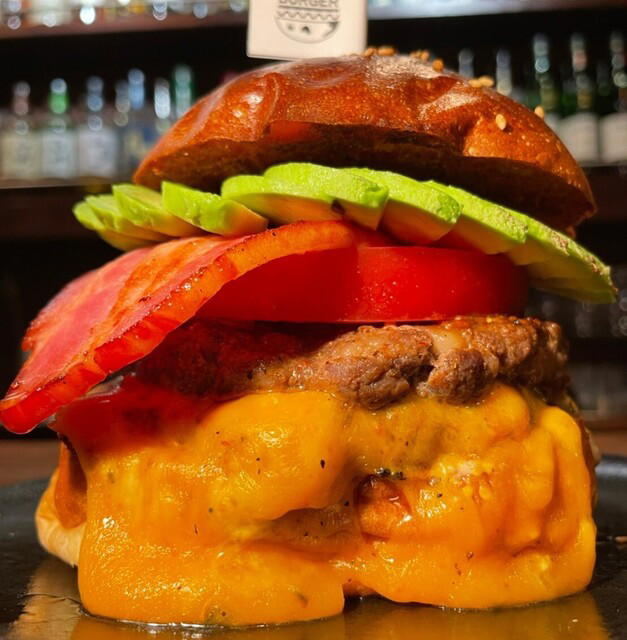
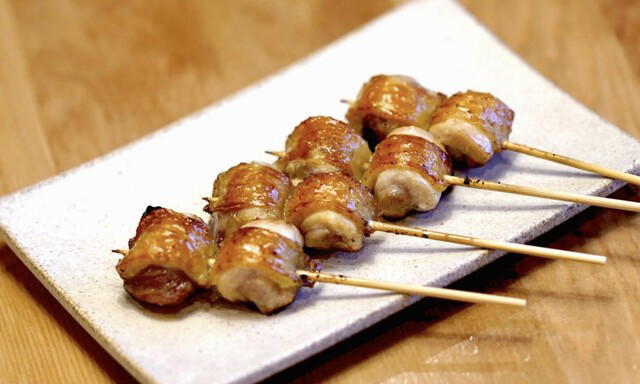
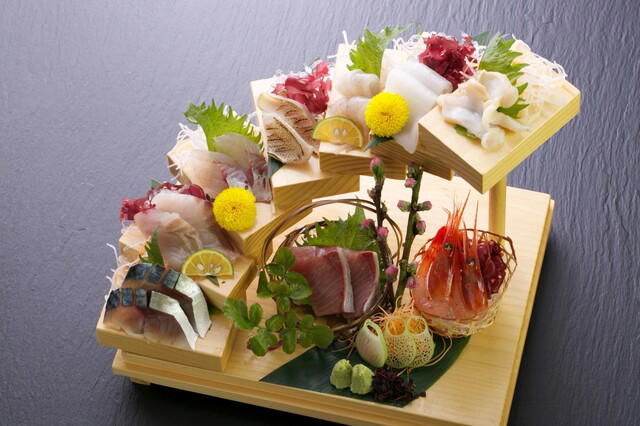
Hotels in Niigata
All hotels in Niigata →
Details
- Intimate
- Elegant
- Cozy
- Sophisticated
- Date Night
- Special Occasion
- Sake Program
- Local Sourcing
- Garden
- Allergy Accommodating
Current opening hours
- Monday
- 6–10 PM
- Tuesday
- Closed
- Wednesday
- Closed
- Thursday
- 6–10 PM
- Friday
- 6–10 PM
- Saturday
- 6–10 PM
- Sunday
- 6–10 PM
Hours can change for holidays and private events. Hours as of .
Intimate and quiet setting in a renovated townhouse with a miniature garden, offering a serene and elegant atmosphere.