
Tokyo curry has split into quick lunch counters, specialist spice rooms, and award-listed neighborhood staples. Ethiopia Curry Kitchen Takadanobaba ten sits in the accessible specialist bracket: Tabelog Curry TOKYO 100 selection in 2023 and 2024, 18 seats, counter service, take-out, and pricing that keeps the meal closer to everyday Tokyo eating than occasion dining.
Pearl is the En Primeur Club membership app — saves, bookings, and concierge access live there. Same editors, same standards.
- Address
- 3 Chome-28-1 Nishiwaseda, Shinjuku City, Tokyo 169-0051, Japan
- Phone
- +81 3-3207-1992
- Website
- ethiopia-curry.com
 Saves & bookings on Pearl
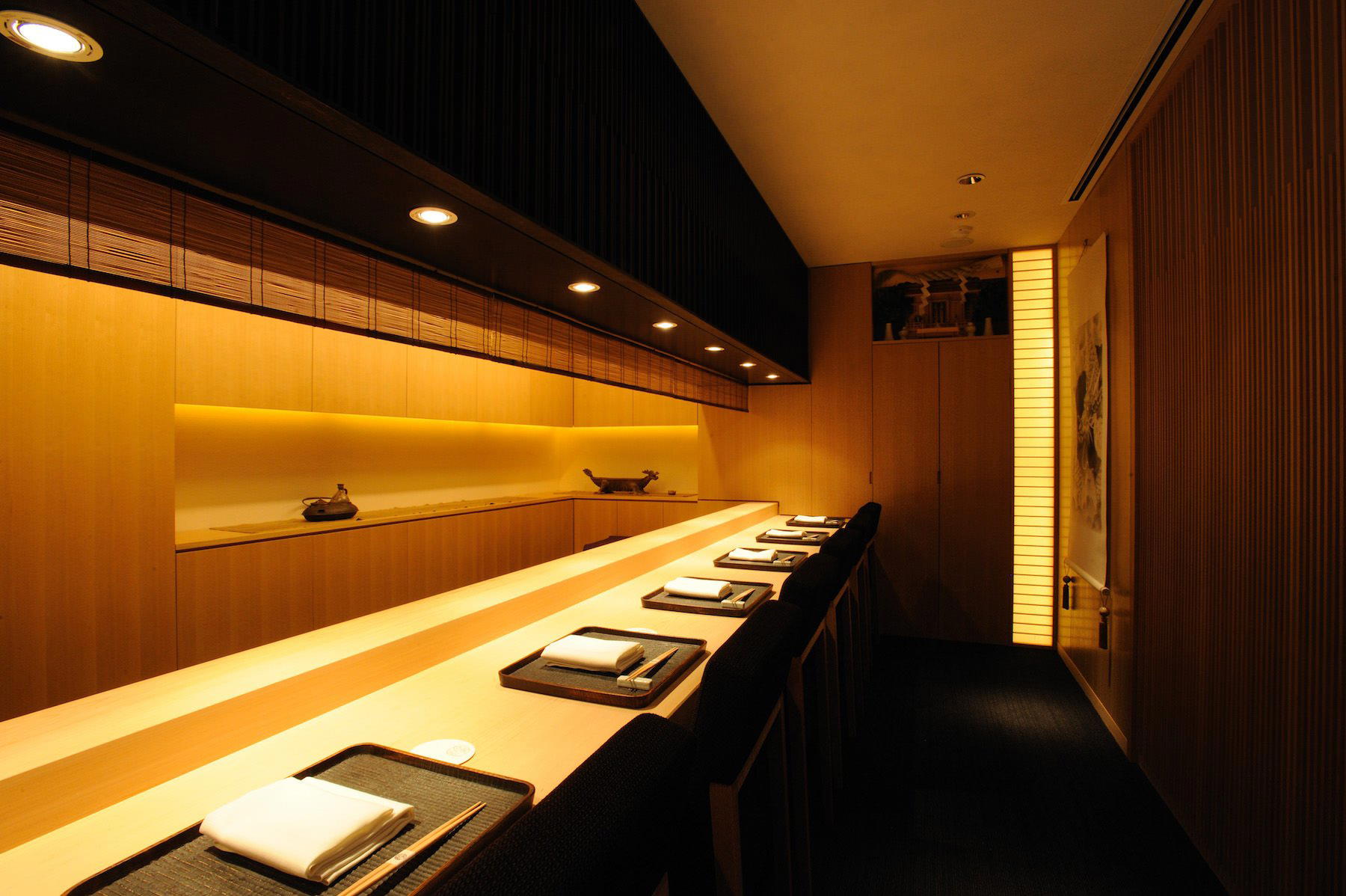
Approach this Nishiwaseda corner and the grammar is familiar to serious Tokyo eaters: compact room, counter seats doing much of the work, small tables, and a menu built for decisions rather than ceremony. Tokyo curry rewards compression: spice, rice, heat level, quick turnover, and a room that serves solo diners without parking them at the margins.
Ethiopia Curry Kitchen Takadanobaba ten sits in that democratic but scrutinized tier. It was selected for Tabelog Curry TOKYO 100 in 2023 and 2024, a useful signal in a city where curry is fiercely subdivided: Japanese curry shops, Indian curry counters, soup curry specialists, spice-curry rooms, and hybrid Asian formats. Its listed categories, curry, Indian curry, Asian, and ethnic, place it in the cross-current rather than the orthodox katsu-curry lane.
Tokyo curry here works as a progression, not a single plate
The meal’s rhythm is simple, but more structured than the price suggests. Tokyo curry culture often treats sequencing as quiet discipline: choose the base, set spice level, let rice and sauce frame the plate, then decide how far heat should carry the finish. Here, the public description emphasizes a long-simmered, vegetable-heavy sauce and a spice structure built around 12 spices, with heat adjustable up to 70 times hotter. That explains the restaurant’s place in the city’s curry conversation: not luxury by ingredient signaling, but control by format.
The format also makes the meal legible for travelers. A sushi counter at this level of scrutiny can require language, timing, and etiquette; curry is more direct. The question is whether it delivers enough definition to justify crossing town. The Tabelog selections answer partly. So does the room: 18 seats, including eight at the counter, pushing the experience toward speed and concentration. Counter seating suits curry because the arc is short: the first spoonful sets balance, the middle tests stamina, and the final bites reveal whether the spice has depth or merely volume.
Takadanobaba and Nishiwaseda add another layer. This part of Shinjuku has student and commuter density favoring durable formats over destination gloss. It absorbs inexpensive, high-frequency dining better than many central districts, and curry suits that demand: warm, filling, customizable, repeatable. A meal in the JPY 1,000 to JPY 1,999 range sits inside that local economy while carrying enough recognition to draw curry-focused diners from elsewhere in Tokyo.
Recognition matters more because the format is casual
Award attention in casual Tokyo dining differs from Michelin-style destination dining. In a low-price category, the room rarely sells luxury cues; recognition must signal consistency, identity, and repeat appeal. A Tabelog Curry TOKYO 100 selection gives Ethiopia Curry Kitchen Takadanobaba ten a stronger editorial signal than décor or chef biography would. It says the shop is judged within a specialist category where small differences, spice profile, sauce texture, portion logic, heat calibration, and rice handling, carry the weight.
The comparison set shows how broad Tokyo value dining can be. Tonkatsu Hinata occupies another comfort-food lane, with pork cutlet as the organizing idea rather than spice. L’AMITIE represents the city’s durable French bistro appetite at a modest price tier. Alayashiki, Unagi Senmonten Aikawa, and Trattoria dai Paesani show how neighborhood restaurants operate across radically different budgets and traditions without the same occasion planning. Against that spread, curry can be serious without asking for a long evening.
The absence of reservation availability reinforces the point. This is a turn-up-and-eat format, shifting pressure to timing and patience rather than advance planning. It suits a flexible Tokyo day better than a locked itinerary. Travelers can pair it with broader Shinjuku or Waseda exploration, saving higher-commitment meals for another night. For nearby alternatives and contrasts, see 12/10 Shinjuku ten, the graphic-room appeal of 2D Cafe, or another curry address such as 3 Chome no Curry Ya San.
How to place it in a Tokyo eating day
This works better as a targeted meal than a grand evening plan. The price, counter layout, take-out option, and no-smoking policy make it practical for solo dining, pairs, or a quick meal between neighborhoods. Listed methods indicate cash-only in practice, with credit cards, electronic money, and QR payments not accepted, so the friction is logistical rather than culinary. Use it for lunch or an early casual dinner, not a slow celebratory table.
Tokyo visitors often overbuild schedules around high-demand sushi, kappo, and omakase counters. A curry stop corrects the balance, showing another precision: affordable, repeatable, spice-led cooking that earned category recognition without fine-dining posture. For a wider route, use Our full Tokyo restaurants guide, then cross-reference drinking and stay planning through Our full Tokyo bars guide, Our full Tokyo hotels guide, Our full Tokyo wineries guide, and Our full Tokyo experiences guide.
For readers mapping Japan by category rather than neighborhood, the useful comparison is breadth. Tokyo’s compact specialist rooms can be weighed against regional addresses such as [Curry Senmon Ten] Maruyama Kyoju. in Sapporo, [ki:] in Kyoto.cafe in Osaka.know in Kumamoto, (Shoku) Vietnam in Kawasaki, and -Grilled beef Sukiyaki- KAMAKURA TANUKIAN 鎌倉 たぬき庵 in Kamakura. Internationally, the same casual-specialist logic appears in focused Japanese-adjacent formats such as Jōdo Saké Bar in Los Angeles and Onigiri Time in Pasadena.
Within Tokyo, the stronger itinerary is not to chase sameness. Put curry beside charcoal seafood at. 鮪と炭火焼き うお炭 秋葉原店 or yakitori at 124. KAGURAZAKA (Yakitori), and the city’s dining intelligence becomes clearer. Tokyo does not reserve seriousness for high prices. Sometimes it appears in an 18-seat curry room where the meal depends on sauce, spice, rice, and pace.
A Minimal
Comparable venues side-by-side for orientation.
| Venue | Cuisine | Price | Notes |
|---|---|---|---|
| Ethiopia Curry Kitchen Takadanobaba tenThis venue — the venue you are viewing | Shinjuku, Japanese Curry | $ | Not listed |
| Puja | Not listed | $ | Arakawa, Authentic Bengali home-style restaurant |
| VEG KITCHEN | Not listed | $ | Taitō, Vegetarian Indian (South & North Indian, Indo-Chinese) |
| Indian Fu Curry Rice Supaisu | Suginami, Indian-style Japanese Curry | $ | Not listed |
| Acala naatha | Nakano, Sri Lankan curry restaurant | $ | Not listed |
| Ooiwa Shokudo | Not listed | $$ | Suginami, South Indian curry & Sri Lankan-style spice dishes |
Recognition history
Dated appearances from independent guides and award organizations, with the underlying list record or original source where available.
Tabelog 100 #72 · No. 72
Tabelog · Tabelog 100 - Curry - TOKYO - 2024








At a Glance
- Classic
- Cozy
- Well Known
- Solo
- Casual Hangout
- Family
- Standalone
- Street Scene
Current opening hours
- Monday
- 11 AM–11 PM
- Tuesday
- 11 AM–11 PM
- Wednesday
- 11 AM–11 PM
- Thursday
- 11 AM–11 PM
- Friday
- 11 AM–11 PM
- Saturday
- 11 AM–11 PM
- Sunday
- 11 AM–11 PM
Hours can change for holidays and private events. Last verified .
A compact, no-frills neighborhood curry shop with a classic, casual feel and a focused takeout-friendly rhythm.