müi Paladar
A Condesa address with a name that fuses the Spanish and Cuban terms for neighborhood eatery, müi Paladar occupies the quieter, more deliberate end of Mexico City's mid-range dining spectrum. The kitchen operates with a sustainability-forward sensibility that places it in a growing cohort of CDMX restaurants treating ingredient provenance and waste reduction as structural commitments rather than menu copy.
Pearl is the En Primeur Club membership app — saves, bookings, and concierge access live there. Same editors, same standards.
- Address
- Jojutla 33, Colonia Condesa, Cuauhtémoc, 27985 Ciudad de México, CDMX, Mexico
- Phone
- +525510510854
- Website
- mui.lat
- Directions
- Get directions
 Saves & bookings on Pearl
Condesa's Quieter Frequency
Mexico City's Colonia Condesa runs on a particular rhythm: tree-lined streets, pre-war apartment buildings, and a restaurant density that rewards the walker willing to look past the obvious. The neighborhood has absorbed waves of culinary attention over the past decade, producing both the flagship institutions, Rosetta sits within reasonable distance, and a more dispersed layer of smaller, lower-profile rooms that operate without the infrastructure of a famous name. müi Paladar at Jojutla 33 belongs to this second register: a Condesa address that does not rely on advance reputation to justify itself.
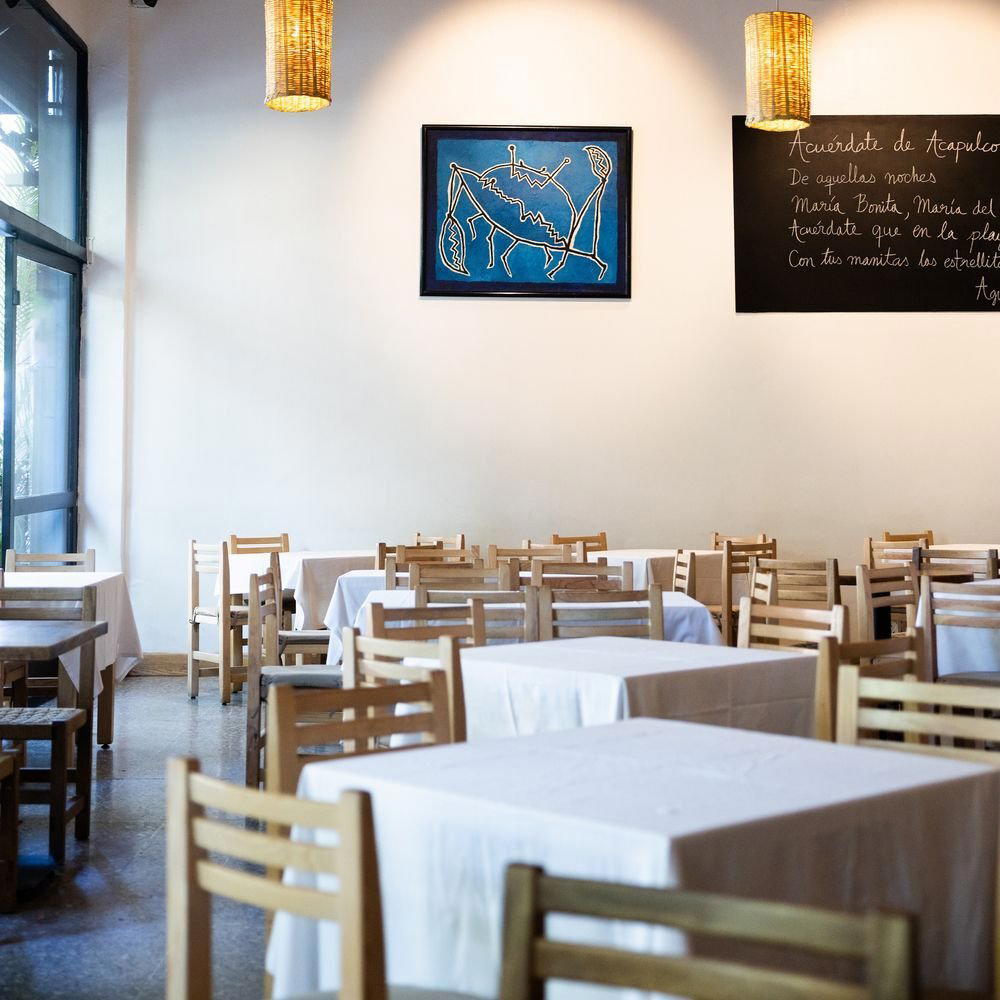
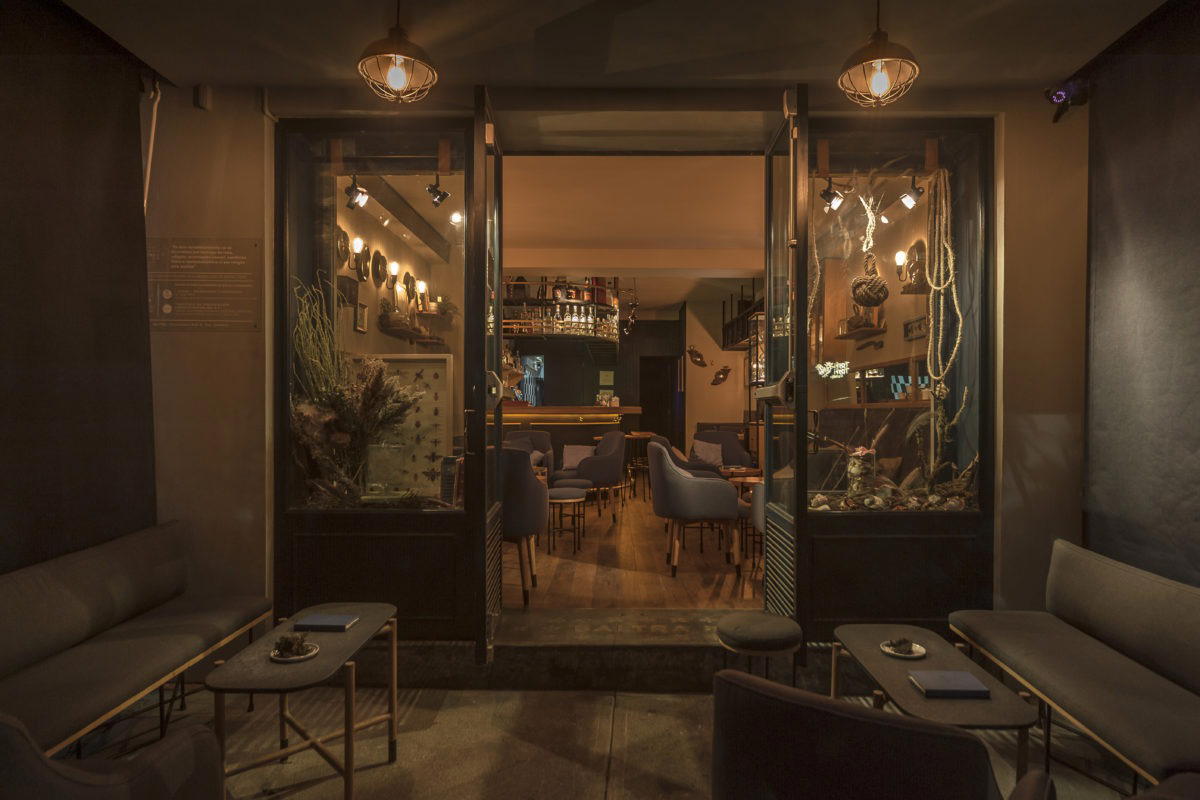
The name itself is instructive. Paladar is the Cuban term for a small, privately operated restaurant, historically run out of a home and defined by a short menu and a proprietorial relationship between kitchen and guest. Grafted onto a Mexico City context, it signals something about the intended scale and intimacy, a counter-signal to the large-format, media-saturated end of the city's dining calendar.
The Ethics of the Plate: Sourcing as Structure
Across Mexico's premium dining tier, sustainability has become a more audible conversation. Operations like Animalón in Valle de Guadalupe and Olivea Farm to Table in Ensenada have built entire identities around the relationship between kitchen and agricultural landscape. In Oaxaca, Levadura de Olla anchors its menu in traditional producers and pre-industrial ingredients. The pattern is not incidental: a generation of Mexican kitchens has concluded that the question of what to cook is inseparable from the question of where the ingredients come from and what happens to the parts that don't reach the plate.
Müi Paladar enters that conversation at the neighborhood scale. Without the land access of a rural estate or the sourcing budgets of a destination restaurant, the sustainability commitment at this level tends to express itself differently: tighter menus that reduce spoilage, relationships with specific suppliers rather than broad wholesale networks, and a kitchen logic that prioritizes using whole ingredients. This is the more demanding version of sustainable practice precisely because it operates without spectacle. There is no open garden, no dramatic provenance story projected onto the wall. The constraint is built into the daily operation.
Mexico City's position as a consumption hub for produce from multiple agricultural zones, Oaxaca, Veracruz, Puebla, the central highlands, gives a kitchen with genuine sourcing discipline genuine material to work with. The ingredients available to a committed Condesa kitchen are not limited to what can be grown locally; they extend to what can be sourced transparently and used responsibly from producers across the country.
Where It Sits in the City's Dining Spectrum
Positioning müi Paladar against Mexico City's broader dining field requires holding two facts in mind simultaneously. At the upper end, Pujol and Quintonil operate at the $$$$ tier with international recognition and years of critical attention. Em and Sud 777 occupy a creative-contemporary register that requires advance booking and carries its own set of expectations. The restaurant's paladar framing and Condesa location suggest a different price point and a different kind of transaction, closer to the two-dollar-sign end of the market, where the room for creative kitchen practice exists but the margin for waste does not.
That is not a disadvantage. Particularly disciplined cooking in any city happens at the mid-range, where the chef cannot rely on premium ingredients to carry a dish and where the operational necessity of using everything reinforces the kitchen's creativity. Sustainability, at this tier, is also pragmatics. The two are aligned rather than in tension.
The Broader Mexican Context
Understanding the restaurant fully requires situating it in the national conversation about what Mexican restaurant culture is becoming. Outside the capital, kitchens like KOLI Cocina de Origen in Monterrey, Alcalde in Guadalajara, Huniik in Merida, and Le Chique in Puerto Morelos have each developed approaches that draw on regional ingredients and ethical sourcing without defaulting to either folkloric presentation or international fine dining templates. HA' in Playa del Carmen and Lunario in El Porvenir add further range to this picture. Pangea in San Pedro Garza García brings a northern perspective.
What this network of kitchens illustrates is that the sustainability conversation in Mexican dining is not confined to destination restaurants or internationally funded concepts. It has filtered into neighborhood-scale operations in ways that make the paladar format, small, direct, accountable to a regular clientele, a structurally suitable vehicle for it.
For international points of comparison, kitchens like Le Bernardin in New York City and Atomix in New York City demonstrate what sustained ethical sourcing looks like when applied with technical precision. The ambition at the restaurant is different in scale but not necessarily in orientation.
Recognition, Side-by-Side
Comparable venues nearby, for context on price, style, and recognition.
| Venue | Cuisine | Price | Notes |
|---|---|---|---|
| müi PaladarThis venue — the venue you are viewing | Modern Fusion Pop-up | $$$ | Not listed |
| Anónimo Cocina | Modern Italo-American with Mexican Fusion | $$$ | Polanco Chapultepec |
| Mandolina Polanco | Contemporary European-Mexican Fusion | $$$ | Polanco Chapultepec |
| Belforno | Modern Italian Wood-Fired | $$$ | Hipodromo de la Condesa |
| Butcher & Sons Condesa | Modern American Burgers | $$$ | Hipodromo |
| Ling Ling Mexico | Modern Pan-Asian Izakaya | $$$$ | Nva Anzures |
Continue exploring
More in Mexico City
Restaurants in Mexico City
Browse all →
Bars in Mexico City
Browse all →

At a Glance
- Trendy
- Intimate
- Sophisticated
- Special Occasion
- Group Dining
- Craft Cocktails
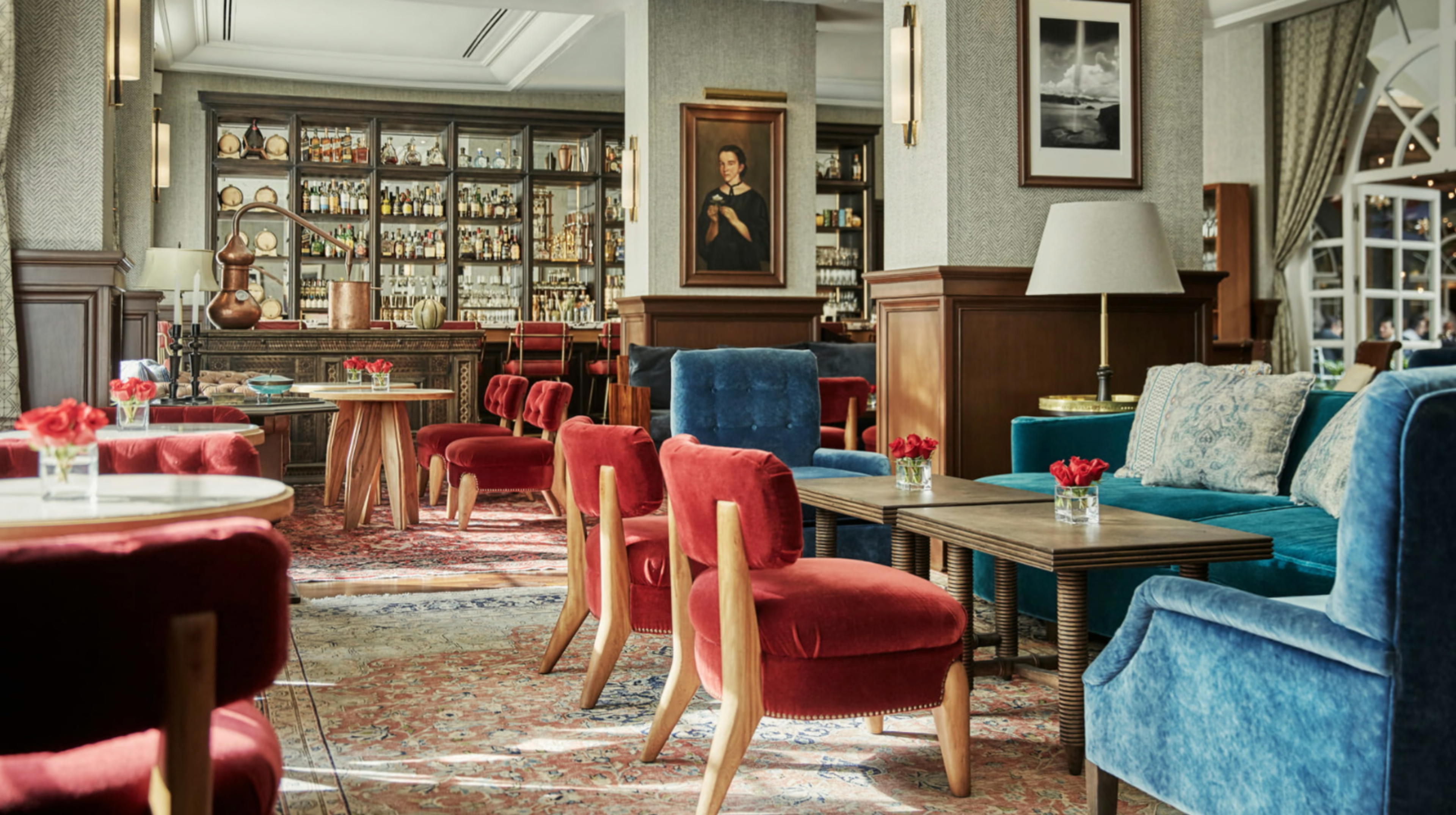
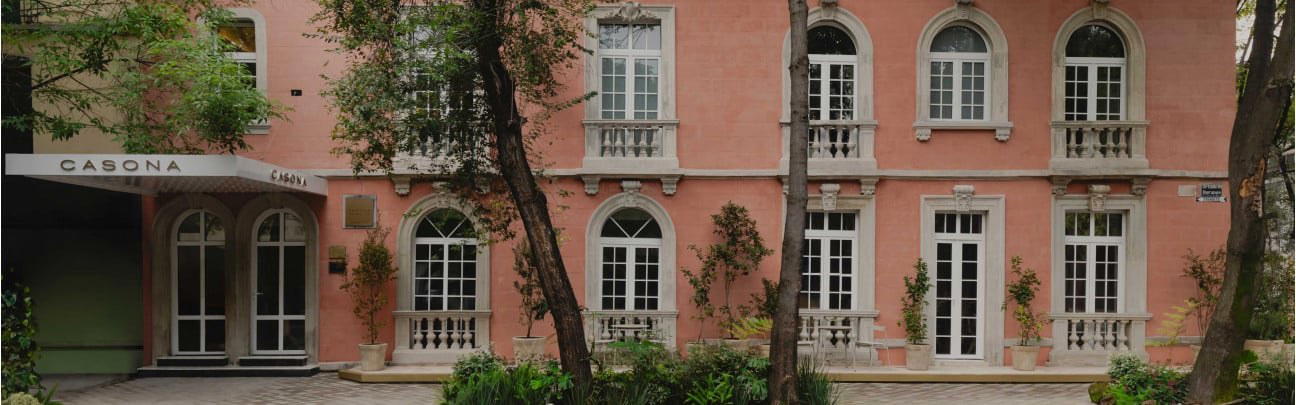
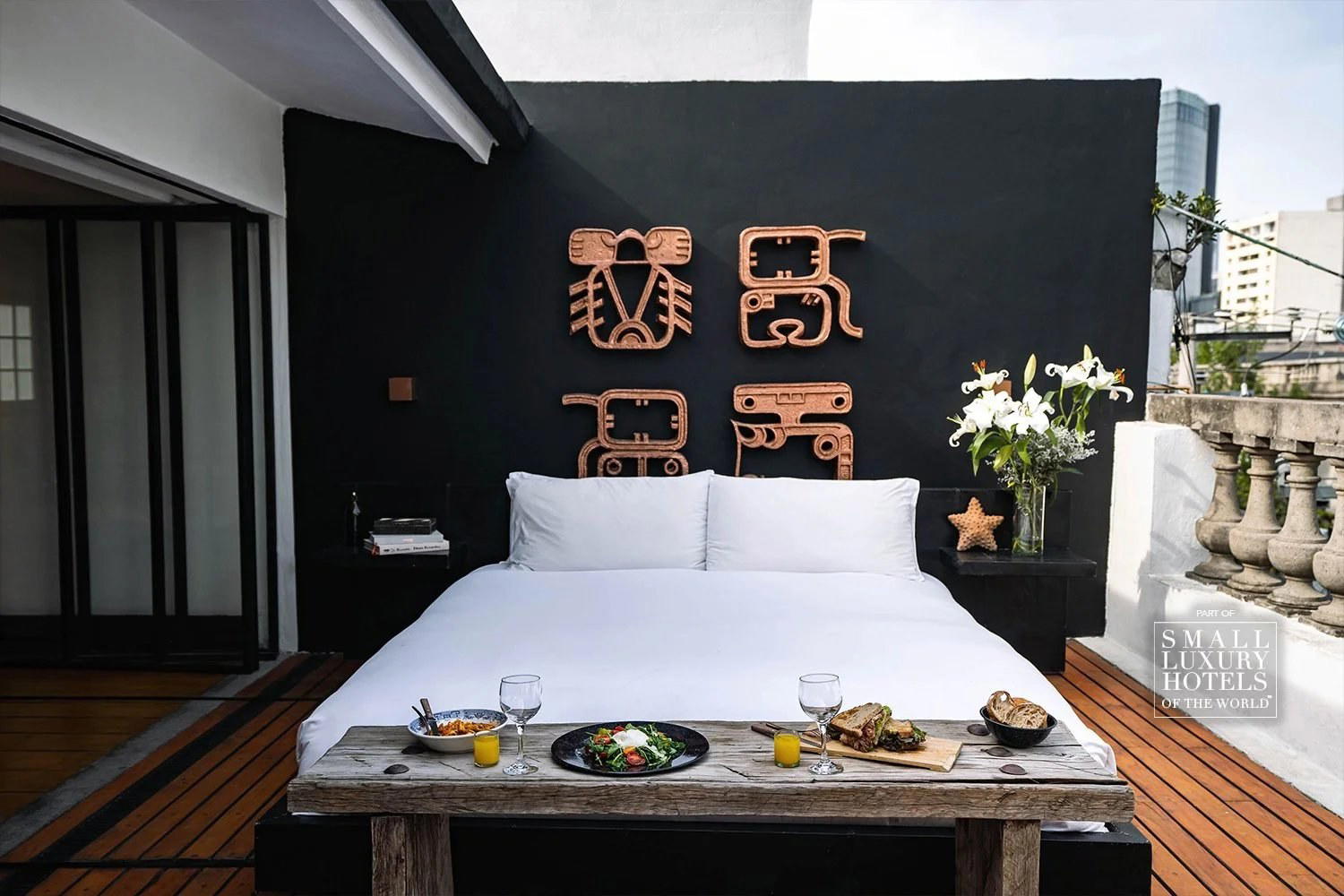
Intimate and trendy hotspot atmosphere in a private home setting for exclusive gastronomic experiences.