Pietro el Pedro
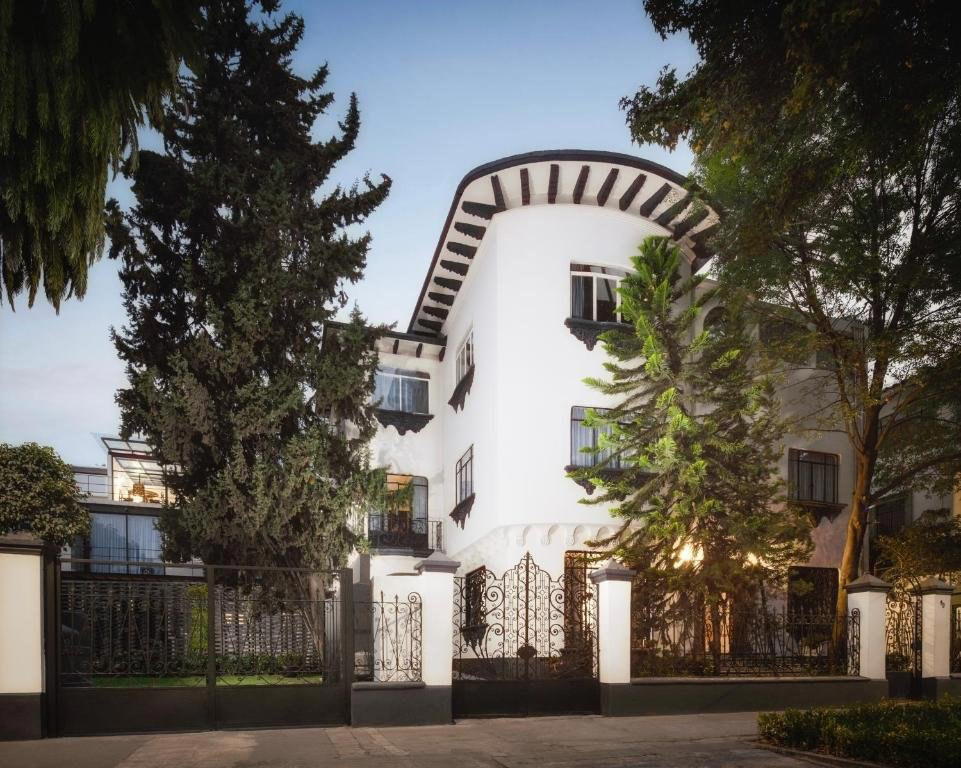
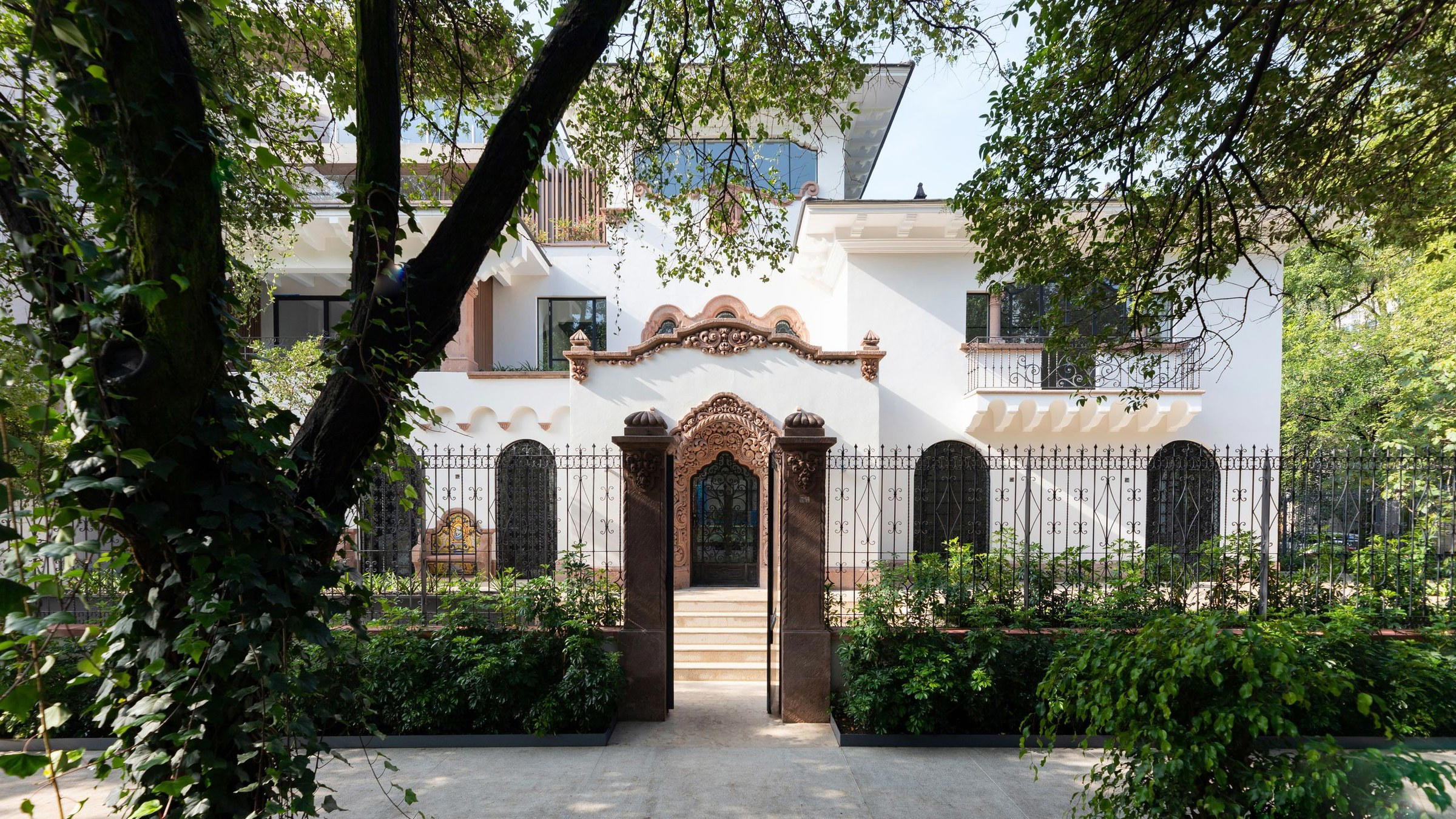
Pietro el Pedro occupies a significant address in Lomas de Chapultepec, one of Mexico City's most established residential and dining corridors. Positioned against a Mexico City scene where Italian-inflected and European-rooted menus compete with ambitious modern Mexican formats, the restaurant draws a clientele that skews toward Polanco-adjacent affluence. For visitors calibrating where it fits relative to peers like Rosetta or Em, the address alone signals its competitive tier.
Pearl is the En Primeur Club membership app — saves, bookings, and concierge access live there. Same editors, same standards.
- Address
- Av. Paseo de las Palmas 781, Lomas de Chapultepec III Secc, Miguel Hidalgo, 11000 Ciudad de México, CDMX, Mexico
- Phone
- +525560813364
- Website
- pietroelpedro.mx

Lomas de Chapultepec and the European-Inflected Dining Tier
Mexico City's fine dining has never been a single conversation. On one side sits the celebrated modern Mexican canon, anchored by names like Pujol and Quintonil, where indigenous ingredients and technique-forward cooking have defined the city's international reputation for two decades. On the other side, less discussed but consistently patronized, is a tier of European-rooted restaurants serving a long-established local audience that did not stop eating Italian, French, or Spanish food when the modern Mexican wave crested. Pietro el Pedro operates in this second current, at Av. Paseo de las Palmas 781 in Lomas de Chapultepec, a neighborhood where dining rooms tend to be larger, service more traditional, and the room more likely to contain multi-generational family tables than a table of food critics. Pietro el Pedro is a casual Italian-Mexican Fusion restaurant in Ciudad de México with a walk-in-friendly policy and a price tier of 2.
Lomas sits immediately west of Polanco, sharing its income bracket but carrying a different social register. Where Polanco has absorbed the international restaurant expansion of the last decade, Lomas has remained more self-contained, its restaurant scene oriented toward a resident rather than tourist clientele. An address on Paseo de las Palmas in this district is not incidental: it situates a restaurant within a corridor of established money and conventional taste, where longevity matters more than novelty and where a reliable room beats a headline-grabbing menu.
Menu Architecture as a Commitment Statement
The structure of a menu is a restaurant's most honest document. It tells you who the kitchen believes its guest is, what the kitchen is confident doing, and how the restaurant positions itself against what it is not. Menus organized around European categories, traditional protein preparations, and familiar formats make a specific promise: that the cooking does not need to surprise to satisfy. This is not a lesser ambition than the tasting-menu format favored at places like Em or Sud 777; it is a different one, aimed at a different occasion.
Restaurants in this mode, whether Italian-named or otherwise European in character, often read more like Rosetta's broader category than like the tasting-counter tier. The menu functions as a contract with regulars: predictable enough to return to, well-executed enough to justify the price, and structured so a table of four can order independently without the kitchen losing coherence. This format is frequently underestimated by critics who prize innovation, but it sustains a loyal room over years in a way that concept-driven menus cannot always match.
Where Pietro el Pedro Sits in Mexico City's Competitive Set
Mexico City's restaurant ecology is wide enough that a single visit requires a positioning decision. The modern Mexican canon, represented internationally by entries in the Latin America's 50 Best, is one entry point. The European-rooted establishment tier is another. Pietro el Pedro belongs to the latter group, and should be evaluated against that comparable set rather than against the tasting-menu destination restaurants that attract international press.
For comparison, Pujol and Quintonil both carry the kind of advance booking pressure and critical recognition that places them in a global destination category. Pietro el Pedro is not competing in that frame. It is more accurately compared to the neighborhood-anchored European rooms that serve the city's established residential dining culture, where the measure of success is a full room on a Tuesday rather than a three-month waitlist.
Across Mexico more broadly, this kind of restaurant finds parallels in Guadalajara at Alcalde, which balances creative ambition with a loyal local base, and in Monterrey at Pangea, which has long anchored the northern city's upper dining tier with a European-influenced format. The model of a polished, reliable room serving an affluent residential clientele recurs across Mexican cities wherever old money and European culinary tradition overlap.
For visitors whose Mexico itinerary extends beyond the capital, the country's current creative energy shows up in different registers at Animalón in Valle de Guadalupe, HA' in Playa del Carmen, Le Chique in Puerto Morelos, KOLI Cocina de Origen in Monterrey, Levadura de Olla in Oaxaca, Lunario in El Porvenir, Olivea Farm to Table in Ensenada, and Huniik in Merida. The diversity of format and cuisine across these destinations reflects how unevenly Mexico's dining ambition is distributed geographically, and how much territory exists beyond the capital's best-known rooms.
The Lomas Room and What to Expect
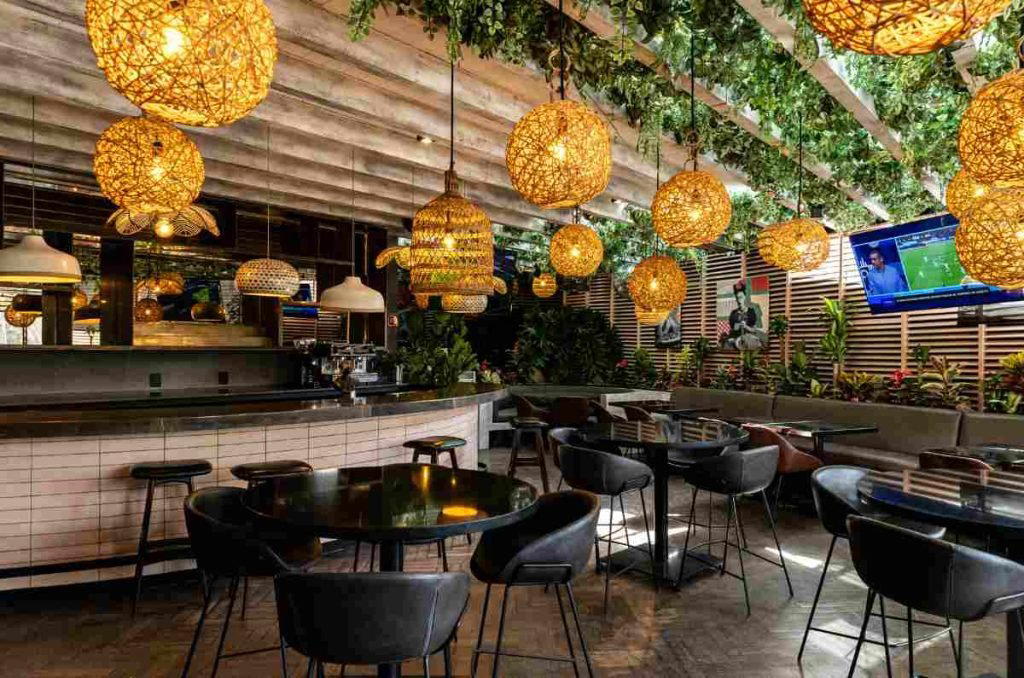
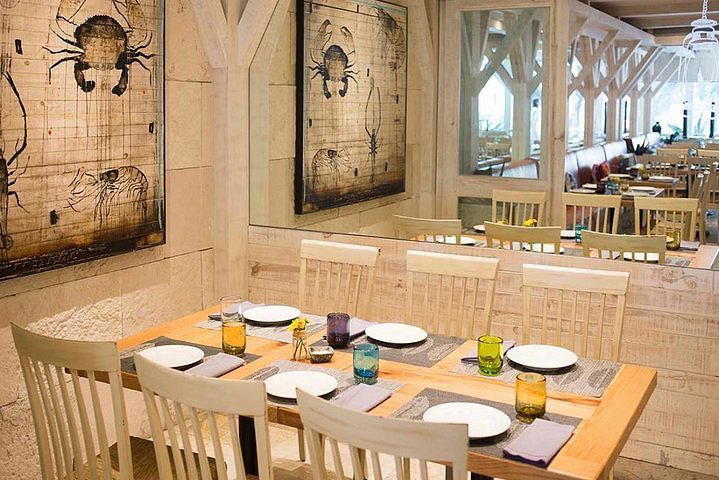
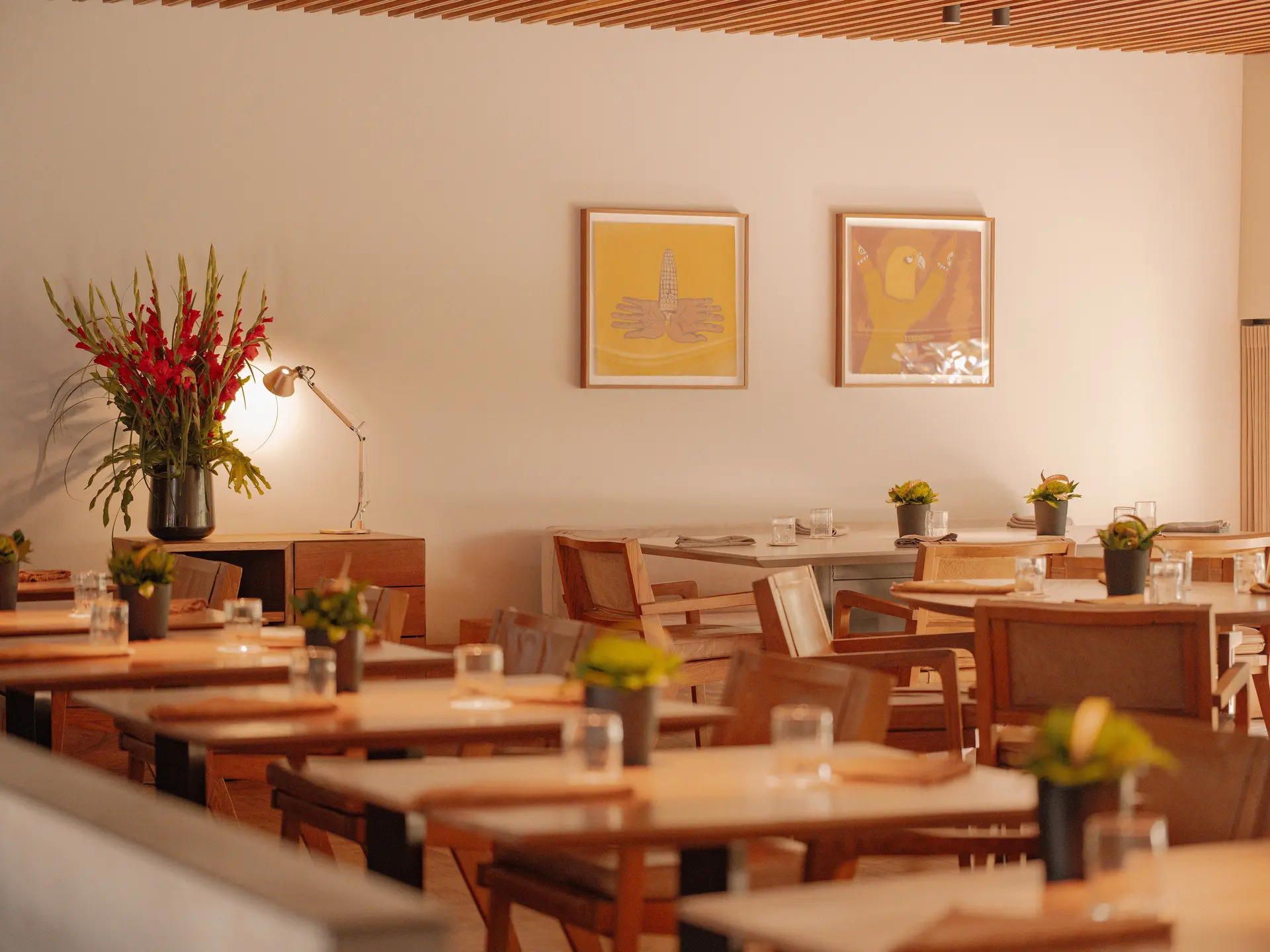
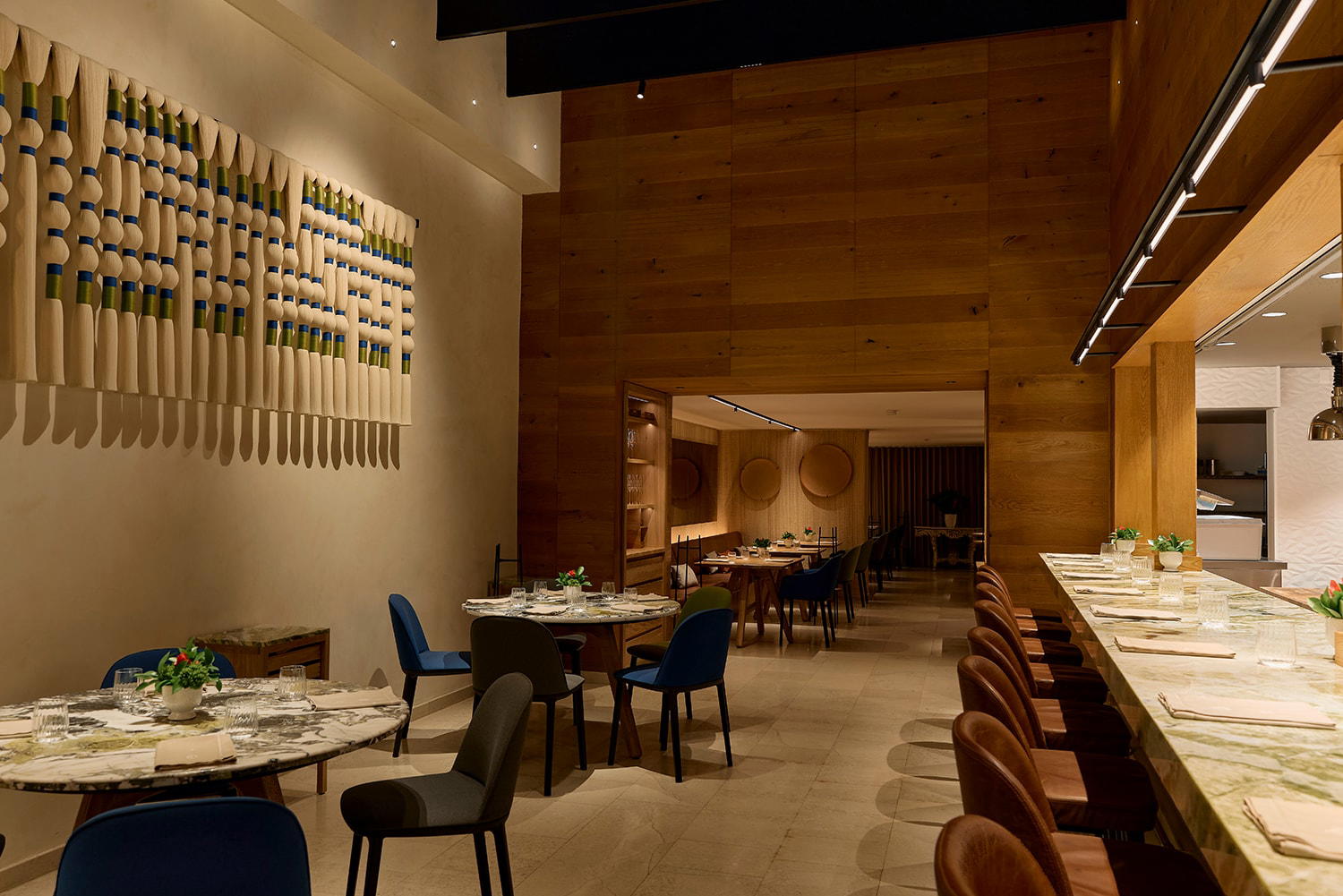
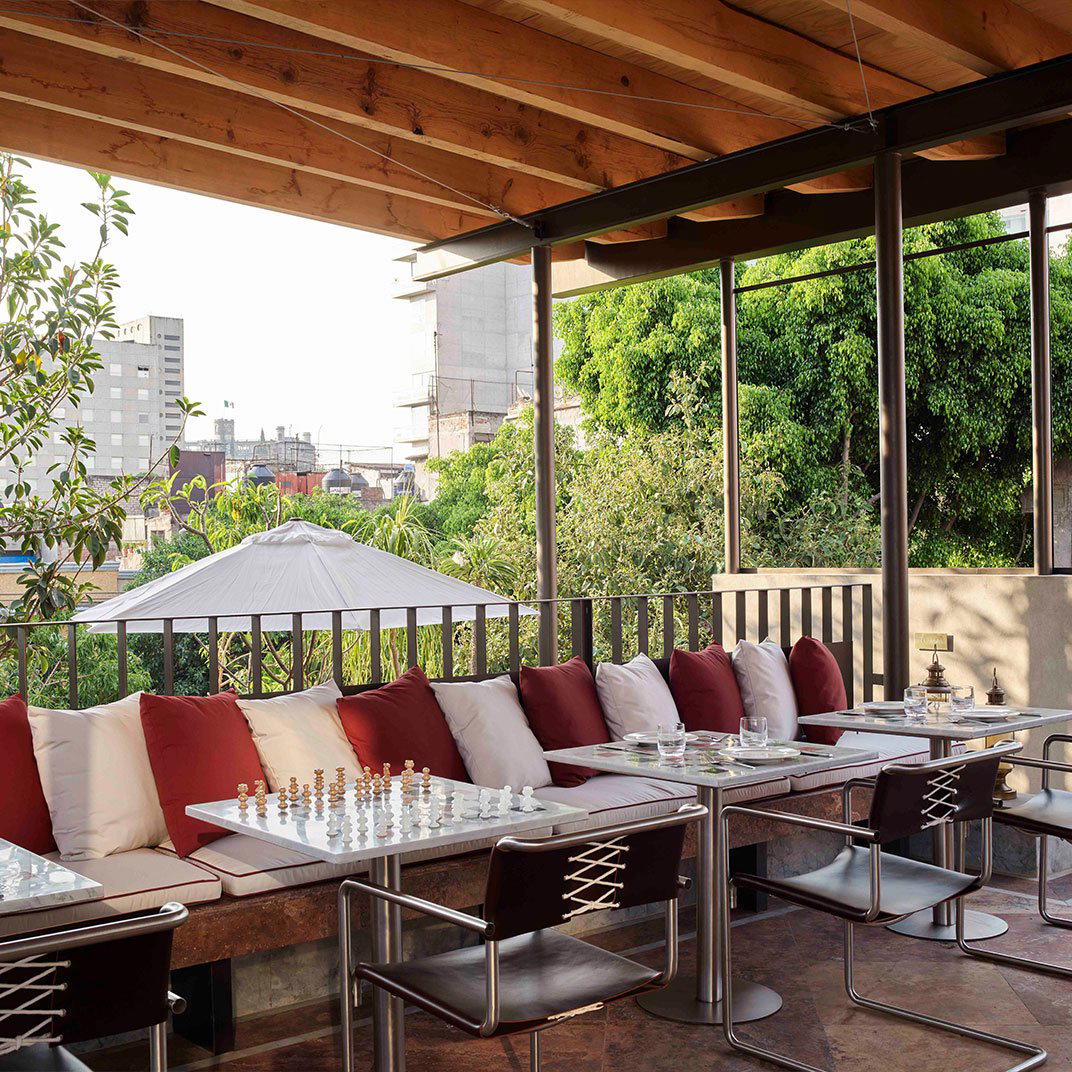
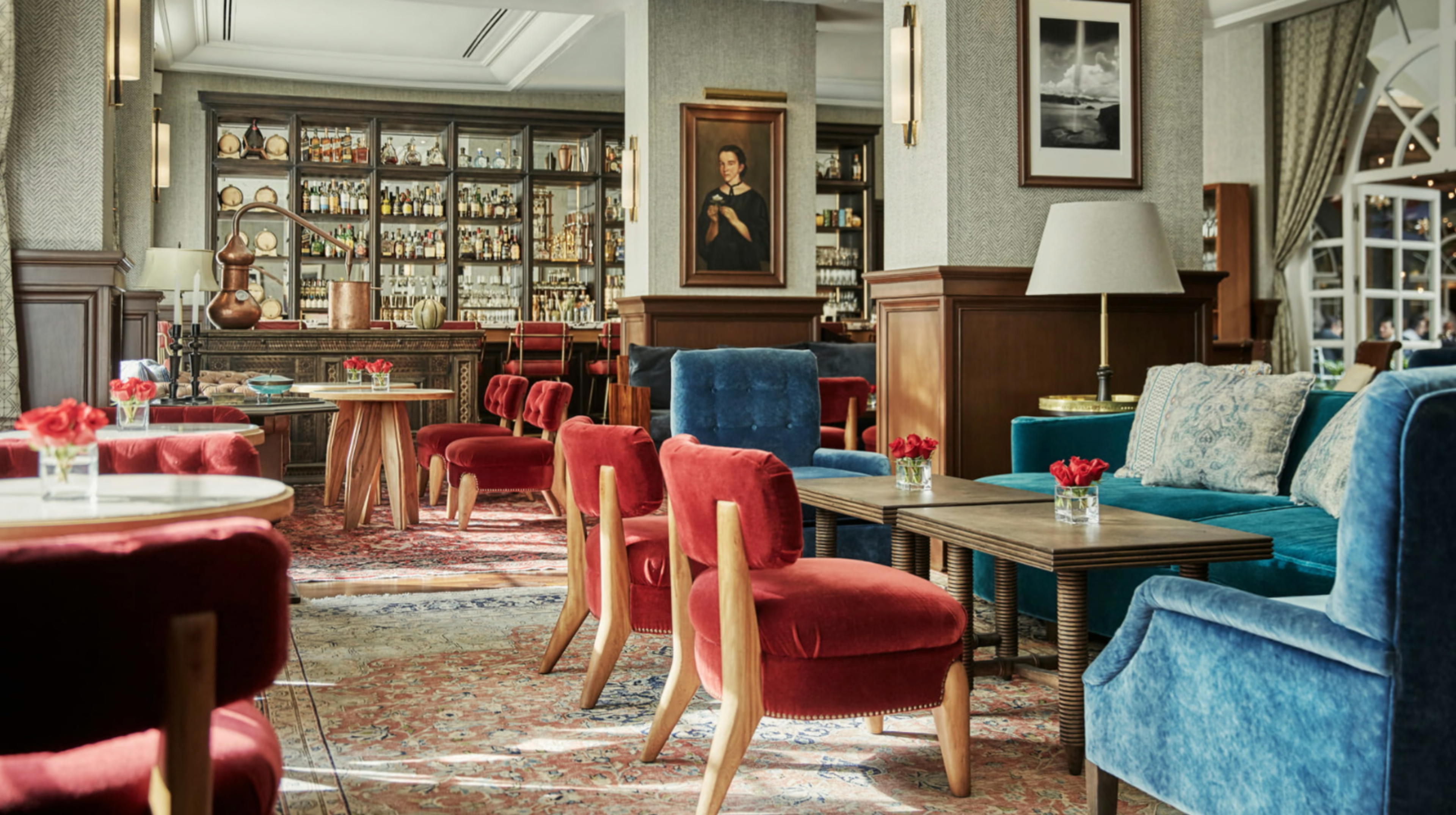
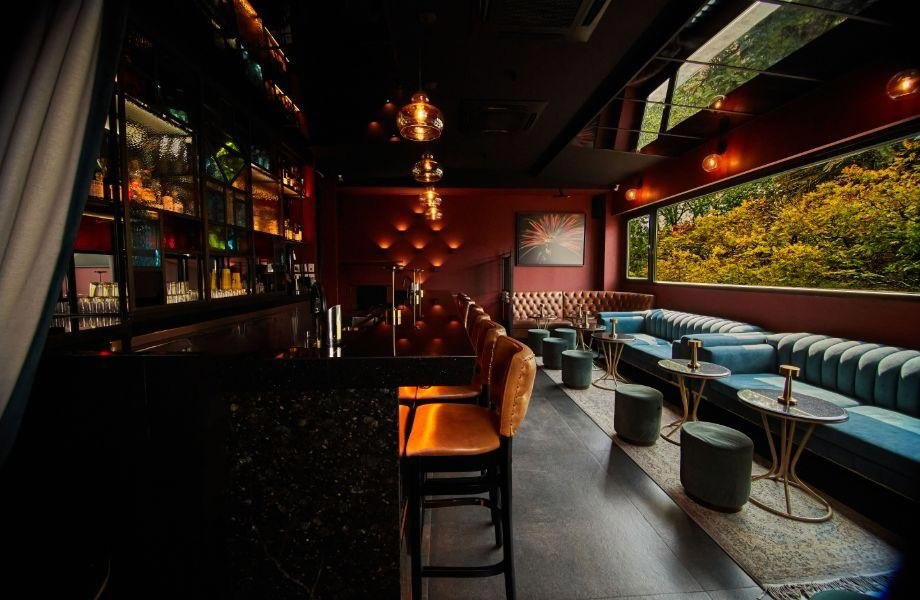
Restaurants on Paseo de las Palmas tend toward a certain physical grammar: generous spacing between tables, service staff trained to be present without being hovering, and interiors that read as comfort over statement. The clientele tends to be established rather than trend-following, and the noise level typically allows conversation without effort. These are not incidental details; they define the occasion the restaurant is designed for.
Le Bernardin in New York City, where classical French tradition has maintained relevance across decades, and Atomix in New York City, where Korean tradition has been reframed through a European fine dining structure.
A Lean Comparison
Comparable venues nearby, for context on price, style, and recognition.
| Venue | Cuisine | Price | Notes |
|---|---|---|---|
| Pietro el PedroThis venue — the venue you are viewing | $$ | ||
| Ajeno | $$ | Roma Norte, Fusion / Eclectic | |
| ARDA | $$$ | Centro Urbano Benito Juarez, Modern Smoke and Fire Grill | |
| La Vineria | $$ | Condesa, Traditional European with Mexican influences | |
| Osteria Mattea Condesa | $$ | Hipodromo, Authentic Italian Osteria with Pizza and Pasta | |
| Cancino Nápoles | Ampl Napoles, Wood-Fired Pizza Italian | $$ |
Continue exploring
More in Mexico City
Restaurants in Mexico City
Browse all →Bars in Mexico City
Browse all →At a Glance
- Trendy
- Casual
- Casual Hangout
Casual foodie spot with a relaxed atmosphere