On the Boulevard de Bonne Nouvelle in Paris's 2nd arrondissement, Babille occupies a stretch of the city where 19th-century commercial ambition and contemporary dining now share the same pavement. Positioned in a neighbourhood undergoing a gradual shift from textile trade to table, it represents the kind of address that rewards attention to provenance as much as to plate.
Pearl is the En Primeur Club membership app — saves, bookings, and concierge access live there. Same editors, same standards.
- Address
- 35 Bd de Bonne Nouvelle, 75002 Paris, France
- Phone
- +33140909081
- Website
- babille-restaurant.com
- Directions
- Get directions
 Saves & bookings on Pearl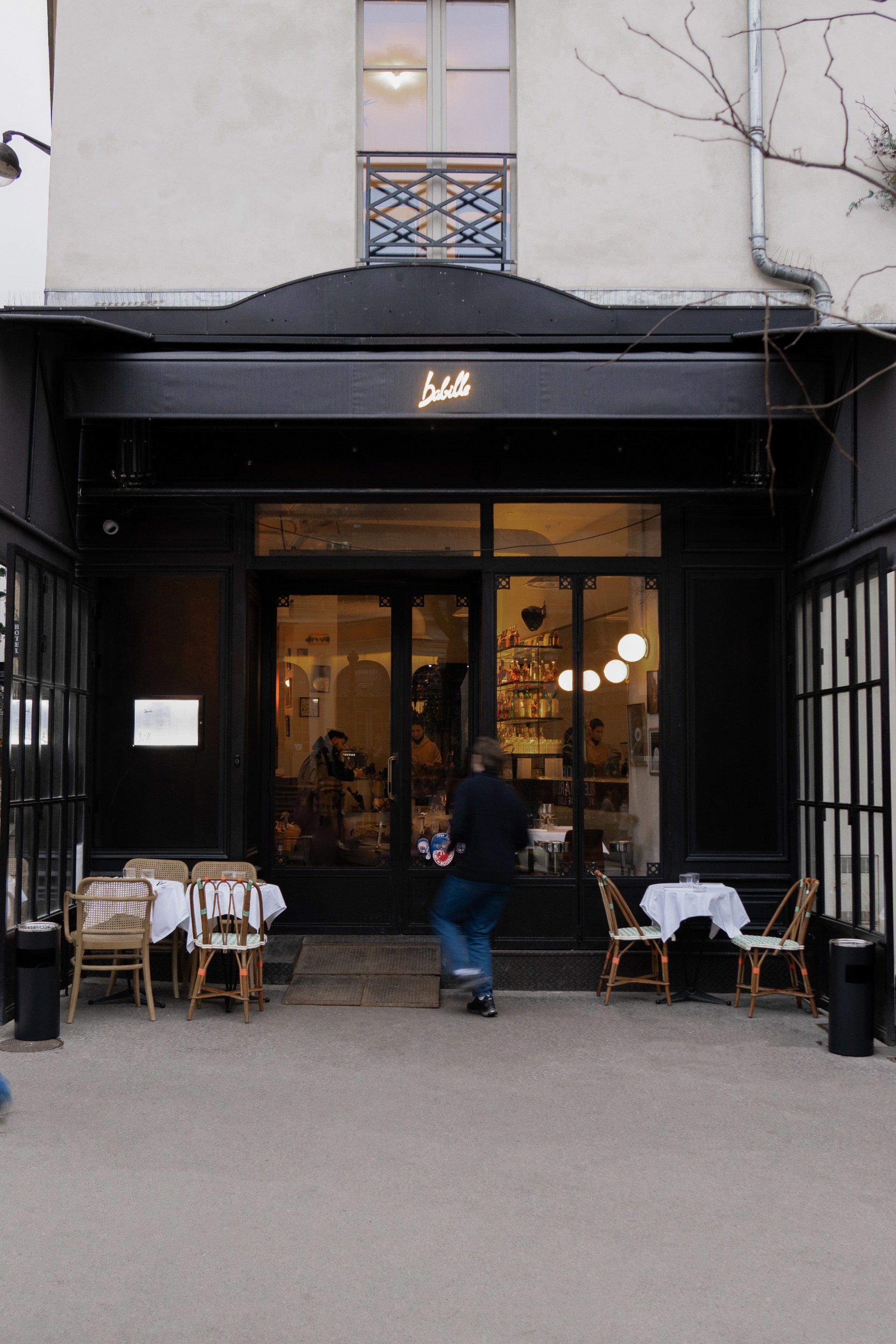
Where the 2nd Arrondissement Meets the Table
The Grands Boulevards corridor, running east from the Opéra through the 2nd and 10th arrondissements, has never been Paris's most obvious dining destination. Its wide pavements and Haussmann-era façades were built for commerce and spectacle, not contemplative eating. That context makes the emergence of considered, ingredient-led restaurants in the area all the more significant. When a serious kitchen appears on a boulevard historically associated with department stores and brasseries, it tends to attract a local crowd who know that the city's most interesting addresses rarely announce themselves from the front page of a tourist map.
Babille is a restaurant serving festive French brasserie fare at 35 Boulevard de Bonne Nouvelle, Paris, with a recommended reservation policy and an average price of about $40 per person. The address is a short walk from the Bonne Nouvelle métro station on lines 8 and 9. Parisian dining at this tier, below the grand room productions of Alléno Paris au Pavillon Ledoyen or Le Cinq at the Four Seasons George V, and distinct from the classical grandeur of L'Ambroisie on the Place des Vosges, increasingly finds its identity through sourcing decisions and format discipline rather than formal pomp.
Ingredient Sourcing as Editorial Statement
French fine dining outside the palace-hotel tier has undergone a visible recalibration over the past decade. Particularly compelling mid-register kitchens now build their identity around supply chains rather than technique alone. Chefs who trained through the classical French system, the lineage that runs from houses like Troisgros in Ouches or Bras in Laguiole, absorbed a particular discipline around seasonal rhythm and regional terroir that now circulates through Paris's smaller, more agile addresses.
The ingredient-first model asks a different set of questions than the technique-forward one. It demands that a kitchen account for where each element on the plate originates, how it was grown or raised, and what relationship the restaurant maintains with its producers. This approach has become a credible differentiator in a city whose restaurant density makes style distinction difficult. Parisian diners familiar with the sourcing rigour at places like Arpège, where Alain Passard's conversion to vegetable-forward cooking produced among the more discussed sourcing programmes in French fine dining, now read ingredient provenance as a trust signal rather than a marketing point.
That broader shift in how Paris evaluates its kitchens gives smaller addresses on less prominent boulevards a genuine path to recognition. The question for any ingredient-led restaurant in the 2nd arrondissement is whether its sourcing decisions are coherent enough to sustain attention across multiple visits, and whether the format matches the produce-driven promise.
The Grands Boulevards Dining Context
Paris's 2nd arrondissement has historically sat in the shadow of its more celebrated neighbours. The 1st offers the institutional weight of the Louvre and Les Halles; the 3rd and 4th carry the cultural density of the Marais. The 2nd, by contrast, has functioned as a passage district, the Sentier fashion trade, the covered passages like the Galerie Vivienne, and the Boulevard Montmartre theatre strip defining its character more than any single dining destination.
That is changing, in part because rising rents in the Marais and Saint-Germain have pushed younger operators toward neighbourhoods with lower entry costs and more exploratory clientele. The same pattern produced strong neighbourhood restaurant clusters in the 10th and 11th arrondissements; the 2nd is now at a comparable stage. Contemporary French kitchens operating at a considered mid-register price point, distinct from the €€€€ tier occupied by Kei or the classic-room productions of the 8th, find the neighbourhood receptive.
For comparison, the trajectory of France's most sourcing-serious kitchens outside Paris illustrates what commitment to ingredient provenance can produce over time. Mirazur in Menton built its identity around a kitchen garden and coastal foraging before reaching stronger examples from the World's 50 Best list. Flocons de Sel in Megève grounds its menu in Alpine seasonality. Auberge du Vieux Puits in Fontjoncouse built a three-star reputation in a village of a few hundred people by treating southern French producers as primary creative collaborators. These are not analogies for Babille specifically, but they map the broader logic: in French fine dining, provenance declared with consistency and specificity earns a different kind of authority than technical ambition alone.
Positioning Within Paris's Broader Table
Paris sustains an unusually large number of serious restaurants at every price point. The €€€€ ceiling is represented by addresses like Alléno at Ledoyen, with its multi-technique creative programme, and by long-established classical rooms. Below that, the city's most discussed recent openings have tended toward smaller formats with tighter menus, a response to the economics of running a serious kitchen without the subsidy of a hotel's balance sheet.
Restaurants in this tier operate with a logic closer to that of Lazy Bear in San Francisco than to a traditional French grand restaurant: curated seatings, deliberate menus, and a relationship between kitchen and dining room that depends on the guest's willingness to follow the chef's argument. The French version of this format tends to be less theatrical but no less considered. Addresses like Auberge de l'Ill in Illhaeusern or Georges Blanc in Vonnas operate at the other end of the scale, multi-generational institutions with deep provincial roots, but they represent the tradition from which Paris's smaller, more agile kitchens draw their grammar.
For those building a serious Paris restaurant itinerary, the 2nd arrondissement addresses worth attention are those that use the neighbourhood's relative anonymity as cover for doing something specific and consistent. For French kitchens operating at the upper end of the classical tradition, Paul Bocuse in Collonges-au-Mont-d'Or and Les Prés d'Eugénie in Eugénie-les-Bains remain the reference points. For the kind of focused, regional-produce-led cooking that now defines Paris's mid-tier openings, the 2nd and adjacent arrondissements are worth watching. La Table du Castellet in Le Castellet and Le Bernardin in New York offer different but instructive reference points for how ingredient discipline translates into sustained reputation. The French-trained kitchens working at a similar scale in Paris, of which Babille is one, sit in a productive moment for this format.
Planning Your Visit
Address: 35 Boulevard de Bonne Nouvelle, 75002 Paris, France. Getting there: Bonne Nouvelle métro (lines 8 and 9) is one direct approach; Strasbourg-Saint-Denis on lines 4, 8, and 9 is a short walk east. Reservations: Reservations are recommended. Budget: About $40 per person. Timing: Wed through Sat, 7 PM to late; closed Mon, Tue, and Sun.
Compact Comparison
Comparable venues nearby, for context on price, style, and recognition.
| Venue | Price | Notes |
|---|---|---|
| BabilleThis venue — the venue you are viewing | $$$ | Not listed |
| Ardent | $$$ | 9th arrondissement, Modern French Flame-Grill |
| Café Ruc | $$$ | Louvre / Palais-Royal, Classic French Brasserie |
| L'Atelier Ramey | $$$ | Montmartre, French Bistronomique Gastropub |
| Le Flamboire | $$$ | 9th arrondissement, Traditional French Wood-Fired Grill |
| La Boissonnerie | $$$ | Saint-Germain-des-Prés, Modern French Bistro |
Continue exploring
More in Paris
Restaurants in Paris
Browse all →
Bars in Paris
Browse all →
Hotels in Paris
Browse all →

At a Glance
- Lively
- Cozy
- Classic
- Group Dining
- Casual Hangout
- Late Night
- Celebration
- Live Music
- Craft Cocktails
Current opening hours
- Monday
- Closed
- Tuesday
- Closed
- Wednesday
- 7 PM–2 AM
- Thursday
- 7 PM–5 AM
- Friday
- 7 PM–5 AM
- Saturday
- 7 PM–5 AM
- Sunday
- Closed
Hours can change for holidays and private events. Last verified .
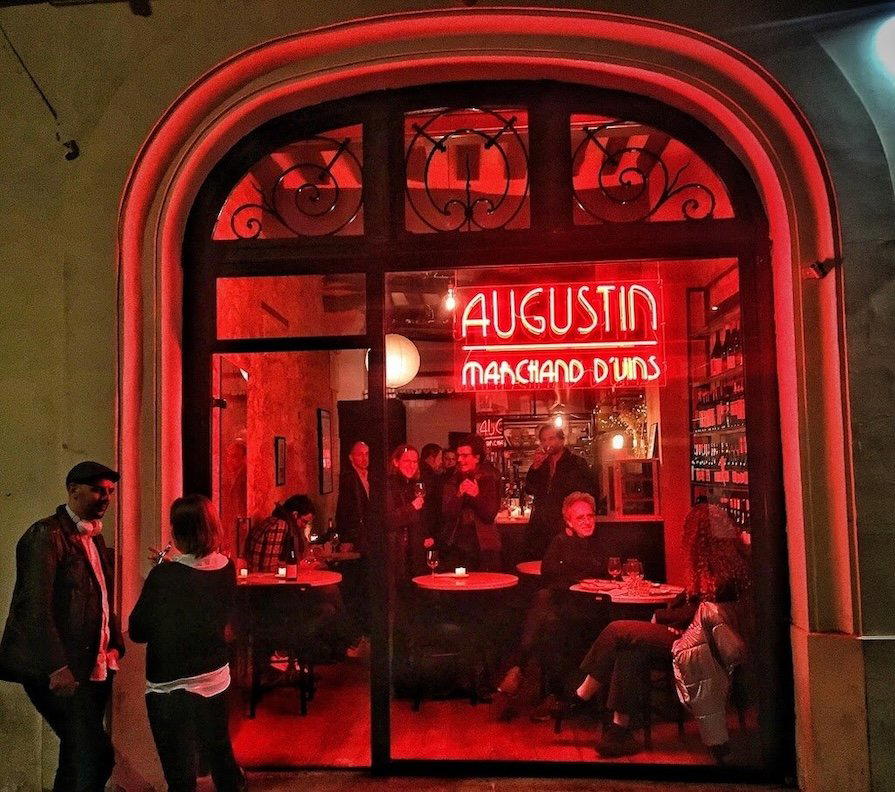
Warm wooden paneling, velvet banquettes, white tablecloths, and dimmed lights creating a lively, animated atmosphere well-suited for dining and dancing.