
La Fontaine de Mars on Rue Saint-Dominique has anchored the 7th arrondissement's bistro tradition for decades, drawing a mix of neighbourhood regulars and visitors who understand the difference between a tourist brasserie and the real thing. Classic southwest French cooking, a red-and-white checked dining room, and a terrace that fills fast in warm months place it firmly in the category of Paris institutions that earn their reputation through consistency rather than reinvention.
Pearl is the En Primeur Club membership app — saves, bookings, and concierge access live there. Same editors, same standards.
- Address
- 129 Rue Saint-Dominique, 75007 Paris, France
- Phone
- +33 1 47 05 46 44
- Website
- fontaine-de-mars.com
- Directions
- Get directions
 Saves & bookings on Pearl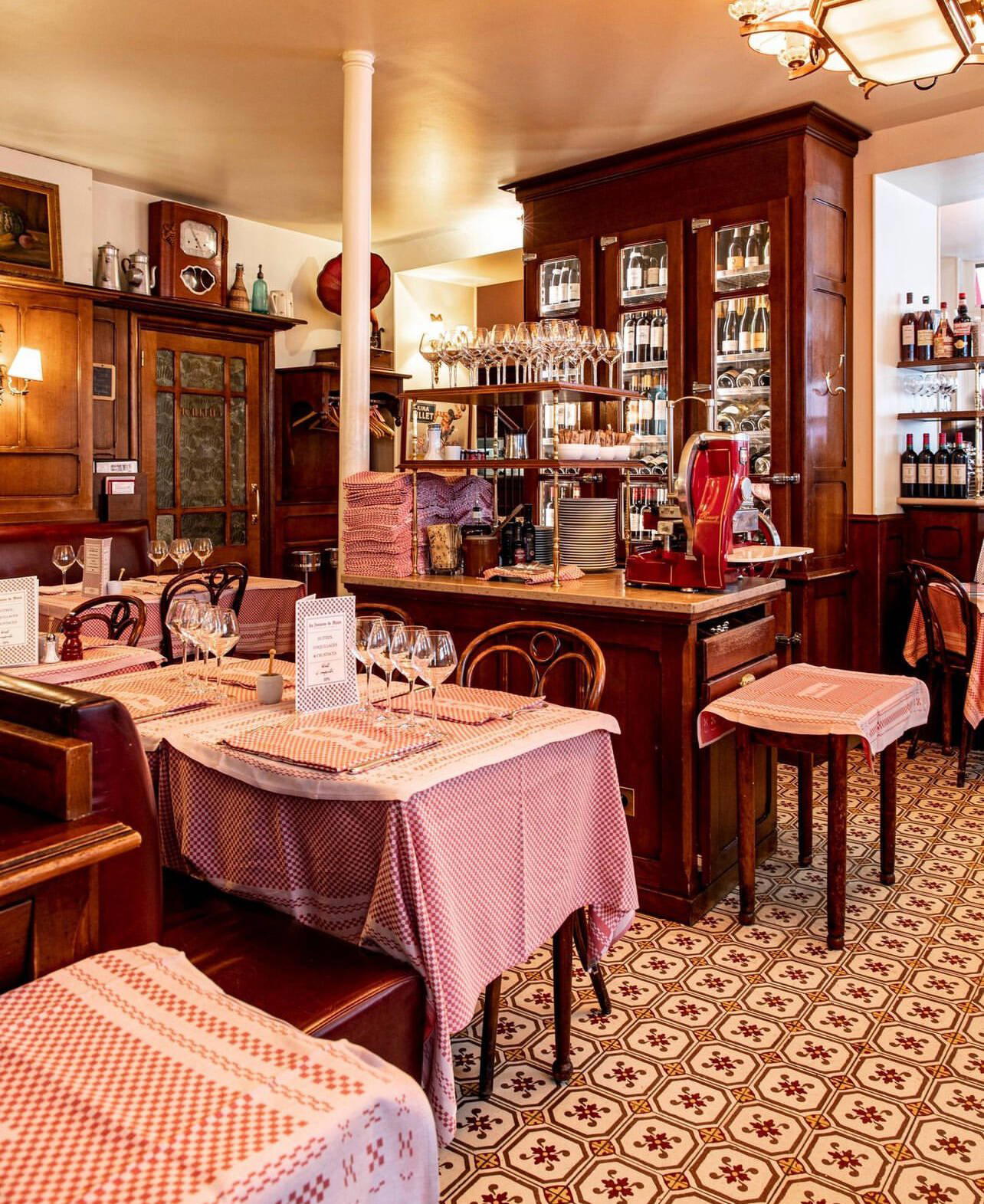
The 7th's Bistro Benchmark
Paris's 7th arrondissement runs a quieter register than the Marais or Saint-Germain. The streets around Rue Saint-Dominique are largely residential, lined with cheese shops, bakeries, and the occasional wine bar that hasn't changed its chalkboard in years. It is precisely this neighbourhood character that makes La Fontaine de Mars legible: a classic French bistro that earns its standing not through Michelin ambition or chef-driven spectacle, but through the kind of stubborn consistency that the city's dining tradition prizes above almost everything else. In a city where the gap between a genuinely good neighbourhood table and a tourist-facing simulacrum of one can be difficult to read from the outside, La Fontaine de Mars sits clearly on the right side of that line.
The broader context matters here. Paris's upper tier of French dining, the three-star rooms at Alléno Paris au Pavillon Ledoyen, Arpège, L'Ambroisie, and Le Cinq at the Four Seasons George V, occupy a different competitive register entirely, with tasting menus, formal service codes, and price points that reflect their position. La Fontaine de Mars is not in that conversation, nor does it try to be. Its comparable set is the serious Parisian bistro: places where the cooking is rooted in regional French tradition, the wine list is chosen with care rather than margin, and the room carries genuine character accumulated over time rather than installed by a designer.
Southwest on the Plate
The kitchen draws from southwest France, the culinary region that runs from Bordeaux through Gascony and into the Pyrenees. This is hearty, unsentimental cooking: duck confit rendered properly until the skin crisps against yielding meat, cassoulet built over time rather than assembled to order, foie gras treated as a regional staple rather than a luxury flourish. The tradition stretches across some of France's most enduring provincial tables, Bras in Laguiole and Les Prés d'Eugénie in Eugénie-les-Bains both draw from the same geographic and cultural well, though in different registers. At La Fontaine de Mars, the expression is bistro-scale: generous, direct, and technically honest. The wine list follows the geography of the food, with southwest appellations, Cahors, Madiran, Bergerac, given appropriate prominence alongside Bordeaux and the broader French cellar.
This regional coherence is worth noting because it is increasingly rare. Many Paris bistros operate an eclectic menu that pulls from across French regions without commitment to any of them. A kitchen anchored in the southwest has to hold a specific standard: the cassoulet either is or isn't right, and regulars who know the dish from its home territory will notice immediately. That accountability sharpens the cooking.
The Room and What It Tells You
The dining room at 129 Rue Saint-Dominique is the kind of space that takes time to accumulate. Red-and-white checked tablecloths, closely set tables, a zinc bar at the front, walls carrying the patina of a room that has been full most lunches and dinners for longer than most restaurants in the city have existed. A terrace opens onto the street in warmer months and fills predictably fast. The physical environment does what good bistro rooms do: it signals that the point is the food and the company, not the backdrop.
This matters editorially because the 7th arrondissement's proximity to the Eiffel Tower means many restaurants in the immediate area operate on tourist economics, high turnover, simplified menus, inflated prices for proximity to a landmark. The restaurant has maintained its neighbourhood footing despite that gravitational pull, which is itself a kind of editorial statement about the operation.
Planning Your Table: What the Booking Reality Looks Like
Getting a table at the restaurant requires more advance planning than its bistro classification might suggest. The restaurant operates on a relatively small footprint, the terrace adds seasonal capacity but disappears in winter, and a degree of international name recognition, the venue became widely known after a 2009 visit from Barack Obama during a Paris trip, means that demand consistently outpaces walk-in availability. For a weekend dinner during spring or autumn, reservations made a week to ten days in advance are a reasonable baseline; popular Saturday slots, particularly terrace seats in June or September, can go faster.
The practical path: book directly and book early. Midweek lunch reservations are more accessible and often offer a quieter version of the experience than peak dinner service. The room at lunch draws a higher proportion of neighbourhood regulars and local professionals, which shifts the atmosphere in a way that some visitors find preferable to the more international dinner crowd. Arriving on time matters in a small room where the rhythm of service depends on table turns running to schedule.
For context on how this booking experience compares at a different scale: the three-Michelin-star rooms in Paris, places like Kei in the 1st, typically require reservations weeks or months in advance and operate formal booking systems with credit card guarantees. The restaurant sits in a middle tier: more accessible than those rooms, but not the spontaneous drop-in that its casual appearance might imply. France's provincial dining institutions, Auberge de l'Ill in Illhaeusern, Georges Blanc in Vonnas, Paul Bocuse outside Lyon, Troisgros in Ouches, Auberge du Vieux Puits in Fontjoncouse, La Table du Castellet, Flocons de Sel in Megève, and Mirazur in Menton, operate their own booking disciplines, but the restaurant anchors a distinctly urban, bistro-scale version of that planning calculus.
By comparison, Paris-adjacent American dining institutions that have achieved a similar kind of durable recognition, Le Bernardin in New York or a format like Lazy Bear in San Francisco, operate with booking infrastructure (online systems, waitlists, deposits) that formalizes the demand. The restaurant runs on a more traditional model. Telephone and direct booking remain the primary channels. That simplicity is part of what makes the restaurant feel like a neighbourhood institution rather than a hospitality product.
The address is 129 Rue Saint-Dominique, in the 7th arrondissement. The Eiffel Tower is a short walk north, which means the surrounding streets are busy with foot traffic at peak tourist hours, factor that into your approach if you're timing dinner around sunset in summer.
Reputation First
Comparable venues nearby, for context on price, style, and recognition.
| Venue | Cuisine | Price | Notes |
|---|---|---|---|
| La Fontaine de MarsThis venue — the venue you are viewing | Traditional French Bistro | $$$ | Not listed |
| Comptoir De Vie | Modern French Tasting Counter-Bar | $$$ | 2nd Arrondissement |
| La Table d'Estrées | Modern French Bistro | $$$ | 7e arrondissement |
| Le Saint Ferdinand | Traditional French Brasserie | $$$ | Ternes |
| Circonstances | Modern French Bistro | $$$ | 2e Arrondissement |
| Café Pierre Hermé | French Patisserie Café | $$$ | 7th arrondissement |
Recognition history
Dated appearances from independent guides and award organizations, with the underlying list record or original source where available.
Opinionated About Dining Casual in Europe Recommended
Opinionated About Dining
Continue exploring
More in Paris
Restaurants in Paris
Browse all →
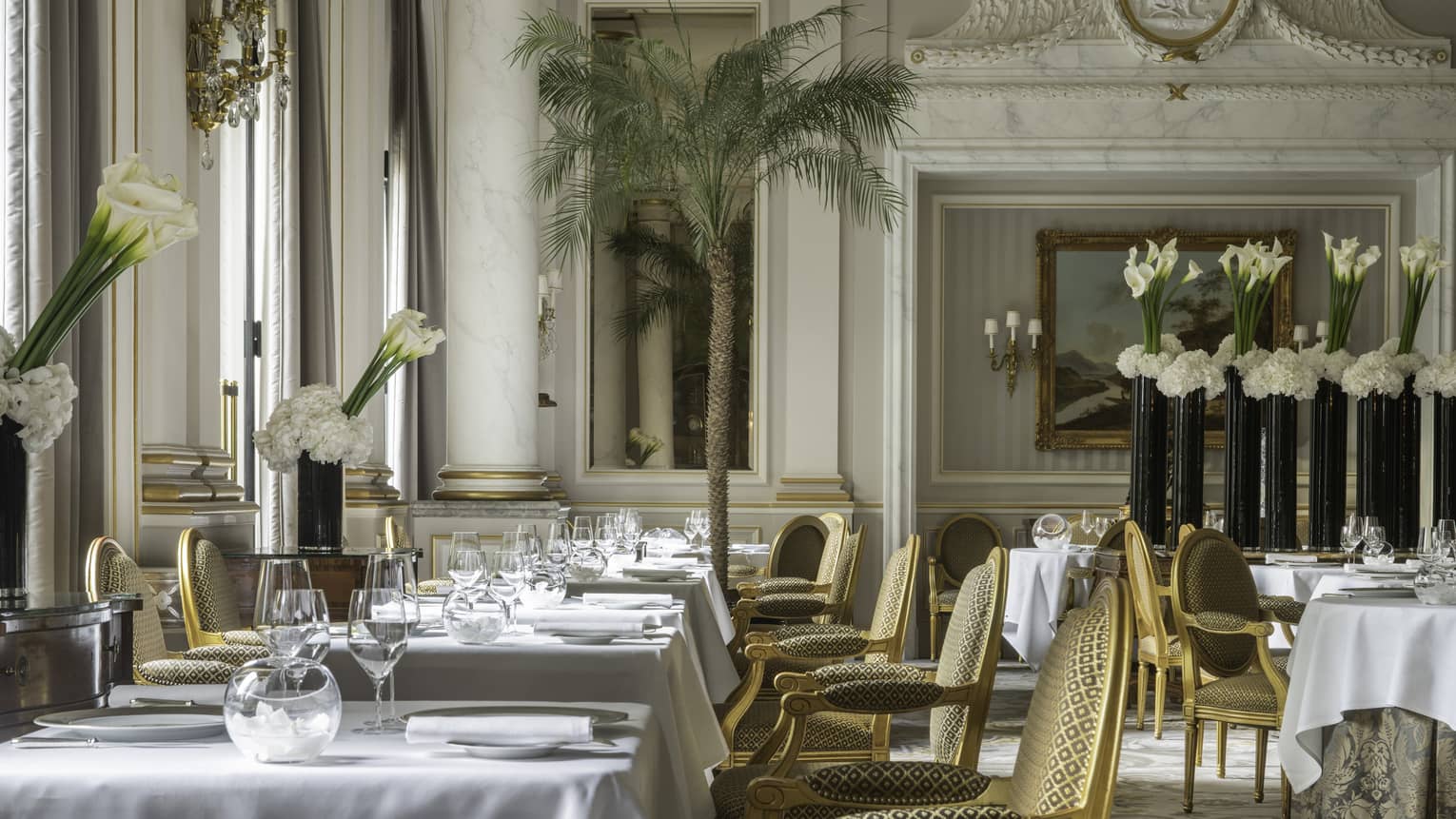
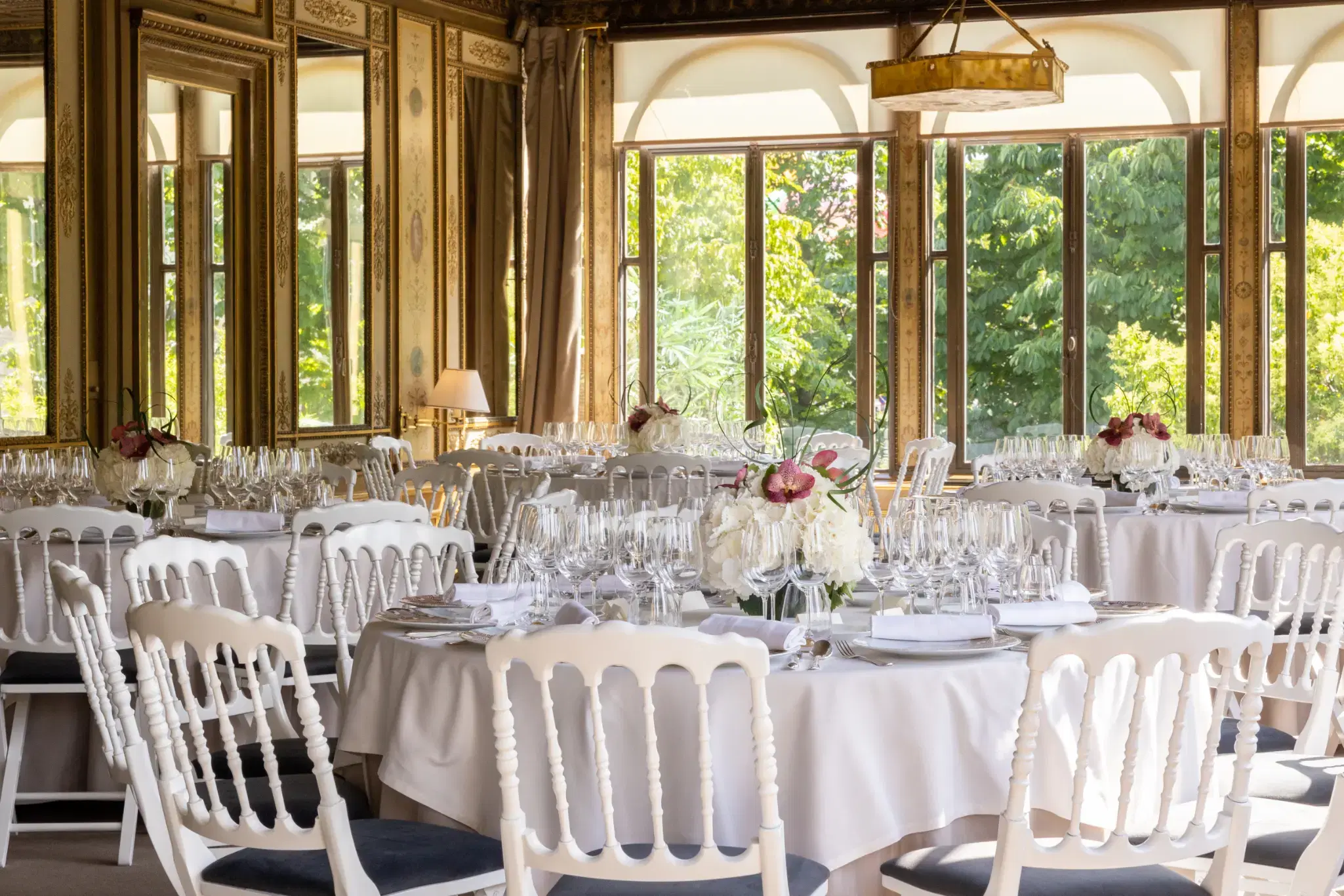
Bars in Paris
Browse all →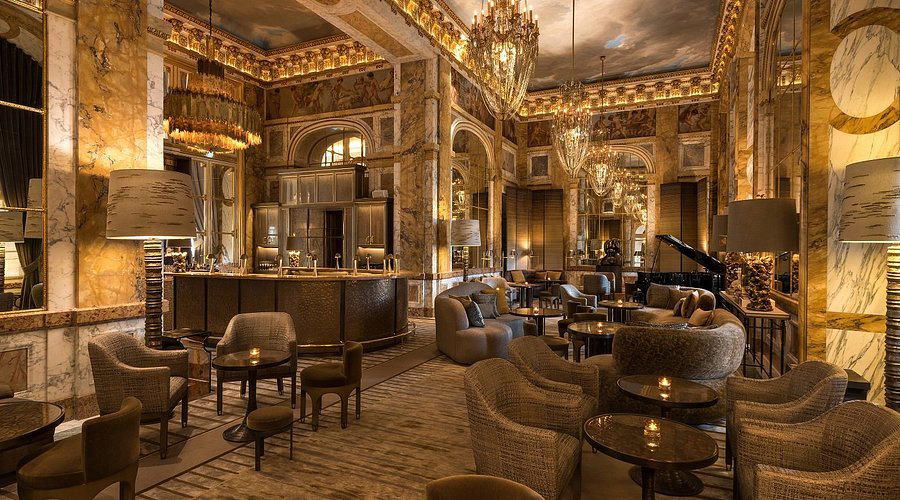
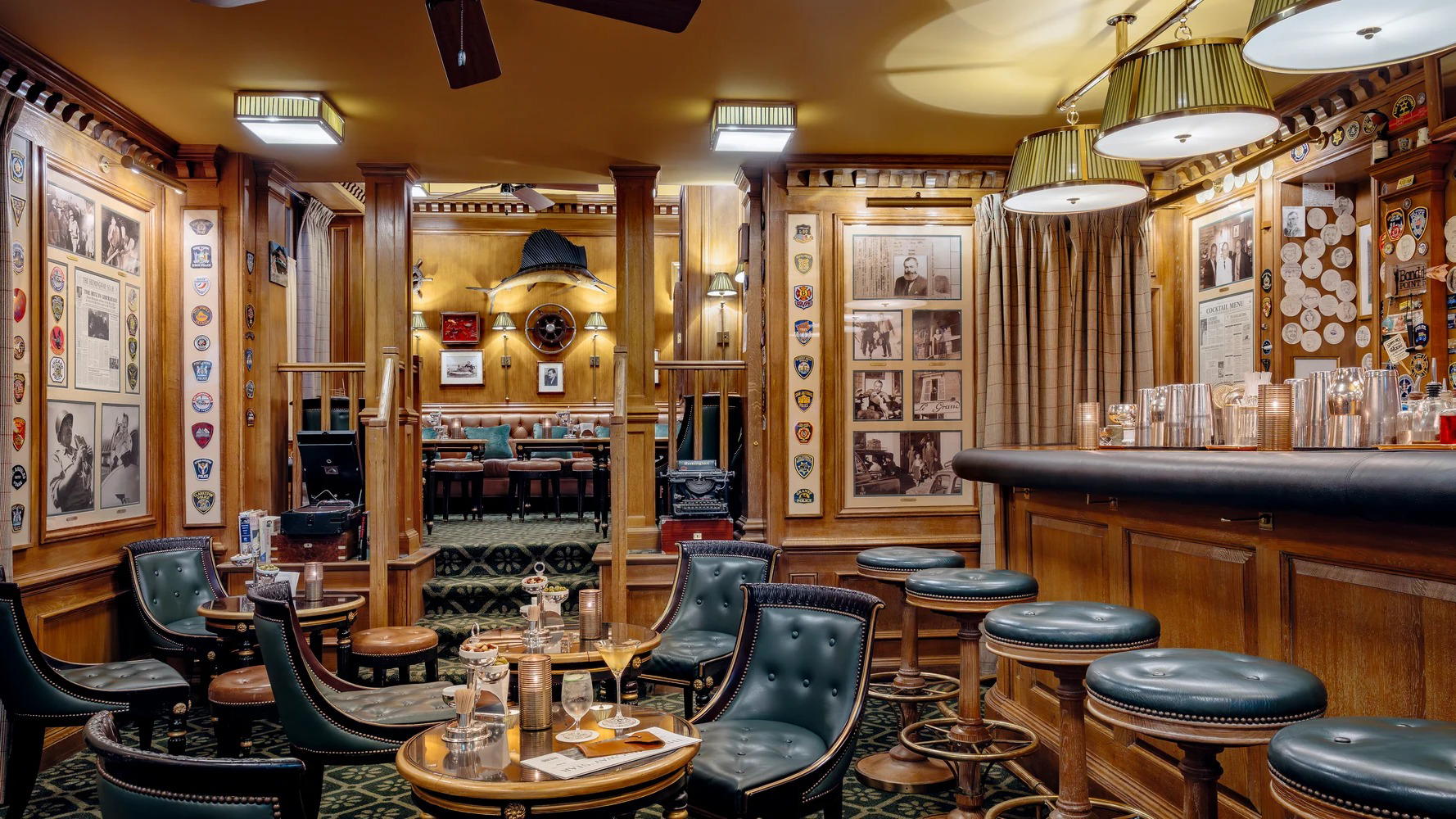
Hotels in Paris
Browse all →



At a Glance
- Classic
- Well Known
- Elegant
- Date Night
- Special Occasion
- Historic Building
- Terrace
- Extensive Wine List
- Street Scene
Current opening hours
- Monday
- 12–3 PM, 7–11 PM
- Tuesday
- 12–3 PM, 7–11 PM
- Wednesday
- 12–3 PM, 7–11 PM
- Thursday
- 12–3 PM, 7–11 PM
- Friday
- 12–3 PM, 7–11 PM
- Saturday
- 12–2:30 PM, 7–11 PM
- Sunday
- 12–2:30 PM, 7–11 PM
Hours can change for holidays and private events. Last verified .
Classic old-school bistro with red and white checkered tablecloths, wicker chairs, cozy interior, and warm welcoming atmosphere.