Our verdict
Aux Dés Calés 18 - Moreau sits on Rue Hégésippe-Moreau in the 18th arrondissement, a street that runs through one of Paris's most textured working neighbourhoods, where Montmartre's tourist edge gives way to something quieter and more residential. The address alone positions it in a tier of Paris dining that operates well outside the grand boulevard circuit, where the rhythm of service and the character of the room tend to differ sharply between lunch and dinner.

Pearl is the En Primeur Club membership app, where members save venues, book tables and use the concierge.

The 18th Arrondissement at the Table
Paris's 18th arrondissement has long operated as two districts in one. The upper slopes around the Sacré-Cœur draw millions of visitors annually, while the streets that fall away toward the Batignolles border, Rue Hégésippe-Moreau among them, belong to a quieter, more neighbourhood-oriented Paris. This is where boulangeries serve the same crowd every morning, where lunch trade comes from nearby offices and ateliers rather than hotel concierge lists, and where a restaurant's local reputation travels by word rather than by review aggregator. Aux Dés Calés 18 - Moreau occupies exactly this kind of address, and that geography shapes everything about how the place reads at noon versus how it reads after dark.
In cities like Paris, the lunch-versus-dinner divide is not merely a question of menu length or wine spend. It reflects a deeper split in who the room is for at any given hour. The grand dining rooms of the 8th, Le Cinq at the Four Seasons George V, Alléno Paris au Pavillon Ledoyen, maintain a certain theatrical consistency across services. Neighbourhood addresses in the 18th answer to a different logic: daytime belongs to the arrondissement, evening belongs to whoever finds the place intentionally.
Approaching the Room: What the Street Tells You
Rue Hégésippe-Moreau is a short, quiet street that connects the lower reaches of Montmartre to the edge of the Batignolles. At midday, the light falls flat and even across the pavement. There is no queue, no velvet rope, no branded awning competing for attention. The environment telegraphs a particular kind of confidence, the confidence of a place that does not need to explain itself to passersby. Venues on streets like this one, in neighbourhoods structured around everyday Parisian life rather than tourist transit, typically set their terms for the local community first and let reputation do the rest of the work.
That physical modesty is a recurring feature of Paris's more serious neighbourhood addresses. Compare the street presence of a place like this with the studied grandeur of L'Ambroisie on Place des Vosges or the architectural statement of Arpège on Rue de Varenne, and the contrast clarifies the category. Those rooms are designed to signal their tier from the pavement. Rue Hégésippe-Moreau offers no such signal, which is part of its character.
The Lunch-Dinner Divide in Practice
Across Paris's neighbourhood restaurant tier, daytime service tends to carry a different energy than evening. Lunch draws a more regular crowd: the same faces, shorter menus, faster turnaround, a rapport between staff and guest that takes months to accumulate. The dining room operates with less ceremony and more familiarity. In the 18th specifically, where residential density is high and the working population includes a broad cross-section of trades and professions, a lunch service can function almost like a canteen in the leading sense, predictable, honest, and calibrated for a two-hour window rather than an occasion.
Evening shifts the register. Guests arrive with more time, more intention, and often from further away. The room's mood changes. Whether the kitchen responds by extending the menu, deepening the wine list, or simply adjusting the pace of service varies by address, but the shift is consistent across this neighbourhood tier. Venues that handle both services well, that maintain kitchen quality across the span of a full day rather than concentrating effort on one peak, earn a particular kind of loyalty that no award committee can fully capture.
This is the lens through which Aux Dés Calés 18 - Moreau is leading understood: as a place anchored in an arrondissement's daily rhythm, where the real measure of quality is consistency across both services, not performance on any single high-stakes evening.
Where It Sits in the Paris Dining Map
Paris's dining scene has always distributed itself unevenly across arrondissements. Michelin-starred rooms concentrate in the 6th, 7th, and 8th. The city's most technically ambitious addresses, Kei in the 1st, Arpège in the 7th, operate in neighbourhoods where the foot traffic and tourist infrastructure support high price points and full booking calendars. The 18th operates at a different frequency. Its restaurants answer to a local economy, and the most respected among them earn that respect through reliability and value rather than through tasting menus and trophy wine lists.
For readers building a Paris itinerary that extends beyond the obvious tier, the three-star rooms, the grand brasseries, the hotel dining rooms, the 18th offers some of the most honest eating in the city. France's broader restaurant tradition, from Bras in Laguiole to Auberge de l'Ill in Illhaeusern, has always placed a high value on the neighbourhood address that earns its place through decades of consistent service rather than sudden critical attention. The 18th's leading tables operate in that tradition. See our full Paris restaurants guide for the broader picture across all arrondissements.
Planning Your Visit
The safest approach for any neighbourhood address in the 18th is to visit in person during morning hours to check the board and confirm service times, or to ask at a nearby hotel concierge who covers the arrondissement regularly. Lunch service at this category of Paris restaurant typically runs from noon to around 2:30pm, with dinner from 7:30pm onward, though these timings should be verified directly.
Peer Context at a Glance
| Venue | Arrondissement | Price Tier | Booking Lead Time | Primary Draw |
|---|---|---|---|---|
| Aux Dés Calés 18 - Moreau | 18th | Not confirmed | Not confirmed | Neighbourhood consistency |
| Kei | 1st | €€€€ | Several weeks | Franco-Japanese precision |
| L'Ambroisie | 4th | €€€€ | Weeks to months | Classic French at the summit |
| Le Cinq | 8th | €€€€ | Weeks ahead | Grand hotel dining format |
Frequently asked questions
What's the must-try dish at Aux Dés Calés 18 - Moreau?
At neighbourhood-tier Paris restaurants in this arrondissement, the daily specials written on a chalkboard, driven by market availability rather than a fixed menu, are typically where the kitchen's leading work appears. Asking the server what came in that morning is standard practice and usually the most reliable guide.
Is Aux Dés Calés 18 - Moreau reservation-only?
In the 18th arrondissement's neighbourhood restaurant tier, walk-in lunch is often possible on weekdays, while weekend evenings tend to fill earlier. The absence of a confirmed online booking system suggests direct contact by phone or in-person enquiry is the practical approach, consistent with how many smaller Paris addresses in this category operate.
What's the signature at Aux Dés Calés 18 - Moreau?
What defines addresses in this neighbourhood tier, and gives them their local authority, is consistency across the full menu rather than a single headline dish. The same principle applies to France's most respected regional houses, from Troisgros in Ouches to Les Prés d'Eugénie in Eugénie-les-Bains: the kitchen's identity is expressed across the whole service, not pinned to one plate.
How does Aux Dés Calés 18 - Moreau fit into the broader 18th arrondissement dining scene?
The 18th is one of Paris's most densely populated arrondissements, with a dining scene that skews heavily toward everyday neighbourhood eating rather than destination dining. Addresses on streets like Rue Hégésippe-Moreau compete primarily on local reputation and repeat custom, placing them in a different category from the award-circuit rooms of the 6th or 8th. For visitors building a fuller picture of Paris dining beyond the obvious tier, the 18th offers context that no amount of time at Alléno Paris au Pavillon Ledoyen or Le Cinq can provide. See the full Paris restaurants guide for neighbourhood-by-neighbourhood coverage.
At-a-Glance Comparison
Comparable venues nearby, for context on price, style, and recognition.
| Venue | Cuisine | Price | Notes |
|---|---|---|---|
| Aux Dés Calés 18 - MoreauThis venue (the venue you are viewing) | French Bistronomic Bistro | $30–50 | Not listed |
| L’Endroit | Bistronomic French Brasserie | $30–50 | Batignolles |
| Le Truffaut | Modern French Bistro | $30–50 | Batignolles |
| BANG | Contemporary French Bistro | $30–50 | Place-Vendôme |
| Le V | Mediterranean Fusion French | $50–100 | Étoile |
| L'Officine | Traditional French Bistro | $30–50 | 11th Arr. |
Continue exploring
More in Paris
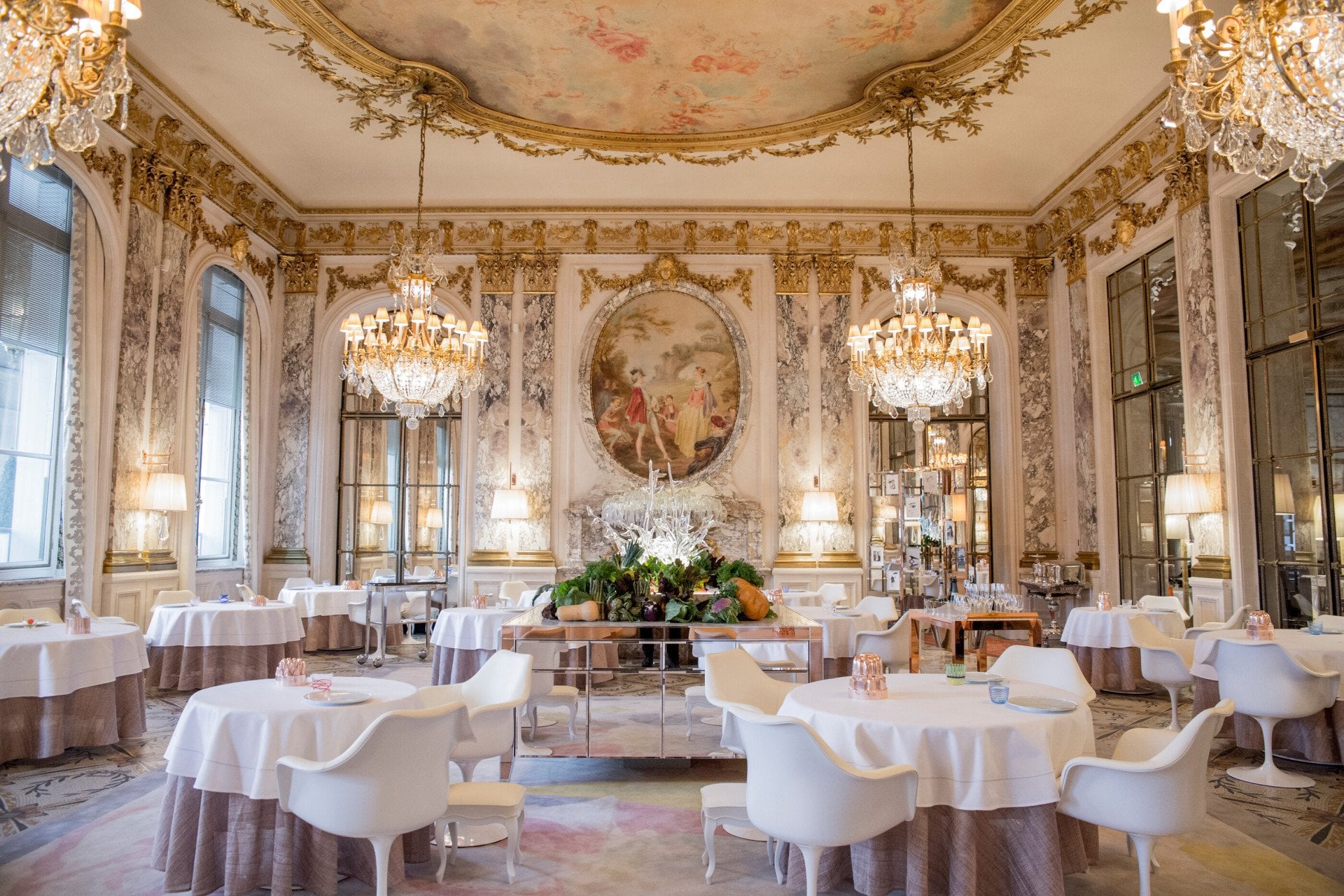
Restaurants in Paris
All restaurants in Paris →
Bars in Paris
All bars in Paris →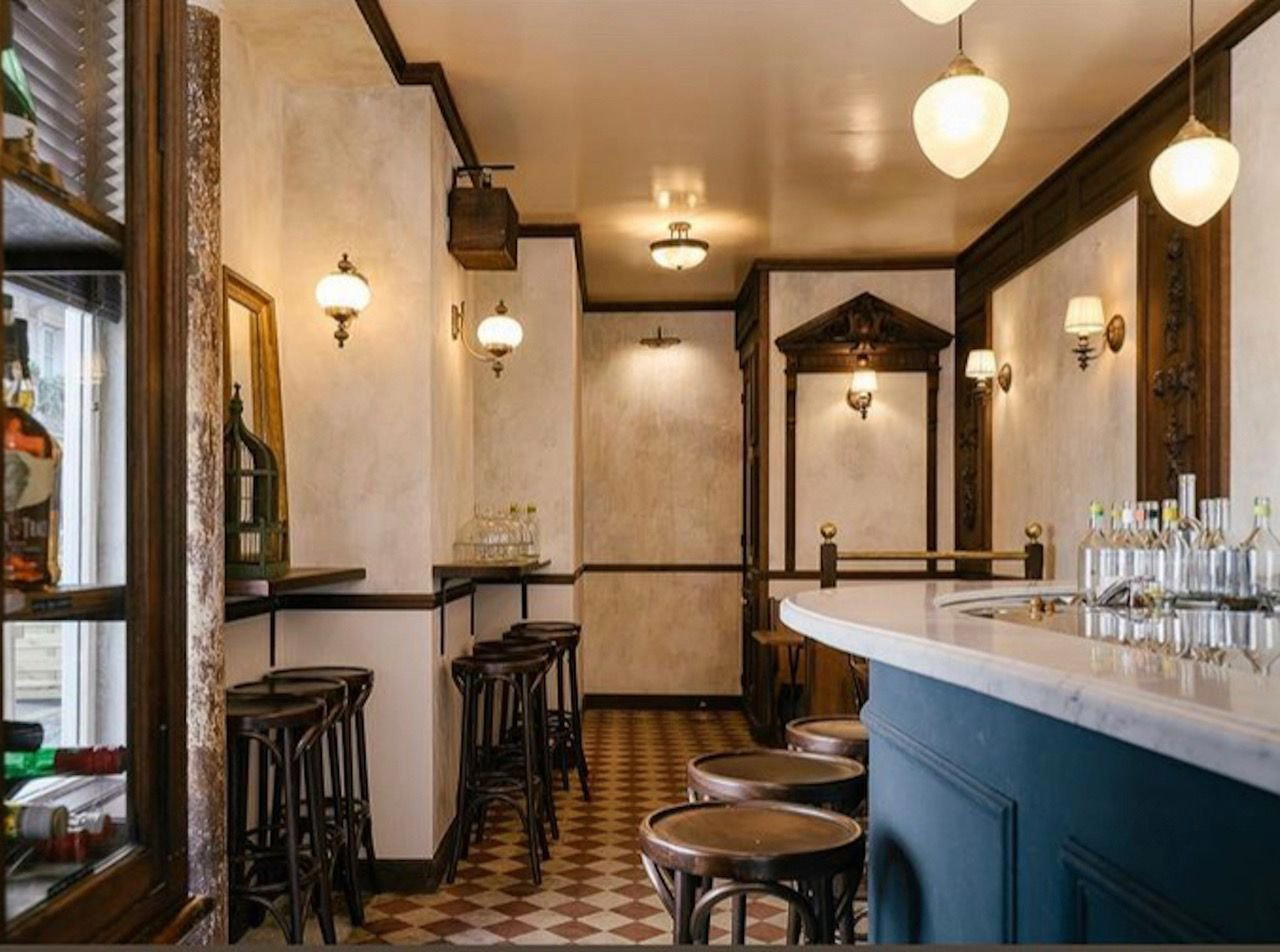
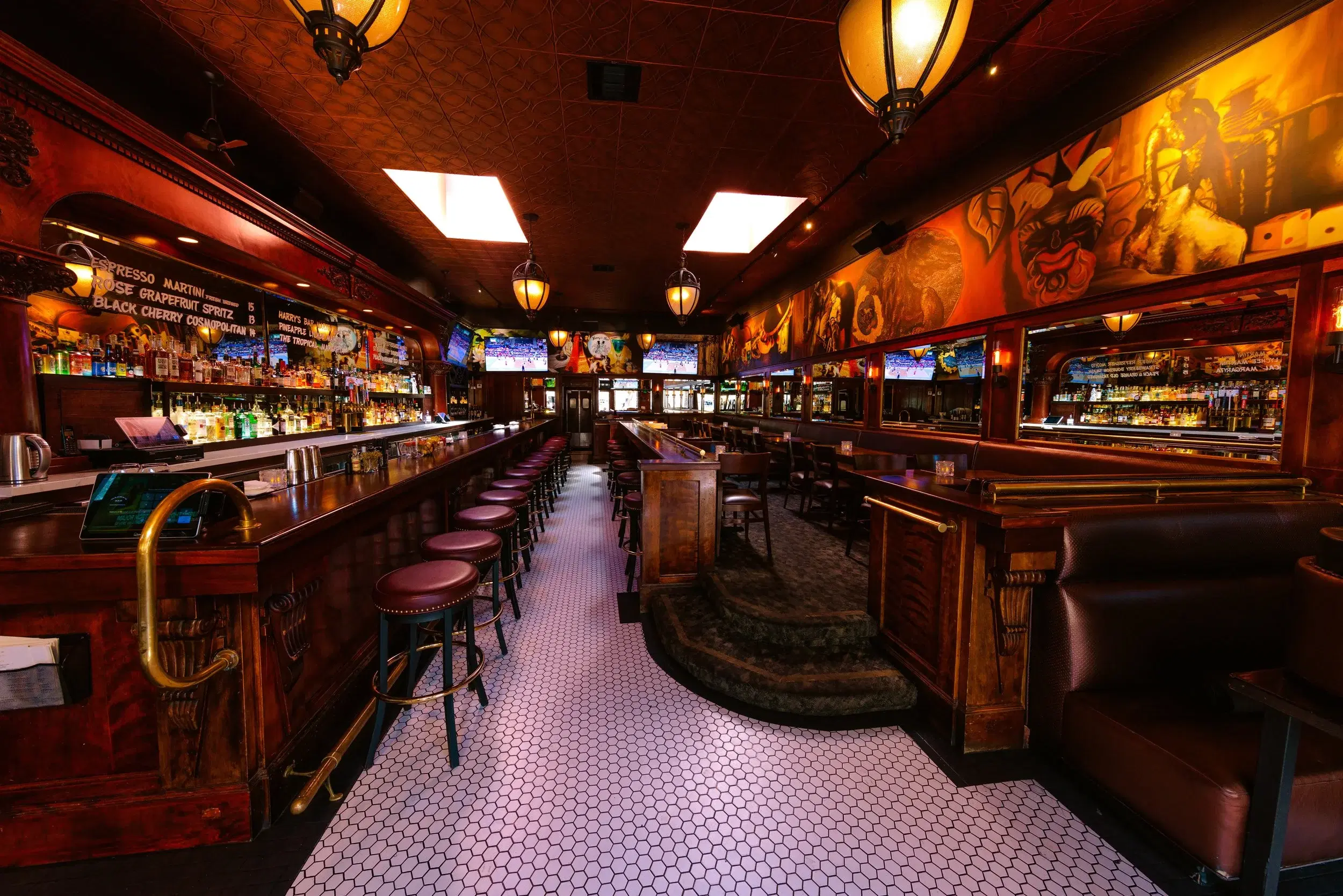
Hotels in Paris
All hotels in Paris →
Details
- Cozy
- Classic
- Intimate
- Casual Hangout
- Family
- Brunch
- Terrace
- Organic
- Local Sourcing
- A La Carte
Current opening hours
- Monday
- 11 AM–1 AM
- Tuesday
- 11 AM–1 AM
- Wednesday
- 11 AM–1 AM
- Thursday
- 11 AM–1 AM
- Friday
- 11 AM–2 AM
- Saturday
- 11 AM–1 AM
- Sunday
- 11 AM–12 AM
Hours can change for holidays and private events. Hours as of .
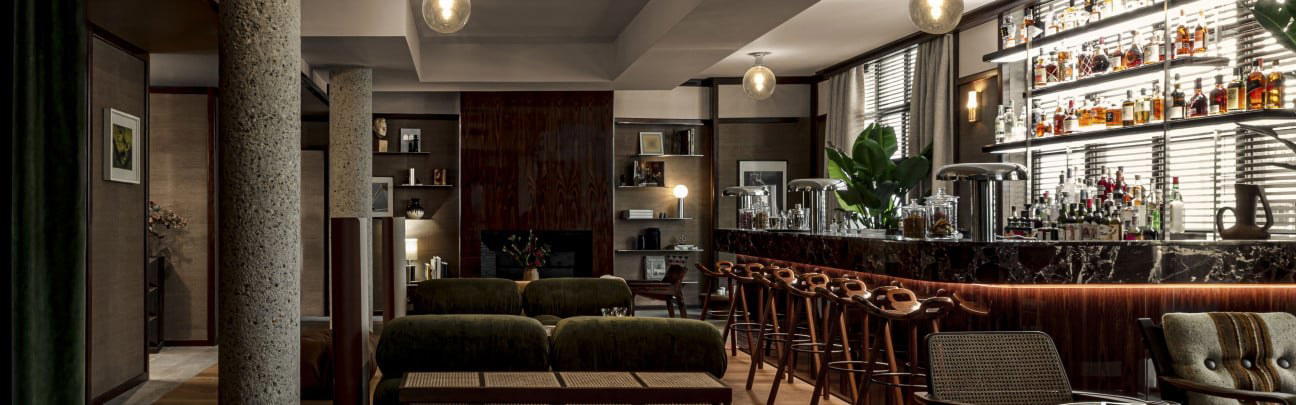
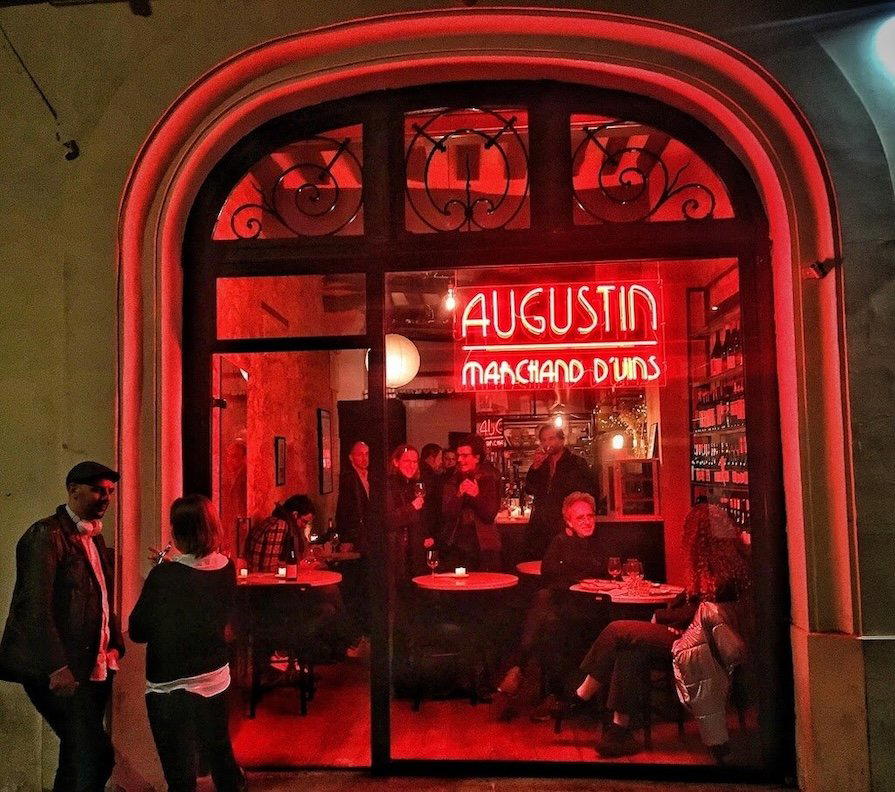
Warm and welcoming bistro lighting fostering a cozy, friendly vibe for sharing meals and relaxing.