
Tabelog 100 #47
Our verdict
Eric South Masala Diner brings South Indian cooking into the Shibuya-Jingumae dining circuit, with Tabelog 100 recognition for Asian and ethnic cuisine in Tokyo from 2022 through 2024. The appeal is cultural as much as practical: a modern Indian diner format, vegetarian-friendly cooking, wine and cocktails, and an approachable price band for a city where serious dining often means a far steeper bill.

Pearl is the En Primeur Club membership app, where members save venues, book tables and use the concierge.
The menu
What to order
- South Indian meals (meals / thali)
- Biryani
- Dosa
- Stone-oven grilled spice dishes
From within Tokyo’s dense dining landscape, the room belongs to a particular city category: polished enough for a planned dinner, relaxed enough for a casual meal, and disciplined enough to be taken seriously by diners who track Tabelog lists as closely as Michelin announcements. Eric South Masala Diner sits in Tokyo, where fashion retail, coffee queues, and destination casual dining often overlap in the same itinerary. That setting matters. Indian food and Indian curry in Tokyo are no longer treated only as a side note to generic curry culture; they have become part of the city’s wider appetite for focused, repeatable specialties, from other Tokyo dining rooms in different idioms to curry-focused rooms across the city.
Indian cooking in a Tokyo diner register
Tokyo’s Indian dining scene has long been shaped by overlapping habits: the everyday curry-rice economy and the more focused restaurant wave that taught diners to distinguish set meals, grilled dishes, and vegetarian cooking traditions with greater precision. This restaurant operates closer to the second camp. Its public category is Indian and Indian curry, but the useful reading is narrower than a generic curry stop: a modern diner format that can support a more intentional meal. That combination places it away from the most functional office-lunch counter and closer to the city’s casual-specialist tier.
The Tabelog recognition for 2024 gives the room a concrete signal in a crowded field. Tabelog scores reward consistency and local diner confidence rather than international spectacle, which makes the recognition especially relevant for restaurants that sit below the luxury tasting-menu tier. In Tokyo, where attention can drift toward design-led hotel dining such as TRUNK(KITCHEN) or coffee culture around STREAMER COFFEE COMPANY SHIBUYA, an Indian and Indian-curry specialist needs more than novelty. It needs a clear reason for repeat use.
The format answers that problem neatly. It reads as useful for both smaller and more social meals without turning the food into banquet padding. That distinction is important in Tokyo, where many serious small restaurants resist flexibility. The room’s appeal is less about ceremony than range: a lunch or dinner built around Indian and Indian-curry cooking, with enough focus to carry a meal without the structure of a tasting menu.
Where spice, comfort, and Tokyo's casual-specialist tier meet
Indian cooking travels well in Tokyo because it matches several local dining preferences: rice-based meals, precise seasoning, vegetable competence, and controlled portions that do not require a long formal sitting. The broader city has trained diners to accept narrow specialization, whether that means compact counter formats, dessert-focused rooms, or small-format dining ideas. Indian food benefits from that same culture of focused appetite.
The appeal is clearest at dinner as well as lunch. This is not merely a commercial distinction; it changes how the cuisine is read. Spice, acidity, grains, sauces, and vegetable preparations become part of a table built for pacing, not just speed. Tokyo has become increasingly comfortable with that style of casual dining, especially in areas where hotel restaurants, coffee shops, and independent restaurants trade the same audience. For a wider map of that ecosystem, see Our full Tokyo restaurants guide, Our full Tokyo bars guide, and Our full Tokyo hotels guide.
The comparison with Tamawarai is instructive, even though the cuisines have little in common. Both belong to Tokyo’s specialist-casual logic: a defined tradition, a loyal audience, and a price structure that does not require luxury framing. TRUNK(KUSHI) and TRUNK(STORE) reflect another nearby pattern, lifestyle-led hospitality within Tokyo. Against that background, Eric South Masala Diner reads as the food-first counterpoint: less about brand atmosphere, more about a category that has earned repeat attention from local diners.
How to use it in a Tokyo itinerary
Strongest use case is not a trophy dinner. It is the intelligent mid-itinerary meal: when formal counters, tasting-menu rooms, and hotel dining have started to feel like a sequence of appointments, Indian and Indian-curry cooking offers heat, grain, sauce, and informality without dropping into convenience food. That makes it a practical choice for travelers moving through Tokyo, especially those who want a meal that can flex between a solo plan and a small group.
There is also a useful cultural point here. Tokyo’s international food scene is often judged through familiar high-profile lenses, but its Indian and Indian-curry restaurants have built serious local followings over years of repetition rather than grand announcements. The Tabelog 2024 placement confirms that this is not just a fallback. It belongs to a recognized Indian and Indian-curry conversation in Tokyo, the same city where travelers might also track specialist restaurants and curry addresses elsewhere in Japan.
Travelers building a wider cultural schedule can also cross-reference Our full Tokyo experiences guide and Our full Tokyo wineries guide. For readers comparing Japanese dining culture abroad, tightly focused formats in other cities show how clearly a narrow idea can travel.
Frequently asked questions
Is Eric South Masala Diner okay with children?
Publicly provided details here do not confirm a specific children policy. For family visits, check directly with Eric South Masala Diner before going.
How would you describe the vibe at Eric South Masala Diner?
It reads as a casual Tokyo dining option rather than a formal fine-dining room, with a focus on Indian and Indian-curry cooking. Its appeal is best understood through everyday usability and local recognition rather than ceremony.
What price level is Eric South Masala Diner?
Pricing at Eric South Masala Diner is listed as Dinner: JPY 3,000 - JPY 3,999; Lunch: JPY 1,000 - JPY 1,999.
What are the operating hours at Eric South Masala Diner?
Check directly with Eric South Masala Diner before visiting.
Where is Eric South Masala Diner in Tokyo?
Tokyo.
What's the signature at Eric South Masala Diner?
The listed categories are Indian and Indian curry, and the venue is associated with Tabelog recognition in 2024.
Price and Recognition
Comparable venues by price and recognition.
| Venue | Cuisine | Price | Awards | Notes |
|---|---|---|---|---|
| Eric South Masala DinerThis venue (the venue you are viewing) | Modern South Indian diner & curry house | $20–30 | Tabelog 100 #47 | Not listed |
| Spicy Curry House Ginza Hangetsu | Indian Curry House | $1–10 | Tabelog 100 #14 | Chūō, Indian Curry House |
| Sri Mangalam A/C Soshigaya-Okura Soshigaya ookura ten | Indian Curry | Not listed | Tabelog 100 #82 | Setagaya, Indian Curry |
| Ooiwa Shokudo | South Indian curry & Sri Lankan-style spice dishes | $20–30 | Tabelog 100 #79 | Suginami, South Indian curry & Sri Lankan-style spice dishes |
| COCHIN NIVAS | South Indian curry house | $10–20 | Tabelog 100 #26 | Shinjuku, South Indian curry house |
| Andhra Dining GINZA Ginza | Traditional South Indian Andhra cuisine | $20–30 | Tabelog 100 #44 | Chūō, Traditional South Indian Andhra cuisine |
Recognition history
Dated appearances from independent guides and award organizations, with the underlying list record or original source where available.
Tabelog 100 #47 · No. 47
Tabelog · Tabelog 100 - Asian cuisine / Ethnic cuisine - TOKYO - 2024
Continue exploring
More in Tokyo
Restaurants in Tokyo
All restaurants in Tokyo →




Bars in Tokyo
All bars in Tokyo →




Details
- Lively
- Modern
- Trendy
- Cozy
- Group Dining
- Casual Hangout
- After Work
- Solo
- Family
- Standalone
- Beer Program
- A La Carte
- Set Menu
- Counter Dining
- Beer
- Wine
- Cocktails
- Vegetarian Friendly
- Vegan Options
- Gluten Free Options
Current opening hours
- Monday
- 11:30 AM–2:30 PM, 5:30–9:30 PM
- Tuesday
- Closed
- Wednesday
- 11:30 AM–2:30 PM, 5:30–9:30 PM
- Thursday
- 11:30 AM–2:30 PM, 5:30–9:30 PM
- Friday
- 11:30 AM–2:30 PM, 5:30–9:30 PM
- Saturday
- 11:30 AM–2:30 PM, 5:30–9:30 PM
- Sunday
- 11:30 AM–2:30 PM, 5:30–9:30 PM
Hours can change for holidays and private events. Hours as of .
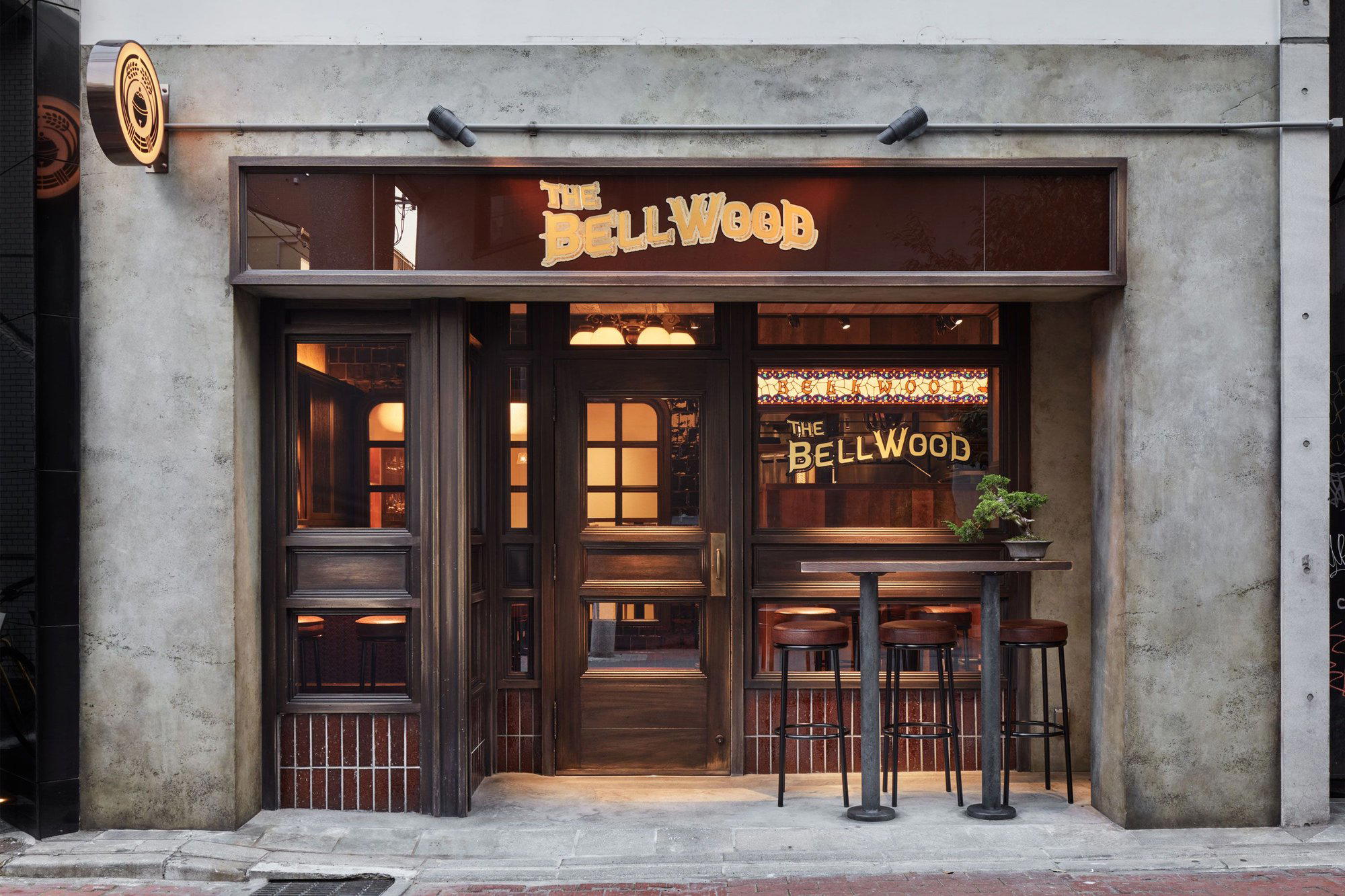
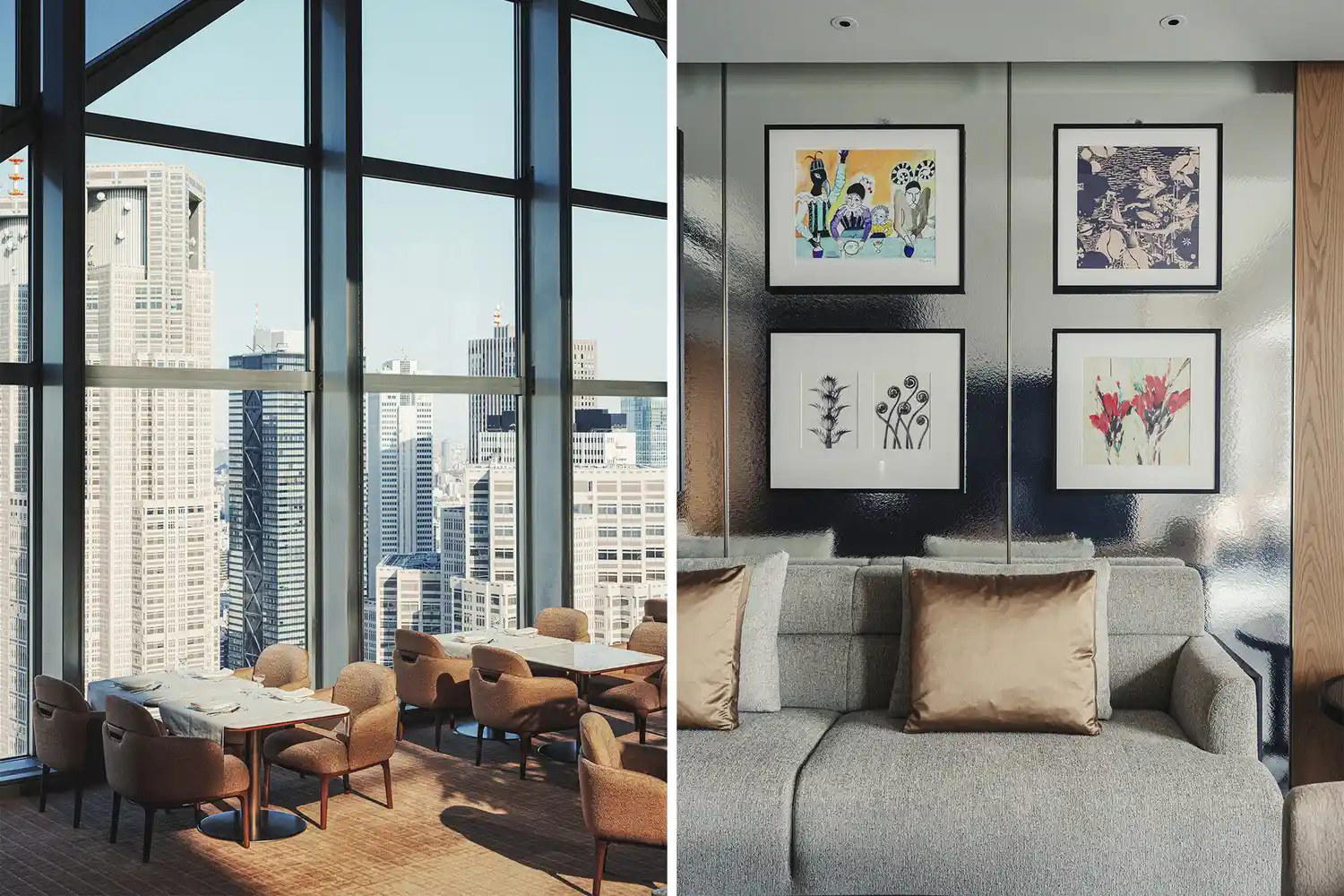
Casual, contemporary South Indian diner with counter, table, and sofa seating, designed for anything from solo meals to relaxed group gatherings with wine and cocktails.