
Tabelog 100 #44
Our verdict
Andhra Dining GINZA Ginza brings Andhra Pradesh cooking into Ginza’s polished dining grid without moving into luxury-restaurant pricing. The draw is menu structure: Indian curry, regional dishes, dining-bar flexibility, wine and cocktails, plus repeated Tabelog 100 selections in curry and Asian/ethnic categories that place it in Tokyo’s serious casual Indian tier.

Pearl is the En Primeur Club membership app, where members save venues, book tables and use the concierge.
The menu
What to order
- Togarashi Mutton
- Andhra Kodi Koora
- Andhra Pepper Chicken
- Tamarind rice
- Vegetarian Andhra thali
Ginza’s restaurant rhythm usually announces itself through hushed sushi counters, department-store dining floors, steak rooms and polished kaiseki addresses. Andhra cooking cuts a different line through that map: louder in spice logic, broader in table format, and less tied to the ceremonial pace that defines much of the neighbourhood’s expense-account dining. Andhra Dining GINZA Ginza sits on that fault line, using a menu built around Indian, Indian curry and dining-bar categories rather than the omakase or course-menu grammar that dominates nearby luxury rooms.
That distinction matters in Tokyo. Indian restaurants here often split between quick curry-lunch operations and regional specialists with deeper repertoires. Andhra Pradesh, in southeast India, carries a sharper, rice-forward, spice-driven identity than the generic North Indian template still common in international city centres. The Ginza address gives that cooking a different audience: office lunch regulars, shoppers moving between Ginza Itchome and Kyobashi, families, and diners who want regional Indian food without the theatre of a high-formality room.
Andhra structure in a Ginza dining room
The menu architecture is the story. Rather than relying only on curry-and-naan familiarity, the format stretches across snacks, appetisers, curries, breads and biryani, with the dining-bar classification allowing wine and cocktails to sit beside the food. That creates a broader meal than a standard curry stop, but it remains casual enough for repeat use. In a district where many recognised restaurants ask diners to commit to a set sequence, this kind of modular ordering gives the table more control.
Tokyo’s stronger Indian restaurants increasingly reward diners who look past the single curry plate. Here, the listed categories point to a house that can work in several modes: a quick rice-and-curry lunch, a shared table of regional dishes, or a longer evening with drinks. The restaurant’s health-and-wellness menu tag is less important as a slogan than as a signal of how Indian food is read in Tokyo: spice, vegetables, pulses and rice can sit comfortably inside the city’s everyday eating habits, not only as late-night comfort food or novelty dining.
Recognition gives useful context. Andhra Dining GINZA Ginza was selected for Tabelog 100 in Asian cuisine and ethnic cuisine in Tokyo for 2024, and its recognition history also includes curry selections from earlier years. In Tokyo, where Tabelog’s category lists function as a shorthand for serious local consensus, that places the restaurant among vetted casual specialists rather than destination-only fine dining. The Tabelog score listed at 3.60 reinforces the same point: this is not a luxury address trading on scarcity, but a durable neighbourhood-and-category performer.
Why regional Indian food reads differently in Ginza
Ginza sharpens comparisons. A diner choosing between this room and nearby Japanese formats is not deciding only between cuisines; the choice is between menu systems. Sushi, yakiniku, steak and kaiseki often organise the meal around hierarchy, sequence and controlled pacing. Regional Indian dining works through combination: rice with curry, bread with sauced dishes, snacks before shared mains, spice levels and textures moving across the table rather than arriving as a linear tasting menu.
The comparison venues around Ginza underline the range. 銀座 よし澤 speaks to the neighbourhood’s Japanese dining register, while Ushigoro represents the yakiniku side of Tokyo’s meat culture. Karyu and Dons de la Nature sit closer to the polished dinner-house lane, and Mercer Brunch Ginza Terrace reflects the area’s all-day Westernised dining demand. Against that field, Andhra cooking offers a lower-formality, more spice-led alternative without leaving the central Ginza orbit.
The restaurant’s 54-seat scale also matters. Tokyo’s acclaimed counters often trade intimacy for scarcity; a mid-sized room changes the social use of the place. It supports families, friends and group meals more naturally than eight-seat counters or chef-led tasting rooms. Private use is listed for larger groups, which explains why the format can bridge casual dinner, office gathering and regional-food exploration without forcing a single dining script.
There is no need to romanticise the room. The appeal is practical and culinary: a recognised Andhra specialist in a district better known for Japanese prestige dining and polished international rooms. That makes the restaurant useful for visitors who have already booked the sushi counter and want one meal that shows another side of Tokyo’s depth. The city’s dining culture is not only about refinement; it is also about how precisely imported and regional cuisines are adapted to local habits.
How to read it within a Tokyo itinerary
For travellers building a Tokyo food week, this is a smart counterweight to reservation-heavy meals. Pair it with a Ginza or Kyobashi afternoon, then save the more formal evening slots for counter dining elsewhere. Readers comparing neighbourhood options can use Our full Tokyo restaurants guide for broader restaurant planning, then cross-check drinking rooms through Our full Tokyo bars guide and hotels through Our full Tokyo hotels guide.
For a wider sense of how Tokyo’s casual categories stretch beyond Ginza, look at curry and casual specialists such as 3 Chome no Curry Ya San, visual café culture at 2D Cafe, grilled and izakaya-adjacent formats such as. 鮪と炭火焼き うお炭 秋葉原店, yakitori at 124. KAGURAZAKA (Yakitori), and Shinjuku dining at 12/10 Shinjuku ten.
Beyond Tokyo, Japan’s regional dining spread is just as instructive: -Grilled beef Sukiyaki- KAMAKURA TANUKIAN 鎌倉 たぬき庵 in Kamakura.cafe in Osaka.know in Kumamoto, (Shoku) Vietnam in Kawasaki, [Curry Senmon Ten] Maruyama Kyoju. in Sapporo and [ki:] in Kyoto show how specific formats travel across the country. For broader Tokyo planning, the city also has dedicated guides for wineries and experiences. International readers tracking Japanese-adjacent dining abroad may also compare Jōdo Saké Bar in Los Angeles and Onigiri Time in Pasadena.
Pricing, Compared
Comparable venues for context, by category and price tier.
| Venue | Cuisine | Price | Awards | Notes |
|---|---|---|---|---|
| Andhra Dining GINZA GinzaThis venue (the venue you are viewing) | Traditional South Indian Andhra cuisine | $20–30 | Tabelog 100 #44 | Not listed |
| Yappari India | Indian Curry House | $10–20 | Tabelog 100 #18 | Toshima, Indian Curry House |
| COCHIN NIVAS | South Indian curry house | $10–20 | Tabelog 100 #26 | Shinjuku, South Indian curry house |
| spice kitchen moona | Spice-driven Indian & Asian curry bar | $20–30 | Tabelog 100 #11 | Setagaya, Spice-driven Indian & Asian curry bar |
| negombo33 Kouenji | Indian-style curry & café | $10–20 | Tabelog 100 #55 | Suginami, Indian-style curry & café |
| Budouya | Indian curry & Izakaya | $30–50 | Tabelog 100 #9 | Chiyoda, Indian curry & Izakaya |
Recognition history
Dated appearances from independent guides and award organizations, with the underlying list record or original source where available.
Tabelog 100 #44 · No. 44
Tabelog · Tabelog 100 - Asian cuisine / Ethnic cuisine - TOKYO - 2024
Continue exploring
More in Tokyo
Restaurants in Tokyo
All restaurants in Tokyo →






Details
- Lively
- Cozy
- After Work
- Group Dining
- Solo
- Family
- Casual Hangout
- Business Dinner
- Standalone
- A La Carte
- Set Menu
- Beer
- Soft Drinks
- Vegetarian Friendly
- Vegan Options
Current opening hours
- Monday
- 11:15 AM–2:30 PM, 5–10 PM
- Tuesday
- 11:15 AM–2:30 PM, 5–10 PM
- Wednesday
- 11:15 AM–2:30 PM, 5–10 PM
- Thursday
- 11:15 AM–2:30 PM, 5–10 PM
- Friday
- 11:15 AM–2:30 PM, 5–10 PM
- Saturday
- 11:30 AM–2:30 PM, 5–9 PM
- Sunday
- 11:30 AM–2:30 PM, 5–9 PM
Hours can change for holidays and private events. Hours as of .
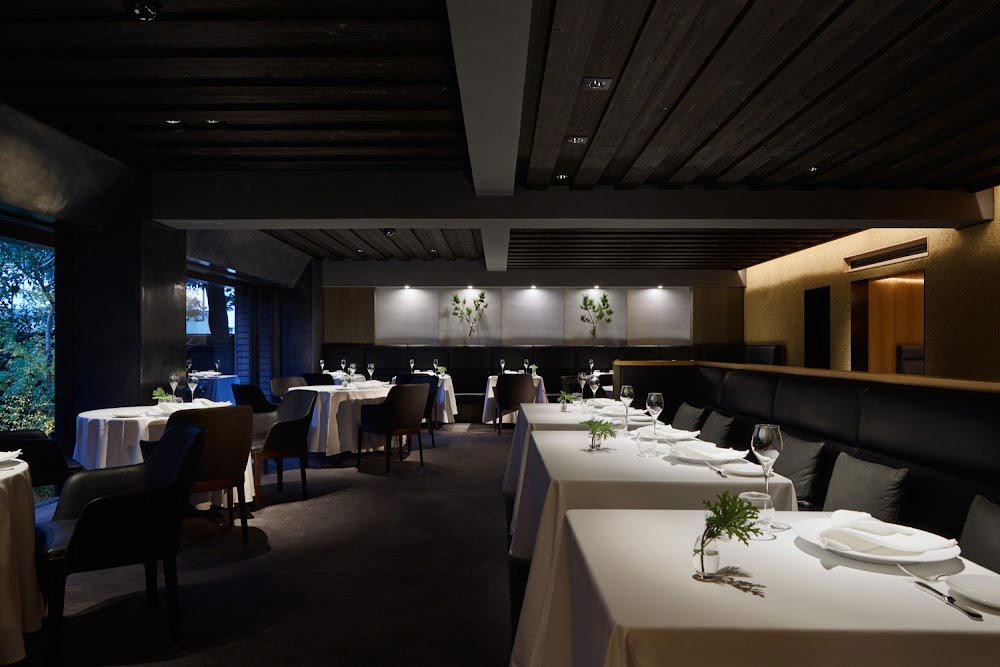
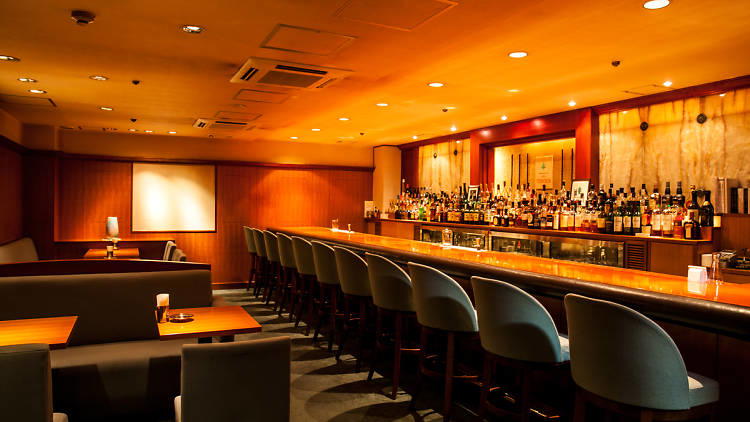
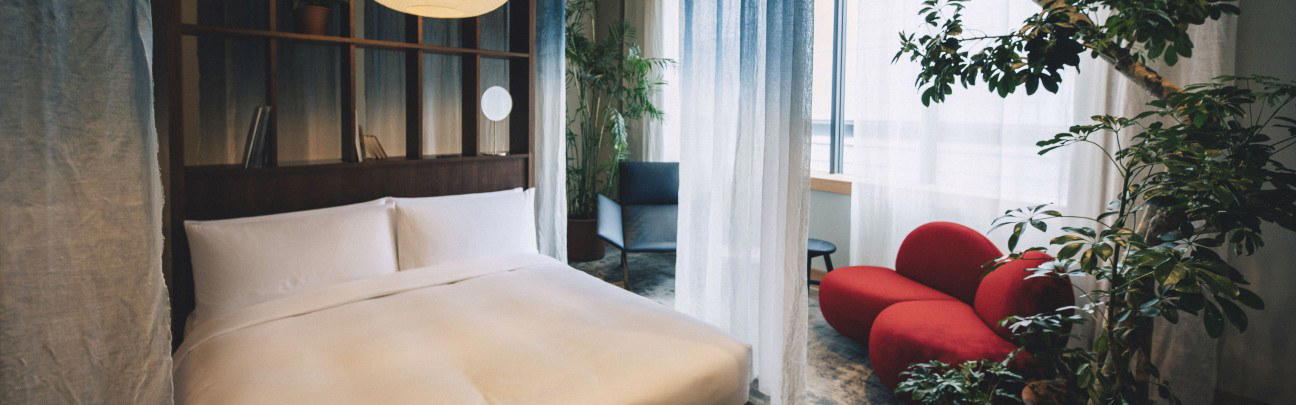
Compact second-floor dining room with simple, bright décor and closely set tables that create a bustling, casual atmosphere suited to business lunches and relaxed dinners.