Entrecôte occupies a measured position in Berlin's mid-to-upper dining tier, where the French brasserie format meets the city's appetite for reliable, ingredient-led cooking. Located on Schützenstraße in Mitte, it draws a crowd that wants clarity over complexity. The room and the format do most of the talking, this is a place built around a single, committed idea rather than a sprawling menu.
Pearl is the En Primeur Club membership app — saves, bookings, and concierge access live there. Same editors, same standards.
- Address
- Schützenstraße 5, 10117 Berlin, Germany
- Phone
- +493020165496
- Website
- entrecote.de
 Saves & bookings on Pearl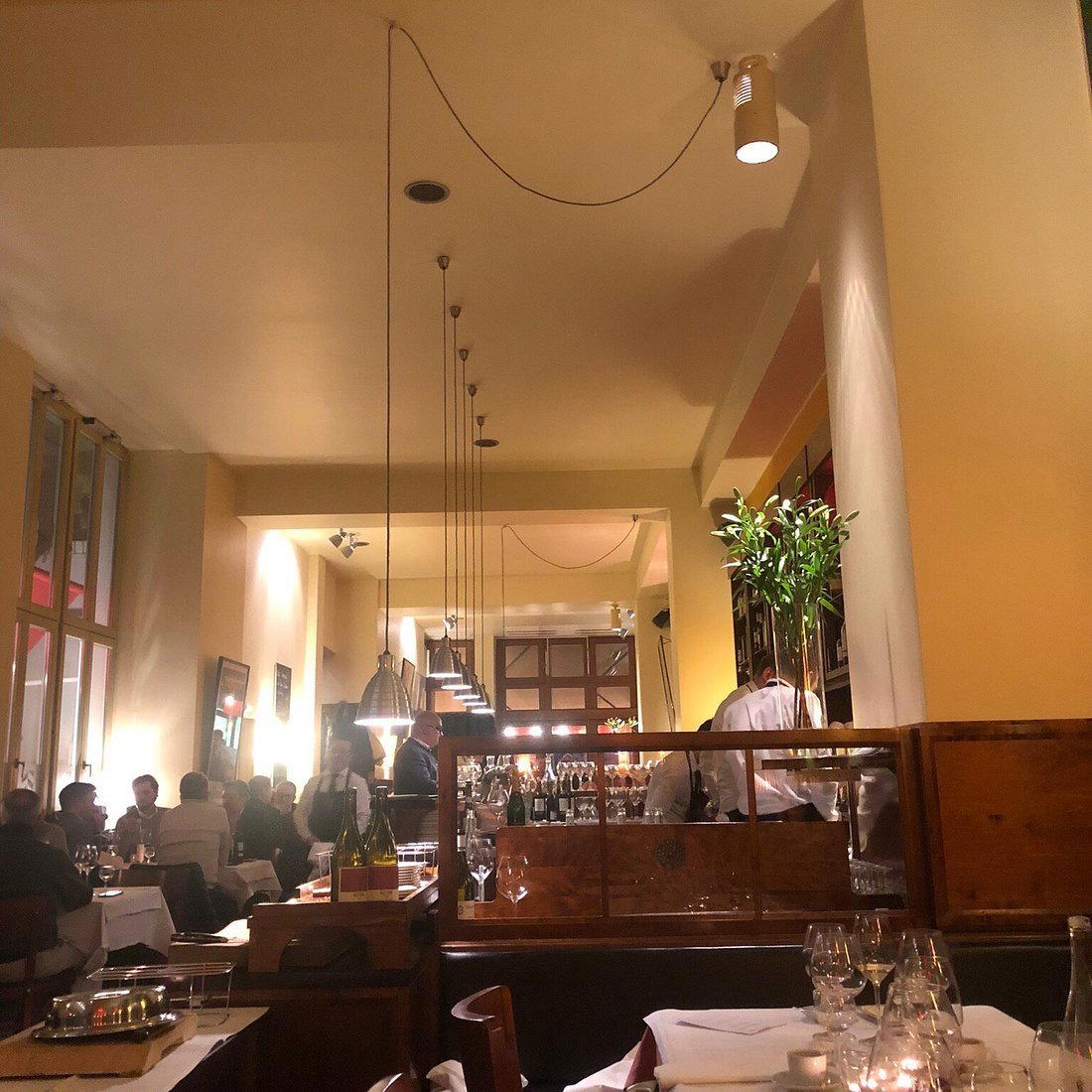
The Room Before the Menu
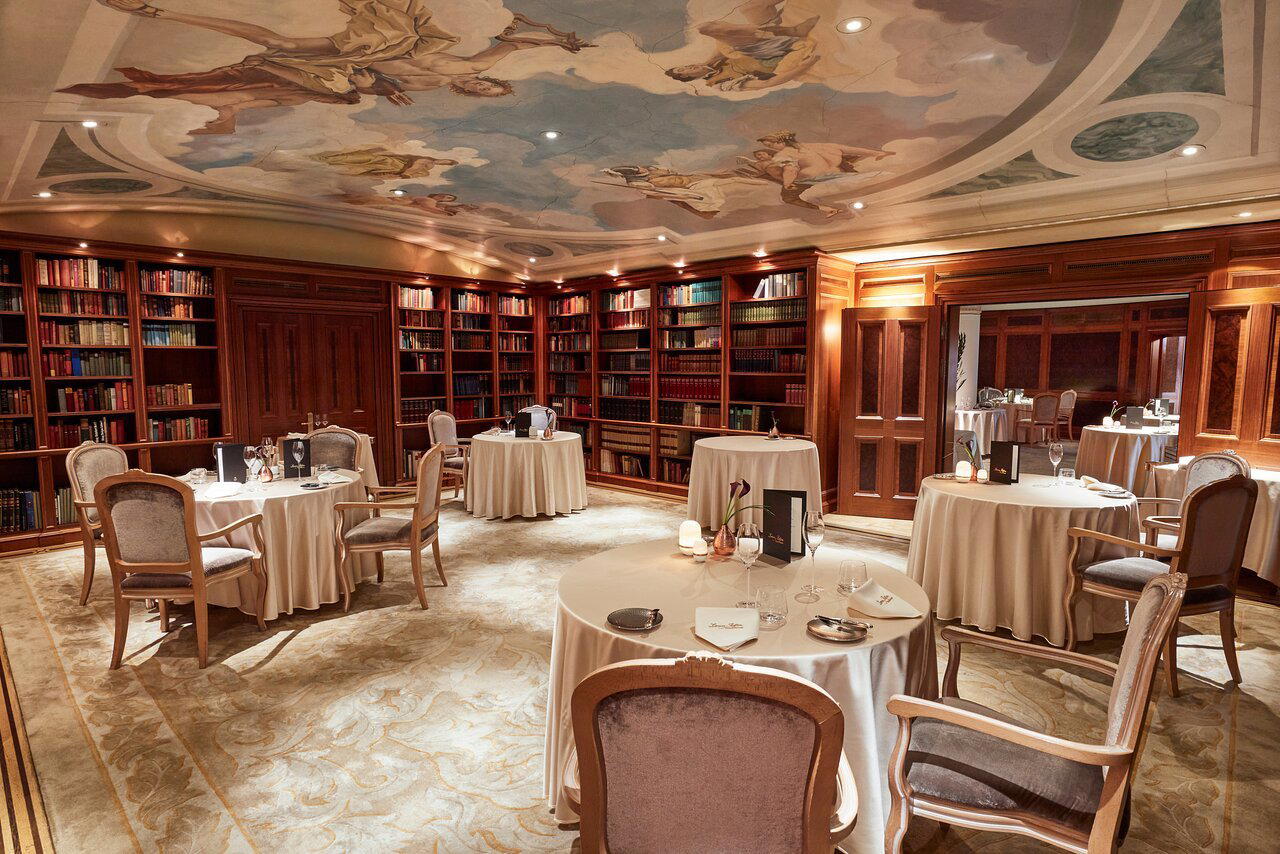
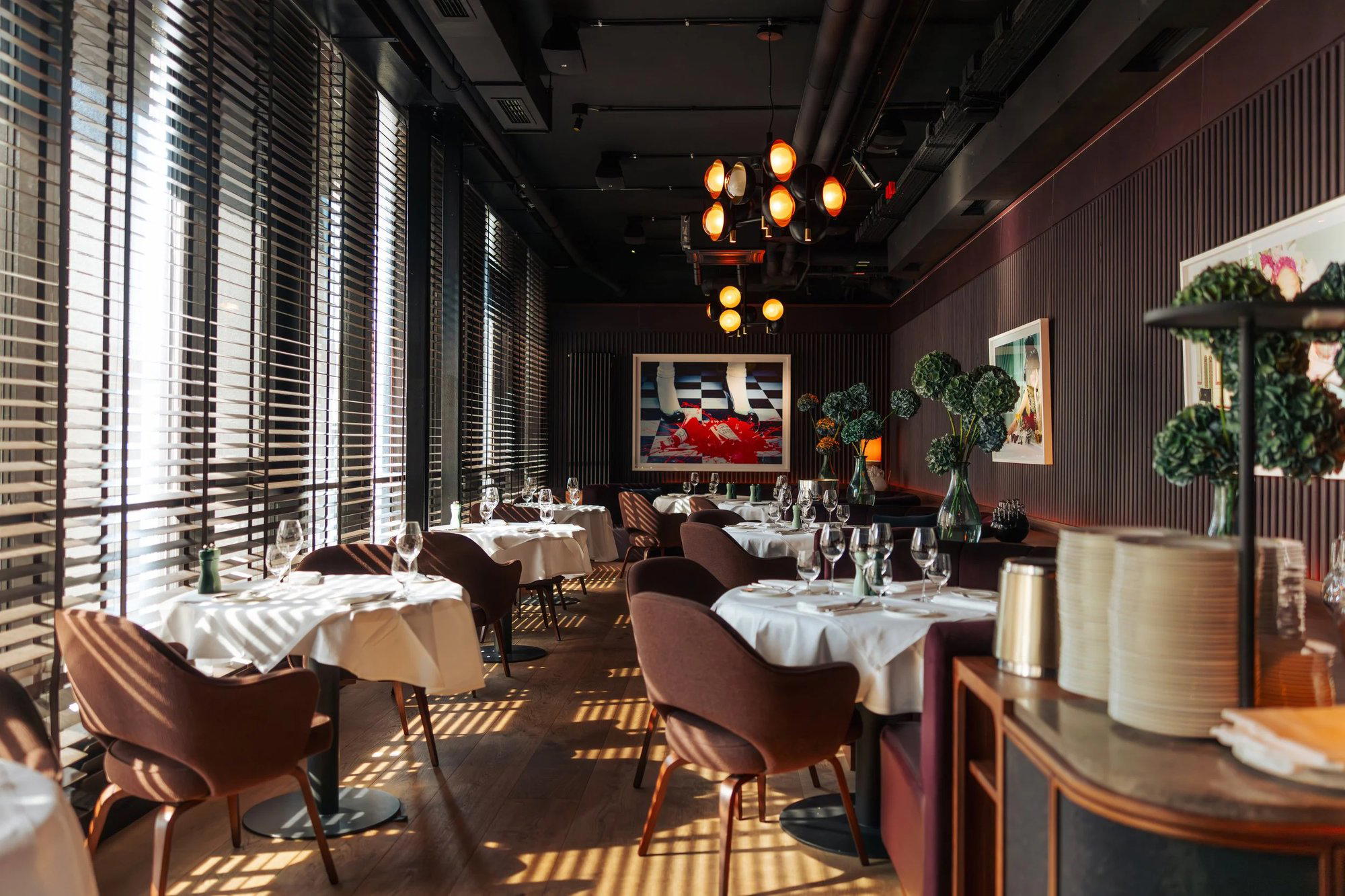
There is a recognisable grammar to the French brasserie interior, and Schützenstraße 5 speaks it without apology. The address sits in Mitte, Berlin, where the city's post-reunification commercial confidence expressed itself in solid, European-facing architecture. Walking in, the dominant impression is one of deliberate restraint: the kind of room that has been assembled to make the food, not the décor, feel like the event. Banquette seating, warm light at table level, the acoustic register of a full dining room operating at its intended capacity, these are the physical signals of a format that has been rehearsed across a century of French dining culture and landed, here, with reasonable conviction.
Rutz and Nobelhart & Schmutzig anchor the modern German end of the spectrum, both carrying Michelin recognition and a commitment to hyper-regional sourcing. FACIL and Restaurant Tim Raue operate at the tasting-menu tier, where the format itself signals ambition. Entrecôte sits at a different coordinate on that map: a single-concept format rooted in the brasserie tradition, where the proposition is legibility rather than discovery.
A Format Built Around One Cut
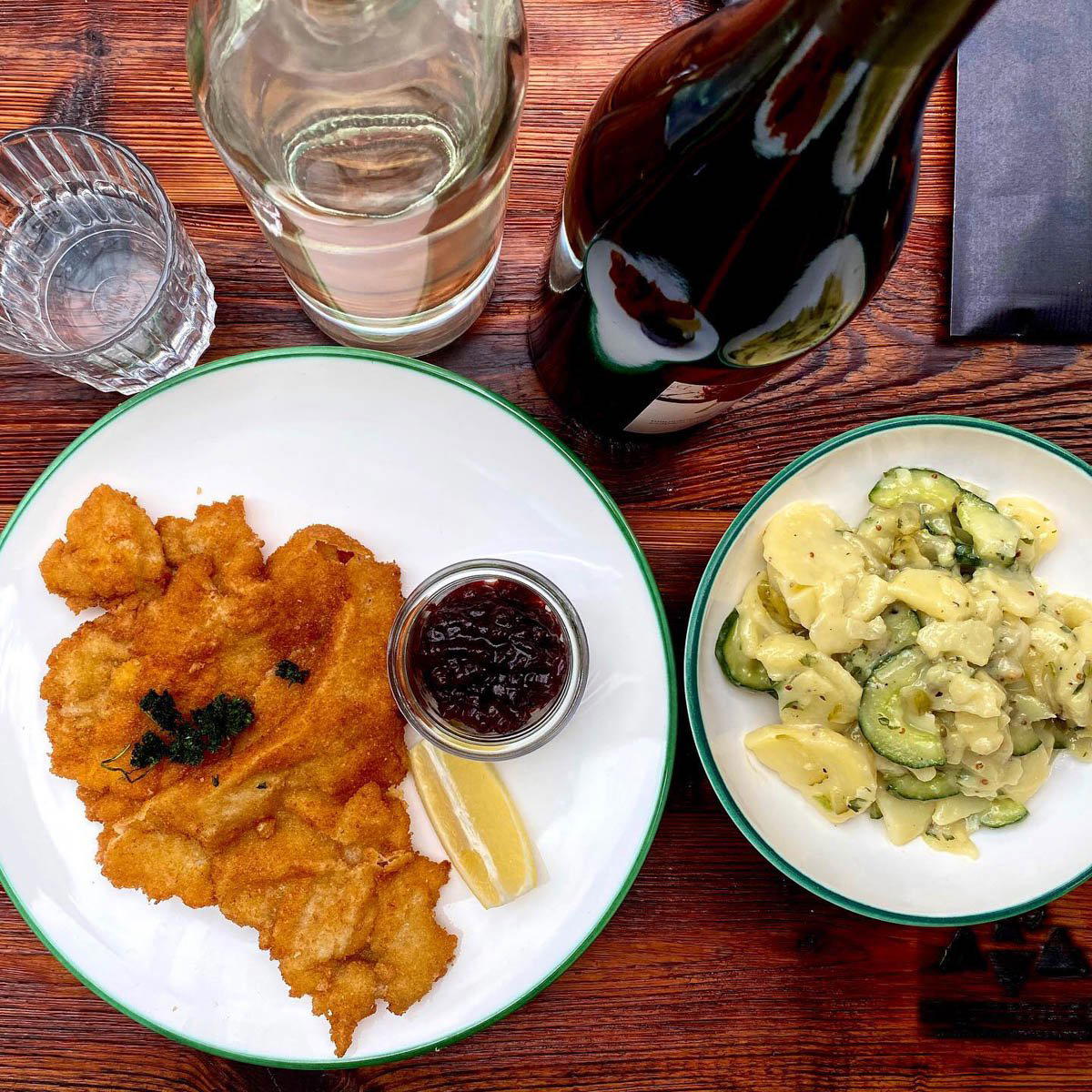
The brasserie model that Entrecôte follows has a clear logic: concentrate on one thing, do it with consistency, and let the room fill itself. Across French dining culture, this approach has produced some of the most durable restaurant formats in Europe. The entrecôte cut, sirloin, typically, with its balance of fat distribution and muscle, is the anchor. A green salad with walnut dressing arrives first. The steak comes with frites and a sauce whose recipe is treated, in the French tradition of such places, as the house's primary intellectual property. This is the entirety of the choice, and that is precisely the point.
The format removes decision fatigue entirely, which is a design choice as much as a culinary one. In a Berlin dining market where the creative-tasting-menu format has become the dominant idiom for ambitious restaurants, see CODA Dessert Dining for the furthest expression of that tendency, a room built around a single, classically French idea occupies a genuinely distinct position. The comparison is less with Michelin-holding peers and more with the category of Parisian institutions that have made the steak-frites format their entire identity: Le Relais de l'Entrecôte being the most referenced model.
Design Logic and the Physical Container
Address on Schützenstraße is worth pausing on. Mitte's Checkpoint Charlie corridor has evolved considerably since the 1990s, shedding its early post-Wall tourist-trap character in favour of a denser commercial and residential mix. The building stock here tends toward the late-20th-century European office-and-retail block: solid facades, street-level retail, moderate ceiling heights inside. A brasserie format fits this container well. It does not require the double-height drama of a converted brewery or the intimacy of a narrow backstreet space; it asks for reliable foot traffic, a recognisable shopfront, and enough interior volume to generate the acoustic warmth that makes a room feel alive at capacity.
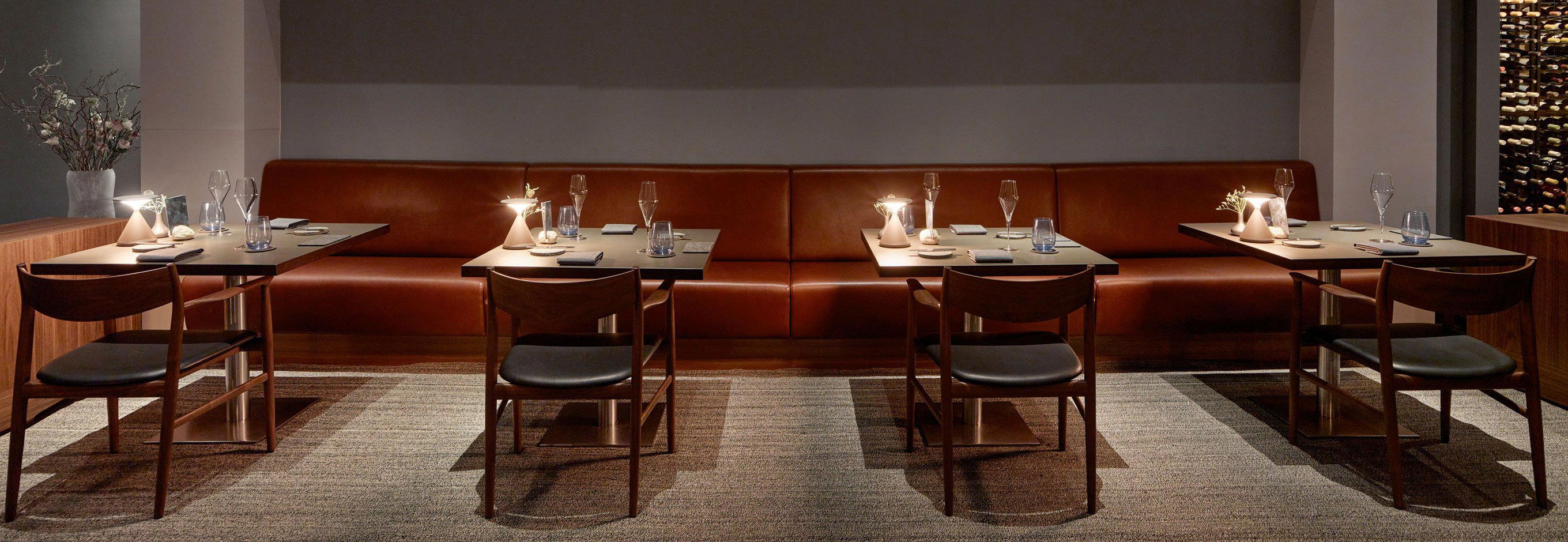
Seating arrangement in classic brasserie format prioritises throughput alongside comfort. Banquettes along walls create a sense of enclosure; smaller tables at closer spacing than you would find at a fine-dining address create the ambient energy that makes the format feel convivial rather than transactional. The physical logic of the room, in other words, is doing active work: it is making a promise about the kind of evening you are going to have before a plate arrives.
Across Germany, the restaurants operating in the upper bracket of the dining tier tend to make a different architectural argument. Schwarzwaldstube in Baiersbronn, Aqua in Wolfsburg, and Vendôme in Bergisch Gladbach all deploy space as a marker of seriousness: wide table spacing, natural light as a design material, rooms that communicate arrival. The brasserie format inverts this entirely. Compression is a feature, not a compromise.
Where Entrecôte Sits in the Berlin Tier
For the visitor building a Berlin itinerary that spans multiple dining registers, Entrecôte fills a specific gap: the no-agenda weeknight dinner, the pre-theatre slot, or the meal where the conversation is the point and the food is required to be good without demanding close attention. This is not a pejorative description. The restaurants that serve this function well, consistent, classically grounded, unbothered by trend, are frequently the hardest to sustain, because they lack the novelty premium that sustains media attention.
The wider German dining circuit rewards a different set of virtues. JAN in Munich, Waldhotel Sonnora in Dreis, and Schanz in Piesport operate in the Michelin three-star and two-star tier, where the format and the ambition are inseparable. Restaurant Haerlin in Hamburg and Bagatelle in Trier represent the regional fine-dining nodes outside Berlin. Entrecôte is not in conversation with any of them, which is itself a form of clarity. Internationally, the single-concept brasserie format finds its most recognised reference points at places like Le Bernardin in New York City, though the comparison is one of format discipline rather than category, since Le Bernardin operates at a considerably different price and ambition tier, or in the communal dinner-format logic of Lazy Bear in San Francisco, where a fixed, non-negotiable format is similarly the entire proposition.
The Minimal Set
Comparable venues nearby, for context on price, style, and recognition.
| Venue | Cuisine | Price | Notes |
|---|---|---|---|
| EntrecôteThis venue — the venue you are viewing | Mitte, Classic French Brasserie | $$$$ | |
| Brasserie Hélène | Schoneberg, Classic French Brasserie | $$$$ | |
| Le Faubourg | $$$ | Charlottenburg, Modern French with Regional Influences | |
| Bostich | Wilmersdorf, French-Swiss Bistro | $$$ | |
| Grand Cafe Saint-Germain | Charlottenburg, Classic French Brasserie | $$$$ | |
| Parc Fermé | Moabit, Contemporary French Fine Dining | $$$$ |
At a Glance
- Classic
- Elegant
- Cozy
- Date Night
- Business Dinner
- Special Occasion
- Standalone
- Street Scene
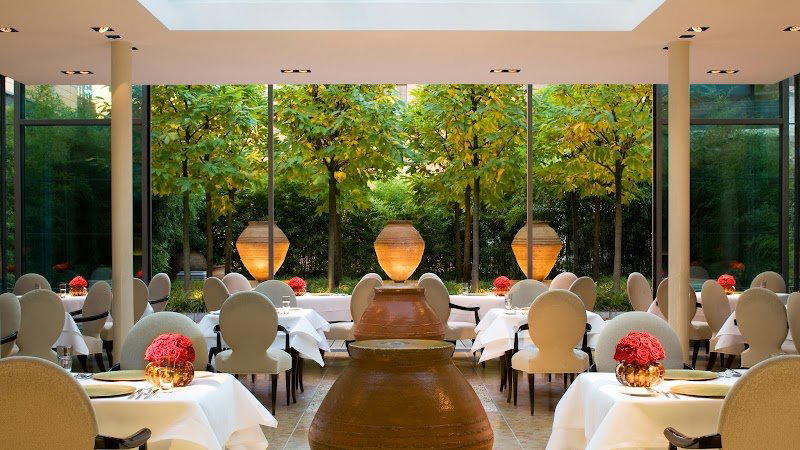
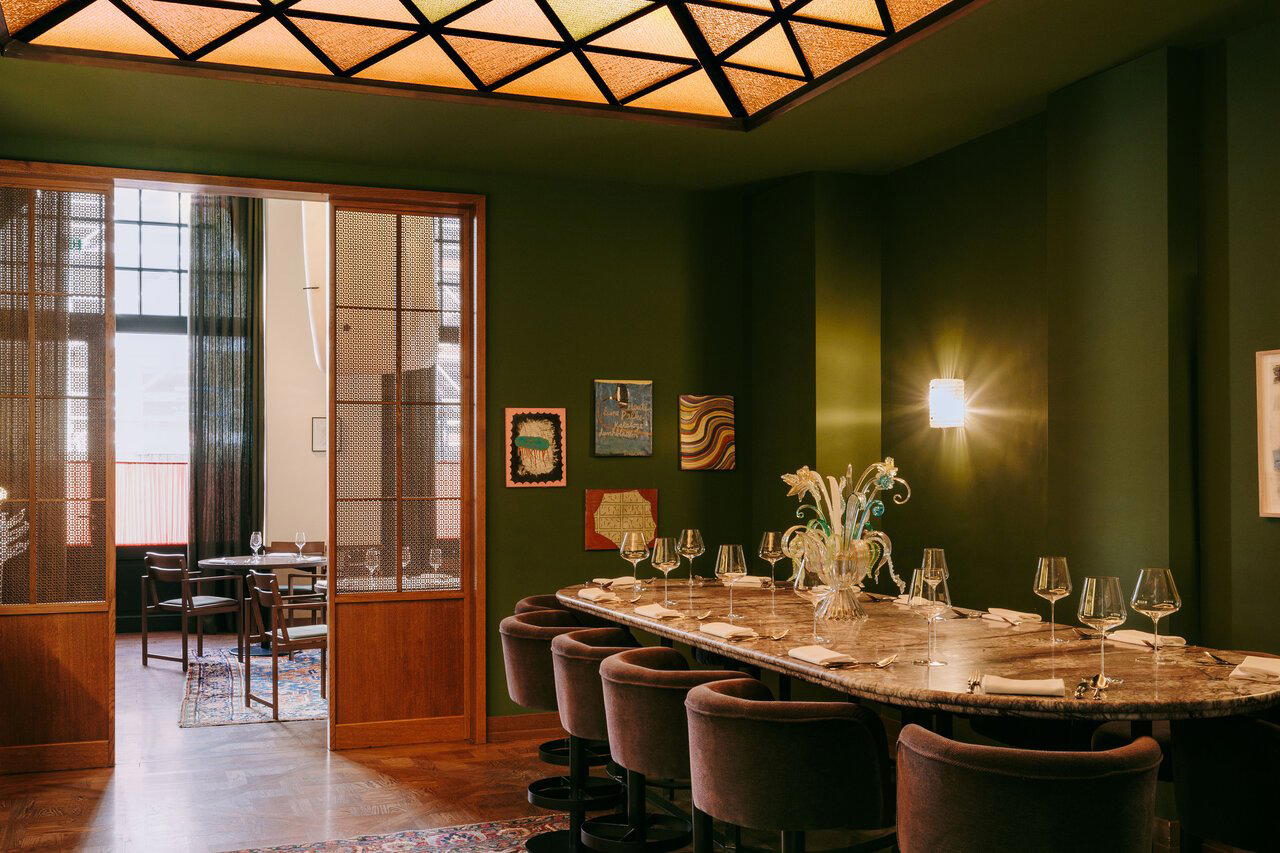
Classic French brasserie with white tablecloths, dark wood paneling, chic interior, and warm inviting atmosphere.