
Kyoto’s serious pizza conversation is not only about Naples-style orthodoxy; it also absorbs local produce, small-room service, and the city’s preference for controlled informality. en boca Kyoto sits in that lane, with Tabelog Pizza 100 selections across multiple years and a format that links pizza, vegetable dishes, meat dishes, wine, sake, and cocktails rather than treating pizza as a quick-service category.
Pearl is the En Primeur Club membership app — saves, bookings, and concierge access live there. Same editors, same standards.
- Address
- 京都府京都市中京区西洞院六角下ル池須町406
- Phone
- +81752530870
- Website
- enboca.jp
 Saves & bookings on Pearl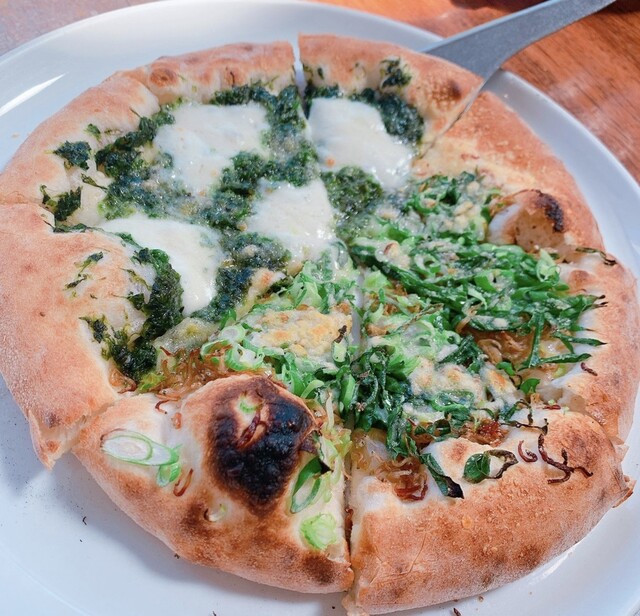
In central Kyoto, a meal changes block by block: machiya silhouettes, narrow streets, office workers between Karasuma and Oike, and dining rooms that appear only when the pace slows. Pizza here reads differently from Tokyo’s louder specialist districts. The stronger rooms feel less like turnover-driven pizzerias than small restaurants where the oven anchors a wider conversation among kitchen, drinks, and floor.
That frames en boca Kyoto: not an Italian transplant, but part of Kyoto’s habit of absorbing outside forms and making them quieter, more seasonal, and more service-led. Its Tabelog Pizza 100 recognition in 2025, with previous selections listed for 2023, 2021, 2019, 2018, and 2017, places it in a narrow national conversation: Japanese pizza restaurants that have moved beyond casual comfort into a judged specialty category. The point is not trophies; it is consistency across changing dining cycles, especially in a city where visitors default to kaiseki, tempura, soba, tofu, or sweets before thinking seriously about pizza.
Kyoto pizza when the oven is only part of the argument
Japan’s pizza culture has developed on several tracks. One is Neapolitan technical fidelity, where dough, oven management, and char form the grammar. Another is the restaurant model, where pizza shares space with vegetable plates, meat dishes, and drinks. Kyoto gives the second model room because it already understands meals as sequences rather than single plates. Kitchen and dining room collaboration matters: pacing, plate order, and treating vegetables and meat as part of the meal, not side notes.
The listed categories tell that story: pizza, vegetable dishes, and meat dishes. In Kyoto, produce is not decorative filler but a central dining language. The grouping separates the restaurant from cheaper café-pizza formats and single-focus counters where everything rises or falls on dough alone. Counter seats and tables create two speeds: close observation for diners who want the kitchen’s rhythm, and a social format for families or friends. Sake, wine, and cocktails push the experience away from slice-shop logic toward a flexible dinner house built around the oven.
Compared with Kyoto rooms such as Hirosawa, where Chinese cooking and a higher-price format set another expectation, or Umezono Cafe and Gallery, where sweets and lower spending define the visit, this sits in the middle of the city’s dining spectrum: serious enough for repeat national category recognition, relaxed enough to avoid the ceremonial weight of formal Kyoto dining. La famille Morinaga Restaurant, ima, and 浜作 occupy other parts of the local map. Kyoto rewards specialization, but also restraint. Pizza can belong here when the room understands that the city dislikes noise masquerading as energy.
Service is the hinge between casual format and serious meal
The team dynamic decides whether this format works. Pizza is unforgiving because its timing is public: a few minutes early or late and the table feels it. Vegetable and meat plates need another cadence, while drinks must land without turning dinner into a pairing lecture. The version depends on coordination between oven, kitchen, and front-of-house staff who can read whether a table wants a quick meal, a family dinner, or a longer evening over several plates.
That is why the reservation note matters without making the meal a hard-to-access trophy. Reservations are available, and guidance that walk-ins should call before visiting signals demand without scarcity theatre. The dinner drink policy similarly frames the evening as a restaurant experience rather than a seat for one pizza and water. In Kyoto, where small rooms balance residents, domestic travelers, and international guests, such rules shape dining culture.
The multilingual menu is another practical signal. Kyoto sees heavy international traffic, but not every serious local restaurant makes the experience legible in English. Here, accessibility does not imply dilution; it shows a front-of-house system built to reduce friction while preserving pace. Children are welcomed, strollers are accepted with a specific restriction on twin strollers, and private use is listed for larger groups. The room is built for more than date-night performance.
Tabelog’s Pizza 100 recognition gives a clear trust marker, but durability explains the reputation better. One selection can reflect momentum; repeated selections across several cycles suggest the format has stayed relevant as Japan’s pizza scene has become more crowded and technically ambitious. For travelers, it is a counterpoint to Kyoto dining clichés. It does not replace temple-adjacent tofu lunches or formal seasonal cuisine; it shows how Kyoto can make an imported category feel local through scale, pacing, produce, and service discipline.
How it fits into a Kyoto itinerary
This address works when a trip needs relief from formality without losing editorial standards. Lunch and dinner behave differently in Kyoto: midday often belongs to sightseeing routes and sweets stops, while evening lets smaller restaurants show more range. For a broader plan, pair this meal with the wider EP Club Kyoto edit, from Our full Kyoto restaurants guide to Our full Kyoto hotels guide, Our full Kyoto bars guide, Our full Kyoto wineries guide, and Our full Kyoto experiences guide.
Within the immediate dining orbit, read the city through contrast: 3TOKU6MI Shijo karasuma ten, 551蓬莱, [ki:], Abbesses, and Aburi Mochi Honke Nemoto Kazariya each point to a different Kyoto appetite. For wider Japan and overseas comparison, the same editorial map stretches to -Grilled beef Sukiyaki- KAMAKURA TANUKIAN 鎌倉 たぬき庵 in Kamakura. 鮪と炭火焼き うお炭 秋葉原店 in Tokyo.cafe in Osaka.know in Kumamoto, (Shoku) Vietnam in Kawasaki, [Curry Senmon Ten] Maruyama Kyoju. in Sapporo, Jōdo Saké Bar in Los Angeles, and Onigiri Time in Pasadena.
The verdict is practical: use this meal when Kyoto’s dining schedule needs looseness, not randomness. Its long run of category recognition, mixed food program, and drinks range make it credible for travelers who want the city’s contemporary casual side without generic international dining.
The Short List
Comparable venues by cuisine and category.
| Venue | Cuisine | Price | Notes |
|---|---|---|---|
| en boca KyotoThis venue — the venue you are viewing | Not listed | $$$ | Not listed |
| Cucina Italiana Todo | Not listed | $$$ | Nakagyō, Seasonal Italian Course Dining in Kyoto |
| Ristorante t.v.b | Not listed | $$$ | Higashiyama, Seasonal Italian fine dining with Kyoto influence |
| SCALAE | Not listed | $$$$ | Shimogyō, Modern Italian with Plant-Forward Options |
| Mescita Pane e Vino | Not listed | $$$ | Nakagyō, Italian Steakhouse with Aged Beef and Natural Wine |
| bar Kya Honkan | Nakagyō, Kyoto Bar | $$$ | Not listed |
Recognition history
Dated appearances from independent guides and award organizations, with the underlying list record or original source where available.
Tabelog 100 #53 · No. 53
Tabelog · Tabelog 100 - Pizza - 2025
Continue exploring
More in Kyoto
Restaurants in Kyoto
Browse all →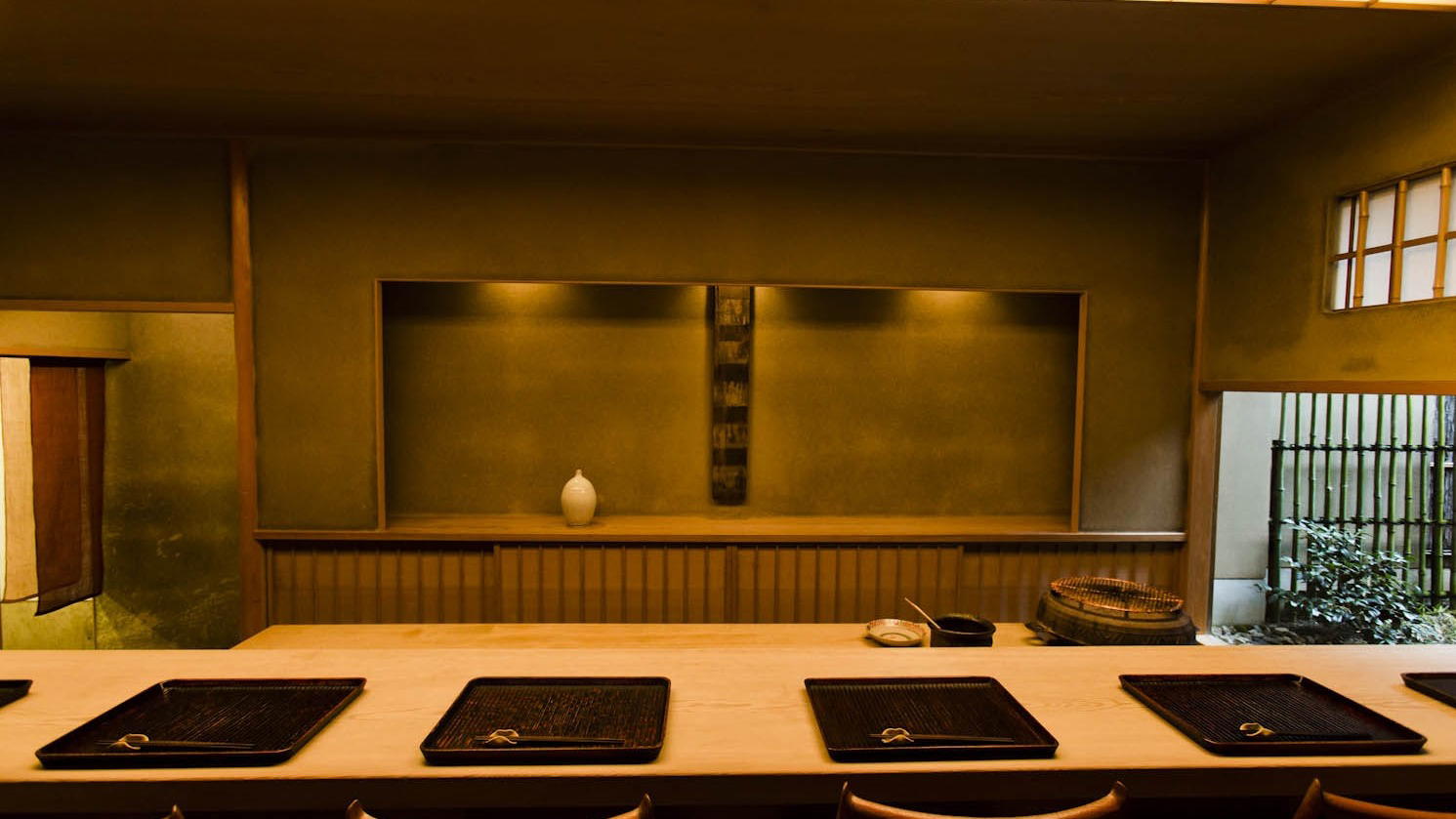
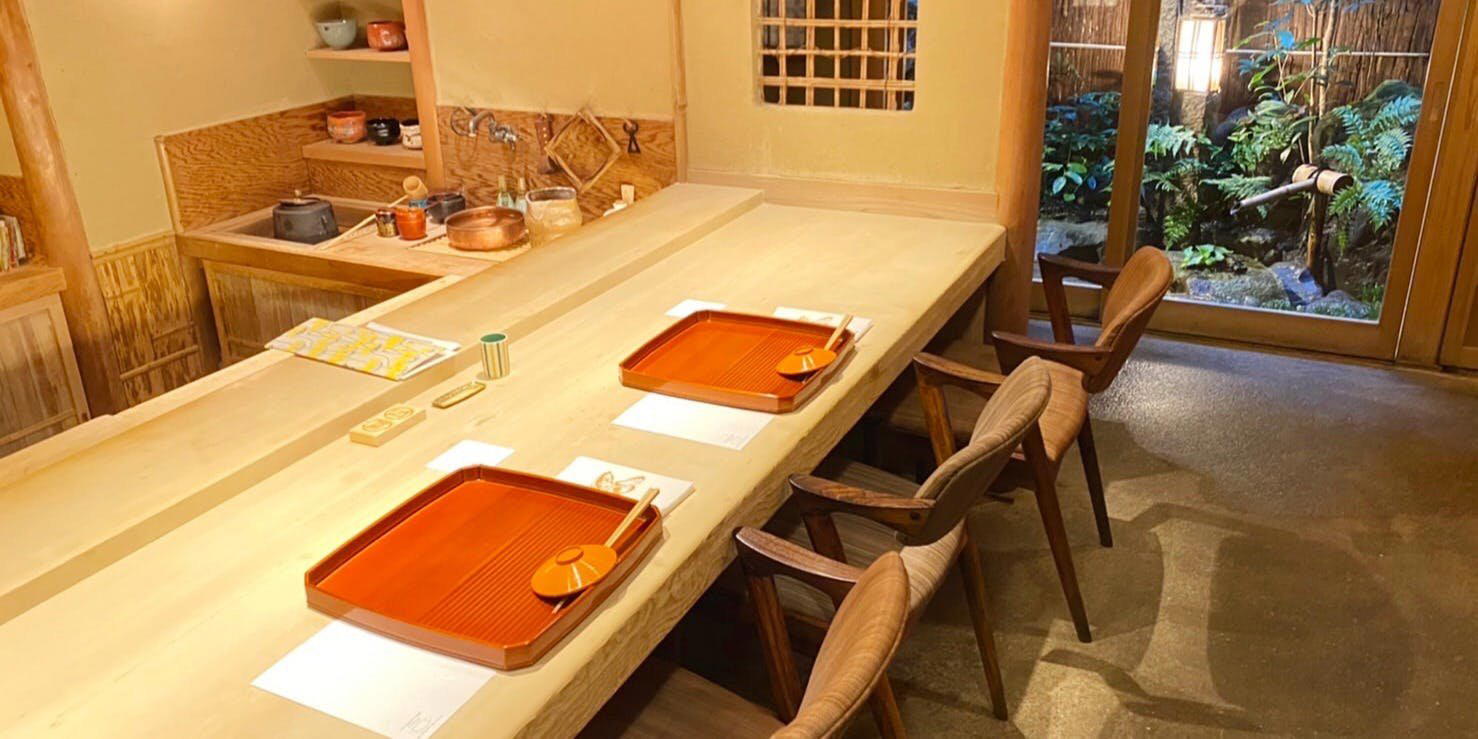
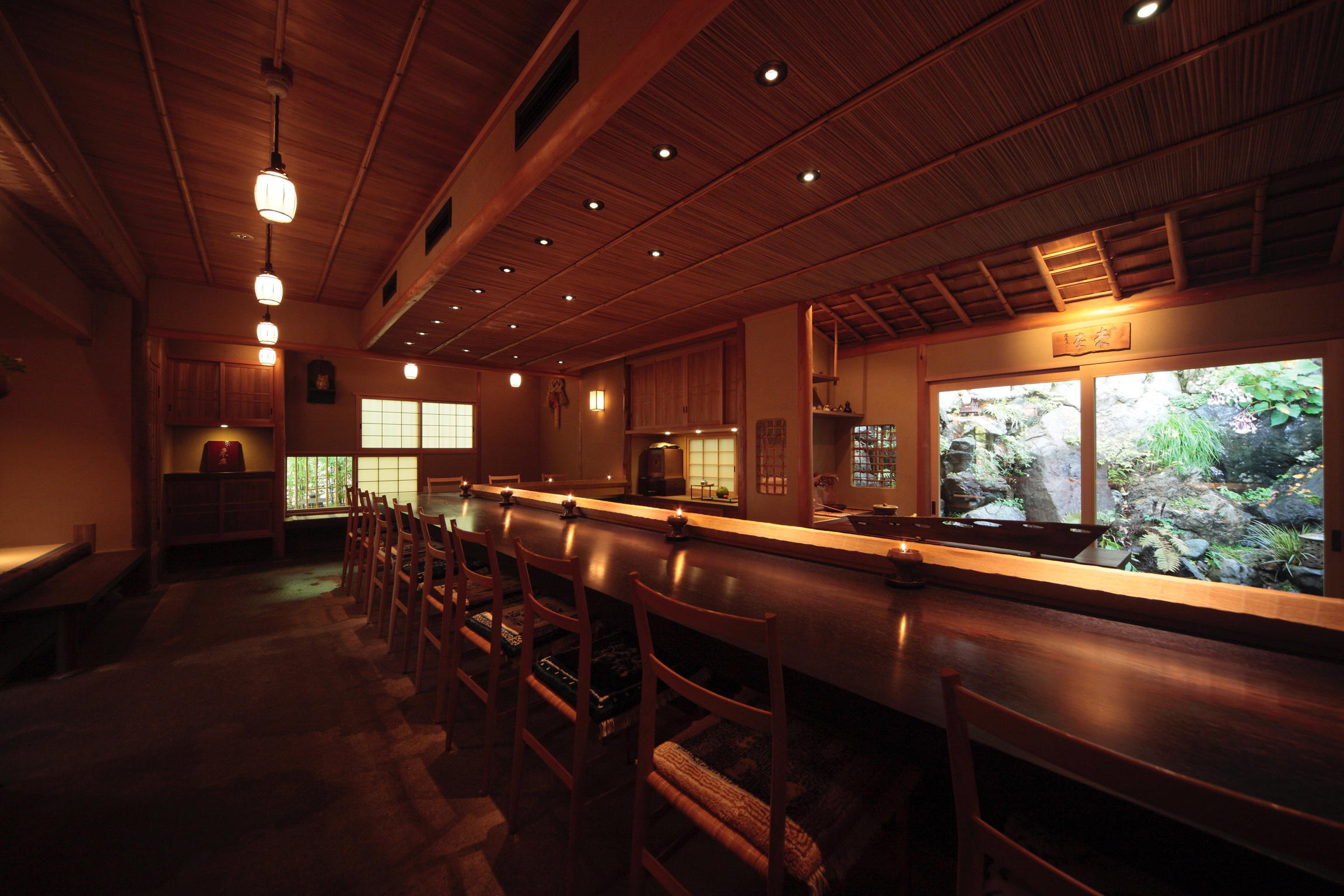
Bars in Kyoto
Browse all →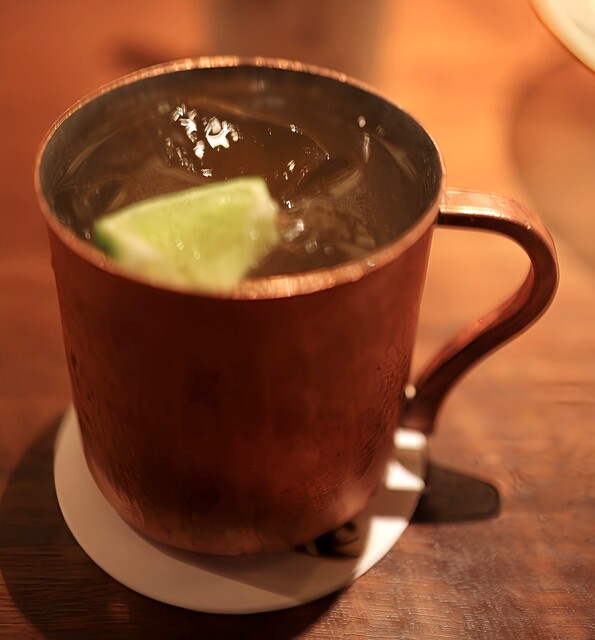
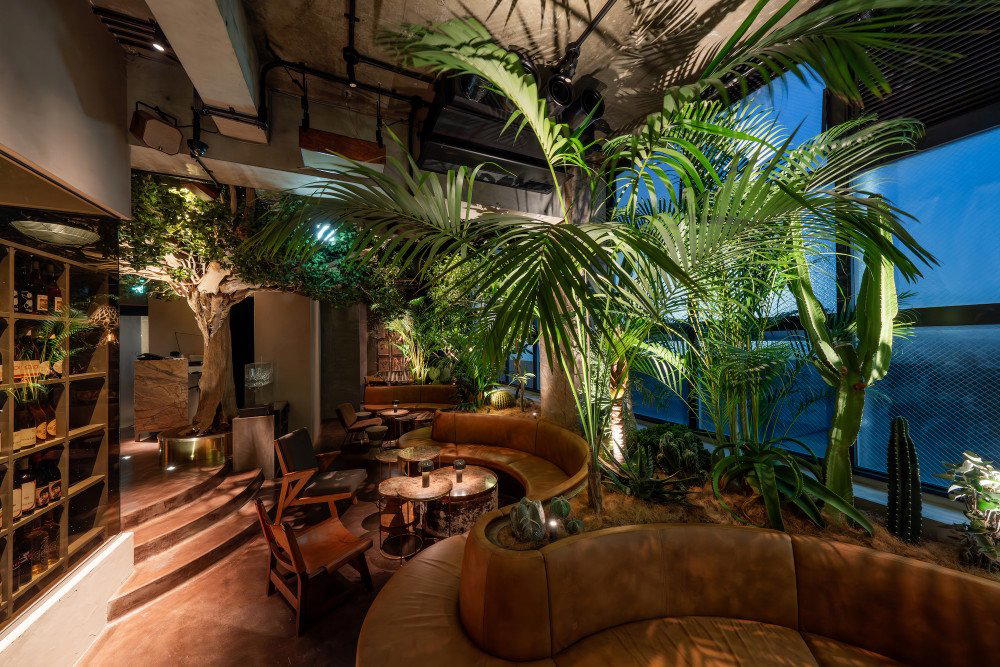
Hotels in Kyoto
Browse all →
Wineries in Kyoto
Browse all →
At a Glance
- Romantic
- Modern
- Cozy
- Rustic
- Intimate
- Date Night
- Business Dinner
- Group Dining
- Special Occasion
- Open Kitchen
- Design Destination
- Standalone
- Historic Building
- Extensive Wine List
- Local Sourcing
Current opening hours
- Monday
- 5–10 PM
- Tuesday
- Closed
- Wednesday
- Closed
- Thursday
- 5–10 PM
- Friday
- 5–10 PM
- Saturday
- 11:30 AM–3 PM, 5–10 PM
- Sunday
- 11:30 AM–3 PM, 5–10 PM
Hours can change for holidays and private events. Last verified .
Warm and intimate atmosphere in a refurbished Kyoto machiya, with dim lighting, exposed wood, and the glow of a central wood-fired oven giving it a modern yet rustic feel.